



PI3K
Phosphoinositide 3-kinase
PI3K (Phosphoinositide 3-kinase), via phosphorylation of the inositol lipid phosphatidylinositol 4,5-bisphosphate (PI(4,5)P2), forms the second messenger molecule phosphatidylinositol (3,4,5)-trisphosphate (PI(3,4,5)P3) which recruits and activates pleckstrin homology domain containing proteins, leading to downstream signalling events crucial for proliferation, survival and migration. Class I PI3K enzymes consist of four distinct catalytic isoforms, PI3Kα, PI3Kβ, PI3Kδ and PI3Kγ.
There are three major classes of PI3K enzymes, being class IA widely associated to cancer. Class IA PI3K are heterodimeric lipid kinases composed of a catalytic subunit (p110α, p110β, or p110δ; encoded by PIK3CA, PIK3CB, and PIK3CD genes, respectively) and a regulatory subunit (p85).
The PI3K pathway plays an important role in many biological processes, including cell cycle progression, cell growth, survival, actin rearrangement and migration, and intracellular vesicular transport.
PI3K Isoform Specific Products
-
PI3Kα
(236)
View all products
-
PI3Kβ
(162)
View all products
-
PI3Kγ
(182)
View all products
-
PI3Kδ
(202)
View all products
-
PI3KC2α
(8)
View all products
-
PI3KC2β
(12)
View all products
-
PI3KC2γ
(4)
View all products
-
Vps34
(25)
View all products
-
PI3K
(668)
View all products
-
PI3KC3
(1)
View all products
-
p120γ
(1)
View all products
All Product Categories
-
PI3K Inhibitors
(872)
View all products
-
PI3K Agonists
(9)
View all products
-
PI3K Antagonist
(1)
View all products
-
PI3K Activators
(131)
View all products
-
PI3K Modulators
(23)
View all products
-
PI3K Inducers
(3)
View all products
-
PI3K Degraders
(7)
View all products
-
PI3K Controls
(4)
View all products
-
PI3K Substrate
(1)
View all products
-
PI3K Ligands
(9)
View all products
-
PI3K Related Products (1122)
Related Products (1122)

-
Antibodies (16)
-
PI3K Signaling Pathway
-
PI3K Isoform Comparison
-
Roginolisib hemifumarate
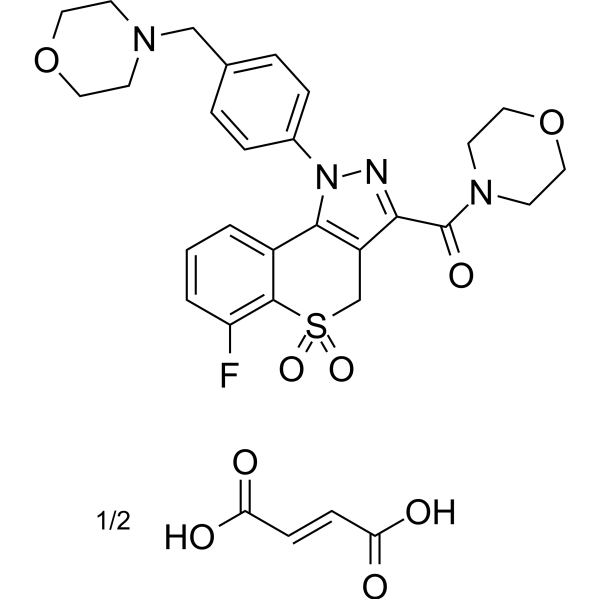 0 ImagesSynonyms: MSC2360844 hemifumarate; IOA-244 hemifumarate
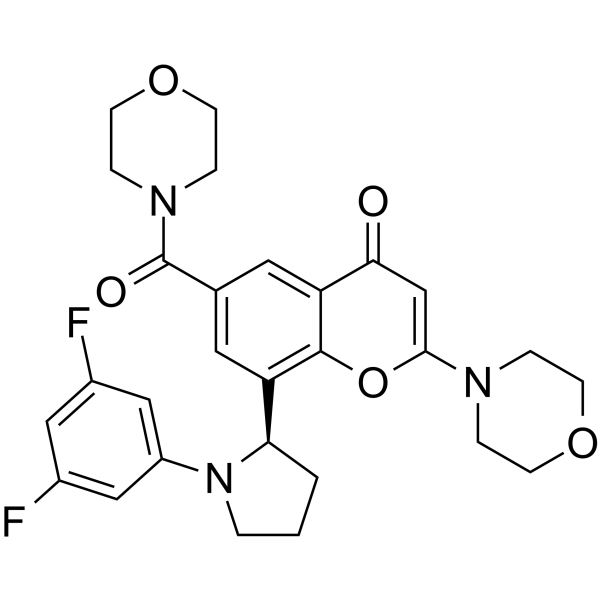
-
IHMT-PI3Kδ-372
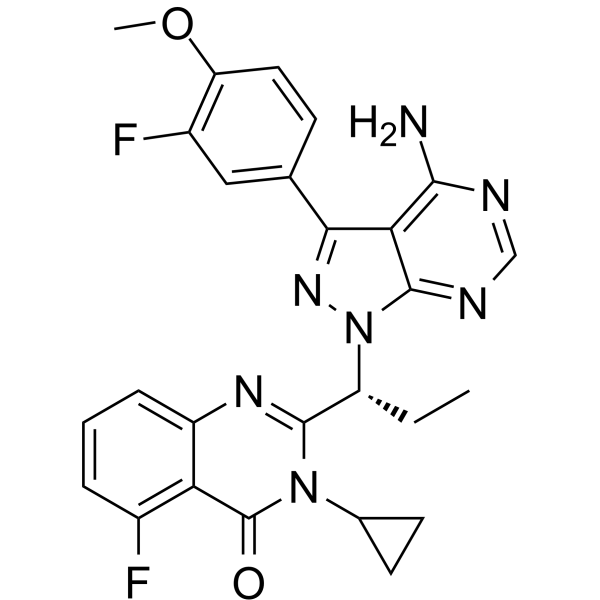 0 ImagesIHMT-PI3Kδ-372 is a potent and selective PI3Kδ inhibitor with an IC50 of 14 nM. IHMT-PI3Kδ-372 shows high selectivity over other class I PI3Ks (56~83 fold) and other protein kinases. IHMT-PI3Kδ-372 can be uesd for chronic obstructive pulmonary disease (COPD) research.
-
Doxycycline calcium
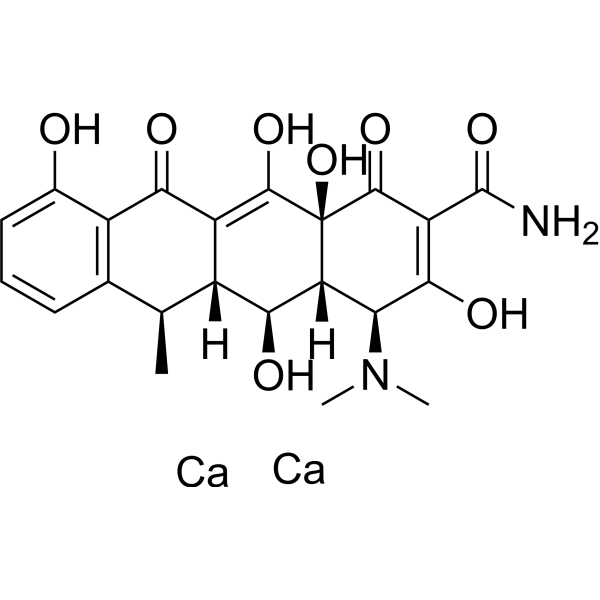 0 ImagesCat. No.: HY-N0565CCAS No.: 94088-85-4Doxycycline calcium is an orally active highly lipophilic, tissue-permeable MMP inhibitor with broad-spectrum antibacterial activity. Doxycycline calcium is also a semi-synthetic antibiotic with chelating properties, which blocks bacterial protein synthesis and inhibits extracellular matrix degradation through interactions with zinc and calcium atoms. Doxycycline calcium also inhibits mitochondrial biogenesis, translation, and the expression of respiratory chain proteins. Doxycycline calcium induces apoptosis, inhibits autophagy and EMT, downregulates stem cell markers, and activates the PI3K-AKT pathway, thereby effectively inhibiting the viability and proliferation of cancer cells such as breast cancer cells. Doxycycline calcium also promotes the survival and self-renewal of embryonic stem cells and neural stem cells, and reduces the frequency of medium changes in culture. Doxycycline calcium has been applied in studies related to breast cancer, prostate cancer, bladder cancer, and other cancers.
-
DCZ3301
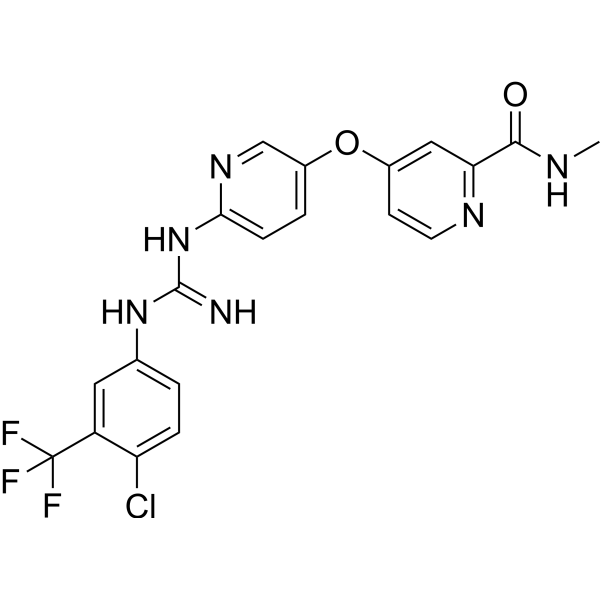 0 ImagesDCZ3301 is an apoptosis inducer. DCZ3301 modulates JAK2/STAT3, ERK1/2, and PI3K/AKT pathways. DCZ3301 induces G2/M and M phase cell cycle arrest and inhibits cell proliferation and viability. DCZ3301 enhances DNA damage, inhibits DNA repair, and suppresses angiogenesis. DCZ3301 can be used for the research of diffuse large B-cell lymphoma, multiple myeloma and leukemia/lymphoma.
-
Ginsenoside Rg4
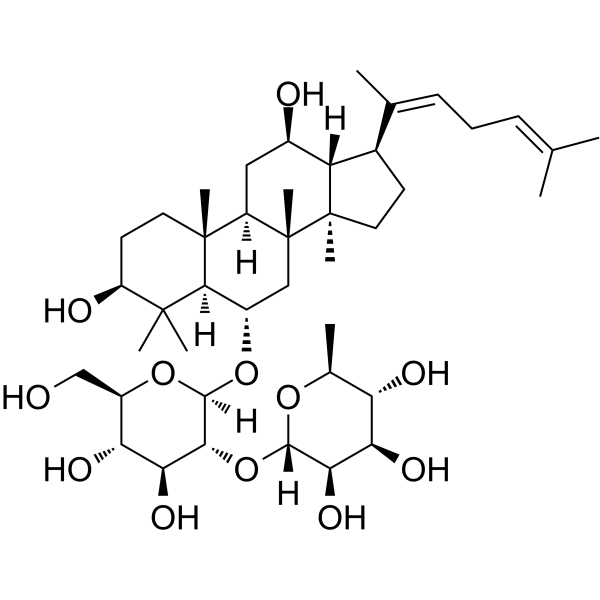 0 ImagesGinsenoside Rg4 is an orally active protopanaxatriol type ginsenoside. Ginsenoside Rg4 can activate PI3K, AKT and GSK-3β signaling. Ginsenoside Rg4 can inhibit ROS and inflammatory cytokine levels. Ginsenoside Rg4 can be used for the researches of inflammation, infection and metabolic disease, such as sepsis and lung inflammation.


-
Triphenyl phosphate-d15
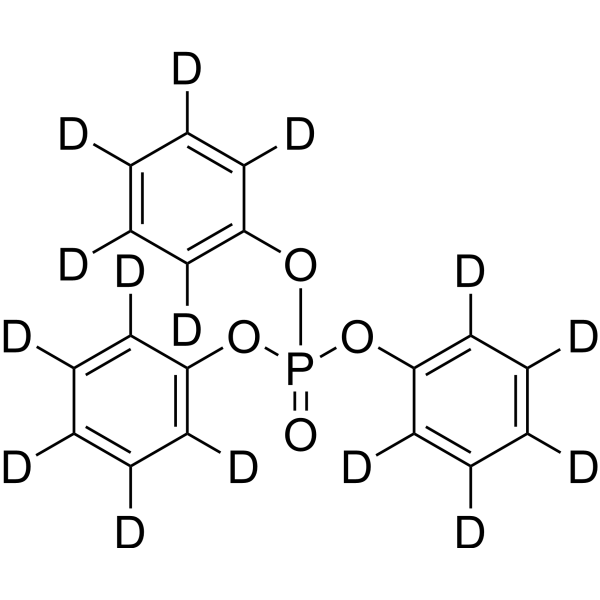 0 ImagesSynonyms: Celluflex TPP-d15; DHPF 005-d15; Disflamol TP-d15; Disflamoll TP-d15; NSC 57868-d15; Phenyl phosphate ((PhO)3PO)-d15; Phoscon FR 903N-d15Triphenyl phosphate-d15 is the deuterium labeled Triphenyl phosphate. Triphenyl phosphate is an orally active, blood-brain barrier-permeable aryl organophosphate flame retardant and endocrine disruptor. Triphenyl phosphate disrupts mitochondrial dynamic balance through oxidative stress, induces excessive mitophagy and apoptosis, and ultimately leads to myocardial fibrosis. In the brain, Triphenyl phosphate activates the NF-κB inflammatory pathway by disrupting the gut microbiota, alters tryptophan metabolism and elevates neurotoxins, thereby inducing anxiety- and depression-like behaviors. In the skeletal and reproductive systems, Triphenyl phosphate inhibits osteoblast differentiation and induces germ cell apoptosis by suppressing the MAPK/ERK pathway and activating the JNK signal, respectively. In adipose and placental tissues, Triphenyl phosphate promotes lipid accumulation by activating the PI3K/AKT-PPARγ axis, and disrupts placental metabolism via the MAOA/ROS/NF-κB cascade, impairing neurodevelopment of offspring.
-
(Rac)-AZD 6482
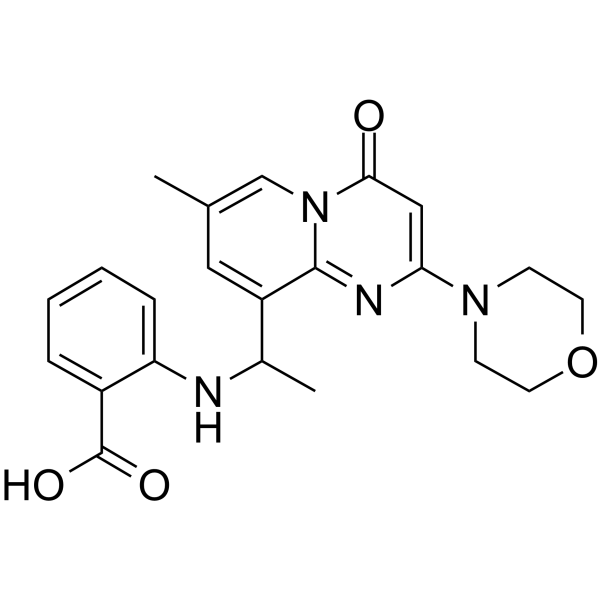 0 ImagesSynonyms: (Rac)-KIN-193(Rac)-AZD 6482 ((Rac)-KIN-193) is the racemate of AZD 6482. AZD 6482 is a potent and selective p110β inhibitor with an IC50 of 0.69 nM.
-
Quercetin dihydrate (Standard)
 0 ImagesQuercetin (dihydrate) (Standard) is the analytical standard of Quercetin (dihydrate). This product is intended for research and analytical applications. Quercetin dihydrate, a natural flavonoid, is a stimulator of recombinant SIRT1 and a PI3K inhibitor with IC50s of 2.4 μM, 3.0 μM and 5.4 μM for PI3K γ, PI3K δ and PI3K β, respectively.
-
MJ04
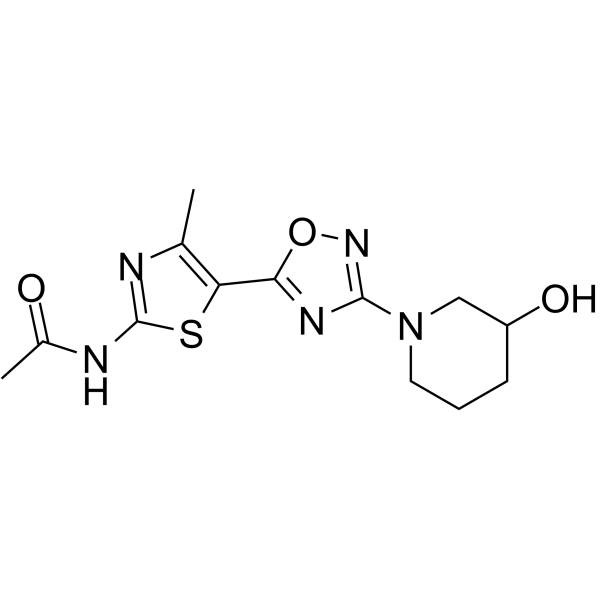
 0 ImagesMJ04 is a selective inhibitor for Janus Kinase 3 (JAK 3) with an IC50 of 2.03 nM. MJ04 inhibits T cell differentation and inhibits the proinfammatory cytokines in Lipopolysaccharides (HY-D1056)‑induced macrophages. MJ04 exhibits good pharmacokinetic characters in mice, promotes hair growth in DHT-induced androgenetic alopecia (AGA) in athymic mice model, without significant toxicity (LD50 >2 g/kg).
-
Citronellol (Standard)
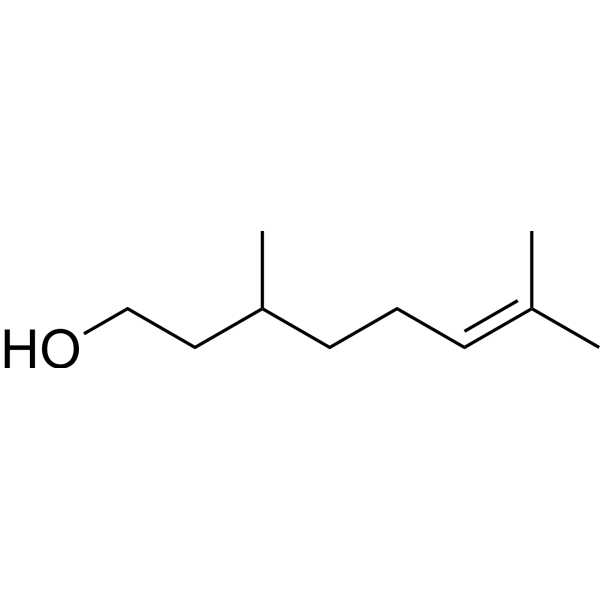 0 ImagesCat. No.: HY-W010201RCAS No.: 106-22-9Synonyms: (±)-Citronellol (Standard); (±)-β-Citronellol (Standard)Citronellol (Standard) is the analytical standard of Citronellol. Citronellol (Standard) is an orally active inducer of apoptosis. Citronellol (Standard) can prevent oxidative stress, mitochondrial dysfunction, and apoptosis in the SH-SY5Y cell Parkinson's disease model induced by 6-OHDA by regulating the ROS-NO, MAPK/ERK, and PI3K/Akt signaling pathways. Citronellol (Standard) can induce necroptosis in human lung cancer cells through the TNF-α pathway and accumulation of ROS. Citronellol (Standard) can reduce the levels of LC-3 and p62 to regulate the autophagy pathway, inhibit oxidative stress and neuroinflammation, and thus have neuroprotective effects on Parkinson's rats. Citronellol (Standard) exhibits anti-fungal activity against Trichophyton rubrum by inhibiting ergosterol synthesis.
-
Coptisine
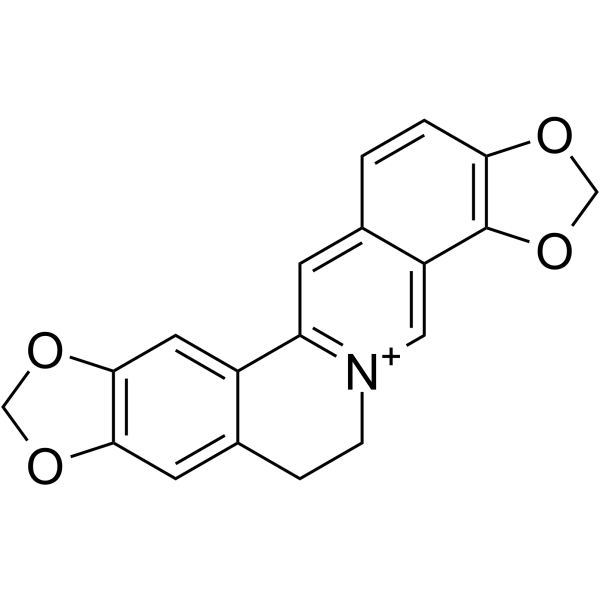 0 ImagesCoptisine is an orally active and brain-penetrant alkaloid found in Coptis chinensis. Coptisine is a reversible, uncompetitive IDO inhibitor with a Ki of 5.8 μM and an IC50 of 6.3 μM. Coptisine suppresses neuroinflammation, reduces Aβ plaque burden and shows neuroprotective activity. Coptisine shows anti-inflammation activity by blocking NF-κB, MAPK, and PI3K/Akt activation. Coptisine inhibits cancer cells proliferation, induces DNA damage, G2/M phase cell cycle arrest, apoptosis, ROS production and mitochondrial dysfunction. Coptisine inhibits Rho/ROCK pathway activation, reduces arrhythmia, limits cardiac injury marker release, reduces infarct size, and preserves cardiac function in rat myocardial ischemia/reperfusion models. Coptisine downregulates HMGCR and upregulates LDLR and CYP7A1 to modulate cholesterol metabolism, reduces abnormal serum lipid levels, and promotes fecal bile acid excretion. Coptisine can be used for the research of cancer, hypercholesterolemia, Alzheimer’s disease, inflammatory disorders and cardiovascular disease.
-
Berberine sulfate (Standard)
 0 ImagesSynonyms: Natural Yellow 18 sulfate (Standard)Berberine (sulfate) (Standard) is the analytical standard of Berberine (sulfate). This product is intended for research and analytical applications. Berberine sulfate is an alkaloid isolated from the Chinese herbal medicine Huanglian, as an antibiotic. Berberine sulfate induces reactive oxygen species (ROS) generation and inhibits DNA topoisomerase. Berberine sulfate has antineoplastic properties. The sulfate form improves bioavailability[1][2].
-
CHMFL-PI4K-127
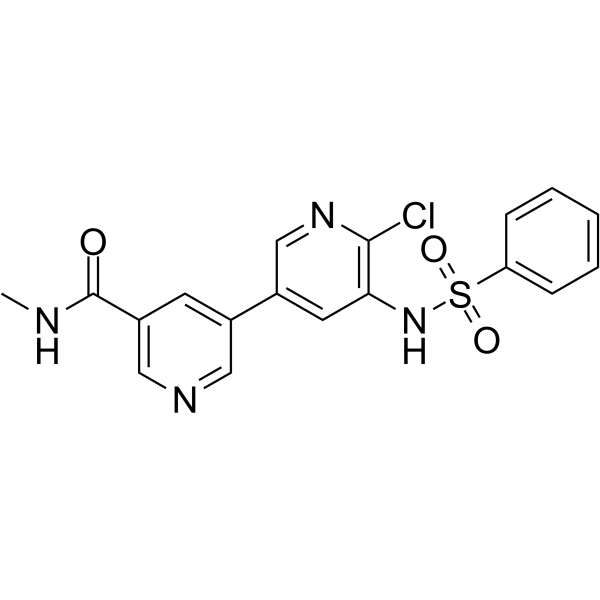 0 ImagesCHMFL-PI4K-127 (compound 15g) is an orally active, potent and high selective PfPI4K (Plasmodium falciparum PI4K kinase) inhibitor, with an IC50 of 0.9 nM. CHMFL-PI4K-127 exhibits potent activity against 3D7 Plasmodium falciparum, with an EC50 of 25.1 nM. CHMFL-PI4K-127 shows antimalaria efficacy.




