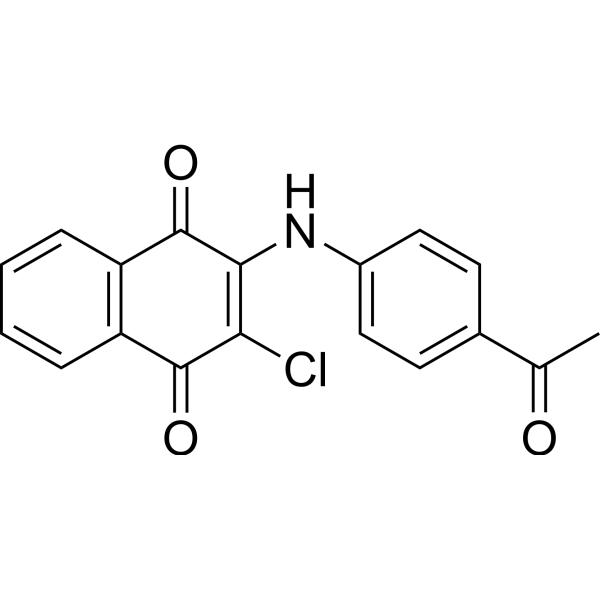
Thrombin
Thrombin is a Na+-activated, serine protease which is activated by the enzymatic cleavage of two sites on prothrombin by activated Factor X. Thrombin exists in two allosteric forms, slow (S) and fast (F), target toward anticoagulant and procoagulant activities.
Thrombin is the main effector protease in primary hemostasis by activating platelets and plays a key role in secondary hemostasis. Besides its well-known functions in hemostasis, thrombin also plays a role in various non-hemostatic biological and pathophysiologic processes, predominantly mediated through activation of protease-activated receptors (PARs). PAR-1, PAR-3, and PAR-4 are cleaved by thrombin, whereas PAR-2 is cleaved by trypsin. Thrombin also plays a crucial role in the migration and metastasis of human cancer cells.
All Product Categories
-
Thrombin Related Products (240)
Related Products (240)

-
Antibodies (9)
-
Dermatan sulphate sodium
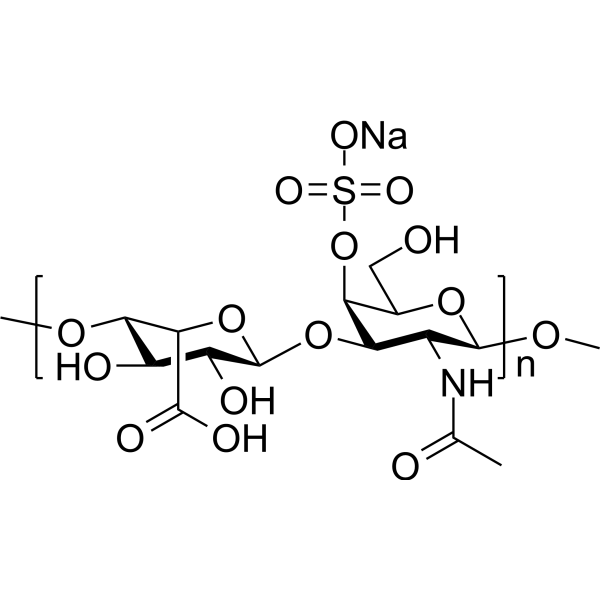 0 ImagesCat. No.: HY-N8278CAS No.: 54328-33-5Dermatan sulphate sodium is an oral active glycosaminoglycan and thrombin inactivator with antithrombotic activity. It selectively catalyzes the heparin cofactor II-mediated inactivation of thrombin without interacting with antithrombin III. Dermatan sulphate sodium promotes stem cell differentiation, exhibits high bioavailability, and alleviates pulmonary fibrosis injury induced by Bleomycin (HY-108345). Dermatan sulphate sodium can be used in research related to cardiovascular diseases, inflammation, and stem cell differentiation.
-
H-D-Phe-Pip-Arg-pNA hydrochloride
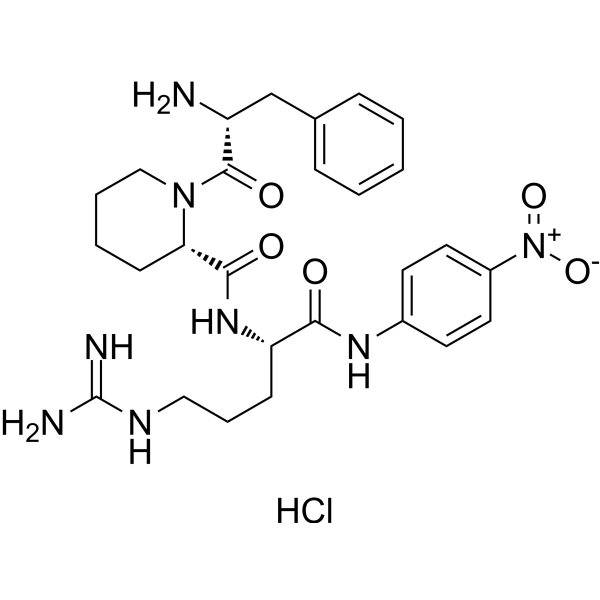 0 ImagesSynonyms: S-2238 hydrochlorideH-D-Phe-Pip-Arg-pNA hydrochloride (S-2238 hydrochloride) is a specific chromogenic peptide substrate for thrombin (Thrombin). The amide bond of H-D-Phe-Pip-Arg-pNA hydrochloride is rapidly hydrolyzed by thrombin, producing a characteristic yellow absorbance at 405 nm, and the change in absorbance is proportional to thrombin activity. H-D-Phe-Pip-Arg-pNA hydrochloride can be used in biochemical detection-related studies.
-
Dabigatran etexilate mesylate
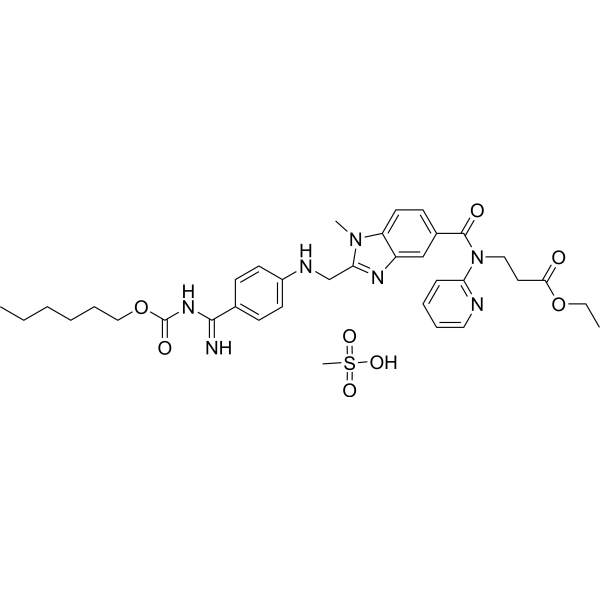 0 ImagesSynonyms: BIBR 1048MS; Dabigatran etexilate methanesulfonateDabigatran etexilate mesylate (BIBR 1048MS) is an orally active proagent of Dabigatran (a direct inhibitor of thrombin). Dabigatran etexilate mesylate has anticoagulant effects and is used for the prophylaxis of venousthromboembolism and stroke due to atrial fibrillation.
-
1-Palmitoyl-2-oleoyl-sn-glycero-3-PS sodium
 0 ImagesSynonyms: 16:0-18:1 PS (POPS)1-Palmitoyl-2-oleoyl-sn-glycero-3-PS sodium (16:0-18:1 PS (POPS)) is an anionic phosphatidylserine phospholipid with 16:0 (palmitoyl) and 18:1 (oleoyl) acyl chains. It serves as a component of biomimetic inner plasma membrane models and membrane vesicles for hemostatic response studies. 1-Palmitoyl-2-oleoyl-sn-glycero-3-PS sodium regulates membrane electrical properties by forming tethered bilayer lipid membranes. It enhances the stability of sHDL particles without altering the cholesterol efflux capacity of sHDL. 1-Palmitoyl-2-oleoyl-sn-glycero-3-PS sodium acts synergistically with phosphatidylcholine to support prothrombin activation. It serves as a component of the 4:1 POPC/POPS binary lipid bilayer model. 1-Palmitoyl-2-oleoyl-sn-glycero-3-PS sodium is applicable to research related to atherosclerosis.
-
Fitusiran
 0 ImagesSynonyms: ALN-AT3SC; SAR439774Fitusiran (ALN-AT3SC) is a siRNA strategy. Fitusiran delivers siRNA targeting the SERPINC1 gene in hepatocytes to inhibit antithrombin synthesis. Fitusiran enhances thrombin activity and increases Thrombin generation, thereby restoring hemostatic function. Fitusiran can be used in hemophilia-related research.
-
Bivalirudin TFA
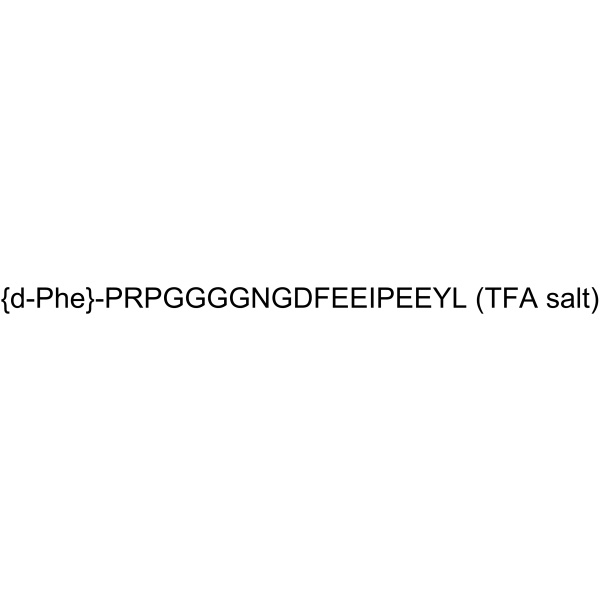 0 ImagesBivalirudin TFA, a hirudin analog and anticoagulant, is a direct thrombin inhibitor. Bivalirudin TFA inhibits thrombin-mediated fibrinogen cleavage, coagulation factor activation, and platelet activation by reversibly binding to thrombin. In addition, Bivalirudin TFA also has certain effects of anti-virus, anti-inflammation, and vascular endothelial barrier function protection. Bivalirudin TFA can be used for the research of thrombotic diseases and others.
-
Ximelagatran
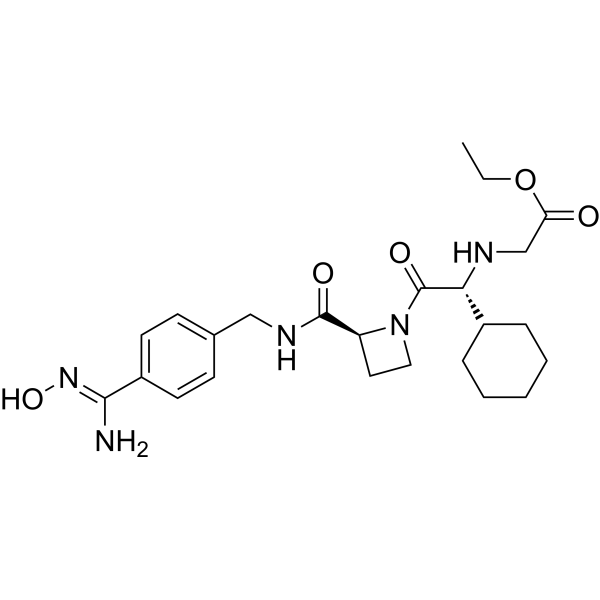 0 ImagesSynonyms: H 376/95
-
Metolazone
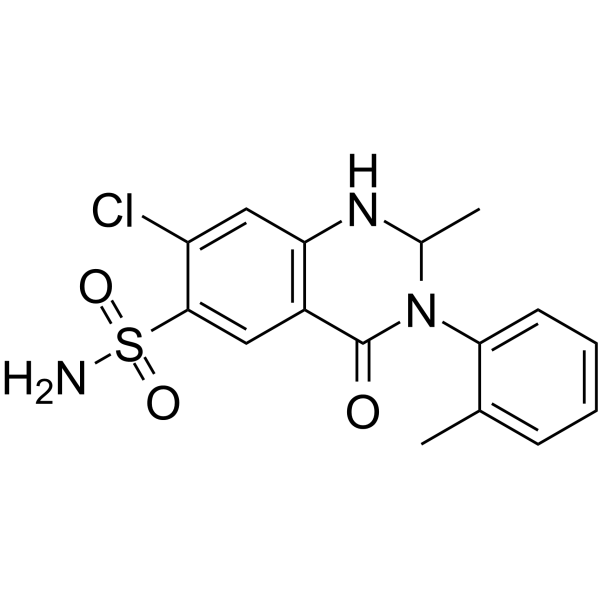 0 ImagesSynonyms: SR-720-22Metolazone (SR-720-22) is primarily used to treat congestive heart failure and high blood pressure.
-
H-D-Phe-Pip-Arg-pNA acetate
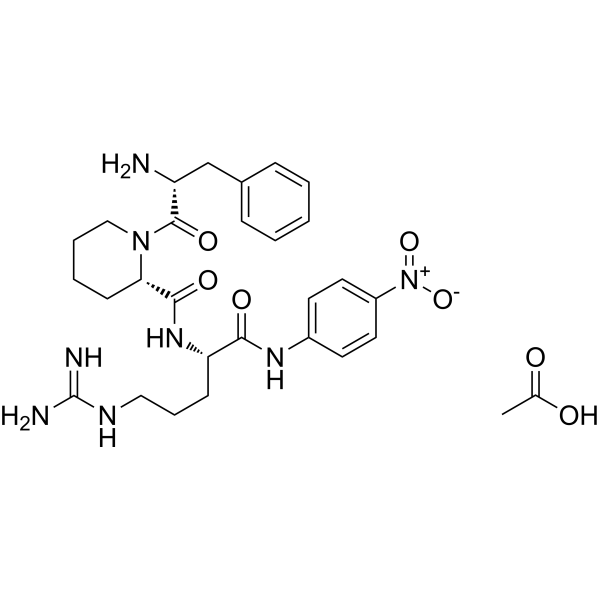 0 ImagesSynonyms: S-2238 acetateH-D-Phe-Pip-Arg-pNA acetate (S-2238 acetate) is a specific chromogenic peptide substrate for thrombin (Thrombin). The amide bond of H-D-Phe-Pip-Arg-pNA acetate is rapidly hydrolyzed by thrombin, producing a characteristic yellow absorbance at 405 nm, and the change in absorbance is proportional to thrombin activity. H-D-Phe-Pip-Arg-pNA acetate can be used in biochemical detection-related studies.
-
Edoxaban tosylate monohydrate
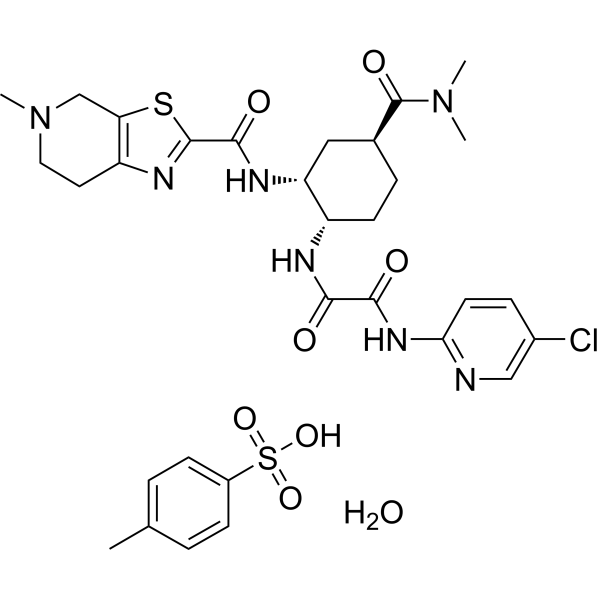 0 ImagesSynonyms: DU-176b monohydrateEdoxaban (DU-176b) monohydrate is an orally active, highly potent, selective, and direct Factor Xa (FXa) inhibitor with Kis of 0.561 and 2.98 nM for free human FXa and prothrombinase. Edoxaban monohydrate exhibits more than 10,000-fold selectivity over other coagulation proteases. Edoxaban monohydrate can be used for preventing thromboembolic disease research.
-
PPACK dihydrochloride
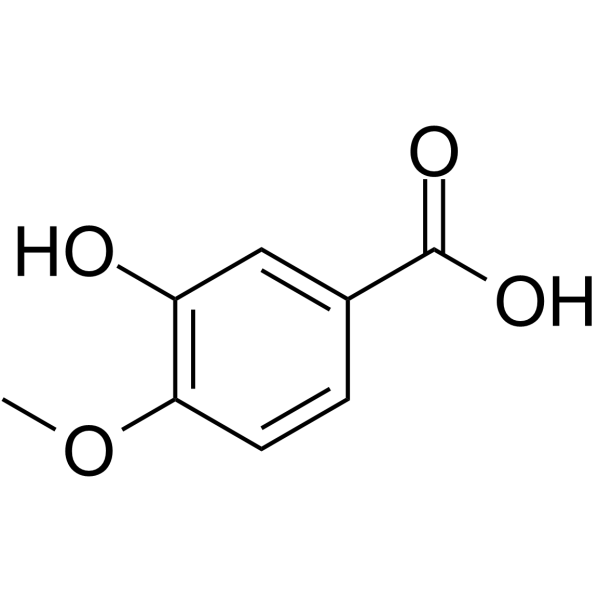
 0 ImagesSynonyms: Pebac; D-Phenylalanyl-prolyl-arginyl Chloromethyl Ketone; D-Phe-Pro-Arg-CH2ClPPACK dihydrochloride is a potent, peptidic inhibitor targeting thrombin and granzyme GZMK. PPACK dihydrochloride specifically blocks the activities of thrombin and GZMK, thereby inhibiting thrombin-mediated PAR-1 cleavage, as well as downstream inflammatory and procoagulant signaling pathways. Through stabilizing IκB proteins, blocking NF-κB activation and reducing systemic levels of proinflammatory/procoagulant biomarkers, PPACK dihydrochloride exerts multiple effects including anti-inflammatory, antithrombotic, barrier repair, and inhibition of atherosclerotic plaque progression. PPACK dihydrochloride binds to platelets without interference from kininogen, effectively limiting acute thrombus growth and reducing eosinophil infiltration and goblet cell hyperplasia in asthma models. PPACK dihydrochloride is an important tool molecule for investigating the mechanisms of atherosclerosis, asthma and related thromboinflammatory diseases.

-
Bovine Factor Xa
 0 ImagesBovine Factor Xa is a serine protease that plays a central role in blood coagulation, with prothrombin as its physiological substrate. Bovine Factor Xa catalyzes the conversion of prothrombin to thrombin, activates factor VIII, and hydrolyzes peptide, thioester, and amide substrates. Bovine Factor Xa cleaves protease-activated receptors 1 and 2 to activate intracellular signal transduction. Bovine Factor Xa regulates multiple cellular pathways, mediates various cellular activities, tissue remodeling and cancer cell migration, and inhibits apoptosis in some cancer cells. Bovine Factor Xa protects hippocampal neurons against glutamate-induced damage. Bovine Factor Xa participates in embryonic vascular development and regulates immune hematopoiesis; its activity is inhibited by soybean trypsin inhibitor, and cannot be enhanced by phospholipids. Bovine Factor Xa regulates immune responses and macrophage polarization, and participates in fibrosis, vascular remodeling and tumor progression through non-coagulant effects. Bovine Factor Xa can be used in research related to atherosclerosis, fibrosis, asthma, cancer, thromboinflammation, sepsis, etc.
-
Dabigatran ethyl ester
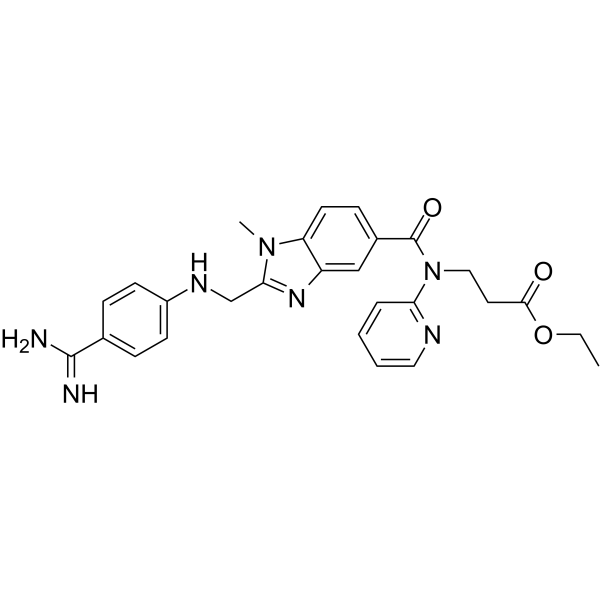 0 ImagesDabigatran ethyl ester is an inhibitor of ribosyldihydronicotinamide dehydrogenase (NQO2) and thrombin. Dabigatran ethyl ester inhibits NADH-dependent metabolism of mitomycin C mediated by purified recombinant human NQO2.
-
Sulodexide solution
 0 ImagesCat. No.: HY-100897ACAS No.: 57821-29-1Sulodexide solution is a mixture of glycosaminoglycans that can be administered by injection. It is composed of low molecular weight heparin (80%) and dermatan sulfate (20%). Sulodexide exhibits antithrombotic activity through interaction with antithrombin III (AT III) and heparin cofactor II (HC II), and inhibition of thrombin formation. Sulodexide exhibits profibrinolytic activity through release of tissue plasminogen activator (tPA). Sulodexide exhibits endothelial protective and anti-inflammatory effect, ameliorates chronic venous disease.
-
Nonadecanoic acid
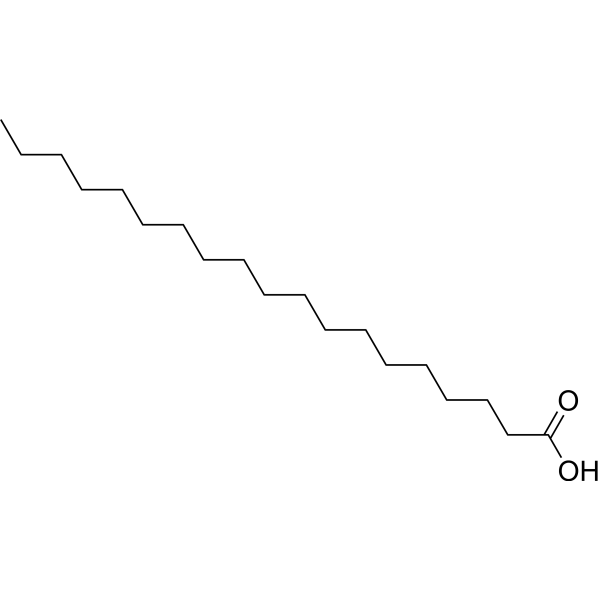 0 ImagesNonadecanoic acid is a 19-carbon long saturated fatty acid. Nonadecanoic acid is the major constituent of the substance secreted by Rhinotermes marginalis. Nonadecanoic acid can be isolated from several sources, including fungus, plant, and marine sponge. Nonadecanoic acid exhibits inhibitory effects on fibrinolysis and plasmin activity. Nonadecanoic acid produced from Streptomyces is an anti-tumor agent and inhibits IL-12 production.
-
Fitusiran sodium
 0 ImagesCat. No.: HY-132587ASynonyms: ALN-AT3SC sodium; SAR439774 sodiumFitusiran (ALN-AT3SC) sodium is a siRNA strategy. Fitusiran delivers siRNA targeting the SERPINC1 gene in hepatocytes to inhibit antithrombin synthesis. Fitusiran sodium enhances thrombin activity and increases Thrombin generation, thereby restoring hemostatic function. Fitusiran sodium can be used in hemophilia-related research.
-
Marstacimab
 0 ImagesCat. No.: HY-P99725CAS No.: 1985638-39-8Synonyms: PF-06741086Marstacimab (PF-06741086) is an anti-tissue factor pathway inhibitor (TFPI) monoclonal antibody. Marstacimab can be used for the research of hemophilia.