



FOXO Activator
- 1
-
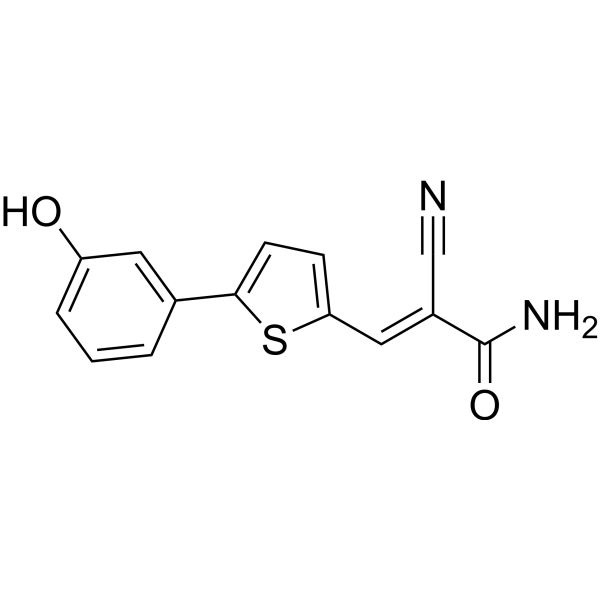
DC-Y13-27
 0 ImagesCat. No.: HY-154919Purity: 98.56%
DC-Y13-27 is a DC-Y13 derivative and YTHDF2 inhibitor (KD: 37.9 μM). DC-Y13-27 inhibits YTHDF2, restores FOXO3 and TIMP1 protein levels, and reduces MMP1/3/7/9 expression. DC-Y13-27 induces Pyroptosis and increases IL-1β secretion. DC-Y13-27 reduces intervertebral disc degeneration and enhances the response to radiotherapy in colon cancer and melanoma. DC-Y13-27 has antitumor activity against breast cancer.
-
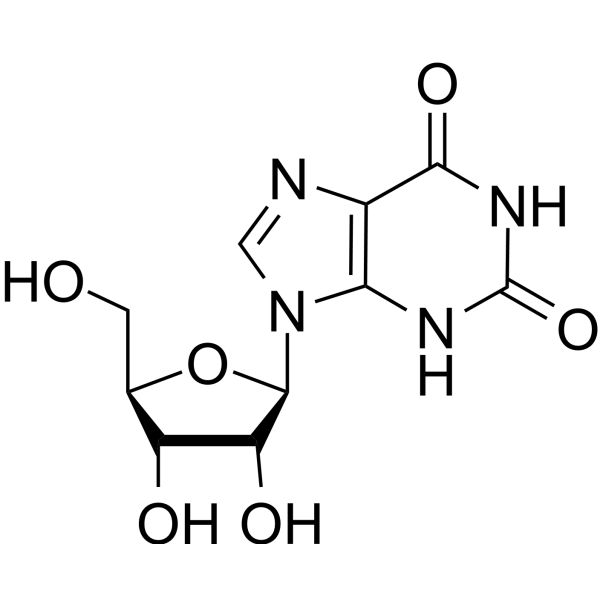
Xanthosine
 0 Images
Xanthosine is a nucleoside derived from xanthine and ribose. Xanthosine activates the AMPK/FoxO1/AKT/GSK3β signaling cascade. Xanthosine promotes cell proliferation and regulates blood glucose metabolism. Xanthosine increases milk production in cows and goats. Xanthosine is used in mammary stem cell and type 2 diabetes research.
-
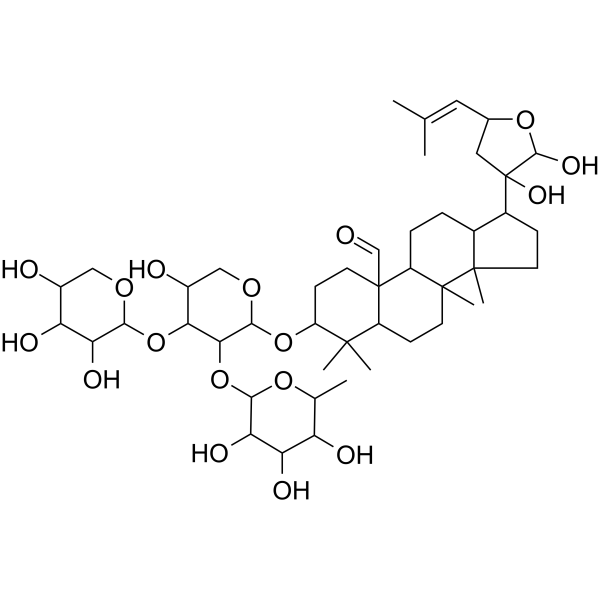
Gypenoside A
 0 Images
Gypenoside A is an orally active triterpenoid compound that can be isolated from Gynostemma pentaphyllum. Gypenoside A has anti-inflammatory and antioxidant activities. Gypenoside A also has a certain protective effect on cardiomyocytes and can inhibit apoptosis. Gypenoside A can be used in the research of cardiovascular diseases and inflammation-related diseases.
-
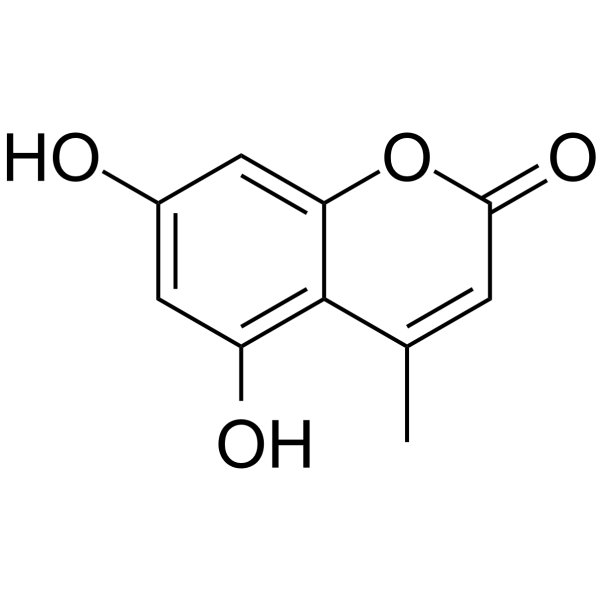
5,7-Dihydroxy-4-methylcoumarin
 0 Images
5,7-Dihydroxy-4-methylcoumarin is an antioxidant. 5,7-Dihydroxy-4-methylcoumarin protects mouse cochlear hair cells from Cisplatin-induced damage, enhances cell viability and inhibits apoptosis. 5,7-Dihydroxy-4-methylcoumarin downregulates phosphorylated JNK levels, increases the ratio of phosphorylated FoxO1 to total FoxO1, scavenges free radicals, reduces ROS accumulation, maintains mitochondrial membrane potential and alleviates mitochondrial dysfunction. 5,7-Dihydroxy-4-methylcoumarin downregulates the expression of caspase-3 and improves cell viability. 5,7-Dihydroxy-4-methylcoumarin can be used in studies related to ototoxicity.
-
Demethylasterriquinone B1
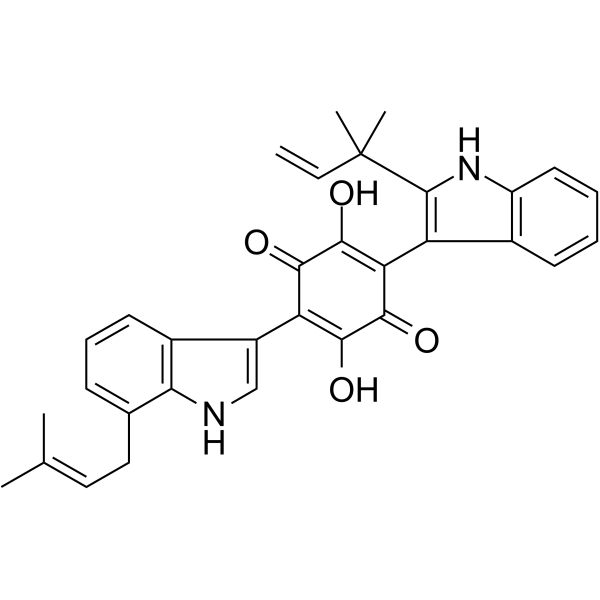 0 ImagesSynonyms: DAQ B1; L-783281; Dimethylasterriquinone
Demethylasterriquinone B1 (DAQ B1; L-783281) is an orally active insulin receptor (insulin receptor) agonist and AKT activator. By activating AKT, Demethylasterriquinone B1 upregulates the expression and activity of eNOS to increase NO production, while downregulating the expression of the NADPH oxidase subunit p22phox to reduce oxidative stress and improve vascular endothelial dysfunction in hypertensive rats. Demethylasterriquinone B1 combind with an AKT inhibitor targets the insulin signaling pathway to activate two antiviral pathways, RNA interference and JAK/STAT, in mosquitoes, thereby reducing Zika virus infection.
-
Dipropyl phthalate-d4
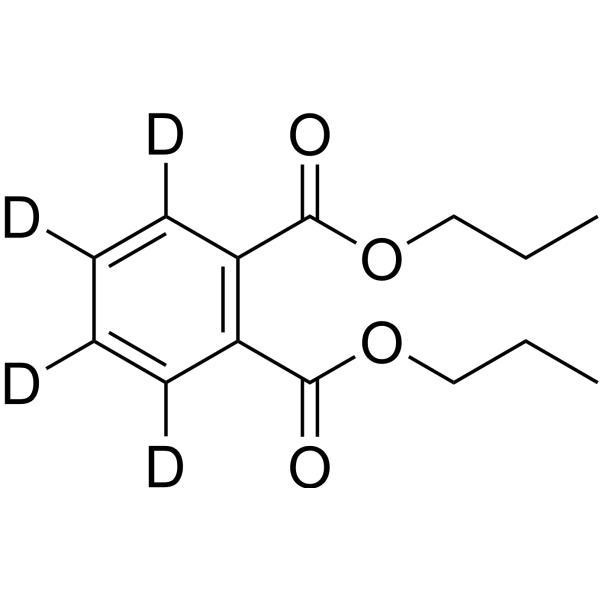 0 ImagesSynonyms: NSC 15314-d4; Di-n-Propyl phthalate-d4
Dipropyl phthalate-d4 (NSC 15314-d4) is the deuterated-labeled Dipropyl phthalate (HY-B1944). Dipropyl phthalate is an immunomodulator. Dipropyl phthalate alters the activities of acid phosphatase, phenoloxidase and superoxide dismutase, increases the activity of β-glucuronidase in a dose-dependent manner, and elevates the mRNA level of hemocyanin in shrimp. Dipropyl phthalate activates the FoxO signaling pathway, interferes with cell proliferation and apoptosis, downregulates chondrocyte-related genes, and induces craniofacial cartilage developmental malformations in zebrafish embryos. Dipropyl phthalate can be used in studies related to Aeromonas veronii infection and micrognathia syndrome.
-
Dipropyl phthalate
 0 Images
Dipropyl phthalate is an immunomodulator. Dipropyl phthalate alters the activities of acid phosphatase, phenoloxidase and superoxide dismutase, increases the activity of β-glucuronidase in a dose-dependent manner, and elevates the mRNA level of hemocyanin in shrimp. Dipropyl phthalate activates the FoxO signaling pathway, interferes with cell proliferation and apoptosis, downregulates chondrocyte-related genes, and induces craniofacial cartilage developmental malformations in zebrafish embryos. Dipropyl phthalate can be used in studies related to Aeromonas veronii infection and micrognathia syndrome.
-
Anticancer agent 7
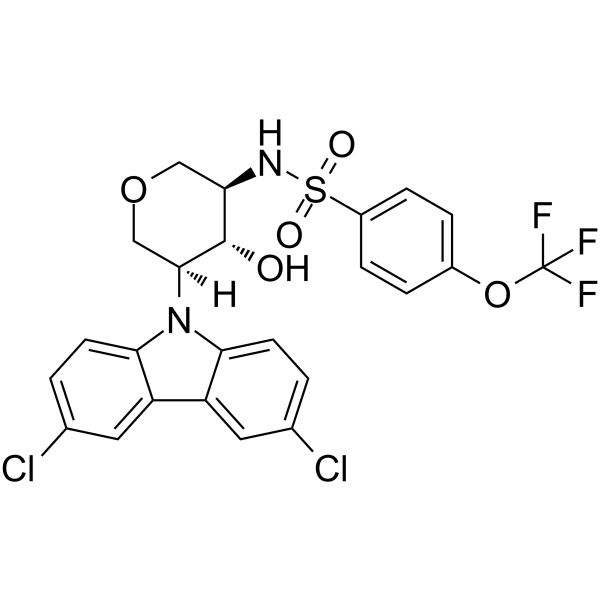 0 ImagesCat. No.: HY-W072940CAS No.: 2088956-21-0
Anticancer agent 7 (Example 5) modulates PP2A, and induces FOXOl transcription factor translocation to the nucleus. Anticancer agent 7 inhibits the proliferation of H1650 lung cancer cell with an IC50 of 5 μM.
-
FuBIG
 0 ImagesCat. No.: HY-182469
FuBIG is an iminoguanidine derivative with neuroprotective effects. FuBIGL inhibits L-LDH activation and reduces lactate production. FuBIGL exerts protective effects on inflammatory nerve cells, upregulates the expressions of AMPK, pAMPK and FOXO3, and activates the AMPK pathway in cells. FuBIG exerts anti-inflammatory effects by reducing pro-inflammatory cytokines (IL-6, IL-1β, TNF-α) and increasing the anti-inflammatory cytokine IL-10. FuBIG maintains mitochondrial membrane potential, alleviates mitochondrial dysfunction, reduces ROS production, and relieves oxidative stress. FuBIG upregulates Bcl-2, downregulates Bax and Caspase-3, and inhibits cell apoptosis (apoptosis). FuBIG improves metabolic disorders in diabetic mice, decreases the levels of LDL-C, ALT and AST, and increases HDL-C level simultaneously. FuBIG can be used in the research of diabetic neuroinflammation.
-
Xanthosine dihydrate
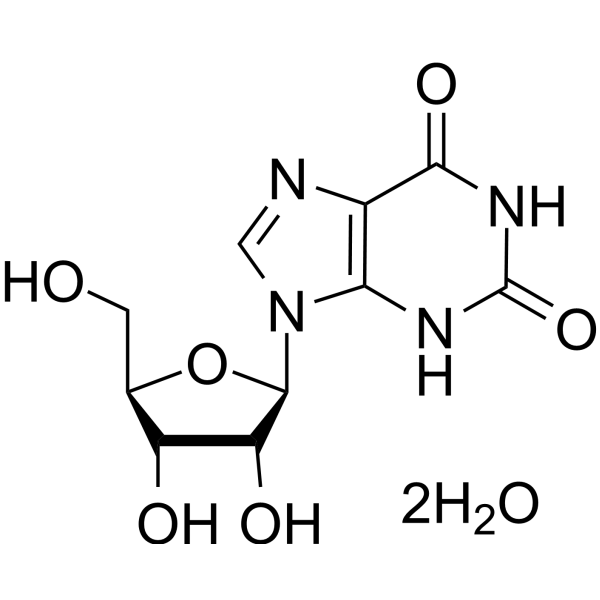 0 ImagesCat. No.: HY-W013803CAS No.: 5968-90-1
Xanthosine dihydrate is a nucleoside derived from xanthine and ribose. Xanthosine dihydrate activates the AMPK/FoxO1/AKT/GSK3β signaling cascade. Xanthosine dihydrate promotes cell proliferation and regulates blood glucose metabolism. Xanthosine dihydrate increases milk production in cows and goats. Xanthosine dihydrate is used in mammary stem cell and type 2 diabetes research.
-
JPS004
 0 ImagesCat. No.: HY-176904CAS No.: 2559747-12-3
JPS004 is a PROTAC degrader targeting HDAC1, HDAC2 and HDAC3. JPS004 induces extensive transcriptomic changes in human colon cancer cell line HCT116, including downregulation of HDAC complex components and cell cycle regulatory machinery, modulation of the AKT/mTOR signaling pathway, and upregulation of FOXO-mediated apoptosis and autophagy related genes. JPS004 can be used in colon cancer-related research.
-
ROCK2-IN-13
 0 ImagesCat. No.: HY-179498
ROCK2-IN-13 is a selective ROCK2 inhibitor. ROCK2-IN-13 reduces nuclear expression by disrupting the interaction of ROCK2 with transcriptional co activators p300> and PGC 1α, repressing oncogenic transcription. ROCK2-IN-13 activates FOXO1 driven PTEN expression, leading to suppression of the PI3K/Akt pathway, induction of G2/M cell cycle arrest, and promotion of apoptosis. ROCK2-IN-13 ablates the nuclear transcriptional function of ROCK2 that sustains oncogenic signaling and restores the tumor suppressive PTEN/FOXO1 axis. ROCK2-IN-13 can be used for prostate cancer reseach.
-
Dipropyl phthalate (Standard)
 0 Images
Dipropyl phthalate (Standard) is the analytical standard of Dipropyl phthalate (HY-B1944). This product is intended for research and analytical applications. Dipropyl phthalate is an immunomodulator. Dipropyl phthalate alters the activities of acid phosphatase, phenoloxidase and superoxide dismutase, increases the activity of β-glucuronidase in a dose-dependent manner, and elevates the mRNA level of hemocyanin in shrimp. Dipropyl phthalate activates the FoxO signaling pathway, interferes with cell proliferation and apoptosis, downregulates chondrocyte-related genes, and induces craniofacial cartilage developmental malformations in zebrafish embryos. Dipropyl phthalate can be used in studies related to Aeromonas veronii infection and micrognathia syndrome.
-
FLLL12
 0 ImagesCat. No.: HY-183402CAS No.: 917813-60-6Synonyms: GO-Y026
FLLL12 (GO-Y026) is a curcumin analog anticancer agent. FLLL12 inhibits the phosphorylation of AKT, Bcl-2, Bid, EGFR, mTOR, FOXO1a, FOXO3a, STAT3, HER2/neu, as well as pancreatic AKT/STAT3; upregulates the expression of Bim and DR5; and activates PTPs. FLLL12 regulates downstream pathways, induces mitochondria-mediated and DR5-dependent extrinsic apoptosis, inhibits cancer cell viability, proliferation, anchorage-independent growth and migration, and exerts a synergistic effect with Doxorubicin (HY-15142A). FLLL12 can be used in research related to head and neck squamous cell carcinoma, breast cancer, prostate cancer, pancreatic cancer, lung cancer, colon cancer and colorectal cancer.
- 1



