



Mitochondrial Metabolism
Mitochondria use multiple carbon fuels to produce ATP and metabolites, including pyruvate, which is generated from glycolysis; amino acids such as glutamine; and fatty acids. These carbon fuels feed into the TCA cycle in the mitochondrial matrix to generate the reducing equivalents NADH and FADH2, which deliver their electrons to the electron transport chain. Mitochondria are complex organelles that play an important role in many facets of cellular function, from metabolism to immune regulation and cell death. Mitochondria are actively involved in a wide variety of cellular processes and molecular interactions, such as calcium buffering, lipid flux, and intracellular signaling. It is increasingly recognized that mitochondrial dysfunction is a hallmark of many diseases such as obesity/diabetes, cancer, cardiovascular and neurodegenerative diseases. Mitochondrial metabolism is a key determinant of tumor progression by impacting on functions such as epithelial-to-mesenchymal transition. Mitochondrial metabolism and derived oncometabolites shape the epigenetic landscape to alter aggressiveness features of cancer cells. Changes in mitochondrial metabolism are relevant for the survival of tumors in response to therapy.
All Product Categories
-
Mitochondrial Metabolism Related Products (635)
Related Products (635)

-
Antibodies (52)
-
Related Compound Screening Libraries (2)
-
Cardiolipin (Heart, Bovine) sodium
 0 ImagesCardiolipin (Heart, Bovine) sodium is a mitochondria-exclusive phospholipid that can be extracted from Bovine hear. Cardiolipin (Heart, Bovine) sodium can maintain mitochondrial function, regulate cellular metabolism and signaling and induce apoptosis and autophagy. Cardiolipin (Heart, Bovine) sodium can be coated on microtitre plates for ELISA assay. Cardiolipin (Heart, Bovine) sodium can be used for the researches of inflammation, immunology, cardiovascular and neurological disease.
-
Meldonium
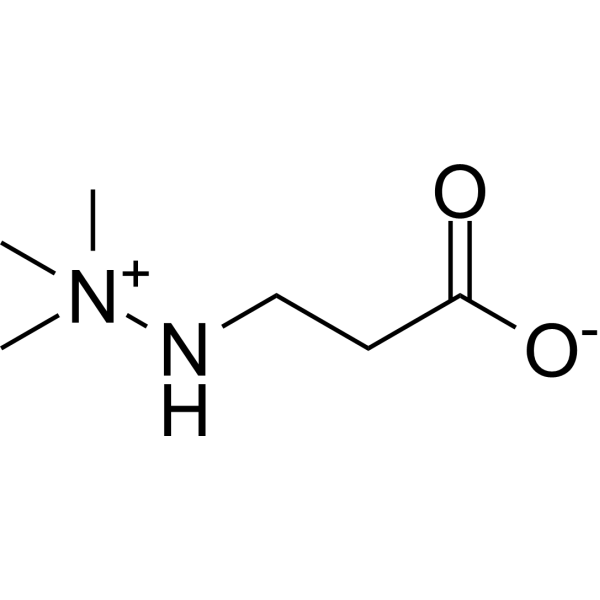 0 ImagesSynonyms: MET-88; QuaterinMeldonium (MET-88) functions as a cardioprotective agent by cpmpetetively inhibiting γ-butyrobetaine hydroxylase (BBOX) and carnitine/organic cation transporter type 2 (OCTN2). Meldonium exhibits IC50 values of 34-62 μM for human recombinant BBOX and an EC50 of 21 μM for human OCTN2. Meldonium is a fatty acid oxidation inhibitor.
-
Mitochondrial fusion promoter M1
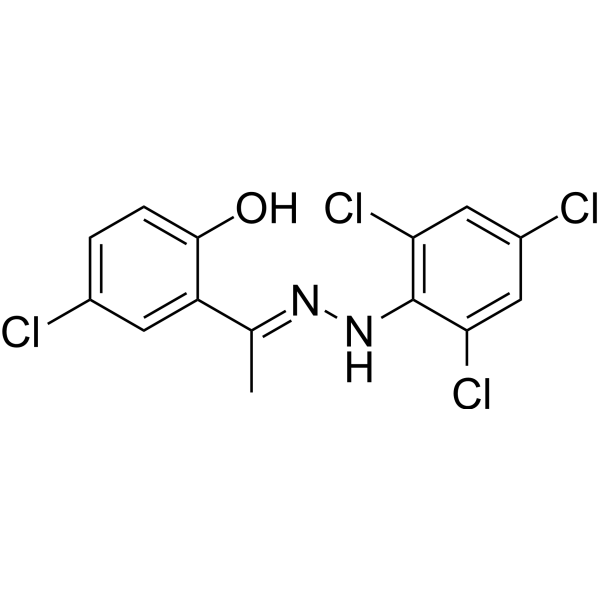 0 ImagesMitochondrial fusion promoter M1 is a mitochondrial dynamic modulator. Mitochondrial fusion promoter M1 preserves the mitochondrial function and promotes cellular respiration. Mitochondrial fusion promoter M1 alleviates cardiac and brain damage in rats with cardiac ischemia/reperfusion injury.
-
HPPE
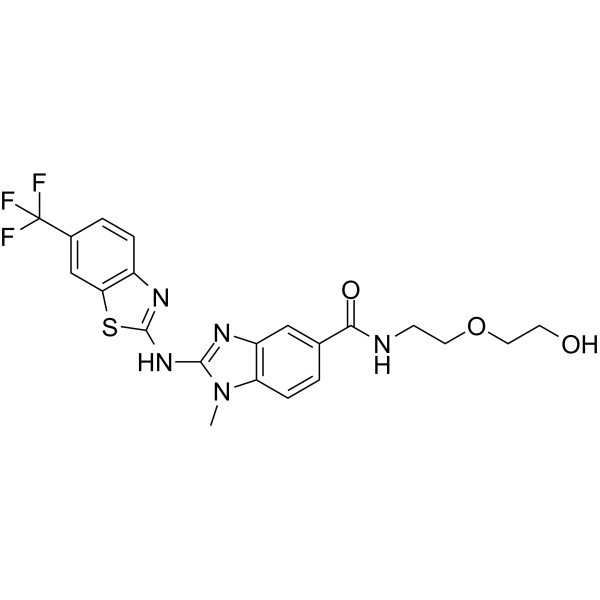 0 ImagesSynonyms: Bach1-IN-1HPPE (compound 236) is an orally active, potential Bach1 inhibitor. Bach1 is a transcription factor of the cap'n'collar type alkaline region leucine zipper factor family (CNC-bZip) that regulates mitochondrial metabolism and reduces glucose utilization. HPPE can be used for research in psoriasis, multiple sclerosis, and COPD.
-
N-Propargylglycine
 0 ImagesN-Propargylglycine is a brain-penetrant and orally active PRODH inhibitor. N-Propargylglycine covalently modifies enzyme-bound FAD and active site lysine, causing enzyme structural distortion, protein decay, and irreversible inhibition of proline and 4-hydroxyproline catabolism. N-Propargylglycine induces UPRmt, upregulates mitochondrial chaperones and YME1L1, enhances mitochondrial proteostasis, blocks astrocytic L-proline consumption, and abolishes L-proline’s ATP-maintaining and viability-protective effects. N-Propargylglycine stimulates neural processes, increases brain proline, hydroxyproline, and sarcosine levels, partially normalizes Huntington’s disease whole brain transcriptomes. N-Propargylglycine reduces hyperoxaluria, prevents calcium oxalate stone formation, reduces kidney tubular damage, and restores weight and survival in Grhpr knockout mice. N-Propargylglycine can be used for the research of breast cancer, neurodegenerative disorders, Huntington’s disease, and primary hyperoxaluria type 2.
-
Ciprofloxacin hydrochloride monohydrate
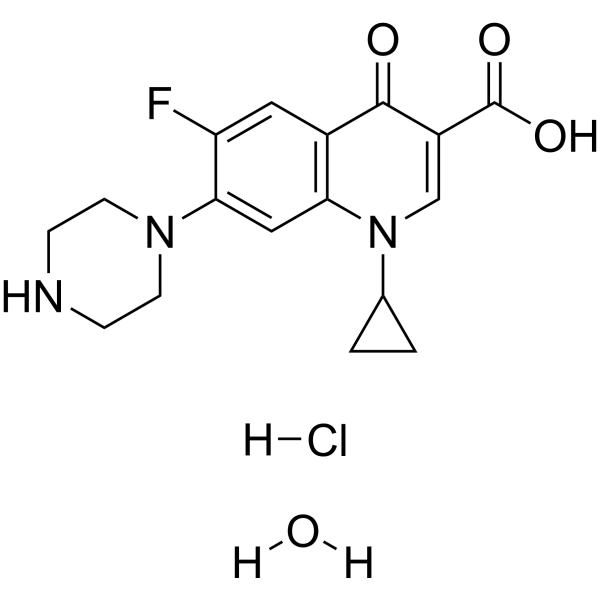 0 ImagesSynonyms: Bay-09867 hydrochloride monohydrateCiprofloxacin (Bay-09867) hydrochloride monohydrate is an orally active, blood-brain barrier permeable fluoroquinolone antibacterial agent. Ciprofloxacin hydrochloride monohydrate exerts bactericidal effects primarily by inhibiting topoisomerase II and IV. Ciprofloxacin hydrochloride monohydrate inhibits the proliferation of human dental pulp stem cells and chondrocytes from young rats, and also activates the Akt signaling pathway and upregulates markers such as β-catenin and Nanog to maintain the morphological characteristics of stem cells. Ciprofloxacin hydrochloride monohydrate induces significant neurotoxicity and tissue damage, including reducing serotonin and glutathione levels in the brain, inducing oxidative stress and depression-like behaviors, and causing articular cartilage damage. Ciprofloxacin hydrochloride monohydrate can be applied to research related to infections of necrotic young permanent teeth and neurotoxicity.
-
Carboxyatractyloside tripotassium
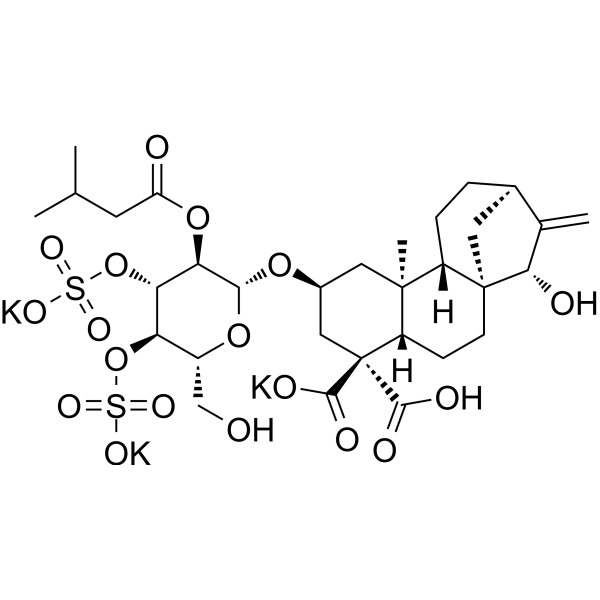 0 ImagesSynonyms: Gummiferin tripotassiumCarboxyatractyloside tripotassium is a diterpenoid. Carboxyatractyloside tripotassium can be isolated from plants of the genus Xanthium. Carboxyatractyloside tripotassium is an ADP/ATP carrier inhibitor, inhibiting mitochondrial ADP/ATP transport. Carboxyatractyloside tripotassium promotes ROS production, induces Ca2+ release, and leads to mitochondrial dysfunction. Carboxyatractyloside tripotassium induces lethargy, weakness, and epileptic seizures in rats.
-
S3QEL-2
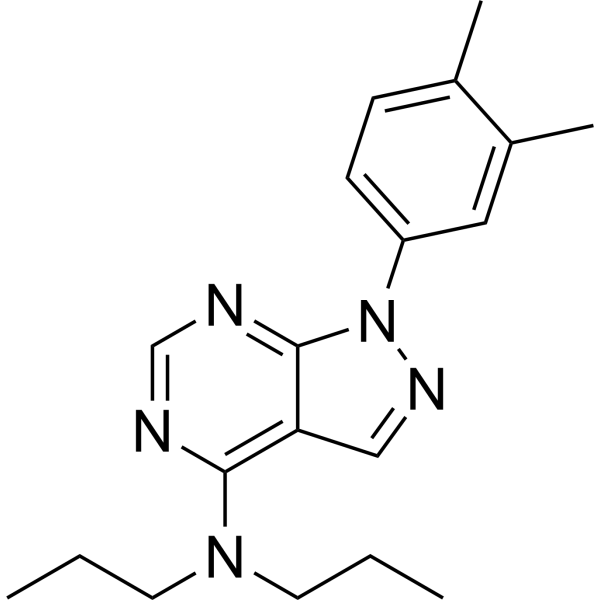 0 ImagesS3QEL-2, a suppressor of superoxide production from mitochondrial complex III, potently and selectively suppresses site IIIQo superoxide production (IC50=1.7 μM). S3QEL-2 does not affect oxidative phosphorylation, and normal electron flux. S3QEL-2 inhibits HIF-1α accumulation.
-
Gboxin
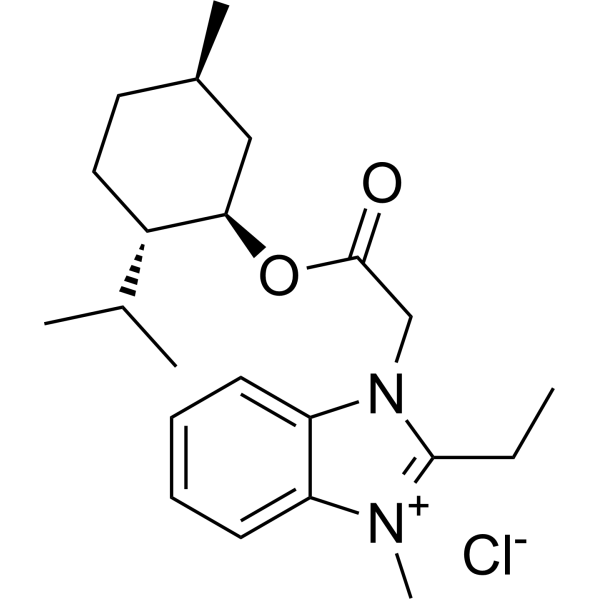 0 ImagesGboxin is an oxidative phosphorylation (OXPHOS) inhibitor that targets glioblastoma. Gboxin inhibits the activity of F0F1 ATP synthase. Antitumour activity.
-
L-2-Hydroxyglutaric acid disodium
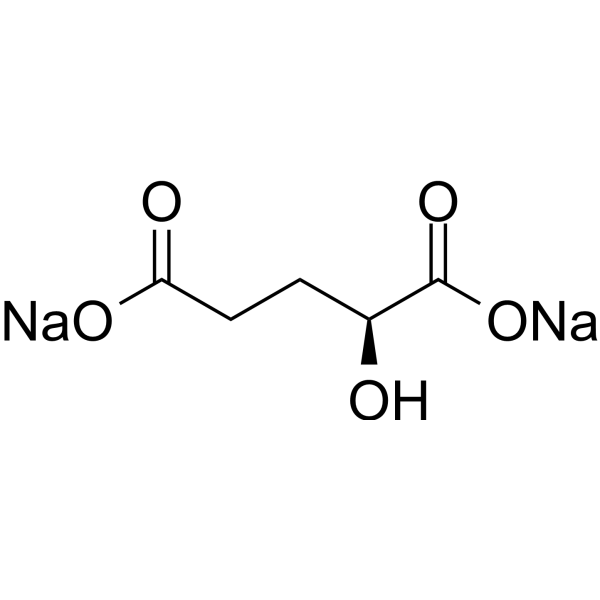 0 ImagesSynonyms: (S)-2-Hydroxyglutaric acid disodiumL-2-Hydroxyglutaric acid disodium is an epigenetic modifier and putative oncometabolite in renal cancer. L-2-Hydroxyglutaric acid disodium can inhibit histone demethylases and hence promote histone methylation. L-2-Hydroxyglutaric acid inhibits mitochondrial creatine kinase (Mi-CK) activity with Km and Ki of 2.52 mM and 11.13 mM, respectively.
-
7ACC2
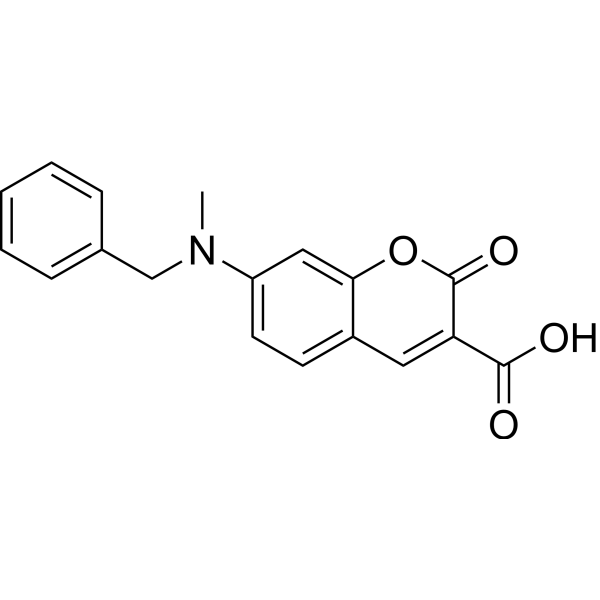 0 Images7ACC2 is a potent monocarboxylate transporter (MCT) inhibitor with an IC50 of 11 nM for inhibition of [14C]-lactate influx. 7ACC2 is also a potent inhibitor of mitochondrial pyruvate transport. 7ACC2 is an anticancer agent through inhibition of lactate flux.
-
Phosphocreatine disodium
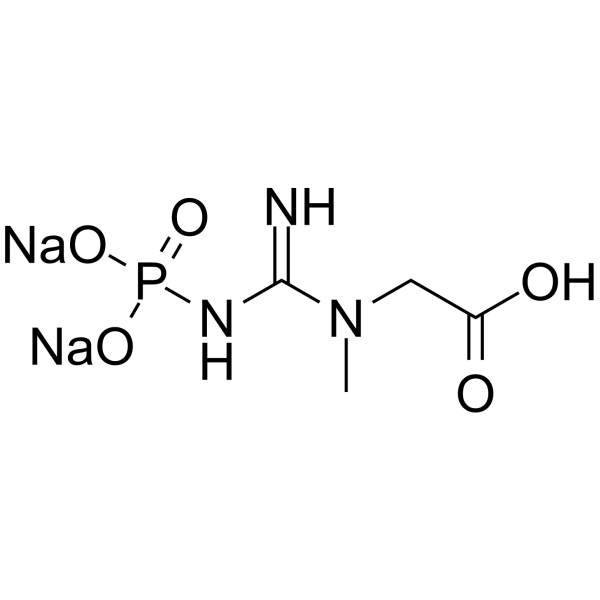 0 ImagesPhosphocreatine (disodium) is an organic compound found in vertebrate skeletal muscles. Phosphocreatine (disodium) enhances antioxidant activity, and activates the TAK1 pathway to protect the heart. Phosphocreatine (disodium) normalizing mitochondrial function and reducing oxidative stress via Akt mediated Nrf2/HO-1 pathway. Phosphocreatine (disodium) provides renal protection by suppressing Apoptosis and ROS (Reactive Oxygen Species) generation through ERK mediated mediated Nrf-2/HO-1 pathway..
-
Phenformin
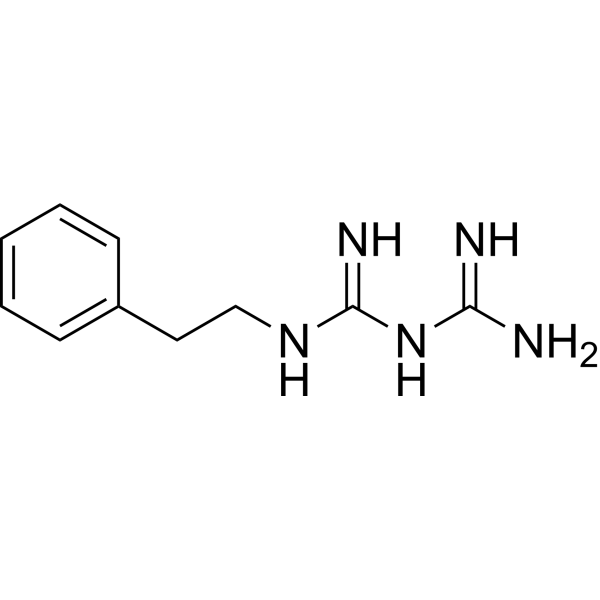 0 ImagesPhenformin (Phenethylbiguanide) is an orally active biguanide hypoglycemic agent. Phenformin inhibits mitochondrial respiratory chain complex I, leading to an increased AMP/ATP ratio, activation of AMPK, and subsequent inhibition of the mTOR pathway, thereby suppressing cell proliferation, inducing apoptosis and autophagy. Phenformin inhibits cancer stem cells (CSCs) and possesses potent antitumor potential.
-
Azoramide
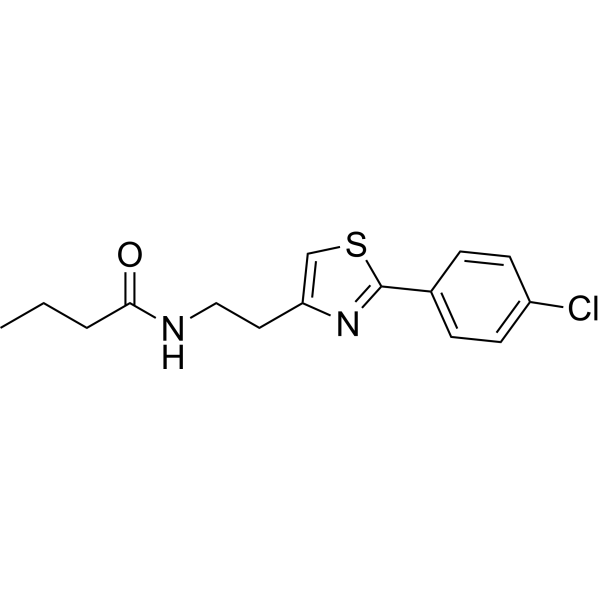 0 ImagesAzoramide is a potent, orally active small-molecule modulator of the unfolded protein response (UPR). Azoramide improves ER protein folding and elevates ER chaperone capacity, which together protects cells against ER stress. Azoramide alleviates PLA2G6 mutant-induced ER stress through modulating unfolded protein response, and enhances the CERB signaling to rescue mitochondrial function, thereby preventing apoptosis of DA neurons. Azoramide has antidiabetic activity.
-
IACS-010759 hydrochloride
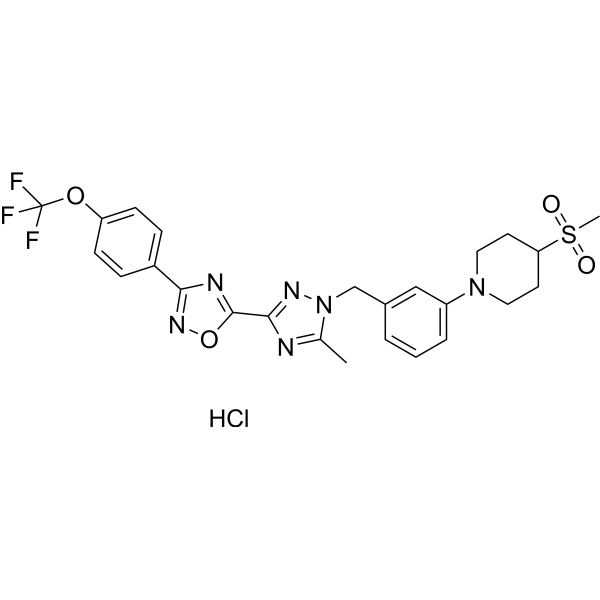 0 ImagesSynonyms: IACS-10759 hydrochlorideIACS-010759 hydrochlorideis an orally active, potent mitochondrial complex I of oxidative phosphorylation (OXPHOS) inhibitor. IACS-010759 hydrochlorideinhibits proliferation and induces apoptosis in models of brain cancer and acute myeloid leukemia (AML) reliant on OXPHOS. IACS-010759 hydrochloride has the potential for relapsed/refractory AML and solid tumors research.
-
Acetylcarnitine
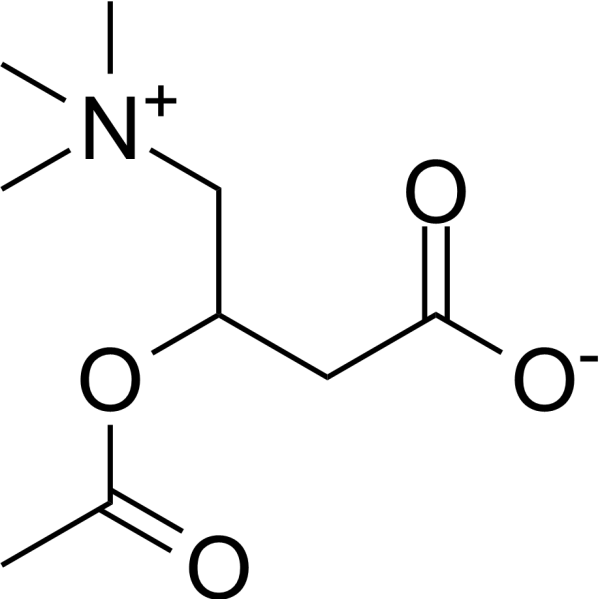 0 ImagesAcetylcarnitine is a CNS-penetrant endogenous metabolite. Acetylcarnitine shuttling links mitochondrial metabolism to histone acetylation and lipogenesis. Acetylcarnitine attenuates oxidative stress and neuroinflammation. Acetylcarnitine can be used for fatigue-associated diseases research. Acetylcarnitine can be used as a candidate diagnostic and prognostic biomarker of hepatocellular carcinoma.
-
ER-000444793
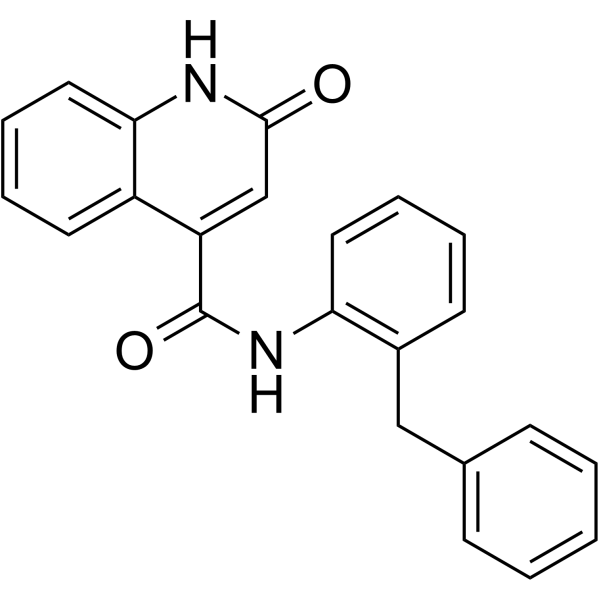 0 ImagesER-000444793 is a potent inhibitor of mitochondrial permeability transition pore (mPTP) opening. ER-000444793 inhibits mPTP with an IC50 of 2.8 μM.
-
MitoTEMPO hydrate
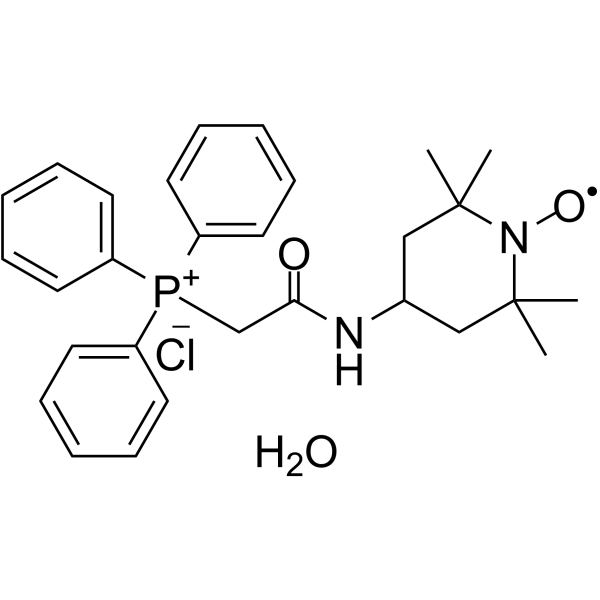 0 ImagesMitoTEMPO hydrate is a mitochondria-targeted antioxidant. MitoTEMPO hydrate induces mitophagy by activating the PINK1/Parkin pathway, inhibits NLRP3 inflammasome activation, restores mitochondrial membrane potential, and improves renal function and podocyte injury. MitoTEMPO hydrate regulates Ca2+ homeostasis, inhibits Bnip3 overexpression, shortens action potential duration, and exerts antiarrhythmic effects. MitoTEMPO hydrate reverses premature senescence, reduces trabecular bone loss, and decreases cell apoptosis. MitoTEMPO hydrate can be used in studies of chronic kidney disease, age-related cardiac dysfunction, postmenopausal osteoporosis, and ischemic stroke.
-
Mitochonic acid 5
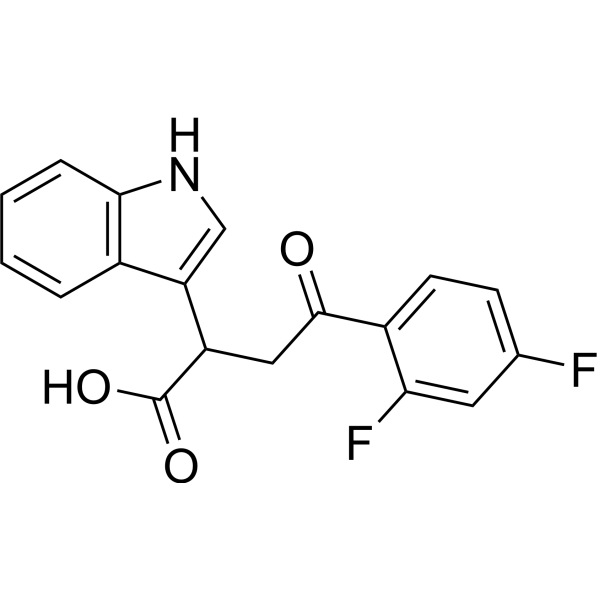 0 ImagesSynonyms: MA-5Mitochonic acid 5 binds mitochondria and ameliorates renal tubular and cardiac myocyte damage. Mitochonic acid 5 modulates mitochondrial ATP synthesis.
-
Pyruvate Carboxylase-IN-1
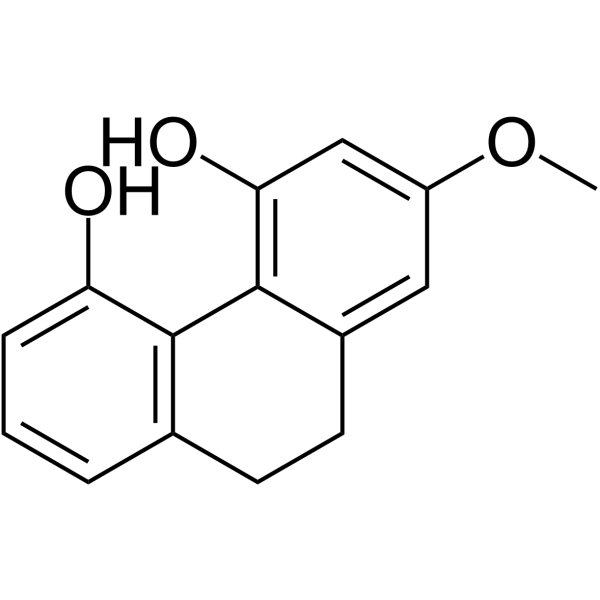 0 ImagesPyruvate Carboxylase-IN-1 (compound 37) is a potent pyruvate carboxylase inhibitor with antiproliferative activity. The IC50 values of pyruvate carboxylase-IN-1 against PC in cell lysates and cells are 0.204 and 0.104 μM, respectively.




