



Multiple Sclerosis
-
Multiple Sclerosis (76)

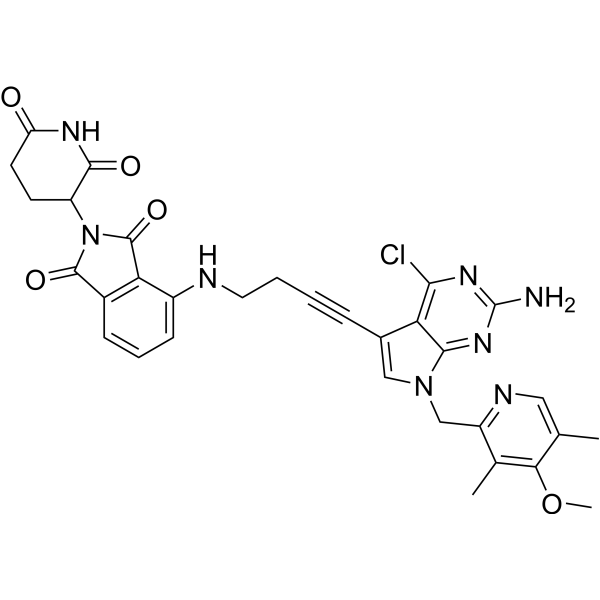
- Formula: C32H29ClN8O5
- Molecular Weight: 641.08
PROTAC HSP90 degrader BP3 is a potent and selective degradation of HSP90 in a CRBN-dependent fashion. PROTAC HSP90 degrader BP3 has a certain degradation effect on HSP90 protein in MCF-7 cells (DC50=0.99 μM). PROTAC HSP90 degrader BP3 inhibits the growth of breast cancer cell. PROTAC HSP90 degrader BP3 is a click chemistry reagent, it contains an Alkyne group and can undergo copper-catalyzed azide-alkyne cycloaddition (CuAAc) with molecules containing Azide groups.
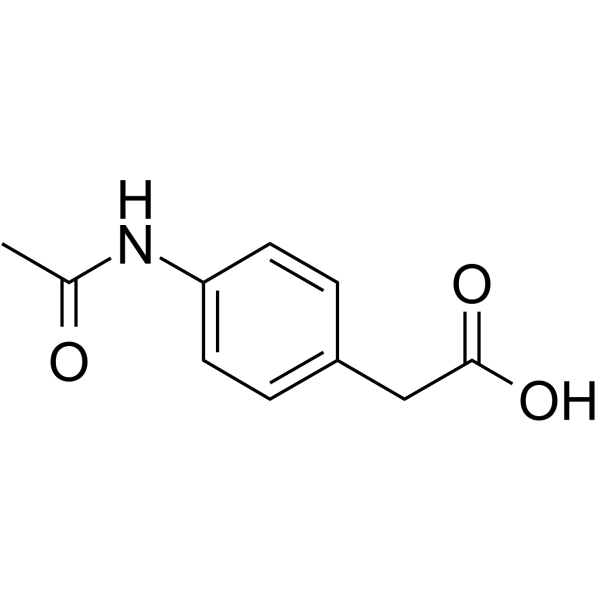
- Formula: C10H11NO3
- Molecular Weight: 193.20
Actarit (4-Acetylaminophenylacetic acid) is an orally active Carbonic Anhydrase II (CAII) inhibitor with an IC50 of 422 nM. Actarit shows suppressive effects experimental autoimmune encephalomyelitis in rats. Actarit inhibits the development of type ll collagen (CII)-induced arthritis in mice by suppressing delayed-type hypersensitivity to CII. Actarit can be used for the study of Multiple Sclerosis (MS) and rheumatoid arthritis.
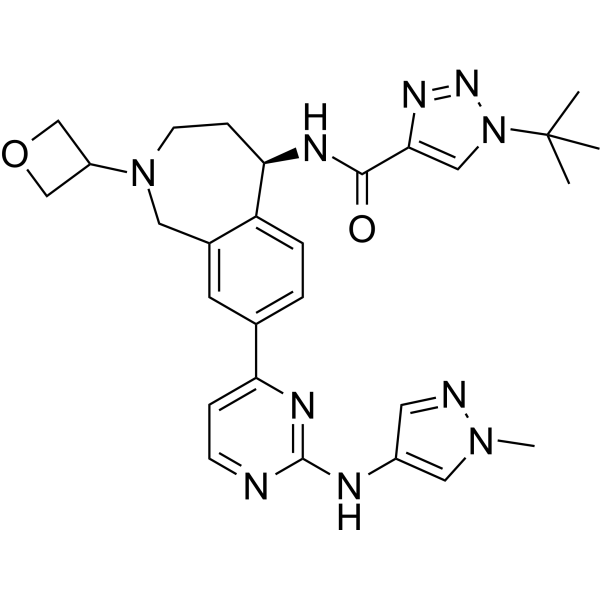
- Formula: C28H34N10O2
- Molecular Weight: 542.64
Corubrutinib (BIIB091) is an orally active BTK inhibitor with an IC50 of <0.5 nM, Kd of 0.07 nM, and >500-fold kinome selectivity. Corubrutinib suppresses B cell activation, proliferation, differentiation, antibody production, antigen presentation, cytokine secretion, and myeloid cell effector functions. Corubrutinib exhibits favorable pharmacokinetic and preclinical safety profiles, including low genotoxic potential, minimal hepatotoxicity, and no major transporter or CYP inhibition. Corubrutinib can be used for the research of multiple sclerosis.
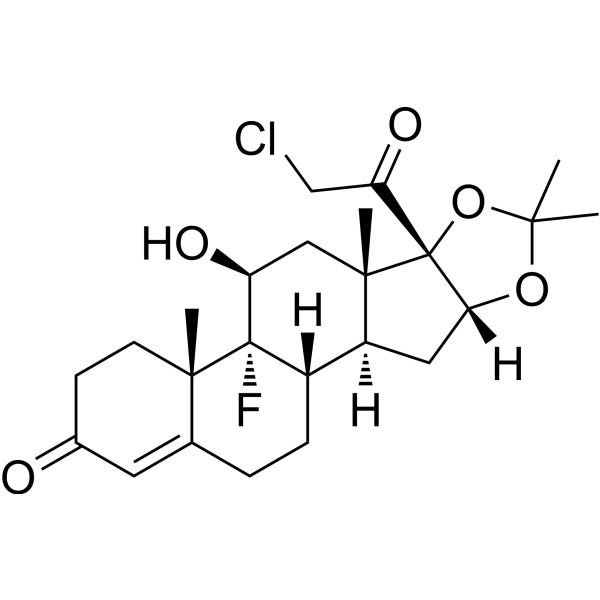
- Formula: C24H32ClFO5
- Molecular Weight: 454.96
Halcinonide (SQ-18566) is an orally active Smoothened (Smo) agonist. Halcinonide activates the Hedgehog signaling pathway by binding to Smo and promoting its internalization and expression, thereby activating Gli transcription factors. Halcinonide not only stimulates cell proliferation, increases the expression of cyclin D2/CDK6 and inhibits the degradation of caspase-3, but also suppresses Bcl-2/Bax-mediated apoptosis, oxidative stress and inflammatory responses. Halcinonide activates RxRγ to upregulate the expression of myelin genes, thereby reducing cerebral infarction and improving behavioral deficits. Halcinonide has been used in studies related to multiple sclerosis and ischemic stroke.

- Molecular Weight: 145.227 kDa
Ozanezumab (GSK1223249) is a humanized, Fc-inactivated monoclonal antibody that targets the nervous system protein Nogo-A. Ozanezumab promotes neurite outgrowth and axonal regeneration by neutralizing Nogo-A signaling. Ozanezumab is used for research on neurodegenerative diseases such as amyotrophic lateral sclerosis and multiple sclerosis[1].

- Molecular Weight: 144.38 kDa
Daxdilimab (MEDI7734; VIB7734) is a monoclonal antibody targeting immunoglobulin-like transcript 7 (ILT7) that depletes plasmacytoid dendritic cells and reduces IFN1 production by binding to the plasmacytoid dendritic cell-specific surface molecule ILT7 and recruiting effector natural killer cells. Daxdilimab (MEDI7734; VIB7734) can be used for research on systemic lupus erythematosus, systemic sclerosis, and polymyositis.
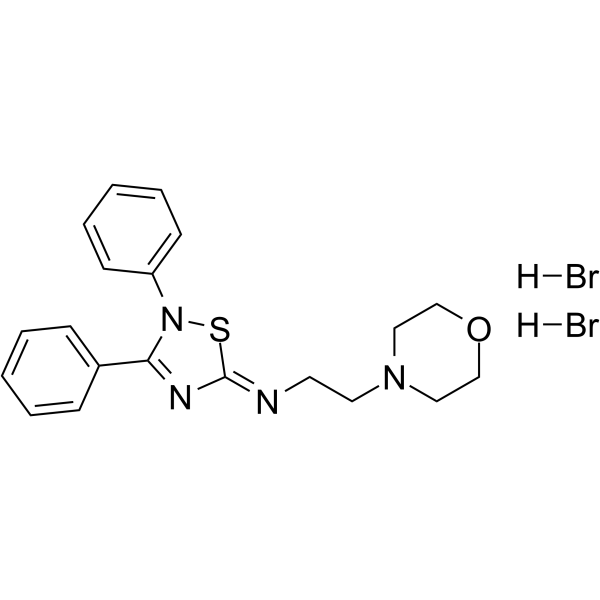
- Formula: C20H24Br2N4OS
- Molecular Weight: 528.30
VP3.15 dihydrobromide is a highly potent, orally bioavailable, and CNS-penetrant PDE7-GSK3 dual inhibitor, with IC50 values of 1.59 μM and 0.88 μM against PDE7 and GSK3, respectively. VP3.15 dihydrobromide elevates intracellular cAMP levels, suppresses immune responses, enhances remyelination, limits excessive tau phosphorylation, and alleviates neuroinflammation and neuronal loss. VP3.15 dihydrobromide promotes oligodendrocyte precursor cell differentiation, improves in vivo remyelination, inhibits autoimmune encephalomyelitis, and mitigates germinal matrix-intraventricular hemorrhage-related brain injury, cerebral atrophy, ventricular enlargement, and cognitive impairment. VP3.15 dihydrobromide can be used in research related to multiple sclerosis and germinal matrix-intraventricular hemorrhage.

- Formula: C19H22N6O2
- Molecular Weight: 366.42
BIIB129 is a covalent, selective, orally active, and brain-penetrant BTK inhibitor (Kd = 0.63 nM). BIIB129 binds to Cys481 and forms a hydrogen bond with Asn484, blocking BCR and FcγR signaling. BIIB129 inhibits B cell activation and proliferation, FcγR-induced microglial proliferation, FcγR-mediated ROS production in neutrophils, FcγR-induced TNF secretion in monocytes, and B cell-mediated antigen presentation to T cells. BIIB129 can be used for research on multiple sclerosis.

- Molecular Weight: 144.28 kDa
Vatelizumab (GBR500) is a monoclonal antibody that targets the α2 subunit (CD49b) of very late antigen 2 (VLA-2). Vatelizumab can be used for research on multiple sclerosis.
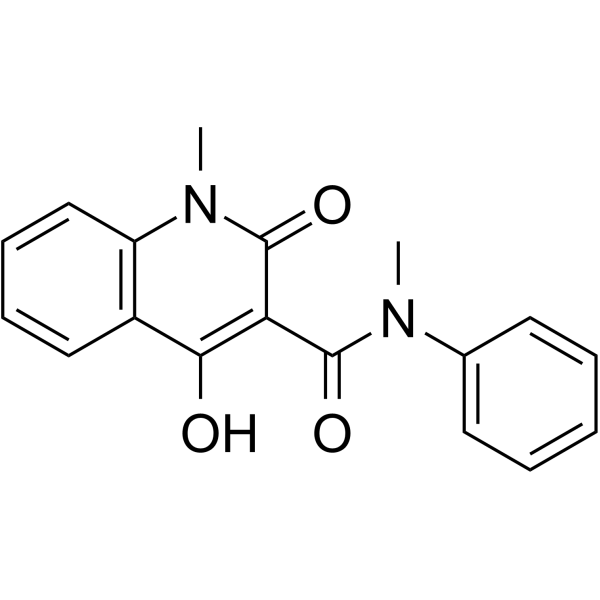
- Formula: C18H16N2O3
- Molecular Weight: 308.33
Roquinimex (Linomide) is an orally active immunomodulator with antineoplastic, anti-inflammatory, and antiangiogenic activity. Roquinimex suppresses TH1 lymphocyte cytokines (IL-2, IFN-γ), promotes TH2 lymphocyte cytokines (IL-4, IL-10), increases NK cell, activated monocyte, and T cell activity. Roquinimex blocks macrophage TNF-α production and suppresses IL-1/IL-6 secretion. Roquinimex exhibits in vivo antitumour activity, suppresses rodent autoimmune disease signs, and ameliorates murine colitis and psoriasis. Roquinimex can be used for the research of leukemia, inflammatory bowel disease, multiple sclerosis, and psoriasis.

- Formula: C₂₀₆H₃₁₈N₅₄O₆₉S₂(C₂H₄O)m+₂n; m≈₁₀; n≈₂₀
Pegsebrenatide (NLY01) is a blood-brain barrier-penetrant GLP-1R agonist. Pegsebrenatide alleviates retinal inflammation and neuronal death secondary to ocular hypertension. Pegsebrenatide significantly delays onset and reduces disease severity in experimental autoimmune encephalomyelitis. Pegsebrenatide inhibits the formation of A1 reactive astrocytes in nerve cells and reduces the loss of retinal ganglion cells and dopaminergic neurons. Pegsebrenatide exerts neuroprotective effects in a mouse model of Parkinson's disease by directly preventing microglia-mediated conversion of astrocytes to the A1 neurotoxic phenotype. Pegsebrenatide can be used for research on glaucoma, Parkinson's disease, and multiple sclerosis.
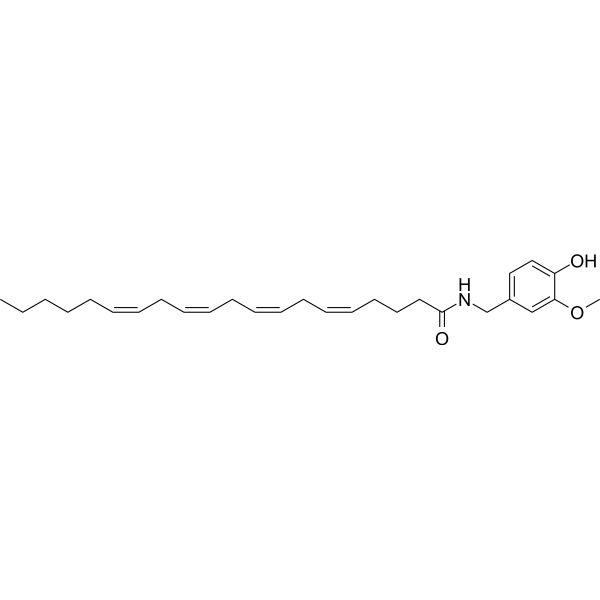
- Formula: C28H41NO3
- Molecular Weight: 439.63
Arvanil (N-Vanillylarachidonamide) is a mixed agonist of CB1 and TRPV1 receptors. Arvanil downregulates CD25, HLA-DR, CD134/OX40, blocks G1/S phase transition, and induces phosphorylation of Akt. Arvanil does not induce apoptosis in cells. Arvanil inhibits lymphocyte activation and ameliorates autoimmune encephalomyelitis. Arvanil can be used in research related to Huntington's disease, vomiting, and multiple sclerosis.

- Formula: C37H46N3O6PS2
- Molecular Weight: 723.88
SNOTRAP (SNO trapping by triaryl phosphine) is a chemical probe used for detecting S-nitrosylated (SNO) proteins. SNOTRAP selectively converts S-nitrosylated cysteines in proteins into stable disulfide-iminophosphorane intermediates, which are then enriched with streptavidin and detected by nanoLC-MS/MS. SNOTRAP enables global enrichment and label-free quantification of SNO proteins and their modification sites in complex biological samples such as mouse brain tissues. SNOTRAP can be applied to studies related to nitrosative stress-associated diseases, including neurodegenerative diseases, cancer, and multiple sclerosis.
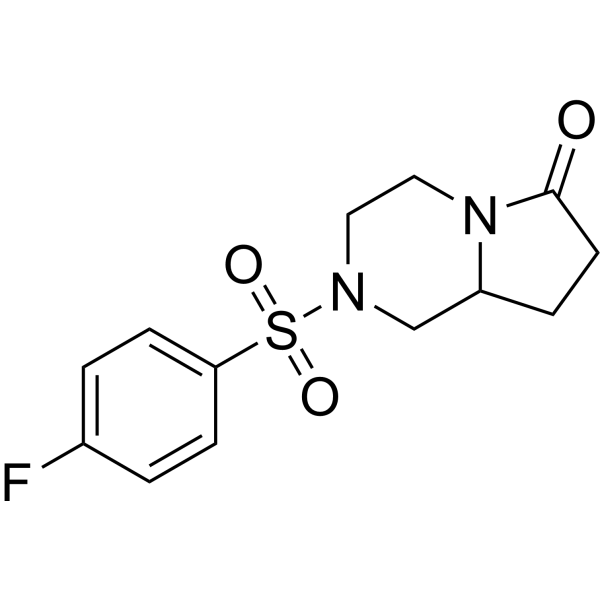
- Formula: C13H15FN2O3S
- Molecular Weight: 298.34
Unifiram (DM232) is a AMPA receptor activator and cognitive enhancer. Unifiram activates the AMPA-mediated neurotransmission system. Unifiram reverses NBQX-induced amnesia in the passive avoidance test in mice. Unifiram reverses the antagonistic effect of kynurenic acid on NMDA-mediated [3H]NA release in rat hippocampal slices. Unifiram enhances excitatory synaptic transmission in the rat hippocampus in vitro. Unifiram can be used in studies related to amnesia and cognitive dysfunction, including age-related memory decline, neurodegenerative diseases such as Alzheimer's disease or Parkinson's disease, multiple sclerosis, schizophrenia, and attention deficit hyperactivity disorder.

- Molecular Weight: 197.9 kDa
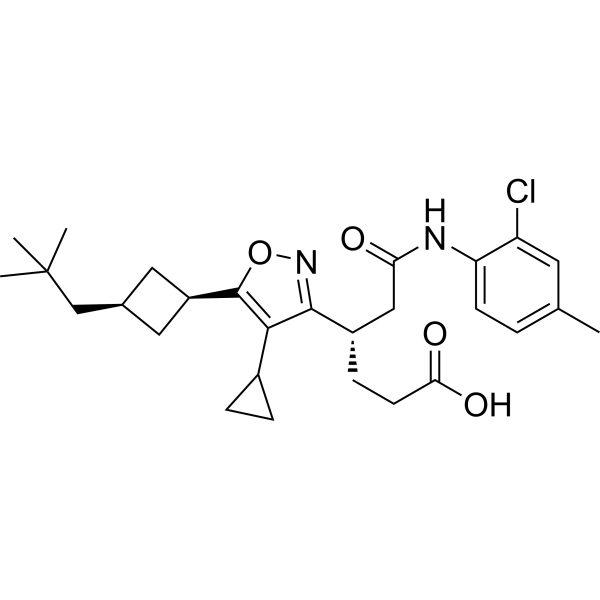
- Formula: C28H37ClN2O4
- Molecular Weight: 501.06
JTE-151 is an orally active, selective RORγ antagonist with IC50 values of 20.6 nM, 41.8 nM and 32.2 nM against hRORγ, rRORγ and mRORγ, respectively. JTE-151 reduces the production of IL-17. JTE-151 alleviates paw swelling and bone destruction in arthritis models. JTE-151 can be used in research related to rheumatoid arthritis, collagen-induced arthritis, experimental autoimmune encephalomyelitis, psoriasis, multiple sclerosis and inflammatory bowel disease.
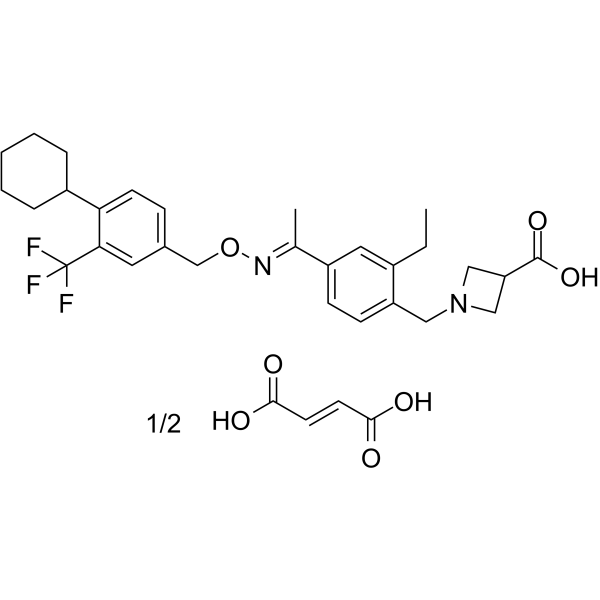
- Formula: C29H35F3N2O3.1/2C4H4O4
- Molecular Weight: 574.63
Siponimod (BAF-312) hemifumarate is an orally active, blood-brain barrier penetrant dual agonist of S1P1/S1P5, with EC50 values of 0.39 nM and 0.98 nM, respectively. Siponimod hemifumarate induces S1P1 internalization, activates GIRK channels, inhibits lymphocyte egress, reduces peripheral lymphocyte counts, triggers transient bradycardia, prevents synaptic neurodegeneration, promotes remyelination, alleviates demyelination, and prevents the loss of GABAergic interneurons. Siponimod hemifumarate can be used in research related to multiple sclerosis.

- Formula: C25H37N3O7
- Molecular Weight: 491.58
SNJ-1945 is an orally active, blood-brain barrier-penetrant Calpain inhibitor. SNJ-1945 inhibits Cathepsin L, Cathepsin B, and Ca2+ -independent proteases. SNJ-1945 suppresses ROS production and downregulates Cyclooxygenase-2 and Caspase-1. SNJ-1945 alleviates left ventricular systolic dysfunction, reduces cerebral ischemia-induced injury, and decreases the score of experimental autoimmune encephalomyelitis in mouse models. SNJ-1945 can be used in research related to post-cardiac arrest reperfusion injury, Parkinson's disease, multiple sclerosis, and proliferative retinopathy.
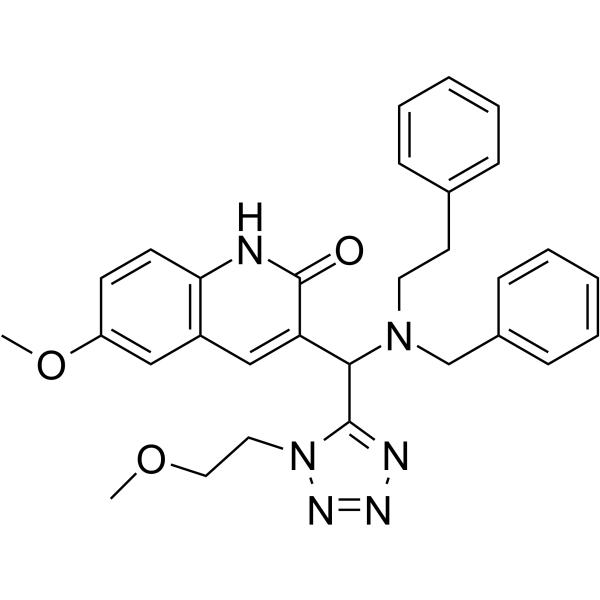
- Formula: C30H32N6O3
- Molecular Weight: 524.61
ASN04421891 is a GPR17 agonist with nanomolar EC50 and high specificity. ASN04421891 promotes oligodendrocyte precursor cell maturation to mature myelinating oligodendrocytes. ASN04421891 can be used for the research of cerebral ischaemia, cardiac ischaemia, renal ischaemia, cerebral trauma, multiple sclerosis, schizophrenia, depression, alzheimer's disease, alzheimer-like dementia, parkinson's disease, huntington's chorea, amyotrophic lateral sclerosis (ALS), neuroinflammatory disorders.

- Formula: C24H29F2N3O5
- Molecular Weight: 477.50
PIPE-791 is an orally active, blood-brain barrier-permeable selective antagonist of LPAR1. PIPE-791 inhibits LPA-induced calcium mobilization, collagen expression, histamine release, and the activation of fibroblasts, microglia and macrophages. PIPE-791 induces oligodendrocyte precursor cell differentiation, myelination and remyelination, and increases the number of microglia in the retina of normotensive rats. PIPE-791 protects mature oligodendrocytes from cytokine-induced death, reduces the levels of pulmonary fibrosis markers and alleviates neuroinflammation in preclinical models. PIPE-791 can be used in the research of glaucoma, neuroinflammatory diseases, chronic osteoarthritis pain, idiopathic pulmonary fibrosis and multiple sclerosis.



