114 Results for "

brain inflammation

" in MedChemExpress (MCE) Product Catalog:
Products (114)

114 Results for "brain inflammation" in MCE Product Catalog:

2
2 Cited Publications
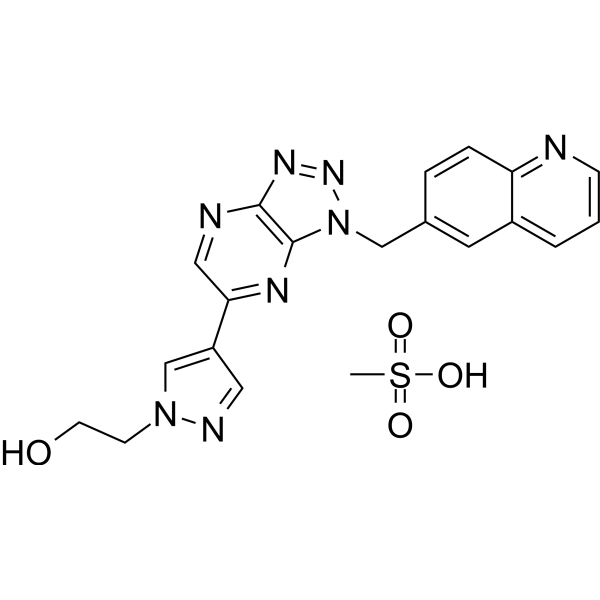
Cat. No.: HY-12017A
CAS No.: 956906-93-7
Purity:  99.82%
PF-04217903 mesylate is an orally active, highly selective ATP-competitive c-Met kinase inhibitor with a Ki value of 4.8 nM and a Kd value of 4.5 nM. PF-04217903 mesylate blocks c-Met and HGF signaling pathways, inhibits MET phosphorylation, and blocks downstream MAPK, PI3K/AKT and PLCγ1 pathways. PF-04217903 mesylate suppresses tumor proliferation, survival, migration, invasion, angiogenesis and metastasis, induces apoptosis, and enhances efferocytosis, Annexin A1 expression and resolution of inflammation. PF-04217903 mesylate retains activity against several c-Met mutants (M1131T, V1220I, H1094R). PF-04217903 mesylate increases the incidence of subarachnoid hemorrhage and reduces survival rate without altering aneurysm formation, and also prevents lymph node metastasis induced by VEGF inhibition. PF-04217903 mesylate is applicable to research related to tumors (pancreas, stomach, lung, brain, colon, breast, kidney, melanoma, etc.), intracranial aneurysms and inflammatory diseases (gouty arthritis, neutrophilic pleuritis) .
loading...
    loading...
1
1 Cited Publications
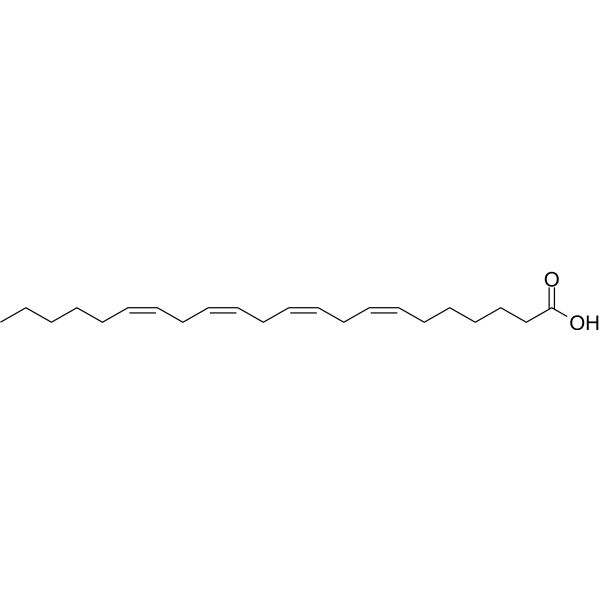
Cat. No.: HY-W013215
CAS No.: 28874-58-0
Synonyms: cis-7,10,13,16-Docosatetraenoic acid
Adrenic Acid (cis-7,10,13,16-Docosatetraenoic acid) is a naturally polyunsaturated fatty acid in the adrenal gland, brain, kidney, and vasculature. Adrenic Acid can regulate the vascular tone in arteries of the adrenal cortex. Adrenic Acid also is an inflammation enhancer in non-alcoholic fatty liver disease .
loading...
    loading...
1
1 Cited Publications
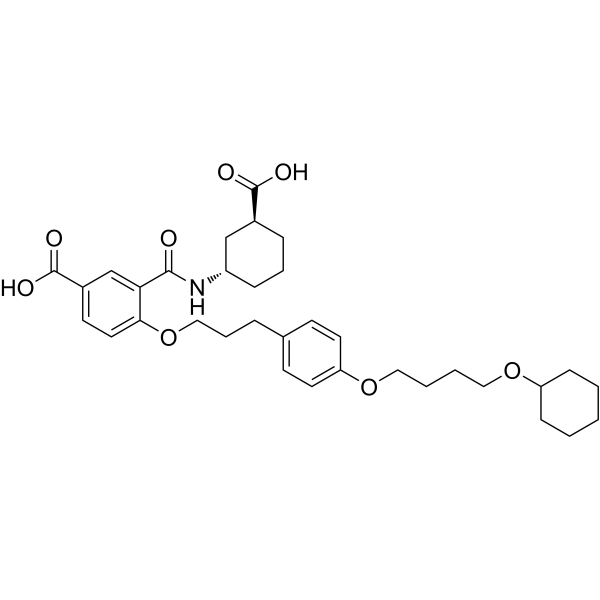
Cat. No.: HY-112248A
CAS No.: 1245653-57-9
Purity:  99.76%
HAMI 3379 is a potent and selective CysLT2 receptor antagonist. HAMI 3379 has a protective effect on acute and subacute ischemic brain injury, and attenuates microglia-related inflammation .
loading...
    loading...
1
1 Cited Publications
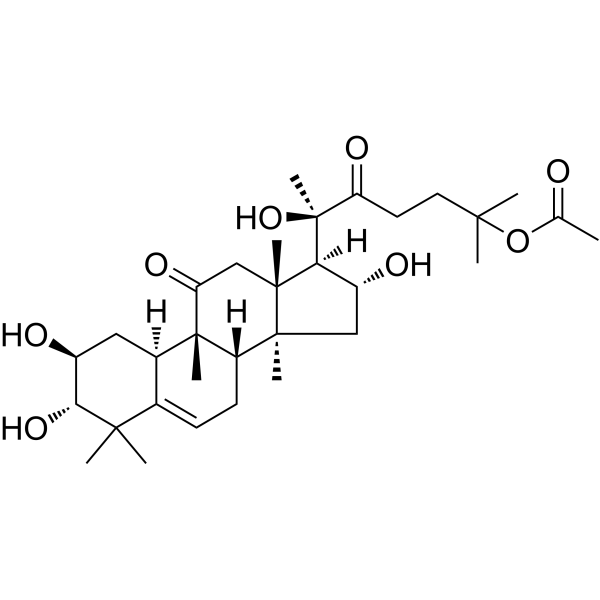
Cat. No.: HY-N1988
CAS No.: 58546-34-2
Synonyms: Hemslecin A
Cucurbitacin IIa (Hemslecin A) is an orally active, blood-brain barrier-permeable EGFR inhibitor with an IC50 of 1.455 nM against human EGFR. Cucurbitacin IIa induces caspase-3-dependent apoptosis, downregulates survivin expression, enhances autophagy levels, disrupts the actin cytoskeleton via actin aggregation, arrests the cell cycle at the G2/M phase, and exerts anti-inflammatory activity by inhibiting the EGFR-MAPK signaling pathway. Cucurbitacin IIa can be used in the research of inflammation-related diseases, depression, and cancers such as non-small cell lung cancer .
loading...
    loading...
1
1 Cited Publications
Cat. No.: HY-N1983
CAS No.: 38395-02-7
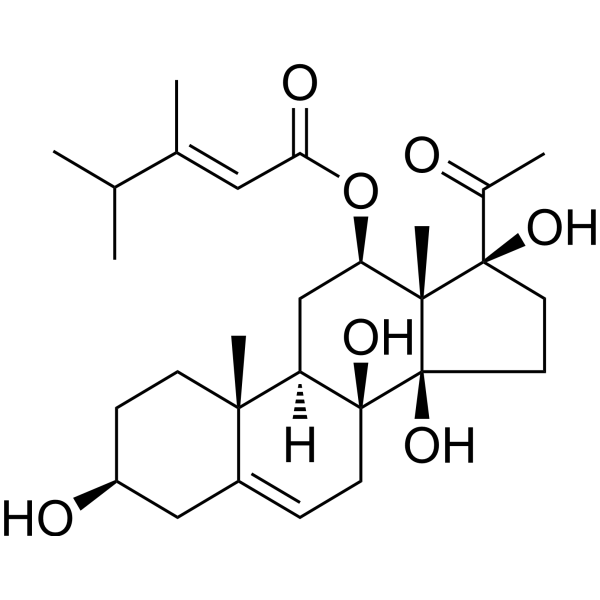
Caudatin is an orally active and brain-penetrant C-21 steroidal found in Cynanchum bungei decne with a variety of biological activities. Caudatin can inhibit cell proliferation, migration, invasion, cause cell phase arrest, induce apoptosis, autophagy, ROS prodution and loss of mitochondrial membrane potential. Caudatin activates PARP, caspase-3, -7, -9, upregulates pro-apoptotic Bad and Bax and downregulates anti-apoptotic Bcl-2 and Bcl-XL. Caudatin suppresses VEGF, FAK phosphorylation, upregulates p21, p27, DR5 protein expression, activates the p38 MAPK, JNK and PPARα/TFEB-mediated autophagy-lysosomal signaling pathways. Caudatin can be used for the research of cancer, inflammation and neurological disease, such as glioma and Alzheimer's disease .
loading...
    loading...
1
1 Cited Publications
Cat. No.: HY-122607
CAS No.: 958233-07-3
Purity:  99.86%
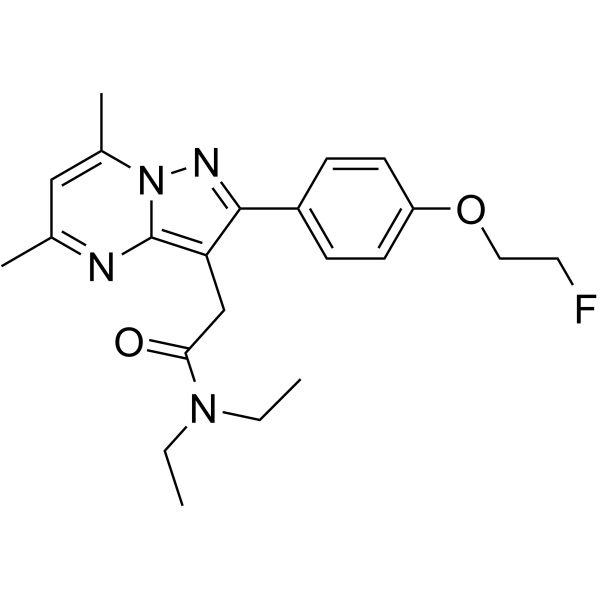
DPA-714 is a high affinity translocator protein (TSPO) ligand (Ki=7 nM), which is designed with a fluorine atom in its structure, allowing labelling with fluorine -18 and in vivo imaging using positron emission tomography. 18FDPA-714 successfully evaluates for the specific imaging of inflammation in various models of neuroinflammation and in a brain tumor model .
loading...
    loading...
1
1 Cited Publications
Cat. No.: HY-124344
CAS No.: 116764-15-9
Purity:  98.90%
Avenanthramide C is an orally active polyphenolic compound that penetrates the blood-brain barrier. Avenanthramide C is derived from oats. Avenanthramide C inhibits NF-κB nuclear translocation and inhibits the phosphorylation of PI3K, PLCγ1, Lyn, Syk, and Akt. Avenanthramide C inhibits the expression and activity of MMP-9 and inhibits MAPK phosphorylation. Avenanthramide C scavenges DPPH radicals, reduces intracellular ROS, and inhibits pro-inflammatory cytokine release and adhesion molecule expression. Avenanthramide C inhibits cell degranulation. Avenanthramide C attenuates active systemic anaphylaxis and inhibits passive cutaneous anaphylaxis. Avenanthramide C ameliorates PHZ-induced blood stasis. Avenanthramide C inhibits neuroinflammation, restores long-term potentiation, and improves recognition and spatial memory in Alzheimer's disease models. Avenanthramide C can be used for research on allergic inflammation, thrombosis, atherosclerosis, and Alzheimer's disease .
loading...
    loading...
1
1 Cited Publications
Cat. No.: HY-100904
CAS No.: 89196-95-2
Purity:  99.82%
Synonyms: 2 BFI
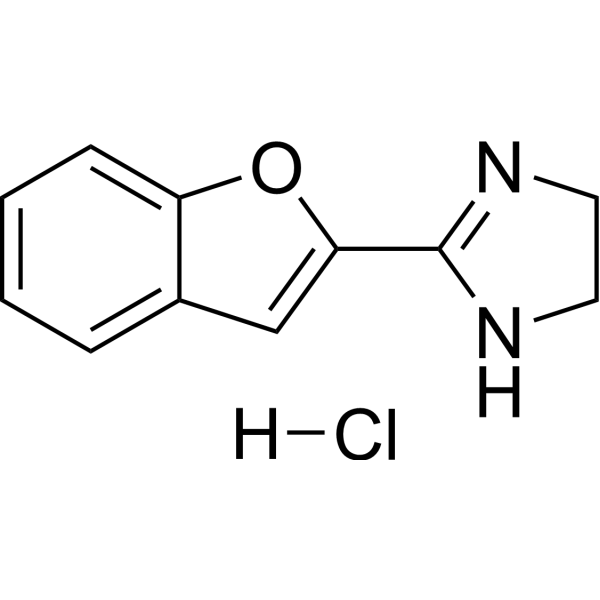
RX 801077 hydrochloride (2 BFI) is a selective imidazoline I2 receptor (I2R) agonist with a Ki value of 70.1 nM. RX 801077 hydrochlorideshows anti-inflammation and neuroprotection. RX 801077 hydrochloride has the potential for the research of traumatic brain injury (TBI) .
loading...
    loading...
1
1 Cited Publications
Cat. No.: HY-148236
CAS No.: 2741956-55-6
Purity:  99.74%
Target:  

TRP Channel

Research Areas:  

Inflammation/Immunology

BAY-390, a chemical probe, is a selective, across species active and brain penetrating TRPA1 inhibitor. BAY-390 inhibits hTRPA1 FLIPR, hTRPA1 Ephys, rTRPA1 FLIPR and rDRG Ephys with IC50s of 16, 82, 63 and 35 nM, respectively. BAY-390 can be used for the research of inflammation .
loading...
    loading...
1
1 Cited Publications
Cat. No.: HY-B0298AS
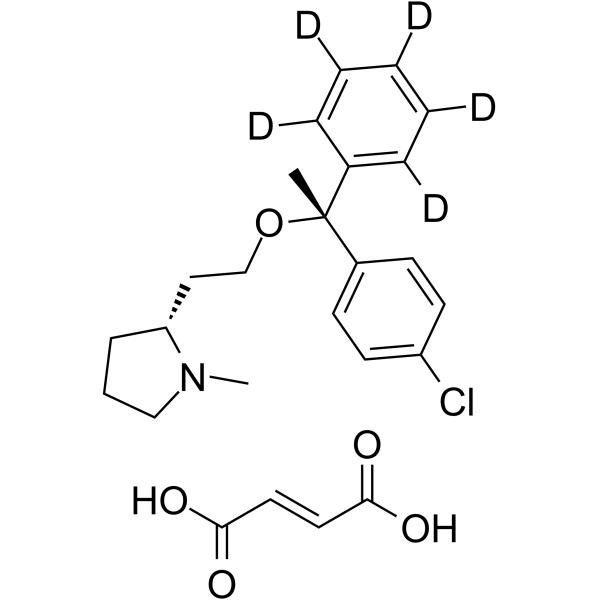
Synonyms: HS-592-d5 fumarate; Meclastine-d5 fumarate
Clemastine (HS-592; Meclastine)-d5 fumarate is the deuterium labeled Clemastine fumarate. Clemastine fumarate is an orally active, blood-brain barrier-permeable H1 histamine receptor (H1 histamine receptor) antagonist with potent antiallergic effects. Clemastine fumarate also antagonizes muscarinic acetylcholine receptors (mAChR), particularly the M1 and M4 subtypes. In addition to antihistamine effects, Clemastine fumarate exhibits multiple pharmacological activities, especially in promoting central nervous system remyelination, activating autophagy and pyroptosis, exerting anti-apoptotic and neuroprotective effects, and suppressing inflammation .
loading...
    loading...
1
1 Cited Publications
Cat. No.: HY-N0657
CAS No.: 63902-38-5
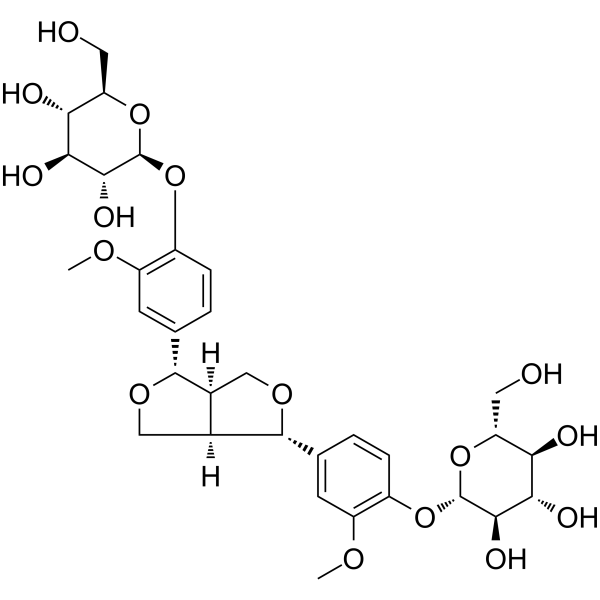
Pinoresinol Diglucoside is an orally active lignan with multifunctional bioactivity. Pinoresinol Diglucoside interacts with targets including ALB, HIF1A, GSK3B, BCL2, MARK3, IL6, NF-κB p65, Nrf2, HO-1, and TLR4, and modulates pathways including PI3K-Akt, estrogen, MAPK, Rap1, AKT/mTOR/NF-κB, and TGF-β1/Smads. Pinoresinol Diglucoside regulates osteogenesis, bone resorption, oxidative stress, inflammation, apoptosis, ferroptosis, ferritinophagy, cardiac fibrosis, and vasorelaxation. Pinoresinol Diglucoside can be used for the research of osteoporosis, ischemia/reperfusion-induced brain injury, Alzheimer’s disease, myocardial ischemia-reperfusion injury, chondrodysplasia, diabetic cardiomyopathy, cardiac hypertrophy, hypertension, cisplatin-induced hearing loss, atherosclerotic cardiovascular diseases, and disuse osteoporosis .
loading...
    loading...
1
1 Cited Publications
Cat. No.: HY-N2392
CAS No.: 75288-96-9
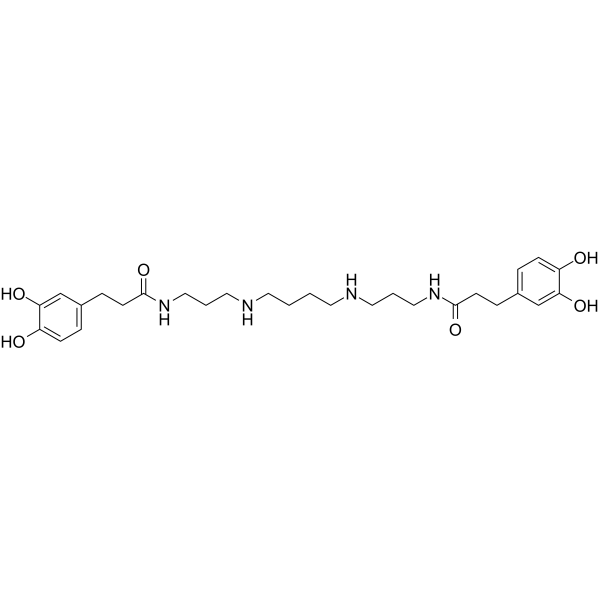
Kukoamine A, a spermine alkaloid, is an orally active and brain-penetrant component found in the root barks of Lycium chinense (L. chinense) Miller. Kukoamine A inhibits purified Crithidia fasciculata trypanothione reductase and soybean lipoxygenase, activates μ-opioid receptor. Kukoamine A can inhibt cancer cell proliferation, migration and invasion, cause G0/G1 phase cell cycle arrest and induce apoptosis. Kukoamine A exerts neuroprotective effect and can induce autophagy . Kukoamine A inhibits LPS (HY-D1056)-induced NO, ROS, PGE2, TNF-α, IL-1β, IL-6 production and COX-2 activity. Kukoamine A reverses palmitic acid-induced insulin resistance, lipid accumulation, and oxidative stress via downregulation of Srebp-1c. Kukoamine A can be used for the research of cancer, infection, inflammation, metabolic and neurological disease, such as glioblastoma and Parkinson's disease .
loading...
    loading...
Cat. No.: HY-110252
CAS No.: 92545-30-7
Purity:  ≥99.0%
Salvinorin B is a selective and brain-penetrant kappa opioid receptor (KOPr) agonist with an EC50 of 248 nM and Ki of 2.95 μM. Salvinorin B activates downstream signaling pathways by binding to KOPr, inhibits pain transmission and reduces inflammatory response. Salvinorin B can be used for the researches of inflammation, immunology and neurological disease, such as neuropathic pain, multiple sclerosis and anxiety .
loading...
    loading...
Cat. No.: HY-N2909
CAS No.: 58115-31-4
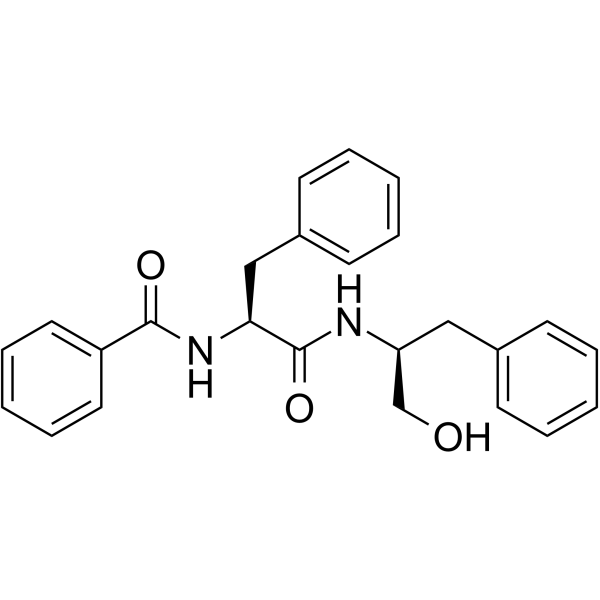
Aurantiamide is a non-covalent, orally active, blood-brain-permeable GRPR selective antagonist with anti-inflammatory and neuroprotective effects. Aurantiamide reduces inflammation and oxidative stress in renal tissue by inhibiting GRPR-mediated renal necrosis pathways (such as RIPK3/MLKL signaling) and NF-κB inflammatory pathways, exerting anti-acute kidney injury and endothelial function activities. Aurantiamide also inhibits the M1 polarization of microglia and inhibits NLRP3 activation, thereby improving AD mouse models. Aurantiamide has in vivo inhibitory efficacy in acute kidney injury models such as ischemia/reperfusion, sepsis, and hypertension models .
loading...
    loading...
Cat. No.: HY-169996
CAS No.: 2557349-50-3
NP3-253 is an orally active and brain-penetranted NLRP3 inflammasome inhibitor. NP3-253 functions as a molecular glue that prevents NACHT-subdomain rearrangements, locking NLRP3 in an inactive conformation. NP3-253 inhibits production of pro-inflammatory cytokines IL-1β and IL-18. NP3-253 can be used for the research of inflammation and neurological disease, suah as peritonitis .
loading...
    loading...
Cat. No.: HY-108775A
CAS No.: 7772-98-7
Purity:  99.89%
Synonyms: Sodium hyposulfite (99%, water≤1.0%)
Sodium thiosulfate (Sodium hyposulfite) is an antioxidant. Sodium thiosulfate inhibits the expression of p-GSK-3β and β-catenin proteins, reduces IL-1β, COX-2, and Iba-1, and inhibits NFκB activation. Sodium thiosulfate promotes angiogenesis, inhibits inflammation, and improves acute lung injury. Sodium thiosulfate also exhibits anti-cancer activity against melanoma. Sodium thiosulfate also exerts renal protective effects. Sodium thiosulfate can be used in the research of osteoarthritis, brain inflammation, cancer (such as breast cancer, melanoma), and kidney disease .
loading...
    loading...
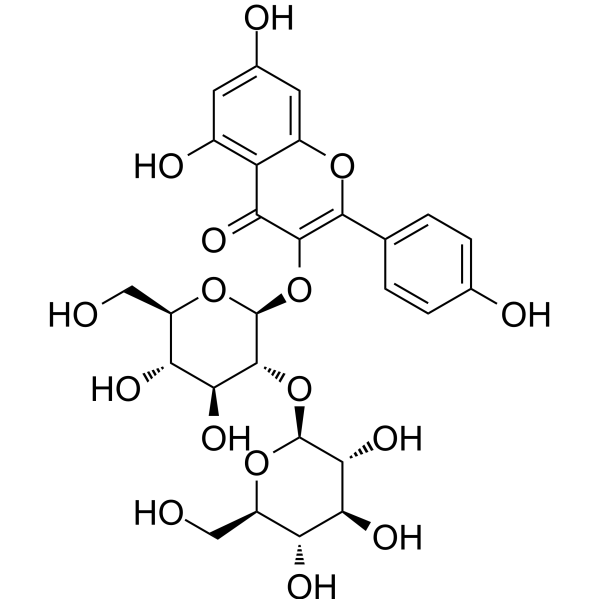
Cat. No.: HY-N2055
CAS No.: 19895-95-5
Kaempferol 3-O-sophoroside is an orally active derivative of Kaempferol. It exhibits anti-inflammatory, analgesic, and antidepressant effects. Kaempferol 3-O-sophoroside is an inhibitor of the cell surface receptor toll-like receptor (TLR) 2/4 for High mobility group box 1 (HMGB1), and it also exerts anti-inflammatory effects by blocking the activation of NF-κB expression and the production of TNF-α. Kaempferol 3-O-sophoroside promotes the production of brain-derived neurotrophic factor (BDNF) and enhances autophagy by binding to AMP-activated protein kinase (AMPK), thereby exerting antidepressant effects. Kaempferol 3-O-sophoroside holds promise for research in the fields of inflammation and neurodegenerative diseases .
loading...
    loading...
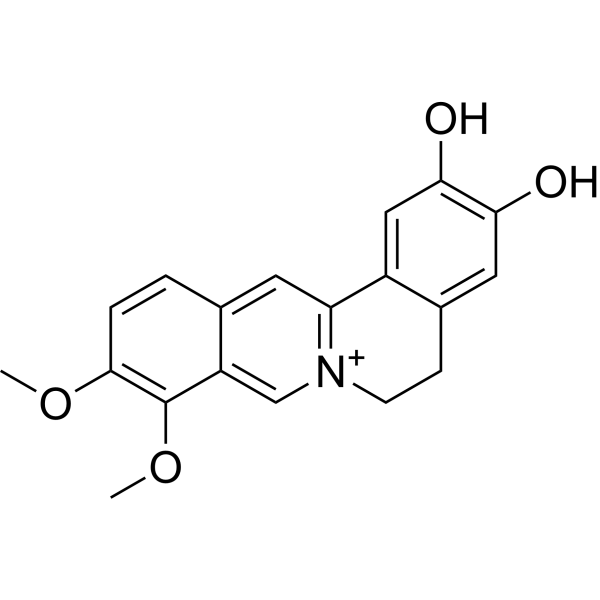
Cat. No.: HY-N0592
CAS No.: 25459-91-0
Demethyleneberberine is a blood-brain barrier-permeable antioxidant. Demethyleneberberine exerts antioxidant effects by targeting mitochondria, activates the AMPK signaling pathway to regulate lipid metabolism, and inhibits inflammation-related pathways such as NF-κB and MAPK. Demethyleneberberine can be used in the research of inflammatory and other diseases .
loading...
    loading...
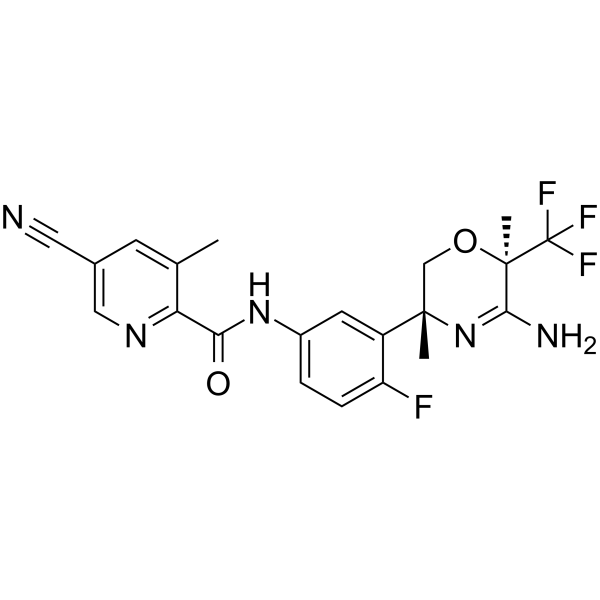
Cat. No.: HY-124322
CAS No.: 1262857-73-7
Purity:  99.08%
NB-360 is a potent, brain penetrable and orally active β‐secretase 1/2 (BACE1/BACE2) dual inhibitor with IC50 values of 5 and 6 nM. NB-360 can inhibit amyloid-β protein accumulation. NB-360 can be used for the researches of inflammation and neurological disease, such as Alzheimer's disease .
loading...
    loading...
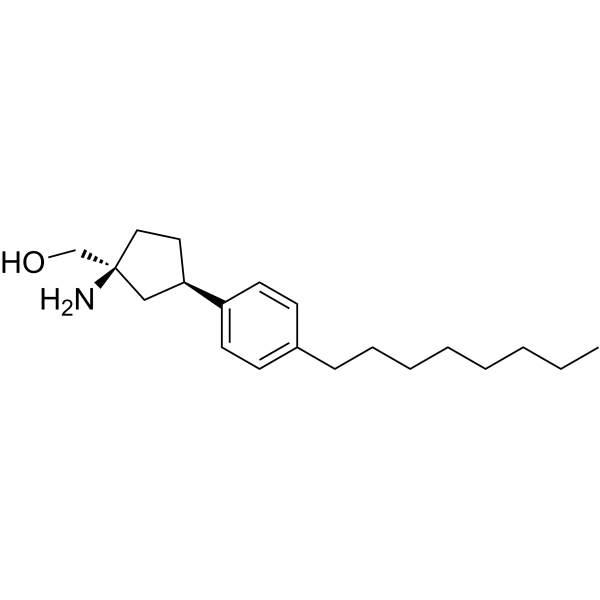
Cat. No.: HY-157227
CAS No.: 945604-76-2
Purity:  98.04%
Synonyms: VPC4
Target:  

TRP Channel

Research Areas:  

Inflammation/Immunology

VPC01091.4 (VPC4) is a TRPM7 inhibitor and blocks TRPM7 current at low micromolar concentrations. VPC01091.4 can penetrate the blood-brain barrier. VPC01091.4 is an efficacious anti-inflammatory agent that arrests systemic inflammation in vivo .
loading...
    loading...

