1060 Results for "

bioactive

" in MedChemExpress (MCE) Product Catalog:
Products (1060)

1060 Results for "bioactive" in MCE Product Catalog:

3
3 Cited Publications
Cat. No.: HY-107614
CAS No.: 325465-93-8
Purity:  99.80%
Synonyms: 1-Oleoyl-sn-glycero-3-phosphate sodium; 1-Oleoyl-LPA sodium
Target:  

LPL Receptor Mitosis

Research Areas:  

Neurological Disease

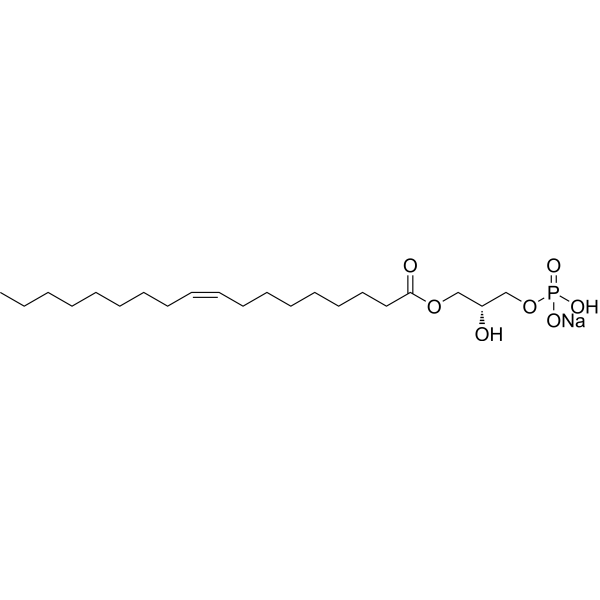
1-Oleoyl lysophosphatidic acid (1-Oleoyl-sn-glycero-3-phosphate) sodium, a potent bioactive phospholipid, is a LPA receptor activator. 1-Oleoyl lysophosphatidic acid sodium can promote mitosis by inducing DNA synthesis. 1-Oleoyl lysophosphatidic acid sodium is also involved in normal and pathological emotional responses, including anxiety and depression .
loading...
    loading...
3
3 Cited Publications
Cat. No.: HY-110135A
Purity:  99.42%
Target:  

IGF-1R

Research Areas:  

Neurological Disease

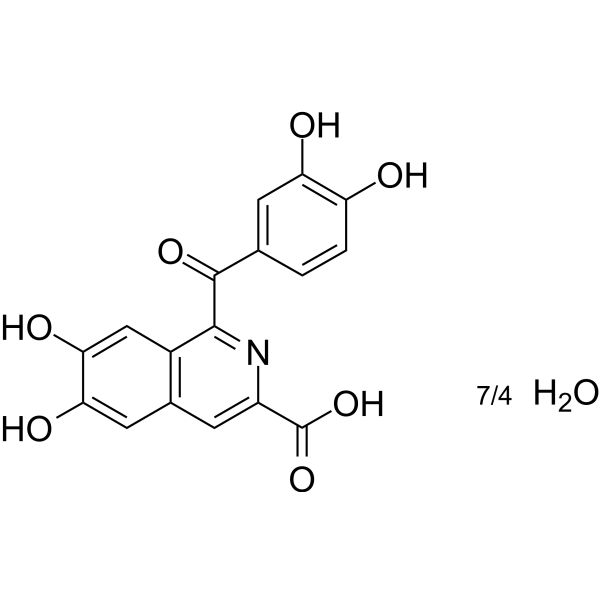
NBI-31772 hydrate is a potent inhibitor of interaction between insulin-like growth factor (IGF) and IGF-binding proteins (IGFBPs). NBI-31772 hydrate is also a nonpeptide ligand that releases bioactive IGF-I from the IGF-I/IGFBP-3 complex (Kis=1-24 nM for all six human subtypes). Anxiolytic and antidepressant-like effects .
loading...
    loading...
3
3 Cited Publications
Cat. No.: HY-B1402
CAS No.: 2203-97-6
Synonyms: Hydrocortisone 21-hemisuccinate
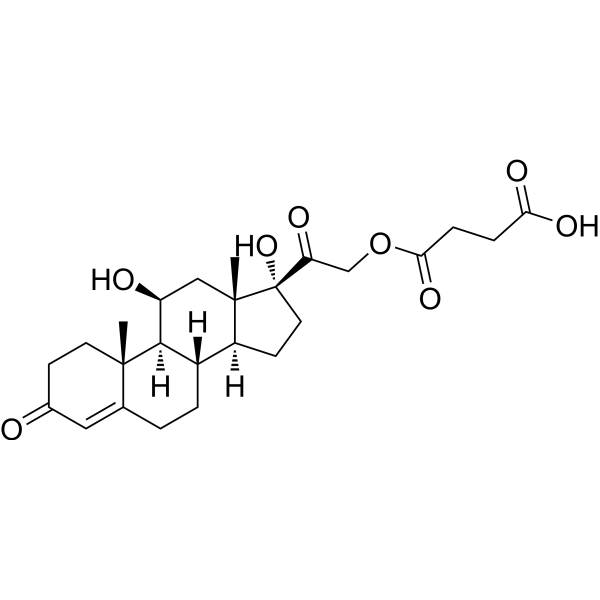
Hydrocortisone hemisuccinate (Hydrocortisone 21-hemisuccinate), a glucocorticoid, is an orally active steroidal anti-inflammatory agent (SAID) with anti-inflammatory and immunomodulatory activities. Hydrocortisone hemisuccinate inhibits the bioactivity of IL-6 and IL-3 with IC50 values of 6.7 and 21.4 μM, respectively. Hydrocortisone hemisuccinate can be used in the study of ulcerative colitis (UC) and recurrent oral ulcers .
loading...
    loading...
3
3 Cited Publications
Cat. No.: HY-B1402A
CAS No.: 83784-20-7
Synonyms: Hydrocortisone 21-hemisuccinate hydrate
Hydrocortisone hemisuccinate hydrate (Hydrocortisone 21-hemisuccinate hydrate), a glucocorticoid, is an orally active steroidal anti-inflammatory agent (SAID) with anti-inflammatory and immunomodulatory activities. Hydrocortisone hemisuccinate hydrate inhibits the bioactivity of IL-6 and IL-3 with IC50 values of 6.7 and 21.4 μM, respectively. Hydrocortisone hemisuccinate hydrate can be used in the study of ulcerative colitis (UC) and recurrent oral ulcers .
loading...
    loading...
3
3 Cited Publications
Cat. No.: HY-N6064
CAS No.: 66663-91-0
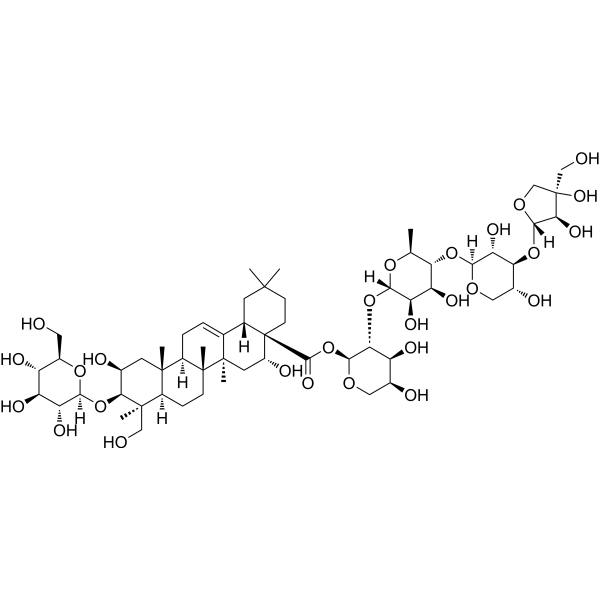
Polygalacin D (PGD) is a bioactive compound isolated from Platycodon grandiflorum with anticancer and anti-proliferative properties. PGD suppresses the expression of the IAP family of proteins including survivin, cIAP-1 and cIAP-2 and blocks the PI3K/Akt pathway by inhibiting the phosphorylation of GSK3β, Akt and the expression of PI3K. Polygalacin D induces apoptosis
loading...
    loading...
3
3 Cited Publications
Cat. No.: HY-W028393
CAS No.: 392-12-1
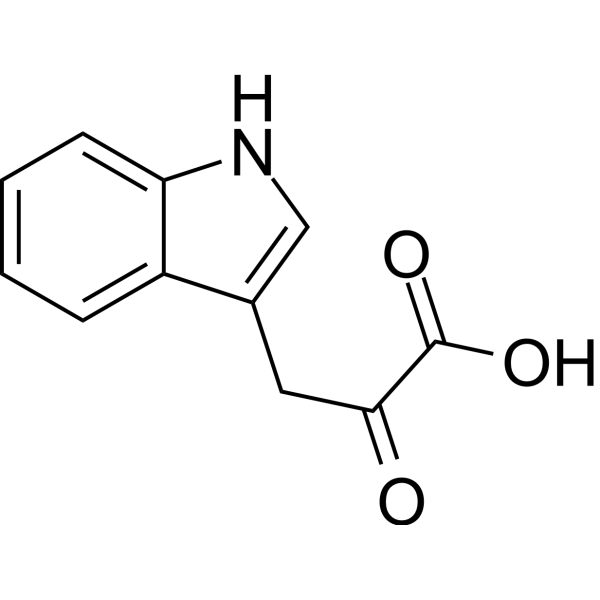
Indole-3-pyruvic acid is an orally active ketone analog of tryptophan, and is an aryl hydrocarbon receptor (AHR) agonist. Indole-3-pyruvic acid inhibits p38/MAPK phosphorylation, regulates the tryptophan metabolic pathway, and also possesses protective activities against skin photodamage, as well as anti-inflammatory and anti-anxiety bioactivities in the gut. Indole-3-pyruvic acid can downregulate the expression of IL-1β, IL-6, Cox-2, and Bax to alleviate UVB-induced keratinocyte toxicity. Indole-3-pyruvic acid can activate AHR to promote Tr1 cell differentiation, increase IL-10, and inhibit Th1 cytokine production. Indole-3-pyruvic acid can alter the levels of kynurenine metabolites in the brain, mediating central nervous system-related effects. Indole-3-pyruvic acid can be used in research on skin lesions, colitis, and anxiety .
loading...
    loading...
loading...
    loading...
2
2 Cited Publications
Cat. No.: HY-N0719
CAS No.: 31008-19-2
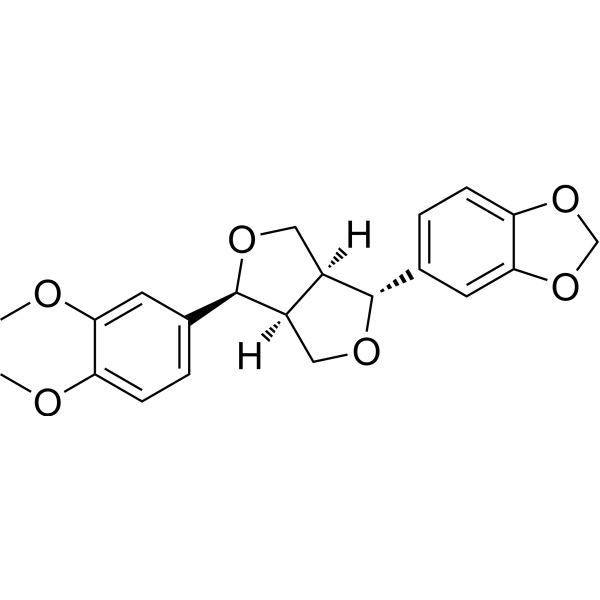
Fargesin is a bioactive neolignan isolated from magnolia plants, with antihypertensive and anti-inflammatory effects .
loading...
    loading...
2
2 Cited Publications
Cat. No.: HY-N9388
CAS No.: 82209-74-3
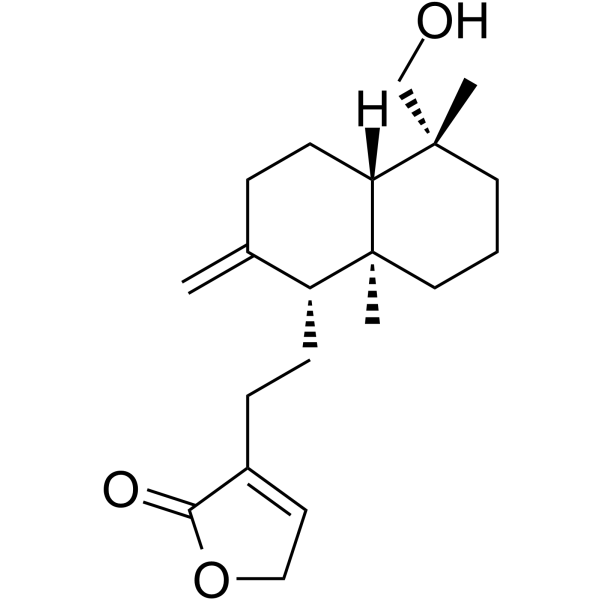
Andrograpanin, a bioactive compound from Andrographis paniculata, exhibits anti-inflammatory and anti-infectious properties .
loading...
    loading...
2
2 Cited Publications
Cat. No.: HY-153713
Purity:  98.05%
Target:  

RIBOTAC c-Myc Apoptosis

Research Areas:  

Cancer

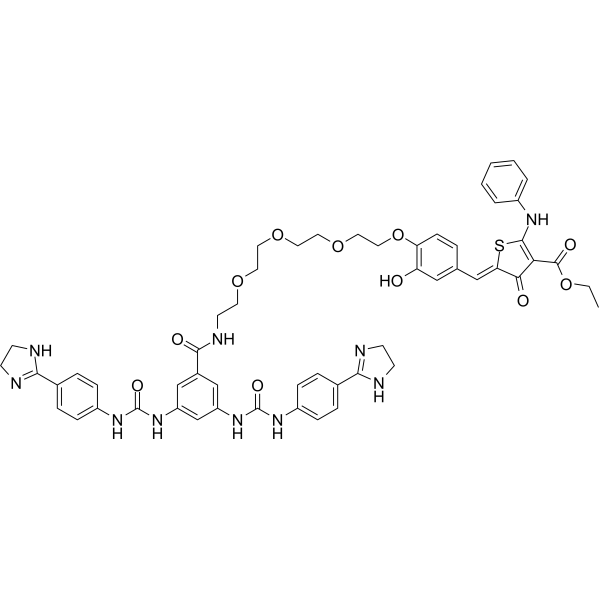
MYC-RIBOTAC is a nucleic acid-targeting degrader (ribonuclease-targeting chimera, RIBOTAC) that targets the MYC internal ribosome entry site (IRES). MYC-RIBOTAC contains a MYC mRNA binding component and a small molecule that recruits and locally activates RNAse L1. MYC-RIBOTAC reduces MYC mRNA and protein expression levels, induces cell apoptosis, and can be used for antitumor research . MYC-RIBOTAC consists of pre-miR-155 binder Anticancer agent 167 (HY-156839), RNA binder NCI-B16 (HY-156215), and Linker Amino-PEG4-alcohol (HY-W008005).
loading...
    loading...
2
2 Cited Publications
Cat. No.: HY-N2094
CAS No.: 29307-60-6
Synonyms: Genipin 1-gentiobioside; Genipin 1-β-gentiobioside; Genipin gentiobioside
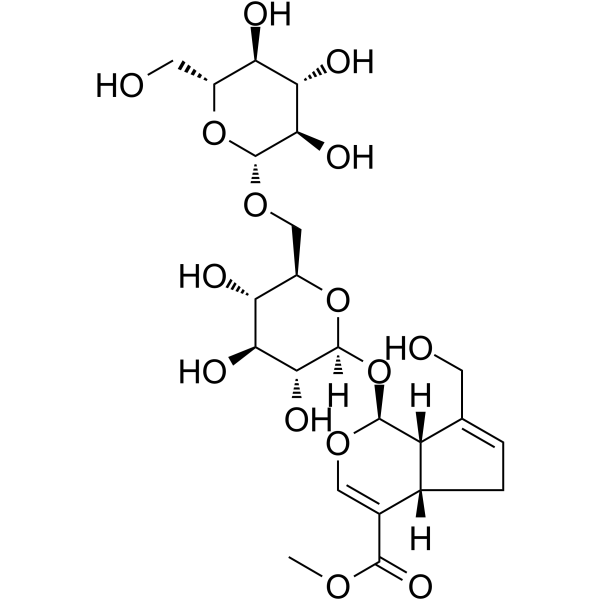
Genipin 1-β-D-gentiobioside (Genipin 1-gentiobioside) is one of the most abundant and bioactive iridoid glycosides in Gardenia jasminoides Ellis, which possesses hepatoprotective, anti-inflammatory, antioxidant, and antithrombotic activities.
loading...
    loading...
2
2 Cited Publications
Cat. No.: HY-146302
CAS No.: 2770842-10-7
Purity:  99.00%
Research Areas:  

Cancer

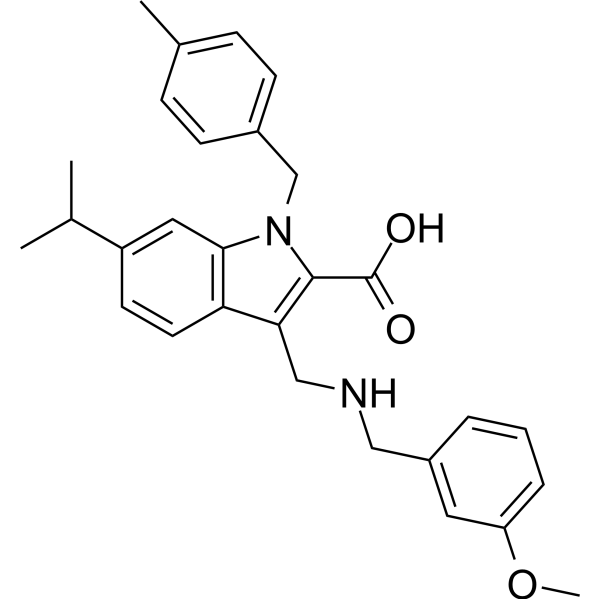
14-3-3η Protein inhibitor 1 (Compound C11) is a 14-3-3η protein inhibitor with a KD of 35 µM. 14-3-3η Protein inhibitor 1 shows inhibitory activities against several typical human liver cancer cell lines. 14-3-3η Protein inhibitor 1 induces cell apoptosis and G1-S cell cycle arrest with good metabolic stability .
loading...
    loading...
2
2 Cited Publications
Cat. No.: HY-N1990
CAS No.: 94987-08-3
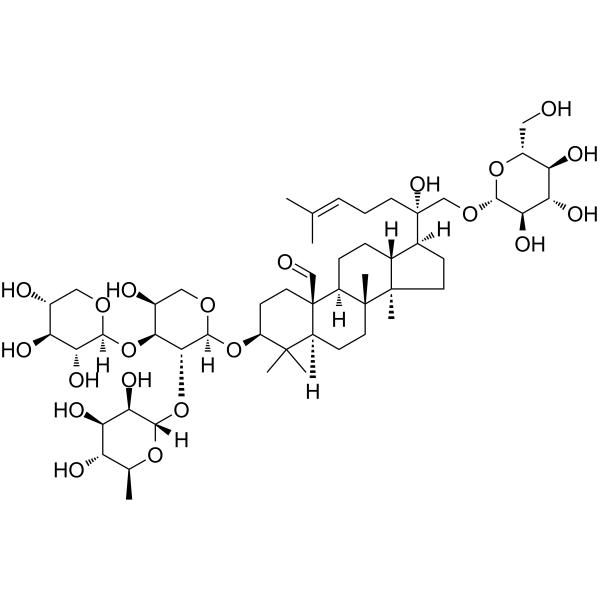
Gypenoside XLIX is a multifunctional bioactive compound that can be isolated from Gynostemma pentaphyllum, with a Ka value of 1.58 μM for its binding to SIRT1. Gypenoside XLIX acts as a PPAR-α agonist. It inhibits the activation of TLR4-mediated NF-κB signaling pathway by activating the Sirt1/Nrf2 signaling pathway, reduces ROS accumulation, and alleviates hepatic inflammatory injury in mice with sepsis-induced liver disease. Gypenoside XLIX targets SIRT1 to block YAP-NLRP3 activation and improve sepsis-induced cardiomyopathy. Gypenoside XLIX inhibits apoptosis (Apoptosis), pyroptosis (Pyroptosis), autophagy (Autophagy), lipid peroxidation, pro-inflammatory cytokines and anti-inflammatory cytokines. Gypenoside XLIX alleviates sepsis-induced splenic injury by inhibiting inflammation and oxidative stress, and mitigates sepsis-associated encephalopathy by targeting PPAR-α. Gypenoside XLIX prevents acute kidney injury by inhibiting IGFBP7/IGF1R-mediated programmed cell death and inflammation. Gypenoside XLIX inhibits the expression and activity of vascular cell adhesion molecule-1 in cytokine-induced human endothelial cells. Gypenoside XLIX is applicable to research related to acute liver injury, lung injury, cardiomyopathy, acute splenic injury, sepsis-associated encephalopathy, acute kidney injury, atherosclerosis and chronic inflammation .
loading...
    loading...
2
2 Cited Publications
Cat. No.: HY-N7030
CAS No.: 855-97-0
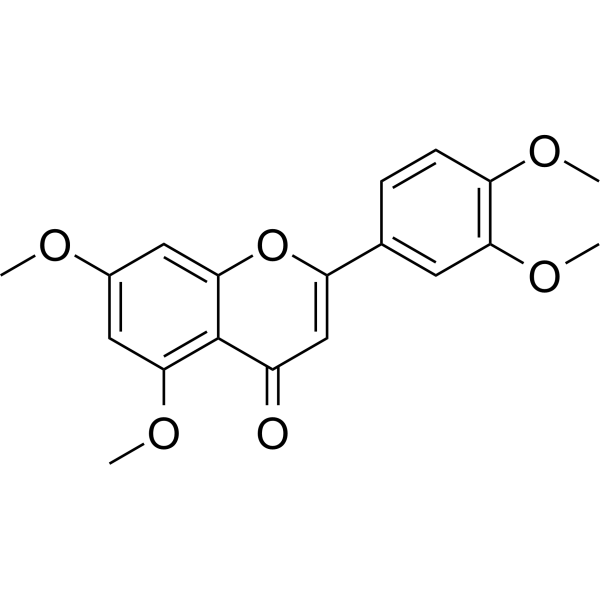
5,7,3',4'-Tetramethoxyflavone, an orally active polymethoxyflavones (PMFs) that can be isolated from M. exotica, possesses various bioactivities, including anti-fungal, anti-malarial, anti-mycobacterial, and anti-inflammatory activities. 5,7,3',4'-Tetramethoxyflavone exhibits chondroprotective activity by targeting β-catenin signaling .
loading...
    loading...
2
2 Cited Publications
Cat. No.: HY-124179
CAS No.: 1584121-99-2
Purity:  99.32%
Target:  

NF-κB

Research Areas:  

Cancer

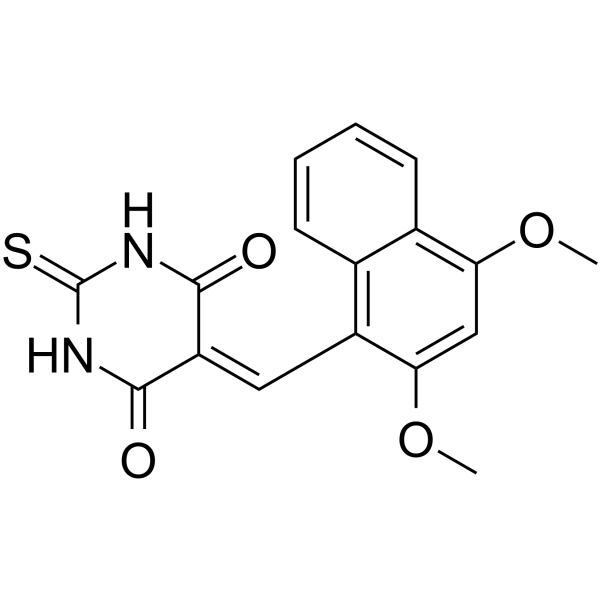
IT-901 is an orally active and potent NF-κB subunit c-Rel inhibitor with an IC50 of 0.1 μM, 3 μM for NF-κB DNA binding and c-Rel DNA binding, respectively. IT-901, a bioactive naphthalenethiobarbiturate derivative, has the potential for human lymphoid tumors and ameliorate graft-versus-host disease (GVHD) .
loading...
    loading...
2
2 Cited Publications
Cat. No.: HY-N0247
CAS No.: 58558-08-0
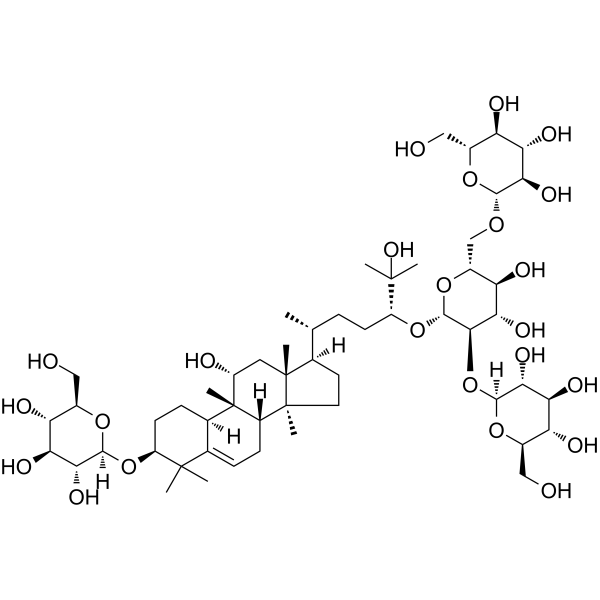
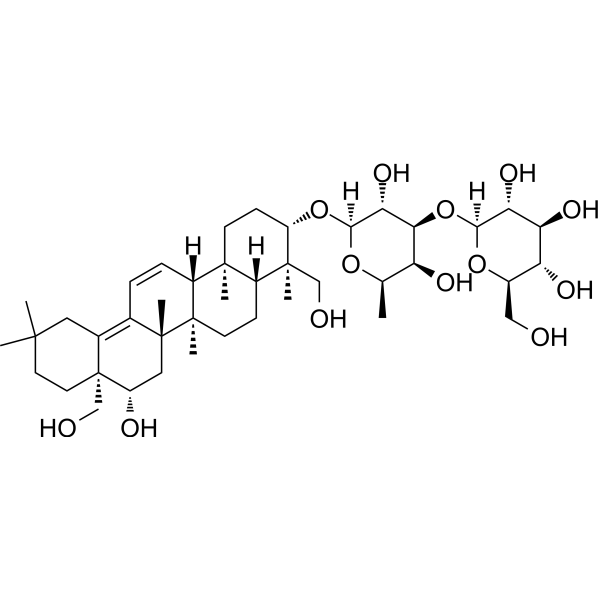
Saikosaponin B1 is a bioactive constituent of Radix Bupleuri. Saikosaponin B1 is an agonist of the 5-HT2C receptor with an EC50 of 147.41 μM. Saikosaponin B1 inhibits the Hedgehog (Hh) signaling pathway by targeting the transmembrane protein SMO. Sailosaponin B1 can reduce liver fibrosis. Saikosaponin B1 has anti-cancer activities thus can be studies in research for cancers such as Medulloblastoma (MB) .
loading...
    loading...
2
2 Cited Publications
Cat. No.: HY-N10455
CAS No.: 72050-71-6
Synonyms: 24-epi-Castasterone
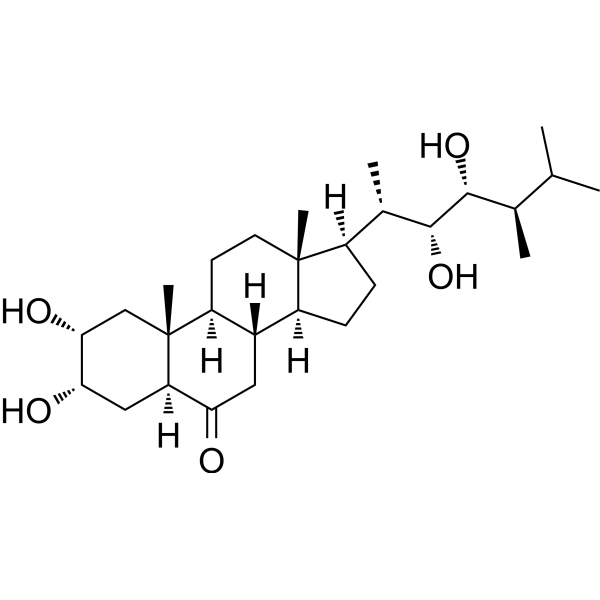
24-Epicastasterone (24-epi-Castasterone) is a bioactive brassinosteroid and a ligand of ABCB1 and ABCB19 in Arabidopsis thaliana. 24-Epicastasterone stimulates the ATPase activity of ABCB19 and the ATP hydrolysis activity of ABCB1, which drive the efflux of substances from plant cells. 24-Epicastasterone increases the activities of catalase and guaiacol peroxidase in the roots of wheat seedlings. 24-Epicastasterone alleviates heat-induced lipid peroxidation through a ROS-dependent mechanism and enhances the heat tolerance of common wheat seedlings .
loading...
    loading...
1
1 Cited Publications
Cat. No.: HY-139066
CAS No.: 544-72-9
Purity:  ≥98.0%
Synonyms: Trichosanic acid
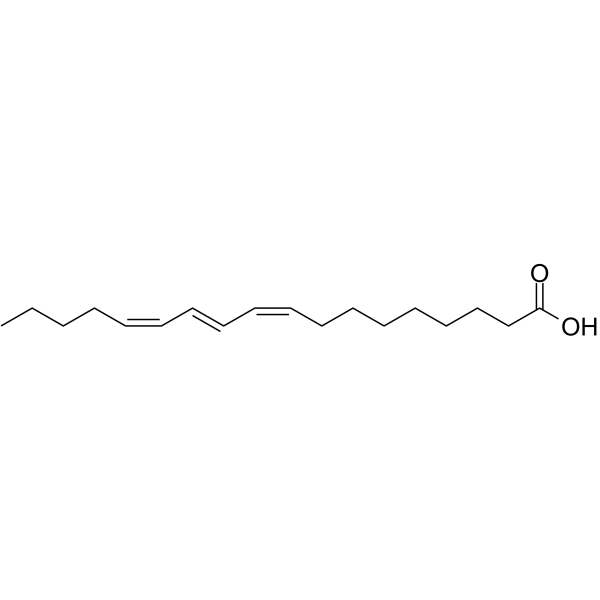
Punicic acid is a bioactive compound of pomegranate seed oil. Punicic acid is an isomer of conjugated α-linolenic acid and ω-5 polyunsaturated fatty acids. Punicic acid has anti-inflammatory and antioxidant activities and can inhibit the expression of inflammatory mediators such as tumor necrosis factor α (TNF-α). Punicic acid can also reduce the formation of β-amyloid deposits and hyperphosphorylation of tau by increasing the expression of GLUT4 protein and inhibiting the overactivation of calpain, and is used to prevent and treat neurodegenerative diseases. In addition, punicic acid also has breast cancer inhibitor properties that depend on lipid peroxidation and PKC pathways .
loading...
    loading...
1
1 Cited Publications
Cat. No.: HY-N2184
CAS No.: 24268-41-5
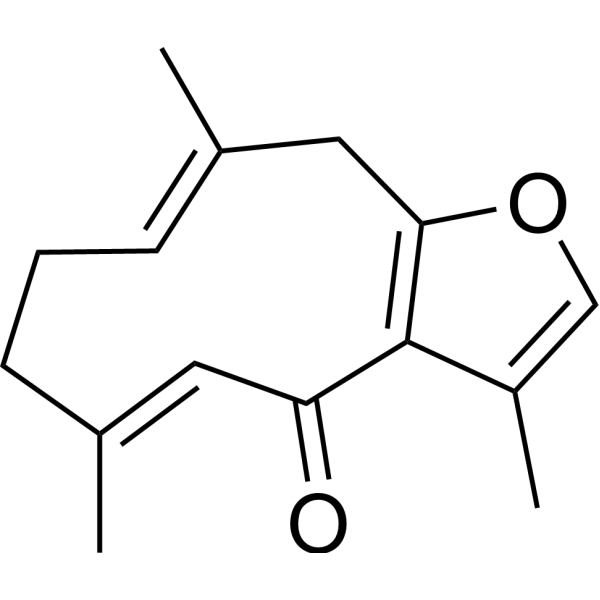
Furanodienone is one of the major bioactive constituents derived from Rhizoma Curcumae. Furanodienone induced apoptosis .
loading...
    loading...
1
1 Cited Publications
Cat. No.: HY-122966
CAS No.: 115063-39-3
Purity:  99.66%
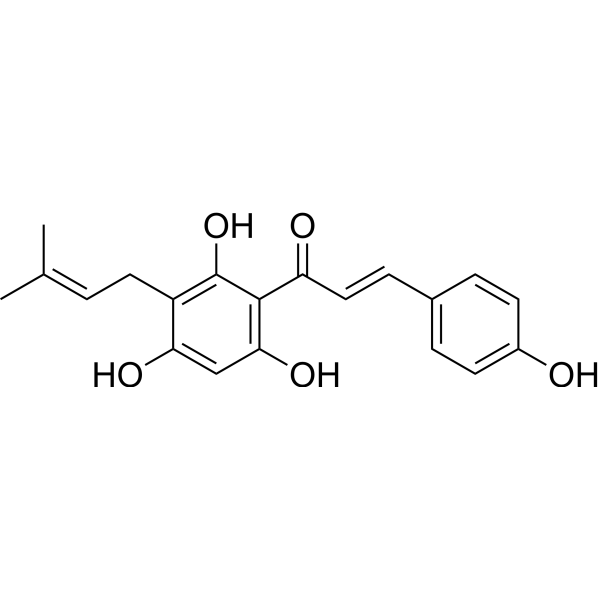
Desmethylxanthohumol is a prenylated hydroxychalcone isolated from hop cones (Humulus lupulus L.). Desmethylxanthohumol is a powerful apoptosis inducing agent. Desmethylxanthohumol has antiplasmodial, antiproliferative, and antioxidant bioactivities .
loading...
    loading...

