2676 Results for "

cause

" in MedChemExpress (MCE) Product Catalog:
Products (2676)

2676 Results for "cause" in MCE Product Catalog:

31
31 Cited Publications
Cat. No.: HY-18730
CAS No.: 180001-34-7
Synonyms: W1400
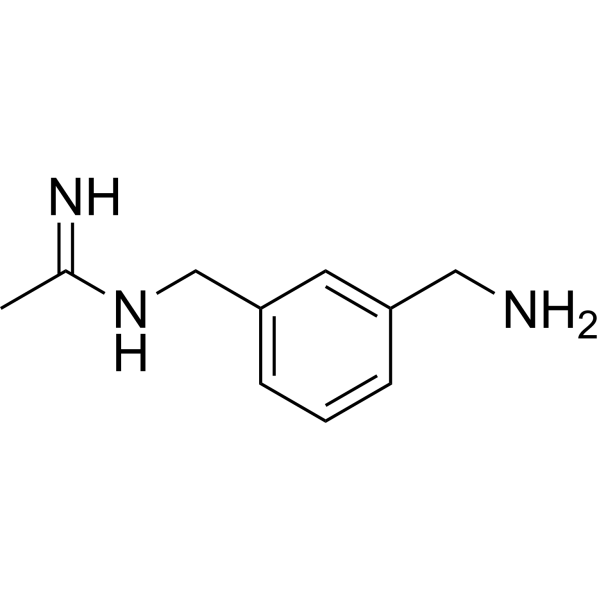
1400W is a slow, tight binding, and highly selective inducible nitric-oxide synthase (iNOS) inhibitor, with a Kd value ≤ 7 nM. 1400W inhibits iNOS induction in microglial cells, and reduces generation of NO, thereby mitigating oxidative stress and neuronal cell apoptosis in the rat cerebral cortex, and improving the spatial memory dysfunction caused by acute hypobaric hypoxia-reoxygenation .
loading...
    loading...
31
31 Cited Publications
Cat. No.: HY-18731
CAS No.: 214358-33-5
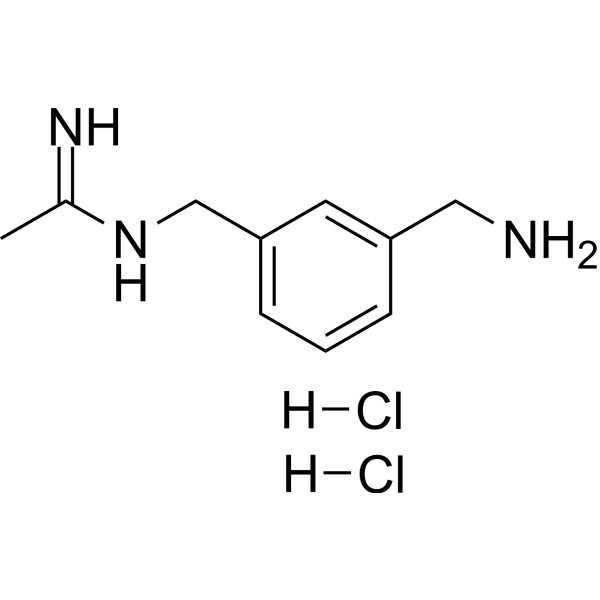
1400W dihydrochloride is the dihydrochloride form of 1400W (HY-18730). 1400W is a slow, tight binding, and highly selective inducible nitric-oxide synthase (iNOS) inhibitor, with a Kd value ≤ 7 nM. 1400W inhibits iNOS induction in microglial cells, and reduces generation of NO, thereby mitigating oxidative stress and neuronal cell apoptosis in the rat cerebral cortex, and improving the spatial memory dysfunction caused by acute hypobaric hypoxia-reoxygenation .
loading...
    loading...
30
30 Cited Publications
Cat. No.: HY-B0509
CAS No.: 1257517-67-1
Synonyms: BAY 41-6551 hydrate
Target:  

Bacterial Antibiotic

Research Areas:  

Infection Cancer

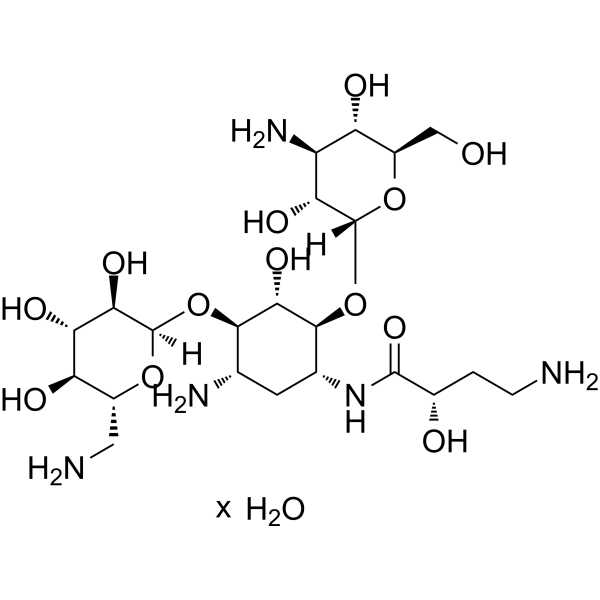
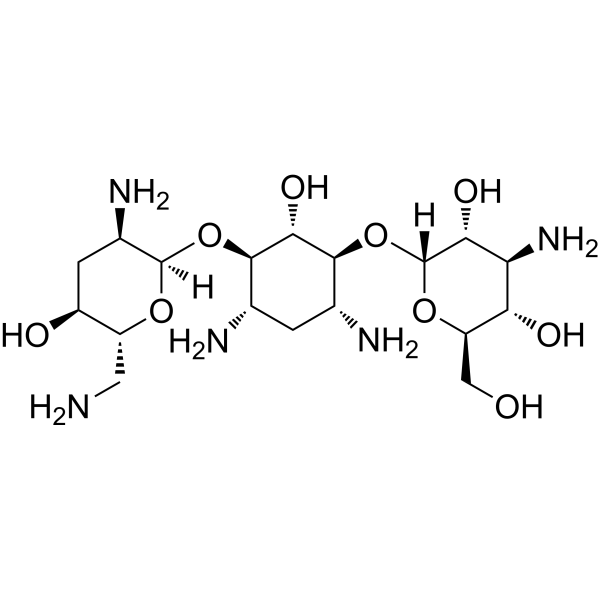
Amikacin hydrate (BAY 41-6551 hydrate) is an aminoglycoside antibiotic and a semisynthetic analog of kanamycin. Amikacin hydrate is bactericidal, acting directly on the 30S and 50S bacerial ribosomal subunits to inhibit protein synthesis. Amikacin hydrate is very active against most Gram-negative bacteria including gentamicin- and tobramycin-resistant strains. Amikacin hydrate also inhibits the infections caused by susceptible Nocardia and nontuberculous mycobacteria .
loading...
    loading...
30
30 Cited Publications
Cat. No.: HY-107813
CAS No.: 149022-22-0
Purity:  99.11%
Synonyms: BAY 41-6551 sulfate
Target:  

Bacterial Antibiotic

Research Areas:  

Infection Cancer

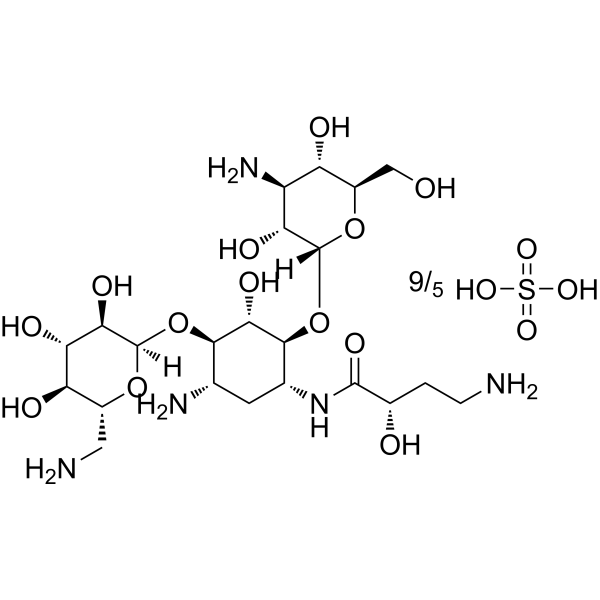
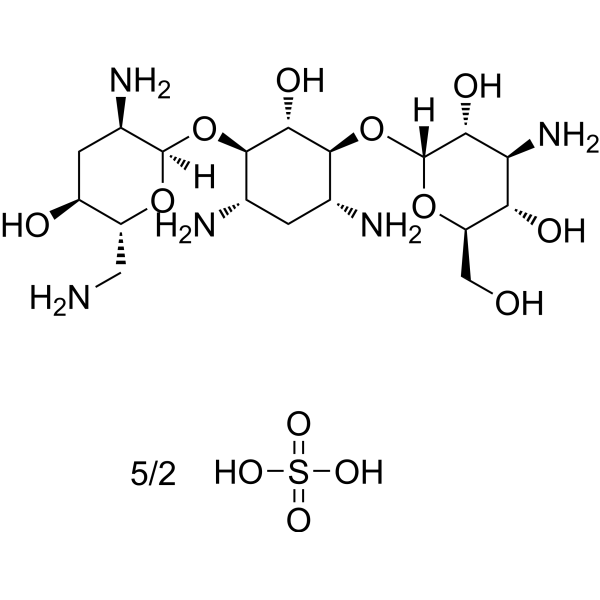
Amikacin sulfate (BAY 41-6551 sulfate) is an aminoglycoside antibiotic and a semisynthetic analog of kanamycin. Amikacin sulfate is bactericidal, acting directly on the 30S and 50S bacerial ribosomal subunits to inhibit protein synthesis. Amikacin sulfate is very active against most Gram-negative bacteria including gentamicin- and tobramycin-resistant strains. Amikacin sulfate also inhibits the infections caused by susceptible Nocardia and nontuberculous mycobacteria .
loading...
    loading...
30
30 Cited Publications
Cat. No.: HY-B0509B
CAS No.: 39831-55-5
Synonyms: BAY 41-6551 disulfate
Target:  

Bacterial Antibiotic

Research Areas:  

Infection Cancer

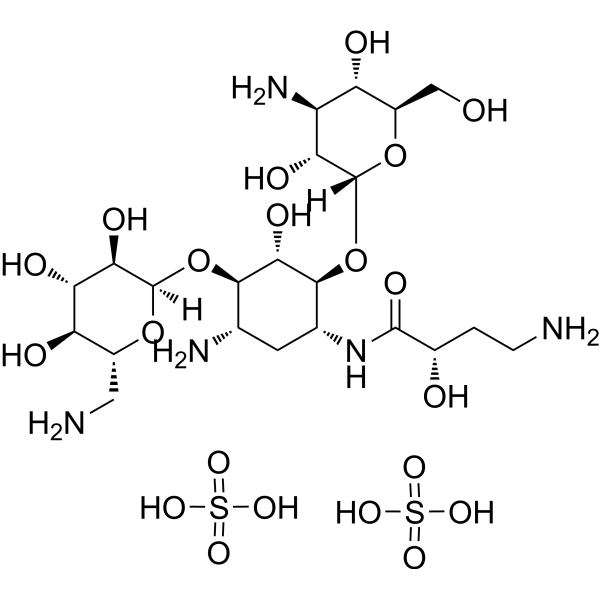
Amikacin disulfate (BAY 41-6551 dissulfate) is an aminoglycoside antibiotic and a semisynthetic analog of kanamycin. Amikacin disulfate is bactericidal, acting directly on the 30S and 50S bacerial ribosomal subunits to inhibit protein synthesis. Amikacin disulfate is very active against most Gram-negative bacteria including gentamicin- and tobramycin-resistant strains. Amikacin disulfate also inhibits the infections caused by susceptible Nocardia and nontuberculous mycobacteria .
loading...
    loading...
27
27 Cited Publications
Cat. No.: HY-N6718
CAS No.: 480-49-9
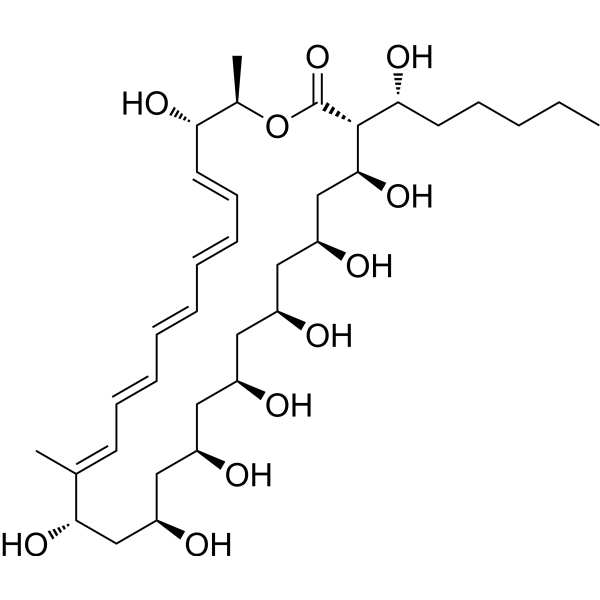
Filipin III is the major component of Filipin, a 28-membered ring pentaene macrolide antifungal antibiotic produced by S. filipinensis, S. avermitilis and S. miharaensis. Filipin interacts with membrane sterols causing the alteration of membrane structure .
loading...
    loading...
27
27 Cited Publications
Cat. No.: HY-100574A
CAS No.: 1373232-26-8
Purity:  99.82%
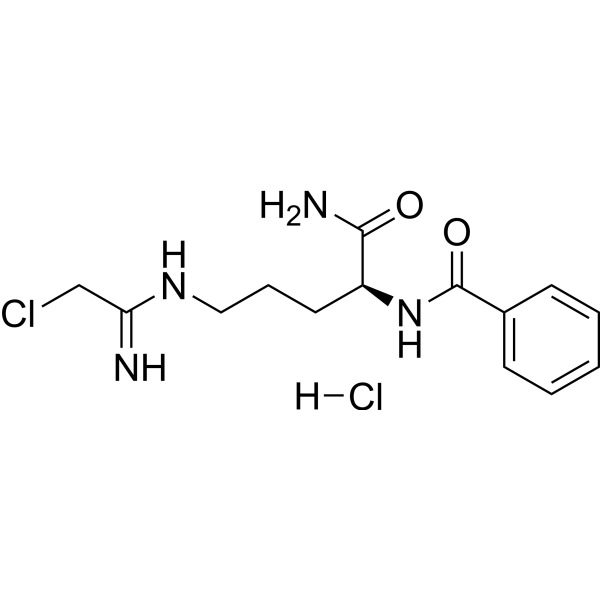
Cl-amidine hydrochloride is an orally active peptidylarginine deminase (PAD) inhibitor, with IC50 values of 0.8 μM, 6.2 μM and 5.9 μM for PAD1, PAD3, and PAD4, respectively. Cl-amidine hydrochloride induces apoptosis in cancer cells. Cl-amidine hydrochloride induces microRNA (miR)-16 (miRNA-16, microRNA-16) expression and causes cell cycle arrest. Cl-Amidine hydrochloride prevents histone 3 citrullination and neutrophil extracellular trap formation, and improves survival in a murine sepsis model .
loading...
    loading...
27
27 Cited Publications
Cat. No.: HY-100574B
CAS No.: 1043444-18-3
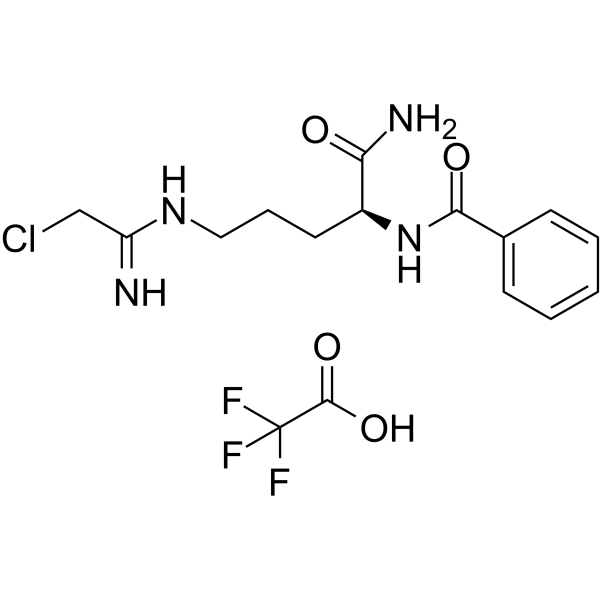
Cl-amidine TFA is an orally active peptidylarginine deminase (PAD) inhibitor, with IC50 values of 0.8 μM, 6.2 μM and 5.9 μM for PAD1, PAD3, and PAD4, respectively. Cl-amidine TFA induces apoptosis in cancer cells. Cl-amidine TFA induces microRNA (miR)-16 (miRNA-16, microRNA-16) expression and causes cell cycle arrest. Cl-Amidine TFA prevents histone 3 citrullination and neutrophil extracellular trap formation, and improves survival in a murine sepsis model .
loading...
    loading...
26
26 Cited Publications
Cat. No.: HY-13817
CAS No.: 314245-33-5
Purity:  99.30%
IU1 is a selective, reversible USP14 inhibitor with an IC50 of 4-5 μM. IU1 binds USP14’s catalytic cleft to block deubiquitinase activity. IU1 induces calpain-dependent Tau cleavage, causes ATP deficits, reduces E1~Ub thioester levels and 26S proteasome assembly. IU1 enhances 26S proteasome chymotrypsin-like activity, modulates LC3B-dependent autophagy flux, reduces cancer cell proliferation and migration, and blocks G0/G1 to S phase cell cycle transition in follicular thyroid cancer cells. IU1 activates autophagy-lysosomal and ubiquitin-proteasome pathways, triggers apoptosis, and reduces cervical cancer cell growth. IU1 enhances degradation of proteasome substrates linked to neurodegenerative disease, accelerates oxidized protein degradation, and increases oxidative stress resistance. IU1 can be used for the research of Alzheimer’s disease, follicular thyroid cancer, ischemic stroke, cervical cancer, and neurodegenerative disease .
loading...
    loading...
25
25 Cited Publications
Cat. No.: HY-100900
CAS No.: 1991986-30-1
Purity:  99.96%
Target:  

Deubiquitinase

Research Areas:  

Cancer

ML364 is a selective ubiquitin specific peptidase 2 (USP2) inhibitor (IC50=1.1 μM) with anti-proliferative activity, which direct binds to USP2 (Kd=5.2 μM), induces an increase in cellular cyclin D1 degradation and causes cell cycle arrest. ML364 increases the levels of mitochondrial ROS and decreases in the intracellular content of ATP .
loading...
    loading...
25
25 Cited Publications
Cat. No.: HY-15558
CAS No.: 23491-44-3
Purity:  99.11%
Synonyms: bisBenzimide H 33258; H 33258
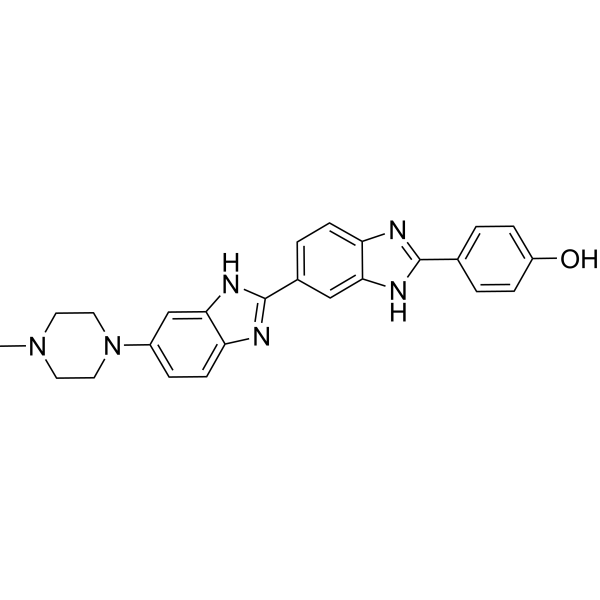
Hoechst 33258 is a blue to blue-green fluorescent live cell dye that can label DNA. Hoechst 33258 can specifically bind to the minor groove of DNA (and tends to bind to A/T-rich DNA), resulting in a significant increase in fluorescence intensity. Hoechst 33258 can cross the cell membrane and cause changes in DNA structure, such as G2/M phase arrest. Hoechst 33258 can bind to live or fixed cells, and the fluorescence intensity increases with increasing solution pH. As a DNA-specific probe, Hoechst 33258 can be used to detect DNA content, analyze cell cycle, etc. The excitation wavelength of Hoechst 33258 is 350-365 nm, and the emission wavelength is 460-490 nm .
loading...
    loading...
24
24 Cited Publications
Cat. No.: HY-34758
CAS No.: 684-93-5
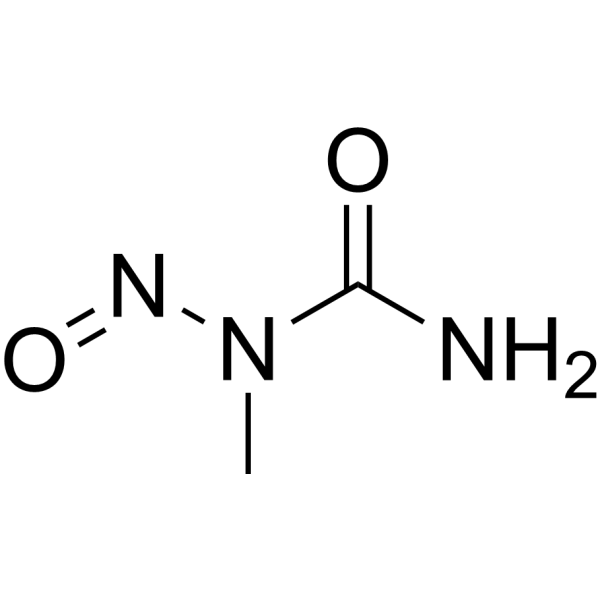
N-Nitroso-N-methylurea (NMU;MNU;NMH) is a potent carcinogen, mutagen and teratogenand. N-Nitroso-N-methylurea is a direct-acting alkylating agent that interacts with DNA. N-Nitroso-N-methylurea targets multiple animal organs to cause various cancer and/or degenerative disease. N-Nitroso-N-methylurea is also a precursor in the synthesis of diazomethane .
loading...
    loading...
23
23 Cited Publications
Cat. No.: HY-B1247
CAS No.: 553-12-8
Synonyms: PPIX
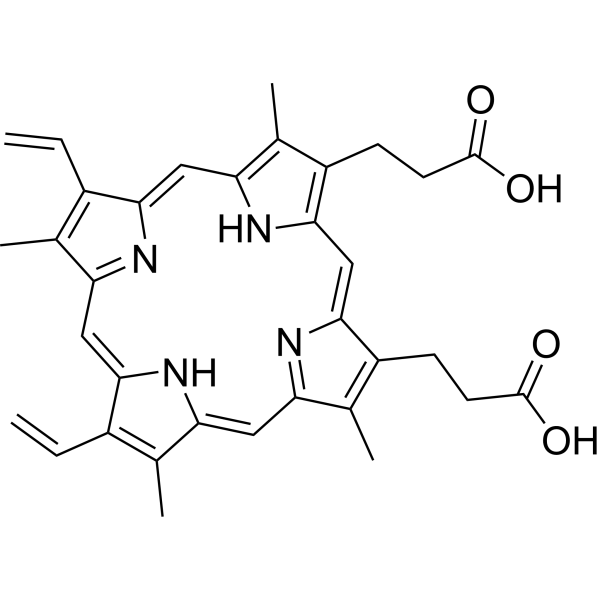
Protoporphyrin IX is a final intermediate in the heme biosynthetic pathway, which acts as a radiation sensitizer enhancing ROS generation even in a hypoxic state and inducing DNA damage. Protoporphyrin IX also acts as a photo sensitizer undergoing photobleaching that occurs through direct degradation by light irradiation. Protoporphyrin IX is formed and accumulated following 5-aminolevulinic acid (5-ALA) (HY-W000450) administration in the tumor cells of rats. Protoporphyrin IX causes selective improvement of basal cell carcinoma when activated red fluorescence of a peak wavelength at 405 nm. Protoporphyrin IX is promising for research of sonodynamic and photodynamic agents for a wide range of cancers, such as bladder cancer and nodular basal cell carcinoma .
loading...
    loading...
23
23 Cited Publications
Cat. No.: HY-B1247A
CAS No.: 50865-01-5
Synonyms: PPIX disodium
Target:  

Endogenous Metabolite

Research Areas:  

Cancer

Protoporphyrin IX disodium is a final intermediate in the heme biosynthetic pathway, which acts as a radiation sensitizer enhancing ROS generation even in a hypoxic state and inducing DNA damage. Protoporphyrin IX disodium also acts as a photo sensitizer undergoing photobleaching that occurs through direct degradation by light irradiation. Protoporphyrin IX disodium is formed and accumulated following 5-aminolevulinic acid (5-ALA) (HY-W000450) administration in the tumor cells of rats. Protoporphyrin IX disodium causes selective improvement of basal cell carcinoma when activated red fluorescence of a peak wavelength at 405 nm. Protoporphyrin IX disodium is promising for research of sonodynamic and photodynamic agents for a wide range of cancers, such as bladder cancer and nodular basal cell carcinoma .
loading...
    loading...
20
20 Cited Publications
Cat. No.: HY-B0245
CAS No.: 55-98-1
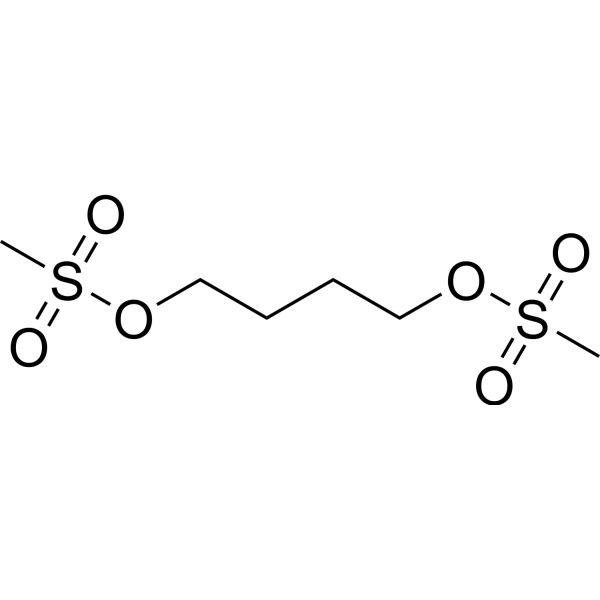
Busulfan is a potent alkylating antineoplastic agent. Busulfan causes DNA damage by cross-linking DNAs and DNA and proteins. Busulfan inhibits thioredoxin reductase. Busulfan induces apoptosis. Busulfan is an immunosuppressive and myeloablative chemotherapeutic agent .
loading...
    loading...
20
20 Cited Publications
Cat. No.: HY-110251
CAS No.: 1539318-36-9
Purity:  98.11%
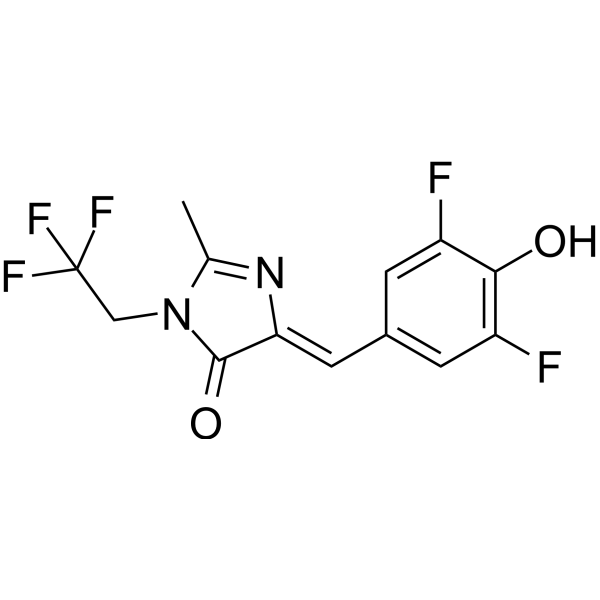
DFHBI-1T is a membrane-permeable RNA aptamers-activated fluorescence probe (ex/em=472 nm/507 nm). DFHBI-1T binds to RNA aptamers (Spinach, Spinach2, iSpinach, and Broccoli) and causes specific fluorescence and lower background fluorescence. DFHBI-1T is used to image RNA in live cells .
loading...
    loading...
19
19 Cited Publications
Cat. No.: HY-N0127
CAS No.: 65-19-0
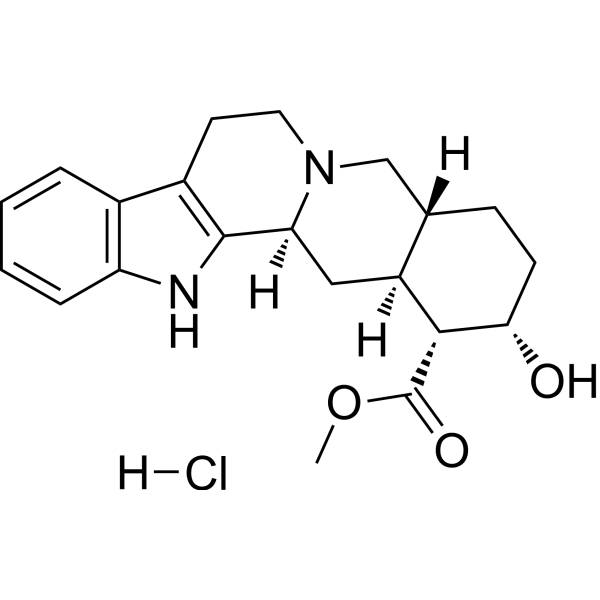
Yohimbine hydrochloride is an alpha-2 renal adenomatase receptor inhibitor, blocking pre- and post-contact alpha-2 renal adenomatase receptors, causing the release of renal adenoma and multiple sclerosis.
loading...
    loading...
19
19 Cited Publications
Cat. No.: HY-B0441
CAS No.: 32986-56-4
Synonyms: Nebramycin Factor 6; Deoxykanamycin B
Tobramycin (Nebramycin Factor 6) is a parenterally administered, broad spectrum aminoglycoside antibiotic that is widely used in the treatment of moderate to severe bacterial infections due to sensitive organisms .Tobramycin can be used to pneumonia research caused by Pseudomonas aeruginosa .
loading...
    loading...
19
19 Cited Publications
Cat. No.: HY-B0441A
CAS No.: 49842-07-1
Synonyms: Nebramycin Factor 6 sulfate; Deoxykanamycin B sulfate
Tobramycin (Nebramycin Factor 6) sulfate is a parenterally administered, broad spectrum aminoglycoside antibiotic that is widely used in the treatment of moderate to severe bacterial infections due to sensitive organisms. Tobramycin sulfate can be used to pneumonia research caused by Pseudomonas aeruginosa .
loading...
    loading...
19
19 Cited Publications
Cat. No.: HY-107910
CAS No.: 37326-33-3
Synonyms: Hyaluronate 4-glycanohydrolase, Bovine testes; Hyaluronoglucosaminidase, Bovine testes
Target:  

NF-κB

Research Areas:  

Inflammation/Immunology Cancer

Hyaluronidase, Bovine testes (Hyaluronate 4-glycanohydrolase; Hyaluronoglucosaminidase) is an endoglycosidase that depolymerizes Hyaluronic acid (HA) (HY-B0633A) by cleavage of glycosidic bonds. Hyaluronidase degrades HA and activates membrane receptors that trigger pathways converging in NF-κB activation. Hyaluronidase is employed in the research of granulomatous foreign body reactions, soft-tissue necrosis caused by vascular compromise and uncomplicated nodules, overcorrection, inflamed nodules or tissue ischemia associated with HA filler injection .
loading...
    loading...

