3394 Results for "

Antibacterials

" in MedChemExpress (MCE) Product Catalog:
Products (3394)

3394 Results for "Antibacterials" in MCE Product Catalog:

12
12 Cited Publications
Cat. No.: HY-A0090A
CAS No.: 54-87-5
Target:  

Antibiotic Bacterial

Research Areas:  

Infection

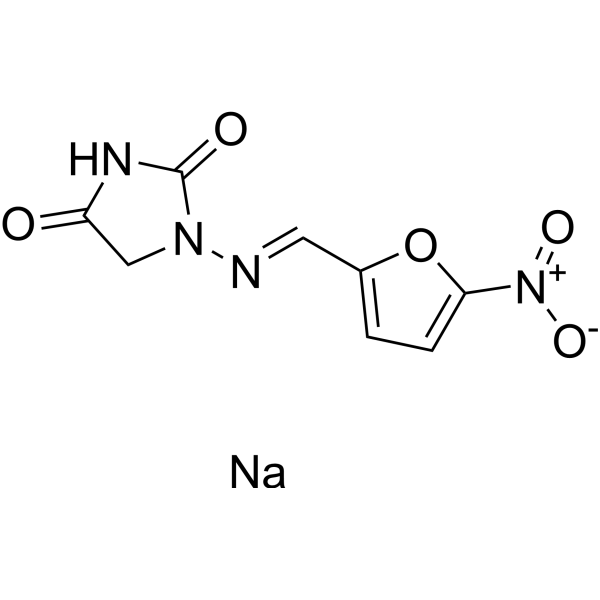
Nitrofurantoin sodium is a potent and orally active antibacterial agent. Nitrofurantoin sodium acts as an antibiotic. Nitrofurantoin sodium can be used for the study of urinary tract infections (UTIs), including cystitis and kidney infections .
loading...
    loading...
12
12 Cited Publications
Cat. No.: HY-B0572
CAS No.: 13463-41-7
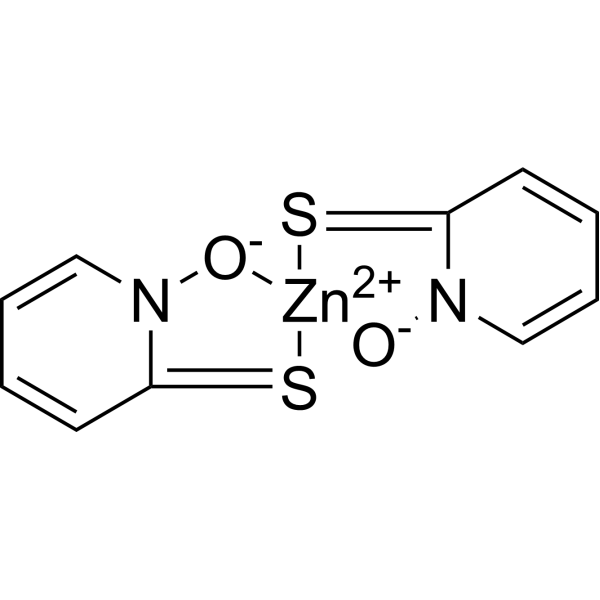
Zinc Pyrithione is an antifungal and antibacterial agent disrupting membrane transport by blocking the proton pump . Zinc Pyrithione is also a copper ionophore that delivers copper into cells and is a useful tool for studying cuproptosis .
loading...
    loading...
12
12 Cited Publications
Cat. No.: HY-N0250
CAS No.: 20874-52-6
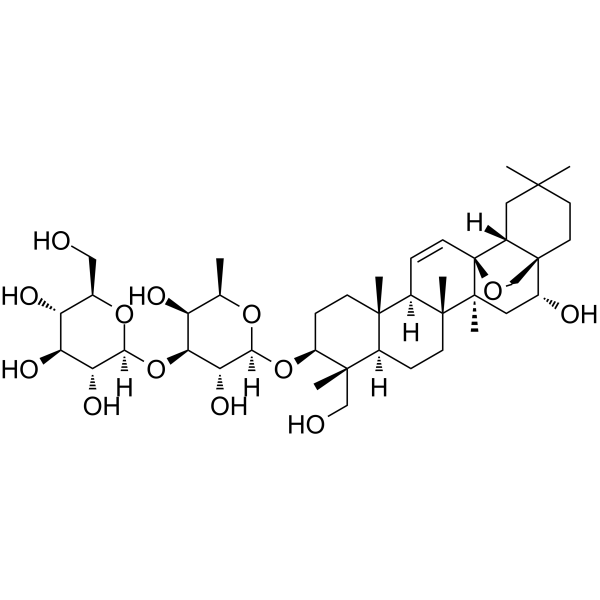
Saikosaponin D is a triterpene saponin isolated from Bupleurum, with anti-inflammatory, anti-bacterial, anti-tumor, and anti-allergic activities; Saikosaponin D inhibits selectin, STAT3 and NF-kB and activates estrogen receptor-β.
loading...
    loading...
12
12 Cited Publications
Cat. No.: HY-N0328
CAS No.: 6147-11-1
Synonyms: α-Mangostin
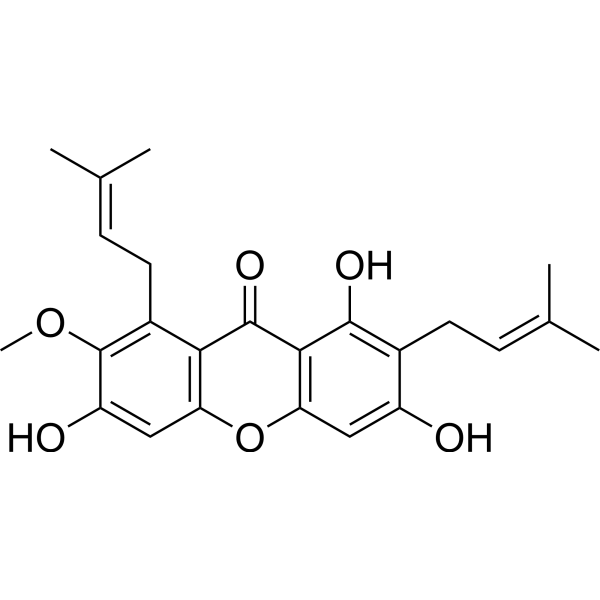
alpha-Mangostin (α-Mangostin) is a dietary xanthone with broad biological activities, such as antioxidant, anti-allergic, antiviral, antibacterial, anti-inflammatory and anticancer effects. It is an inhibitor of mutant IDH1 (IDH1-R132H) with a Ki of 2.85 μM.
loading...
    loading...
12
12 Cited Publications
Cat. No.: HY-N2037A
CAS No.: 11041-94-4
Synonyms: Norcoclaurine hydrochloride
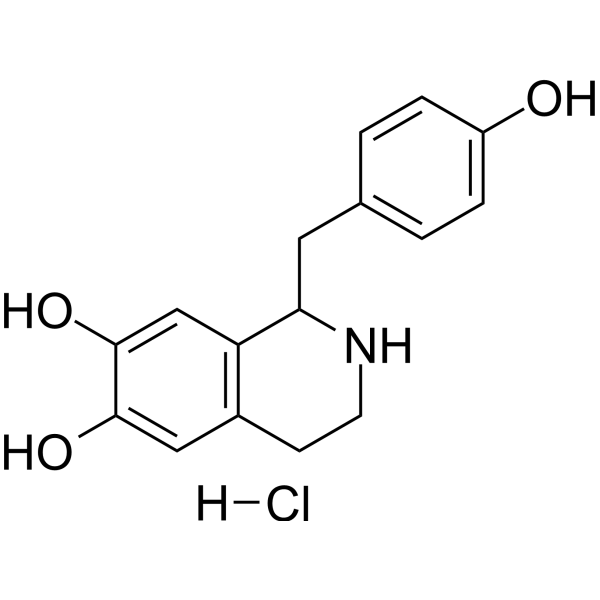
Higenamine hydrochloride is a selective LSD1 inhibitor (IC50=1.47 μM) that can be isolated from aconite. Higenamine hydrochloride has anti-inflammatory and antibacterial activity. Higenamine (Norcoclaurine) can attenuate IL-1β-induced Apoptosis through ROS-mediated PI3K/Akt signaling pathway. Higenamine hydrochloride protects brain cells from oxygen deprivation. Higenamine can promote bone formation in osteoporosis through the SMAD2/3 pathway. Higenamine hydrochloride can be used to study cancer, inflammation, cardiorenal syndrome and other diseases .
loading...
    loading...
12
12 Cited Publications
Cat. No.: HY-N2037
CAS No.: 5843-65-2
Synonyms: Norcoclaurine; Demethyl-Coclaurine
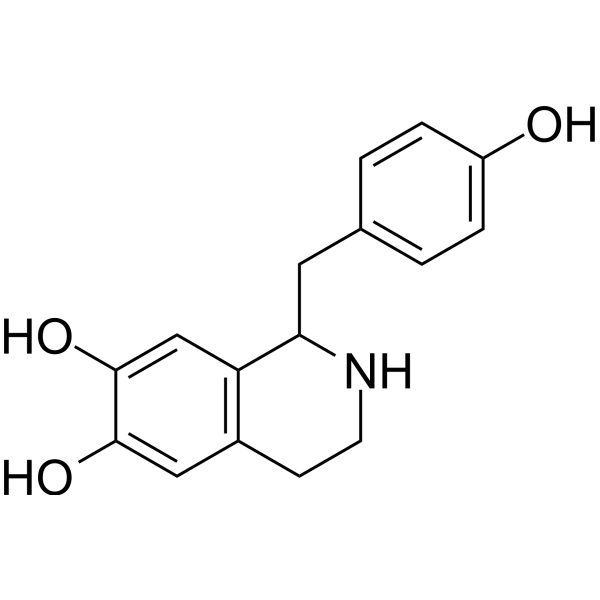
Higenamine (Norcoclaurine), a β2-AR agonist with antioxidant capability, is a key component of the Chinese herb aconite root that prescribes for treating symptoms of heart failure in the oriental Asian countries. Higenamine is also a α1-adrenergic receptor antagonist with hypotensive effect. is a selective LSD1 inhibitor (IC50=1.47 μM) that can be isolated from aconite. Higenamine hydrochloride has anti-inflammatory and antibacterial activity. Higenamine protects myocyte Apoptosis and ischemia/reperfusion (I/R) injury through selective activation of beta2-adrenergic receptor (β2-AR). Higenamine also reduces I/R-induced myocardial infarction in mice. Higenamine can attenuate IL-1β-induced Apoptosis through ROS-mediated PI3K/Akt signaling pathway. Higenamine protects brain cells from oxygen deprivation. Higenamine can promote bone formation in osteoporosis through the SMAD2/3 pathway. Higenamine can be used to study cancer, inflammation, cardiorenal syndrome and other diseases .
loading...
    loading...
11
11 Cited Publications
Cat. No.: HY-N0108
CAS No.: 521-61-9
Synonyms: Parietin; Rheochrysidin
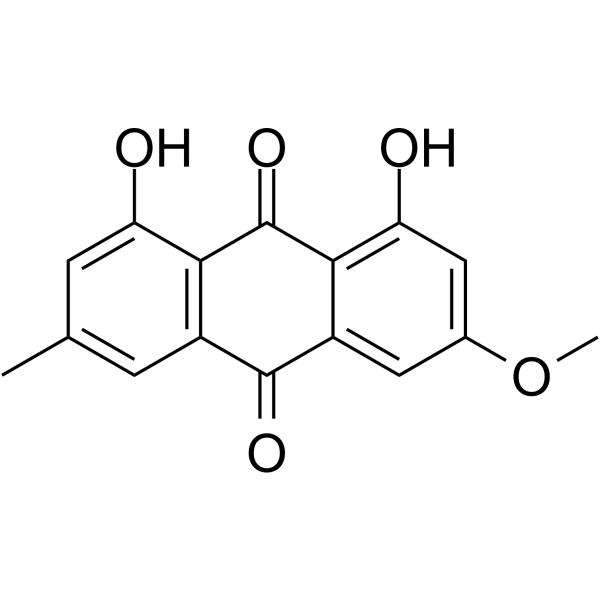
Physcion (Parietin), an anthraquinone derivative derived from the traditional Chinese medicine rhubarb, is an effective oral active 6-phosphogluconate dehydrogenase inhibitor with blood-brain barrier permeability, with IC50 and Kd values of 38.5 μM and 26.0 μM, respectively. Additionally, Physcion is an inhibitor of the <>bTLR4/NF-κB signaling pathway, exhibiting anti-inflammatory, antibacterial, and anticancer effects, and can induce Apoptosis and Autophagy in cancer cells .
loading...
    loading...
11
11 Cited Publications
Cat. No.: HY-N0711
CAS No.: 499-75-2
Synonyms: Cymophenol
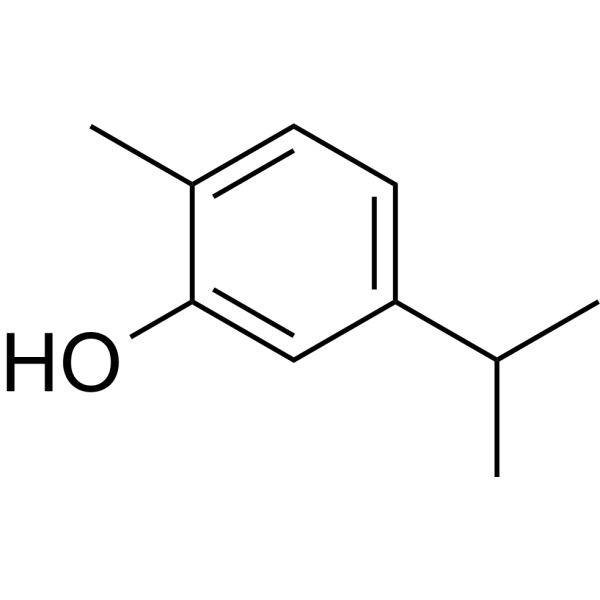
Carvacrol is an orally active and blood-brain barrier-permeable monoterpenic phenol that can be extract from an abundant number of aromatic plants, including thyme and oregano, possessing antioxidant, antibacterial, antifungal, anticancer, anti-inflammatory, hepatoprotective, spasmolytic, and vasorelaxant properties. Carvacrol also causes cell cycle arrest in G0/G1, downregulates Notch-1, and Jagged-1, and induces apoptosis. Carvacrol is used in low concentrations as a food flavoring ingredient and preservative, as well as a fragrance ingredient in cosmetic formulations .
loading...
    loading...
11
11 Cited Publications
Cat. No.: HY-N0110
CAS No.: 10605-02-4
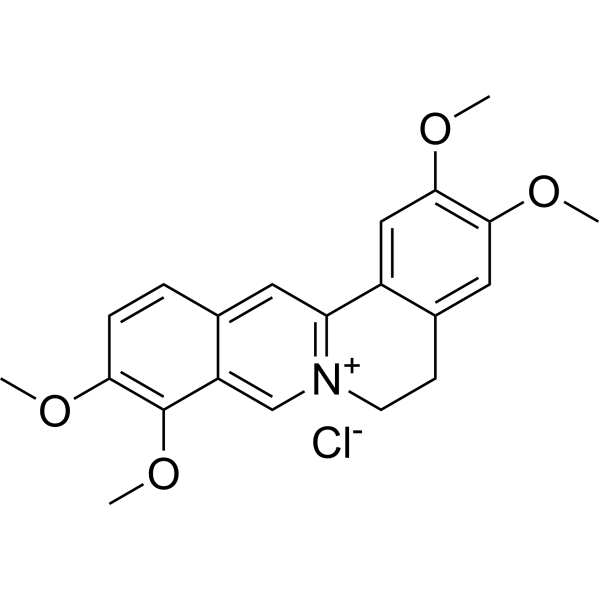
Palmatine chloride is an orally active and irreversible indoleamine 2,3-dioxygenase 1 (IDO-1) inhibitor with IC50s of 3 μM and 157μM against HEK 293-hIDO-1 and rhIDO-1, respectively. Palmatine chloride can also inhibit West Nile virus (WNV) NS2B-NS3 protease in an uncompetitive manner with an IC50 of 96 μM. Palmatine chloride shows anti-cancer, anti-oxidation, anti-inflammatory, neuroprotection, antibacterial, anti-viral activities .
loading...
    loading...
11
11 Cited Publications
Cat. No.: HY-N0110B
CAS No.: 131-04-4
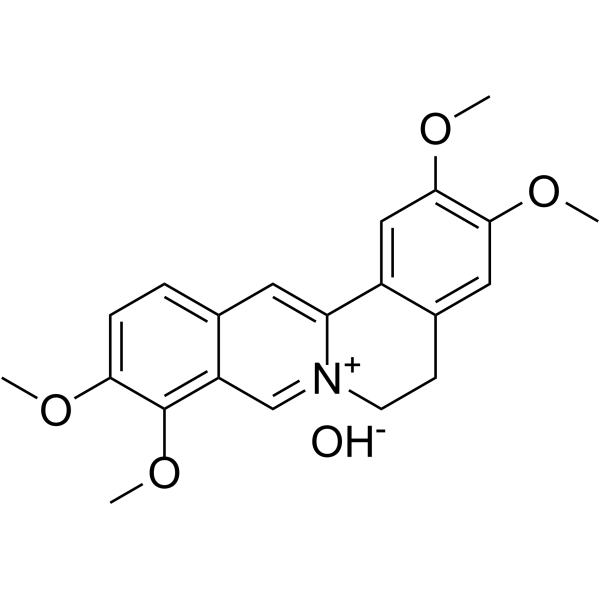
Palmatine hydroxide is an orally active and irreversible indoleamine 2,3-dioxygenase 1 (IDO-1) inhibitor with IC50s of 3 μM and 157μM against HEK 293-hIDO-1 and rhIDO-1, respectively. Palmatine hydroxide can also inhibit West Nile virus (WNV) NS2B-NS3 protease in an uncompetitive manner with an IC50 of 96 μM. Palmatine hydroxide shows anti-cancer, anti-oxidation, anti-inflammatory, neuroprotection, antibacterial, anti-viral activities .
loading...
    loading...
11
11 Cited Publications
Cat. No.: HY-124617
CAS No.: 441022-64-6
Purity:  99.44%
Target:  

Apoptosis Bacterial

Research Areas:  

Infection Cancer

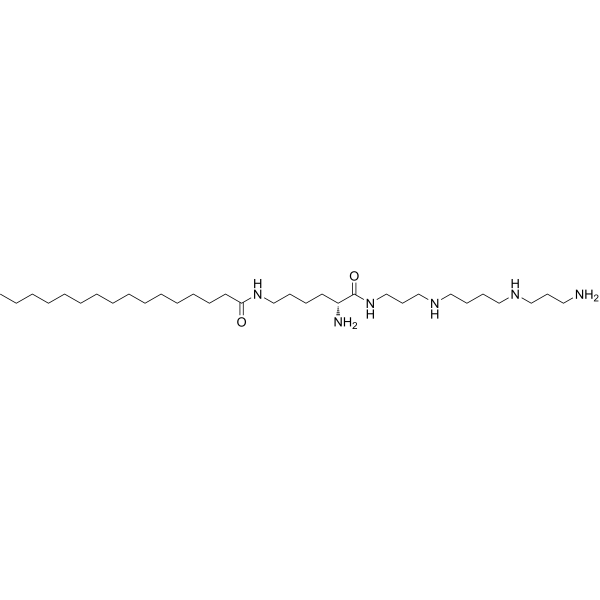
AMXT-1501 is a Bacterial agent and polyamine transport system inhibitor. AMXT-1501 targets membrane phospholipids and exhibits antibacterial activity against a variety of Gram-positive and Gram-negative multidrug-resistant bacteria . AMXT-1501 inhibits capsular biosynthesis in Streptococcus pneumoniae . AMXT-1501 targets ornithine decarboxylase and polyamines to inhibit the proliferation of neuroblastoma cells . AMXT-1501 in combination with DFMO (HY-B0744) induces Apoptosis in neuroblastoma cells. AMXT-1501 is applicable to research related to multidrug-resistant bacterial infections, pneumococcal infections, Streptococcus pneumoniae infections, and neuroblastoma .
loading...
    loading...
11
11 Cited Publications
Cat. No.: HY-124617A
CAS No.: 2444815-84-1
Purity:  ≥98.0%
Target:  

Apoptosis Bacterial

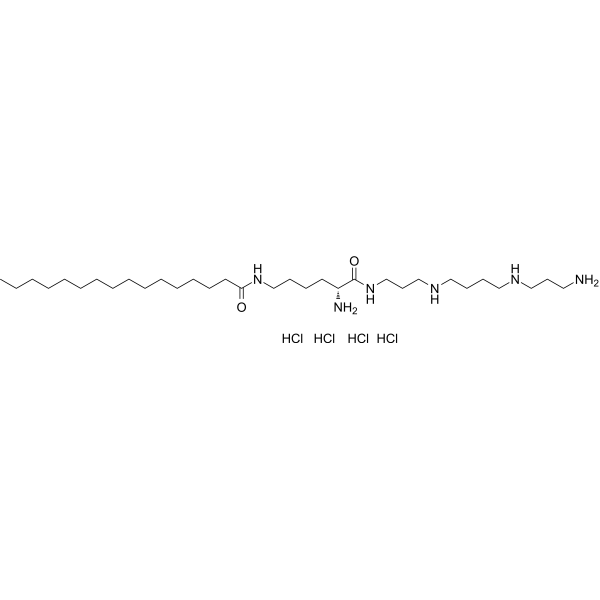
AMXT-1501 tetrahydrochloride is a Bacterial agent and polyamine transport system inhibitor. AMXT-1501 tetrahydrochloride targets membrane phospholipids and exhibits antibacterial activity against a variety of Gram-positive and Gram-negative multidrug-resistant bacteria . AMXT-1501 tetrahydrochloride inhibits capsular biosynthesis in Streptococcus pneumoniae . AMXT-1501 tetrahydrochloride targets ornithine decarboxylase and polyamines to inhibit the proliferation of neuroblastoma cells . AMXT-1501 tetrahydrochloride in combination with DFMO (HY-B0744) induces Apoptosis in neuroblastoma cells. AMXT-1501 tetrahydrochloride is applicable to research related to multidrug-resistant bacterial infections, pneumococcal infections, Streptococcus pneumoniae infections, and neuroblastoma .
loading...
    loading...
11
11 Cited Publications
Cat. No.: HY-W074143
CAS No.: 36309-88-3
Synonyms: [Ru(DPP)3]Cl2
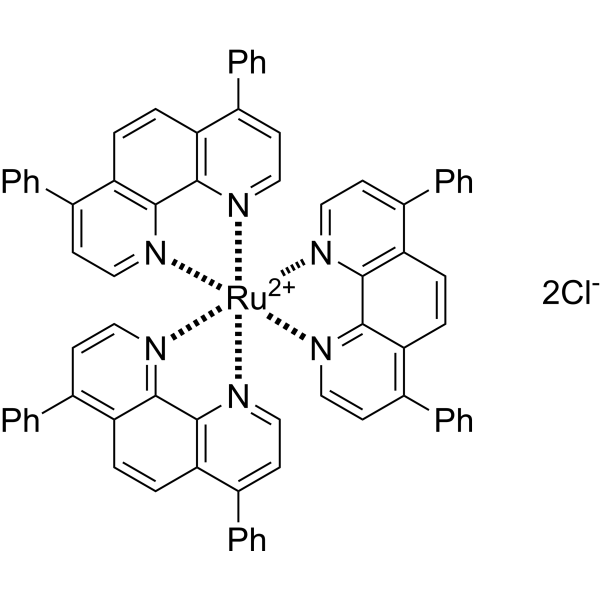
Tris(4,7-diphenyl-1,10-phenanthroline)ruthenium(II) dichloride ([Ru(dpp)3] 2+) is an electrochemiluminescent (ECL) probe and oxygen-sensitive sensor. Tris(4,7-diphenyl-1,10-phenanthroline)ruthenium(II) dichloride can be used to modify electrode surfaces for the detection of sulfates (S2O8 2-) and oxalates, based on electrochemical reactions that generate excited-state species, releasing photons through irreversible redox reactions. Tris(4,7-diphenyl-1,10-phenanthroline)ruthenium(II) dichloride utilizes the oxygen quenching of fluorescence mechanism, where fluorescence intensity reflects the metabolic rate of living microorganisms or oxygen levels within cells/tumors, allowing for real-time detection. Tris(4,7-diphenyl-1,10-phenanthroline)ruthenium(II) dichloride's main applications include microbial detection, antibacterial activity studies, and tumor microenvironment research .
loading...
    loading...
10
10 Cited Publications
Cat. No.: HY-B0200
CAS No.: 15686-71-2
Synonyms: Cefalexin; Cephacillin
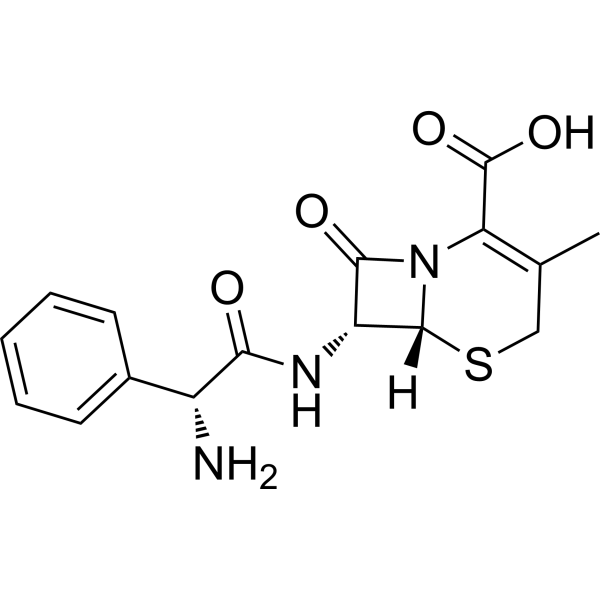
Cephalexin (Cefalexin) is a potent, orally active semisynthetic cephalosporin antibiotic with a broad antibacterial spectrum. Cephalexin has antibacterial activity against a wide variety of gram-positive and gram-negative bacteria. Cephalexin targets penicillin-binding proteins (PBPs) to inhibit bacterial cell wall assembly. Cephalexin is used for the research of pneumonia, strep throat, and bacterial endocarditis, et al .
loading...
    loading...
10
10 Cited Publications
Cat. No.: HY-B0200A
CAS No.: 59695-59-9
Synonyms: Cefalexin hydrochloride; Cephacillin hydrochloride
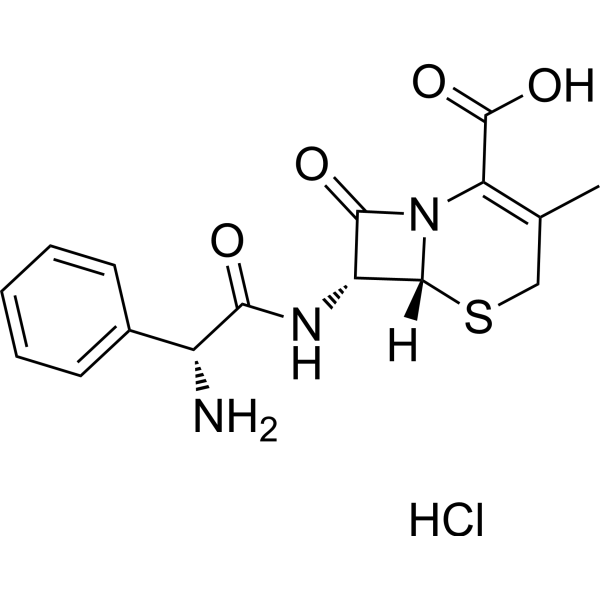
Cephalexin (Cefalexin) hydrochloride is a potent, orally active new semisynthetic cephalosporin antibiotic with a broad antibacterial spectrum. Cephalexin (Cefalexin) hydrochloride has antibacterial activity against a wide variety of gram-positive and gram-negative bacteria. Cephalexin (Cefalexin) hydrochloride targets penicillin-binding proteins (PBPs) to inhibit bacterial cell wall assembly. Cephalexin (Cefalexin) hydrochloride is used for the research of pneumonia, strep throat, and bacterial endocarditis, et al .
loading...
    loading...
10
10 Cited Publications
Cat. No.: HY-B0200B
CAS No.: 23325-78-2
Synonyms: Cefalexin hydrate; Cephacillin hydrate
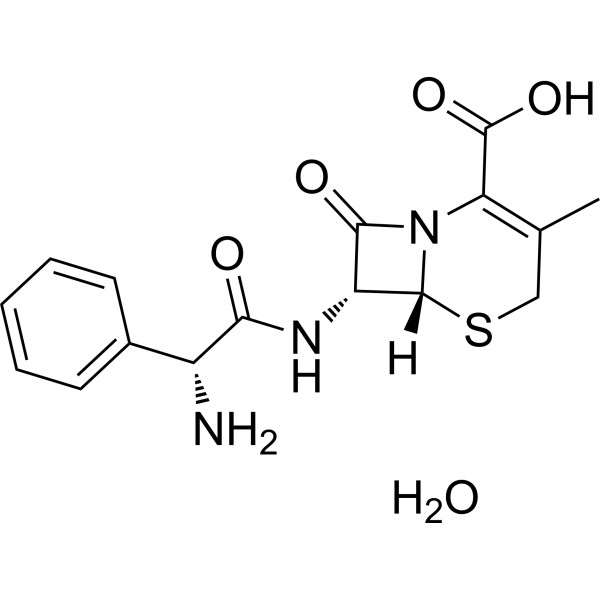
Cephalexin (Cefalexin) monohydrate is a potent, orally active new semisynthetic cephalosporin antibiotic with a broad antibacterial spectrum. Cephalexin (Cefalexin) monohydrate has antibacterial activity against a wide variety of gram-positive and gram-negative bacteria. Cephalexin (Cefalexin) monohydrate targets penicillin-binding proteins (PBPs) to inhibit bacterial cell wall assembly. Cephalexin (Cefalexin) monohydrate is used for the research of pneumonia, strep throat, and bacterial endocarditis, et al .
loading...
    loading...
10
10 Cited Publications
Cat. No.: HY-N0644
CAS No.: 3650-09-7
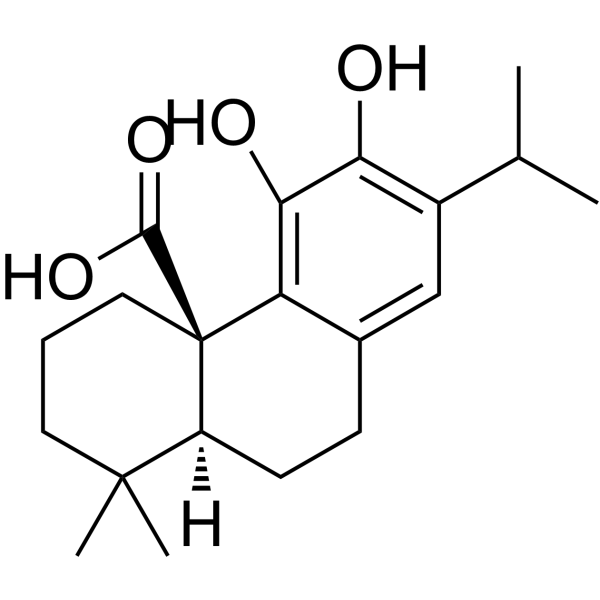
Carnosic acid is an orally active lipid absorption inhibitor. Carnosic acid has demonstrated inhibition of oxidative stress and inflammation, suppression of cell proliferation, and antibacterial activity.
loading...
    loading...
10
10 Cited Publications
Cat. No.: HY-B1464
CAS No.: 123-03-5
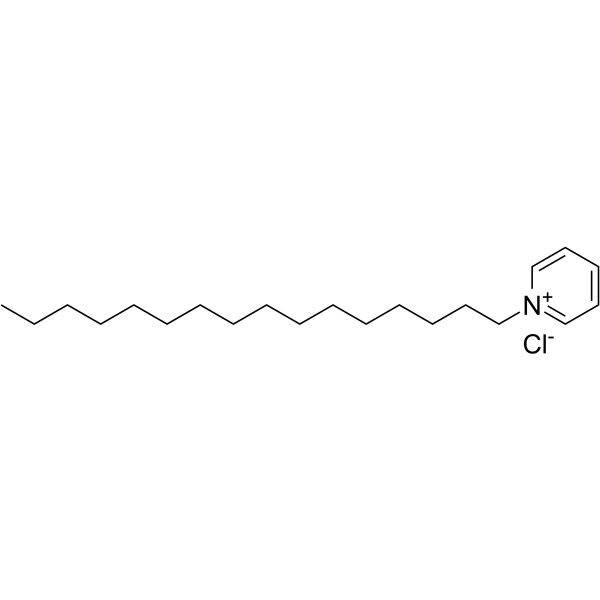
Cetylpyridinium chloride, a cationic quaternary ammonium compound, is an anti-bacterial agent with broad-spectrum activity. Cetylpyridinium chloride is an effective anti-HBV capsid assembly inhibitor with an IC50 of 2.5 μM. Cetylpyridinium chloride is used in pesticides and various types of mouthwashes, and other personal care products .
loading...
    loading...
10
10 Cited Publications
Cat. No.: HY-N0414
CAS No.: 535-83-1
Synonyms: Trigenolline
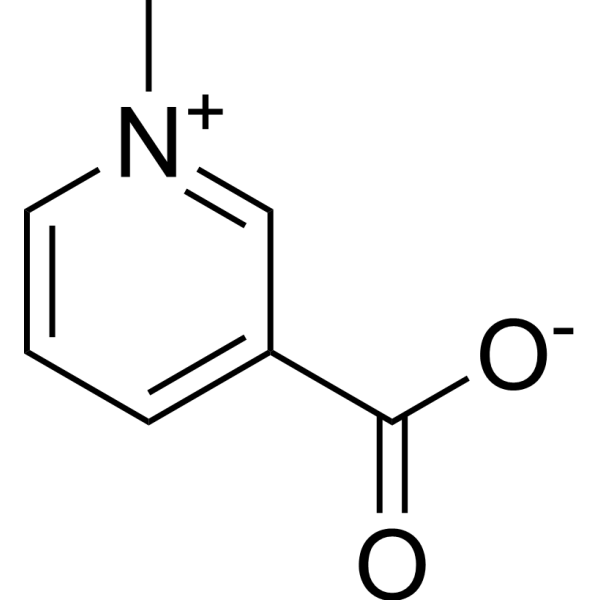
Trigonelline is an alkaloid with potential antidiabetic activity that can be isolated from Trigonella foenum-graecum L or Leonurus artemisia. Trigonelline is a potent Nrf2 inhibitor that blocks Nrf2-dependent proteasome activity, thereby enhancing apoptosis in pancreatic cancer cells. Trigonelline also has anti-HSV-1, antibacterial, and antifungal activity and induces ferroptosis.
loading...
    loading...
10
10 Cited Publications
Cat. No.: HY-N0415
CAS No.: 6138-41-6
Synonyms: Trigonelline hydrochloride
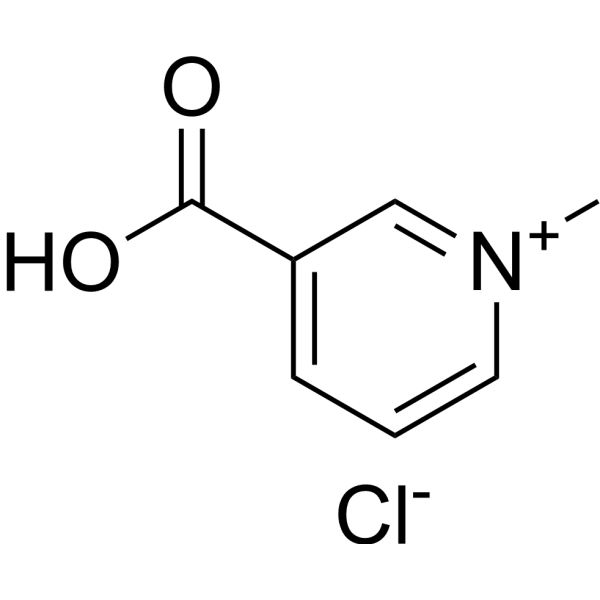
Trigonelline chloride is an alkaloid with potential antidiabetic activity that can be isolated from Trigonella foenum-graecum L or Leonurus artemisia. Trigonelline chloride is a potent Nrf2 inhibitor that blocks Nrf2-dependent proteasome activity, thereby enhancing apoptosis in pancreatic cancer cells. Trigonelline chloride also has anti-HSV-1, antibacterial, and antifungal activity, and induces ferroptosis.
loading...
    loading...

