1. Search Result
Search Result
Isoforms Recommended: 5-LOX
Results for "

5-LOX

" in MedChemExpress (MCE) Product Catalog:

103

Inhibitors & Agonists

1

Peptides

28

Natural
Products

2

Isotope-Labeled Compounds

1

Antibodies

1

Click Chemistry

2

Oligonucleotides

Cat. No. Product Name Target Research Areas Chemical Structure
  • HY-N0198
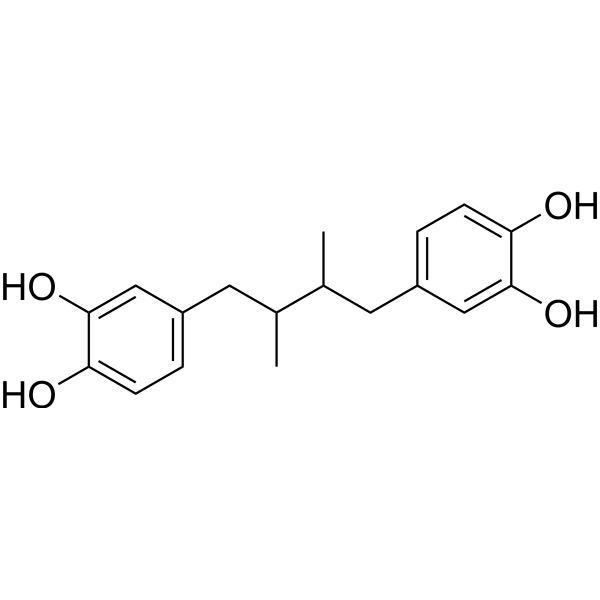
    Nordihydroguaiaretic acid
    5+ Cited Publications

    NDGA

    Lipoxygenase Autophagy Ferroptosis Neurological Disease Cancer
    Nordihydroguaiaretic acid is a 5-lipoxygenase (5LOX) (IC50=8 μM) and tyrosine kinase inhibitor.
    Nordihydroguaiaretic acid
  • HY-14166
    MK-886
    10+ Cited Publications

    L 663536

    FLAP Leukotriene Receptor PPAR Apoptosis Cancer
    MK-886 (L 663536) is a potent, cell-permeable and orally active FLAP (IC50 of 30 nM) and leukotriene biosynthesis (IC50s of 3 nM and 1.1 μM in intact leukocytes and human whole blood, respectively) inhibitor. MK-886 is also a non-competitive PPARα antagonist and can induce apoptosis .
    MK-886
  • HY-111310
    ML351
    2 Publications Verification

    Lipoxygenase Neurological Disease Metabolic Disease
    ML351 is a potent and highly specific 15-LOX-1 inhibitor with an IC50 of 200 nM. ML351 shows excellent selectivity (>250-fold) versus the related isozymes, 5-LOX, platelet 12-LOX, 15-LOX-2, ovine COX-1, and human COX-2 . ML351 prevents dysglycemia and reduces β-cell oxidative stress in nonobese diabetic mouse model of T1D .
    ML351
  • HY-N0232
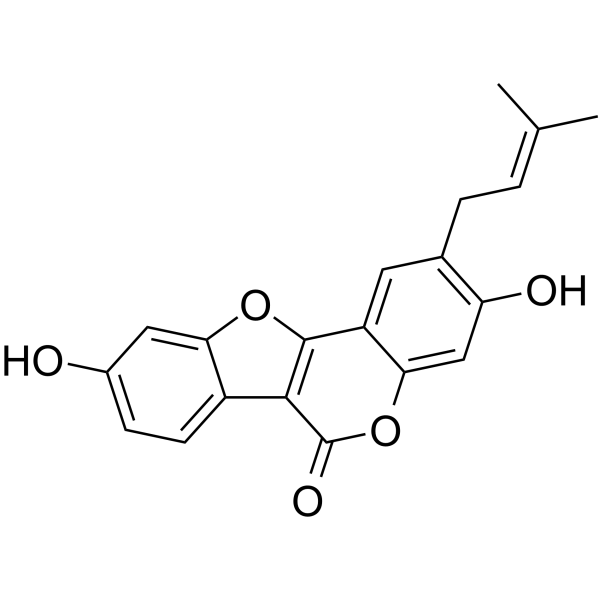
    Psoralidin
    5 Publications Verification

    COX Lipoxygenase Notch Reactive Oxygen Species (ROS) Bacterial Cancer
    Psoralidin is a dual inhibitor of COX-2 and 5-LOX, regulates ionizing radiation (IR)-induced pulmonary inflammation.Anti-cancer, anti-bacterial, and anti-inflammatory properties . Psoralidin significantly downregulates NOTCH1 signaling. Psoralidin also greatly induces ROS generation .
    Psoralidin
  • HY-N0551
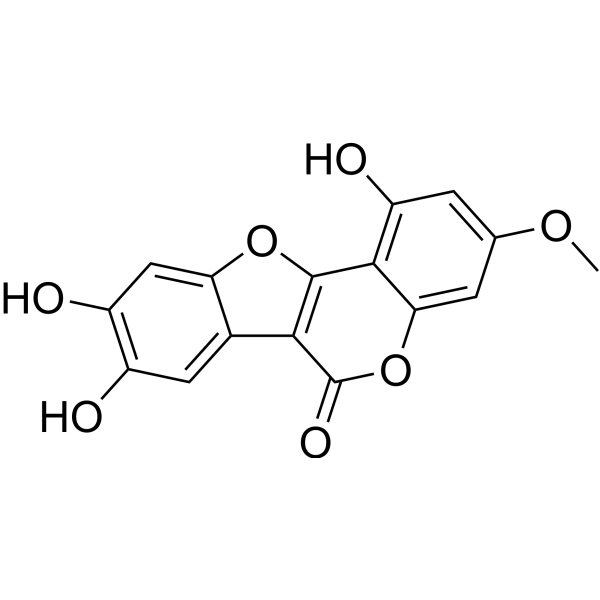
    Wedelolactone
    Maximum Cited Publications
    24 Publications Verification

    Caspase Lipoxygenase Apoptosis Inflammation/Immunology Cancer
    Wedelolactone suppresses LPS-induced caspase-11 expression by directly inhibits the IKK Complex. Wedelolactone also inhibits 5-lipoxygenase (5-Lox) with an IC50 of 2.5 μM. Wedelolactone induces caspase-dependent apoptosis in prostate cancer cells via downregulation of PKCε without inhibiting Akt. Wedelolactone can extract from Eclipta alba, and it can be used for the research of cancer .
    Wedelolactone
  • HY-N2176

    (+)-Marmesin; (S)-Marmesin

    COX Lipoxygenase Others
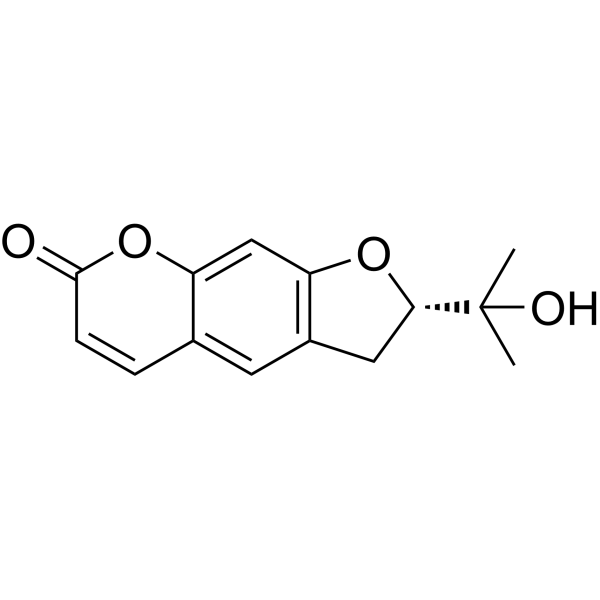
    S-(+)-Marmesin is a natural coumarin, exhibiting COX-2/5-LOX dual inhibitory activity.
    S-(+)-Marmesin
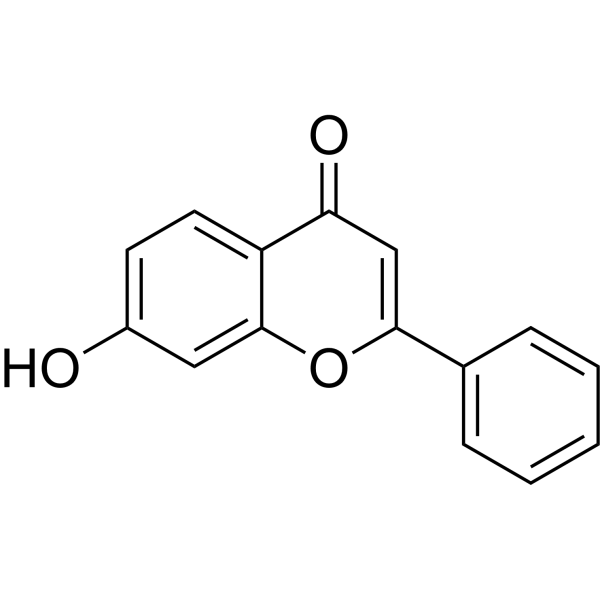
  • HY-N7108
    7-Hydroxyflavone
    1 Publications Verification

    ERK Keap1-Nrf2 Apoptosis COX Pyruvate Kinase Lipoxygenase Enterovirus Virus Protease Infection Cardiovascular Disease Neurological Disease Metabolic Disease Inflammation/Immunology
    7-Hydroxyflavone is a flavonoid isolated from Clerodendrum phlomidis, with anti-inflammatory activity. 7-Hydroxyflavone protects renal cells from nicotine (NIC)-associated cytotoxicity via the ERK/Nrf2/HO-1 pathway. 7-Hydroxyflavone inhibits PKM2 with an IC50 of 2.12 μM. 7-Hydroxyflavone inhibits COX-2 and 5-LOX with IC50 of 27 µg/mL and 33 µg/mL. 7-Hydroxyflavone is orally active .
    7-Hydroxyflavone
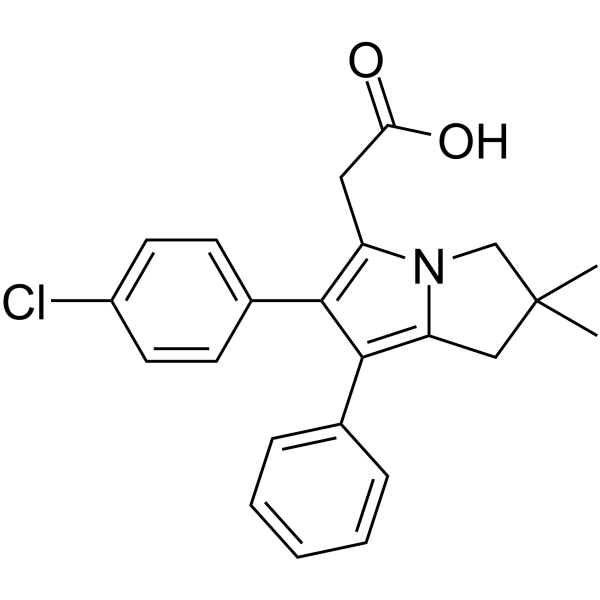
  • HY-B1452
    Licofelone
    1 Publications Verification

    ML-3000

    COX Lipoxygenase Apoptosis Inflammation/Immunology Cancer
    Licofelone (ML-3000) is a dual COX/5-lipoxygenase (5-LOX) inhibitor (IC50=0.21/0.18 μM, respectively) for the treatment of osteoarthritis. Licofelone exerts anti-inflammatory and anti-proliferative effects. Licofelone induces apoptosis, and decreases the production of proinflammatory leukotrienes and prostaglandins .
    Licofelone
  • HY-128171
    Diflapolin
    1 Publications Verification

    FLAP Epoxide Hydrolase Inflammation/Immunology
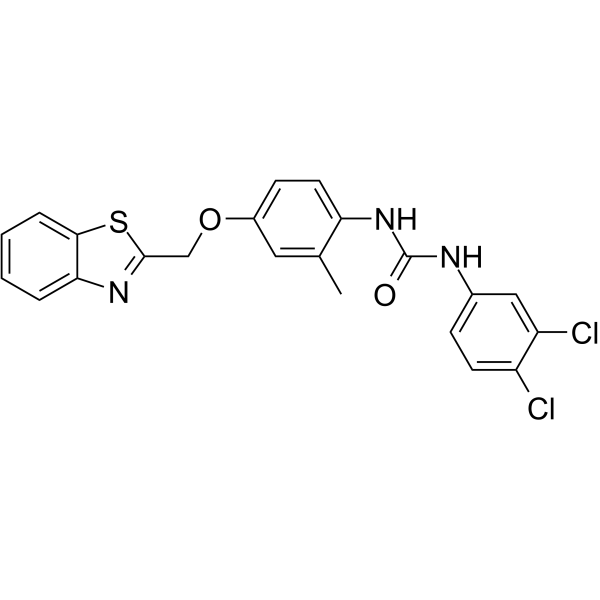
    Diflapolin is a highly active dual 5-lipoxygenase-activating protein (FLAP)/soluble epoxide hydrolase (sEH) inhibitor with marked anti-inflammatory efficacy and high target selectivity. Diflapolin inhibits 5-LOX product formation in intact human monocytes and neutrophils with IC50s?of? 30 and 170?nM, respectively, and suppressed the activity of isolated sEH (IC50=20?nM) .
    Diflapolin
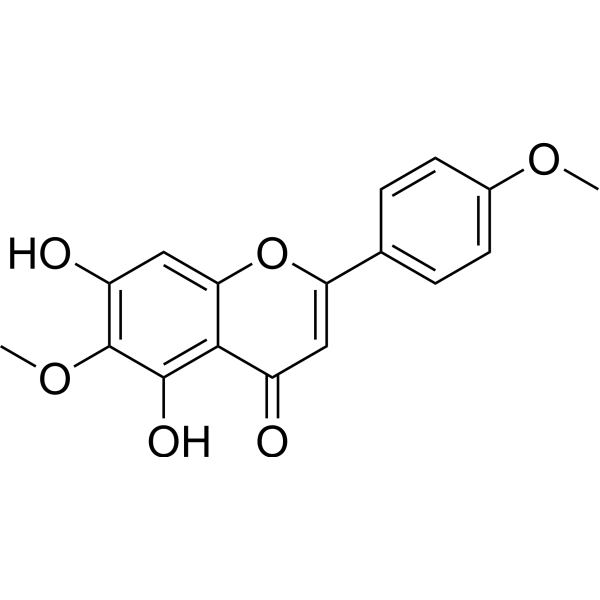
  • HY-N0493
    Pectolinarigenin
    2 Publications Verification

    COX Lipoxygenase NF-κB p38 MAPK ERK HIF/HIF Prolyl-Hydroxylase Keap1-Nrf2 PI3K Apoptosis Autophagy Neurological Disease Inflammation/Immunology Cancer
    Pectolinarigenin is an orally active dual inhibitor of COX-2/5-LOX with anti-inflammatory, antioxidant, antitumor and neuroprotective activities. Pectolinarigenin exerts neuroprotective and anti-inflammatory effects on astrocyte inflammation via the NFκB and MAPK pathways. Pectolinarigenin inhibits LPS-induced phosphorylation of ERK1/2, N-FκB and p38MAPK, directly inhibits the enzymatic activity or binding of COX-2, 5-LOX and HIF-1α, and reduces the level of XIAP. Pectolinarigenin modifies Keap1 to promote nuclear accumulation of Nrf2, induces ARE-mediated antioxidant enzyme expression, and possesses direct free radical scavenging activity. Pectolinarigenin reduces the release of NO, proinflammatory mediators and leukotrienes, and increases the level of IL-10. Pectolinarigenin induces G2/M cell cycle arrest, apoptosis (Apoptosis) and autophagy (Autophagy) via the PI3K/AKT/mTOR signaling pathway. Pectolinarigenin reduces renal crystal deposition and inhibits melanin synthesis. Pectolinarigenin inhibits inflammation and alleviates allergy in mouse models of inflammation. Pectolinarigenin alleviates renal injury, inflammation and oxidative stress in mice by inhibiting HIF-1α activity. Pectolinarigenin can be used for the research of neurodegenerative diseases, inflammatory/allergic diseases, calcium oxalate nephrocalcinosis, gastric cancer, melasma, post-inflammatory diseases and chloasma [5] .
    Pectolinarigenin
  • HY-13568

    LRCL 3794

    Cytochrome P450 COX Lipoxygenase PGE synthase Inflammation/Immunology
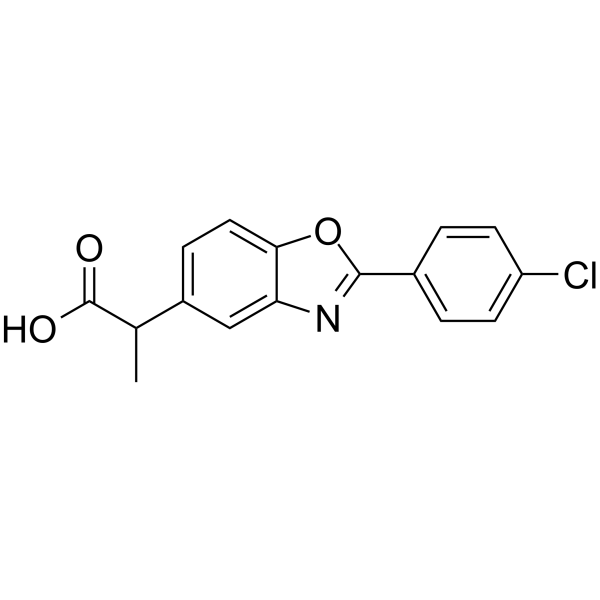
    Benoxaprofen (LRCL 3794) is a nonsteroidal anti-inflammatory agent that blocks the biosynthesis of inflammatory mediators such as leukotrienes and prostaglandins by inhibiting 5-LOX, PGH2 synthase and cytochrome P-450. Benoxaprofen exhibits significant toxicity: it not only alters cellular redox status, uncouples oxidative phosphorylation and disrupts calcium ion homeostasis, but also causes liver injury through the formation of covalent adducts between its active metabolites and hepatic proteins. Benoxaprofen shows strong phototoxicity under ultraviolet irradiation, and induces erythrocyte lysis, mast cell degranulation and histamine release. Benoxaprofen is widely used in studies of urticaria and related phototoxic mechanisms .
    Benoxaprofen
  • HY-10439

    PGE synthase Inflammation/Immunology
    HPGDS inhibitor 1 is a potent, selective and orally active Hematopoietic Prostaglandin D Synthase (HPGDS) inhibitor with an IC50s of 0.6 nM and 32 nM in enzyme and cellular assays, respectively. HPGDS inhibitor 1 does not inhibit human L-PGDS, mPGES, COX-1, COX-2, or 5-LOX .
    HPGDS inhibitor 1
  • HY-A0060

    NKK 105

    Lipoxygenase Cancer
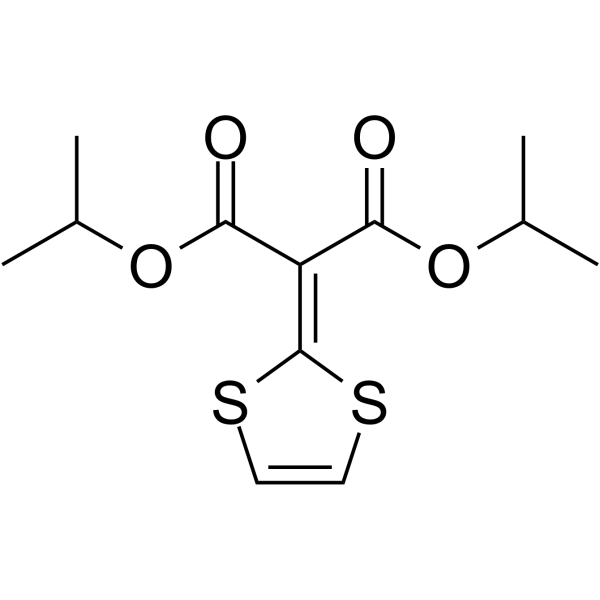
    Malotilate (NKK 105), an orally active hepatotropic agent and an anti-fibrotic substance, selectively inhibits the 5-lipoxygenase (5-LOX) (IC50=4.7 μM). Malotilate prevents the development of hepatocytic injury in alcohol-pyrazole hepatitis by decreasing hepatic acetaldehyde levels and preventing the retention of transferrin in the hepatocytes .
    Malotilate
  • HY-108448

    OLDA

    TRP Channel Lipoxygenase Cardiovascular Disease Neurological Disease Metabolic Disease
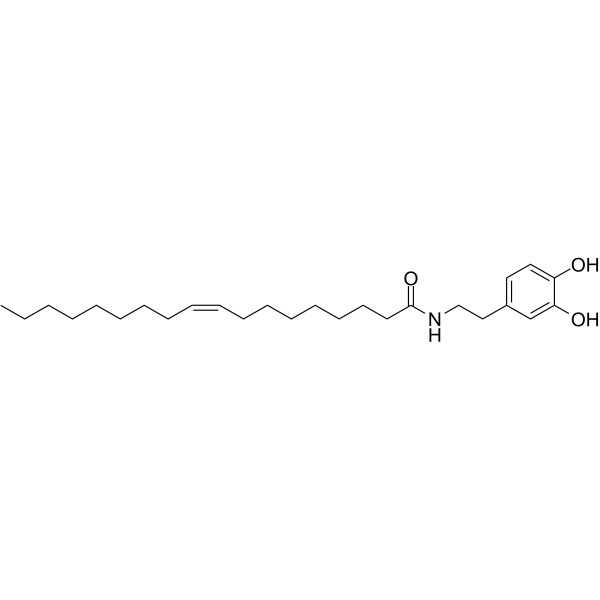
    N-Oleoyldopamine (OLDA) is an orally active TRPV1 activator and 5-LOX inhibitor with blood-brain barrier permeability. N-Oleoyldopamine excites histaminergic neurons in the tuberomammillary nucleus via a dopamine receptor mechanism, a process independent of TRPV1 and cannabinoid receptors. On one hand, N-Oleoyldopamine promotes the release of insulin and glucose-dependent insulinotropic polypeptide through a GPR119-dependent pathway to improve glucose tolerance; on the other hand, N-Oleoyldopamine improves left ventricular function and reduces myocardial infarction size by triggering the release of substance P and calcitonin gene-related peptide. N-Oleoyldopamine is used in studies related to glycemic abnormalities and myocardial ischemia-reperfusion injury .
    N-Oleoyldopamine
  • HY-N2056

    11-Keto-β-boswellic acid

    Lipoxygenase Leukotriene Receptor NF-κB Metabolic Disease Cancer
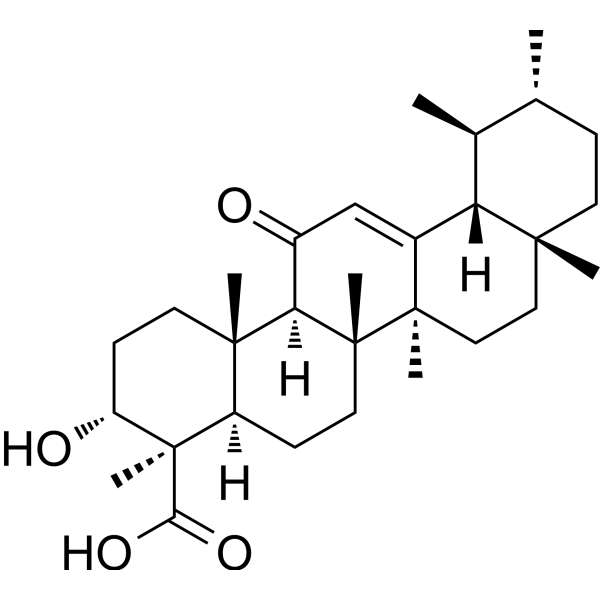
    11-Keto-beta-boswellic acid (11-Keto-β-boswellic acid) is a pentacyclic triterpenic acid of the oleogum resin from the bark of the Boswellia serrate tree, popularly known as Indian Frankincense. 11-Keto-beta-boswellic acid has the anti-inflammatory activity is primarily due to inhibit 5-lipoxygenase (5-LOX) and subsequent leukotriene and nuclear factor-kappa B (NF-κB) activation and tumor necrosis factor alpha generation production .
    11-​Keto-​beta-​boswellic acid
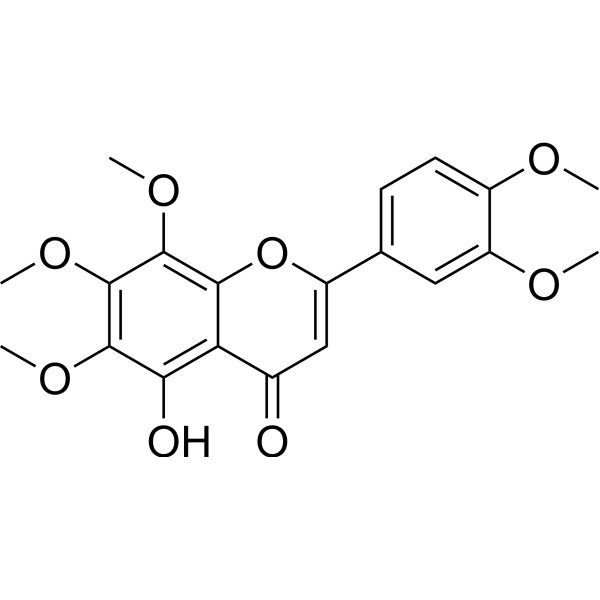
  • HY-N1942
    5-O-Demethylnobiletin
    3 Publications Verification

    5-Demethylnobiletin

    Lipoxygenase Leukotriene Receptor Neurological Disease Inflammation/Immunology Cancer
    5-O-Demethylnobiletin (5-Demethylnobiletin), a polymethoxyflavone isolated from Citrus jambhiri Lush., is a direct inhibition of 5-LOX (IC50=0.1 μM), without affecting the expression of COX-2. 5-O-Demethylnobiletin (5-Demethylnobiletin) has anti-inflammatory activity, inhibits leukotriene B (4)(LTB4) formation in rat neutrophils and elastase release in human neutrophils with an IC50 of 0.35 μM .
    5-O-Demethylnobiletin
  • HY-105028

    CP-66248

    COX Lipoxygenase Potassium Channel MMP Inflammation/Immunology
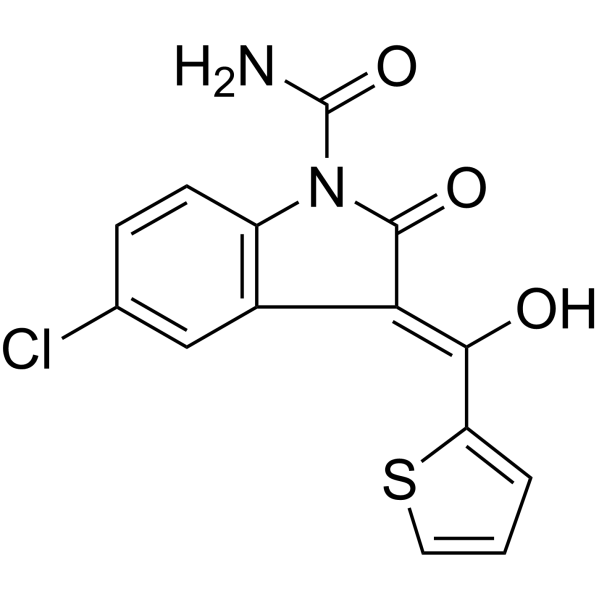
    Tenidap (CP-66248) is an orally active dual inhibitor of 5-LOX and COX with anti-inflammatory and immunomodulatory properties. Tenidap downregulates the expression of IL-1 receptors in chondrocytes, reduces the release of pro-inflammatory cytokines such as IL-1, IL-6 and TNF-α, and inhibits MMP production and cartilage degradation. Tenidap also blocks bone resorption and leukocyte adhesion to vascular endothelium, interferes with ion and pH changes associated with mouse sperm capacitation, and selectively enhances the activity of hKir2.3 channels (EC50=1.3 μM). Tenidap is applicable to research related to rheumatoid arthritis .
    Tenidap
  • HY-W009248

    COX Lipoxygenase Inflammation/Immunology
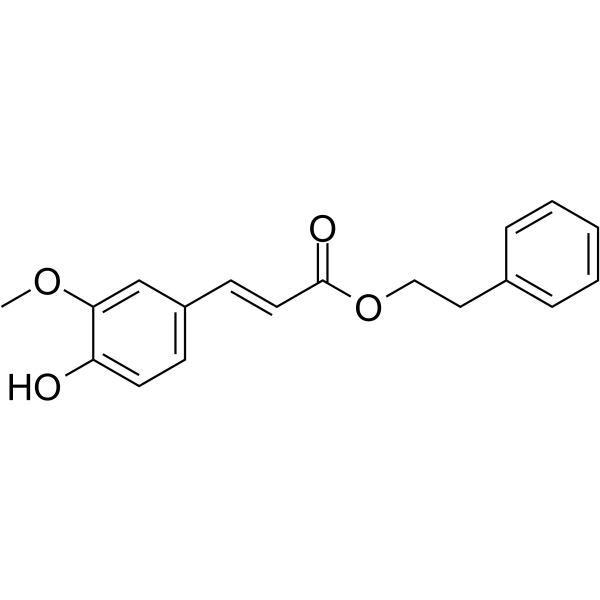
    Phenethyl ferulate is a major constituent ofQianghuo, shows inhibitory activity against cyclooxygenase (COX) and 5-lipoxygenase (5-LOX) with IC50 values of 4.35 μM and 5.75 μM, respectively .
    Phenethyl ferulate
  • HY-148134

    Lipoxygenase Inflammation/Immunology
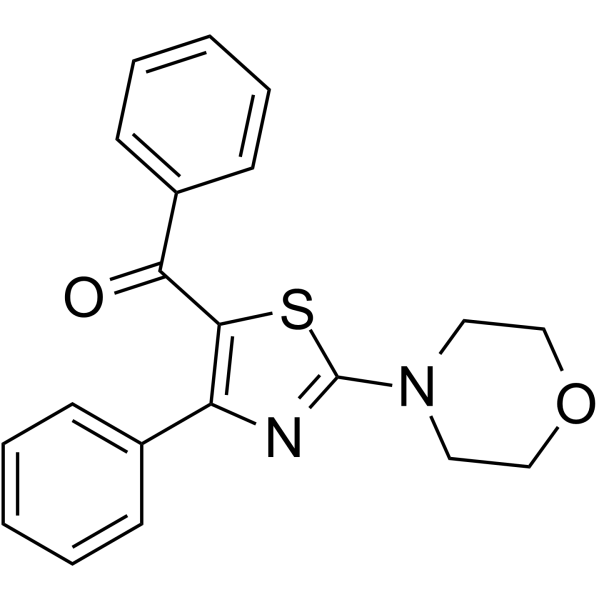
    5-LOX-IN-1 (compound 2b) is an inhibitor of human 5-Lipoxygenase (5-LOX) with an IC50 value of 2.3 μM. 5-LOX-IN-1 can be used for the research of inflammation .
    5-LOX-IN-1
  • HY-W041193

    MMP Lipoxygenase Tyrosinase Infection Inflammation/Immunology Cancer
    3-Hydroxy-2-pyrone (Compound 12d) is a metalloenzyme inhibitor. 3-Hydroxy-2-pyrone shows an inhibition rate of approximately 50% for matrix metalloproteinases (MMP) and the inhibition rate for non-heme iron enzyme 5-lipoxygenase (5-LOX) was over 70% at 1 mM. 3-Hydroxy-2-pyrone also has certain inhibitory activity against copper-dependent enzyme tyrosinase. 3-Hydroxy-2-pyrone can be used for the research of cancer, infection and inflammation .
    3-Hydroxy-2-pyrone
  • HY-105024

    Lipoxygenase COX Inflammation/Immunology
    FPL 62064 is a potent 5-lipoxygenase (5-LOX) and COX dual inhibitor, with IC50 values of 3.5 μM and 3.1 μM for RBL-1 cytosolic 5-lipoxygenase and prostaglandin synthetase (cyclooxygenase), respectively. FPL 62064 has potent anti-inflammatory activity .
    FPL 62064
  • HY-138939

    Lipoxygenase Cancer
    5-LOX-IN-2, an inhibitor of 5-lipoxygenase (5-LOX) with an IC50 of 0.33 μM, inhibits 5-LOX in a dose-dependent manner . 5-LOX-IN-2, reduces the cell viability of renal cancer cells and induces apoptosis, can be used for cancer research .
    5-LOX-IN-2
  • HY-117048

    PF-04191834

    Lipoxygenase Inflammation/Immunology
    PF-4191834 (PF-04191834) is an orally active, noniron chelating, and non-redox inhibitor of the 5-Lipoxygenase (5-LOX) (IC50=229 nM), displays ~300-fold selectivity for 5-LOX over 12-LOX and 15-LOX, shows no activity toward the cyclooxygenase enzymes, and is effective in inflammation and pain .
    PF-4191834
  • HY-U00308

    Lipoxygenase Cardiovascular Disease Inflammation/Immunology
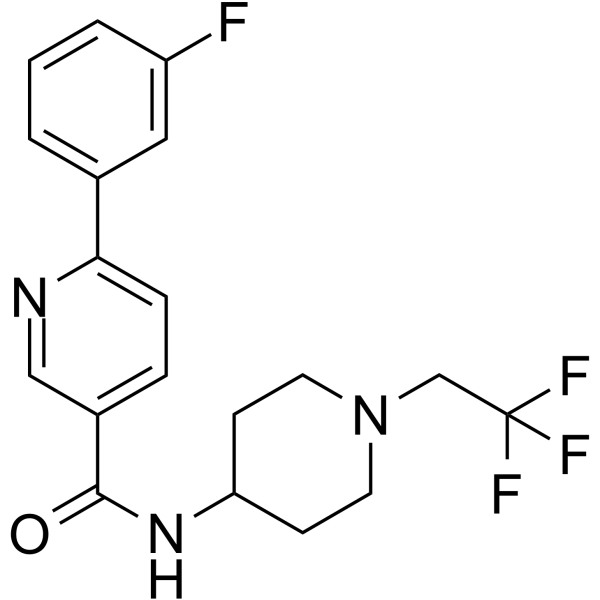
    5-LOX-IN-4 is a 5-Lipoxygenase inhibitor extracted from patent EP 331232 A2, table 4, compound example 4.10.
    5-LOX-IN-4
  • HY-121585

    Lipoxygenase Inflammation/Immunology
    CAY10698 (compound 1) is a potent and selective inhibitor of 12-Lipoxygenase (12-LOX) with an IC50 of 5.1 μM. CAY10698 is inactive against 5-LOX, 15-LOX-1, 15-LOX-2 and COX-1/2 .
    CAY10698
  • HY-116763

    COX LOX-1
    COX-2/5-LOX-IN-4 (Compound 1) is a dual inhibitor that acts on both COX-2 and 5-LOX, with IC50 values of 0.05 μM for COX-2 and 0.003 μM for 5-LOX. By inhibiting the arachidonic acid metabolism pathway, COX-2/5-LOX-IN-4 reduces the production of prostaglandins and leukotrienes, alleviating inflammatory responses. In a rat ear edema model, intravenous administration (0.01 and 0.1 mg/kg) reduced edema by 41% and 44%, respectively, demonstrating significant anti-inflammatory effects. COX-2/5-LOX-IN-4 shows promise for studying the mechanisms of inflammatory diseases .
    COX-2/5-LOX-IN-4
  • HY-111140

    PGE synthase Lipoxygenase PPAR Inflammation/Immunology
    YS121 is a dual inhibitor of microsomal prostaglandin E2 synthase-1 (mPGES-1; IC50 = 3.4 μM) and 5-lipoxygenase (5-LOX; IC50 = 6.5 μM). YS121 exhibits direct, reversible, and specific binding to mPGES-1 (KD = 10-14 μM) . YS121 dose-dependently reduces PGE2 production with an EC50 of 12 μM in IL-1β-stimulated A549 cells . YS121 (compound 9) activates PPAR-α and -γ (EC50 = 1 and 3.6 μM, respectively) . YS121 exhibits anti-inflammatory efficiency in human whole blood as well as in vivo. YS121 can be used for pleurisy research .
    YS121
  • HY-N11072

    Lipoxygenase Leukotriene Receptor Reactive Oxygen Species (ROS) MMP Inflammation/Immunology
    Tremulacin is a 5-LOX inhibitor. Tremulacin reduces the biosynthesis of LTB4 and slow-reacting substances of anaphylaxis. Tremulacin alleviates carrageenan-induced paw edema in rats, croton oil-induced ear edema in mice, and acetic acid-induced writhing response in mice. Tremulacin inhibits TNF-α-stimulated ROS production and MMP-1 expression, and promotes collagen secretion in human dermal fibroblasts. Tremulacin is investigated for studies on inflammation-related diseases .
    Tremulacin
  • HY-149269

    COX Carbonic Anhydrase LOX-1 Inflammation/Immunology
    COX-2-IN-30 is a benzenesulfonamide derivative, as well as an orally active and dual inhibitor of COX (IC50=49 nM for COX-2, 10.4 μM for COX-1) and 5-LOX (IC50=2.4 μM). COX-2-IN-30 also inhibits transmembrane hCA IX and hCA XII isoform with nanomolar calss Ki values. COX-2-IN-30 exhibits analgesic, anti-inflammatory, and ulcerogenic activities, and does not show acute gastric effect .
    COX-2-IN-30
  • HY-170938

    Cholinesterase (ChE) Monoamine Oxidase Beta-secretase COX LOX-1 Neurological Disease
    AChE-IN-82 (compound 49) is an acetylcholinesterase (AChE) inhibitor. AChE-IN-82 inhibits eeAChE, eqBChE, hMAO-A, hMAO-B, and BACE-1 with IC50s of 0.072, 9.81, 14.52, 0.024, 2.42 μM, respectively. AChE-IN-82 inhibits COX-1, COX-2 and 5-LOX with IC50s of 60.41, 0.187, 0.18 μM, respectively. AChE-IN-82 shows an excellent neuroprotective effect by significantly reducing oxidative stress induced by H2 O2 .
    AChE-IN-82
  • HY-N9551

    Cytochrome P450 Parasite COX Lipoxygenase Infection Neurological Disease Cancer
    Eriodictyol chalcone is an antioxidant that inhibits multiple key enzymes including 5-LOX (IC50=0.043 μM), aromatase/CYP19A1 (IC50=2.8 μM), PTPase 1B (IC50=1.26 μM), and COX (IC50=34 μM). Eriodictyol chalcone exhibits excellent free radical scavenging activity. Eriodictyol chalcone not only inhibits the growth of plasmodia and enhances the efficacy of Artemisinin (HY-B0094), but also reduces depression-like behaviors in animal models. Eriodictyol chalcone serves as a biosynthetic precursor for Aureusidin (HY-N9834). Eriodictyol chalcone is a potential dietary supplement and herbicide, and it can be applied to research on malaria, depression, breast cancer and other related diseases .
    Eriodictyol chalcone
  • HY-W028263

    COX Opioid Receptor GABA Receptor Lipoxygenase Metabolic Disease Inflammation/Immunology
    6-Hydroxyflavanone is a compound that can be isolated from the Muntingia calabura leaves. 6-Hydroxyflavanone targets cyclooxygenase-2 (COX-2), 5-lipoxygenase (5-LOX), and opioid and GABA-A receptors that has anti-inflammatory and anti-neuropathic pain potential. 6-Hydroxyflavanone can be used for the research of diabetes .
    6-Hydroxyflavanone
  • HY-17509
    Deracoxib
    1 Publications Verification

    SC 046; SC 46; SC 59046

    COX Apoptosis Neurological Disease Inflammation/Immunology Cancer
    Deracoxib (SC 046; SC 59046), an orally active COX-2 inhibitor, is a veterinary nonsteroidal anti-inflammatory agent used exclusively in dogs. Deracoxib inhibits the COX-2 enzyme to reduce the production of prostaglandins, effectively controlling pain and inflammation after canine soft tissue surgery. Deracoxib reduces the inhibition of COX-1 and lowers the risk of gastrointestinal side effects. Deracoxib induces tumor cell cycle arrest and apoptosis, and shows anti-tumor activity in canine osteosarcoma, breast tumors and bladder transitional cell carcinomas [5].
    Deracoxib
  • HY-151173

    Xanthine Oxidase Lipoxygenase COX Metabolic Disease Inflammation/Immunology
    XO/COX/LOX-IN-1 is a XO/COX/LOX inhibitor with an IC50 of 3.2 μM against rat XO, 10.83 μM against 5-LOX, 12.67 μM against COX-1, and 8.31 μM against COX-2. XO/COX/LOX-IN-1 binds to the active sites of XO, 5-LOX, COX-1 and COX-2, thereby blocking enzyme activities associated with uric acid, leukotriene, prostaglandin synthesis and inflammatory pathways. XO/COX/LOX-IN-1 can be used in the research of hyperuricemia and inflammation .
    XO/COX/LOX-IN-1
  • HY-N0198R

    NDGA (Standard)

    Reference Standards Lipoxygenase Autophagy Ferroptosis Neurological Disease Cancer
    Nordihydroguaiaretic acid (Standard) is the analytical standard of Nordihydroguaiaretic acid. This product is intended for research and analytical applications. Nordihydroguaiaretic acid is a 5-lipoxygenase (5LOX) (IC50=8 μM) and tyrosine kinase inhibitor.
    Nordihydroguaiaretic acid (Standard)
  • HY-N0551R

    Reference Standards Caspase Lipoxygenase Apoptosis Inflammation/Immunology Cancer
    Wedelolactone (Standard) is the analytical standard of Wedelolactone. This product is intended for research and analytical applications. Wedelolactone suppresses LPS-induced caspase-11 expression by directly inhibits the IKK Complex. Wedelolactone also inhibits 5-lipoxygenase (5-Lox) with an IC50 of 2.5 μM. Wedelolactone induces caspase-dependent apoptosis in prostate cancer cells via downregulation of PKCε without inhibiting Akt. Wedelolactone can extract from Eclipta alba, and it can be used for the research of cancer .
    Wedelolactone (Standard)
  • HY-RS00620

    Small Interfering RNA (siRNA) Others

    ALOX5 Human Pre-designed siRNA Set A contains three designed siRNAs for ALOX5 gene (Human), as well as a negative control, a positive control, and a FAM-labeled negative control.

    ALOX5 Human Pre-designed siRNA Set A
    ALOX5 Human Pre-designed siRNA Set A
  • HY-W009671

    Lipoxygenase Cancer
    3-Chloroiminodibenzyl (compound 8) is a dual inhibitor of sHE and 5-LOX. 3-Chloroiminodibenzyl inhibits sHE and 5-LOX with IC50 of 140 μM and 6.5 μM, respectively .
    3-Chloroiminodibenzyl
  • HY-158204

    Lipoxygenase Amyloid-β Reactive Oxygen Species (ROS) Apoptosis Neurological Disease Metabolic Disease Inflammation/Immunology
    CNB-001 is a potent and orally active 5-lipoxygenase (5-LOX) inhibitor. CNB-001 can decreases 5-LOX expression and increase proteasome activity. CNB-001 can inhibit accumulation of soluble Amyloid-β and ubiquitinated aggregated proteins. CNB-001 can inhibit apoptosis, ROS production and stabilize mitochondrial membrane potential. CNB-001 can reduce insulin resistance and increase glucose uptake. CNB-001 also exhibits anti-ischemic, anti-inflammatory effects. CNB-001 can be used for the researches of inflammation, neurological and metabolic disease, such as Alzheimer's disease, stroke and diabetes .
    CNB-001
  • HY-147951

    COX Lipoxygenase Inflammation/Immunology
    COX-2/5-LOX-IN-3 (compound 5b) is a potent and dual COX-2/5-LOX inhibitor with IC50 values of 45.73, 5.45 and 4.33 μM for COX-1, COX-2, and 5-LOX, respectively. COX-2/5-LOX-IN-3 has the potential for the research of inflammation diseases .
    COX-2/5-LOX-IN-3
  • HY-146295

    COX Inflammation/Immunology
    COX-2/5-LOX-IN-2 (5b) is a potent and dual inhibitor of COX-2/5-LOX. COX-2/5-LOX-IN-2 is a benzothiophen-2-yl pyrazole carboxylic acid derivative. COX-2/5-LOX-IN-2 shows the most potent analgesic and anti-inflammatory activities surpassing that of Celecoxib and Indomethacin. COX-2/5-LOX-IN-2 shows potent COX-1, COX-2 and 5-LOX inhibitory activity with IC50s of 5.40, 0.01 and 1.78 μM, respectively .
    COX-2/5-LOX-IN-2
  • HY-146294

    COX Inflammation/Immunology
    COX-2/5-LOX-IN-1 (compound 3a) is a potent and dual inhibitor of COX-2/5-LOX. COX-2/5-LOX-IN-1 is a benzothiophen-2-yl pyrazole carboxylic acid derivative. COX-2/5-LOX-IN-1 shows the most potent analgesic and anti-inflammatory activities surpassing that of Celecoxib and Indomethacin. COX-2/5-LOX-IN-1 shows potent COX-1, COX-2 and 5-LOX inhibitory activity with IC50s of 12.13, 0.4 and 4.96 μM, respectively .
    COX-2/5-LOX-IN-1
  • HY-106835

    VUFB 16066

    COX Lipoxygenase Inflammation/Immunology
    Flobufen (VUFB 16066) is a non-steroidal anti-inflammatory agent and cyclooxygenase (COX) and 5-lipoxygenase (5-LOX) inhibitor agent. Flobufen inhibits alloantigen-driven cellular immune responses and stimulates phagocytosis of peritoneal cells. Flobufen can improve immunopathological disorders and has an inhibitory effect on rheumatoid arthritis .
    Flobufen
  • HY-170957

    Lipoxygenase NO Synthase Inflammation/Immunology
    5-LOX/NO-IN-1 (Compound 7e) is a 5-LOX and NO release inhibitor. 5-LOX/NO-IN-1 shows an IC50 of 2.833 μM for 5-LOX. 5-LOX/NO-IN-1 has anti-inflammatory effects .
    5-LOX/NO-IN-1
  • HY-175970

    Lipoxygenase Neurological Disease
    MLS000099089 is a 12/15-lipoxygenase (12/15-LOX) inhibitor with IC50 values of 3.4 μM and 10 μM for human and mice 12/15-LOX, respectively. MLS000099089 displays higher selectivity for 12/15-LOX over 5-LOX and COX-2. MLS000099089 can be used for the study of stroke .
    MLS000099089
  • HY-149476

    Lipoxygenase Neurological Disease
    5-LOX-IN-5 (Compound 29) is a 5-LOX inhibitor (IC50: 56 nM). 5-LOX-IN-5 can be used for research of neurodegenerative diseases .
    5-LOX-IN-5
  • HY-B1452R

    ML-3000 (Standard)

    COX Lipoxygenase Apoptosis Reference Standards Inflammation/Immunology Cancer
    Licofelone (Standard) is the analytical standard of Licofelone. This product is intended for research and analytical applications. Licofelone (ML-3000) is a dual COX/5-lipoxygenase (5-LOX) inhibitor (IC50=0.21/0.18 μM, respectively) for the treatment of osteoarthritis. Licofelone exerts anti-inflammatory and anti-proliferative effects. Licofelone induces apoptosis, and decreases the production of proinflammatory leukotrienes and prostaglandins .
    Licofelone (Standard)
  • HY-125770
    5(S)​-​HPETE
    1 Publications Verification

    Endogenous Metabolite Inflammation/Immunology
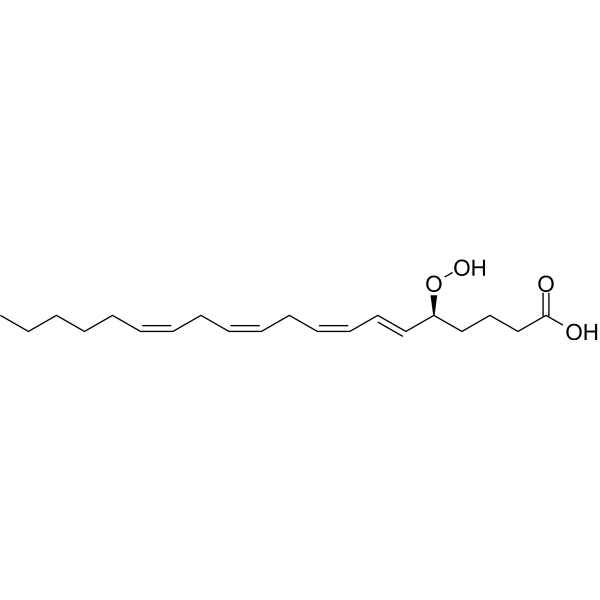
    5(S)-HPETE is a 5-lipoxygenase substrate and Arachidonic acid (HY-109590) metabolite. 5(S)-HPETE forms via 5-LOX-catalyzed hydroperoxidation of arachidonic acid. 5(S)-HPETE undergoes 5-LOX-catalyzed epoxidation (dehydration) to form leukotriene A4. 5(S)-HPETE can be used for the research of asthma, rheumatoid arthritis .
    5(S)​-​HPETE
  • HY-N7108R

    Reference Standards ERK Keap1-Nrf2 Apoptosis COX Pyruvate Kinase Lipoxygenase Enterovirus Virus Protease Cardiovascular Disease Neurological Disease Metabolic Disease Inflammation/Immunology Cancer
    7-Hydroxyflavone (Standard) is the analytical standard of 7-Hydroxyflavone. This product is intended for research and analytical applications. 7-Hydroxyflavone is a flavonoid isolated from Clerodendrum phlomidis, with anti-inflammatory activity. 7-Hydroxyflavone protects renal cells from nicotine (NIC)-associated cytotoxicity via the ERK/Nrf2/HO-1 pathway. 7-Hydroxyflavone inhibits PKM2 with an IC50 of 2.12 μM. 7-Hydroxyflavone inhibits COX-2 and 5-LOX with IC50 of 27 µg/mL and 33 µg/mL. 7-Hydroxyflavone is orally active .
    7-Hydroxyflavone (Standard)
  • HY-173180

    Lipoxygenase Interleukin Related TNF Receptor IFNAR Inflammation/Immunology
    5-LOX-IN-8 is a 5-LOX inhibitor with anti-inflammatory activity. 5-LOX-IN-8 suppresses IL-6, IL-1β, TNF-α and IFN-γ in macrophages and reduces IL-8 secretion in SW480 cells. 5-LOX-IN-8 reduces disease activity in a DSS colitis model. 5-LOX-IN-8 can be used for research of inflammatory bowel disease (IBD) .
    5-LOX-IN-8

Inquiry Online

Your information is safe with us. * Required Fields.

Salutation


Country or Region *

Applicant Name *


Organization Name *

Department *


Email Address *


Product Name *

Cat. No.


Requested quantity *

Phone Number *


Remarks

Inquiry Online

Inquiry Information

Product Name:
Cat. No.:
Quantity:
MCE Japan Authorized Agent:

