1. Search Result
Search Result
Pathways Recommended: Stem Cell/Wnt Cell Cycle/DNA Damage
Results for "

CNS cancer cells

" in MedChemExpress (MCE) Product Catalog:

40

Inhibitors & Agonists

1

Fluorescent Dyes

5

Natural
Products

1

Click Chemistry

1

Oligonucleotides

Cat. No. Product Name Target Research Areas Chemical Structure
  • HY-16561
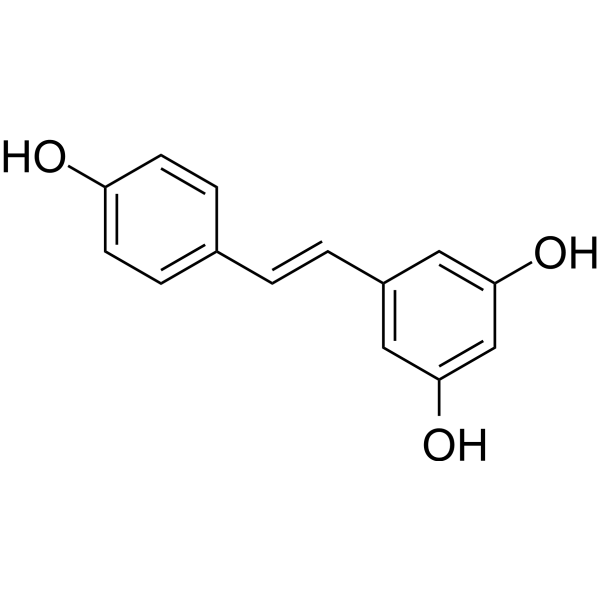
    Resveratrol
    Maximum Cited Publications
    160 Publications Verification

    trans-Resveratrol; SRT501

    DNA/RNA Synthesis IKK Autophagy Mitophagy Sirtuin Apoptosis Bacterial Fungal Antibiotic Keap1-Nrf2 Infection Neurological Disease Metabolic Disease Inflammation/Immunology Cancer
    Resveratrol (trans-Resveratrol; SRT501) is a CNS-penetrant natural polyphenolic phytoalexin that possesses anti-oxidant, anti-inflammatory, cardioprotective, and anti-cancer properties. Resveratrol (SRT 501) has a wide spectrum of targets including mTOR, JAK, β-amyloid, Adenylyl cyclase, IKKβ, DNA polymerase. Resveratrol also is a specific SIRT1 activator . Resveratrol is a potent pregnane X receptor (PXR) inhibitor . Resveratrol is an Nrf2 activator, ameliorates aging-related progressive renal injury in mice model . Resveratrol increases production of NO in endothelial cells .
    Resveratrol
  • HY-13902
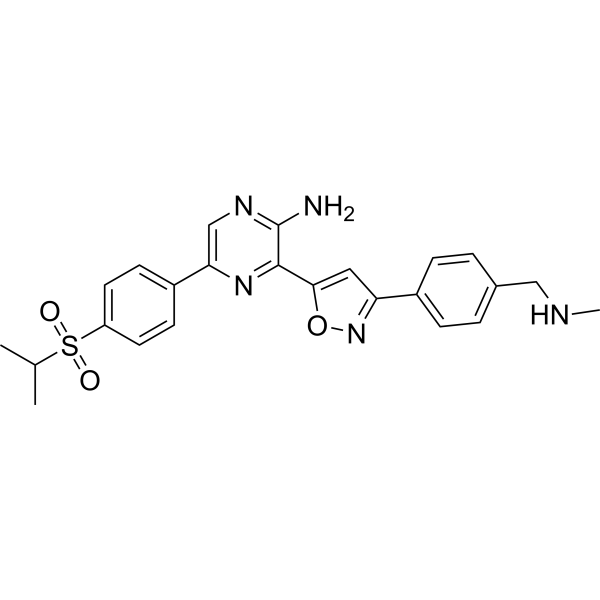
    Berzosertib
    20+ Cited Publications

    VE-822; VX-970; M6620

    ATM/ATR Apoptosis STING Caspase Infection Metabolic Disease Cancer
    Berzosertib (VE-822) is an orally active, CNS-penetrant, and selective ATR kinase inhibitor. Berzosertib blocks ATR kinase activity, abrogates G2/M cell cycle checkpoint, impairs DNA damage repair. Berzosertib induces apoptosis, inhibnits conlony migration, inhibits cell proliferation, and activates cGAS-STING axes in cancer cells. Berzosertib can be used for the research of cancers, such as head and neck squamous cell carcinoma, and colorectal cancer .
    Berzosertib
  • HY-Y0966
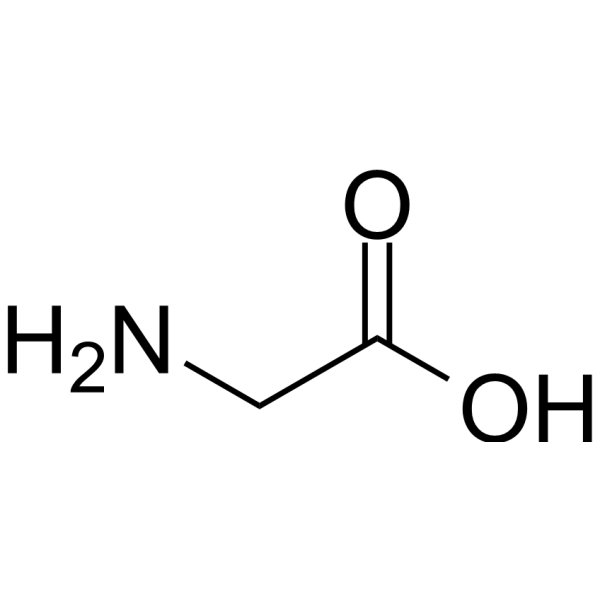
    Glycine
    10+ Cited Publications

    Environmental Pollutants Endogenous Metabolite iGluR VEGFR Ninjurin Infection Neurological Disease Inflammation/Immunology Cancer
    Glycine is an inhibitory neurotransmitter in the CNS and also acts as a co-agonist along with glutamate, facilitating an excitatory potential at the glutaminergic N-methyl-D-aspartic acid (NMDA) receptors. Glycine is orally active. Glycine inhibits the membrane aggregation of NINJ1 and prevents plasma membrane rupture during cell death. Glycine can be used to study cell protection, cancer, neurological diseases, and angiogenesis .
    Glycine
  • HY-Y0966R
    Glycine (Standard)
    1 Publications Verification

    Reference Standards Endogenous Metabolite iGluR VEGFR Neurological Disease
    Glycine (Standard) is the analytical standard of Glycine. This product is intended for research and analytical applications. Glycine is an inhibitory neurotransmitter in the CNS and also acts as a co-agonist along with glutamate, facilitating an excitatory potential at the glutaminergic N-methyl-D-aspartic acid (NMDA) receptors. Glycine is orally active. Glycine can be used to study cell protection, cancer, neurological diseases, and angiogenesis .
    Glycine (Standard)
  • HY-170554

    Antibody-Drug Conjugates (ADCs) Topoisomerase DNA/RNA Synthesis Inflammation/Immunology Cancer
    ABBV-706 is a SEZ6-targeted topoisomerase 1 inhibitor Antibody-Drug Conjugates (ADCs), which is composed of the Linker-Payload conjugation (HY-148820) and the Anti-SEZ6 Antibody (SC17) (HY-P991041). ABBV-706 can inhibit cancer cells proliferation and induce DNA damage and G2/M arrest. ABBV-706 exhibits high efficacy against small cell lung cancer (SCLC), neuroendocrine tumors (NENs) and central nervous system (CNS) tumors .
    ABBV-706
  • HY-B0335
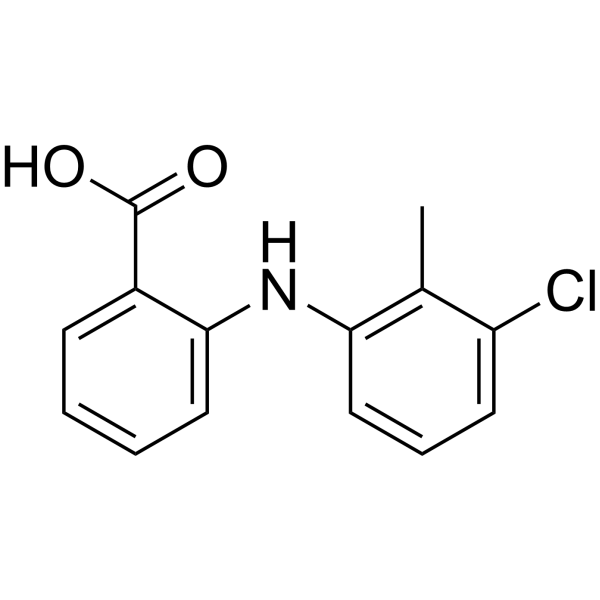
    Tolfenamic Acid
    2 Publications Verification

    GEA 6414

    COX Infection Neurological Disease Inflammation/Immunology Cancer
    Tolfenamic Acid (GEA 6414) is a CNS-penetrant non-steroidal anti-inflammatory and anti-cancer agent, selectively inhibits COX-2, with an IC50 of 13.49 μM (3.53 μg/mL) in LPS-treated (COX-2) canine DH82 monocyte/macrophage cells, but shows no effect on COX-1.
    Tolfenamic Acid
  • HY-172429

    ORIC-114

    EGFR Neurological Disease Cancer
    Enozertinib (ORIC-114) is an orally active, CNS-penetrant, highly selective and irreversible dual EGFR/HER2 inhibitor that exhibits potent and targeted inhibition of exon 20 insertion mutations. Enozertinib exhibits high kinome selectivity for the EGFR family of receptors to reduce off-target kinase liabilities. Enozertinib induces tumor regression and demonstrates antitumor activity in central nervous system and non-small cell lung cancer (NSCLC) tumor models. Enozertinib can be used for the research of solid tumors and NSCLC .
    Enozertinib
  • HY-172429A

    ORIC-114 hemihydrate

    EGFR Neurological Disease Cancer
    Enozertinib (ORIC-114) hemihydrate is an orally active, CNS-penetrant, highly selective and irreversible dual EGFR/HER2 inhibitor that exhibits potent and targeted inhibition of exon 20 insertion mutations. Enozertinib hemihydrate exhibits high kinome selectivity for the EGFR family of receptors to reduce off-target kinase liabilities. Enozertinib hemihydrate induces tumor regression and demonstrates antitumor activity in central nervous system and non-small cell lung cancer (NSCLC) tumor models. Enozertinib hemihydrate can be used for the research of solid tumors and NSCLC .
    Enozertinib hemihydrate
  • HY-170035

    C18 Glucosyl(β) ceramide (d18:1/18:0); D-glucosyl-β-1,1' N-stearoyl-D-erythro-sphingosine

    Fungal Wnt β-catenin Infection Neurological Disease Cancer
    GlcCer (d18:1/18:0) (C18 Glucosyl(β) ceramide (d18:1/18:0)) is a glycosphingolipids that activates the Wnt/β-catenin pathway by targeting LRP6. GlcCer (d18:1/18:0) drives EMT, migration, invasion and GBA1-mediated liver cancer metastasis. GlcCer (d18:1/18:0) accumulates to impair lysosomal function and induce toxic α-synuclein aggregation. GlcCer (d18:1/18:0) supports growth, sporulation, germination and virulence in Penicillium digitatum. GlcCer (d18:1/18:0) is reduced in demyelinated mouse corpus callosum. GlcCer (d18:1/18:0) can be used for the research of liver cancer, synucleinopathies, fungal, Parkinson’s disease and Gaucher disease .
    GlcCer (d18:1/18:0)
  • HY-145777

    Methionine Adenosyltransferase (MAT) Neurological Disease Cancer
    AGI-43192 is a potent and orally active inhibitor of methionine adenosyltransferase 2A (MAT2A) that limitedly penetrates the blood-brain barrier. AGI-43192 exhibits inhibitory activitity against MAT2A and S-adenosyl methionine (SAM) in HCT-116 MTAP-null cells with IC50s of 32 and 14 nM. AGI-43192 can significantly inhibit the proliferation of HCT-116 cells and tumor growth. AGI-43192 can be used to study the role of SAM regulation in the central nervous system (CNS) and colon cancer .
    AGI-43192
  • HY-145778

    Methionine Adenosyltransferase (MAT) Neurological Disease Cancer
    AGI-41998 is a potent and orally active inhibitor of methionine adenosyltransferase 2A (MAT2A) that effectively penetrates the blood-brain barrier. AGI-41998 exhibits inhibitory activities against MAT2A and S-adenosyl methionine (SAM) in HCT-116 MTAP-null cells with IC50s of 22 nM and 34 nM. AGI-41998 can significantly inhibit the proliferation of HCT-116 cells and tumor growth. AGI-41998 can be used to study the role of SAM regulation in the central nervous system (CNS) and colon cancer .
    AGI-41998
  • HY-125339

    COMT Apoptosis Neurological Disease Cancer
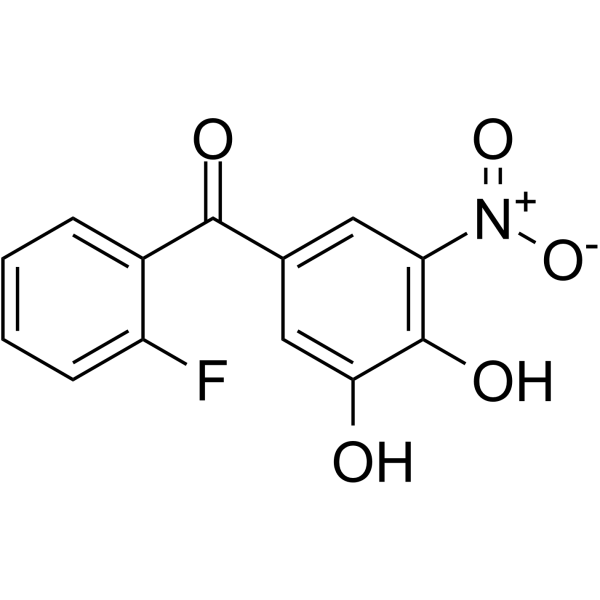
    Ro 41-0960 is a CNS-penetrant, orally active catechol-O-methyl transferase (COMT) inhibitor. Ro 41-0960 reduces dopamine catabolism, increases striatal dopamine and DOPAC levels, decreases striatal HVA levels, induces apoptosis, inhibits proliferation and extracellular matrix formation in uterine fibroid cells. Ro 41-0960 arrests or shrinks uterine fibroid lesions in rats. Ro 41-0960 can be used for the research of Parkinson’s disease, uterine leiomyomas, and breast cancer .
    Ro 41-0960
  • HY-164307

    BLU 451; LNG-451

    EGFR Cancer
    Pebezertinib (BLU 451) is an orally active inhibitor for EGFR. Pebezertinib exhibits the ability to penetrate the central nervous system (CNS). Pebezertinib can be used for research about non-small cell lung cancer carrying EGFR exon 20 insertion .
    Pebezertinib
  • HY-149408

    Monoamine Oxidase Cancer
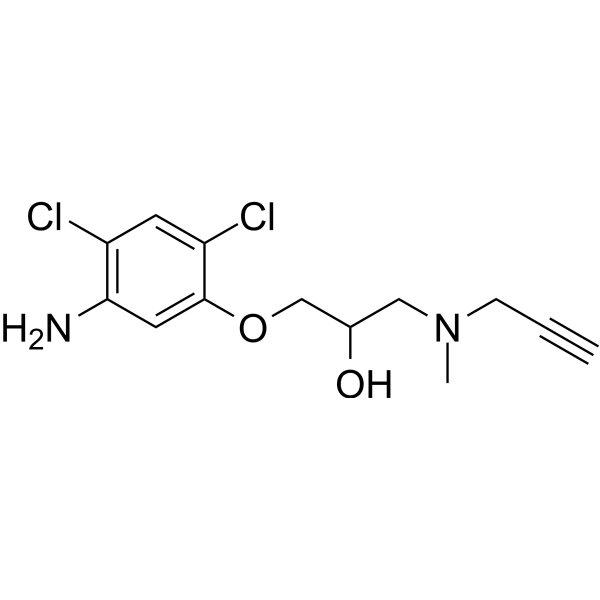
    MAOA-IN-1 (compound 15) is an orally active MAOA inhibitor with cytotoxicity against prostate cancer cells. MAOA-IN-1 has Caco-2 permeability and lower CNS permeability. MAOA-IN-1 can be further used in the research of anti-cancer and anti-inflammatory indications .
    MAOA-IN-1
  • HY-16055

    AR-67; DB 67

    Topoisomerase Drug Derivative MDM-2/p53 Cancer
    Silatecan (AR-67) is a blood-brain barrier-permeable derivative of Camptothecin (HY-16560), DNA topoisomerase I inhibitor, an anticancer agent, and a radiosensitizer. Silatecan potently radiosensitizes wild-type p53 gliomas. Silatecan can be used in research related to glioma, leukemia, non-small cell lung cancer, colon cancer, ovarian cancer, renal cancer, prostate cancer, breast cancer, cervical cancer, gastric cancer, nasopharyngeal cancer, and uterine cancer .
    Silatecan
  • HY-169021

    JNK Cancer
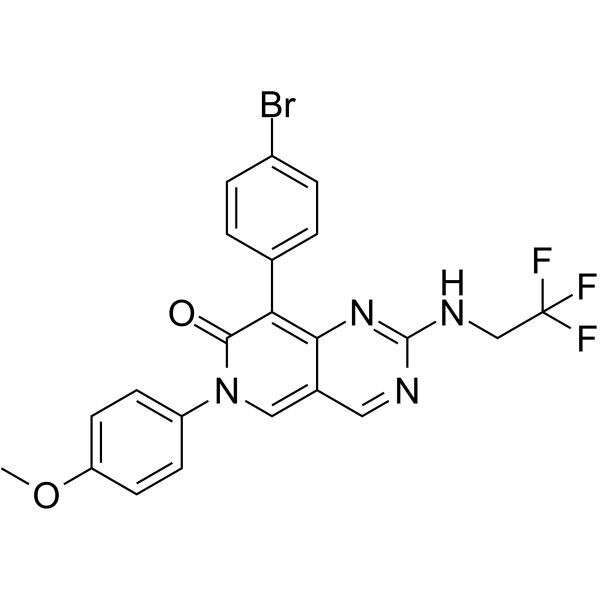
    JNK-1-IN-3 (Compound 9e) is an inhibitor of JNK1 that downregulates JNK1 gene expression and inhibits the protein levels of its phosphorylated form, concurrently reducing the expression of its downstream targets, c-Jun and c-Fos, in tumors while restoring p53 activity. JNK-1-IN-3 exhibits broad-spectrum antiproliferative activity, particularly with high inhibitory activity against renal and breast cancer cell lines, demonstrating both in vivo and in vitro anticancer activity .
    JNK-1-IN-3
  • HY-178499

    CDK c-Myc Bcl-2 Family Neurological Disease Cancer
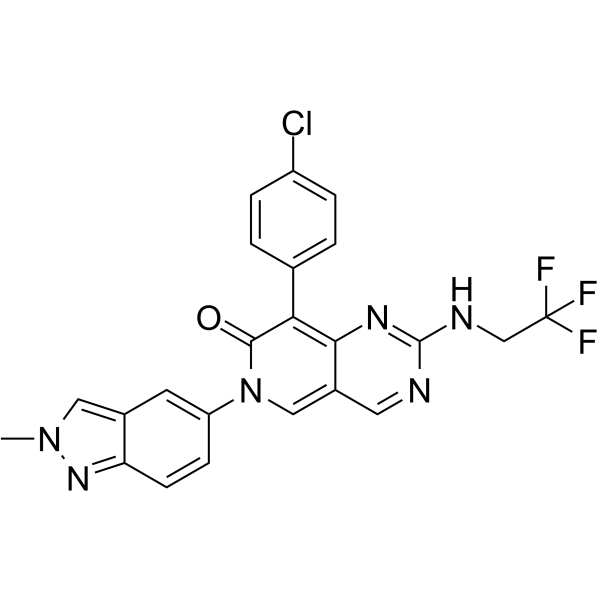
    CDK9-IN-44 (Compound 7) is a selective CDK9 inhibitor (IC50=7.6 μM). CDK9-IN-44 inhibits CDK9/cyclin T1 kinase activity, blocking transcriptional elongation, reducing the expression of pro-cancer proteins (such as MCL1, c-MYC), and inducing tumor cell apoptosis. CDK9-IN-44 is promising for research of glioblastoma (GBM) and central nervous system (CNS) disorders .
    CDK9-IN-44
  • HY-175298

    STAT Src Apoptosis Cancer
    STAT-3/c-Src-IN-1 (Compound 12d) is a dual STAT-3 (IC50=0.844 μM) and c-Src (IC50=0.268 μM) inhibitor. STAT-3/c-Src-IN-1 blocks tumor cell proliferation, migration, and angiogenesis signaling pathways. STAT-3/c-Src-IN-1 exhibits potent anti-proliferative activity against melanoma (SK-MEL-2) and CNS cancer (SNB-75) cell lines (GI50=-5.75 μM and -5.63 μM), inducing tumor cell apoptosis via G0/G1 and G2/M phase cell cycle arrest. STAT-3/c-Src-IN-1 is promising for research of melanoma and glioblastoma .
    STAT-3/c-Src-IN-1
  • HY-163806

    HDAC Neurological Disease Cancer
    NT376 is a high potency and selectivity inhibitor of class-IIa Histone deacetylases (HDAC) with an IC50 value of 32 nM, similar to NT160 (HY-149285) (IC50= 46 nM) in HT-29 cells. NT376 is proming for research of various cancers and in the diseases of the central nervous system (CNS) such as Alzheimer’s and Huntington’s diseases .
    NT376
  • HY-151589

    Virus Protease Infection Cancer
    HCVcc-IN-2 is a benzothiazole-2-thiophene S-glycoside derivative with antitumor and antiviral activity. HCVcc-IN-2 has high inhibition against the three cell line from CNS cancer (SF-539 and SNB-75), colon cancer (HCT-116), and renal cancer (A498) .
    HCVcc-IN-2
  • HY-163629

    Drug Derivative Cancer
    Anticancer agent 224 (Compound 16) is an anticancer agent that can effectively inhibit the growth of central nervous system (CNS), kidney and breast cancer cell, with a GI50 value ranging from 0.6 to 12.8 μM .
    Anticancer agent 224
  • HY-151592

    Antibiotic Cancer
    Anticancer agent 91 is a benzothiazole-2-thiophene S-glycoside derivative with antitumor and antiviral activity. Anticancer agent 91 has high inhibition against the two cell line from CNS cancer (SF-539 and SNB-75) .
    Anticancer agent 91
  • HY-146230

    VEGFR Cancer
    VEGFR-2-IN-26 (compound 5h) is a highly potent VEGFR-2 inhibitor with an IC50 value of 15.5 nM. VEGFR-2-IN-26 has good antiproliferative activity against the leukemic, non-small lung, CNS, ovarian, renal, prostate and breast cancer cells .
    VEGFR-2-IN-26
  • HY-119831

    NF-κB CDK PPAR Akt mTOR LXR Reactive Oxygen Species (ROS) Apoptosis Wnt Interleukin Related p38 MAPK ERK JNK Inflammation/Immunology Cancer
    Rohitukine is an orally active CDK9/T1 inhibitor with an IC50 of 0.3 μM. Rohitukine blocks ATP binding sites of CDK2/A and CDK9/T1, suppresses PPARγ, AKT, mTOR, C/EBPα, SREBP-2, and NF-κB signaling, and increases hepatic LXRα expression. Rohitukine induces S-phase cell cycle arrest, ROS generation, apoptosis, and exhibits anti-inflammatory activity. Rohitukine can be used for the research of leukemia, pancreatic cancer, prostate cancer, breast cancer, CNS cancer, ovarian cancer, lung cancer, dyslipidemia, inflammatory diseases, inflammatory bowel disease, and arthritis .
    Rohitukine
  • HY-139090

    28-O-Acetyl-3-Oxobetulin; 3-oxo-28-O-Acetylbetulin

    Bacterial HIV Drug Derivative Cancer
    3-Oxobetulin acetate (28-O-Acetyl-3-Oxobetulin; 3-oxo-28-O-Acetylbetulin) is a derivative of betulin (HY-N0083), a cholesterol biosynthesis inhibitor. 3-Oxobetulin acetate inhibits the growth of P388 murine lymphocytic leukemia cells (EC50=0.12 μg/mL) and human MCF-7 breast cancer, SF-268 CNS cancer, H460 lung cancer, and KM20L2 colon cancer cells (GI50s=8, 10.6, 5.2, and 12.7 μg/mL), but not BxPC-3 pancreatic cancer cells or DU145 prostate cancer cells (GI50s=>10 μg/mL for both). 3-Oxobetulin acetate inhibits the replication of X4-tropic recombinant HIV (NL4.3-Ren) in MT-2 lymphoblastoid cells (IC50=13.4 μM). 3-Oxobetulin acetate is also effective against Listeria donovani amastigotes.
    3-Oxobetulin acetate
  • HY-176942

    ROS1-IN-3

    ROS Kinase Trk Receptor Cancer
    JYP0322 (ROS1-IN-3) is a potent orally active, selective, and CNS-penetrant ROS1 inhibitor. JYP0322 selectively inhibits human wild-type ROS1 and human ROS1 G2032R with IC50s of 0.37 and 0.3 nM, respectively, showing 6-130-fold selectivity over TRKA, TRKB, and TRKC. JYP0322 inhibits proliferation of ROS1 fusion-expressing cells, and inhibits tumor growth in mouse xenograft models. JYP0322 can be used for the research of non-small cell lung cancer (NSCLC) .
    JYP0322
  • HY-158061

    Topoisomerase Apoptosis Cancer
    Topoisomerase II inhibitor 20 (Compound 3e) is a potent topoisomerase II (Topoisomerase II) inhibitor with an IC50 of 0.98 µM. Topoisomerase II inhibitor 20 induces apoptosis and has broad-spectrum anticancer activity .
    Topoisomerase II inhibitor 20
  • HY-158061A

    Topoisomerase Apoptosis Cancer
    Topoisomerase II inhibitor 20 TFA is a potent topoisomerase II inhibitor with IC50 of 0.98 µM. Topoisomerase II inhibitor 20 TFA can induce apoptosis and has broad-spectrum anticancer activity .
    Topoisomerase II inhibitor 20 TFA
  • HY-N18126

    Others Cancer
    13b,14-Dihydrorutaecarpine is a cytotoxin derived from dihydrorutaecarpine. 13b,14-Dihydrorutaecarpine exerts selective cytotoxicity against central nervous system (CNS) and prostate cancer cell lines (GI50=0.02 μM and 0.2 μM). 13b,14-Dihydrorutaecarpine can be used in the research of central nervous system (CNS) cancer, ovarian cancer, prostate cancer and renal cancer .
    13b,14-Dihydrorutaecarpine
  • HY-13902A
    Berzosertib hydrochloride
    20+ Cited Publications

    VE-822 hydrochloride; VX-970 hydrochloride; M6620 hydrochloride

    ATM/ATR Apoptosis STING Caspase Neurological Disease Cancer
    Berzosertib (VE-822) hydrochloride is an orally active, CNS-penetrant, and selective ATR kinase inhibitor. Berzosertib hydrochloride blocks ATR kinase activity, abrogates G2/M cell cycle checkpoint, impairs DNA damage repair. Berzosertib hydrochloride induces apoptosis, inhibnits conlony migration, inhibits cell proliferation, and activates cGAS-STING axes in cancer cells. Berzosertib hydrochloride can be used for the research of cancers, such as head and neck squamous cell carcinoma, and colorectal cancer .
    Berzosertib hydrochloride
  • HY-182072

    Glutathione Peroxidase Ferroptosis Reactive Oxygen Species (ROS) Neurological Disease
    GPX4-IN-23 (Compound 3e) is a GPX4 inhibitor with an IC50 of 0.27 μM. GPX4-IN-23 induces Ferroptosis by enhancing lipid peroxidation, ROS production, and intracellular GSH depletion. GPX4-IN-23 exhibits antiproliferative activity against central nervous system cancer cells. GPX4-IN-23 can be used in studies related to central nervous system cancers .
    GPX4-IN-23
  • HY-109189A

    BPI-7711 hydrochloride

    EGFR Cancer
    Rezivertinib (BPI-7711) hydrochloride is an orally active, highly selective and irreversible third-generation EGFR tyrosine kinase inhibitor (TKI). Rezivertinib hydrochloride exhibits high potency against the common activation EGFR and the resistance T790M mutations. Rezivertinib hydrochloride has excellent central nervous system (CNS) penetration and has antitumor activity, such as non-small cell lung cancer (NSCLC) .
    Rezivertinib hydrochloride
  • HY-109061R

    YH25448 (Standard); GNS-1480 (Standard)

    Apoptosis Akt TRP Channel EGFR ERK Reference Standards Infection Neurological Disease Metabolic Disease Cancer
    Lazertinib (Standard) is the analytical standard of Lazertinib (HY-109061). This product is intended for research and analytical applications. Lazertinib (YH25448) is a potent, selective, CNS-penetrant, orally available and irreversible EGFR tyrosine Kinase inhibitor, exhibiting high selectivity for activating (EGFRm) and T790M resistance mutations. Lazertinib inhibits phosphorylation of EGFR, AKT and ERK, leading to apoptosis and suppression of tumor growth in mouse H1975-luc brain metastasis xenograft models. Lazertinib can be used in the study of non-small cell lung cancer .
    Lazertinib (Standard)
  • HY-109061BR

    YH25448 mesylate (Standard); GNS-1480 mesylate (Standard)

    Reference Standards Cancer
    Lazertinib mesylate (Standard) is the analytical standard of Lazertinib (mesylate) (HY-109061B). This product is intended for research and analytical applications. Lazertinib (YH25448) mesylate is a potent, selective, CNS-penetrant, orally available and irreversible EGFR tyrosine Kinase inhibitor, exhibiting high selectivity for activating (EGFRm) and T790M resistance mutations. Lazertinib mesylate inhibits phosphorylation of EGFR, AKT and ERK, leading to apoptosis and suppression of tumor growth in mouse H1975-luc brain metastasis xenograft models. Lazertinib mesylate can be used in the study of non-small cell lung cancer .
    Lazertinib mesylate (Standard)
  • HY-183310

    EGFR Apoptosis DNA/RNA Synthesis Cancer
    EGFR-IN-210 is a EGFR kinase inhibitor with an IC50 of 0.198 μM. EGFR-IN-210 induces antiproliferative, pro-apoptotic, G0/G1 cell cycle arrest, DNA synthesis inhibition and anti-migratory effects in cancer cells. EGFR-IN-210 can be used for the research of various cancers including colorectal cancer .
    EGFR-IN-210
  • HY-183320

    HDAC Cancer
    HDAC6-IN-81 is a potent selective HDAC6 inhibitor with an IC50 of 1 nM. HDAC6-IN-81 exhibits selectivity over class I HDAC isoforms (HDAC1/2/3/8). HDAC6-IN-81 can be used for the research of cancer .
    HDAC6-IN-81
  • HY-N17753

    NSC-698789

    Others Cancer
    Protoneodioscin is a furostanol saponin found in the rhizomes of Dioscorea collettii var. hypoglauca. It exhibits selective activity against various cancer cell lines, including leukemia, but shows no activity against colon and renal cancer cells. Protoneodioscin can be used in research on cancers such as leukemia .
    Protoneodioscin
  • HY-183311

    EGFR Apoptosis DNA/RNA Synthesis Cancer
    EGFR-IN-211 is a EGFR inhibitor with an IC50 of 0.131 μM. EGFR-IN-211 induces cell cycle arrest and apoptosis, and inhibits DNA synthesis and cell division. EGFR-IN-211 can be used in research related to cancers such as colorectal cancer and melanoma .
    EGFR-IN-211
  • HY-183671

    Biochemical Assay Reagents Inflammation/Immunology Cancer
    NSC850143 is an antiproliferative agent. NSC850143 induces antiproliferative and cytotoxic effects in aggressive tumor cells. NSC850143 can be used in the research of cancers such as leukemia, non-small cell lung cancer, colon cancer, central nervous system cancer, melanoma, ovarian cancer, renal cancer, prostate cancer and breast cancer .
    NSC850143
  • HY-183366

    HDAC Caspase Akt Inflammation/Immunology Cancer
    HDAC1-IN-14 is an indole-based benzamide selective HDAC1 inhibitor with an IC50 of 77 nM. HDAC1-IN-14 acts as an antiproliferative agent, with GI50 values ranging from nanomolar to low micromolar levels in various cancer cells. HDAC1-IN-14 induces G0-G1 cell cycle arrest in colon cancer cells. HDAC1-IN-14 upregulates the expression of Caspase-3, Cyto-C and Bax, and downregulates the expression of AKT-1. HDAC1-IN-14 can be used in research related to leukemia, non-small cell lung cancer, colon cancer, central nervous system cancer, melanoma, ovarian cancer, renal cancer, prostate cancer and breast cancer .
    HDAC1-IN-14

Inquiry Online

Your information is safe with us. * Required Fields.

Salutation


Country or Region *

Applicant Name *


Organization Name *

Department *


Email Address *


Product Name *

Cat. No.


Requested quantity *

Phone Number *


Remarks

Inquiry Online

Inquiry Information

Product Name:
Cat. No.:
Quantity:
MCE Japan Authorized Agent:

