1. Search Result
Search Result
Results for "

MITF

" in MedChemExpress (MCE) Product Catalog:

34

Inhibitors & Agonists

1

Fluorescent Dye

1

Peptides

17

Natural
Products

2

Recombinant Proteins

6

Antibodies

4

Oligonucleotides

Cat. No. Product Name Target Research Areas Chemical Structure
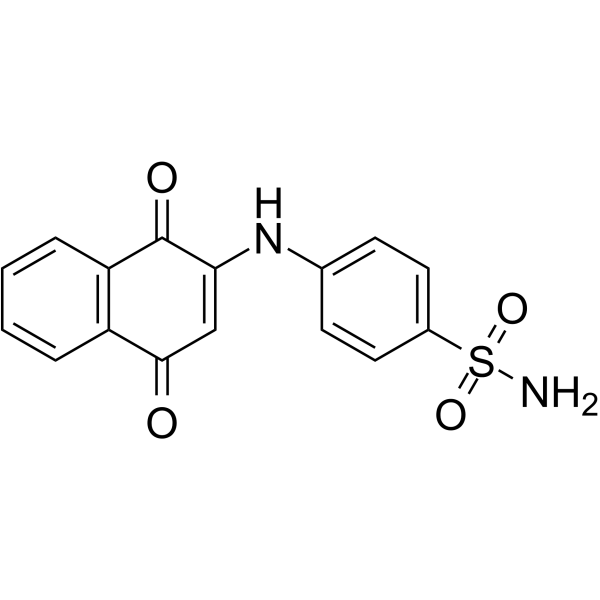
  • HY-101464
    ML329
    Maximum Cited Publications
    7 Publications Verification

    Microphthalmia Associated Transcription Factor (MITF) Others
    ML329 is a micropthalmia-associated transcription factor (MITF) inhibitor, which inhibits TRPM-1 promoter activity with an IC50 of 1.2 μM.
    ML329
  • HY-113337A

    P1,P4-Di-(adenosine-5')-tetraphosphate tetraammonium

    Apoptosis Cancer
    Ap4A tetraammonium (P1,P4-Di-(adenosine-5')-tetraphosphate tetraammonium) is a conserved second messenger in organisms ranging from bacteria to humans. Ap4A tetraammonium binds to the histidine triad nucleotide-binding protein 1 (HINT1) activates the transcription of genes downstream of MITF. Ap4A tetraammonium induces apoptosis .
    Ap4A tetraammonium
  • HY-D0168

    3,5-Dihydroxytoluene

    Fluorescent Dye Tyrosinase p38 MAPK ERK Metabolic Disease Cancer
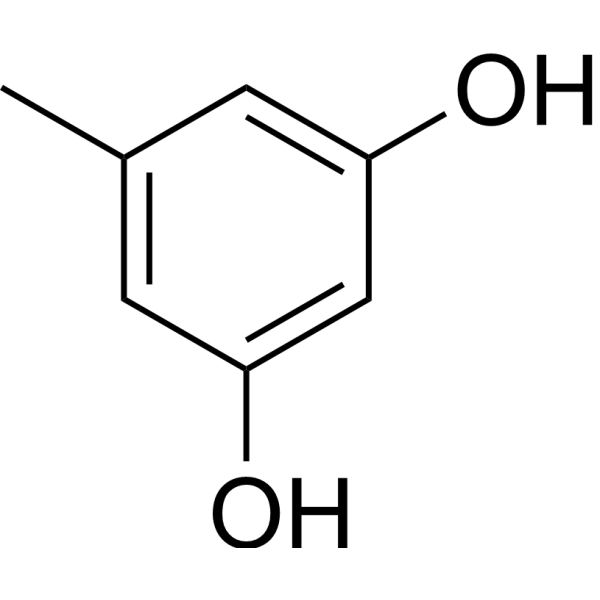
    Orcinol (3,5-Dihydroxytoluene) is an organic compound used in biological dyeing and proteomics research. Orcinol inhibits melanogenesis in B16F10 cells by upregulating the MAPK/ERK signaling pathway, and suppresses the expression of MITF, tyrosinase (TYR), TRP1, and DCT. Orcinol exhibits certain DPPH radical scavenging activity. In addition, Orcinol can alter nitrogen balance in animals. Orcinol holds promise for research in cancer and metabolic diseases .
    Orcinol
  • HY-N1481

    Environmental Pollutants Tyrosinase Metabolic Disease
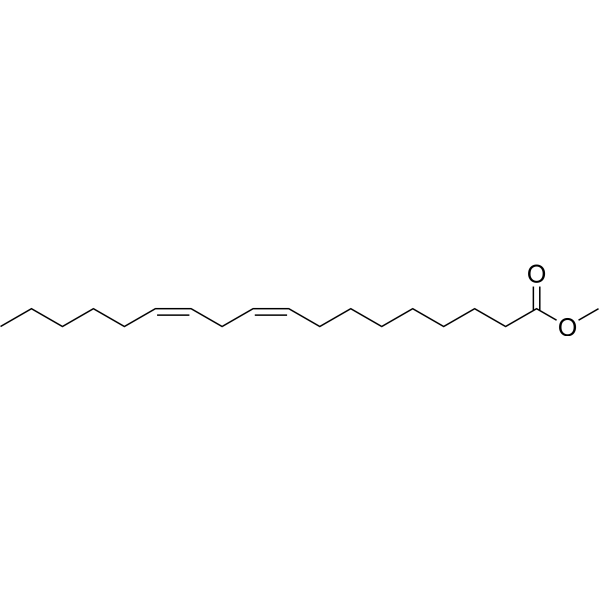
    Methyl linoleate, a major active constituent of Sageretia thea fruit (HFSF), is a major anti-melanogenic compound. Methyl linoleate downregulates microphthalmia-associated transcription factor (MITF) and tyrosinase-related proteins .
    Methyl linoleate
  • HY-N2413

    PDGFR UGT Reactive Oxygen Species (ROS) Apoptosis Tyrosinase p38 MAPK Akt ERK COX Interleukin Related Neurological Disease Metabolic Disease Inflammation/Immunology
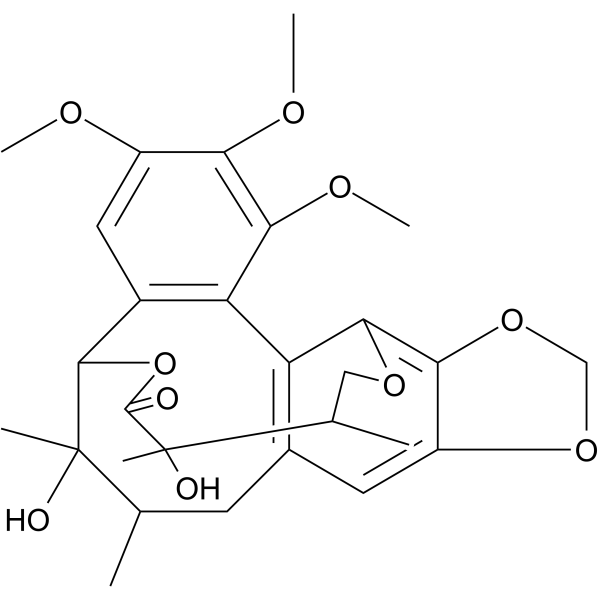
    Gomisin D is an orally active lignan that binds to PDGFRβ with a Kd of 10 μM. By targeting PDGFRβ to regulate signaling pathways, Gomisin D inhibits the activation and proliferation of hepatic stellate cells and promotes their apoptosis, thereby ameliorating hepatic fibrosis. Gomisin D exhibits multiple activities such as photoprotection, antimelanogenesis, antioxidant effects, and hypoglycemic activity. Gomisin D can be used in studies related to diabetes, Alzheimer's disease, and hepatic fibrosis .
    Gomisin D
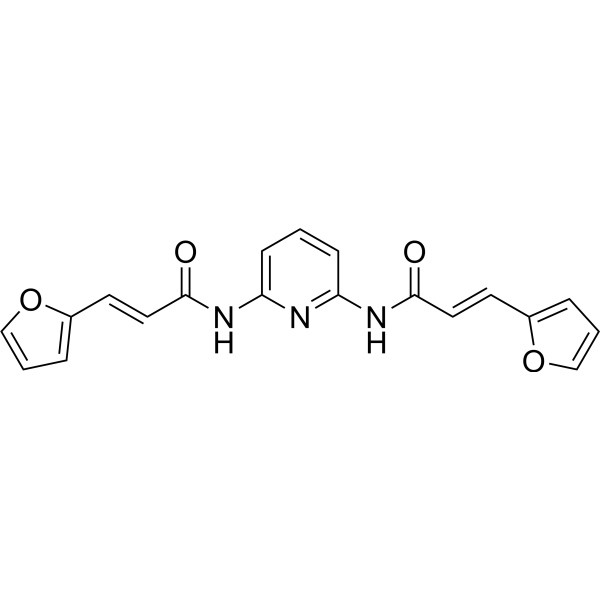
  • HY-156483
    TT-012
    2 Publications Verification

    Microphthalmia Associated Transcription Factor (MITF) Cancer
    TT-012 is a MITF inhibitor with a human MITF IC50 of 13.1 nM and a human MITF Kd value of 15.5 nM. TT-012 reduces mRNA levels of MITF downstream genes linked to melanosome biogenesis, cell survival, and proliferation, and upregulates cell cycle-inhibiting genes. TT-012 can be used for the research of melanoma[1][2][3].
    TT-012
  • HY-N2983

    Tyrosinase Others
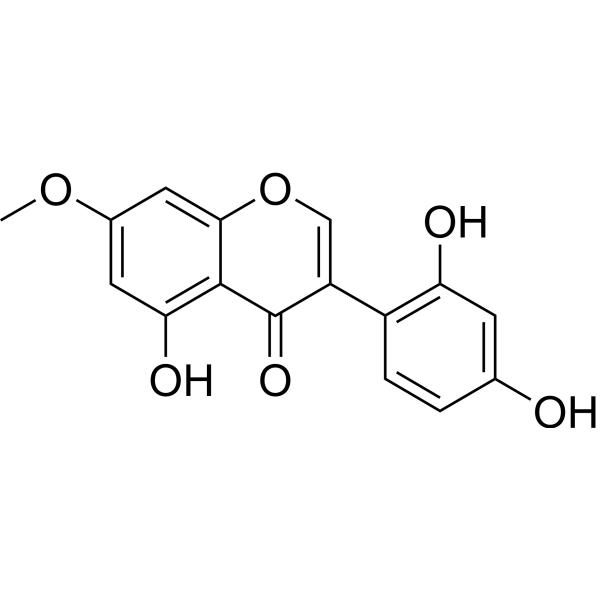
    Cajanin is a potent and orally active anti-melanogenic agent. Cajanin shows antiproliferative activity in MNT1 Cells. Cajanin efficiently decreases the melanin content. Cajanin down-regulates the mRNA and protein expression levels of MITF, tyrosinase, TRP-1 and Dct (TRP-2). Cajanin induces cell cycle arrest at G2/M and S phase. Cajanin stimulates osteoblast proliferation. Cajanin has the potential for the research of human hyperpigmented disorders and menopausal osteoporosis .
    Cajanin
  • HY-N2204

    Tyrosinase Reactive Oxygen Species (ROS) Inflammation/Immunology
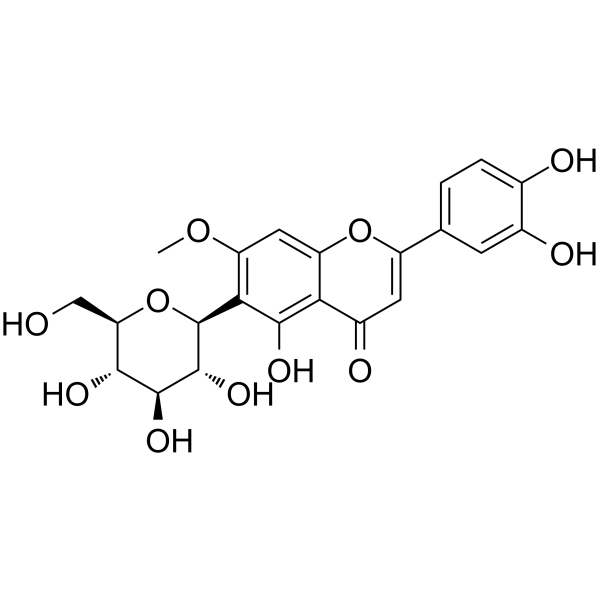
    Swertiajaponin is a tyrosinase inhibitor, forms multiple hydrogen bonds and hydrophobic interactions with the binding pocket of tyrosinase, with an IC50 of 43.47 μM. Swertiajaponin also inhibits oxidative stress-mediated MAPK/MITF signaling, leading to decrease in tyrosinase protein level. Swertiajaponin suppresses melanin accumulation and exhibits strong anti-oxidative activity .
    Swertiajaponin
  • HY-N1775

    3,4-DHAP

    Tyrosinase Reactive Oxygen Species (ROS) Keap1-Nrf2 PARP Autophagy Apoptosis Cardiovascular Disease Neurological Disease Metabolic Disease Inflammation/Immunology Cancer
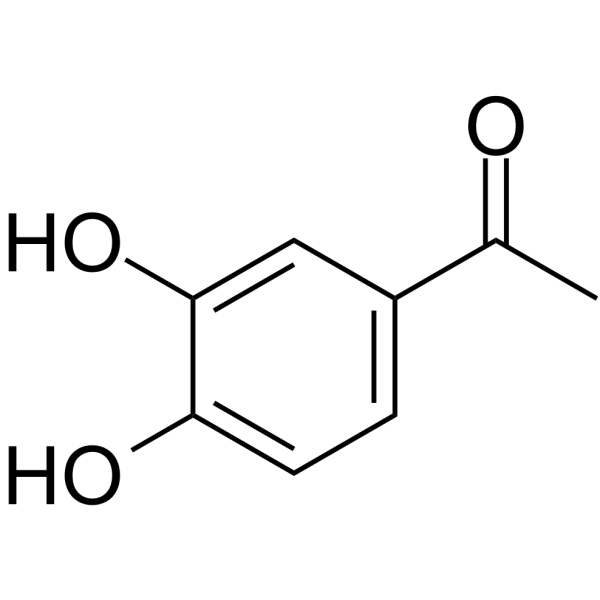
    3',4'-Dihydroxyacetophenone (3,4-DHAP) is a phenolic compound with oral bioavailability, possessing potent antioxidant, anti-inflammatory, anticancer and cardiovascular protective activities. 3',4'-Dihydroxyacetophenone inhibits mushroom Tyrosinase activity with an IC50 of 10 μM, thereby suppressing melanogenesis . 3',4'-Dihydroxyacetophenone inhibits platelet aggregation in platelet-rich plasma. 3',4'-Dihydroxyacetophenone reduces ROS levels in human umbilical vein endothelial cells treated with high glucose, upregulates the expression of Nrf2, HO-1 and PARP-1 in cells, and promotes the nuclear translocation of Nrf2 . 3',4'-Dihydroxyacetophenone induces autophagy and apoptosis. 3',4'-Dihydroxyacetophenone inhibits seed germination/growth in most plants. 3',4'-Dihydroxyacetophenone can be used in the research of cancer, neurodegenerative diseases, non-alcoholic steatohepatitis, diabetes, obesity, skin pigmentation disorders, and cardiovascular and cerebrovascular diseases .
    3',4'-Dihydroxyacetophenone
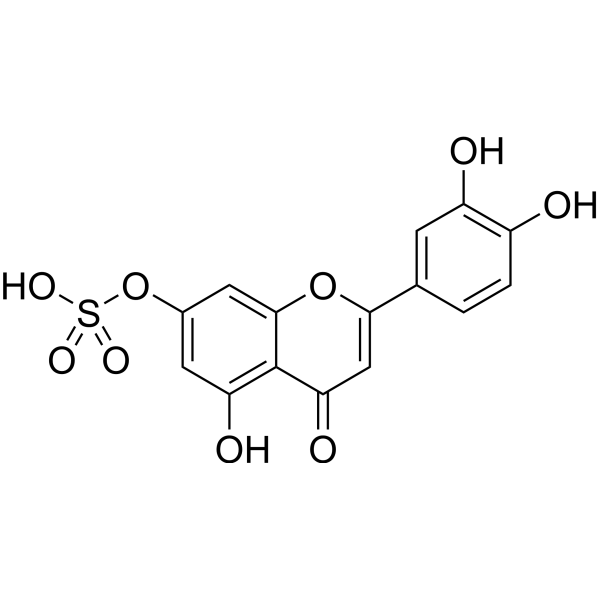
  • HY-N6901

    Epigenetic Reader Domain Metabolic Disease
    Luteolin 7-sulfate is isolated from Phyllospadix iwatensis Makino, a marine plant. Luteolin 7-sulfate attenuates TYR gene expression through the intervention of a cAMP-responsive element binding protein (CREB)- and microphthalmia-associated transcription factor (MITF)-mediated signaling pathway, leading to the decreased melanin synthesis .
    Luteolin 7-sulfate
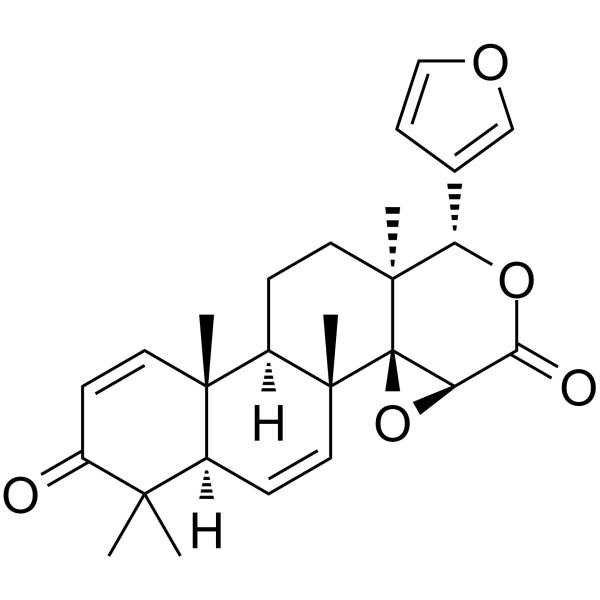
  • HY-124857

    7-Desacetoxy-6,7-dehydrogedunin

    PERK Prokineticin Receptor P2X Receptor Caspase NOD-like Receptor (NLR) Pyroptosis Tyrosinase Neurological Disease Metabolic Disease Inflammation/Immunology
    7DG (7-Desacetoxy-6,7-dehydrogedunin) is a PKR inhibitor, P2X7 purinergic receptor inhibitor, and skin-lightening agent. 7DG binds outside the ATP-catalytic domain of PKR, blocks the kinase activity-independent protein-protein interactions of PKR, inhibits the phosphorylation and activity of PKR, disrupts ASC assembly and caspase-1 activation, and suppresses the activation of the NLRP1 inflammasome. 7DG inhibits pyroptosis, suppresses the ATP-P2X7 signaling pathway, and abolishes ATP-induced increases in the expression levels of MITF, tyrosinase, PMEL/gp100, and melanin content. 7DG exerts skin-lightening effects in cultured skin in vitro. 7DG can be used in research related to chronic obstructive pulmonary disease, gout, type 2 diabetes, Alzheimer's disease, and hyperpigmentary skin disorders .
    7DG
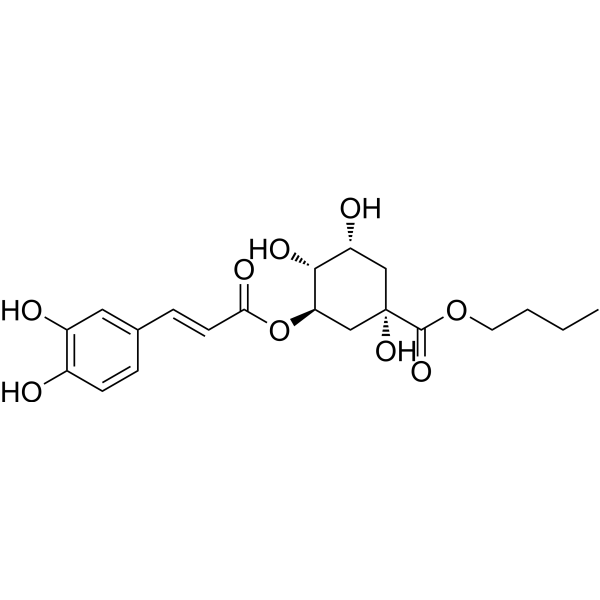
  • HY-N10016

    Tyrosinase Cancer
    Chlorogenic acid butyl ester, a caffeoylquinic acid, is a potent melanogenesis inhibitor. Chlorogenic acid butyl ester inhibits the expression of microphtalmia-associated transcription factor (MITF), tyrosinase, tyrosinerelated protein 1 (TRP-1), and TRP-2. Chlorogenic acid butyl ester also shows antioxidant activity .
    Chlorogenic acid butyl ester
  • HY-N12267

    (E/Z)-Terrestribisamide

    Melanocortin Receptor Metabolic Disease
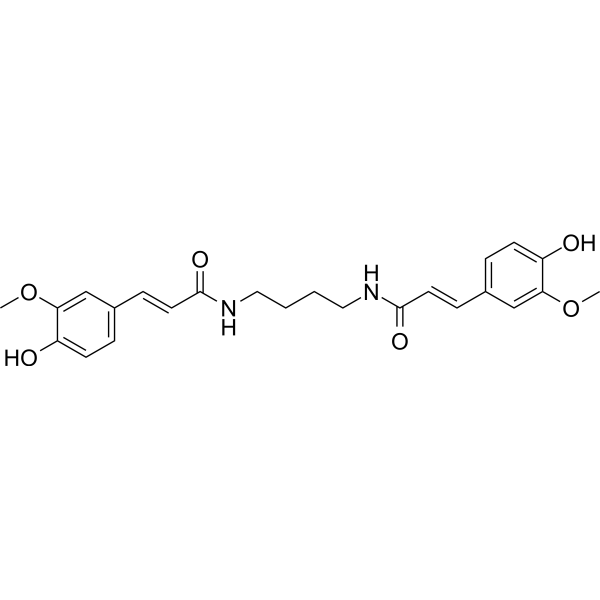
    N,N′-Diferuloylputrescine ((E/Z)-Terrestribisamide) is a inhibitor of pigmentation with 57% reduction. N,N′-Diferuloylputrescine significantly reduces the protein level of MITF. N,N′-Diferuloylputrescine has strong antioxidant activities as radical scavengers against reactive oxygen species .
    N,N′-Diferuloylputrescine
  • HY-113337

    P1,P4-Di-(adenosine-5')-tetraphosphate

    Apoptosis Cancer
    Ap4A (P1,P4-Di-(adenosine-5')-tetraphosphate) is a conserved second messenger in organisms ranging from bacteria to humans. Ap4A binds to the histidine triad nucleotide-binding protein 1 (HINT1) activates the transcription of genes downstream of MITF. Ap4A induces apoptosis .
    Ap4A
  • HY-RS16290

    Small Interfering RNA (siRNA) Cancer

    Mitf Mouse Pre-designed siRNA Set A contains three designed siRNAs for Mitf gene (Mouse), as well as a negative control, a positive control, and a FAM-labeled negative control.

    Mitf Mouse Pre-designed siRNA Set A
    Mitf Mouse Pre-designed siRNA Set A
  • HY-179717

    PROTACs Microphthalmia Associated Transcription Factor (MITF) Cancer
    WZS0347 is a MITF PROTAC degrader. WZS0347 effectively reduces the MITF protein levels in several melanoma cell lines, including B16F10, A375, and GAK. WZS0347 significantly inhibits the proliferation, migration, and invasion of melanoma cells. WZS0347 can be used for research on melanoma (Pink: MITF ligand: (HY-179718); Blue: CRBN ligand: (HY-131717); Black: linker: (HY-22391)) .
    WZS0347
  • HY-179718

    Ligands for Target Protein for PROTAC Microphthalmia Associated Transcription Factor (MITF) Cancer
    TT-012-Br (Compound 4) is a ligand for MITF and can be used for the synthesis of PROTACs, such as WZS0347 (HY-179717) .
    TT-012-Br
  • HY-N10623

    Tyrosinase Cancer
    5-epi-Arvestonate A is a sesquiterpenoid isolated from the whole plants of Seriphidium transiliense. 5-epi-Arvestonate A promotes melanogenic production by activating the transcription of microphthalmia-associated transcription factor (MITF) and tyrosinase family genes. 5-epi-Arvestonate A inhibits the expression of IFN-γ-chemokine through the JAK/STAT signaling pathway in immortalized human keratinocyte (HaCaT) cells .
    5-epi-Arvestonate A
  • HY-174580

    mRNA Cancer
    Human MITF mRNA encodes the human melanocyte inducing transcription factor (MITF) protein, a transcription factor that contains both basic helix-loop-helix and leucine zipper structural features. MITF could regulate melanocyte development and is also responsible for pigment cell-specific transcription of the melanogenesis enzyme genes.
    Human MITF mRNA
  • HY-169363

    PD-1/PD-L1 Autophagy AUTACs Cancer
    PD-L1 degrader-2 (Compound B3) is an orally active AUTAC degrader, that degrades PD-L1 through autophagy-lysosome pathway with a DC50 of 0.5 μM. PD-L1 degrader-2 exhibits inhibitory activity against PD-1/PD-L1 interaction with an IC50 of 22.8 nM. PD-L1 degrader-2 upregulates the expressions of Atg9b, Lamp1 and Mitf, and activates the autophagy lysosome system. PD-L1 degrader- exhibits antitumor efficacy in CT26 mouse model . (Pink: autophagy-lysosome activator (HY-159894); Black: linker (HY-W015088); Blue: PD-L1 ligand (HY-169365))
    PDL1 degrader-2
  • HY-N4280
    7,8-Dimethoxycoumarin
    1 Publications Verification

    Na+/K+ ATPase Glutathione Peroxidase NF-κB p38 MAPK Interleukin Related Neurological Disease Metabolic Disease Inflammation/Immunology
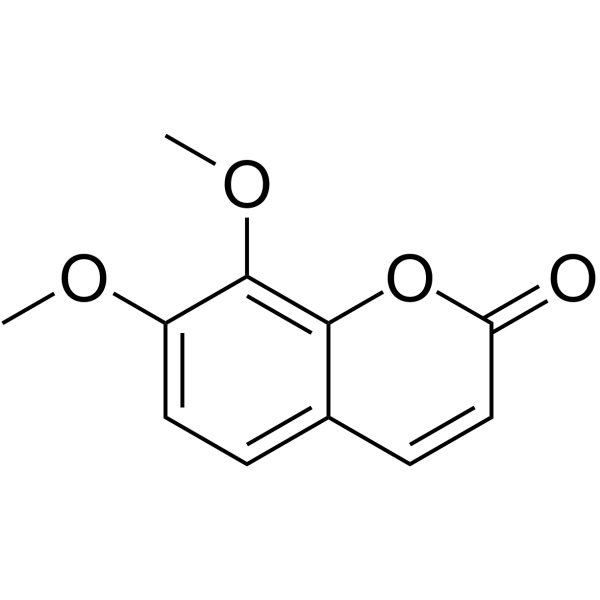
    7,8-Dimethoxycoumarin is a coumarin compound derived from Artemisia caruifolia with oral activity. 7,8-Dimethoxycoumarin inhibits mitochondrial permeability transition pore and H +/K +-ATPase, and exhibits antioxidant, anti-inflammatory, renoprotective, neuroprotective and gastroprotective effects. 7,8-Dimethoxycoumarin reduces lipid peroxidation (TBARS), increases GSH levels, inhibits myeloperoxidase (MPO) activity, and regulates the expression of inflammatory factors by inhibiting the NF‑κB and MAPK pathways. 7,8-Dimethoxycoumarin ameliorates gastric mucosal injury, alleviates renal tissue lesions and relieves neuropathic pain. 7,8-Dimethoxycoumarin can be used in studies related to acute renal failure, trigeminal neuralgia and gastritis .
    7,8-Dimethoxycoumarin
  • HY-RS08467

    Small Interfering RNA (siRNA) Others

    MITF Human Pre-designed siRNA Set A contains three designed siRNAs for MITF gene (Human), as well as a negative control, a positive control, and a FAM-labeled negative control.

    MITF Human Pre-designed siRNA Set A
    MITF Human Pre-designed siRNA Set A
  • HY-RS23266

    Small Interfering RNA (siRNA) Others

    Mitf Rat Pre-designed siRNA Set A contains three designed siRNAs for Mitf gene (Rat), as well as a negative control, a positive control, and a FAM-labeled negative control.

    Mitf Rat Pre-designed siRNA Set A
    Mitf Rat Pre-designed siRNA Set A
  • HY-N1481R

    Tyrosinase Reference Standards Metabolic Disease
    Methyl linoleate (Standard) is the analytical standard of Methyl linoleate. This product is intended for research and analytical applications. Methyl linoleate, a major active constituent of Sageretia thea fruit (HFSF), is a major anti-melanogenic compound. Methyl linoleate downregulates microphthalmia-associated transcription factor (MITF) and tyrosinase-related proteins .
    Methyl linoleate (Standard)
  • HY-N10437

    6-O-Acetylnimbandiol

    Tyrosinase Cancer
    6-Acetylnimbandiol (6-O-Acetylnimbandiol) is a non-cytotoxic tyrosinase inhibitor (IC50=69.85 μM) that effectively inhibits melanin production and MITF expression. 6-Acetylnimbandiol can be used in melanoma research .
    6-Acetylnimbandiol
  • HY-N3810

    Tyrosinase Others
    ent-11α-Hydroxy-15-oxokaur-16-en-19-oic acid is an anti-melanin synthesis tyrosinase inhibitor, which can be isolated from Pteris fern. ent-11α-Hydroxy-15-oxokaur-16-en-19-oic acid regulates the melanogenesis transcription factor microphthalmia-associated transcription factor (MITF). The 11α-OH, 15-oxo and 16-en moieties of ent-11α-Hydroxy-15-oxokaur-16-en-19-oic acid are key fragments that inhibit melanin synthesis. The 19-COOH moiety has been implicated in the inhibition of cytotoxicity associated with 11α-OH KA and related compounds .
    ent-11α-Hydroxy-15-oxokaur-16-en-19-oic acid
  • HY-P4497

    ERK Cancer
    Prolylserine, a dipeptide, is an inhibitor of melanogenesis production in Mel-Ab cells. Prolylserine decreases expression of microphthalmia-associated transcription factor (MITF) and tyrosinase, induces phorphosylation of ERK, but not cAMP response element binding protein (CREB) .
    Prolylserine
  • HY-157010

    Tyrosinase PKA Others
    AP736 is a potent tyrosinase inhibitor (IC50 = 0.9 μM) with anti-melanogenesis activity in normal human melanocytes (IC50 = 0.11 μM). AP736 suppresses the expression of tyrosinase and TRP-1/2 by inhibiting the cAMP-PKA-CREB signalling axis, leading to reduced microphthalmia-associated transcription factor (MITF) transcripts and proteins. AP736 can be used for melanogenesis and hyperpigmentation research .
    AP736
  • HY-159917

    Tyrosinase Microtubule/Tubulin Inflammation/Immunology
    PPL agonist-1 is a highly selective Periplakin (PPL) agonist that increases cAMP levels by regulating PPL, thereby enhancing MITF expression and promoting melanin synthesis. Furthermore, PPL agonist-1 facilitates melanin production by regulating tryptophan metabolism. Compared to Ruxolitinib (HY-50856), PPL agonist-1 demonstrates superior efficacy. PPL agonist-1 holds potential for research into vitiligo treatment .
    PPL agonist-1
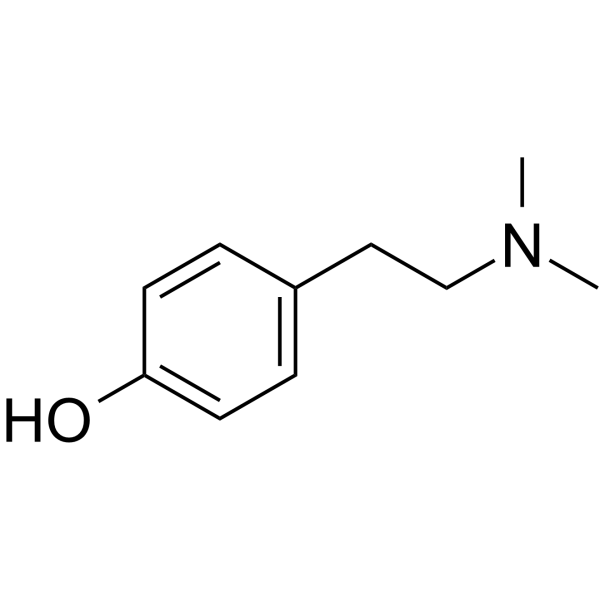
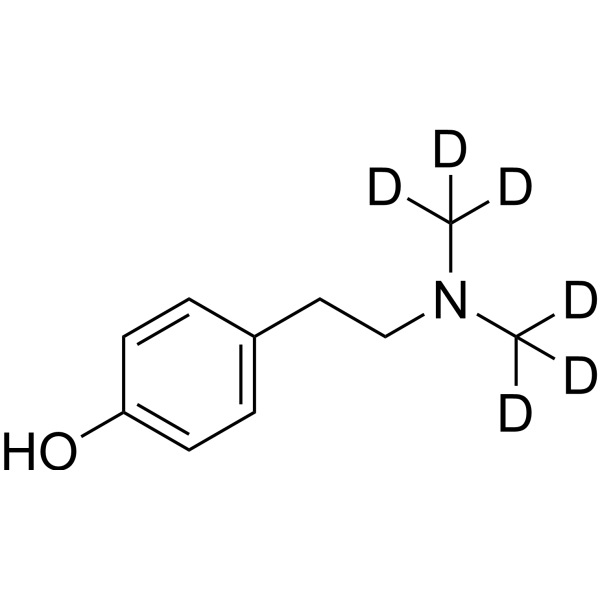
  • HY-N0113A

    Ordenina sulfate; Peyocactine sulfate

    Antibiotic Others
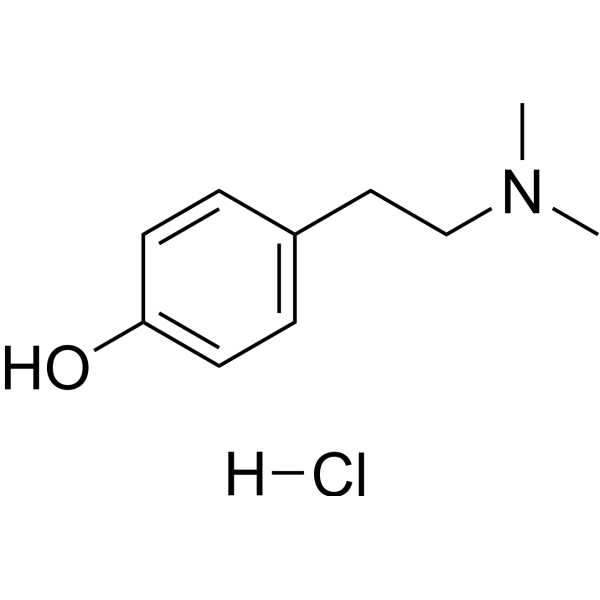
    Hordenine sulfate (Ordenina sulfate) is an active compound extracted from malted barley that has melanin-inhibiting activity. Hordenine sulfate significantly reduced melanin content and reduced intracellular cAMP levels. Hordenine sulfate inhibits the expression of proteins related to melanogenesis, including microblind transcription factor (MITF), tyrosinase, tyrosinase-related protein (TRP)-1, and TRP-2. Therefore, Hordenine sulfate can be used as an active ingredient to inhibit pigmentation .
    Hordenine sulfate
  • HY-RS17594

    Small Interfering RNA (siRNA) Others

    Tff3 Mouse Pre-designed siRNA Set A contains three designed siRNAs for Tff3 gene (Mouse), as well as a negative control, a positive control, and a FAM-labeled negative control.

    Tff3 Mouse Pre-designed siRNA Set A
    Tff3 Mouse Pre-designed siRNA Set A
  • HY-101464R

    Others Reference Standards Others
    ML329 (Standard) is the analytical standard of ML329 (HY-101464). This product is intended for research and analytical applications. ML329 is a micropthalmia-associated transcription factor (MITF) inhibitor, which inhibits TRPM-1 promoter activity with an IC50 of 1.2 μM.
    ML329 (Standard)
  • HY-179720

    Target Protein Ligand-Linker Conjugates Cancer
    WZS0347 Ligand-Linker Conjugate 1 (Compound 5d) is a synthetic target protein ligand-linker conjugate, which can be used for the synthesis of PROTACs, such as WZS0347 (HY-179717). WZS0347 is a potent MITF PROTAC degrader with anti-cancer activity .
    TT-012-NH-C7-NHBoc
  • HY-N17896

    Tyrosinase Cancer
    Pinoresinol-4-O-β-D-apiosyl-(1→2)β-D-glucoside is a lignan compound and a melanogenesis inhibitor with low cytotoxicity. Pinoresinol-4-O-β-D-apiosyl-(1→2)β-D-glucoside is isolable from the stem bark of Acer buergerianum (Acer buergerianum). Pinoresinol-4-O-β-D-apiosyl-(1→2)β-D-glucoside effectively inhibits the melanogenesis process in α-MSH (HY-P0252)-stimulated B16 melanoma cells. Pinoresinol-4-O-β-D-apiosyl-(1→2)β-D-glucoside exhibits extremely high safety towards normal cells, and serves as an ideal tool molecule for studying melanoma mechanisms and developing related whitening products .
    Pinoresinol-4-O-β-D-apiosyl-(1→2)β-D-glucoside

Inquiry Online

Your information is safe with us. * Required Fields.

Salutation


Country or Region *

Applicant Name *


Organization Name *

Department *


Email Address *


Product Name *

Cat. No.


Requested quantity *

Phone Number *


Remarks

Inquiry Online

Inquiry Information

Product Name:
Cat. No.:
Quantity:
MCE Japan Authorized Agent:

