
1. Search Result
Search Result
Results for "

Malignant cancers

" in MedChemExpress (MCE) Product Catalog:

122

Inhibitors & Agonists

9

Screening Libraries

5

Fluorescent Dyes

2

Biochemical Assay Reagents

5

Peptides

13

Inhibitory Antibodies

16

Natural
Products

1

Oligonucleotides

1

GMP Molecules

Cat. No. Product Name Target Research Areas Chemical Structure
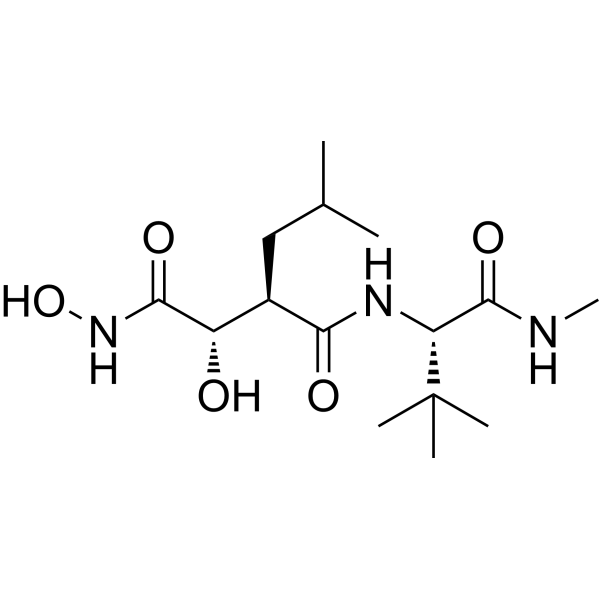
  • HY-12169
    Marimastat
    15+ Cited Publications

    BB2516; TA2516

    MMP Cancer
    Marimastat (BB2516) is a broad spectrum and orally bioavailable inhibitor of MMPs, with potent activity against MMP-9 (IC50=3 nM), MMP-1 (IC50=5 nM), MMP-2 (IC50=6 nM), MMP-14 (IC50=9 nM) and MMP-7 (IC50=13 nM), used in the treatment of cancer. Marimastat (BB2516) is an angiogenesis and metastasis inhibitor, which limits the growth and production of blood vessels. As an antimetatstatic agent it prevents malignant cells from breaching the basement membranes .
    Marimastat
  • HY-10966
    SB-590885
    5+ Cited Publications

    Raf Apoptosis Neurological Disease Metabolic Disease Cancer
    SB-590885 is a BRAF/c-Raf kinase inhibitor that selectively targets B-Raf, and it amplifies the ERK/MAPK signaling pathway in RAS-activated cells. SB-590885 effectively inhibits the malignant proliferation, transformation and tumorigenicity of oncogenic B-Raf cells; it also induces the proliferation of erythroid progenitor cells, delays their differentiation and promotes hemoglobin synthesis, thereby improving ineffective erythropoiesis and reducing apoptosis. SB-590885 exerts a synergistic effect with TGF-β inhibitors and glucocorticoids, significantly promoting the formation of erythroid colonies in cells from patients with Diamond-Blackfan anemia (DBA). SB-590885 is mainly used in relevant studies on DBA, cisplatin-induced myelosuppression-related anemia, and pan-cancers such as melanoma and colorectal cancer .
    SB-590885
  • HY-P99239

    HUJ-591; TLX591

    PSMA Radionuclide-Drug Conjugates (RDCs) Cancer
    Rosopatamab (HuJ591) is a humanized antiPSMA IgG1 monoclonal antibody that can be used in cancer research, especially prostate cancer. Rosopatamab can be linked to the low-energy beta-emitting radioisotope lutetium-177 ( 177Lu) through the bifunctional chelator DOTA-NHS ester to obtain a radioimmunoconjugate that targets malignant prostate cells with high efficiency .
    Rosopatamab
  • HY-P99029
    Magrolimab
    3 Publications Verification

    Hu5F9-G4

    CD47 Cancer
    Magrolimab (Hu5F9-G4) is a humanized anti-CD47 antibody. Magrolimab, an IgG4 isotype, lacks ADCC function and exhibits relatively weak ADCP effector function. Magrolimab can be used for the study of malignant bone tumors and breast cancer .
    Magrolimab
  • HY-147308
    Zelenirstat
    2 Publications Verification

    PCLX-001

    N-myristoyltransferase Cancer
    Zelenirstat is an orally acitve, small-molecule, dual N-myristoyltransferase (NMT) inhibitor, with IC50s of 5 nM (NMT1) and 8 nM (NMT2), respectively. Zelenirstat can induce cell apoptosis, has anti-cancer activity, inhibits early B cell receptor (BCR) signaling, and can be used to study malignant lymphoma .
    Zelenirstat
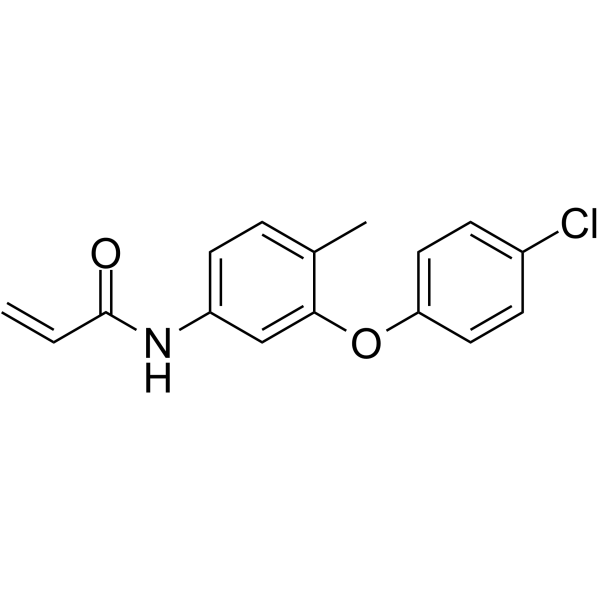
  • HY-138565
    K-975
    Maximum Cited Publications
    31 Publications Verification

    YAP Cancer
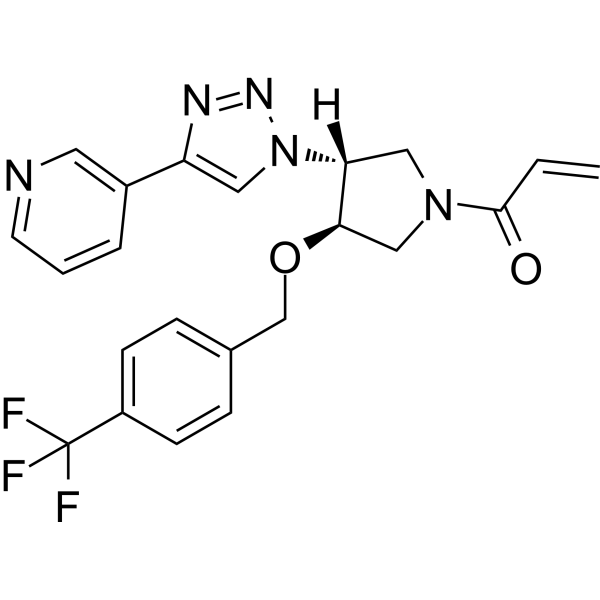
    K-975 is a potent, selective and orally active TEAD inhibitor, with a strong inhibitory effect against protein-protein interactions between YAP1/TAZ and TEAD. K-975 covalently binds to Cys359 located in the palmitate-binding pocket of TEAD via an acrylamide structure. K-975 exhibits antitumor activity on malignant pleural mesothelioma .
    K-975
  • HY-175749

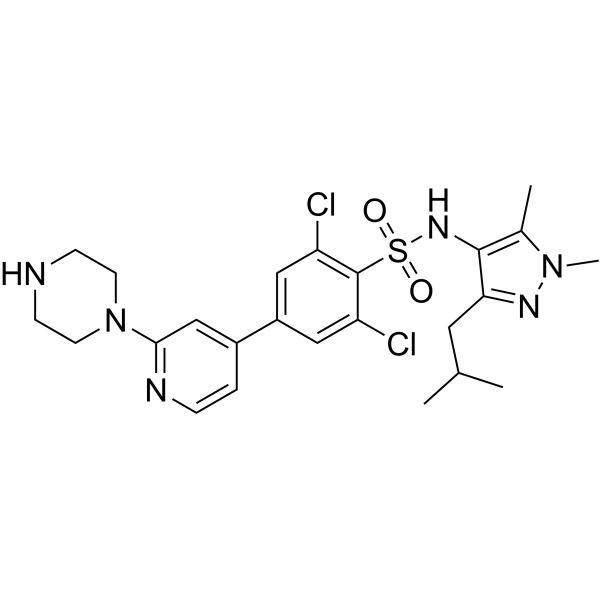
    Molecular Glues Wee1 Inflammation/Immunology Cancer
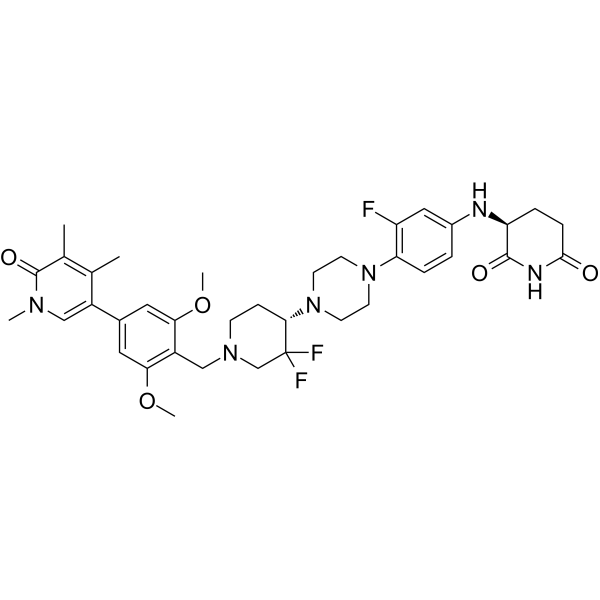
    BMS-986463, a CRBN E3 ligase modulator (CELMoD), is a WEE1 kinase molecular glue degrader. BMS-986463 significantly inhibits tumor regression and reduces the level of phospho-CDK2. BMS-986463 can be used for advanced malignant solid tumors like non-small cell lung cancer (NSCLC) research .
    BMS-986463
  • HY-400902

    YAP VEGFR Hippo (MST) Cancer
    VT3989 is an orally active pan-TEAD autopalmitoylation inhibitor that modulates the Hippo signaling pathway. VT3989 directly binds to TEAD transcription factors to block their palmitoylation modification, thereby disrupting the formation of YAP/TAZ-TEAD complexes and inhibiting downstream oncogenic transcriptional activity. VT3989 effectively inhibits the growth of NF2-deficient schwannoma and meningioma cells and reverses the Schwann cell phenotype. In addition, VT3989 exerts a synergistic effect when combined with Osimtinib (HY-15772) in EGFR-mutant non-small cell lung cancer models, significantly delaying tumor recurrence and prolonging survival. VT3989 can be used for the research of epithelioid hemangioendothelioma, malignant pleural mesothelioma, type 2 neurofibromatosis and related advanced solid tumors .
    VT3989
  • HY-D0220
    Toluidine Blue
    3 Publications Verification

    Toluidine Blue O

    Fluorescent Dye Cancer
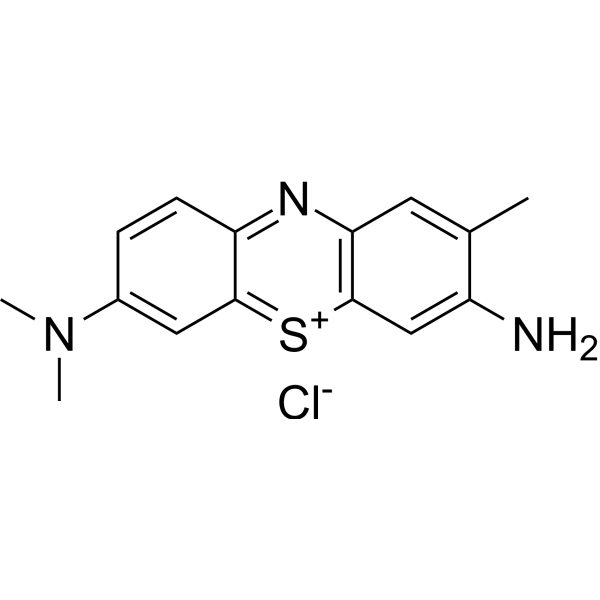
    Toluidine Blue (Toluidine Blue O) is an alkaline quinonimine dye (vivo dye) with high affinity for acidic tissue components, staining nuclei blue and polysaccharides purple. Toluidine Blue shows heterostaining properties for mast cells, mucins and chondrocytes. Toluidine Blue can stain different components of plant tissues and cells in different colours. Toluidine Blue is also used as a diagnostic aid to identify malignant lesions, such as cancer .
    Toluidine Blue
  • HY-N1435
    Oroxin B
    5 Publications Verification

    Apoptosis PI3K PTEN Autophagy Neurological Disease Metabolic Disease Inflammation/Immunology Cancer
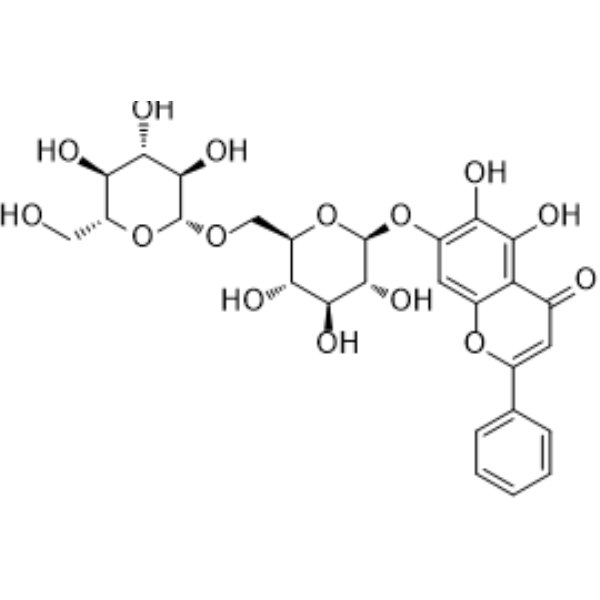
    Oroxin B (OB) is a BBB-permeable flavonoid isolated from traditional Chinese herbal medicine Oroxylum indicum (L.) Vent. Oroxin B (OB) possesses obvious inhibitory effect and induces early apoptosis rather than late apoptosis on liver cancer cells through upregulation of PTEN, down regulation of COX-2, VEGF, PI3K, and p-AKT. Oroxin B (OB) selectively induces tumor-suppressive ER stress in malignant lymphoma cells .
    Oroxin B
  • HY-P99352

    Anti-MSLN Antibody

    Mesothelin ADC Antibody Cancer
    Anetumab (Anti-MSLN Antibody) is a fully humanized anti mesothelin (MSLN) IgG1 antibody. Anetumab (Anti-MSLN Antibody) can be used to synthesize the ADC molecule Anetumab ravtansine (HY-141606). Anetumab (Anti-MSLN Antibody) can be used for the research of cancer .
    Anetumab
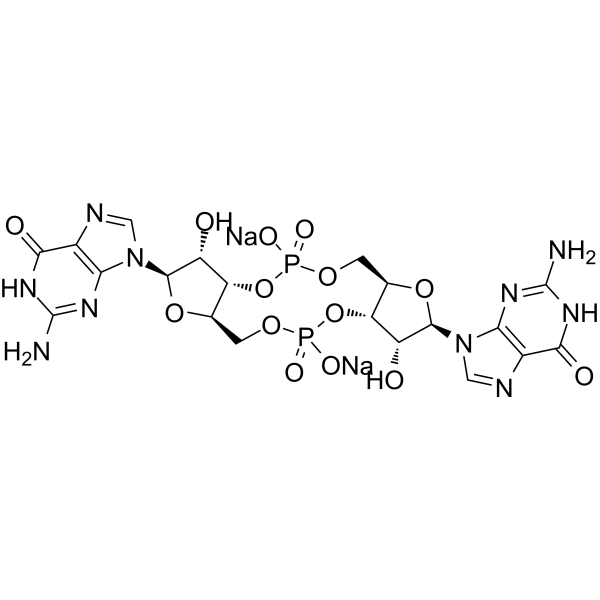
  • HY-110382
    Cyclic-di-GMP disodium
    Maximum Cited Publications
    9 Publications Verification

    c-di-GMP disodium; cyclic diguanylate disodium; 5GP-5GP disodium

    STING Endogenous Metabolite Cancer
    Cyclic-di-GMP disodium is a STING agonist and a bacterial second messenger that coordinates different aspects of bacterial growth and behavior, including motility, virulence, biofilm formation, and cell cycle progression. Cyclic-di-GMP disodium has anti-cancer cell proliferation activity and also induces elevated CD4 receptor expression and cell cycle arrest. Cyclic-di-GMP disodium can be used in cancer research .
    Cyclic-di-GMP disodium
  • HY-P9954

    CD3 Cancer
    Catumaxomab, a trifunctional IgG2 antibody, is composed of mouse and rat heavy and light chains and binds to human EpCAM and human CD 3 receptors. The Fc region of Catumaxomab region has binding affinity for FcγR1 (CD 64), FcγRIIA (CD 32a), and FcγRIII (CD 16). Catumaxomab can be used for anti-tumor research, especially epithelial cancers .
    Catumaxomab
  • HY-W782083

    Biochemical Assay Reagents Radionuclide-Drug Conjugates (RDCs) Bombesin Receptor EGFR Cancer
    p-SCN-Bn-NOTA trihydrochloride is a macrocyclic chelator. p-SCN-Bn-NOTA trihydrochloride can be covalently coupled to molecules such as peptides through the thiocyanate group to form hexacoordinate copper (such as 64Cu) complexes. p-SCN-Bn-NOTA trihydrochloride specifically binds to GRPR or EGFR highly expressed on the surface of tumor cells, mediating tumor enrichment of radioactive probes. p-SCN-Bn-NOTA trihydrochloride can be used to study malignant tumors expressing GRPR or EGFR, such as prostate cancer and colorectal cancer .
    p-SCN-Bn-NOTA trihydrochloride
  • HY-13631J

    (1R,9R)-DX8951f

    Drug Derivative Topoisomerase Apoptosis Cancer
    (1R,9R)-Exatecan mesylate ((1R,9R)-DX8951f) is a non-prodrug camptothecin derivative and a potent topoisomerase I inhibitor (IC50=0.975 μg/mL in mice and 0.82 μg/mL in humans). (1R,9R)-Exatecan mesylate blocks enzyme activity and induces apoptosis by stabilizing the enzyme-DNA cleavable complex. (1R,9R)-Exatecan mesylate not only effectively inhibits the proliferation of various malignant tumor cells and tumor growth, but also circumvents P-glycoprotein-mediated multidrug resistance. (1R,9R)-Exatecan mesylate is widely used in preclinical studies of multiple cancers including pancreatic cancer, lung cancer, breast cancer, and leukemia . The low-activity isomer of (1R,9R)-Exatecan mesylate is (1S,9R)-Exatecan mesylate (HY-13631I).
    (1R,9R)-Exatecan mesylate
  • HY-13631I

    (1S,9R)-DX8951f

    Drug Derivative Topoisomerase Apoptosis Cancer
    (1S,9R)-Exatecan mesylate ((1S,9R)-DX8951f) is a non-prodrug camptothecin derivative and a topoisomerase I inhibitor (IC50=0.975 μg/mL in mice and 0.82 μg/mL in humans). (1S,9R)-Exatecan mesylate blocks enzyme activity and induces apoptosis by stabilizing the enzyme-DNA cleavable complex. (1S,9R)-Exatecan mesylate not only effectively inhibits the proliferation of various malignant tumor cells and tumor growth, but also circumvents P-glycoprotein-mediated multidrug resistance. (1S,9R)-Exatecan mesylate is widely used in preclinical studies of various cancers such as pancreatic cancer, lung cancer, breast cancer, and leukemia .
    The chiral isomer of (1S,9R)-Exatecan mesylate is (1R,9R)-Exatecan mesylate (HY-13631J).
    (1S,9R)-Exatecan mesylate
  • HY-P99262

    BAX69; Anti-Human MIF Recombinant Antibody

    Macrophage migration inhibitory factor (MIF) Cancer
    Imalumab (BAX69) is a recombinant, human IgG1 monoclonal antibody that targets macrophage inhibitory factor (MIF). Imalumab can be used for the research of ovarian carcinoma, recurrent malignant ascites and cancer .
    Imalumab
  • HY-165740

    Disialoganglioside GD2

    Apoptosis Cancer
    Ganglioside GD2 (Disialoganglioside GD2) is a tumor-associated antigen. Ganglioside GD2 shows limited expression in normal tissues but is overexpressed in multiple tumor types, and thus can serve as a target in cancer. Ganglioside GD2 is associated with tumor development and malignant phenotypes, and its mechanism of action relies on enhancing cell proliferation, motility, migration, adhesion and invasion, with specific effects depending on the tumor type .
    Ganglioside GD2
  • HY-P99781

    MLN-1202

    CCR Inflammation/Immunology Cancer
    Plozalizumab (MLN-1202) is a humanized anti-CCR2 IgG1 monoclonal antibody. Plozalizumab blocks the recruitment of myeloid cells to the tumor microenvironment by inhibiting the CCL2/CCR2 axis. In addition, Plozalizumab also ameliorates synovial inflammation in rheumatoid arthritis. Plozalizumab can be used in the research of malignant melanoma and bone metastasis-related cancers. Recommended isotype control: Human IgG1 kappa, Isotype Control (HY-P99001) .
    Plozalizumab
  • HY-15735
    c-Met inhibitor 1
    1 Publications Verification

    c-Met/HGFR Cancer
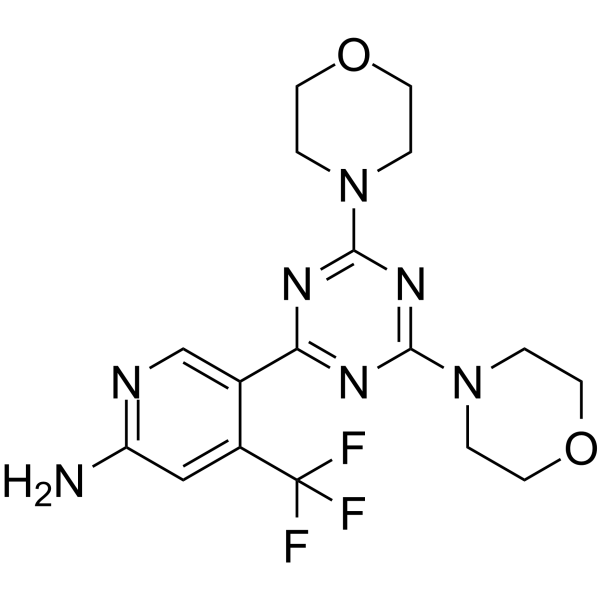
    c-Met inhibitor 1 is an orally active c-Met inhibitor. c-Met inhibitor 1 can inhibit c-Met phosphorylation with an IC50 of 0.010 μM. c-Met inhibitor 1 has antitumor activity and can be used for the research of tumors such as gastric cancer, pancreatic cancer and malignant glioma .
    c-Met inhibitor 1
  • HY-147135
    MYF-03-69
    1 Publications Verification

    TEAD-IN-3

    YAP Apoptosis Cancer
    MYF-03-69 (TEAD-IN-3) is a covalent and irreversible TEAD inhibitor with IC50s of 385, 143, 558 and 173 nM for TEAD1, TEAD2, TEAD3 and TEAD4. MYF-03-69 disrupts YAP-TEAD association, suppresses TEAD transcriptional activity (IC50 = 56 nM) and up-regulates apoptosis gene BMF. MYF-03-69 selectively inhibits mesothelioma cancer cells with defective Hippo signaling. MYF-03-69 can be used for the study of malignant pleural mesothelioma (MPM) .
    MYF-03-69
  • HY-103317A

    Calcium Channel Cardiovascular Disease Cancer
    NAADP tetrasodium is a second messenger. NAADP tetrasodium releases Ca 2+ from acidic endosomes and lysosomes. NAADP tetrasodium can be used to study cancer (such as oral squamous cell carcinoma, malignant melanoma) and angiogenesis-related diseases .
    NAADP tetrasodium
  • HY-12964
    SGI-7079
    3 Publications Verification

    TAM Receptor Cancer
    SGI-7079 is a selective, ATP-competitive, orally active inhibitor of the receptor tyrosine kinase Axl. SGI-7079 blocks Axl-mediated signaling pathways such as NF-κB activation and MMP-9 expression, thereby inhibiting tumor cell proliferation, migration and invasion. SGI-7079 is mainly used in the research of malignant tumors such as inflammatory breast cancer and bladder cancer, as well as in combination with immunization (used in combination with PD-1 therapy)[1][2][3].
    SGI-7079
  • HY-107780

    c-di-GMP; cyclic diguanylate; 5GP-5GP

    STING Endogenous Metabolite Cancer
    Cyclic-di-GMP is a STING agonist and a bacterial second messenger that coordinates different aspects of bacterial growth and behavior, including motility, virulence, biofilm formation, and cell cycle progression. Cyclic-di-GMP has anti-cancer cell proliferation activity and also induces elevated CD4 receptor expression and cell cycle arrest. Cyclic-di-GMP can be used in cancer research .
    Cyclic-di-GMP
  • HY-108551
    MG-262
    1 Publications Verification

    Z-Leu-Leu-LeuB(OH)2; ZL3B

    Proteasome VEGFR Apoptosis Reactive Oxygen Species (ROS) Cardiovascular Disease Inflammation/Immunology Cancer
    MG-262 (Z-Leu-Leu-LeuB(OH)2; ZL3B) is a reversible proteasome inhibitor. MG-262 down-regulates VEGF receptor Flt-1. MG-262 inhibits cell growth and induces apoptosis in malignant cells. MG-262 induces reactive oxygen species (ROS). MG-262 can be used for anti-cancer study .
    MG-262
  • HY-D0220A
    Toluidine Blue (purity 36%)
    3 Publications Verification

    Toluidine Blue O (purity 36%)

    Fluorescent Dye Others Cancer
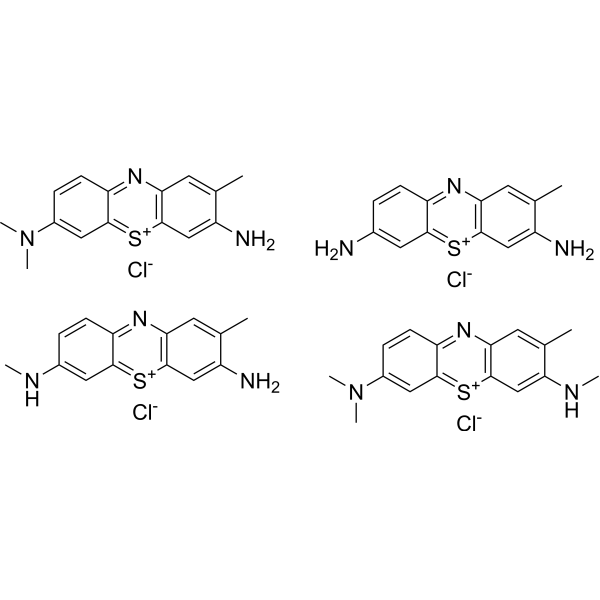
    Toluidine Blue (Toluidine Blue O) purity 36% is an alkaline quinonimine dye (vivo dye) with high affinity for acidic tissue components, staining nuclei blue and polysaccharides purple. Toluidine Blue purity 36% shows heterostaining properties for mast cells, mucins and chondrocytes. Toluidine Blue purity 36% can stain different components of plant tissues and cells in different colours. Toluidine Blue purity 36% is also used as a diagnostic aid to identify malignant lesions, such as cancer .
    Toluidine Blue (purity 36%)
  • HY-B0657
    Clodronic acid
    4 Publications Verification

    Clodronate

    Apoptosis Metabolic Disease Cancer
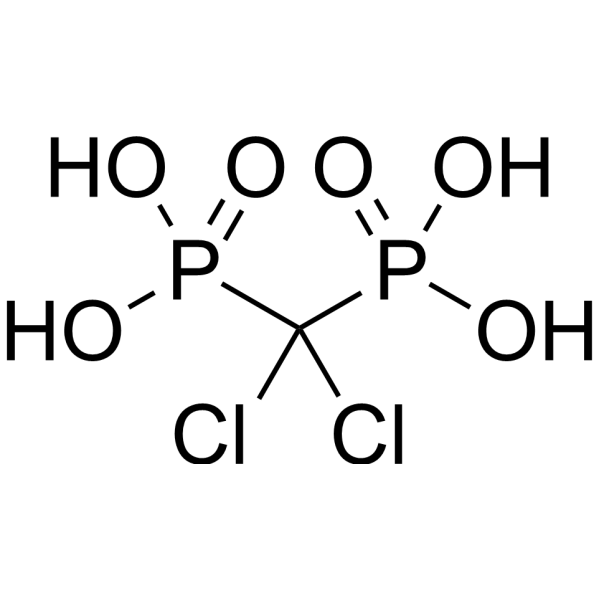
    Clodronic acid (Clodronate) is an orally active bisphosphonate. Clodronic acid inhibits osteoclast-mediated bone resorption. Clodronic acid reduces skeletal event risk in malignant bone disease, impairs malignant osteolysis, blocks bone matrix growth-factor release, induces apoptosis in osteoclasts and macrophages. Clodronic acid is effective in the maintenance or improvement of bone mineral density. Clodronic acid can be used for the research of multiple myeloma and postmenopausal osteoporosis .
    Clodronic acid
  • HY-163502

    PROTACs STAT Cancer
    PROTAC STAT3 degrader-3 is a STAT3 PROTAC degrader. PROTAC STAT3 degrader-3 recruits the E3 ubiquitin ligase CRBN and induces the degradation of STAT3 protein. PROTAC STAT3 degrader-3 inhibits the proliferation of malignant tumor cells. PROTAC STAT3 degrader-3 can be used for the research of non-small cell lung cancer and liver cancer .
    PROTAC STAT3 degrader-3
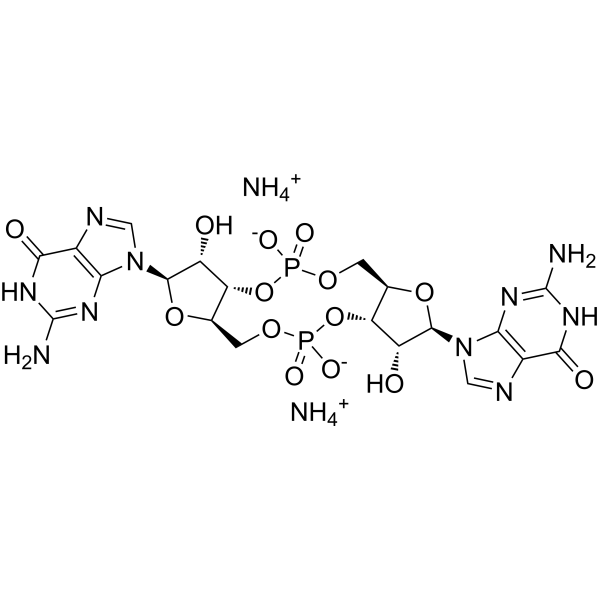
  • HY-107780B
    Cyclic-di-GMP diammonium
    Maximum Cited Publications
    9 Publications Verification

    c-di-GMP diammonium; cyclic diguanylate diammonium; 5GP-5GP diammonium

    STING Endogenous Metabolite Cancer
    Cyclic-di-GMP diammonium is a STING agonist and a bacterial second messenger that coordinates different aspects of bacterial growth and behavior, including motility, virulence, biofilm formation, and cell cycle progression. Cyclic-di-GMP diammonium has anti-cancer cell proliferation activity and also induces elevated CD4 receptor expression and cell cycle arrest. Cyclic-di-GMP diammonium can be used in cancer research .
    Cyclic-di-GMP diammonium
  • HY-135312

    Estrogen Receptor/ERR PROTACs Cancer
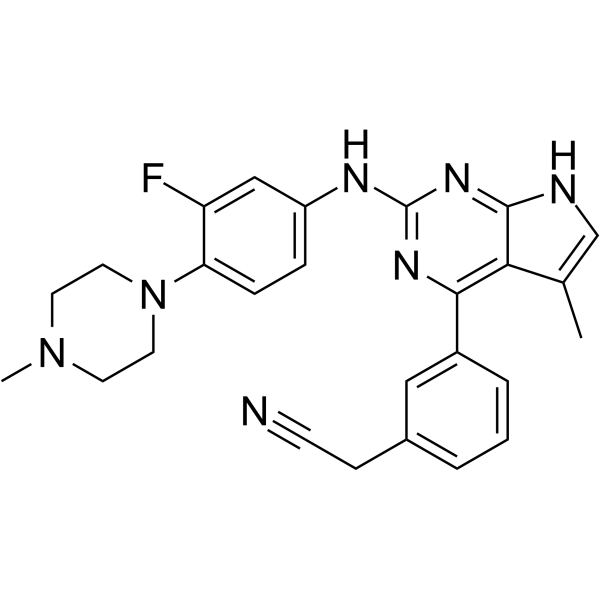
    AZ'6421 acts as Protcolysis Targeting Chimera (PROTAC) to selectively degrade estrogen receptor alpha. AZ'6421 has a potent anti-tumour effect to inhibit the uncontrolled cellular proliferation which arises from malignant disease. AZ'6421 can be used for the research of cancer such as breast cancer .
    AZ'6421
  • HY-139362

    Phosphodiesterase (PDE) Cancer
    Enpp-1-IN-2 (Compound C) is a potent ENPP1 (ectonucleotide pyrophosphatase/phosphodiesterase 1) inhibitor with IC50 values of 0.26, 0.48 and 2.0 μM evaluated by means of TG-mAMP, pNP-TMP, and ATP assays, respectively. TG (Tokyo Green)-mAMP: a newly synthesized sensitive ENPP1 fluorescence probe .
    Enpp-1-IN-2
  • HY-N0308

    Environmental Pollutants Biochemical Assay Reagents Cancer
    Octyl acetate is an orally active aliphatic ester. Octyl acetate has certain antioxidant properties. Octyl acetate contributes to the formation of fruit aroma and affects the flavor of fruits such as strawberries. Octyl acetate can be used in the research of malignant melanoma, colon cancer and breast cancer .
    Octyl acetate
  • HY-154790

    Neu5Aca2-6GalNAc-a-Ser/Thr

    Ser/Thr Protease Cancer
    STn/sialyl-Tn is a sialic acid associated with breast cancer and its expression is closely related to HER2-pos. STn/sialyl-Tn can be used as a marker to count cells in malignant nipple discharge (PND) .
    STn/sialyl-Tn
  • HY-113326

    trans-Phytoene

    Reactive Oxygen Species (ROS) Cancer
    Phytoene (trans-Phytoene) is a carotene pigment. Phytoene is the precursor of all carotenoids. Phytoene is the predominant PT isomer in most carotenogenic organisms. Phytoene can delay the skin tumors appearance and reduce their number in mice that are induced the tumors with UV-B light. Phytoene leads to protection against oxidative stress and malignant transformation. Phytoene inhibits the proliferation of breast cancer cells .
    Phytoene
  • HY-E70290

    GALNT1

    Endogenous Metabolite β-catenin Wnt Cancer
    N-Acetylgalactosaminyltransferase 1 (GALNT1) is a glycosyltransferase that initiates mucin-type O-glycosylation by transferring α-GalNAc from UDP-GalNAc to serine (Ser) or threonine (Thr) residues in proteins. Overexpression of N-Acetylgalactosaminyltransferase 1 in gastric cancer can promote abnormal O-glycosylation of CD44, thereby activating the Wnt/β-catenin signaling pathway and regulating the malignant behavior of gastric cancer cells. Additionally, N-Acetylgalactosaminyltransferase 1 plays a crucial role in cancer growth and metastasis by modifying the O-glycosylation of various glycoproteins, such as mucin (MUC1), osteopontin (OPN), matrix metalloproteinase-14 (MMP14), and integrin α3 .
    N-Acetylgalactosaminyltransferase 1
  • HY-14801

    A-007

    Drug Derivative Inflammation/Immunology Cancer
    Sivifene (A-007) is a triaryl hydrazone. Sivifene has anticancer activity and immunomodulatory effects. Sivifene regulates immune regulation by upregulating CD45 T lymphocyte surface receptors .
    Sivifene
  • HY-P991551

    Dipeptidyl Peptidase p38 MAPK ERK Infection Cancer
    YS110 is a humanized anti-CD26 (DPP4) IgG1 monoclonal antibody. YS110 induces CD26 nuclear translocation through the caveolin pathway. YS110 inhibits the proliferation of tumor cell by delaying G2/M cell cycle transition. YS110 inhibits the infection of Middle East respiratory syndrome coronavirus (MERS CoV) by blocking the binding of MERS CoV S1 to CD26. YS110 can be used for researches on cancer or infection such as Malignant Mesothelioma and MERS .
    YS110
  • HY-123009

    HIF/HIF Prolyl-Hydroxylase Histone Acetyltransferase Cancer
    KCN1 is a p300/HIF-1α interaction inhibitor. KCN1 inhibits HIF transcriptional activity by binding to the CH1 domain of p300 and preventing the p300/HIF-1α assembly. KCN1 exerts antitumor activities through cell cycle arrest .
    KCN1
  • HY-P991225

    Fc Receptor (FcR) CD20 Inflammation/Immunology Cancer
    BI-1206 is a recombinant and antagonistic human monoclonal antibody targeting FcγRIIB (CD32B). BI-1206 can block CD20 internalization induced by Rituximab (HY-P9913) itself or combined with others including Ibrutinib (HY-10997), Venetoclax (HY-15531), and CHOP. BI-1206 can enhance or recover the activity of Rituximab or other anti-CD20 monoclonal antibodies. BI-1206 has cytolytic activity against malignant B cells. BI-1206 can be studied for cancer research such as mantle cell lymphoma (MCL) .
    BI-1206
  • HY-16514

    Drug Derivative Microtubule/Tubulin Cancer
    Vindesine is a derivative of Vinblastine (HY-13780). Vindesine binds to and stabilizes tubulin . Vindesine inhibits mitosis in cancer cells and prevents the invasion of normal tissues by malignant cells. Vindesine can be used in cancer research .
    Vindesine
  • HY-107780A

    c-di-GMP sodium; cyclic diguanylate sodium; 5GP-5GP sodium

    STING Endogenous Metabolite Cancer
    Cyclic-di-GMP sodium is a STING agonist and a bacterial second messenger that coordinates different aspects of bacterial growth and behavior, including motility, virulence, biofilm formation, and cell cycle progression. Cyclic-di-GMP sodium has anti-cancer cell proliferation activity and also induces elevated CD4 receptor expression and cell cycle arrest. Cyclic-di-GMP sodium can be used in cancer research .
    Cyclic-di-GMP sodium
  • HY-B0078A

    Imidazole Carboxamide citrate

    Apoptosis Antibiotic Cancer
    Dacarbazine citrate is a cell cycle nonspecific antineoplastic alkylating agent. Dacarbazine citrate inhibits T and B lymphoblastic response, with IC50 values of 50 and 10 μg/mL, respectively. Dacarbazine Citrate can be used for the research of apoptosis and various cancers such as metastatic malignant melanoma .
    Dacarbazine citrate
  • HY-105130

    DNA/RNA Synthesis Cancer
    Menogaril is a potent and orally active anthracycline antitumor agent. Menogaril is ready penetration into cancer cells can cleave double-stranded DNA. Menogaril can be used for the research of cancer, such as malignant lymphoma .
    Menogaril
  • HY-117404

    MEK ERK Cancer
    LLS30 is an anticancer agent. LLS30 suppresses MEK/ERK pathway. LLS30 has anti-cancer effects against ovarian cancer, prostate cancer, and malignant peripheral nerve sheath tumors. LLS30 shows synergistic anti-cancer effect with Enzalutamide (HY-70002) or Docetaxel (HY-B0011) .
    LLS30
  • HY-177275

    c-Kit Cancer
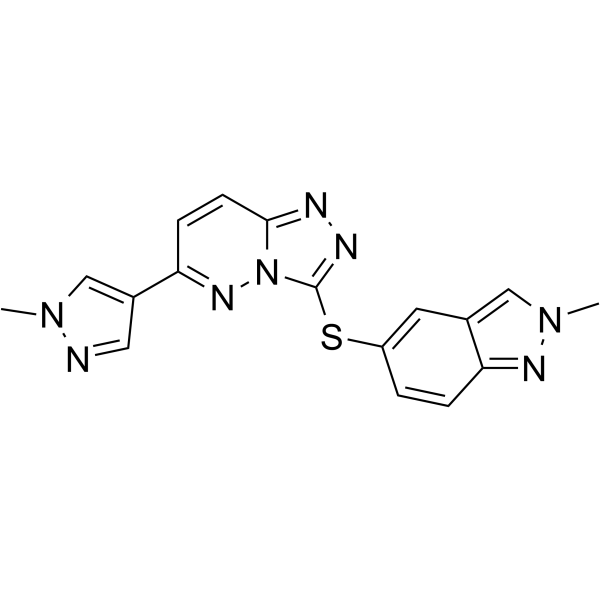
    c-Kit Receptor modulator-1 (Compound #22) is a c-Kit Receptor modulator. c-Kit Receptor modulator-1 can be used for malignant cancers such as canine mastocytoma, human gastrointestinal stromal tumor and small cell lung cancer research .
    c-Kit Receptor modulator-1
  • HY-P11255

    MDM-2/p53 Cancer
    SPDI-48-T1 is a lysine-stapled peptide. SPDI-48-T1 exhibits discernible binding affinities for MDM2 and MDMX, with Kd values of 396 nM and 456 nM, respectively. SPDI-48-T1 exhibits anticancer activity against breast cancer, colorectal cancer, non-small cell lung cancer, cervical cancer, and malignant melanoma .
    SPDI-48-T1
  • HY-174336

    Survivin Apoptosis Cancer
    Survivin-IN-1 (Compound II₃) is a potent Survivin (a member of the Inhibitor of Apoptosis Protein family) inhibitor with an IC50 value of 8.1 μM against human lung cancer A549 cells and 9.0 μM against breast cancer MCF-7 cells. Survivin-IN-1 reduces Survivin protein levels and induces tumor cell apoptosis. Survivin-IN-1 is promising for research of malignant tumors such as lung cancer and breast cancer .
    Survivin-IN-1
  • HY-163595

    Ras Cancer
    KRAS G12D-IN-31 is a potent KRAS G12D inhibitor with an IC50 of < 100 nM. KRAS G12D-IN-31 inhibits the proliferation of RAS-dependent cells (KRAS G12C, KRAS G12D, KRAS G12V and KRAS WT). KRAS G12D-IN-31 can be used to study non-small cell lung cancer, gastric cancer, colon cancer, and malignant melanoma .
    KRAS G12D-IN-31
  • HY-122844B

    BI-853520 tosylate; IN-10018 tosylate

    FAK Cancer
    Ifebemtinib (tosylate) (BI-853520 (tosylate); IN-10018 (tosylate)) is a highly selective PTK2 kinase inhibitor. Ifebemtinib (tosylate) demonstrates anti-tumor activity. Ifebemtinib (tosylate) inhibits FAK autophosphorylation in prostate carcinoma cells. Ifebemtinib (tosylate) can inhibit spheroid formation and orthotopic tumor growth in vivo. Ifebemtinib (tosylate) can be studied in anticancer research such as solid tumors, breast cancer, and malignant pleural mesothelioma .
    Ifebemtinib tosylate
  • HY-176217

    Biochemical Assay Reagents DNA/RNA Synthesis Cancer
    dA-NHbenzylOCF3 is a DNA-targeted radiosensitizer that enhances the sensitivity of tumor cells to X-rays via the dissociative electron attachment (DEA) mechanism. dA-NHbenzylOCF3 shows low cytotoxicity to normal cells and mainly localizes to the cytoplasm and nucleus after entering cells. dA-NHbenzylOCF3 exerts its radiosensitizing effect by inducing cell cycle arrest at the radiation-sensitive G2/M phase. dA-NHbenzylOCF3 can be used for radiosensitization research on malignant tumors such as prostate cancer and breast cancer .
    dA-NHbenzylOCF3

Inquiry Online

Your information is safe with us. * Required Fields.

Salutation


Country or Region *

Applicant Name *


Organization Name *

Department *


Email Address *


Product Name *

Cat. No.


Requested quantity *

Phone Number *


Remarks

Inquiry Online

Inquiry Information

Product Name:
Cat. No.:
Quantity:
MCE Japan Authorized Agent:

