Search Result
Results for "
SW480
" in MedChemExpress (MCE) Product Catalog:
1
Isotope-Labeled Compounds
| Cat. No. |
Product Name |
Target |
Research Areas |
Chemical Structure |
-
- HY-17411
-
-
-
- HY-N0220
-
-
-
- HY-109049
-
|
SM04690; Lorecivivint
|
Wnt
|
Inflammation/Immunology
Cancer
|
|
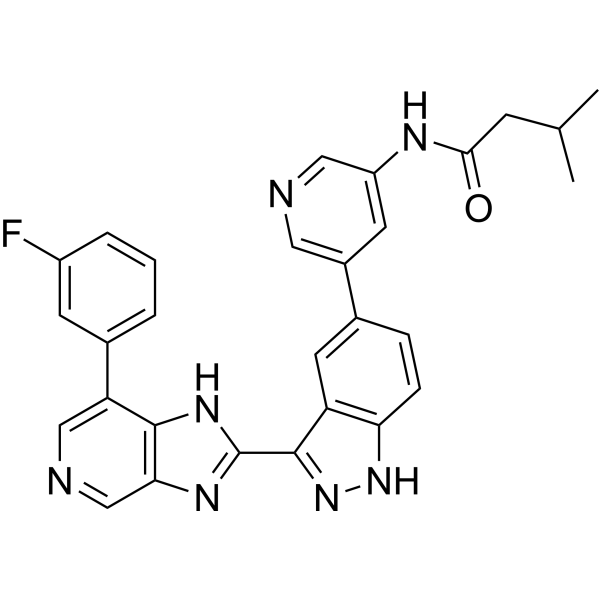
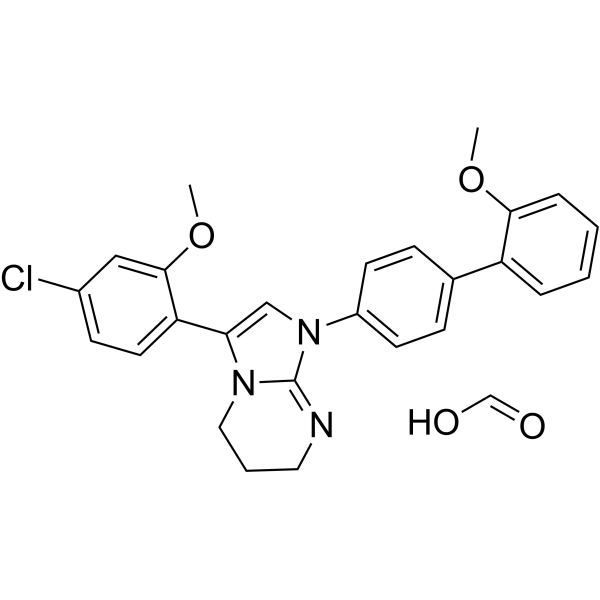
Adavivint (SM04690; Lorecivivint) is a potent and selective inhibitor of canonical Wnt signaling, with an EC50 of 19.5 nM via a high-throughput TCF/LEF-reporter assay in SW480 colon cancer cells .
|
-
-
- HY-124586
-
-
-
- HY-134929
-
|
BNBZ; Hexokinase 2 inhibitor 1
|
Hexokinase
Apoptosis
|
Cancer
|
|
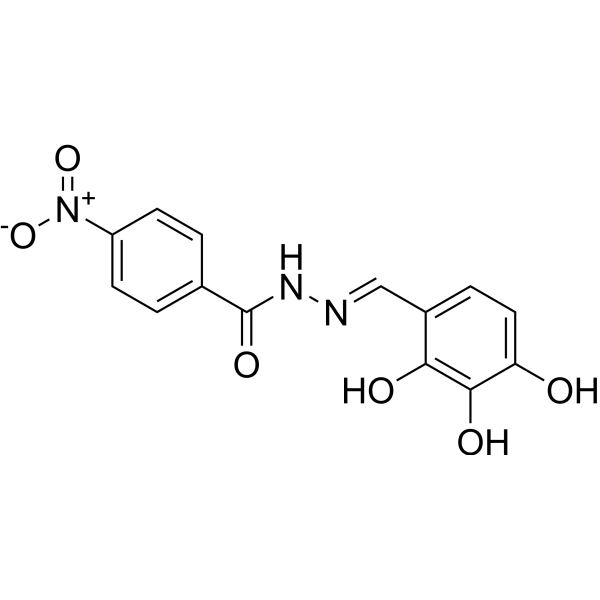
Benitrobenrazide (BNBZ) is the orally active inhibitor for hexokinase 2 with an IC50 of 0.53 µM. Benitrobenrazide causes DNA damage, and exhibits antitumor effect .
|
-
-
- HY-18964
-
MG-101
Maximum Cited Publications
13 Publications Verification
Calpain inhibitor I; Ac-LLnL-CHO; ALLN
|
Proteasome
Apoptosis
|
Cancer
|
|
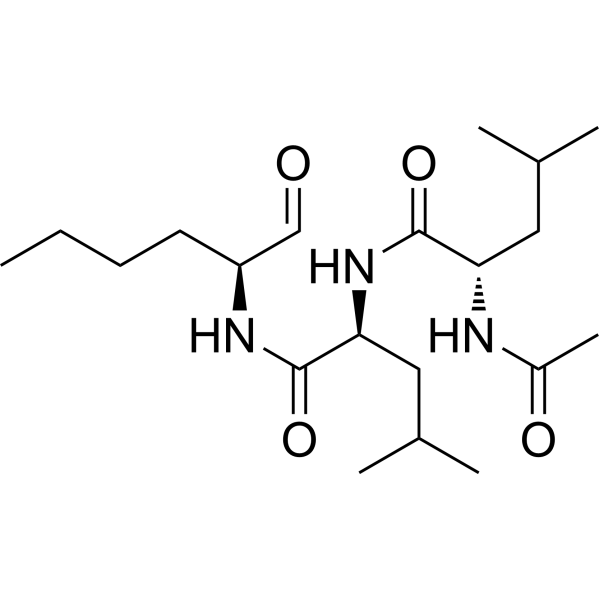
MG-101 (ALLN) is an inhibitor of cysteine proteases which inhibits calpain I, calpain II, cathepsin B and cathepsin L with Kis of 190, 220, 150 and 500 pM, respectively. MG-101 induces apoptosis and inhibits tumor growth, it can be used for the research of colon cancer .
|
-
-
- HY-B1296
-
|
(±)-Promethazine
|
Histamine Receptor
|
Neurological Disease
Endocrinology
|
|
Promethazine is an orally active histamine receptor antagonist . Promethazine is first-generation antihistamine of the phenothiazine family, shows strong sedative and weak antipsychotic effects .
|
-
-
- HY-N3387
-
|
|
Apoptosis
NF-κB
Akt
MMP
|
Inflammation/Immunology
Cancer
|
|
Licoricidin (LCD) is isolated from Glycyrrhiza uralensis Fisch, possesses anti-cancer activities. Licoricidin (LCD) inhibit SW480 cells (IC50=7.2 μM) by inducing cycle arrest, apoptosis and autophagy, and is a potential chemopreventive or chemotherapeutic agent against colorectal cancer . Licoricidin (LCD) inhibits Lung Metastasis by inhibition of tumor angiogenesis and lymphangiogenesis as well as changes in the local microenvironment of tumor tissues the anticarcinogenic effect . Licoricidin enhanced gemcitabine-induced cytotoxicity in Osteosarcoma (OS) cells by inactivation of the Akt and NF-κB pathways in vitro and in vivo . Licoricidin blocks UVA-induced photoaging via ROS scavenging, limits the activity of MMP-1, it can be considered as an active ingredient in new topically applied anti-ageing formulations .
|
-
-
- HY-W042191
-
|
|
Fungal
Apoptosis
Caspase
Bcl-2 Family
MDM-2/p53
PARP
|
Infection
Cancer
|
|
Oxychloroaphine could be isolated from the bacterium Pantoea agglomerans naturally present in soil. Oxychloroaphine has broad-spectrum antifungal activity. Oxychloroaphine has cytotoxicity in a dose-dependent manner and induces apoptosis. Oxychloroaphine can be used in research of cancer .
|
-
-
- HY-151520
-
|
|
Wnt
|
Cancer
|
|
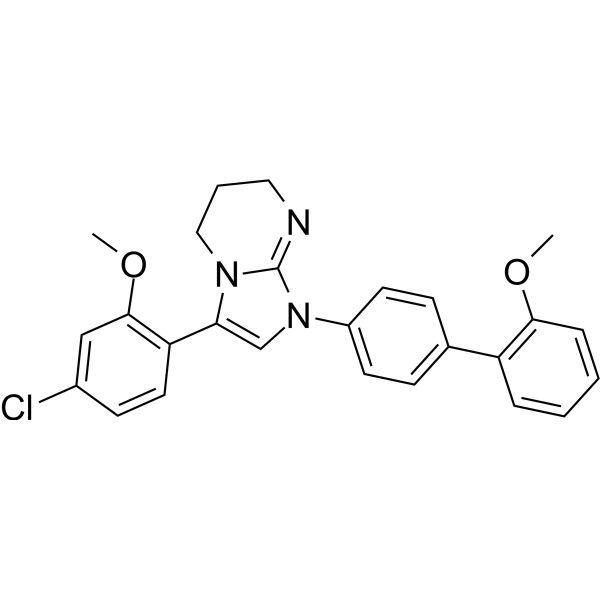
Wnt/β-catenin agonist 4 (Derivative 83) is an agonist of Wnt that activates Wnt/β-catenin signal transmission .
|
-
-
- HY-N0766
-
-
-
- HY-N0213
-
|
Verticinone; Raddeanine
|
Autophagy
Caspase
Bcl-2 Family
PARP
p38 MAPK
ERK
NF-κB
Apoptosis
|
Inflammation/Immunology
Cancer
|
|
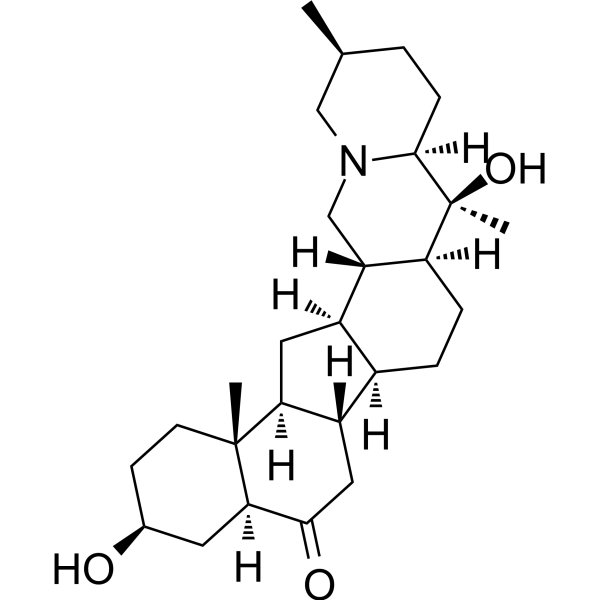
Peiminine is a compound that can be isolated from Bolbostemma paniculatum (Maxim) Franquet (Cucurbitaceae family). Peiminine can induce apoptosis in human hepatocellular carcinoma HepG2 cells through both extrinsic and intrinsic apoptotic pathways. Peiminine has anti-inflammatory, anticancer, anti-osteoporosis, cardioprotective and other activities in many animal models .
|
-
-
- HY-148466
-
|
|
Aldehyde Dehydrogenase (ALDH)
|
Cancer
|
|
IGUANA-1 is a potent and selective ALDH1B1 inhibitor. IGUANA-1 shows no significant mitochondrial toxicity. IGUANA-1 has antitumor activity .
|
-
-
- HY-B1414
-
-
-
- HY-160066
-
|
|
Transmembrane Glycoprotein
|
Cancer
|
|
SYL3C aptamer sodium is a DNA aptamer that targets epithelial cell adhesion molecule (EpCAM) on the surface of cancer cells. SYL3C aptamer sodium targets a variety of human cancer cell lines including MDA-MB-231, Kato III, HT-29, T47D and SW480. The Kd values of SYL3C aptamer sodium against breast cancer cell line MDA-MB-231 and gastric cancer cell line Kato III are 38 nM and 67 nM, respectively. SYL3C aptamer sodium possesses stability, high binding affinity and selectivity, and can be used for targeted cancer cell imaging and circulating tumor cell detection .
|
-
-
- HY-146178
-
|
|
Insulin Receptor
|
Cancer
|
|
IMP2-IN-1 (compound 4) is a potent IMP2 inhibitor with IC50 value of 81.3~127.5 for IMP2 RNA sequence. IMP2-IN-1 reduces IMP2 in SW480 cells. IMP2-IN-1 significantly reduces the viability of both differentiated and non-differentiated Huh7 cells .
|
-
-
- HY-162709
-
|
|
Apoptosis
YAP
|
Cancer
|
|
KHKI-01215 is an inhibitor for NUAK2 with an IC50 of 0.052 μM. KHKI-01215 inhibits the proliferation of cancer cell SW480 with an IC50 of 3.16 μM, induces apoptosis in SW480. KHKI-01215 inhibits the YAP signaling pathway .
|
-
-
- HY-174996
-
|
|
PROTACs
Epigenetic Reader Domain
Apoptosis
|
Cancer
|
|
NEP162 is a BRD4 PROTAC degrader with DC50s of 1.2 and 1.6 μM in SW480 and U2OS cells. NEP162 exhibits antiproliferative activity, effectively inhibits tumor growth and induces apoptosis. NEP162 can be used for the study of osteosarcoma, colorectal cancer and non-small cell lung cancer, etc. (Pink: BRD4 ligand : (HY-78695), Blue: E3 ligase Ligand (HY-D2259), BLACK: Linker, E3 ligase ligand-linker conjugate (HY-174997)) .
|
-
-
- HY-162708
-
|
|
AMPK
|
Cancer
|
|
KHKI-01128 is a NUAK2 inhibitor, with an IC50 of 0.024 μM. KHKI-01128 exhibits potent anticancer activity against SW480 colorectal cancer cells .
|
-
-
- HY-148660
-
-
-
- HY-B1787
-
|
|
mTOR
Drug Metabolite
|
Cancer
|
|
Sulindac sulfone is an mTORC1 pathway inhibitor and a metabolite of Sulindac. Sulindac sulfone inhibits colon cancer cell growth and induces cell cycle arrest. Sulindac sulfone is used in cancer research .
|
-
-
- HY-N6074
-
|
|
Autophagy
Apoptosis
|
Inflammation/Immunology
Cancer
|
|
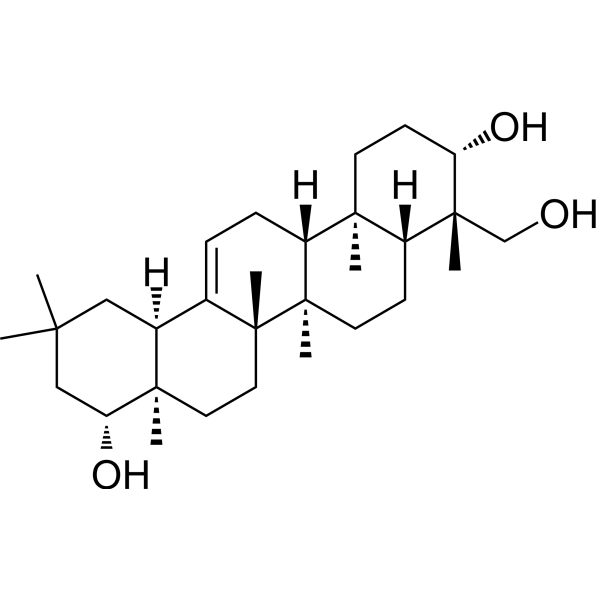
Soyasapogenol B is a component of soy that has oral activity. Soyasapogenol B promotes autophagy and apoptosis. Soyasapogenol B has anti-inflammatory, antioxidant and antitumor activities .
|
-
-
- HY-115543
-
|
|
Wnt
β-catenin
|
Cancer
|
|
β-catenin-IN-37 is a selective β-Catenin/T-cell factor protein-protein interaction (β-catenin/Tcf PPI) inhibitor. β-catenin-IN-37 inhibits canonical Wnt signaling and the growth of colorectal cancer cells SW480 and HCT116 with the IC50 values of 20 μM and 31 μM, respectively .
|
-
-
- HY-160859
-
|
|
DNA/RNA Synthesis
|
Cancer
|
|
WRN inhibitor 8 is an inhibitor of WRN helicase with an IC50 value of 48 nM. WRN inhibitor 8 can inhibit the proliferation of tumor cells and be used in the study of cancer .
|
-
-
- HY-137454
-
|
|
Wnt
β-catenin
|
Inflammation/Immunology
|
|
Teplinovivint is a potent wnt/β-catenin signaling pathway inhibitor. Teplinovivint has anti-inflammatory activity and has the potential for tendinopathy research .
|
-
-
- HY-163767
-
|
|
β-catenin
|
Inflammation/Immunology
Cancer
|
|
Antitumor agent-171 (Compound 35) is an inhibitor for β-catenin/BCL9 interaction with IC50 of 1.61 μM. Antitumor agent-171 exhibits high affinity to β-catenin with Kd of 0.63 μM. Antitumor agent-171 inhibits the gene expression of axin2 with IC50 of 0.84 μM. Antitumor agent-171 inhibits cell viability of HCT116 with IC50 of 4.39 μM. Antitumor agent-171 activates T cells, promotes antigen presentation, and exhibits antitumor efficacy and good pharmacokinetic characteristics in mouse models .
|
-
-
- HY-168593
-
|
|
β-catenin
PROTACs
Wnt
Histone Demethylase
|
Cancer
|
|
PROTAC KDM3 degrader-1 (Compound 4) is a CRBN-recruiting PROTAC designed based on the IOX1 (HY-12304) scaffold. PROTAC KDM3 degrader-1 selectively degrades the KDM3A and KDM3B proteins, thereby inhibiting the Wnt/β-catenin signaling pathway. PROTAC KDM3 degrader-1 significantly suppresses the self-renewal capacity of colorectal cancer stem cells and inhibits the growth of colorectal cancer tumors. PROTAC KDM3 degrader-1 is suitable for research on colorectal cancer (Target protein ligand (Pink): HY-12304; linker (Black): HY-22335; Conjugate of E3 ligase ligand and linker: HY-112599; E3 ligase (Blue): HY-41547) .
|
-
-
- HY-17411R
-
-
-
- HY-148243
-
|
STL5-T-0057
|
Aldehyde Dehydrogenase (ALDH)
|
Cancer
|
|
IGUANA-1 free base (STL5-T-0057) is an selective ALDH1 B1 inhibitor with an IC50 value of 30 nM. IGUANA-1 free base inhibits cell growth of SW480 cells in adherent and spheroid conditions with IC50 values of 2.46 and 0.39 μM, respectively. IGUANA-1 free base can be used for the research of cancer .
|
-
-
- HY-175513
-
|
|
HDAC
Apoptosis
|
Cancer
|
|
ZWZH-21 is a selective and orally active HDAC1/2 dual inhibitor with IC50 values of 34 nM for HDAC1 and 41 nM for HDAC2. ZWZH-21 can inhibit HCT116 and SW480 cells growth with IC50 values of 0.524 μM and 1.063 μM, respectively. ZWZH-21 can inhibit proliferation and migration and induces apoptosis in multiple colorectal cancer cells. ZWZH-21 can be used for the research of cancer, such as colorectal cancer .
|
-
-
- HY-N3940
-
|
|
Others
|
Neurological Disease
Cancer
|
|
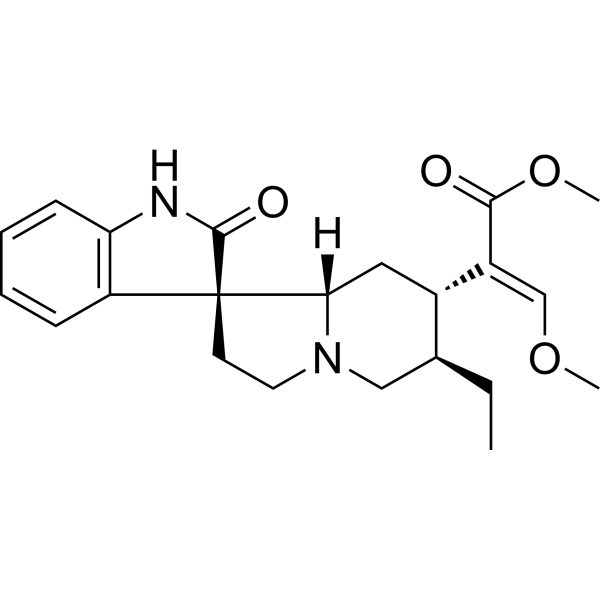
Gelsevirine is the major alkaloid in Gelsemium elegans with potent anxiolytic effects. The anxiolytic mechanism of Gelsevirine may be involved in the agonist action of the glycine receptor in the brain. Gelsevirine has anti-proliferation activity with IC50 values of 1.41 mM and 1.22 mM for SW480 cells and MGC80-3 cells, respectively .
|
-
-
- HY-149390
-
|
|
TrxR
|
Cancer
|
|
TrxR1-IN-1 (Compound 5j) is a TrxR1 inhibitor (IC50: 8.8 μM). TrxR1-IN-1 has anticancer activity, with IC50s of MCF-7 (1.5 μM), HeLa (1.7 μM), BGC-823 (2.4 μM), SW-480 (2.8 μM), A549 (2.1 μM). TrxR1-IN-1 has antioxidant activity, and scavenges DPPH radical .
|
-
-
- HY-W747572
-
|
(R)-(+)-Perillyl alcohol
|
Ras
|
Cancer
|
|
(+)-Perillyl alcohol is the enantiomer of S-(-)-Perillyl alcohol (HY-116514). (+)-Perillyl alcohol can inhibit the growth of polypeptides and block the cell cycle in the G0/G1 phase. (+)-Perillyl alcohol induces cell signaling that is associated with changes in cytoskeletal actin organization and reduced protein expression of growth regulatory proteins such as Ras and CDC2 kinase .
|
-
-
- HY-147651
-
|
|
β-catenin
CDK
c-Myc
|
Cancer
|
|
β-catenin-IN-4 (Compound 39) is a β-catenin inhibitor with a Ki of 0.64 μM. β-catenin-IN-4 reduces the protein expression levels of cyclin D1 and c-Myc .
|
-
-
- HY-160488
-
|
|
β-catenin
|
Cancer
|
|
PTK7/β-catenin-IN-1 (compound 01065) is a potent PTK7/β-catenin inhibitor with an IC50 of 8.9 μM and 56.5 μM for PTK7/β-catenin and p53/MDM2, respectively. PTK7/β-catenin-IN-1 has the potential for cancer research .
|
-
-
- HY-133100
-
|
Benzyl-ALA hydrochloride
|
Endogenous Metabolite
|
Cancer
|
|
5-ALA benzyl ester hydrochloride (Benzyl-ALA hydrochloride) is a protoporphyrin precursor used as a photodetection agent. 5-ALA benzyl ester hydrochloride induces protoporphyrin IX (PPIX) accumulation in colon carcinoma cell lines .
|
-
-
- HY-126596
-
|
|
Apoptosis
|
Cancer
|
|
Angelylalkannin is a naphthoquinone compound isolated from the root of Alkanna tinctoria. Angelylalkannin showed significant inhibitory effects in the antiproliferative effect test on human colon cancer cells HCT-116 and SW-480. The median inhibitory concentration (IC50) of Angelylalkannin was 4.76 mM for HCT-116 cells and 7.03 mM for SW-480 cells. Like alkannin, Angelylalkannin can arrest the cell cycle in the G1 phase and induce apoptosis at a concentration of 1-10 mM.
|
-
-
- HY-163768
-
|
|
β-catenin
|
Inflammation/Immunology
Cancer
|
|
Antitumor agent-172 (Compound 28) is an inhibitor for β-catenin/BCL9 interaction with IC50 of 3.92 μM. Antitumor agent-172 exhibits high affinity to β-catenin with Kd of 82 nM. Antitumor agent-172 activates T cells, promotes antigen presentation, and exhibits antitumor efficacy and good pharmacokinetic characteristics in mouse models .
|
-
-
- HY-162440
-
|
|
Ras
|
Cancer
|
|
pan-KRAS-IN-7 (Compound 25) is an inhibitor for in human tumor mutated genes KRAS, which inhibits proliferation of KRAS mutated cells AsPC-1 (G12D mutant) and SW480 (G12V mutant) with IC50 of 0.35 and 0.51 nM, respectively .
|
-
-
- HY-162443
-
|
|
Ras
|
Cancer
|
|
pan-KRAS-IN-10 (Compound 58) is an inhibitor for in human tumor mutated genes KRAS, which inhibits proliferation of KRAS mutated cells AsPC-1 (G12D mutant) and SW480 (G12V mutant) with IC50 of 0.7 and 0.24 nM, respectively .
|
-
-
- HY-173489
-
|
|
Wnt
β-catenin
|
Cancer
|
|
Wnt/β-catenin-IN-5 (compound 19T) is a Wnt/β-catenin signaling pathway inhibitor. Wnt/β-catenin-IN-5 inhibits HCT 116, SW480, and A549 cells activity with IC50s of 3.05, 3.27 and 34.91 μM, respectively .
|
-
-
- HY-178474
-
|
|
DNA/RNA Synthesis
Apoptosis
|
Cancer
|
|
WRN inhibitor 20 (Compound 14c) is a WRN degradation agent. WRN inhibitor 20 exhibits strong degradation activity in various cells, such as HCT-116 (DC50 = 1.7 µM), SW-48 (DC50 = 3.0 µM), and SW-480 (DC50 = 5.9 µM) cells. WRN inhibitor 20 exhibits potent anti proliferative, pro apoptotic, migration inhibiting, and DNA damage inducing effects in MSI-H cells. WRN inhibitor 20 can be used for research on cancer .
|
-
-
- HY-N15742
-
|
|
Ferroptosis
Reactive Oxygen Species (ROS)
p38 MAPK
|
Cancer
|
|
Talaroconvolutin A is a ferroptosis inducer. Talaroconvolutin A induces ferroptosis by increasing reactive oxygen species (ROS) levels rather than the GPX4 pathway. Talaroconvolutin A downregulates the expression of the channel protein solute carrier family 7 member 11 (SLC7A11) and upregulates arachidonic acid lipoxygenase 3 (ALOXE3). Talaroconvolutin A inhibits the growth of colorectal cancer cells HCT116 and bladder cancer cells SW480 with IC50 values of 1.22 μM and 1.4 μM, respectively. Talaroconvolutin A can be used in the study of colorectal cancer and bladder cancer [1] [2] [3].
|
-
-
- HY-122944
-
|
|
Others
|
Cancer
|
|
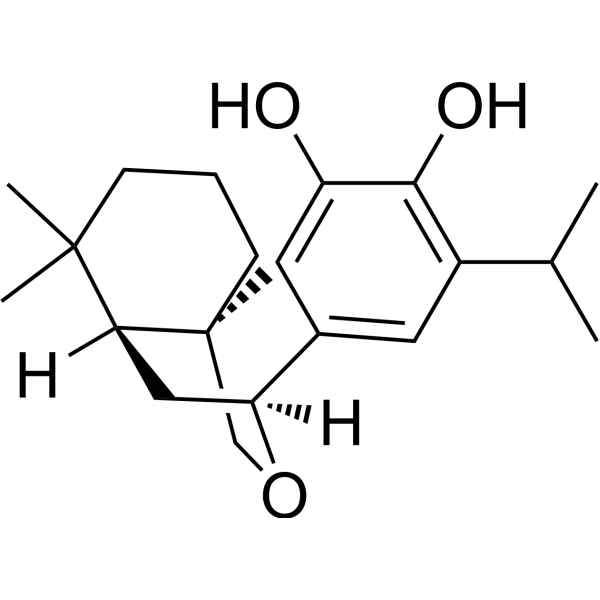
20-Deoxocarnosol (compound 7) is a potent anti-cancer agent that can be found in the roots of Salvia deserta. 20-Deoxocarnosol shows cytotoxicity in cancer cells .
|
-
-
- HY-122860
-
|
|
TOPK
Apoptosis
c-Myc
MDM-2/p53
FAK
Src
Mitosis
|
Cancer
|
|
SKLB-C05 is a novel selective, orally active TOPK inhibitor, with an IC50 of 0.5 nM. SKLB-C05 selectively inhibit TOPK kinase. SKLB-C05 induces Apoptosis, downregulates c-Myc, γ-H2AX, activates p53, blocks FAK/Src medicated migration-related signaling. SKLB-C05 disturbs cell mitosis. SKLB-C05 shows anticancer activity only against TOPK-positive colorectal cancer .
|
-
-
- HY-121377
-
-
-
- HY-125354
-
|
|
Caspase
|
Cancer
|
|
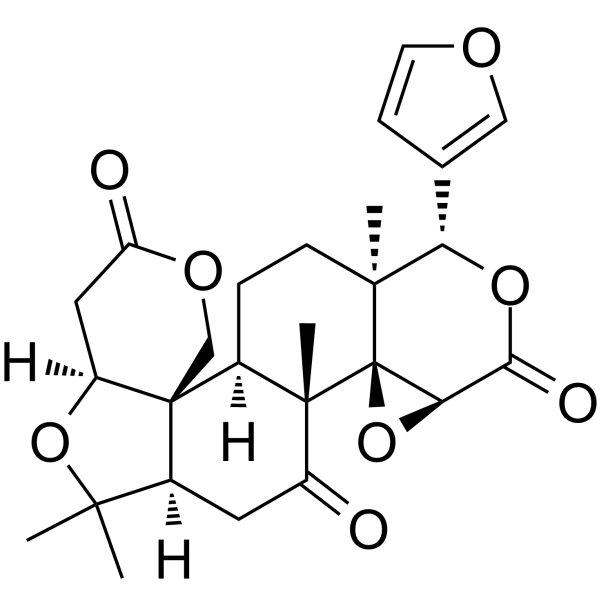
Limonin glucoside can be isolated from seeds of Citrus reticulata. Limonin glucoside induces activation of caspase-3. Limonin glucoside inhibits the proliferation of human colon adenocarcinoma (SW480) cells (IC50: 37.39 μM) .
|
-
-
- HY-179026
-
|
|
Calcium Channel
P-glycoprotein
Apoptosis
Bacterial
|
Infection
Cancer
|
|
HCA-6 is a calcium-channel and P-glycoprotein blocker. HCA-6 can induce cancer cells apoptosis and increase anticancer activity of Cisplatin (HY-17394). HCA-6 also exhibits antibacterial activity against Bacillus subtilis. HCA-6 can be used for the research of cancer and infection, such as breast cancer .
|
-
-
- HY-115970
-
|
|
Microtubule/Tubulin
|
Cancer
|
|
Tubulin inhibitor 21 (compound 6f), a chalcone- and melatonin- based hybrid, is a potent tubulin inhibitor. Tubulin inhibitor 21 induces a remarkable cytotoxic activity toward SW480 cells (IC50=0.26 μM) with lower effect against nonmalignant cells .
|
-
-
- HY-162441
-
|
|
Ras
|
Cancer
|
|
pan-KRAS-IN-8 (Compound 38) is an inhibitor for in human tumor mutated genes KRAS, which inhibits proliferation of KRAS mutated cells AsPC-1 (G12D mutant) and SW480 (G12V mutant) with IC50 of 0.07 and 0.18 nM, respectively .
|
-
- HY-162442
-
|
|
Ras
|
Cancer
|
|
pan-KRAS-IN-9 (Compound 52) is an inhibitor for in human tumor mutated genes KRAS, which inhibits proliferation of KRAS mutated cells AsPC-1 (G12D mutant) and SW480 (G12V mutant) with IC50 of 0.24 and 0.30 nM, respectively .
|
-
- HY-N8387
-
|
|
Ras
|
Cancer
|
|
Neogrifolin is an inhibitor of KRAS. Neogrifolin suppress KRAS expression in human colon cancer cells. Neogrifolin has anti-cell viability activity against HeLa, SW480 and HT29 cells wih IC50s of 24.3, 34.6, and 30.1 μM, respectively .
|
-
- HY-164467
-
|
|
Wnt
|
Cancer
|
|
CCT070535 blocks TCF-dependent transcription at the TCF level, with GI50 values of 17.6 μM, 11.1 μM, 11.8 μM and 13.4 μM in HT29 (APC mutant), HCT116 (oncogenic β-catenin), SW480 (APC mutant) and SNU475 (Axin mutant) cells, respectively .
|
-
- HY-N3210
-
|
|
Others
|
Cancer
|
|
Nb-Demethylechitamine is an alkaloid isolated from the methanol extract of Alstonia rostrata twigs. Nb-Demethylechitamine has in vitro cytotoxic activity against several human cancer cell lines, including human myeloid leukemia HL-60, liver cancer SMMC-7721, lung cancer A-549, breast cancer MCF-7, and colon cancer SW480 cells .
|
-
- HY-173510
-
|
|
CDK
|
Cancer
|
|
CLK2/3-IN-1 (Compound 7c) is an orally active CLK2/3 inhibitor (EC50: 5.07 nM and 30.03 nM, respectively). CLK2/3-IN-1 binds to Lys193 and Lys186 of CLK2/3 via hydrogen bonds. CLK2/3-IN-1 can inhibit the proliferation of SW480 tumor cells (IC50: 163 nM). CLK2/3-IN-1 can be used to study CLK-related tumor diseases .
|
-
- HY-161776
-
|
|
P-glycoprotein
CDK
|
Cancer
|
|
P-gp/CDK2-IN-1 (Compound 4j) is an inhibitor for is inhibitor for P-glycoprotein (P-gp) and for cyclin-dependent kinase-2 (CDK2). P-gp/CDK2-IN-1 inhibits the proliferation of cancer cells SW-480 and MCF-7 wit IC50 of 38.6 μM and 26.6 μM. P-gp/CDK2-IN-1 exhibits antioxidant efficacy with EC50 of 580 μM in DPPH experiment .
|
-
- HY-170877
-
|
|
SHP2
PI3K
Akt
Autophagy
|
Cancer
|
|
SHP2-IN-35 (Compound 3f) is the inhibitor for SHP2. SHP2-IN-35 exhibits antiproliferative activity in cancer cells RKO, SW480 and CT26 with IC50 of 5.72 μM, 3.71 μM and 1.42 μM, respectively. SHP2-IN-35 inhibits the PI3K-Akt signaling pathway, regulates the cell cycle associated gene expressions, and induces mitochondrial-related autophagy. SHP2-IN-35 inhibits the expression of certain cytokines and chemokines in the tumor microenvironment (TME), thereby regulating the tumor progression .
|
-
- HY-173498
-
|
|
Adenosine Receptor
|
Cancer
|
|
AR ligand 40 (compound 19c) is an Adenosine A1 Receptor ligand with antagonist activity. AR ligand 40 exhibits antiproliferative effect on SW480, SW48, HCT116, K562, MDA-MB-231, and A549 cells with EC50s of 7, 10, 12, 13, 15 and 39 μM .
|
-
- HY-178921
-
|
|
Drug Derivative
Apoptosis
|
Cancer
|
HJ-4 is a Piperine (HY-N0144) derivative. HJ-4 potently inhibits the proliferation of CRC cells by dose-dependently reducing colony formation and DNA synthesis. HJ-4 markedly suppresses the adhesion, migration, invasion and induces apoptosis of CRC cells. HJ-4 demonstrates anti-tumor efficacy in chicken embryo chorioallantoic membrane (CAM) model implanted with HCT116/SW480 tumor spheroids. HJ-4 can be used for the study of colorectal cancer (CRC) .
|
-
- HY-161900
-
|
|
Wnt
Apoptosis
|
Cancer
|
|
Apoptosis inducer 22 (QR-5) is an apoptosis inducer with IC50 values of 63.1 and 46.5 μM for colon cancer cell lines SW480 and HT29, respectively. Apoptosis inducer 22 induces apoptosis by inhibiting the Wnt/β-catenin axis in colon cancer cells. Apoptosis inducer 22 can be used in anti-colon cancer research.
|
-
- HY-147504
-
|
|
Apoptosis
Caspase
Bcl-2 Family
|
Cancer
|
|
Anticancer agent 63 (compound 3h) shows active in reducing the viability of different cancer cell lines, including SW480, HeLa, A549 and MCF-7, with IC50 values at 24 h of 4.9, 11.5, 9.4, and 3.4 μM, respectively. Anticancer agent 63 induce apoptosis in MCF-7 cells via down-regulating the expression of Bcl-2 and up-regulating the expression of IL-2 and Caspase-3. Anticancer agent 63 also shows antioxidant activity .
|
-
- HY-173180
-
|
|
Lipoxygenase
Interleukin Related
TNF Receptor
IFNAR
|
Inflammation/Immunology
|
|
5-LOX-IN-8 is a 5-LOX inhibitor with anti-inflammatory activity. 5-LOX-IN-8 suppresses IL-6, IL-1β, TNF-α and IFN-γ in macrophages and reduces IL-8 secretion in SW480 cells. 5-LOX-IN-8 reduces disease activity in a DSS colitis model. 5-LOX-IN-8 can be used for research of inflammatory bowel disease (IBD) .
|
-
- HY-159122
-
|
|
Carbonic Anhydrase
Reactive Oxygen Species (ROS)
Apoptosis
|
Cancer
|
|
CA IX-IN-2 (Compound 9o) is an inhibitor for carbonic anhydrase (CA), that inhibits CA IX, CA XII and CA II with an IC50 of 5.6, 7.4 and 430 nM, respectively. CA IX-IN-2 inhibits the proliferation of cancer cell HCT-116, SW480, MDA-MB 231 and MCF-7, with IC50s of 14.63-29.33 μM. CA IX-IN-2 intercalates DNA, arrests cell cycle at G1/S phase, and induces apoptosis in MDA-MB-231. CA IX-IN-2 affects the mitochondrial membrane potential (MMP), increases the intracellular ROS levels, causes mitochondrial damage, and inhibits the cell migration of MDA-MB-231. CA IX-IN-2 exhibits antitumor efficacy in mouse models .
|
-
- HY-125669
-
|
|
Farnesyl Transferase
|
Cancer
|
|
XR 3054 is an inhibitor for Farnesyl Transferase, that inhibits farnesylation of CAAX recognition peptide with IC50 of 50 μM. XR 3054 suppresses the farnesylation of p21 ras and activation of MAP kinase. XR 3054 inhibits the proliferation of prostate cancer cell and colon cancer cell, with IC50 of 8.8-21.4 μM .
|
-
- HY-162439
-
|
|
Ras
|
Cancer
|
|
pan-KRAS-IN-6 (compound 12) is a potent pan KRAS inhibitor with IC50 values of 9.79 nM (Kras G12D) and 6.03 nM (Kras G12V) .
|
-
- HY-175850
-
|
|
GSK-3
Apoptosis
NF-κB
c-Myc
|
Cancer
|
|
GSK-3β inhibitor 28 is selective and non-competitivea glycogen synthase kinase-3β (GSK-3β) inhibitor with an IC50 of 14.82 nM. GSK-3β inhibitor 28 can upregulate the expression level of phosphorylated GSK-3β and downregulate the expression of p-NF-κB, P65, C-myc and Cyclin D1. GSK-3β inhibitor 28 can induce cells apoptosis, G1 phase arrest and inhibit migration. GSK-3β inhibitor 28 can be used for the research of cancer, such as colorectal cancer .
|
-
- HY-P10596
-
|
|
Bacterial
Fungal
|
Infection
Cancer
|
|
Lasioglossin-III is an antimicrobial peptide that can be isolated from the venom of wild bees. Lasioglossin-III has high antibacterial activity against Gram-positive and Gram-negative bacteria, antifungal activity and antitumor activity. Lasioglossin-III has certain cytotoxicity against three cancer cell lines (HeLa S3, CRC SW 480 and CCRF-CEM T) with IC50 values of 4, 18 and 5 μM, respectively .
|
-
- HY-N16817
-
|
|
NO Synthase
|
Inflammation/Immunology
Cancer
|
|
Rabdoternin E is a potential anti-inflammatory and antitumor agent. 2α-Acetoxy-14,15-cyclopimara-7β,16-diol only inhibits nitric oxide (NO) production in lipopolysaccharide (LPS)-induced RAW264.7 macrophages (IC50=2.3 μM) and exhibits cytotoxicity against human tumor cells such as HL-60 and SW-480 (IC50 values ??of 2.6 μM and 4.1 μM, respectively). Rabdoternin E is an ent-kaurane-type diterpenoid compound that can be naturally extracted from the 70% acetone aqueous extract of the aerial parts of Isodon rosthornii (Diels) Hara (a plant of the Lamiaceae family, Isodon genus) .
|
-
- HY-180537
-
|
|
Apoptosis
|
Cancer
|
|
Apoptosis inducer 57 is a apoptosis inducer and Thymidylate Synthase (TS) inhibitor. Apoptosis inducer 57 exhibits cytotoxic activity against SW480 and MCF-7 cancer cells with IC50 values of 15.7 and 16.5 µM, and induces dose-dependent apoptosis and S-phase cell cycle arrest. Apoptosis inducer 57 stalely binds the TS active site via interactions with Asp218 and Met311. TS-IN-9 can be used for breast cancer and colorectal cancer research .
|
-
- HY-N17603
-
|
Acertannin
|
Keap1-Nrf2
p62
Heme Oxygenase (HO)
|
Cancer
|
|
Ginnalin A (Acertannin) is a Nrf2 activator. Ginnalin A shows antiproliferative activity against HCT116, SW480 and SW620 cells with IC50 values of 24.8, 22.0, and 39.7 μM, respectively. Ginnalin A can induce cancer cells S phase arrest. Ginnalin A can activate the p62-Keap1-Nrf2 signaling pathway, significantly upregulate the mRNA and protein expression of Nrf2, HO-1, and NQO1, and promote the transport of Nrf2 from the cytoplasm to the nucleus. Ginnalin A can be used for the research of colon cancer .
|
-
- HY-117515
-
|
|
Apoptosis
|
Cancer
|
|
YLT205 is an anticancer agent and induces cell apoptosis. YLT205 inhibits tumor growth in vivo and in vitro .
|
-
- HY-143281
-
|
|
Topoisomerase
|
Cancer
|
|
Topoisomerase II inhibitor 5 (Compound E24) is a DNA topoisomerase II inhibitor with anticancer activities .
|
-
- HY-149858
-
|
|
Wnt
|
Cancer
|
|
β-catenin-IN-7 (Compound 9) is a β-catenin inhibitor. β-catenin-IN-7 inhibits the interaction between β-catenin and Tcf-4, and inhibits Wnt-dependent target gene expression. β-catenin-IN-7 has anti-cancer activity .
|
-
- HY-N11572
-
|
|
Others
|
Cancer
|
|
Anticancer agent 96 (Compound 4) is an anticancer agent that shows cytotoxic activities against human cancer cells .
|
-
- HY-B1414R
-
|
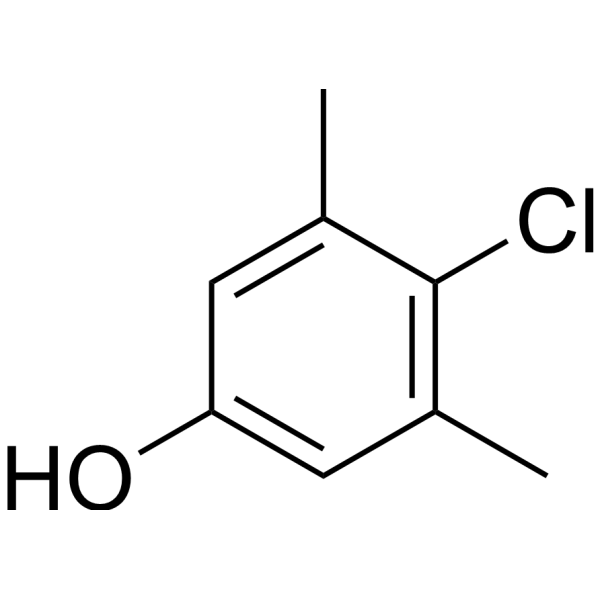
p-Chloro-m-xylenol (Standard); PCMX (Standard)
|
Reference Standards
Bacterial
Influenza Virus
Parasite
|
Infection
|
|
Chloroxylenol (Standard) is the analytical standard of Chloroxylenol. This product is intended for research and analytical applications. Chloroxylenol is a broad-spectrum antibacterial agent that can be used to control bacteria, algae, fungi and viruses .
|
-
- HY-149227
-
-
- HY-159150
-
|
|
HIV
|
Infection
|
|
HIV-1 inhibitor-71 (compound 2a) blocks the transport of endocytosed HIV-1 particles into nuclear envelope invagination (NEIs) that can inhibit productive infection .
|
-
- HY-W042191R
-
|
|
Reference Standards
Fungal
Apoptosis
Caspase
Bcl-2 Family
MDM-2/p53
PARP
|
Infection
Cancer
|
|
Oxychlororaphine (Standard) is the analytical standard of Oxychlororaphine. This product is intended for research and analytical applications. Oxychloroaphine could be isolated from the bacterium Pantoea agglomerans naturally present in soil. Oxychloroaphine has broad-spectrum antifungal activity. Oxychloroaphine has cytotoxicity in a dose-dependent manner and induces apoptosis. Oxychloroaphine can be used in research of cancer[1][2].
|
-
- HY-B1296S1
-
-
- HY-150591
-
|
|
Proteasome
|
Cancer
|
|
20S Proteasome-IN-3 is a 20S proteasome β5 subunit inhibitor (IC50=1.64 μM) . 20S Proteasome-IN-3 shows anti-tumor proliferation activity .
|
-
- HY-114569
-
|
|
Ras
Cyclin G-associated Kinase (GAK)
Autophagy
|
Cancer
|
|
6-CEPN is a RAS inhibitor. 6-CEPN can inhibit RAS activation by binding to Icmt binding sites. 6-CEPN has anticancer activity. 6-CEPN can block cancer cells in the G1 phase. 6-CEPN can induce autophagy and necrosis of Cancer cells (Icmt: isovalerylcysteine carboxymethyltransferase) .
|
-
- HY-173000
-
|
|
Apoptosis
Ferroptosis
STAT
|
Cancer
|
|
STAT3-IN-40 (Compound 8b) is an anti-cancer agent. STAT3-IN-40 can trigger the immune responses of CD4+ and CD8+ T lymphocytes and induce ferroptosis and apoptosis of tumor cells by inhibiting the expression and phosphorylation of STAT3. STAT3-IN-40 can be used in the research of chemoimmunotherapeutic agents for cancer .
|
-
- HY-N6074R
-
|
|
Reference Standards
Autophagy
Apoptosis
|
Inflammation/Immunology
Cancer
|
|
Soyasapogenol B (Standard) is the analytical standard of Soyasapogenol B. This product is intended for research and analytical applications. Soyasapogenol B is a component of soy that has oral activity. Soyasapogenol B promotes autophagy and apoptosis. Soyasapogenol B has anti-inflammatory, antioxidant and antitumor activities .
|
-
- HY-149800
-
|
|
PARP
Apoptosis
Caspase
|
Cancer
|
|
PARP-1-IN-3, a benzamide derivative, is a potent PARP-1 inhibitor with IC50 values of 0.25 nM and 2.34 nM for PARP-1 and PARP-2, respectively. PARP-1-IN-3 induces apoptosis and arrest cell cycle at G2/M phase. PARP-1-IN-3 can be used in research of cancer .
|
-
- HY-160493
-
|
|
Wnt
β-catenin
|
Cancer
|
|
PTK7/β-catenin-IN-6 (Compound 03653) is an inhibitor for PTK7/β-catenin interaction, which inhibits the Wnt signaling pathway, and exhibits an anticancer activity against colorectal cancer (CRC) .
|
-
- HY-N0220R
-
-
- HY-174451
-
|
|
Epigenetic Reader Domain
|
Cancer
|
|
KMT9-IN-2 (Compound 7b) is an active form of a KMT9 inhibitor (Kd of 10 nM). KMT9-IN-2 can be used in the research of colon cancer .
|
-
- HY-174450
-
|
|
Epigenetic Reader Domain
|
Cancer
|
|
KMT9-IN-1 (Compound 8) is a KMT9 inhibitor and the ethyl ester prodrug of compound 7b. KMT9-IN-1 releases the active form 7b via esterases in cells. KMT9-IN-1 targets KMT9 in cells and reduces H4K12me1 levels. KMT9-IN-1 has antitumor activity against colon cancer. KMT9-IN-1 can be used in the research of prostate cancer and hepatocellular carcinoma .
|
-
- HY-133180
-
|
|
Wnt
β-catenin
|
Metabolic Disease
|
|
YW1128 (compound 3a) is a potent Wnt/β-Catenin inhibitor. YW1128 induces the proteasome degradation of β-catenin and subsequent inhibits the Wnt/β-catenin signaling in cells. YW1128 significantly decreases hepatic lipid accumulation. YW1128 improves glucose tolerance of high fat diet-fed mice without noticeable toxicity. YW1128 down regulates the genes involved in the glucose and fatty acid anabolism .
|
-
- HY-136123
-
|
|
Microtubule/Tubulin
|
Cancer
|
|
Tubulin inhibitor 8 (Compound 33b) is a tubulin inhibitor and a potent inhibitor of multiple cancer cell lines. Tubulin inhibitor 8 inhibits tubulin polymerization with an IC50 of 0.73 μM. Tubulin inhibitor 8 inhibits K562 cell growth with an IC50 of 14 nM .
|
-
- HY-136122
-
|
|
Microtubule/Tubulin
|
Cancer
|
|
Tubulin inhibitor 7 (Compound 33c) is a tubulin inhibitor and a potent inhibitor of multiple cancer cell lines. Tubulin inhibitor 7 inhibits tubulin polymerization with an IC50 of 0.52 μM. Tubulin inhibitor 7 inhibits K562 cell growth with an IC50 of 11 nM .
|
-
- HY-143280
-
|
|
Topoisomerase
|
Cancer
|
|
Topoisomerase II inhibitor 4 (compound E17) is a potent Topoisomerase II inhibitor. Topoisomerase II inhibitor 4 triggers G2/M cell cycle arrest and shows anti-tumor activity with strong cytotoxic and anti-proliferative effect .
|
-
- HY-179151
-
|
|
CDK
Reactive Oxygen Species (ROS)
SOD
|
Cancer
|
|
CDK4/6-IN-26 is a carbamate derivative that targets CDK4/CDK6. CDK4/6-IN-26 reduces CDK4/CDK6 levels, resulting in cell cycle arrest in the G0/G1 phase and in the S phase. CDK4/6-IN-26 exhibits high potency against SW480 cells (IC50 = 6.3 μM). CDK4/6-IN-26 affects ROS levels by increasing the expression of SOD2/MnSOD. CDK4/6-IN-26 establishes several interactions with the amino acids of the CDK6 active site. CDK4/6-IN-26 can be used for the research of colorectal cancer .
|
-
- HY-N17246
-
|
|
Others
|
Cancer
|
|
Polysimiaric acid A is a C31 triterpene found in Polyalthia simiarum. Polysimiaric acid A is inactive against cancer cells .
|
-
- HY-N16740
-
-
- HY-175609
-
|
|
Apoptosis
Interleukin Related
|
Cancer
|
|
Apoptosis inducer 42 is an apoptosis inducer. Apoptosis inducer 42 activates late apoptosis and inhibits IL-6 secretion. Apoptosis inducer 42 shows high cytotoxicity towards cancer cells. Apoptosis inducer 42 can be used for cancer research, such as colon cancer .
|
-
- HY-B1296B
-
|
|
Drug Isomer
|
Others
|
|
(R)-Promethazine is the R-enantiomer of Promethazine (HY-B1296). Promethazine is an orally active histamine receptor antagonist. Promethazine is first-generation antihistamine of the phenothiazine family, shows strong sedative and weak antipsychotic effects .
|
-
- HY-B1296R
-
|
(±)-Promethazine (Standard)
|
Histamine Receptor
Reference Standards
|
Neurological Disease
Endocrinology
|
|
Promethazine (Standard) is the analytical standard of Promethazine. This product is intended for research and analytical applications. Promethazine is an orally active histamine receptor antagonist . Promethazine is first-generation antihistamine of the phenothiazine family, shows strong sedative and weak antipsychotic effects .
|
-
- HY-N17752
-
|
|
Others
|
Cancer
|
|
Phaseoloideside C is an oleanane-type triterpenoid saponin. Phaseoloideside C can be isolated from the seeds of *Entada phaseoloides*. Phaseoloideside C exhibits no cytotoxicity against hepatocellular carcinoma cells, esophageal carcinoma cells, cervical carcinoma cells, and colon carcinoma cells .
|
-
- HY-N17244
-
|
|
Others
|
Cancer
|
|
Polysimiaric acid B is a C31 triterpene found in Polyalthia simiarum and shows no activity against tumor cells .
|
-
- HY-N0213R
-
|
Verticinone (Standard); Raddeanine (Standard)
|
Reference Standards
Autophagy
Caspase
Bcl-2 Family
PARP
p38 MAPK
ERK
NF-κB
Apoptosis
|
Inflammation/Immunology
Cancer
|
|
Peiminine (Standard) is the analytical standard of Peiminine. This product is intended for research and analytical applications. Peiminine is a compound that can be isolated from Bolbostemma paniculatum (Maxim) Franquet (Cucurbitaceae family). Peiminine can induce apoptosis in human hepatocellular carcinoma HepG2 cells through both extrinsic and intrinsic apoptotic pathways. Peiminine has anti-inflammatory, anticancer, anti-osteoporosis, cardioprotective and other activities in many animal models .
|
-
- HY-136121
-
|
|
Microtubule/Tubulin
|
Cancer
|
|
Tubulin inhibitor 6 (Compound 14b) is a tubulin inhibitor and a potent inhibitor of multiple cancer cell lines. Tubulin inhibitor 6 inhibits tubulin polymerization with an IC50 of 0.87 μM. Tubulin inhibitor 6 inhibits K562 cell growth with an IC50 of 840 nM .
|
-
- HY-N4006
-
-
- HY-124833
-
-
- HY-P11036
-
|
|
MDM-2/p53
|
Cancer
|
|
p53-hDM2 cyclic peptide inhibitor 16e is a p53-hDM2 cell-permeable peptide inhibitor with an IC50 of 9.24 nM for hDM2. p53-hDM2 cyclic peptide inhibitor 16e can be used for cancers like breast, colorectal and cervical cancers research .
|
-
- HY-100685
-
MS-444
2 Publications Verification
BE-34776
|
HuR
Apoptosis
COX
|
Neurological Disease
Cancer
|
|
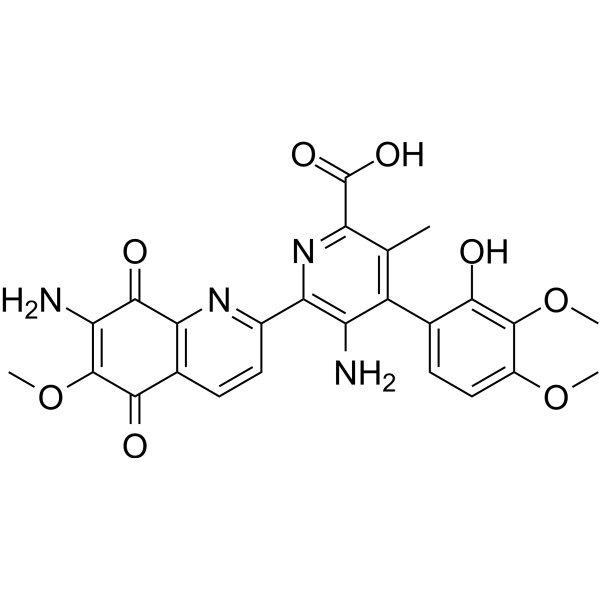
MS-444 (BE-34776) is a HuR (ELAVL1) inhibitor that blocks the cytoplasmic translocation of HuR and inhibits its dimerization. MS-444 reduces cytoplasmic HuR levels by preventing the binding of HuR to ARE-mRNA, without altering the total expression of HuR. MS-444 induces apoptosis, inhibits cell growth, angiogenesis and invasion, and also regulates immune function and microbiota. MS-444 effectively alters the number, size and invasiveness of tumors in various cancer models. MS-444 is tolerable to intraperitoneal injection in vivo and can be applied to research related to colorectal cancer, familial adenomatous polyposis, colitis-associated cancer and glioblastoma .
|
-
- HY-151971
-
|
|
Aurora Kinase
Polo-like Kinase (PLK)
|
Cancer
|
|
Aurora kinase-IN-3 (Compound 15a) is an orally active AURKB inhibitor that elicits an AURKB-suppressive activity by disrupting the mitotic localization of AURKB, rather than inhibiting its phosphorylation of H3 at Ser10 .
|
-
- HY-158345
-
|
|
PROTACs
ATM/ATR
DNA/RNA Synthesis
Apoptosis
|
Cancer
|
|
PROTAC ATM degrader-1 is a ATM PROTAC degrader with a KD value of 1.17 nM. PROTAC ATM degrader-1 triggers DNA damage response, cell cycle arrest, and apoptosis in cancer cells via the ubiquitin-proteasome-dependent degradation pathway. PROTAC ATM degrader-1 can be used for research on colorectal cancer .
|
-
- HY-N18247
-
|
|
Others
|
Cancer
|
|
12-Ethoxynimbolinin F is a nimbolinin-type limonoid found in the fruits of Melia toosendan. 12-Ethoxynimbolinin F shows low cytotoxic activity against cancer cells .
|
-
- HY-122686
-
|
|
Deubiquitinase
|
Cancer
|
|
USP25/28-IN-2 (compound AZ2) is a selectivity dual USP25/USP28 inhibitor with USP28 IC50 values of 0.9 μM, USP28 Ka values of 0.9 μM, and USP25 IC50 values of 0.88 μM. USP25/28-IN-2 modulates USP25 and USP28 activity to affect downstream pathways, modulates c-Myc oncoprotein total levels and half-life, induces apoptosis, reduces cell viability. USP25/28-IN-2 can be used for the research of colorectal carcinoma, colorectal adenocarcinoma .
|
-
- HY-N18290
-
|
|
Others
|
Cancer
|
|
12-Ethoxynimbolinin E is a nimbolinin-type limonoid found in the fruits of Melia toosendan. 12-Ethoxynimbolinin E induces cytotoxic activity against cancer cells. 12-Ethoxynimbolinin E can be used for the research of cancer, such as myeloid leukemia, and lung cancer .
|
-
- HY-182404
-
|
|
Free Fatty Acid Receptor
|
Cancer
|
|
Anticancer agent 316 (Compound 1) is an anticancer agent. Anticancer agent 316 exerts anticancer activity against colorectal cancers expressing GPR120. Anticancer agent 316 can be used in the research of colorectal cancer .
|
-
- HY-163594
-
|
|
Ras
|
Cancer
|
|
K-Ras-IN-58 is a K-RAS inhibitor and shows inhibitory activity against KRASG12D, KRASG12C and KRAS WT. K-Ras-IN-58 inhibits proliferation of cancer cells .
|
-
- HY-N9330
-
|
|
Xanthine Oxidase
|
Cancer
|
|
Broussoflavonol F is a HER2-RAS-MEK-ERK signaling pathway modulator and mushroom tyrosinase inhibitor, with an IC50 of 82.3 μM against mushroom tyrosinase. Broussoflavonol F reduces the protein expression levels of RAS, HER2, phosphorylated BRAF, phosphorylated MEK and phosphorylated Erk. It induces cell apoptosis, triggers G0/G1 phase cell cycle arrest, and exhibits cytotoxicity against colon cancer cells. Broussoflavonol F is applicable to related research on colon cancer .
|
-
- HY-183338
-
|
|
Apoptosis
SphK
|
Cancer
|
|
SphK2-IN-4 is a selective SphK2 inhibitor (IC50=6.2 μM) with extremely low activity against SphK1 (IC50 > 50 μM). SphK2-IN-4 exhibits broad-spectrum antiproliferative activity against colorectal cancer cells and induces apoptosis .
|
-
- HY-N0353R
-
|
(+)-Curdione (Standard)
|
Reference Standards
Ferroptosis
Apoptosis
Reactive Oxygen Species (ROS)
Autophagy
Glutathione Peroxidase
Keap1-Nrf2
Heme Oxygenase (HO)
TGF-β Receptor
Indoleamine 2,3-Dioxygenase (IDO)
|
Others
|
|
Curdione (Standard) is the analytical standard of Curdione. This product is intended for research and analytical applications. Curdione ((+)-Curdione) is an orally active sesquiterpenoid. Curdione inhibits platelet aggregation. Curdione induces ferroptosis in colorectal cancer via m6A methylation mediated by METTL14 and YTHDF2. Curdione inhibits ferroptosis in Isoproterenol (HY-B0468)-induced myocardial infarction by regulating the Keap1/Trx1/GPX4 signaling pathway, suppressing oxidative stress (ROS) and apoptosis. Curdione ameliorates Doxorubicin (HY-15142)-induced cardiotoxicity by inhibiting oxidative stress (ROS) and activating the Nrf2/HO-1 pathway. Curdione ameliorates sepsis-induced lung injury by inhibiting platelet-mediated neutrophil extracellular trap formation. Curdione ameliorates Bleomycin (HY-17565A)-induced pulmonary fibrosis by inhibiting TGF-β-induced fibroblast-to-myofibroblast differentiation. Curdione exhibits neuroprotective effects against focal cerebral ischemia-reperfusion injury in rats. Curdione exerts antiproliferative effects against human uterine leiomyosarcoma by targeting IDO1. Curdione protects vascular endothelial cells and atherosclerosis by regulating DNMT1-mediated ERBB4 promoter methylation. Curdione inhibits inducible prostaglandin E2 production (IC50 = 1.1 μM) and cyclooxygenase 2 expression .
|
-
- HY-N0353
-
|
(+)-Curdione
|
Ferroptosis
Apoptosis
Reactive Oxygen Species (ROS)
Autophagy
Glutathione Peroxidase
Keap1-Nrf2
Heme Oxygenase (HO)
TGF-β Receptor
Indoleamine 2,3-Dioxygenase (IDO)
|
Cardiovascular Disease
Neurological Disease
Cancer
|
|
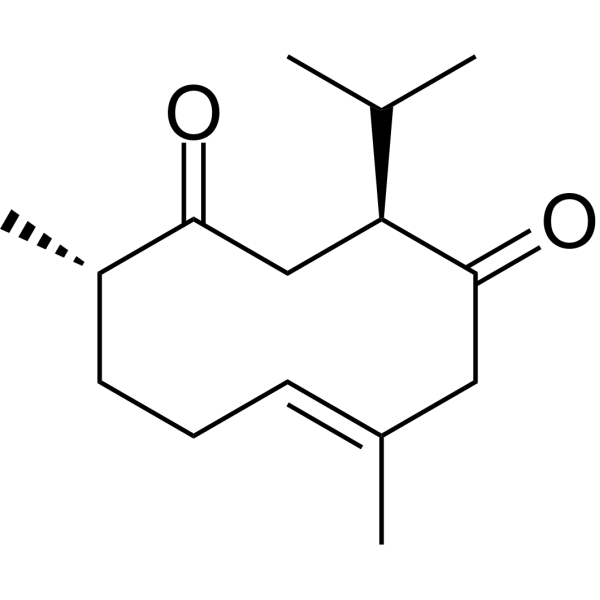
Curdione ((+)-Curdione) is an orally active sesquiterpenoid. Curdione inhibits platelet aggregation. Curdione induces ferroptosis in colorectal cancer via m6A methylation mediated by METTL14 and YTHDF2. Curdione inhibits ferroptosis in Isoproterenol (HY-B0468)-induced myocardial infarction by regulating the Keap1/Trx1/GPX4 signaling pathway, suppressing oxidative stress (ROS) and apoptosis. Curdione ameliorates Doxorubicin (HY-15142)-induced cardiotoxicity by inhibiting oxidative stress (ROS) and activating the Nrf2/HO-1 pathway. Curdione ameliorates sepsis-induced lung injury by inhibiting platelet-mediated neutrophil extracellular trap formation. Curdione ameliorates Bleomycin (HY-17565A)-induced pulmonary fibrosis by inhibiting TGF-β-induced fibroblast-to-myofibroblast differentiation. Curdione exhibits neuroprotective effects against focal cerebral ischemia-reperfusion injury in rats. Curdione exerts antiproliferative effects against human uterine leiomyosarcoma by targeting IDO1. Curdione protects vascular endothelial cells and atherosclerosis by regulating DNMT1-mediated ERBB4 promoter methylation. Curdione inhibits inducible prostaglandin E2 production (IC50 = 1.1 μM) and cyclooxygenase 2 expression .
|
-
- HY-178129
-
|
|
Syk
|
Inflammation/Immunology
|
|
MRL-SYKi is a chemical probe for gain-of-function variants of spleen tyrosine kinase (SYK). MRL-SYKi reduces the catalytic activity of SYK S550Y, SYK S550F and SYK P342T, and downregulates the phosphorylation level of SYK S550Y. MRL-SYKi serves as a template for developing NanoBRET tracers targeting SYK, enabling NanoBRET cellular target engagement assays for gain-of-function variants of SYK. MRL-SYKi is applicable to research related to inflammatory and immune diseases .
|
-
- HY-A0033
-
|
UK-88525
|
mAChR
p38 MAPK
Akt
|
Neurological Disease
Metabolic Disease
Cancer
|
|
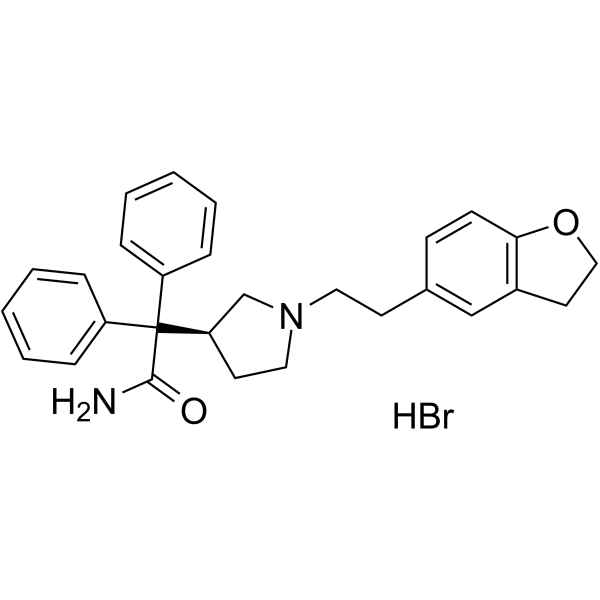
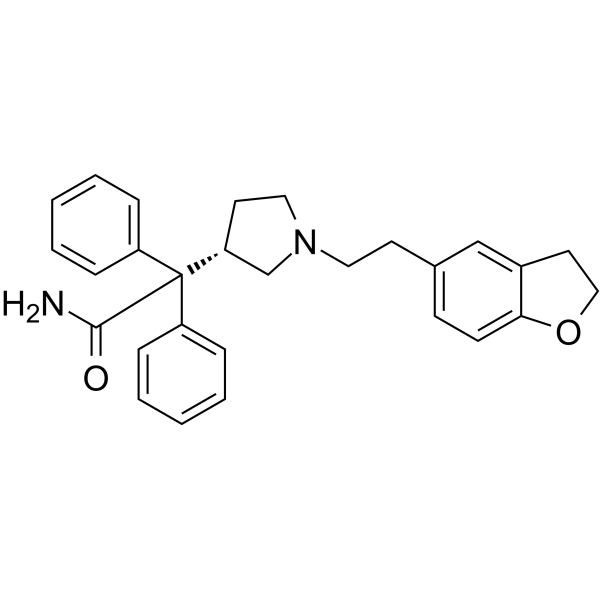
Darifenacin (UK-88525) is a selective and orally active M3 muscarinic receptor (M3R) antagonist with a pKi of 8.9. Darifenacin binds >20-fold more specifically to M3R than to other muscarinic receptors. Darifenacin can be used in the study of urinary incontinence and other symptoms of overactive bladder. Darifenacin inhibits tumor growth in colorectal cancer cells and has anti-tumor effects .
|
-
- HY-182243
-
|
|
Hexokinase
VDAC
Apoptosis
AMPK
Bcl-2 Family
|
Cancer
|
|
HK2-IN-4 is a selective hexokinase 2 (HK2) inhibitor with an IC50 value of 0.79 μM and a Kd value of 0.41 μM. HK2-IN-4 blocks the interaction between HK2 and voltage-dependent anion channel 1 (VDAC1). HK2-IN-4 reduces lactate and ATP levels in cancer cells. HK2-IN-4 induces the production of apoptosis (apoptosis) markers in cancer cells, including increased p-AMPK/AMPK ratio and Bax levels, as well as decreased Bcl2 levels. HK2-IN-4 inhibits the proliferation of cancer cells with high HK2 expression. HK2-IN-4 can be used in research related to colorectal cancer and non-small cell lung cancer .
|
-
- HY-A0012
-
|
UK-88525 hydrobromide
|
mAChR
p38 MAPK
Akt
|
Neurological Disease
Metabolic Disease
Cancer
|
|
Darifenacin (UK-88525) hydrobromide is a selective and orally active M3 muscarinic receptor (M3R) antagonist with a pKi of 8.9. Darifenacin hydrobromide binds >20-fold more specifically to M3R than to other muscarinic receptors. Darifenacin hydrobromide can be used in the study of urinary incontinence and other symptoms of overactive bladder. Darifenacin hydrobromide inhibits tumor growth in colorectal cancer cells and has anti-tumor effects .
|
-
- HY-177742
-
|
|
Molecular Glues
Phosphoglycerate Dehydrogenase (PHGDH)
|
Cancer
|
|
LXH-3-71 is a PHGDH degrader. LXH-3-71 acts as a molecular glue to enhance the interaction of the PHGDH-DDB1-CRL E3 ligase complex, triggering ubiquitination and proteasomal degradation of PHGDH. LXH-3-71 regulates the stemness of colorectal cancer cells and inhibits tumor proliferation and colony formation. LXH-3-71 can be used in the research of colorectal cancer .
|
-
- HY-A0012R
-
|
UK-88525 hydrobromide (Standard)
|
Reference Standards
mAChR
p38 MAPK
Akt
|
Neurological Disease
Metabolic Disease
Cancer
|
|
Darifenacin (hydrobromide) (Standard) is the analytical standard of Darifenacin (hydrobromide). This product is intended for research and analytical applications. Darifenacin (hydrobromide) is a selective and orally active M3 muscarinic receptor (M3R) antagonist with a pKi of 8.9. Darifenacin (hydrobromide) binds >20-fold more specifically to M3R than to other muscarinic receptors. Darifenacin (hydrobromide) can be used in the study of urinary incontinence and other symptoms of overactive bladder. Darifenacin (hydrobromide) inhibits tumor growth in colorectal cancer cells and has anti-tumor effects .
|
-
- HY-170027
-
|
|
HIF/HIF Prolyl-Hydroxylase
AMPK
|
Cancer
|
|
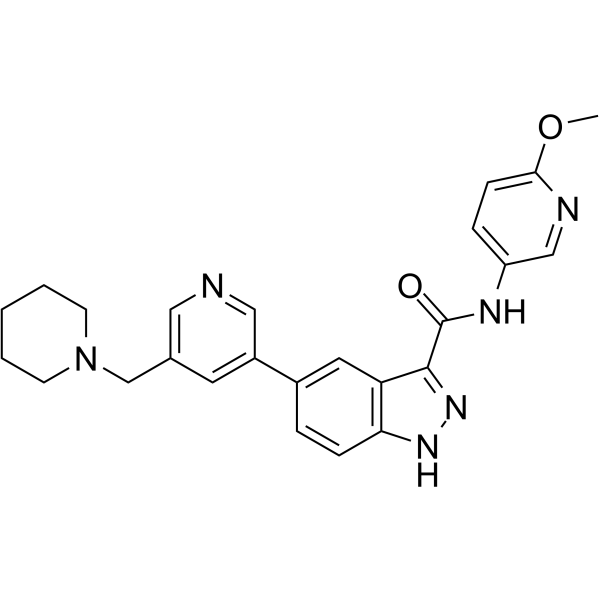
LW1564 is an inhibitor for HIF-1α with an IC50 of 1.2 µM in HepG2. LW1564 inhibits mitochondrial respiration, reduces ATP production, stimulates HIF-1α degradation, and inhibits proliferation of various cancer cells with GI50 of 0.4-4.6 μM. LW1564 activates AMPK signaling pathway and inhibits lipid synthesis. LW1564 exhibits antitumor in HepG2 xenograft mouse model .
|
-
- HY-182016
-
|
|
PROTACs
ATM/ATR
Checkpoint Kinase (Chk)
Apoptosis
DNA/RNA Synthesis
Caspase
Bcl-2 Family
MDM-2/p53
|
Cancer
|
|
PROTAC ATR degrader-3 is a potent CRBN-based ATR PROTAC degrader with a DC50 of 127 nM. PROTAC ATR degrader-3 also degrades CHK1 with an DC50 of 135 nM. PROTAC ATR degrader-3 inhibits cancer cells proliferation, migration and invasion, triggers apoptosis and induces S phase arrest and DNA damage. PROTAC ATR degrader-3 achieves tumor growth inhibition in LoVo xenograft mouse model without apparent toxicity. PROTAC ATR degrader-3 can be used for the research of colorectal cancer .
|
-
- HY-N7183
-
|
|
NF-κB
GSK-3
β-catenin
Wnt
|
Cancer
|
|
9-Hydroxycanthin-6-one is a β-carboline alkaloid. 9-Hydroxycanthin-6-one can be isolated from the roots of E. longifolia. 9-Hydroxycanthin-6-one inhibits TNF-α-induced activation of the NF-κB pathway. 9-Hydroxycanthin-6-one activates GSK3β independently of CK1α, drives phosphorylation and degradation of β-catenin, and inhibits the Wnt signaling pathway. 9-Hydroxycanthin-6-one exerts selective cytotoxicity against Wnt-dependent colon cancer cells. 9-Hydroxycanthin-6-one can be used in studies related to colon cancer .
|
-
- HY-172209
-
|
|
p38 MAPK
Apoptosis
Reactive Oxygen Species (ROS)
Caspase
Bcl-2 Family
|
Cancer
|
|
PPIA-IN-1 is a PPIA inhibitor with a Kd value of 0.52 μM. PPIA-IN-1 inhibits the PPIA/MAPK signaling pathway to exert antiproliferative activity. PPIA-IN-1 induces G0/G1 cell cycle arrest in cancer cells. PPIA-IN-1 upregulates the expression of Bax and caspase-3, downregulates Bcl-2 expression, and induces apoptosis in cancer cells. PPIA-IN-1 induces increased ROS levels, DNA damage, endoplasmic reticulum stress, and mitochondrial dysfunction in cancer cells. PPIA-IN-1 exhibits antitumor activity in a mouse colon cancer xenograft model. PPIA-IN-1 can be used for the research of colorectal cancer .
|
-
- HY-N19818
-
|
|
Phosphatase
NF-κB
Pregnane X Receptor (PXR)
|
Cancer
|
|
Glycybridin C is a Protein tyrosine phosphatase 1B (PTP1B) inhibitor and pregnane X receptor (PXR) ligand. Glycybridin C inhibits insulin and leptin signaling pathway negative regulation, LPS (HY-D1056)-induced NF-κB transcriptional activity. Glycybridin C forms hydrophobic and π-π stacking interactions with Met243, Phe288, Tyr306, and His407 residues of PXR. Glycybridin C can be used for the research of hepatocellular carcinoma, colorectal adenocarcinoma, breast carcinoma .
|
-
- HY-N17821
-
|
|
Sirtuin
Aurora Kinase
Akt
GSK-3
β-catenin
TGF-β Receptor
Apoptosis
Reactive Oxygen Species (ROS)
Wnt
NF-κB
TNF Receptor
Interleukin Related
IKK
|
Neurological Disease
Inflammation/Immunology
Cancer
|
|
Butrin is a compound found in Butea monosperma flowers. Butrin reduces expression of SIRT1, AURKB, cyclin D1, pAKT, GSK-3β, β-catenin, and TGF-3β expression, enhances apoptosis and ROS production in cancer cells. Butrin downregulates Wnt and NF-κB signaling, mitigates oxidative stress, reduces proinflammatory cytokine (TNF-α, IL-6 and IL-8) production and suppresses neuroinflammation. Butrin inhibits IKK enzyme activity. Butrin can be used for the researches of colorectal cancer, Alzheimer’s disease, and rheumatoid arthritis .
|
-
- HY-P11757
-
|
|
EGFR
|
Cancer
|
|
Cyclo[K(N3)larllt] is a seven-membered cyclic peptide targeting EGFR, with a Kd value of 5.09 μM, and exhibits binding selectivity toward homologous proteins HER2 and HER3. Cyclo[K(N3)larllt] has no cytotoxicity and shows no growth inhibitory effect on cancer cells overexpressing EGFR. Cyclo[K(N3)larllt] can serve as a ligand for EGFR-targeted fluorescent conjugates, which is applicable to the detection of cancers with EGFR overexpression. Cyclo[K(N3)larllt] can be used in the research of colorectal cancer .
|
-
- HY-183060
-
|
|
|
Cancer
|
|
Antitumor agent-215 is an antitumor agent. Antitumor agent-215 occupies the binding pocket of thymidylate synthase and interacts with key catalytic residues. Antitumor agent-215 induces cancer cell apoptosis and cell cycle arrest, and inhibits cell proliferation. Antitumor agent-215 can be used in the research of breast cancer and colorectal cancer .
|
-
- HY-N1854
-
|
|
Drug Derivative
Apoptosis
Wnt
|
Cancer
|
|
Pinobanksin 3-acetate is a flavanone and flavonoid ester with antioxidant activity. Pinobanksin 3-acetate is naturally present in Sonoran propolis, honey, medicinal plants, and forestry coproducts of Pinus caribaea. Pinobanksin 3-acetate exerts anti-colorectal cancer activity by modulating proliferation, apoptosis, cell cycle, and Wnt signaling pathways. Pinobanksin 3-acetate can be used for the research of colon cancer .
|
-
- HY-U00447
-
|
|
MDM-2/p53
DNA Alkylator/Crosslinker
|
Cancer
|
|
PK11000 is an alkylating agent, and stabilizes the DNA-binding domain of both WT and mutant p53 proteins by covalent cysteine modification without compromising DNA binding. PK11000 has anti-tumor activities .
|
-
- HY-14543R
-
-
- HY-14543
-
-
| Cat. No. |
Product Name |
Target |
Research Area |
-
- HY-P10596
-
|
|
Bacterial
Fungal
|
Infection
Cancer
|
|
Lasioglossin-III is an antimicrobial peptide that can be isolated from the venom of wild bees. Lasioglossin-III has high antibacterial activity against Gram-positive and Gram-negative bacteria, antifungal activity and antitumor activity. Lasioglossin-III has certain cytotoxicity against three cancer cell lines (HeLa S3, CRC SW 480 and CCRF-CEM T) with IC50 values of 4, 18 and 5 μM, respectively .
|
-
- HY-P11036
-
|
|
MDM-2/p53
|
Cancer
|
|
p53-hDM2 cyclic peptide inhibitor 16e is a p53-hDM2 cell-permeable peptide inhibitor with an IC50 of 9.24 nM for hDM2. p53-hDM2 cyclic peptide inhibitor 16e can be used for cancers like breast, colorectal and cervical cancers research .
|
-
- HY-P11757
-
|
|
EGFR
|
Cancer
|
|
Cyclo[K(N3)larllt] is a seven-membered cyclic peptide targeting EGFR, with a Kd value of 5.09 μM, and exhibits binding selectivity toward homologous proteins HER2 and HER3. Cyclo[K(N3)larllt] has no cytotoxicity and shows no growth inhibitory effect on cancer cells overexpressing EGFR. Cyclo[K(N3)larllt] can serve as a ligand for EGFR-targeted fluorescent conjugates, which is applicable to the detection of cancers with EGFR overexpression. Cyclo[K(N3)larllt] can be used in the research of colorectal cancer .
|
| Cat. No. |
Product Name |
Category |
Target |
Chemical Structure |
-
- HY-17411
-
-
-
- HY-N0220
-
-
-
- HY-124586
-
-
-
- HY-N3387
-
-
-
- HY-N0353
-
-
-
- HY-W042191
-
-
-
- HY-N0766
-
-
-
- HY-N0213
-
-
-
- HY-N9330
-
-
-
- HY-N1854
-
-
-
- HY-N6074
-
-
-
- HY-17411R
-
-
-
- HY-N3940
-
-
-
- HY-133100
-
-
-
- HY-126596
-
|
|
Quinones
Alkanna tinctoria (L.) Tausch
Plants
Naphthalene Quinones
Boraginaceae
Source Classification
|
Apoptosis
|
|
Angelylalkannin is a naphthoquinone compound isolated from the root of Alkanna tinctoria. Angelylalkannin showed significant inhibitory effects in the antiproliferative effect test on human colon cancer cells HCT-116 and SW-480. The median inhibitory concentration (IC50) of Angelylalkannin was 4.76 mM for HCT-116 cells and 7.03 mM for SW-480 cells. Like alkannin, Angelylalkannin can arrest the cell cycle in the G1 phase and induce apoptosis at a concentration of 1-10 mM.
|
-
-
- HY-N4006
-
-
-
- HY-N15742
-
|
|
Monophenols
Microorganisms
Phenols
Source Classification
|
Ferroptosis
Reactive Oxygen Species (ROS)
p38 MAPK
|
|
Talaroconvolutin A is a ferroptosis inducer. Talaroconvolutin A induces ferroptosis by increasing reactive oxygen species (ROS) levels rather than the GPX4 pathway. Talaroconvolutin A downregulates the expression of the channel protein solute carrier family 7 member 11 (SLC7A11) and upregulates arachidonic acid lipoxygenase 3 (ALOXE3). Talaroconvolutin A inhibits the growth of colorectal cancer cells HCT116 and bladder cancer cells SW480 with IC50 values of 1.22 μM and 1.4 μM, respectively. Talaroconvolutin A can be used in the study of colorectal cancer and bladder cancer [1] [2] [3].
|
-
-
- HY-122944
-
-
-
- HY-121377
-
-
-
- HY-N7183
-
|
|
Structural Classification
Alkaloids
Simaroubaceae
Other Alkaloids
Plants
Source Classification
|
NF-κB
GSK-3
β-catenin
Wnt
|
|
9-Hydroxycanthin-6-one is a β-carboline alkaloid. 9-Hydroxycanthin-6-one can be isolated from the roots of E. longifolia. 9-Hydroxycanthin-6-one inhibits TNF-α-induced activation of the NF-κB pathway. 9-Hydroxycanthin-6-one activates GSK3β independently of CK1α, drives phosphorylation and degradation of β-catenin, and inhibits the Wnt signaling pathway. 9-Hydroxycanthin-6-one exerts selective cytotoxicity against Wnt-dependent colon cancer cells. 9-Hydroxycanthin-6-one can be used in studies related to colon cancer .
|
-
-
- HY-N8387
-
-
-
- HY-N3210
-
-
-
- HY-N16817
-
|
|
Structural Classification
Terpenoids
Labiatae
Erythrina arborescensRoxb.
Diterpenoids
Plants
Source Classification
|
NO Synthase
|
|
Rabdoternin E is a potential anti-inflammatory and antitumor agent. 2α-Acetoxy-14,15-cyclopimara-7β,16-diol only inhibits nitric oxide (NO) production in lipopolysaccharide (LPS)-induced RAW264.7 macrophages (IC50=2.3 μM) and exhibits cytotoxicity against human tumor cells such as HL-60 and SW-480 (IC50 values ??of 2.6 μM and 4.1 μM, respectively). Rabdoternin E is an ent-kaurane-type diterpenoid compound that can be naturally extracted from the 70% acetone aqueous extract of the aerial parts of Isodon rosthornii (Diels) Hara (a plant of the Lamiaceae family, Isodon genus) .
|
-
-
- HY-N17603
-
-
-
- HY-N11572
-
-
-
- HY-W042191R
-
-
-
- HY-N6074R
-
-
-
- HY-N0220R
-
-
-
- HY-N0213R
-
-
-
- HY-N0353R
-
|
(+)-Curdione (Standard)
|
Structural Classification
Terpenoids
Sesquiterpenes
Curcuma phaeocaulis Valeton
Plants
Source Classification
Zingiberaceae
|
Reference Standards
Ferroptosis
Apoptosis
Reactive Oxygen Species (ROS)
Autophagy
Glutathione Peroxidase
Keap1-Nrf2
Heme Oxygenase (HO)
TGF-β Receptor
Indoleamine 2,3-Dioxygenase (IDO)
|
|
Curdione (Standard) is the analytical standard of Curdione. This product is intended for research and analytical applications. Curdione ((+)-Curdione) is an orally active sesquiterpenoid. Curdione inhibits platelet aggregation. Curdione induces ferroptosis in colorectal cancer via m6A methylation mediated by METTL14 and YTHDF2. Curdione inhibits ferroptosis in Isoproterenol (HY-B0468)-induced myocardial infarction by regulating the Keap1/Trx1/GPX4 signaling pathway, suppressing oxidative stress (ROS) and apoptosis. Curdione ameliorates Doxorubicin (HY-15142)-induced cardiotoxicity by inhibiting oxidative stress (ROS) and activating the Nrf2/HO-1 pathway. Curdione ameliorates sepsis-induced lung injury by inhibiting platelet-mediated neutrophil extracellular trap formation. Curdione ameliorates Bleomycin (HY-17565A)-induced pulmonary fibrosis by inhibiting TGF-β-induced fibroblast-to-myofibroblast differentiation. Curdione exhibits neuroprotective effects against focal cerebral ischemia-reperfusion injury in rats. Curdione exerts antiproliferative effects against human uterine leiomyosarcoma by targeting IDO1. Curdione protects vascular endothelial cells and atherosclerosis by regulating DNMT1-mediated ERBB4 promoter methylation. Curdione inhibits inducible prostaglandin E2 production (IC50 = 1.1 μM) and cyclooxygenase 2 expression .
|
-
-
- HY-N17246
-
-
-
- HY-N16740
-
-
-
- HY-N17752
-
-
-
- HY-N17244
-
-
-
- HY-N18247
-
-
-
- HY-N18290
-
-
-
- HY-N19818
-
-
-
- HY-N17821
-
|
|
Structural Classification
Flavonoids
Flavones
Leguminosae
Plants
Butea monosperma Kuntze
Source Classification
|
Sirtuin
Aurora Kinase
Akt
GSK-3
β-catenin
TGF-β Receptor
Apoptosis
Reactive Oxygen Species (ROS)
Wnt
NF-κB
TNF Receptor
Interleukin Related
IKK
|
|
Butrin is a compound found in Butea monosperma flowers. Butrin reduces expression of SIRT1, AURKB, cyclin D1, pAKT, GSK-3β, β-catenin, and TGF-3β expression, enhances apoptosis and ROS production in cancer cells. Butrin downregulates Wnt and NF-κB signaling, mitigates oxidative stress, reduces proinflammatory cytokine (TNF-α, IL-6 and IL-8) production and suppresses neuroinflammation. Butrin inhibits IKK enzyme activity. Butrin can be used for the researches of colorectal cancer, Alzheimer’s disease, and rheumatoid arthritis .
|
-
| Cat. No. |
Product Name |
Chemical Structure |
-
- HY-B1296S1
-
|
|
|
Promethazine-d4 is a deuterated-labeled promethazine (HY-B0781). Promethazine is an orally active H1 receptor and mAChR antagonist with antihistamine (H1), sedative, antiemetic, anticholinergic, and anti-motion sickness properties .
|
-
| Cat. No. |
Product Name |
|
Classification |
-
- HY-159150
-
|
|
|
Azide
|
|
HIV-1 inhibitor-71 (compound 2a) blocks the transport of endocytosed HIV-1 particles into nuclear envelope invagination (NEIs) that can inhibit productive infection .
|
-
- HY-P11757
-
|
|
|
Azide
|
|
Cyclo[K(N3)larllt] is a seven-membered cyclic peptide targeting EGFR, with a Kd value of 5.09 μM, and exhibits binding selectivity toward homologous proteins HER2 and HER3. Cyclo[K(N3)larllt] has no cytotoxicity and shows no growth inhibitory effect on cancer cells overexpressing EGFR. Cyclo[K(N3)larllt] can serve as a ligand for EGFR-targeted fluorescent conjugates, which is applicable to the detection of cancers with EGFR overexpression. Cyclo[K(N3)larllt] can be used in the research of colorectal cancer .
|
| Cat. No. |
Product Name |
|
Classification |
-
- HY-160066
-
|
|
|
Aptamers
|
|
SYL3C aptamer sodium is a DNA aptamer that targets epithelial cell adhesion molecule (EpCAM) on the surface of cancer cells. SYL3C aptamer sodium targets a variety of human cancer cell lines including MDA-MB-231, Kato III, HT-29, T47D and SW480. The Kd values of SYL3C aptamer sodium against breast cancer cell line MDA-MB-231 and gastric cancer cell line Kato III are 38 nM and 67 nM, respectively. SYL3C aptamer sodium possesses stability, high binding affinity and selectivity, and can be used for targeted cancer cell imaging and circulating tumor cell detection .
|
Your information is safe with us. * Required Fields.
Inquiry Information
- Product Name:
- Cat. No.:
- Quantity:
- MCE Japan Authorized Agent:

