1. Search Result
Search Result
Results for "

oligomerization

" in MedChemExpress (MCE) Product Catalog:

121

Inhibitors & Agonists

8

Peptides

9

Natural
Products

7

Isotope-Labeled Compounds

1

Click Chemistry

2

Oligonucleotides

Cat. No. Product Name Target Research Areas Chemical Structure
  • HY-129122
    VBIT-4
    15+ Cited Publications

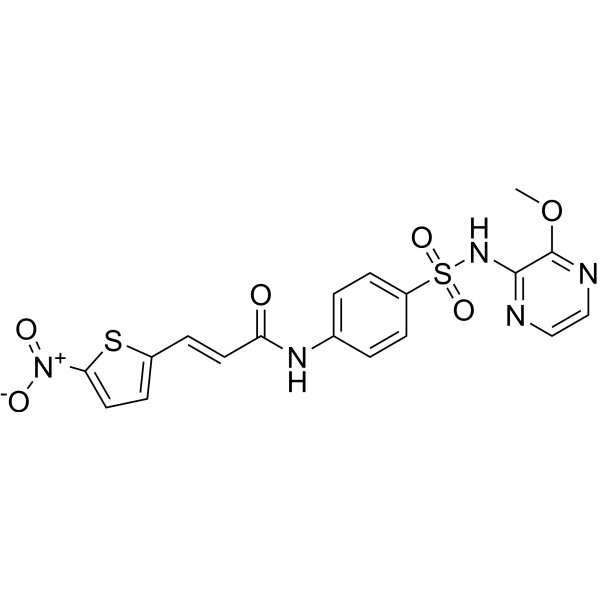
    VDAC Cardiovascular Disease Neurological Disease
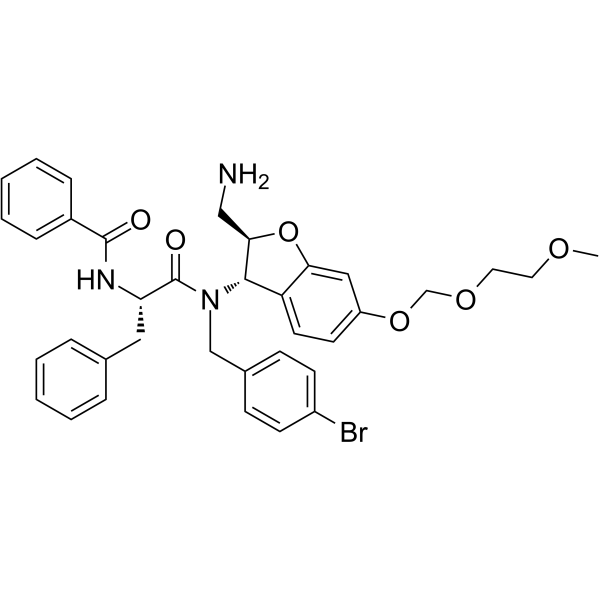
    VBIT-4 is an inhibitor of voltage-dependent anion channel 1 (VDAC1) oligomerization with a binding affinity (Kd) of 17 μM. VBIT-4, as an apoptosis inhibitor, can be used for therapeutic purposes in apoptosis-associated disorders, such as neurodegenerative and cardiovascular diseases .
    VBIT-4
  • HY-17406
    Tolcapone
    3 Publications Verification

    Ro 40-7592

    COMT Amyloid-β Apoptosis Reactive Oxygen Species (ROS) Neurological Disease Cancer
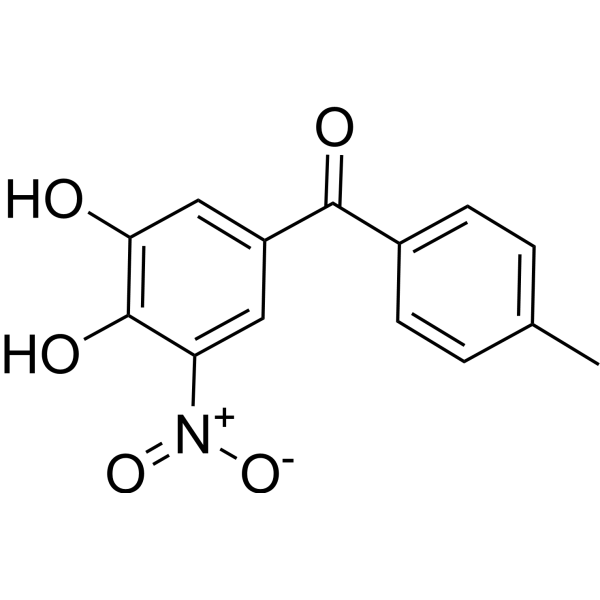
    Tolcapone (Ro 40-7592) is a selective, potent and orally active COMT inhibitor with an IC50of 773 nM. Tolcapone can inhibits α-syn and Aβ42 oligomerization and fibrillogenesis. Tolcapone can cause oxidative stress and induce cancer cells apoptosis and ROS production. Tolcapone can be used for the researches of cancer and neurological disease, such as Parkinson disease and neuroblastoma .
    Tolcapone
  • HY-100432
    LOC14
    4 Publications Verification

    PDI Neurological Disease Inflammation/Immunology
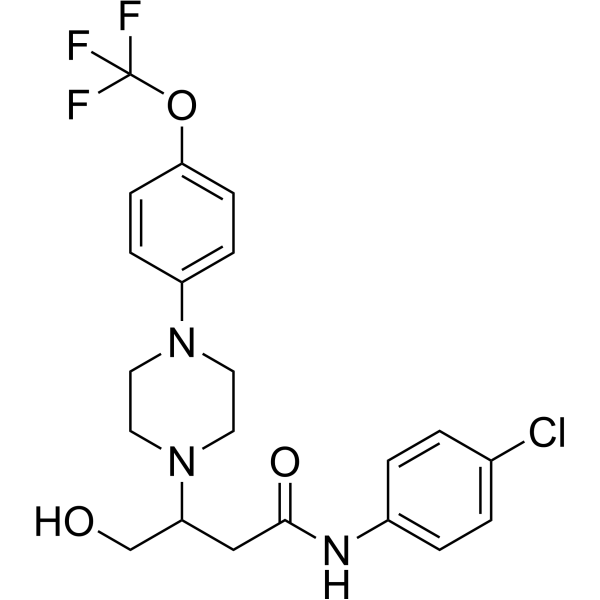
    LOC14 is a potent Protein disulfide isomerase (PDI) inhibitor with EC50 and Kd values of 500 nM and 62 nM, respectively. LOC14 exhibits high stability in mouse liver microsomes and blood plasma, low intrinsic microsome clearance, and low plasma-protein binding . LOC14 inhibits PDIA3 activity, decreases intramolecular disulfide bonds and subsequent oligomerization (maturation) of HA in lung epithelial cells .
    LOC14
  • HY-144226
    NLRP3/AIM2-IN-3
    5+ Cited Publications

    NOD-like Receptor (NLR) AIM2 Pyroptosis Inflammation/Immunology
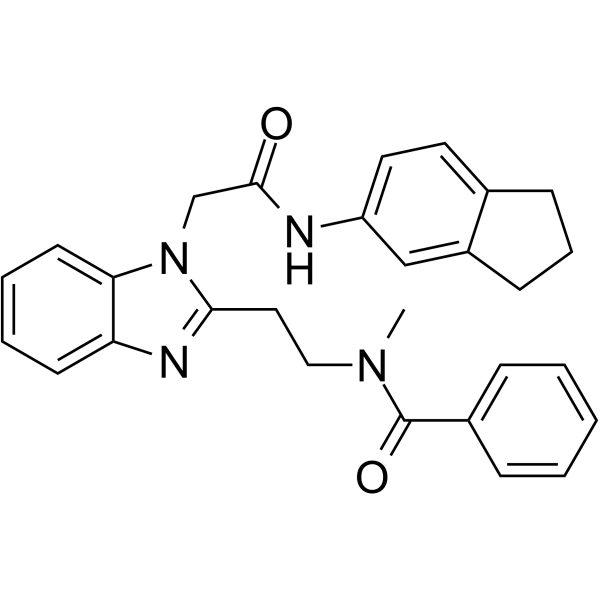
    NLRP3/AIM2-IN-3 (compound 59) is a potent inhibitor with differential species specific effects against NLRP3 and AIM2 inflammasome-dependent pyroptosis. NLRP3/AIM2-IN-3 shows inhibitory efficacy against pyroptosis in THP-1 macrophages stimulated with LPS/nigericin, with an IC50 of 0.077 ± 0.008 μM. NLRP3/AIM2-IN-3 disturbs the interaction of NLRP3 or AIM2 with the adaptor protein ASC and inhibited ASC oligomerization .
    NLRP3/AIM2-IN-3
  • HY-121252

    α-synuclein Apoptosis Drug Metabolite Neurological Disease
    Dopal is a metabolite and aldehyde neurotoxin of Dopamine (HY-B0451). Dopal exhibits cytotoxicity, induces α-synuclein oligomerization and aggregation, and is closely associated with the pathogenesis of Parkinson's disease. Dopal can be used in research related to Parkinson's disease .
    Dopal
  • HY-136555
    GSK717
    5+ Cited Publications

    NOD-like Receptor (NLR) Inflammation/Immunology
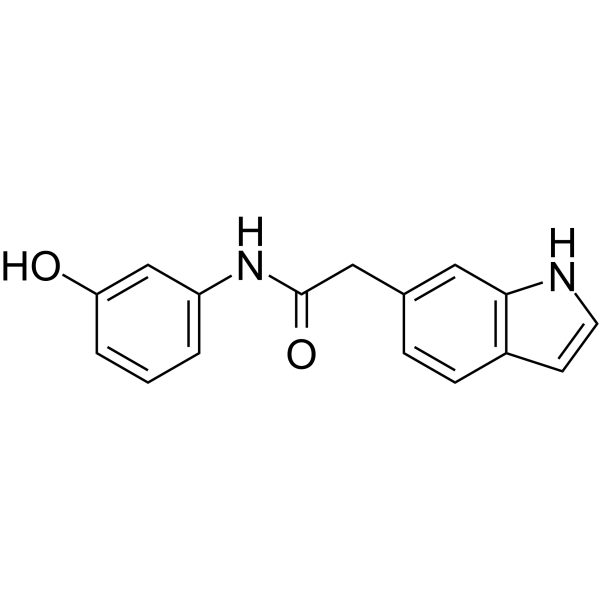
    GSK717 is a potent, selective NOD2 (nucleotide-binding oligomerization domain 2) inhibitor. GSK717 inhibits muramyl dipeptide (MDP)-induced NOD2-mediated signaling, with an IC50 of 400 nM for MDP-stimulated IL-8 secretion in HEK293/hNOD2 cells .
    GSK717
  • HY-135885
    VBIT-12
    5+ Cited Publications

    VDAC Neurological Disease
    VBIT-12 is a potent VDAC1 inhibitor. VBIT-12 directly interacts with VDAC1 and prevents VDAC1 oligomerization, and thus inhibits apoptotic action of VDAC1 .
    VBIT-12
  • HY-W746708

    NOD-like Receptor (NLR) Inflammation/Immunology
    FK-565 is a nucleotide oligomerization domain-1 (NOD1) ligand. FK-565 induces murine model with arteritis .
    FK-565
  • HY-100691
    NOD-IN-1
    5+ Cited Publications

    NOD-like Receptor (NLR) Inflammation/Immunology
    NOD-IN-1 is a potent mixed inhibitor of nucleotide-binding oligomerization domain (NOD)-like receptors, NOD1 and NOD2, with IC50 of 5.74 μM and 6.45 μM, respectively.
    NOD-IN-1
  • HY-156798
    ADS032
    3 Publications Verification

    NOD-like Receptor (NLR) Interleukin Related Inflammation/Immunology
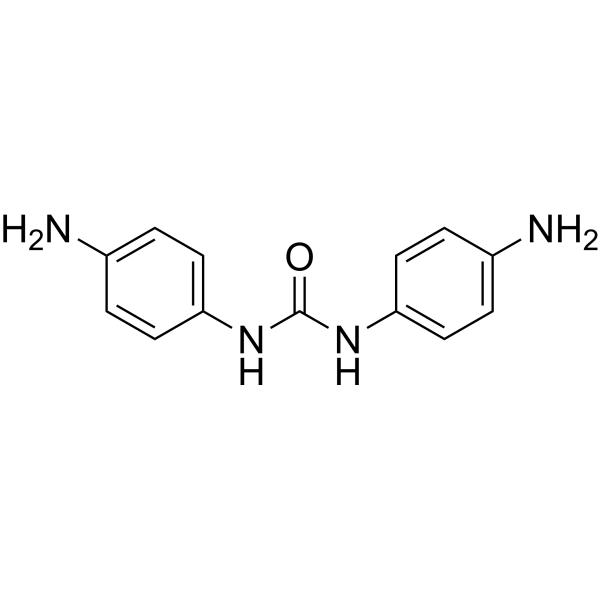
    ADS032 is a sulfonylurea compound that is an NLRP1 and NLRP3 inflammasome inhibitor. ADS032 reduces the secretion of inflammatory factors and inhibits the oligomerization of ASC. ADS032 has anti-inflammatory effects in a variety of inflammatory models and can be used in the study of inflammatory diseases .
    ADS032
  • HY-W143216

    Monomethylthionine

    Amyloid-β Tau Protein Neurological Disease
    Azure C acts as a tau oligomer modulator and Aβ42 oligomerization inhibitor. It regulates hsp70 ATPase activity, thereby mediating the clearance of tau protein. Azure C reduces the levels of toxic tau oligomers by promoting the formation of non-toxic tau aggregates, rescues neuroblastoma cells from tau oligomer-induced toxicity, and binds to and inhibits Aβ42 oligomerization without suppressing its fibrillization. Azure C is generated via sequential oxidation of methylene blue or Azure B through a horseradish peroxidase-mediated reaction, and accumulates in HRP reaction media. Azure C can be used in studies related to tauopathies, including Alzheimer's disease .
    Azure C
  • HY-108937
    NSC 15364
    5+ Cited Publications

    VDAC Apoptosis Cardiovascular Disease Neurological Disease
    NSC 15364 is an inhibitor of VDAC1 oligomerization and apoptosis .
    NSC 15364
  • HY-118948
    MSN-50
    1 Publications Verification

    Bcl-2 Family Neurological Disease
    MSN-50 is a Bax and Bak oligomerization inhibitor. MSN-50 efficiently inhibits liposome permeabilization, prevents genotoxic cell death and promotes neuroprotection .
    MSN-50
  • HY-18937
    WEHI-345
    3 Publications Verification

    RIP kinase Cancer
    WEHI-345 is a potent and selective RIPK2 kinase inhibitor with an IC50 of 0.13 μM, which delays RIPK2 ubiquitylation and NF-κB activation on oligomerization domain (NOD) stimulation .
    WEHI-345
  • HY-150147
    CAM833
    1 Publications Verification

    RAD51 Apoptosis Cancer
    CAM833 is a potent orthosteric inhibitor of the interaction between BRCA2 and RAD51 with a Kd of 366 nM against the ChimRAD51 protein. CAM833 also inhibits RAD51 oligomerization. CAM833 increases the progression of G2/M-arrested cells into apoptosis .
    CAM833
  • HY-B0914

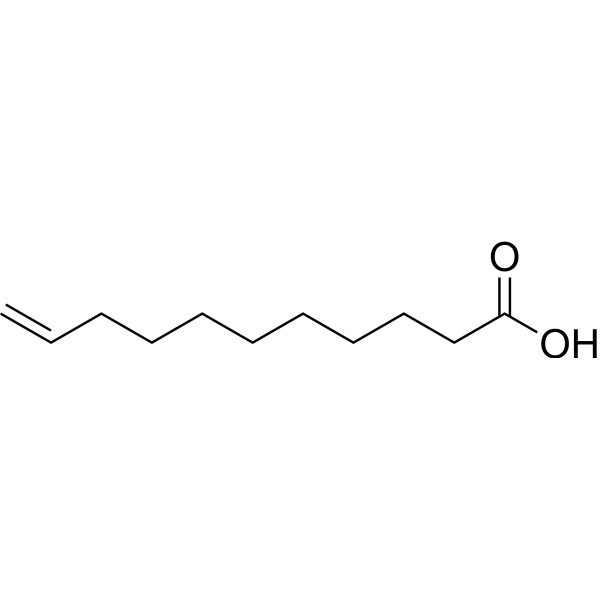
    Undecylenic acid

    Environmental Pollutants Bacterial Fungal Proteasome Amyloid-β Reactive Oxygen Species (ROS) Infection Neurological Disease Endocrinology Cancer
    10-Undecenoic acid (Undecylenic acid) is an antifungal agent. 10-Undecenoic acid inhibits oligomerization, scavenges ROS and inhibits μ-calpain activity. 10-Undecenoic acid has neuroprotective effects. 10-Undecenoic acid has anticancer effects on a variety of tumors. 10-Undecenoic acid inhibits C. albicans biofilm formation and MRSA infection. 10-Undecenoic acid inhibits quorum sensing signals of Bacillus subtilis and Pseudomonas aeruginosa .
    10-Undecenoic acid,98% (stabilized with TBC)
  • HY-145580

    UCB0599; (R)-NPT200-11

    α-synuclein Neurological Disease
    Minzasolmin (UCB0599; (R)-NPT200-11) is an orally active, blood-brain-permeable α-synuclein (α-Syn) inhibitor that selectively binds to α-Syn misfolded intermediates (such as oligomers) and inhibits aggregation and fibril formation by regulating their conformational stability. Minzasolmin can reduce the generation of pathological oligomers and block neurotoxic signaling, thereby reducing the abnormal accumulation of α-Syn in the brain. Minzasolmin significantly improved motor deficits, reduced neuroinflammatory markers, and α-Syn-related pathological deposition in transgenic mouse models .
    Minzasolmin
  • HY-122671

    Anion Exchangers Neurological Disease
    OB-1 is a stomatin-like protein-3 (STOML3) oligomerization blocker. OB-1 is an effective inhibitor of the self-association of Stomatin, STOML1 and STOML2, but not podocin .
    OB-1
  • HY-157214
    NVS-STG2
    1 Publications Verification

    STING Molecular Glues Cancer
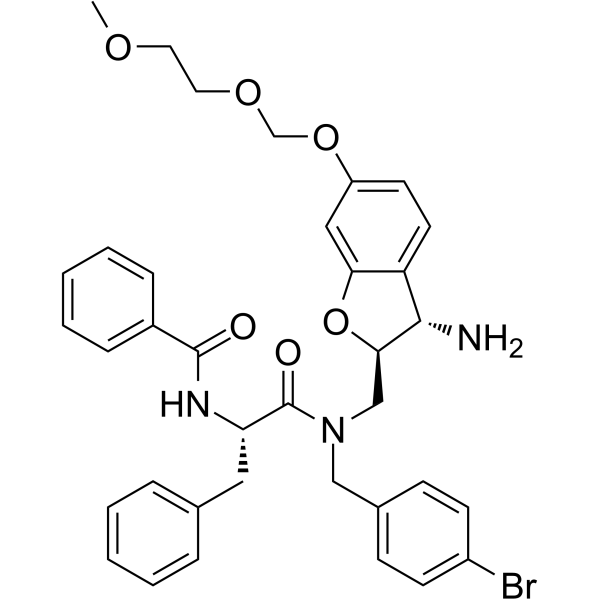
    NVS-STG2 is a molecular glue that targets STINGoligomerization of human STING by binding to pockets between adjacent STING dimer transmembrane domains, effectively acting as a molecular glue. NVS-STGI enhances the activity of cGAMP by inducing the formation of more abundant and larger oligomers. NVS-STG2 produces antitumor activity in animal models .
    NVS-STG2
  • HY-B0914A
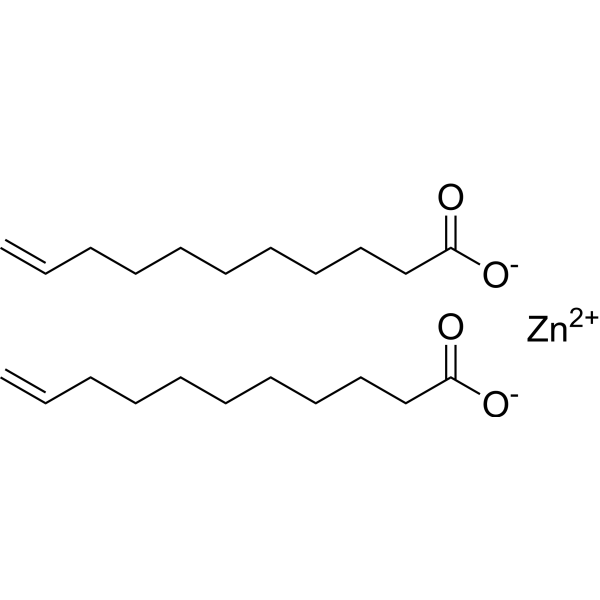
    10-Undecenoic acid zinc salt
    2 Publications Verification

    Zinc undecylenate

    Fungal Bacterial Amyloid-β Reactive Oxygen Species (ROS) Proteasome Infection Neurological Disease Endocrinology Cancer
    10-Undecenoic acid zinc salt (Undecylenic acid zinc salt) is an antifungal agent. 10-Undecenoic acid zinc salt inhibits oligomerization, scavenges ROS and inhibits μ-calpain activity. 10-Undecenoic acid zinc salt has neuroprotective effects. 10-Undecenoic acid zinc salt has anticancer effects on a variety of tumors. 10-Undecenoic acid zinc salt inhibits C. albicans biofilm formation and MRSA infection. 10-Undecenoic acid zinc salt inhibits quorum sensing signals of Bacillus subtilis and Pseudomonas aeruginosa .
    10-Undecenoic acid zinc salt
  • HY-161296

    Bacterial HIV Infection
    TH6342 is a SAMHD1 modulator that binds to pretetrameric SAMHD1 and prevents its oligomerization and allosteric activation. SAMHD1 is a dNTP triphosphohydrolase and an HIV-1 restriction factor. SAMHD1 can limit the replication of retroviruses and DNA viruses and has antiviral effects. The inhibitory mechanism of TH6342 does not occupy the SAMHD1 nucleotide-binding pocket, gently binds the target, and functions as a chemical probe .
    TH6342
  • HY-136735

    IRE1 Neurological Disease Cancer
    IRE1α kinase-IN-1 is a highly selective IRE1α (ERN1) inhibitor, with an IC50 of 77 nM. IRE1α kinase-IN-1 displays 100-fold selectivity for IRE1α over the IRE1β isoform. IRE1α kinase-IN-1 inhibits ER stress-induced IRE1α oligomerization and autophosphorylation, and also inhibits IRE1α RNase activity (IC50=80 nM) .
    IRE1α kinase-IN-1
  • HY-18633

    Apoptosis Cancer
    MDK83190 is a potent apoptosis activator, induces Apaf-1 oligomerization, increases procaspase-9 processing and subsequent caspase-3 activation in a cyto c-dependent Manner .
    MDK83190
  • HY-18509
    IRE1α kinase-IN-2
    1 Publications Verification

    IRE1 Cancer
    IRE1α kinase-IN-2 is a potent IRE1α kinase inhibitor, with an EC50 of 0.82 μM. IRE1α kinase-IN-2 inhibits IRE1α kinase autophosphorylation (IC50=3.12 μM). IRE1α kinase-IN-2 inhibits XBP1 mRNA splicing in the WT cell lines .
    IRE1α kinase-IN-2
  • HY-123572

    AG1717

    Dynamin HIV Integrase Infection Metabolic Disease Inflammation/Immunology
    Bis-T-23 (AG1717), tyrphostin derivative, is an HIV-I integrase inhibitor. Bis-T-23 can promote actin-dependent dynamin oligomerization. Bis-T-23 can be used for the research of HIV and chronic kidney diseases (CKD) .
    Bis-T-23
  • HY-161743

    AUTOTACs Autophagy Neurological Disease Cancer
    PBA-1105 is an autophagy-targeting chimera (AUTOTAC) that induces p62 self-oligomerization. PBA-1105 selectively binds to exposed hydrophobic regions of misfolded proteins, facilitating their degradation via the autophagic pathway. PBA-1105 increases the autophagic flux of Ub-conjugated aggregates .
    PBA-1105
  • HY-103349
    PETCM
    1 Publications Verification

    Caspase Apoptosis Cancer
    PETCM is an activator of caspase-3 and acts as an cytochrome c (cyto c)-dependent manner. PETCM promotes Apaf-1 oligomerization and induces cell apoptosis in HeLa cells .
    PETCM
  • HY-163358
    SLC3037
    1 Publications Verification

    NOD-like Receptor (NLR) NEKs Cardiovascular Disease Neurological Disease Inflammation/Immunology
    SLC3037 is a NLRP3 inhibitor which blocks NLRP3 from binding to NEK7 or oligomerization, inhibiting inflammasome caused by MSU and other inflammasome activators. SLC3037 can be used for research of gout, cardiovascular diseases, metabolic syndrome or neurodegenerative diseases .
    SLC3037
  • HY-W106411

    Dithio-bis-maleimidoethane

    Biochemical Assay Reagents Others
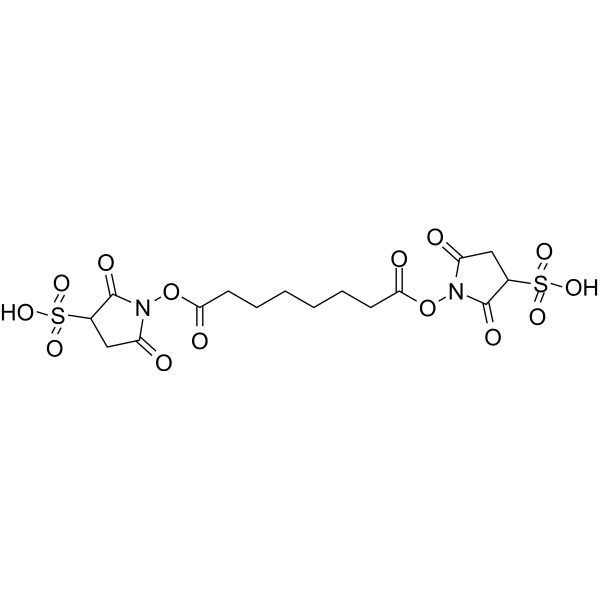
    DTME (dithio-bis-maleimidoethane) is a homobifunctional, maleimide crosslinker specifically designed for conjugation between sulfhydryl groups (-SH). DTME, whose molecular structure consists of two maleimide groups connected by an ethylene disulfide bridge, can specifically react with thiol - containing molecules (such as cysteine residues) to form stable covalent bonds. DTME allows crosslinks that can be cleaved with reducing agents such as DTT (HY-15917). DTME is commonly utilized to explore and characterize protein structure, particularly oligomerization, or protein interactions .
    DTME
  • HY-156374

    NOD-like Receptor (NLR) Pyroptosis Inflammation/Immunology
    D359-0396 is an orally active NLRP3 inflammasome inhibitor. D359-0396 inhibits pyroptosis and IL-1β release in macrophages. D359-0396 also inhibits the oligomerization of NLRP3, ASC and the cleavage of GSDMD. D359-0396 alleviates EAE, and also improves survival after septic shock in mice .
    D359-0396
  • HY-149604
    NLRP3-IN-21
    1 Publications Verification

    NOD-like Receptor (NLR) Inflammation/Immunology
    NLRP3-IN-21 (compound L38) is a NLRP3 inflammasome inhibitor with inflammatory properties. NLRP3-IN-21 inhibits NLRP3 inflammasome activation and pyroptosis by suppressing gasdermin D cleavage, ASC oligomerization, and NLRP3 inflammasome assembly .
    NLRP3-IN-21
  • HY-111217

    VDAC Mitochondrial Metabolism Neurological Disease Cancer
    AKOS-22 is a potent mitochondrial protein VDAC1 (voltage-dependent anion channel 1) inhibitor (Kd=15.4 μM). AKOS-22 interacts with VDAC1 and inhibiting both VDAC1 oligomerization and apoptosis. AKOS-22 protects against mitochondrial dysfunction .
    AKOS-22
  • HY-120079
    MSN-125
    4 Publications Verification

    Bcl-2 Family Apoptosis Cancer
    MSN-125 is a potent Bax and Bak oligomerization inhibitor. MSN-125 prevents mitochondrial outer membrane permeabilization (MOMP) with an IC50 of 4 μM. MSN-125 potently inhibits Bax/Bak-mediated apoptosis in HCT-116, BMK Cells, and primary cortical neurons, protects primary neurons against glutamate excitotoxicity .
    MSN-125
  • HY-U00460
    3,6-DMAD hydrochloride
    1 Publications Verification

    IRE1 Cancer
    3,6-DMAD hydrochloride, an acridine derivative, is a potent IRE1α-XBP1s pathway inhibitor. 3,6-DMAD hydrochloride promotes IL-6 secretion via the IRE1α-XBP1s pathway. 3,6-DMAD hydrochloride inhibits IRE1α oligomerization and endoribonuclease (RNase) activity. 3,6-DMAD hydrochloride can be used for research of cancer .
    3,6-DMAD hydrochloride
  • HY-145580A

    (S)-UCB0599; (S)-NPT200-11

    α-synuclein Neurological Disease
    (S)-Minzasolmin is an isomer of minzasolmin (HY-145580), an inhibitor of α-synuclein oligomerization .
    (S)-Minzasolmin
  • HY-158405

    SARS-CoV Infection
    PAV-104 inhibits SARS-CoV-2 replication, with the MOI of 0.01. PAV-104 can interact with SARS-CoV-2 nucleocapsid (N) and interfered with its oligomerization, blocking particle assembly .
    PAV-104
  • HY-W688687

    Autophagy p62 Atg8/LC3 Others
    XIE62-1004-A is an inducer of p62-LC3 interaction. XIE62-1004-A can bind to the ZZ-domain of p62, inducing p62 oligomerization and activating p62-dependent autophagy .
    XIE62-1004-A
  • HY-156119

    Mixed Lineage Kinase Necroptosis Metabolic Disease Cancer
    MLKL-IN-6 (compound P28) is a mixed lineage kinase inhibitor targeting Mixed Lineage Kinase domain-like (MLKL). MLKL-IN-6 inhibits cell necrosis. MLKL-IN-6 inhibits MLKL phosphorylation and oligomerization during cell necrosis, inhibits immune cell death, and reduces the expression of adhesion factors. MLKL-IN-6 has low cytotoxicity, and it inhibits hepatic stellate cell activation, reduces liver fibrosis marker levels, and has anti-fibrotic effects .
    MLKL-IN-6
  • HY-146034

    NOD-like Receptor (NLR) Inflammation/Immunology Cancer
    NOD1/2 antagonist-1 (compound 36b) is a potent NOD1/2 (nucleotide-binding oligomerization domain-like receptor 1/2) dual antagonist, with IC50 values of 1.13 (NOD1) and 0.77 μM (NOD2), respectively. NOD1/2 antagonist-1 has a acceptable T1/2 (67.6 min). NOD1/2 antagonist-1 (compound 36b) can improve the antitumor efficacy of Paclitaxel (PTX) .
    NOD1/2 antagonist-1
  • HY-161745

    AUTOTACs p62 Autophagy Cancer
    PBA-1105b is an autophagy-targeting chimera (AUTOTAC) that induces p62 self-oligomerization. PBA-1105b increases the autophagic flux of Ub-conjugated aggregates. PBA-1105b is a drastically longer PEG-based linker than PBA-1105 .
    PBA-1105b
  • HY-161242A

    Bcl-2 Family Cancer
    CBI1 formic is a covalent BAX inhibitor. CBI1 formic selectively derivatizes BAX at C126 and inhibits BAX activation by triggering ligands or point mutagenesis. CBI1 formic blocks t-2-hex lipidation and oligomerization of BAX. CBI1 formic inhibits BAX activation induced by BH3 ligands, F116A mutagenesis or t-2-hex .
    CBI1 formic
  • HY-149393

    Mixed Lineage Kinase RIP kinase Cancer
    RIPK3-IN-3 (compound 20) is a selective inhibitor of RIP kinase RIPK3 (IC50=10 nM). RIPK3 mediates the phosphorylation of Mixed Lineage Kinase (MLKL) and causes necroptosis, while RIPK3-IN-3 inhibits p-MLKL oligomerization and thereby inhibits necroptosis. RIPK3-IN-3 also downregulates CXCL5 secretion and inhibits AsPC-1 cell migration and invasion .
    RIPK3-IN-3
  • HY-178049

    STING IFNAR Interleukin Related Neurological Disease Inflammation/Immunology
    UM-259 is a STING inhibitor, with an EC50 of 1.50 μM in THP1-Dual cells expressing wild-type STING. UM-259 blocks STING oligomerization and inhibits diABZI-induced phosphorylation of TBK1 and IRF3, thereby suppressing the transcription of IFNβ and IL6 and reducing IFNβ secretion. UM-259 can be used for the study of STING-dependent inflammatory and neurological diseases .
    UM-259
  • HY-161740

    AUTOTACs Estrogen Receptor/ERR Autophagy Cancer
    PHTPP-1304 is a PHTPP-based autophagy targeting chimera (AUTOTAC). PHTPP-1304 induces the degradation of estrogen receptor ERβ through the autophagy pathway, rather than ubiquitination (DC50 ≈ 2 nM, in HEK293T cells; < 100 nM in ACHN renal carcinoma and MCF-7 breast cancer cells). PHTPP-1304 can induce the self-oligomerization of p62. PHTPP-1304 can be used to study various cancers mediated by ERβ .
    PHTPP-1304
  • HY-174136

    STING IFNAR Inflammation/Immunology
    STING Degrader-2 is an orally active STING degrader that promotes proteasome-independent degradation of STING. STING Degrader-2 inhibits cGAMP-induced STING activation, suppresses STING oligomerization, and inhibits phosphorylation of STING and interferon regulatory factor 3 (IRF3). STING Degrader-2 reduces serum IFN-β and CXCL-10 levels in a cGAMP-induced autoimmune disease mouse model. STING Degrader-2 can be used for the research of autoimmune diseases .
    STING Degrader-2
  • HY-17406S1

    Ro 40-7592-d4

    Isotope-Labeled Compounds COMT Amyloid-β Apoptosis Reactive Oxygen Species (ROS) Neurological Disease Cancer
    Tolcapone-d4 (Ro 40-7592-d4) is the deuterium labeled Tolcapone (HY-17406). Tolcapone (Ro 40-7592) is a selective, potent and orally active COMT inhibitor with an IC50of 773 nM. Tolcapone can inhibits α-syn and Aβ42 oligomerization and fibrillogenesis. Tolcapone can cause oxidative stress and induce cancer cells apoptosis and ROS production. Tolcapone can be used for the researches of cancer and neurological disease, such as Parkinson disease and neuroblastoma .
    Tolcapone-d4
  • HY-100112

    RIP kinase Others
    WEHI-345 analog is the analog of WEHI-345. WEHI-345 is a potent and selective RIPK2 kinase inhibitor with an IC50 of 0.13 μM, which delays RIPK2 ubiquitylation and NF-κB activation on oligomerization domain (NOD) stimulation .
    WEHI-345 analog
  • HY-121252A

    α-synuclein Apoptosis Drug Metabolite Neurological Disease
    Dopal (purity>80%) is a metabolite and aldehyde neurotoxin of Dopamine (HY-B0451). Dopal (purity>80%) exhibits cytotoxicity, induces α-synuclein oligomerization and aggregation, and is closely associated with the pathogenesis of Parkinson's disease. Dopal (purity>80%) can be used in research related to Parkinson's disease .
    Dopal (purity>80%)
  • HY-176212

    Ferroptosis VDAC Reactive Oxygen Species (ROS) Inflammation/Immunology
    Ferroptosis-IN-20 (Compound 34a) is a Ferroptosis inhibitor (EC50: 24.2 nM) targeting voltage-dependent anion channel (VDAC). Ferroptosis-IN-20 inhibits VDAC oligomerization and lipid peroxidation. Ferroptosis-IN-20 reduces content of ROS, attenuates TFR1-mediated iron uptake, inhibits Fe 2+ level and restores glutathione (GSH) level. Ferroptosis-IN-20 alleviates Folic acid (HY-16637)-induced acute kidney injury (AKI) .
    Ferroptosis-IN-20
  • HY-171012

    NSC 335504

    STING Inflammation/Immunology
    Clonixeril (NSC 335504) is a non-nucleotide hSTING modulator. Clonixeril has weak agonist activity at micromolar concentrations and results in antagonism of the hSTING WT pathway at low femtomolar (10 -15 M) and in some cases even attomolar (10 -18 M) concentrations. Clonixeril reduces hSTING oligomerization at a concentration of 1 aM-1 pM .
    Clonixeril

Inquiry Online

Your information is safe with us. * Required Fields.

Salutation


Country or Region *

Applicant Name *


Organization Name *

Department *


Email Address *


Product Name *

Cat. No.


Requested quantity *

Phone Number *


Remarks

Inquiry Online

Inquiry Information

Product Name:
Cat. No.:
Quantity:
MCE Japan Authorized Agent:

