186 Results for "

osteoclasts

" in MedChemExpress (MCE) Product Catalog:
Products (186)

186 Results for "osteoclasts" in MCE Product Catalog:

26
26 Publications Verification
Cat. No.: HY-13777
CAS No.: 118072-93-8
Purity:  99.21%
Synonyms: Zoledronate; CGP 42446; CGP42446A; ZOL 446
Research Areas:  

Metabolic Disease Cancer

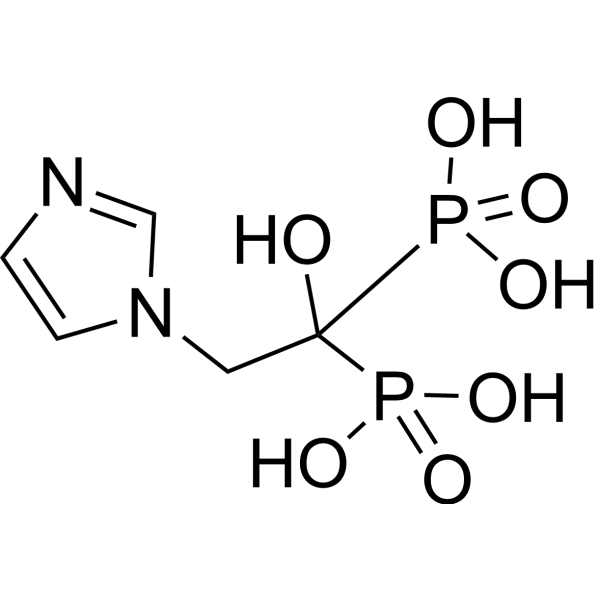
Zoledronic Acid (Zoledronate) is a third-generation bisphosphonate (BP), with potent anti-resorptive activity. Zoledronic Acid inhibits the differentiation and apoptosis of osteoclasts. Zoledronic Acid also has anti-cancer effects .
loading...
    loading...
26
26 Publications Verification
Cat. No.: HY-13777A
CAS No.: 165800-06-6
Purity:  99.88%
Synonyms: Zoledronate monohydrate; CGP 42446 monohydrate; CGP42446A monohydrate; ZOL 446 monohydrate
Research Areas:  

Metabolic Disease Cancer

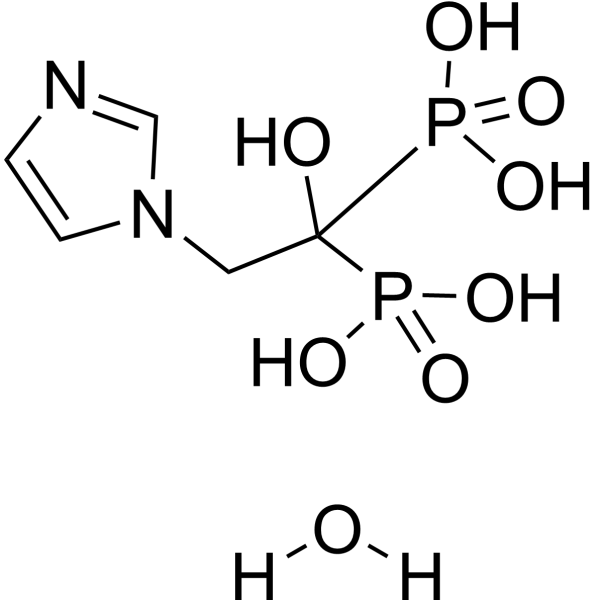
Zoledronic acid monohydrate (Zoledronate monohydrate) is a third-generation bisphosphonate (BP), with potent anti-resorptive activity. Zoledronic acid monohydrate inhibits the differentiation and apoptosis of osteoclasts. Zoledronic acid monohydrate also has anti-cancer effects .
loading...
    loading...
24
24 Cited Publications
Cat. No.: HY-N0751
CAS No.: 27740-01-8
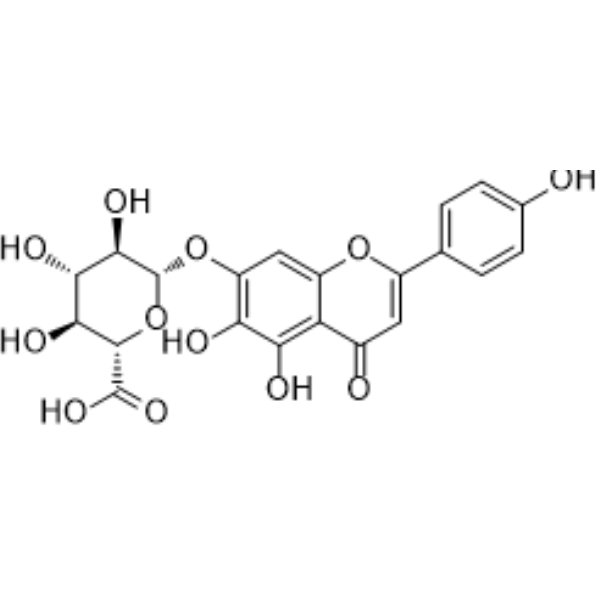
Scutellarin, an active flavone isolated from Scutellaria baicalensis, can down-regulates the STAT3/Girdin/Akt signaling in HCC cells, and inhibits RANKL-mediated MAPK and NF-κB signaling pathway in osteoclasts. Scutellarin is active against HIV-1IIIB, HIV-1(74V) and HIV-1KM018 with EC50s of 26 μM, 253 μM and 136 μM, respectively.
loading...
    loading...
10
10 Cited Publications
Cat. No.: HY-B0631
CAS No.: 66376-36-1
Research Areas:  

Metabolic Disease

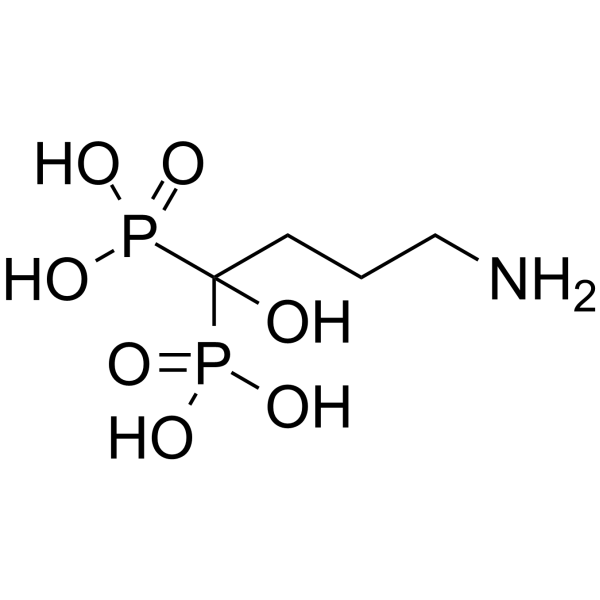
Alendronate acid is an orally active bisphosphonate which binds to bone surfaces and inhibits bone resorption by osteoclasts. Alendronate acid induces skeletal alterations in the chicken embryonic development model. Alendronate acid can be used for osteoporosis research .
loading...
    loading...
10
10 Cited Publications
Cat. No.: HY-108685
CAS No.: 129318-43-0
Purity:  ≥98.0%
Synonyms: Alendronic acid monosodium salt
Research Areas:  

Metabolic Disease

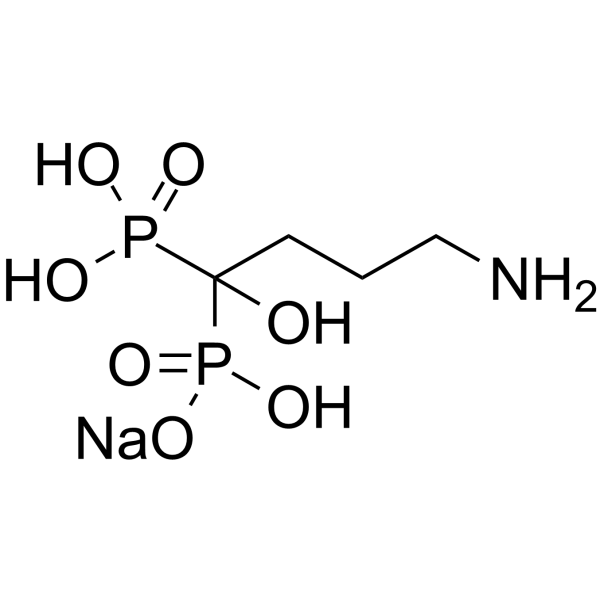
Alendronate sodium is an orally active bisphosphonate which binds to bone surfaces and inhibits bone resorption by osteoclasts. Alendronate sodium induces skeletal alterations in the chicken embryonic development model. Alendronate sodium can be used for osteoporosis research .
loading...
    loading...
6
6 Cited Publications
Cat. No.: HY-B1246
CAS No.: 553-08-2
Target:  

Bacterial Proton Pump

Research Areas:  

Infection

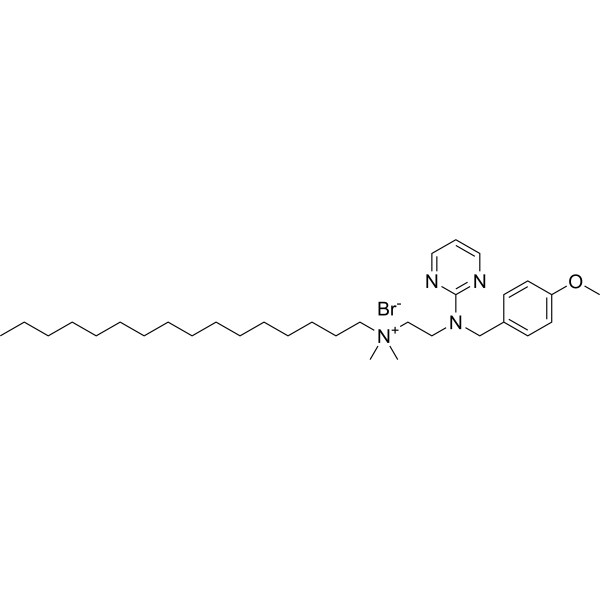
Thonzonium bromide is an antibacterial agent that is structurally similar to Farnesol (HY-Y0248A). Thonzonium bromide is also a monocationic surface-active agent, which inhibits RANKL-induced osteoclast formation and bone resorption in vitro and prevents LPS-induced bone loss in vivo. Thonzonium bromide inhibits proton transport in a dose-dependent manner (EC50=69 μM) .
loading...
    loading...
5
5 Cited Publications
Cat. No.: HY-B0657A
CAS No.: 22560-50-5
Synonyms: Clodronate disodium salt
Target:  

Apoptosis

Research Areas:  

Metabolic Disease Cancer

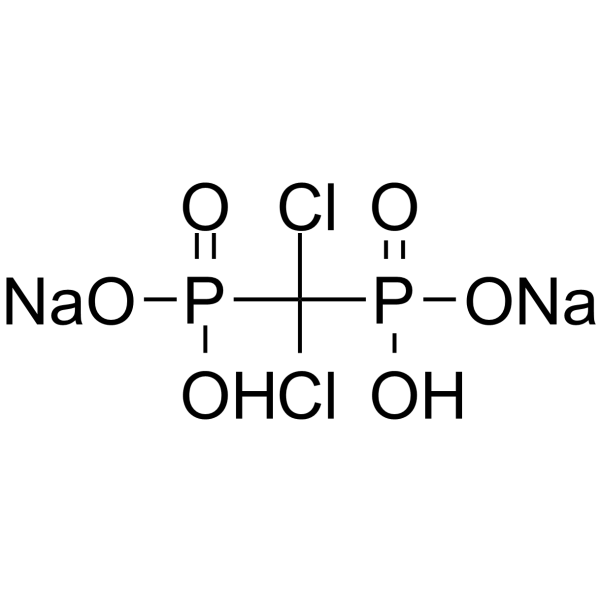
Clodronic acid (Clodronate) disodium salt is an orally active bisphosphonate. Clodronic acid disodium salt inhibits osteoclast-mediated bone resorption. Clodronic acid disodium salt reduces skeletal event risk in malignant bone disease, impairs malignant osteolysis, blocks bone matrix growth-factor release, induces apoptosis in osteoclasts and macrophages. Clodronic acid disodium salt is effective in the maintenance or improvement of bone mineral density. Clodronic acid disodium salt can be used for the research of multiple myeloma and postmenopausal osteoporosis .
loading...
    loading...
5
5 Cited Publications
Cat. No.: HY-B0657
CAS No.: 10596-23-3
Synonyms: Clodronate
Target:  

Apoptosis

Research Areas:  

Metabolic Disease Cancer

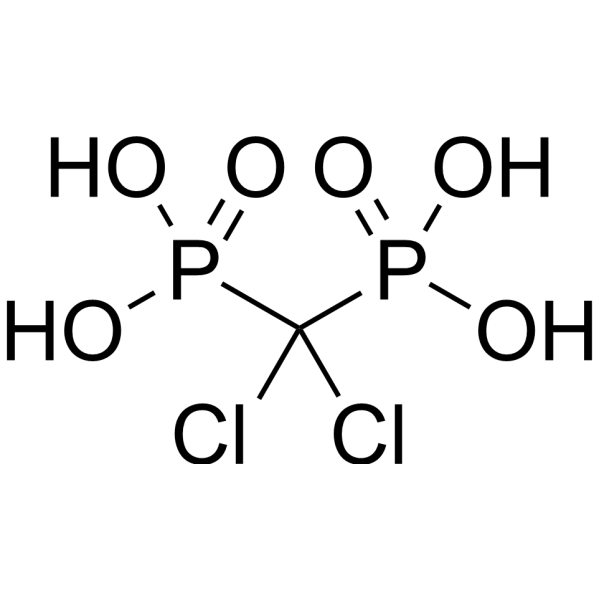
Clodronic acid (Clodronate) is an orally active bisphosphonate. Clodronic acid inhibits osteoclast-mediated bone resorption. Clodronic acid reduces skeletal event risk in malignant bone disease, impairs malignant osteolysis, blocks bone matrix growth-factor release, induces apoptosis in osteoclasts and macrophages. Clodronic acid is effective in the maintenance or improvement of bone mineral density. Clodronic acid can be used for the research of multiple myeloma and postmenopausal osteoporosis .
loading...
    loading...
5
5 Cited Publications
Cat. No.: HY-N0259
CAS No.: 110623-73-9
Synonyms: Epmedin B
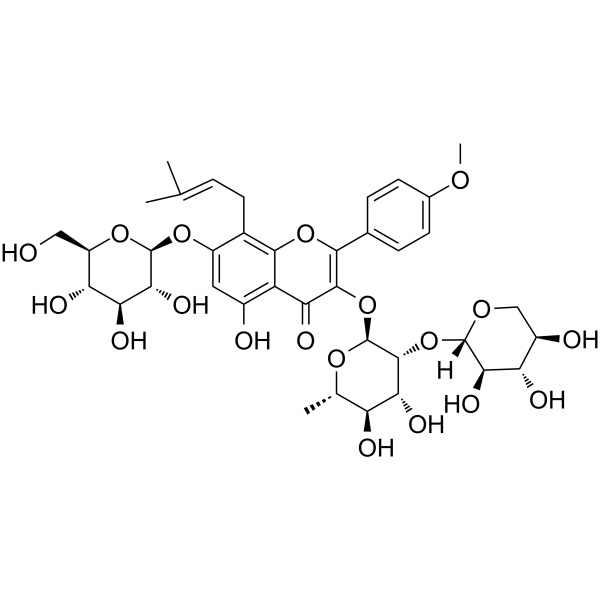
Epimedin B (Epmedin B) is a flavonoid active component found in Epimedium, with oral activity, and exhibits anti-osteoporotic and neuroprotective effects. Epimedin B inhibits RANKL-induced osteoclast differentiation, F-actin ring formation, and mature osteoclast bone resorption, inhibits the phosphorylation of JNK, p38 MAPK, PI3K, and AKT, activates the AMPK-Nrf2 antioxidant pathway, and reduces cellular and mitochondrial ROS. Epimedin B acts on ESR1 and exerts its effects via GPER. Epimedin B alleviates bone loss and improves bone microstructure in vivo, and in Parkinson's models protects dopaminergic neurons and maintains striatal dopamine levels through anti-apoptotic and anti-endoplasmic reticulum stress effects. Epimedin B can be used for research related to osteoporosis, diabetic osteoporosis, and Parkinson's disease .
loading...
    loading...
4
4 Cited Publications
Cat. No.: HY-147369
CAS No.: 1912422-56-0
Purity:  99.97%
Research Areas:  

Others

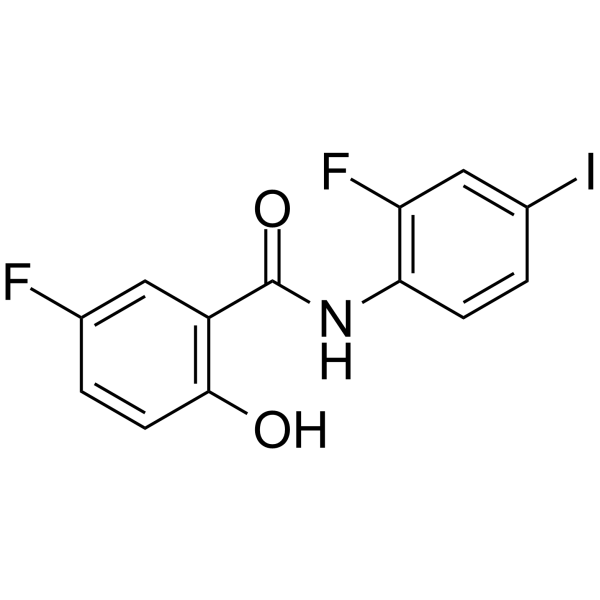
NFATc1-IN-1 (compound A04) is a potent inhibitor of RANKL-induced osteoclast formation, with an IC50 of 1.57 μM. NFATc1-IN-1 shows anti-osteoclastogenic effects through reducing the RANKL-induced nuclear translocation of NFATc1. NFATc1-IN-1 can be used for osteoclastic diseases research .
loading...
    loading...
4
4 Cited Publications
Cat. No.: HY-10408
CAS No.: 623142-96-1
Purity:  99.51%
Target:  

c-Fms VEGFR c-Kit PDGFR

Research Areas:  

Inflammation/Immunology

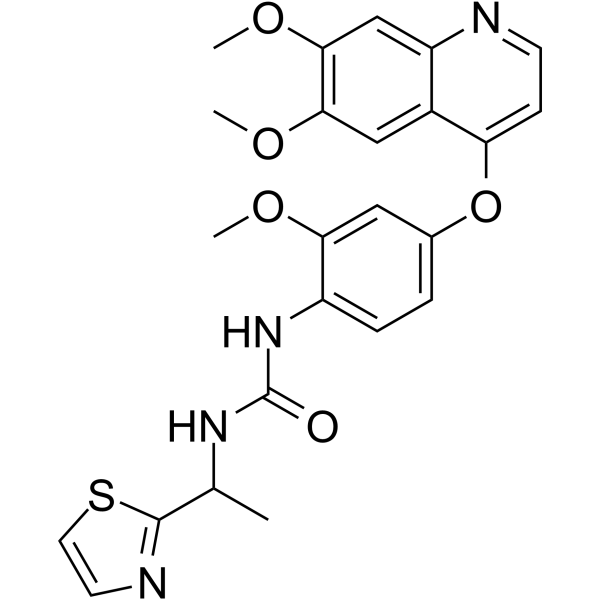
Ki20227 is an orally active and highly selective c-Fms tyrosine kinase (CSF1R) inhibitor with IC50s of 2 nM, 12 nM, 451 and 217 nM for CSF1R, VEGFR2 (vascular endothelial growth factor receptor-2), c-Kit (stem cell factor receptor) and PDGFRβ (platelet-derived growth factor receptor β). Ki20227 suppresses osteoclast differentiation and osteolytic bone destruction .
loading...
    loading...
3
3 Cited Publications
Cat. No.: HY-N2532
CAS No.: 22055-22-7
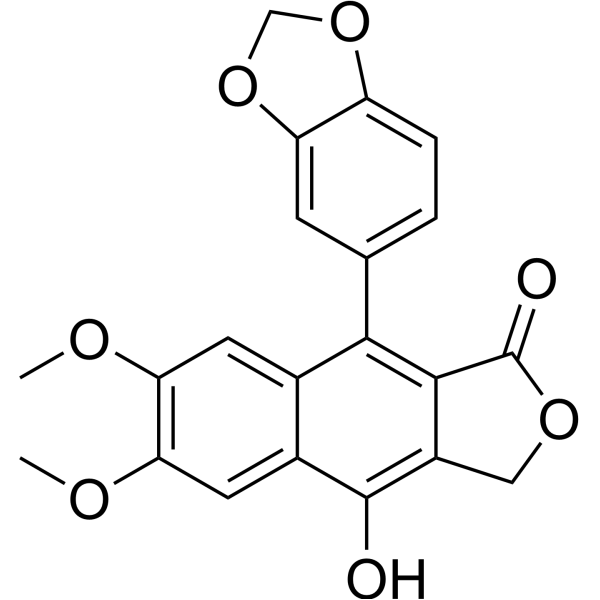
Diphyllin is an orally active V-ATPase inhibitor (IC50=17 nM) and HIV-1 inhibitor (IC50=0.38 μM). Diphyllin blocks the acidification of osteoclast lysosomes and bone resorption lacunas (IC50=0.6 nM for acid influx inhibition), thereby inhibiting bone resorption. Diphyllin can effectively inhibit osteoclast-mediated bone resorption and has no effect on osteoblastic bone formation. Diphyllin can be used in the research of bone metabolism-related diseases and has the potential to inhibit diseases related to excessive bone resorption .
loading...
    loading...
3
3 Cited Publications
Cat. No.: HY-10406
CAS No.: 309913-83-5
Purity:  98.68%
Synonyms: SCIO-469
Talmapimod (SCIO-469) is an orally active and selective inhibitor of p38α MAPK with an IC50 of 9 nM. Talmapimod inhibits the secretion of inflammatory factors (such as TNFα, IL-1β, IL-6, and VEGF) by suppressing the p38α MAPK pathway, and it also inhibits angiogenesis and osteoclast activation. Talmapimod inhibits the growth of multiple myeloma cells and induces apoptosis. Talmapimod can be used to study various hematological malignancies (such as multiple myeloma, myelodysplastic syndrome) .
loading...
    loading...
3
3 Cited Publications
Cat. No.: HY-112499
CAS No.: 2124-57-4
Purity:  ≥98.0%
Synonyms: Vitamin K2-7; Vitamin K2(35); Vitamin MK-7
Target:  

TGF-beta/Smad

Research Areas:  

Cardiovascular Disease

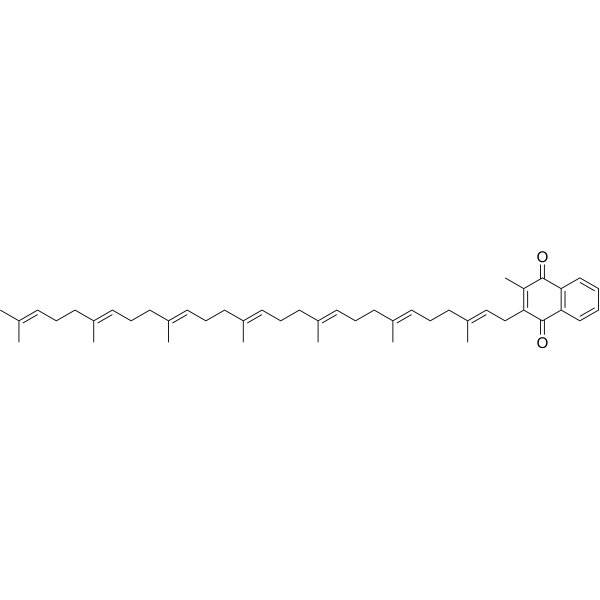
Menaquinone-7 (Vitamin K2-7), belongs to a class of K2-vitamin homologs (orally active), is originally discovered as the anti-hemorrhagic factors. Menaquinone-7 inhibits osteoclast bone resorption in vitro and stimulates bone formation in femoral tissue of aged female rats. Menaquinone-7 has a well-researched potential in the prevention of aging-induced bone degeneration. Menaquinone-7 is also a pharmacological option for activating Gla matrix protein and intervening in the progression of calcific aortic stenosis (CAVS) .
loading...
    loading...
3
3 Cited Publications
Cat. No.: HY-N1939
CAS No.: 56725-99-6
Synonyms: Icarisid I
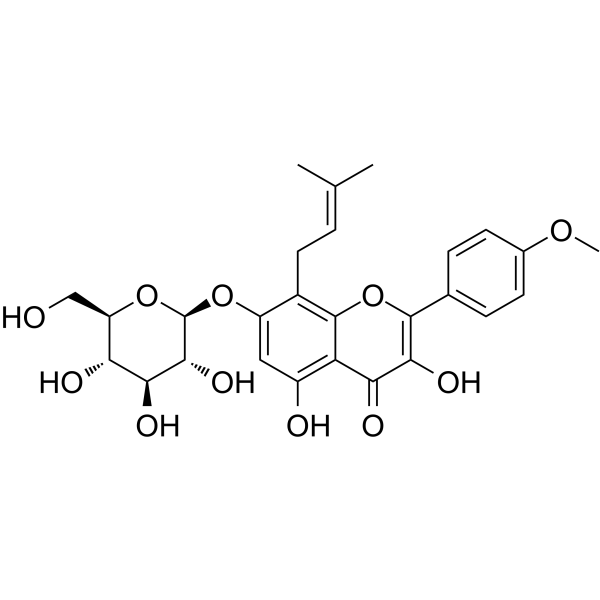
Icariside I (GH01) is an orally active metabolite of icalin. Icariside I improves estrogen deficiency-induced osteoporosis by simultaneously regulating osteoblast and osteoclast differentiation. Icariside I promotes ATP (HY-B2176) or Nigericin (HY-127019)-induced mtROS production and NLRP3 inflammasome activation and causes idiosyncratic hepatotoxicity. Icariside I does not alter the activation of NLRC4 and AIM2 inflammasomes. Icariside I inhibits breast cancer proliferation, apoptosis, invasion, and metastasis by targeting the IL-6/STAT3 pathway. Icariside I is a kynurenine-AhR pathway inhibitor that alleviates cancer by blocking tumor immune escape .
loading...
    loading...
3
3 Cited Publications
Cat. No.: HY-N1401
CAS No.: 112246-15-8
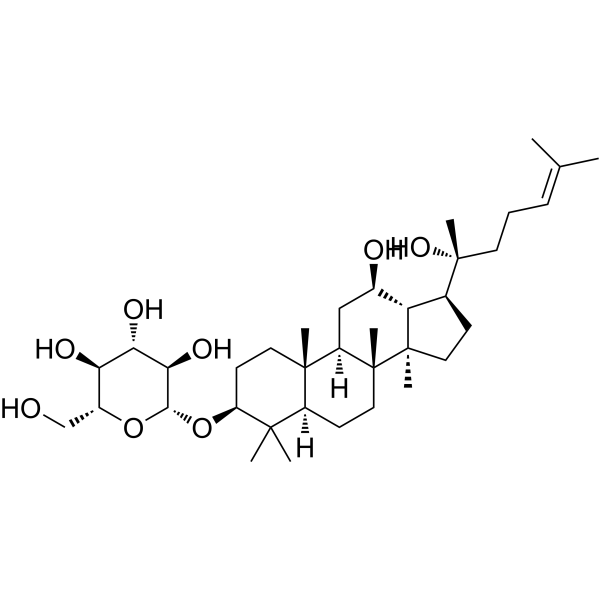
20(R)-Ginsenoside Rh2 is an orally active protopanaxadiol-type saponin with multiple biological activities. 20(R)-Ginsenoside Rh2 exerts a significant inhibitory effect on non-small cell lung cancer and liver cancer by inducing cell cycle arrest and promoting apoptosis. 20(R)-Ginsenoside Rh2 exerts anti-γ-herpesvirus effects by inhibiting viral DNA replication. 20(R)-Ginsenoside Rh2 inhibits inflammatory mediators by reducing the levels of NO, PGE2, and ROS; it can delay skin photoaging by reducing ROS and inhibiting MMP-9/2 activity. 20(R)-Ginsenoside Rh2 accelerates the recovery after muscle injury by activating the Akt1/PKB signaling pathway. 20(R)-Ginsenoside Rh2 can inhibit osteoclast formation and exert an anti-osteoporosis effect .
loading...
    loading...
2
2 Cited Publications
Cat. No.: HY-B0148
CAS No.: 105462-24-6
Synonyms: Risedronate
Target:  

Parasite Apoptosis

Research Areas:  

Infection Metabolic Disease Cancer

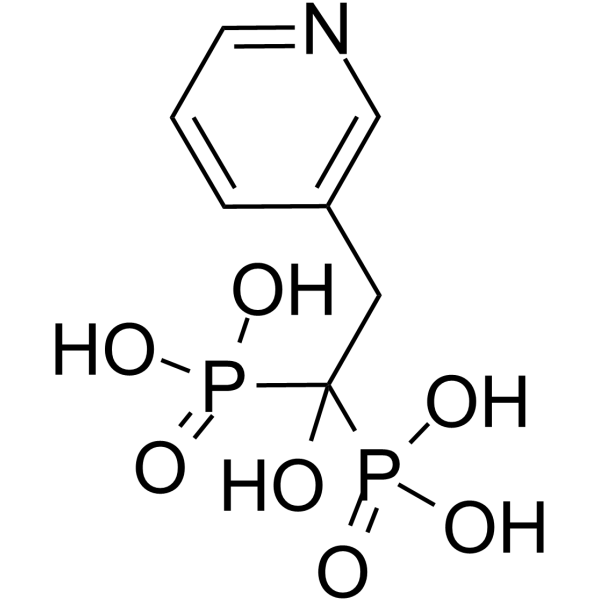
Risedronic acid (Risedronate) is a bisphosphonate and potent antiresorptive agent. Risedronic acid induces Apoptosis. Risedronic acid inhibits the transfer of farnesyl pyrophosphate groups to parasite proteins. Risedronic acid inhibits osteoclast-mediated bone resorption and alters bone metabolism. Risedronic acid inhibits blood-stage Plasmodium falciparum (IC50 of 20.3 μM) .
loading...
    loading...
2
2 Cited Publications
Cat. No.: HY-B0119
CAS No.: 115436-72-1
Synonyms: Risedronate sodium
Target:  

Parasite Apoptosis

Research Areas:  

Infection Metabolic Disease Cancer

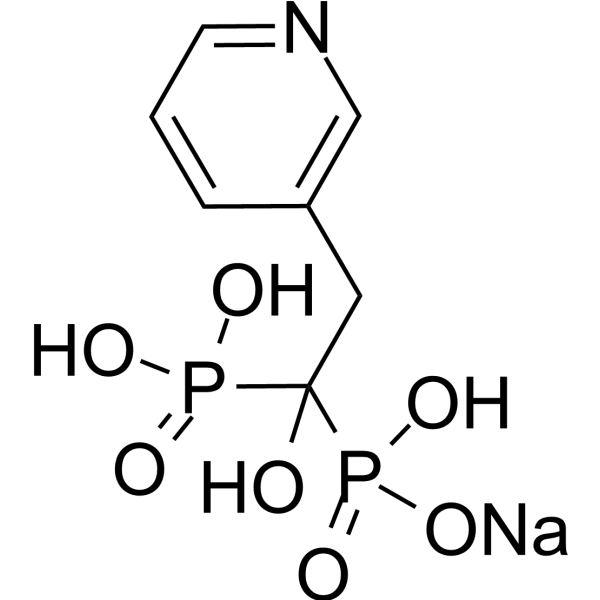
Risedronic acid (Risedronate) sodium, a bisphosphonate, is a potent anti-resorption agent that inhibits osteoclast-mediated bone resorption and changes the bone metabolism. Risedronic acid sodium suppresses osteoblast differentiation and induced caspase- and isoprenoid depletion-dependent apoptosis. Risedronic acid sodium inhibits blood stages of Plasmodium falciparum (IC50 of 20.3 μM). Risedronic acid sodium inhibits the transfer of the farnesyl pyrophosphate group to parasite proteins .
loading...
    loading...
2
2 Cited Publications
Cat. No.: HY-N6624
CAS No.: 55084-08-7
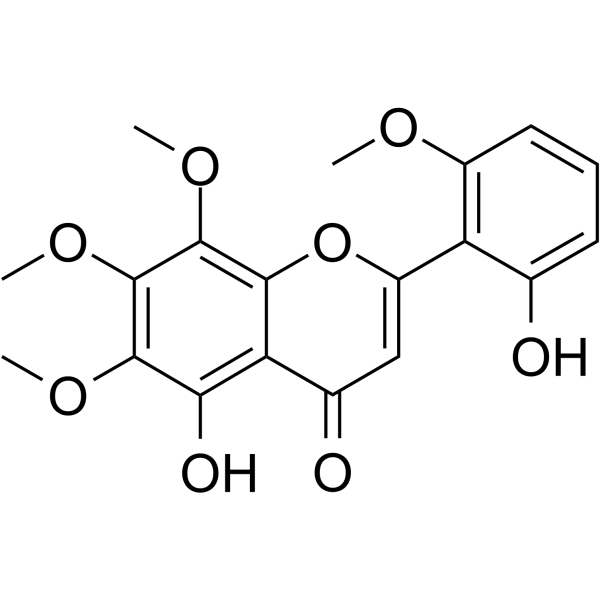
Skullcapflavone II, a flavonoid derived from Scutellaria baicalensis, has anti-inflammatory, anti-microbial activities. Skullcapflavone II regulates osteoclast differentiation, survival, and function. Skullcapflavone II exerts potent antimicrobial activity against M. aurum and M. bovis BCG .
loading...
    loading...
2
2 Cited Publications
Cat. No.: HY-N0231
CAS No.: 28448-85-3
Synonyms: Broussochalcone B
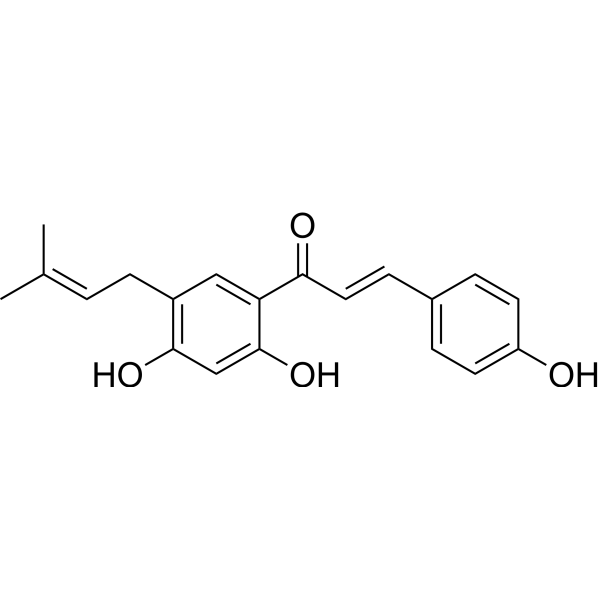
Bavachalcone is a potent inducer of apoptosis. Bavachalcone exerts anticancer activity by promoting autophagy and apoptosis in HepG2 cells. Bavachalcone acts as an anti-neuroinflammatory and antidepressant through the NF-κB pathway. Bavachalcone inhibits osteoclasts by interfering with ERK and Akt signaling pathways and the expression of c-Fos and NFATc1. Bavachalcone exhibits a significant inhibitory effect on baculovirus-expressed BACE-1 in vitro .
loading...
    loading...

