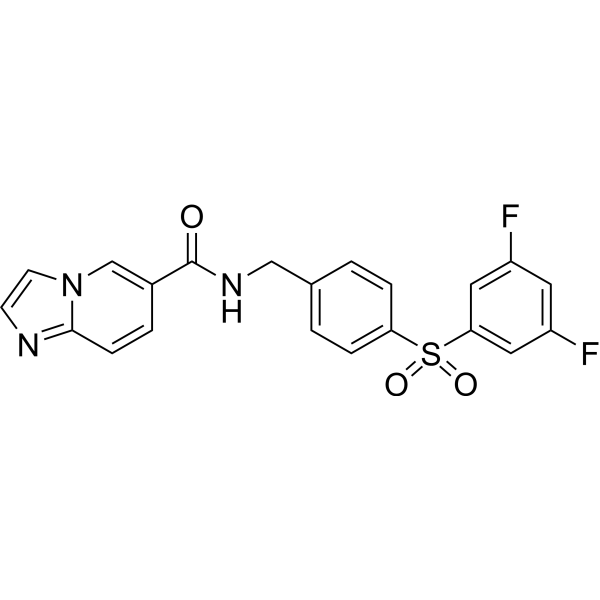
Cancer Targeted Therapy
Cancer targeted therapy is the foundation of precision medicine; it uses drugs or other substances to target specific genes and proteins that control cancer cells’ growth, division and spreading. Compared to traditional chemotherapy drugs, targeted-drugs can specifically act on cancer cells with high efficacy without damaging normal cells. Drugs used in cancer targeted therapy mainly includes small molecules and macromolecules (e.g., monoclonal antibodies), which can target cancer cells and constituents in the tumor microenvironment to activate the immune system. Anti-angiogenesis drugs, such as those targeting vascular endothelial growth factor (VEGF), epidermal growth factor receptor (EGFR), transforming growth factor (TGF)-α, TGF-β, Tumor necrosis factor (TNF)-α, and platelet-derived endothelial growth factor (PDGFR) inhibit the proliferation and metastasis of cancer cells. In recent years, the proportion of antibody drugs in cancer treatment has gradually become prominent. Antibody-drug conjugates (ADCs) are a new type of targeted drugs that are composed of monoclonal antibody, cytotoxic drug and linker. ADCs can deliver drugs to tumor cells and minimize the toxicity to normal tissues. Proteolysis-targeting chimera (PROTAC) is a useful technology for targeted protein degradation. PROTAC exploits the ubiquitin-proteasome system and forms a ternary complex with a hijacked E3 ubiquitin ligase and target protein, leading to polyubiquitination and degradation of the target protein.
Targeted therapy is a useful strategy in treatment of cancer either alone or in combination with standard chemotherapy. At present, targeted therapy has proved significant clinical success in the treatment of many types of cancer, including breast cancer, colorectal cancer, leukemia, ovarian cancer and lung cancer.
-
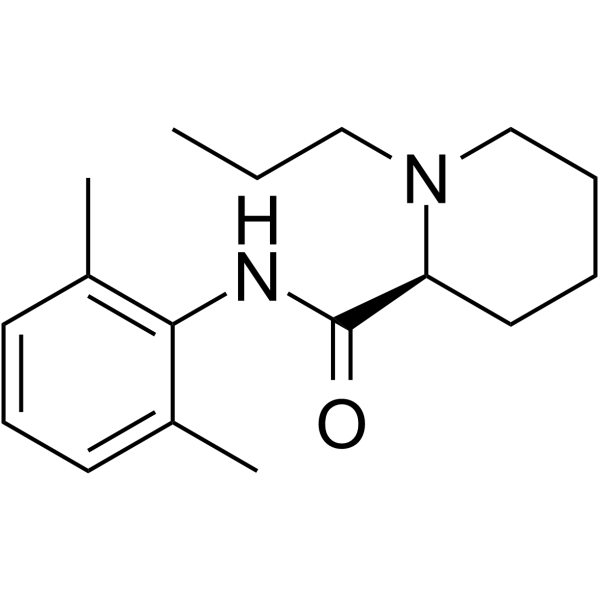
Ropivacaine
 0 Images
Ropivacain is a potent sodium channel blocker. Ropivacain blocks impulse conduction via reversible inhibition of sodium ion influx in nerve fibrese. Ropivacaine is also an inhibitor of K2P (two-pore domain potassium channel) TREK-1 with an IC50 of 402.7 μM in COS-7 cell's membrane. Ropivacaine is used for the research of neuropathic pain management.
-
MYC-RIBOTAC
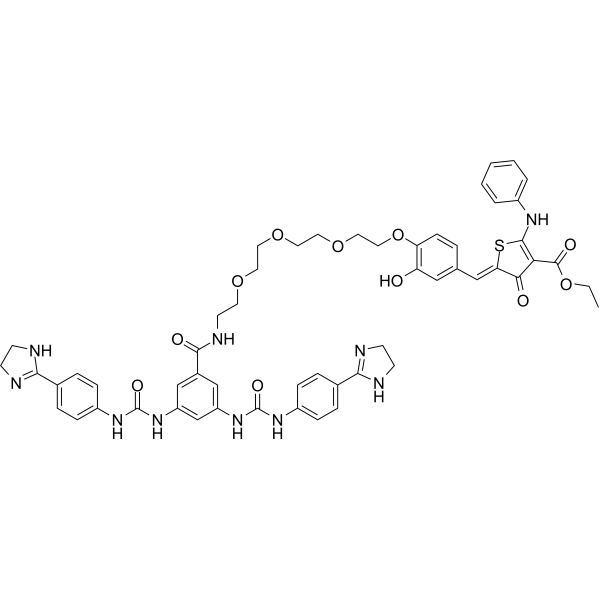 0 ImagesCat. No.: HY-153713Purity: 98.17%
MYC-RIBOTAC is a nucleic acid-targeting degrader (ribonuclease-targeting chimera, RIBOTAC) that targets the MYC internal ribosome entry site (IRES). MYC-RIBOTAC contains a MYC mRNA binding component and a small molecule that recruits and locally activates RNAse L1. MYC-RIBOTAC reduces MYC mRNA and protein expression levels, induces cell apoptosis, and can be used for antitumor research. MYC-RIBOTAC consists of pre-miR-155 binder Anticancer agent 167 (HY-156839), RNA binder NCI-B16 (HY-156215), and Linker Amino-PEG4-alcohol (HY-W008005).
-
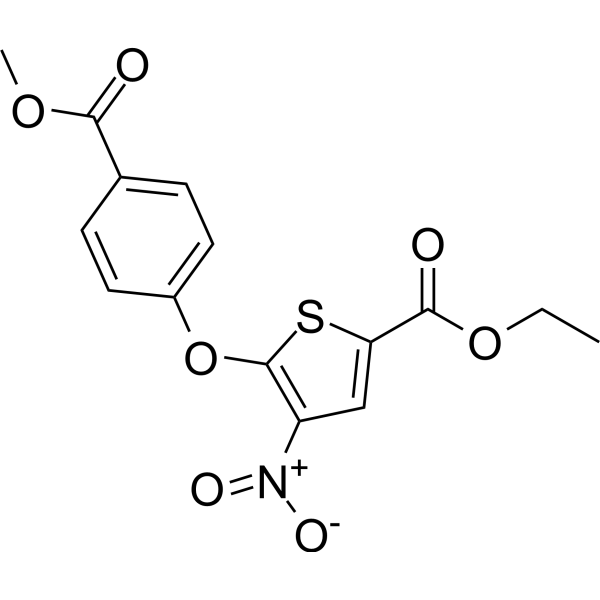
Wu-5
 0 Images
Wu-5 is a USP10 inhibitor that can inhibit FLT3 and AMPK pathways, induce FLT3-ITD degradation and induce apoptosis.
-
S7
 0 Images
S7 is an inhibitory polypeptide targeting IL-6R, which specifically binds to IL-6R and its A chain (gp80/IL-6RA) to block its signal transduction. S7 inhibits IL-6-mediated anti-apoptosis (apoptosis), angiogenesis and the expression of VEGF-A, blocks related survival signaling pathways, and enhances the sensitivity of cancer cells to chemotherapeutic drugs. S7 can be applied to the research of related diseases such as cervical cancer, multiple myeloma, Kaposi's sarcoma, prostate cancer and basal cell carcinoma.
-
STAT1/3-IN-1
 0 Images
STAT1/3-IN-1 is a potent STAT1/3 inhibitor with potent anti-inflammatory effect. STAT1/3-IN-1 inhibits phosphorylation and nuclear translocation of STAT1/3 to modulate microglial inflammation, reduces LPS (HY-D1056)-induced pro-inflammatory cytokines (NO, IL-1β, IL-6, and TNF-α) and inflammatory mediators (iNOS, COX-2). STAT1/3-IN-1 exhibits low toxicity in mice. STAT1/3-IN-1 can be used for the research of neuroinflammation.
-
Thiabendazole
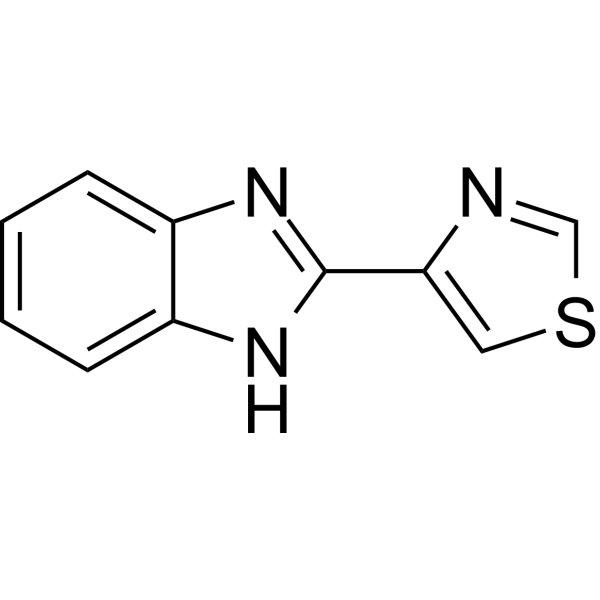 0 ImagesSynonyms: Tiabendazole; 2-(4-Thiazolyl)benzimidazole
Thiabendazole is an orally available benzimidazole fungicide with repellent and anticancer activities. Thiabendazole can result in developmental malformations. Thiabendazole can be used for modeling.
-
Avatrombopag
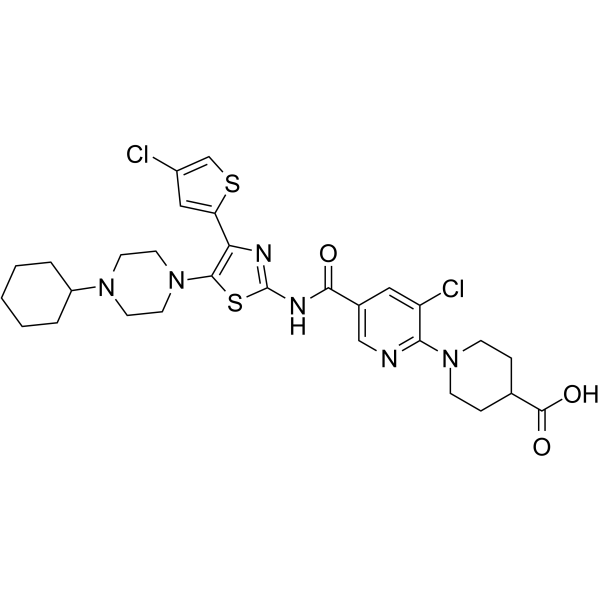 0 ImagesSynonyms: AKR-501; E5501; YM477
Avatrombopag (AKR-501) is an orally active, nonpeptide thrombopoietin (TPO) receptor agonist (EC50=3.3 nM). Avatrombopag mimics the biological activities of TPO. Avatrombopag increases platelet production by activating the intracellular signaling system, and promotes production of platelets and megakaryocytes from hemopoietic precursor cells. Avatrombopag is a substrate of cytochrome P450 (CYP) 2C9 and CYP3A.
-
I-191
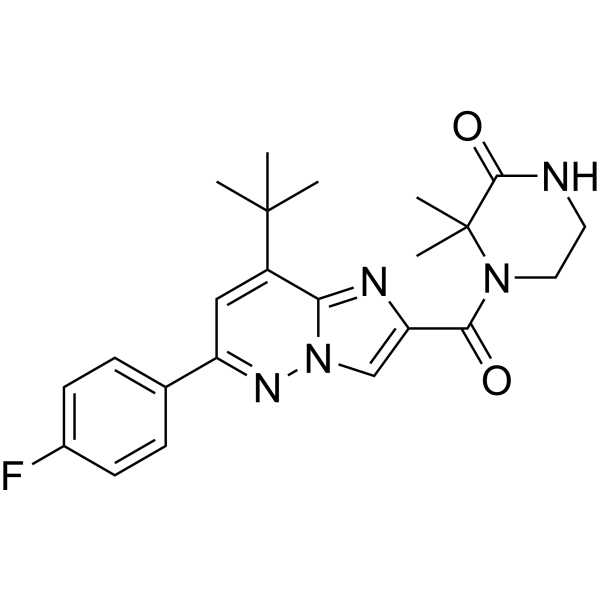 0 Images
I-191 is a potent, selective protease-activated receptor 2 (PAR2) antagonist.
-
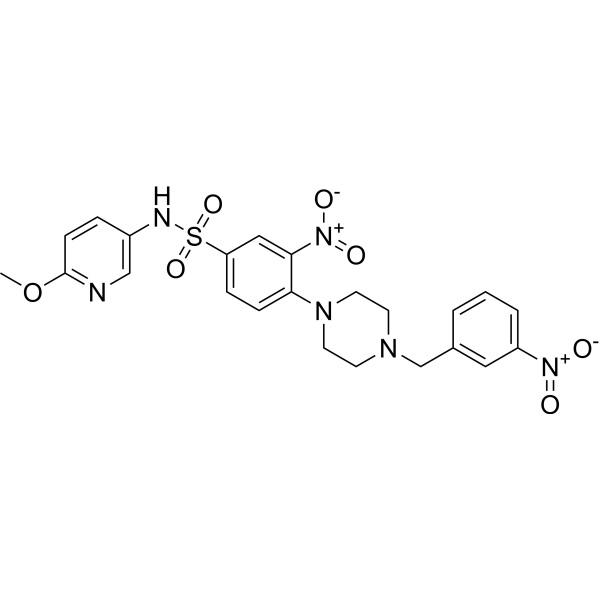
Benitrobenrazide
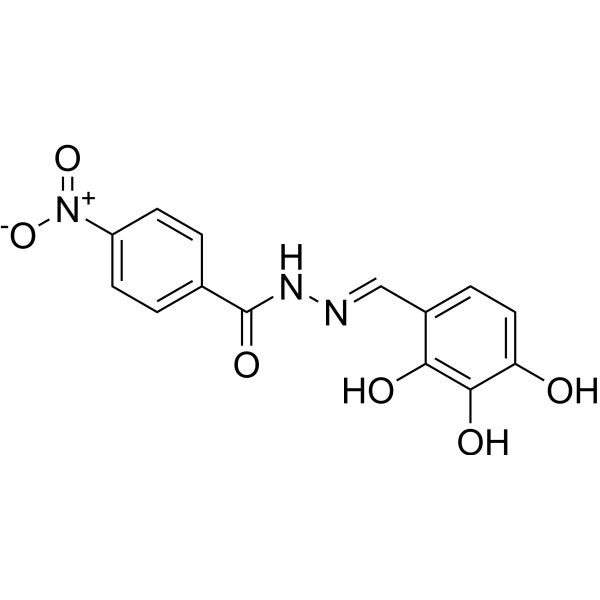 0 ImagesSynonyms: BNBZ; Hexokinase 2 inhibitor 1
Benitrobenrazide (BNBZ) is the orally active inhibitor for hexokinase 2 with an IC50 of 0.53 µM. Benitrobenrazide causes DNA damage, and exhibits antitumor effect.
-
JMJD1C-IN-1
 0 Images
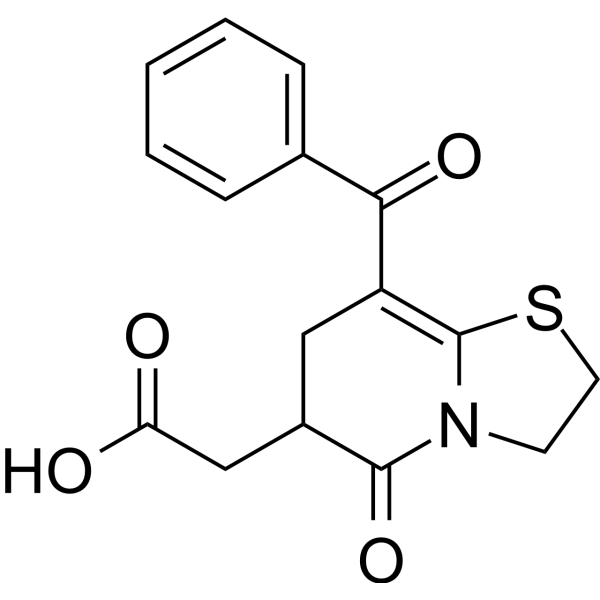
JMJD1C-IN-1 is an orally active and selective inhibitor of JMJD1C (IC50 = 0.59 μM, Kd = 1.96 μM). JMJD1C-IN-1 inhibits the binding of JMJD1C to H3K9me2 peptide substrate in the HTRF assay (IC50 = 1.47 μM). JMJD1C-IN-1 disrupts intratumoral regulatory T (Treg) cell fitness by dual mechanisms: promoting H3K9me2 accumulation to downregulate PD1 expression and reducing STAT3 demethylation to enhance STAT3 activation. JMJD1C-IN-1 demonstrates dose-dependent antitumor efficacy in multiple mouse tumor models (MCA205 fibrosarcoma, B16-F10 melanoma, LLC lung cancer, Hepa1-6 hepatocellular carcinoma, CT26 colorectal cancer). JMJD1C-IN-1 can be used for the study of tumor immunotherapy by selectively targeting intratumoral Treg cells.
![3-(Methoxycarbonyl)bicyclo[1.1.1]pentane-1-carboxylic acid](https://file.medchemexpress.com/product_pic/hy-w001056.gif "Click to View 3-(Methoxycarbonyl)bicyclo[1.1.1]pentane-1-carboxylic acid Product Detail")
-
Fmoc-Gly-NH-CH2-acetyloxy
 0 Images
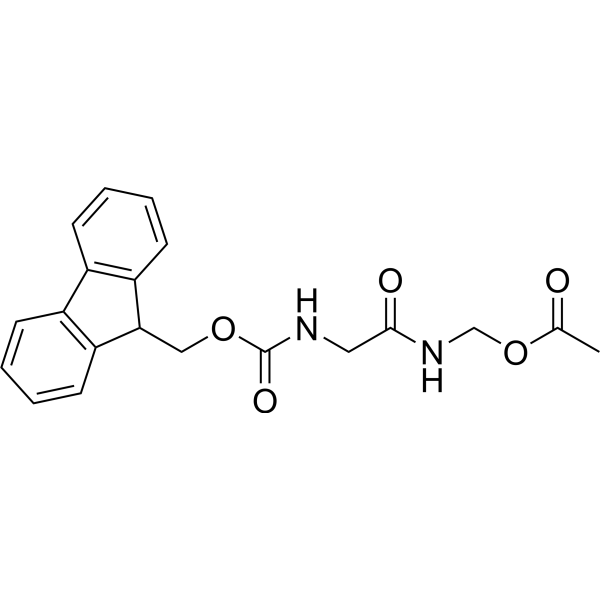
Fmoc-Gly-NH-CH2-acetyloxy is a cleavable linker that can be used to synthesize antiboy-drug Conjugates (ADCs).
-
(S)-10-Hydroxycamptothecin
 0 ImagesSynonyms: 10-HCPT; 10-Hydroxycamptothecin
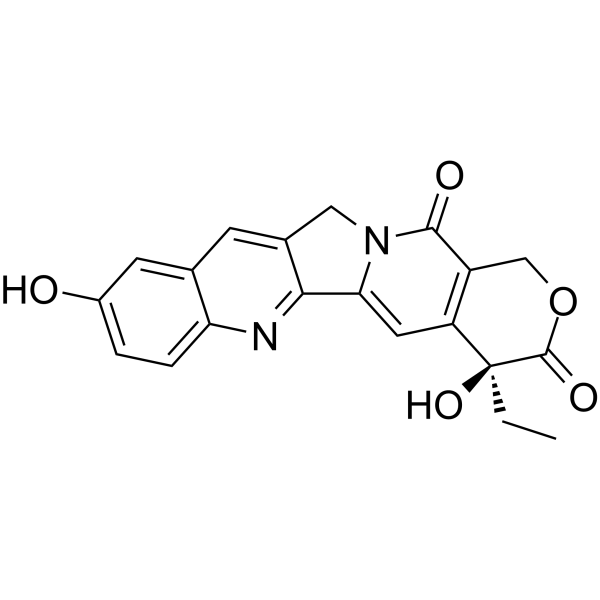
(S)-10-Hydroxycamptothecin (10-HCPT;10-Hydroxycamptothecin) is a DNA topoisomerase I inhibitor of isolated from the Chinese plant Camptotheca accuminata. (S)-10-Hydroxycamptothecin exhibits a remarkable apoptosis-inducing effect. (S)-10-Hydroxycamptothecin has the potential for hepatoma, gastric carcinoma, colon cancer and leukaemia treatment.
-
Magnesium acetate tetrahydrate
 0 Images
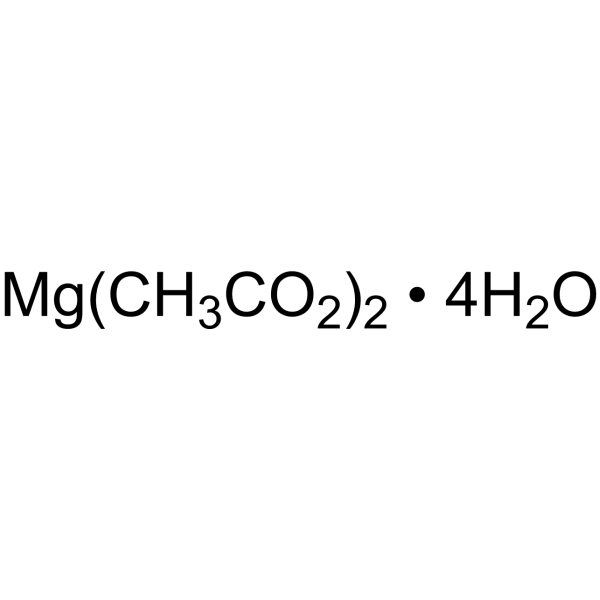
Magnesium acetate tetrahydrate is a carboxylic acid and short-chain fatty acid (SCFAs). Magnesium acetate tetrahydrate activates AMPK, increases ROS, cleaved caspase 9, PPARα, downregulates SREBP-1c, ChREBP expression. Magnesium acetate tetrahydrate exhibits antifungal activity against Saccharomyces cerevisiae W303-1A. Magnesium acetate tetrahydrate regulates energy metabolism. Magnesium acetate tetrahydrate has anticancer activity against gastric cancer. Magnesium acetate tetrahydrate induces writhing reaction and ulcerative colitis. Magnesium acetate tetrahydrate can be used in the researches for gastric cancer, ulcerative colitis, hepatic steatosis, and pain.
-
Rabeprazole
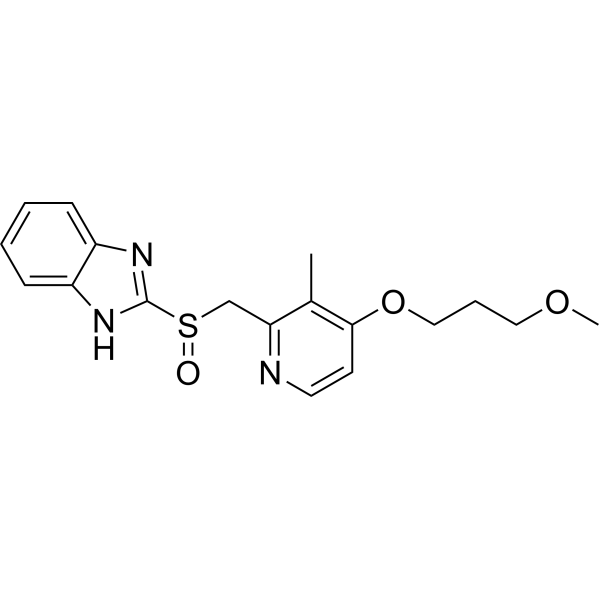 0 ImagesSynonyms: LY307640
Rabeprazole (LY307640) is a second-generation proton pump inhibitor (PPI) that irreversibly inactivates gastric H+/K+-ATPase. Rabeprazole induces apoptosis. Rabeprazole acts as an uridine nucleoside ribohydrolase (UNH) inhibitor with an IC50 of 0.3 μM. Rabeprazole can be used for the research of gastric ulcerations and gastroesophageal reflux.