Cancer Targeted Therapy
Cancer targeted therapy is the foundation of precision medicine; it uses drugs or other substances to target specific genes and proteins that control cancer cells’ growth, division and spreading. Compared to traditional chemotherapy drugs, targeted-drugs can specifically act on cancer cells with high efficacy without damaging normal cells. Drugs used in cancer targeted therapy mainly includes small molecules and macromolecules (e.g., monoclonal antibodies), which can target cancer cells and constituents in the tumor microenvironment to activate the immune system. Anti-angiogenesis drugs, such as those targeting vascular endothelial growth factor (VEGF), epidermal growth factor receptor (EGFR), transforming growth factor (TGF)-α, TGF-β, Tumor necrosis factor (TNF)-α, and platelet-derived endothelial growth factor (PDGFR) inhibit the proliferation and metastasis of cancer cells. In recent years, the proportion of antibody drugs in cancer treatment has gradually become prominent. Antibody-drug conjugates (ADCs) are a new type of targeted drugs that are composed of monoclonal antibody, cytotoxic drug and linker. ADCs can deliver drugs to tumor cells and minimize the toxicity to normal tissues. Proteolysis-targeting chimera (PROTAC) is a useful technology for targeted protein degradation. PROTAC exploits the ubiquitin-proteasome system and forms a ternary complex with a hijacked E3 ubiquitin ligase and target protein, leading to polyubiquitination and degradation of the target protein.
Targeted therapy is a useful strategy in treatment of cancer either alone or in combination with standard chemotherapy. At present, targeted therapy has proved significant clinical success in the treatment of many types of cancer, including breast cancer, colorectal cancer, leukemia, ovarian cancer and lung cancer.
-
Heparinase II
 0 ImagesCat. No.: HY-P2955CAS No.: 149371-12-0
Heparinase II is a glycosidase targeting heparin and heparan sulfate. Heparinase II is promising for research of glycosaminoglycan structure-function analysis, anticoagulant agents and tumor microenvironment modulation.
-
DpC
 0 Images
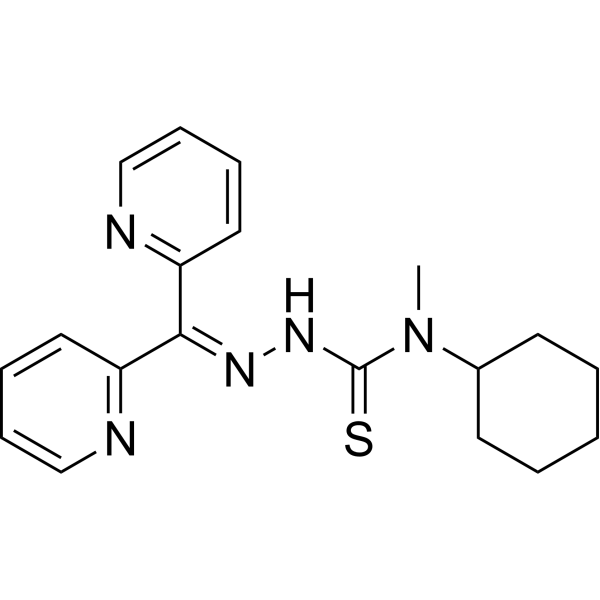
DpC is a selective, orally active iron chelator with anticancer activity. DpC acts on signaling pathway-related targets such as JNK, NF-κB, and its activity is competitively inhibited by another iron chelator Dp44mT (HY-18973). By chelating intracellular iron and copper ions in tumor cells to form redox-active complexes, DpC induces oxidative stress, activates the JNK, NF-κB pathways and downregulates IκBα, upregulates the expressions of neuroglobin and cytoglobin, activates caspase 3/9 to induce tumor cell apoptosis. It also overcomes P-glycoprotein-mediated multidrug resistance through a lysosome-targeting mechanism, and exhibits broad-spectrum synergistic effects when combined with various chemotherapeutic agents. DpC inhibits tumor metastasis and increases TNF-α levels in the tumor microenvironment to enhance endogenous immune responses. DpC is applicable to the research of various malignancies including neuroblastoma, pancreatic cancer, prostate cancer, lung cancer, and breast cancer.
-
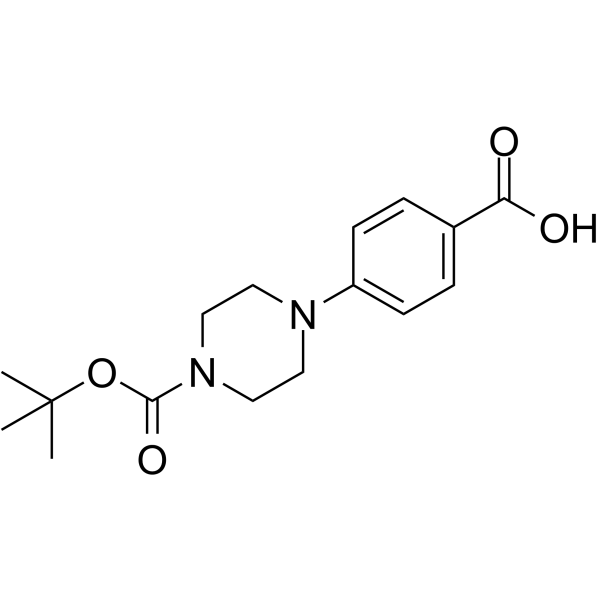
Boc-piperazine-benzoic acid
 0 Images
Boc-piperazine-benzoic acid is a PROTAC linker and can be used in the synthesis of PROTACs, such as PROTAC androgen receptor (AR) degrader ARD-2128 (HY-13229).
-
Anti-Mouse PD-1 Antibody (J43)
 0 ImagesCat. No.: HY-P990824Purity: 99.75%
Anti-Mouse PD-1 Antibody (J43) is a kind of armenian hamster IgG antibody inhibitor, targeting to mouse PD-1. Anti-Mouse PD-1 Antibody (J43) inhibits the interaction of PD-1 with PD-L1. Anti-Mouse PD-1 Antibody (J43) can be used for the researches of cancer and immunology, such as breast cancer and colon cancer.
-
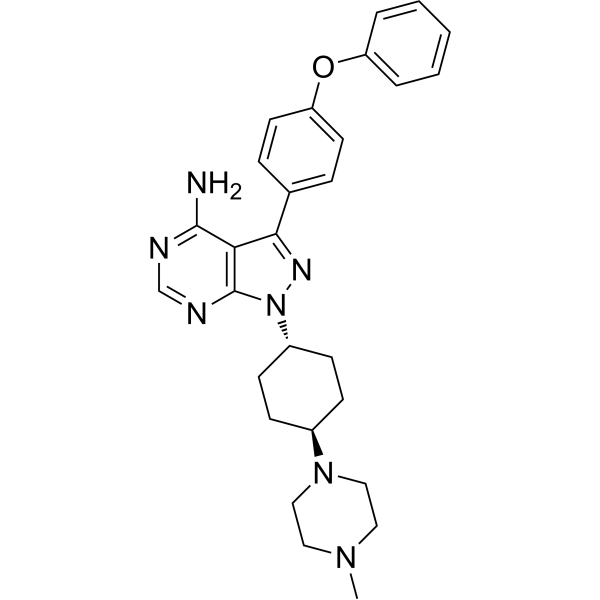
KIN-8194
 0 Images
KIN-8194 is an orally active dual inhibitor of HCK and BTK, with IC50 values of 0.915 and <0.495 nM, respectively. KIN-8194 impairs growth and integrin-mediated adhesion of BTKi-resistant mantle cell lymphoma (MCL). KIN-8194 overcomes ibrutinib (HY-10997) resistance with a survival benefit in TMD-8 ABC DLBCL xenografted mice.
-
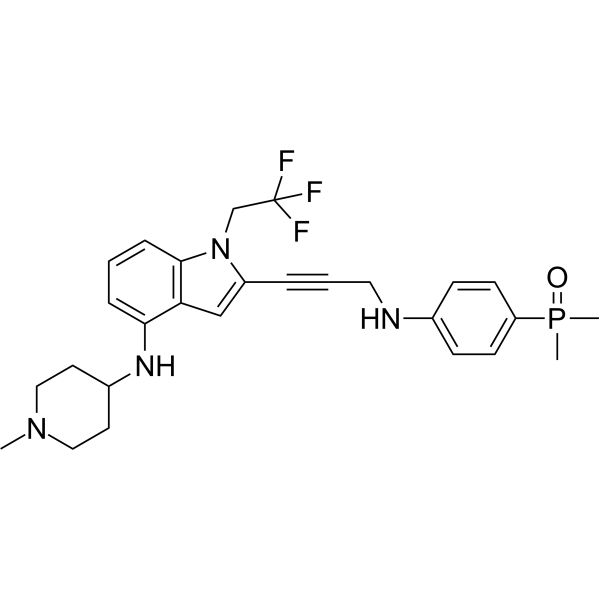
p53 Activator 7
 0 Images
p53 Activator 7 is a p53 mutation Y220C (MDM-2/p53) activator with an EC50 of 104 nM. p53 Activator 7 can bind to p53 mutant and restore its ability to bind DNA (WO2022213975A1; Example B-1). p53 Activator 7 is a click chemistry reagent, it contains an Alkyne group and can undergo copper-catalyzed azide-alkyne cycloaddition (CuAAc) with molecules containing Azide groups.
-
5,6-Dihydro-2H-pyran-2-one
 0 ImagesCat. No.: HY-W044762CAS No.: 3393-45-1
5,6-Dihydro-2H-pyran-2-one (Compound 1) is a prodrug-type carbonic anhydrase inhibitor. 5,6-Dihydro-2H-pyran-2-one can specifically inhibit the tumor-associated subtype hCA IX and the cytoplasmic subtype hCA I with Ki values of 1.35 and 8.03 μM. 5,6-Dihydro-2H-pyran-2-one can be used for the research on hypoxia-related cancer.
-
Mepazine hydrochloride
 0 ImagesSynonyms: Pecazine hydrochloride
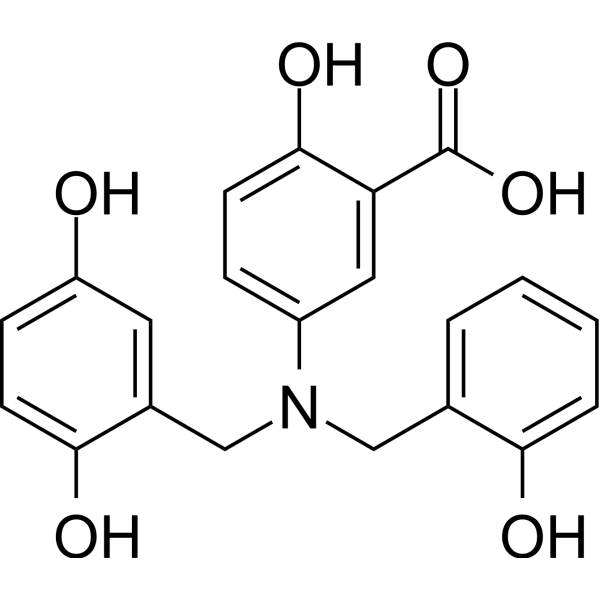
-
Loliolide
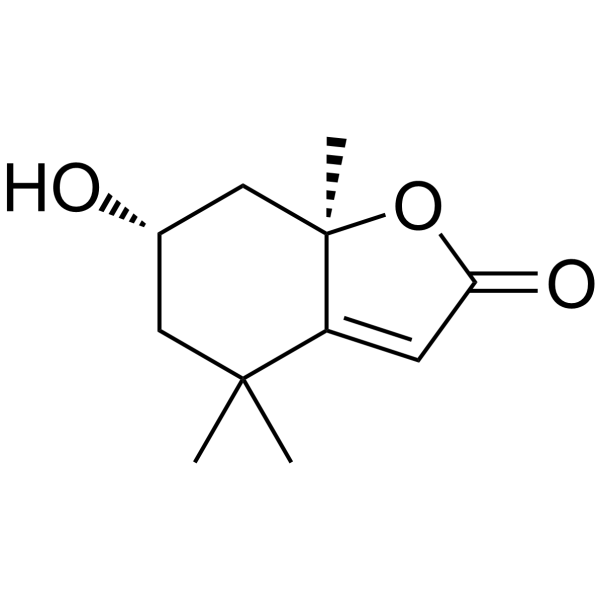 0 ImagesSynonyms: Loliolid; Digiprolactone
Loliolide (Loliolid) is a β-carotene metabolite. Loliolide reduces caspase 3, 8, 9 expression, enhances PI3K, AKT, SIRT1, inhibits ROS, apoptosis, and blocks NF-κB p65 nuclear translocation. Loliolide protects mitochondria, reduces oxidative stress, and increases cell viability in neuroblastoma cells. Loliolide can be used for the research of UV-induced skin damage and Parkinson’s disease.
-
Pomalidomide-PEG4-C-COOH
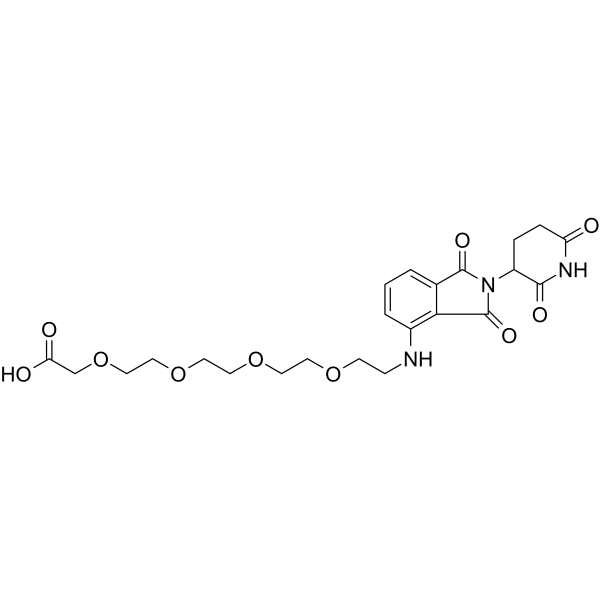 0 ImagesSynonyms: Cereblon Ligand -Linker Conjugates 1; E3 Ligase Ligand-Linker Conjugates 1
Pomalidomide-PEG4-C-COOH (Cereblon Ligand -Linker Conjugate 1) is a synthesized E3 ligase ligand-linker conjugate that incorporates the Pomalidomide based cereblon ligand and 4-unit PEG linker used in PROTAC technology.
-
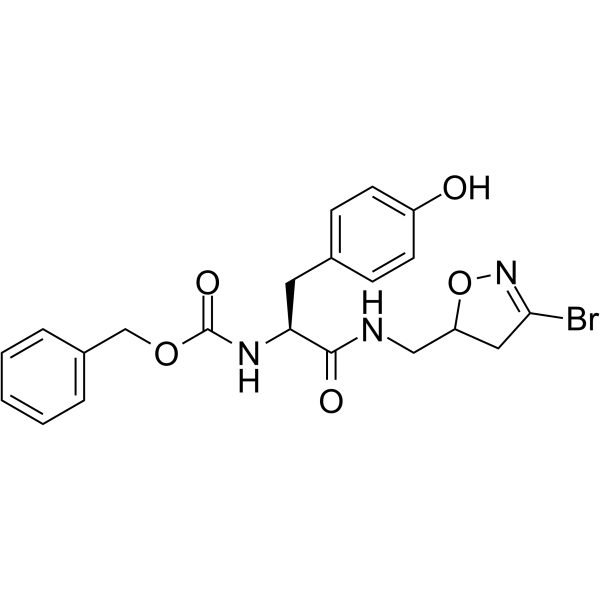
KCC009
 0 Images
KCC009, a transglutaminase 2 (TG2) inhibitor, induces p53-independent radiosensitization.
-
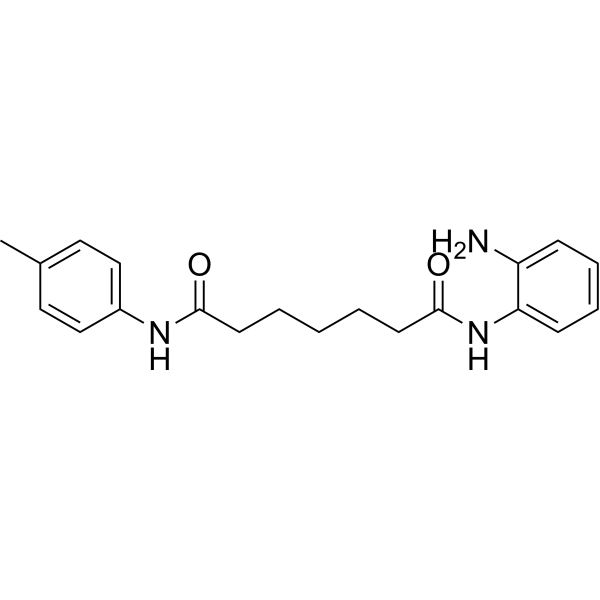
Pimelic Diphenylamide 106
 0 ImagesSynonyms: RGFA-8; TC-H 106; Histone Deacetylase Inhibitor VII
Pimelic Diphenylamide 106 (TC-H 106) is a slow, tight binding class I HDAC inhibitor (inhibits HDAC1, 2, and 3 with IC50 values of 150 nM, 760 nM, and 370 nM, respectively), with no activity against class II HDACs. Pimelic Diphenylamide 106 modulates dopamine concentration and protects dopamine cells by inducing VMAT2 expression. Pimelic Diphenylamide 106 can be used in the study of neuropsychiatric diseases such as attention deficit hyperactivity disorder (ADHD).