Cardiovascular Disease
-
Cardiovascular Disease Related Products (8856)
Related Products (8856)

-
Antibodies (4)
-
Related Compound Screening Libraries (2)
-
Regrelor
 0 ImagesCat. No.: HY-189107CAS No.: 787548-03-2Synonyms: INS50589 free acid
Regrelor (INS50589 (free acid)) is a selective, reversible, and competitive P2Y12 receptor antagonist and an adenosine 5′-monophosphate derivative. Regrelor inhibits ADP (HY-W010918)-induced aggregation of human washed platelets with an IC50 of 0.016 μM. Intravenous infusion of Regrelor rapidly and dose-dependently inhibits ADP-induced platelet function, and platelet function gradually recovers after cessation of infusion. Regrelor can be used for research on P2Y12-mediated platelet function and cardiovascular regulation.
-
ASP7967 hemifumarate
 0 ImagesCat. No.: HY-49538CCAS No.: 1246958-42-8
ASP7967 hemifumarate is an orally active ligand of the RNA aptamer AC17-4 with a Kd of 12 nM. ASP7967 hemifumarate binds AC17-4 to regulate aptazyme-based and exon-skipping riboswitches, thereby enabling small-molecule-controlled transgene expression without exogenous protein factors. ASP7967 hemifumarate can be used for the study of synthetic RNA switches, gene expression regulation and AAV-based gene therapy-related expression control.
-
P2X7-IN-2
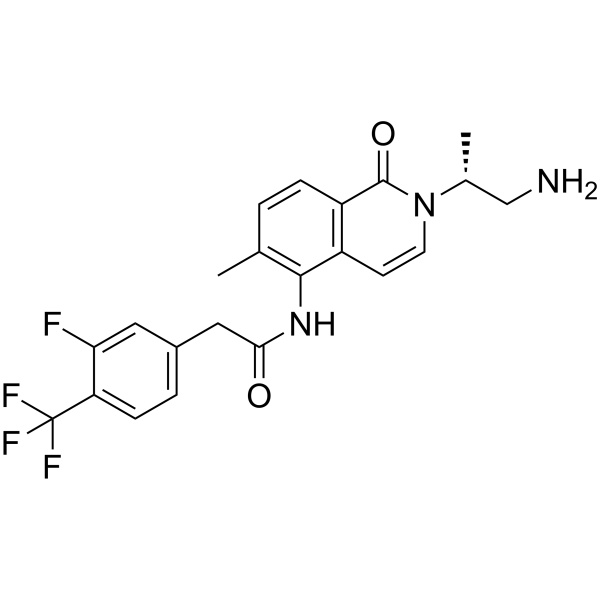 0 ImagesCat. No.: HY-18725CAS No.: 1058709-63-9
P2X7-IN-2 (compound 58) is a P2X7 receptor inhibitor. P2X7-IN-2 inhibits IL-Iβ release with an IC50 value of 0.01 nM. P2X7-IN-2 can be used for the research of autoimmunity, inflammation and cardiovascular disease.
-
Mecobalamin solution
 0 ImagesCat. No.: HY-FLB0586CAS No.: 13422-55-4
Mecobalamin solution is mainly composed of Methylcobalamin (HY-B0586). Methylcobalamin (CH3-B12), a cobalamin, is a form of vitamin B12 and can be used in research related to peripheral neuropathy or megaloblastic anemia caused by a deficiency of vitamin B12.
-
β3-AR agonist 1
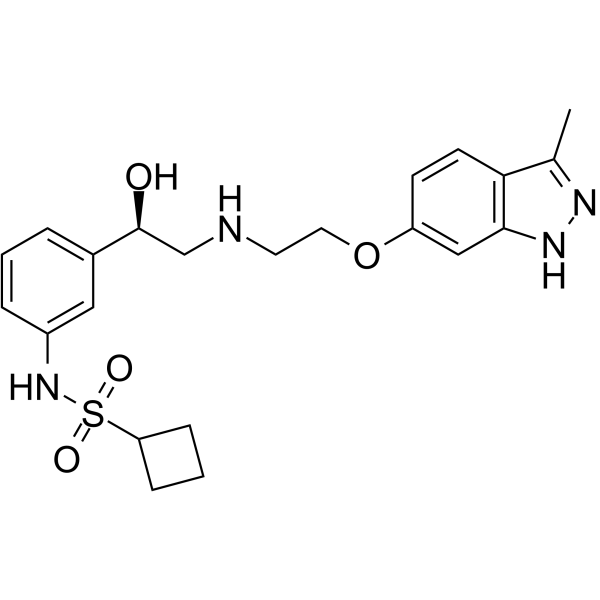 0 ImagesCat. No.: HY-101514CAS No.: 1283125-73-4
β3-AR agonist 1 (compound 15) is a highly potent, selective, and orally available β3-adrenergic receptor (β3-AR) agonist (EC50=18 nM), being inactive to β1-, β2-, and α1A-AR (β1/β3, β2/β3, and α1A/β3>556-fold).
-
PD151242
 0 ImagesCat. No.: HY-136785CAS No.: 155561-67-4
PD151242 is a selective competitive antagonist of the endothelin ETA receptor, with KD values of 0.65 nM, 0.64 nM and 1.92 nM for human, rat and porcine receptors, respectively, and a KD value of 104 μM for the human ETβ receptor. When radiolabeled as [125I]-PD151242, PD151242 can be used to visualize and localize renal vascular ETA receptors.
-
Prolyl Hydroxylase inhibitor 1
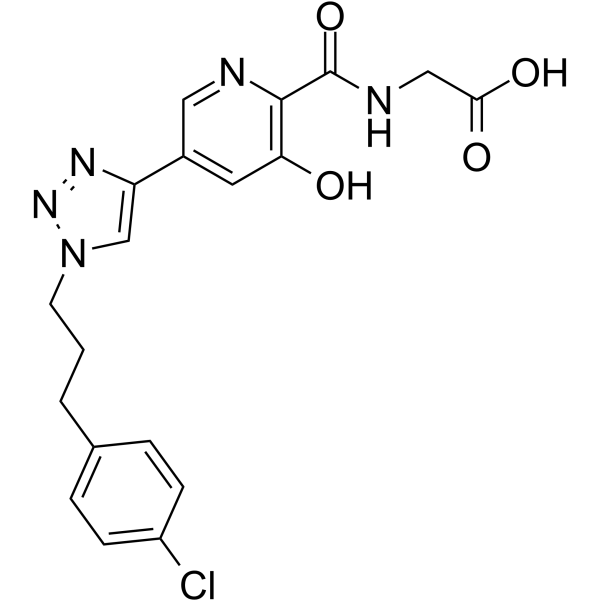 0 ImagesCat. No.: HY-112441CAS No.: 2205125-60-4
Prolyl Hydroxylase inhibitor 1 (Compound 15i) is an orally active hypoxia inducible factor (HIF)-prolyl hydroxylase (PHD) inhibitor with an IC50 of 62.23 nM. Antianemia agent.
-
DS88790512
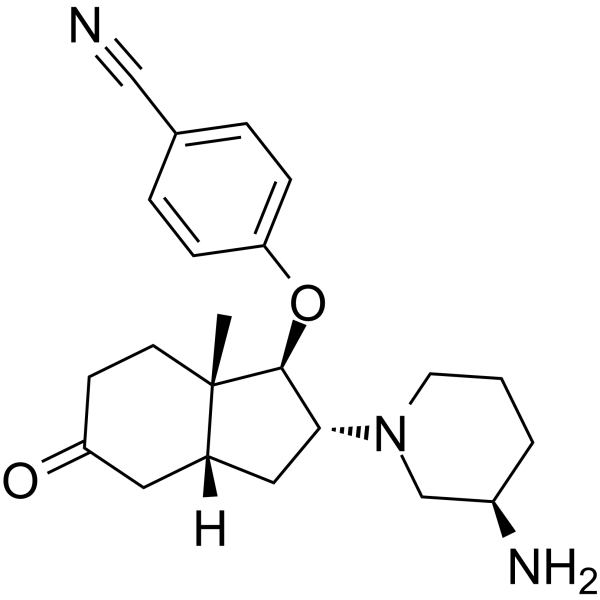 0 ImagesCat. No.: HY-112298CAS No.: 2231089-95-3
DS88790512 is a potent, selective, and orally bioavailable TRPC6 inhibitor with an IC50 of 11 nM.
-
CETP-IN-3
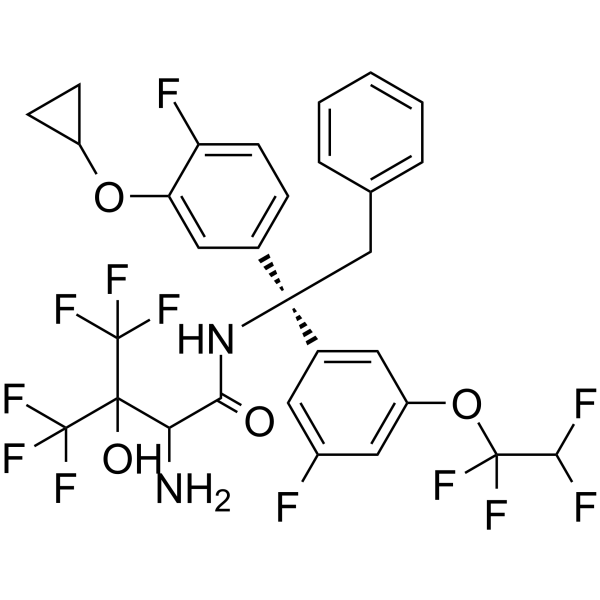 0 ImagesCat. No.: HY-128338CAS No.: 939391-31-8
CETP-IN-3 (Compound 13) is an small molecule inhibitor of the plasma glycoprotein cholesterol ester transfer protein (CETP), elevating HDL-C through inhibition of CETP. CETP-IN-3 for the CETP inhibitory activity in the scintillation proximity (SPA) and whole plasma assay (WPA) with IC50s of 0.002 μM and 0.06 μM, respectively.
-
Niacin hydrochloride
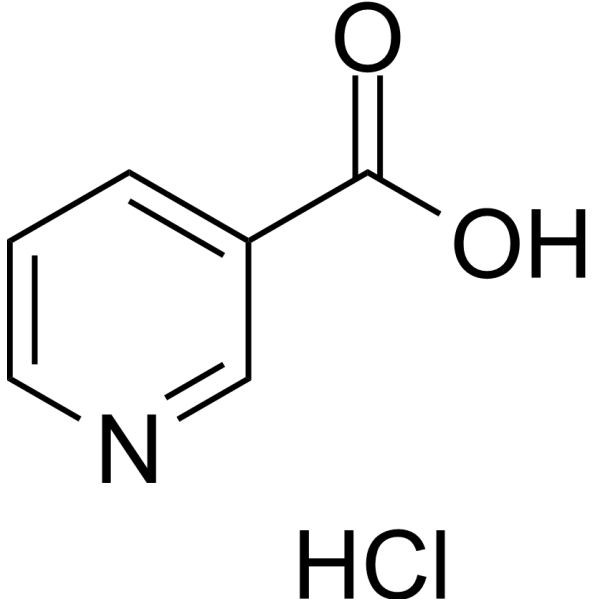 0 ImagesSynonyms: Nicotinic acid hydrochloride; Vitamin B3 hydrochloride
Niacin (Vitamin B3; Nicotinic acid) hydrochloride is an orally active B3 vitamin that is an essential nutrient for humans. Niacin hydrochloride plays a key role in energy metabolism, cell signaling cascades regulating gene expression and apoptosis. Niacin hydrochloride is also used in the study of cardiovascular diseases.
-
Mecamylamine
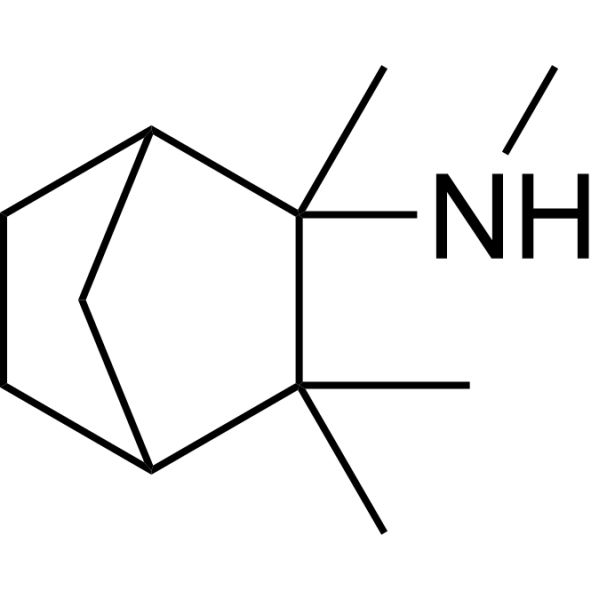 0 Images
Mecamylamine is an orally active, nonselective, noncompetitive nAChR antagonist. Mecamylamine is also a ganglionic blocker. Mecamylamine can across the blood-brain barrier. Mecamylamine can be used in the research of neuropsychiatric disorders, hypertension, antidepressant area.
-
Fenoldopam hydrochloride
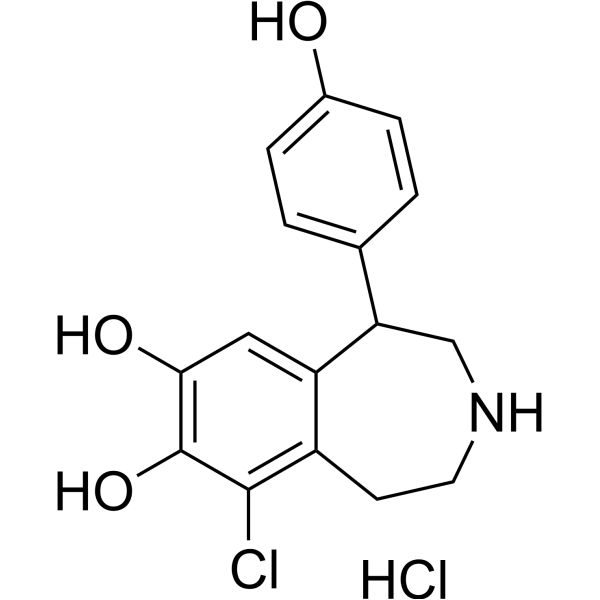 0 ImagesCat. No.: HY-110021CAS No.: 181217-39-0Synonyms: SKF 82526 hydrochloride
Fenoldopam (SKF 82526) hydrochloride is a D1 receptor agonist and a novel lysine-specific demethylase 1 (LSD1) inhibitor (IC50=0.8974 μM). Fenoldopam hydrochloride shows anti-hypertensive effects, anti-cancer cell proliferation activity and can induce cells apoptosis.
-
Methoxamine
 0 Images
Methoxamine is a selective alpha1-adrenergic receptor agonist. Methoxamine causes vasoconstriction and increased peripheral vascular resistance. Methoxamine hydrochloride significantly increased the overflow of ATP, ADP and AMP, but not adenosine, by a prazosin-sensitive mechanism in the rabbit pulmonary artery.
-
P2Y1 antagonist 6
 0 ImagesCat. No.: HY-124405CAS No.: 870544-87-9
P2Y1 antagonist 6 (Example 30) is a P2Y1 receptor (P2Y1 Receptor) antagonist and can be used in antithrombotic research.
-
BQ-123 TFA
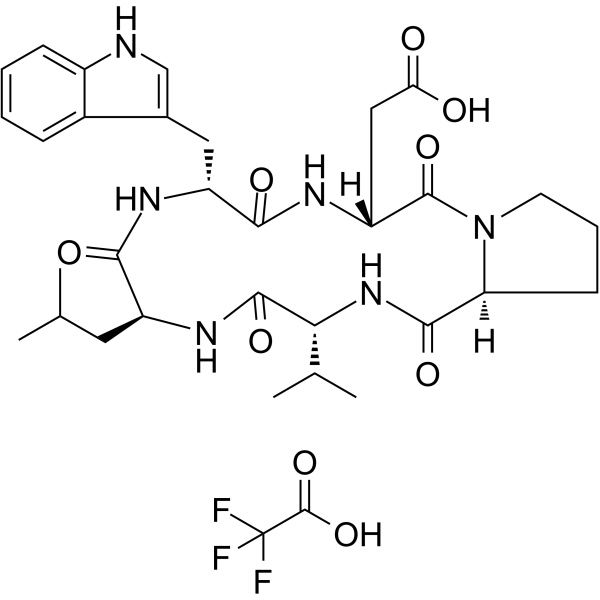 0 ImagesCat. No.: HY-12378A
BQ-123 TFA is a potent and selective endothelin A (ETA) receptor antagonist with an IC50 of 7.3 nM and a Ki of 25 nM. BQ-123 TFA inhibits endothelin-1-mediated proliferation of human pulmonary artery smooth muscle cells and lowers blood pressure in different rat models of hypertension.
-
Mito-Esculetin
 0 ImagesCat. No.: HY-184265CAS No.: 1993461-76-9Synonyms: Mito-Esc
Mito-Esculetin (Mito-Esc) is an orally active mitochondria-targeted derivative of Esculetin (HY-N0284). Mito-Esculetin inhibits LPS-induced phosphorylation of STAT3 Tyr-705, partially reverses LPS-mediated depletion of SIRT3, and enhances the AMPK-SIRT1 signaling axis. Mito-Esculetin inhibits PAI-1 activity, regulates miRNA, and induces phosphorylation of IRS and AKT. Mito-Esculetin suppresses oxidant-induced endothelial dysfunction, Ang-II (HY-13948)- and high glucose-induced atherosclerotic plaque formation, Palmitate (HY-N0830)-induced insulin resistance, as well as high glucose-mediated endothelial cell senescence and inflammatory responses. Mito-Esculetin reduces body weight and non-esterified fatty acid (NEFA) levels. Mito-Esculetin can be used in research related to acute coronary syndrome, type 2 diabetes, and hyperglycemia-induced atherosclerosis.
-
(R)-Efonidipine
 0 ImagesCat. No.: HY-12502CCAS No.: 128194-13-8Synonyms: (R)-NZ-105; (-)-Efonidipine
(R)-Efonidipine ((R)-NZ-105) is an orally active, selective T-type Ca2+ channel blocker. (R)-Efonidipine does not inhibit high-voltage-activated Ca2+ channels, voltage-dependent Na+ channels, or Ca2+-activated K+ channels. (R)-Efonidipine modulates cardiac autonomic function by increasing parasympathetic activity and decreasing sympathetic activity. (R)-Efonidipine significantly improves survival in a mouse model of dilated cardiomyopathy. (R)-Efonidipine can be used in research on ischemic encephalopathy, heart failure, and hypertension.
-
FIPI hydrochloride
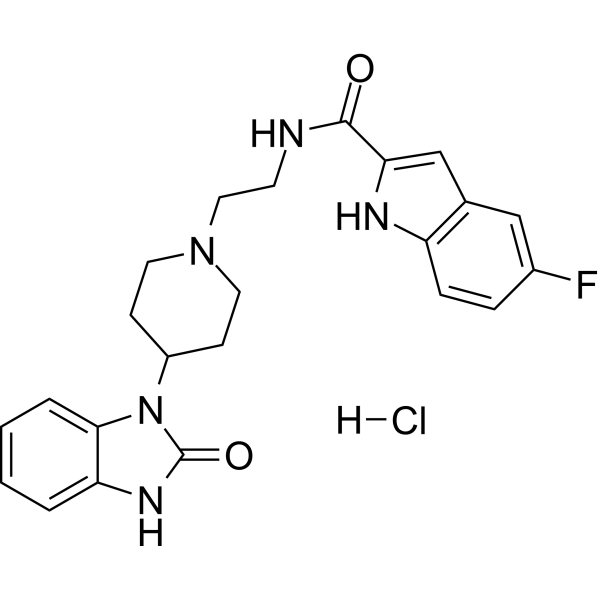 0 ImagesCat. No.: HY-12807ACAS No.: 1781834-93-2Synonyms: 5-Fluoro-2-indolyl deschlorohalopemide hydrochloride
FIPI hydrochloride is a phospholipase D (PLD) inhibitor with an IC50 for PLD1 and PLD2 of about 25 nM. FIPI hydrochloride regulates cytoskeletal recombination, cell diffusion and chemotaxis. FIPI hydrochloride can be used in cancer research. In addition, FIPI hydrochloride can enhance the secretion and aggregation of platelet dense particles, inhibit thrombosis, reduce ischemic stroke infarct volume and improve nerve function.
-
Anagliptin hydrochloride
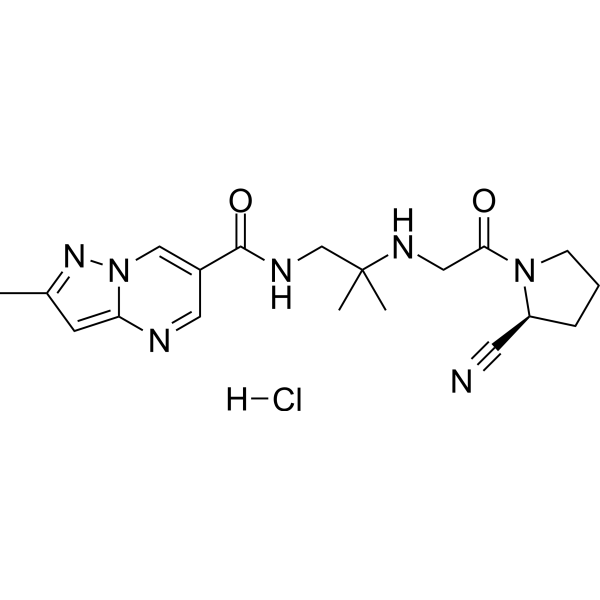 0 ImagesCat. No.: HY-14877ACAS No.: 1359670-56-6Synonyms: SK-0403 hydrochloride
Anagliptin (SK-0403) hydrochloride is a highly selective, potent, orally active inhibitor of dipeptidyl peptidase 4 (DPP-4), with an IC50 of 3.8 nM, and less selective at DPP-8 and DDP-9 with IC50s of 68 nM and 60 nM, respectively.
-
Cassaine
 0 Images
Cassaine (Nervocidine) is a Na+/K+-ATPase inhibitor. Cassaine stabilizes phosphorylated intermediates, slows spontaneous dephosphorylation and blocks potassium-stimulated dephosphorylation. Cassaine exhibits non-competitive inhibition with respect to K+, shows inhibition enhanced by Pi and antagonized by Na+. Cassaine induces positive inotropic effects in perfused hearts with faster inotropy offset. Cassaine can be used for research on cardiac arrhythmias.