



Bcl-2
Bcl-2 (B-cell lymphoma 2) is a central anti-apoptotic regulator that preserves mitochondrial integrity by preventing mitochondrial outer membrane permeabilization (MOMP), a critical checkpoint controlling cytochrome c release and caspase activation during intrinsic apoptosis[1][2]. Mechanistically, Bcl-2 functions through direct interactions with pro-apoptotic BCL-2 family proteins, including Bax and Bak, thereby suppressing their oligomerization and limiting mitochondrial membrane disruption[3][4]. The protein also integrates signals transmitted by BH3-only proteins, which regulate the balance between cell survival and programmed cell death under physiological and pathological stress conditions[3][5]. Dysregulated Bcl-2 expression contributes to apoptosis resistance in multiple malignancies and supports tumor cell survival by maintaining mitochondrial homeostasis despite cellular stress[6][7]. In disease models, the anti-apoptotic activity of Bcl-2 is closely linked to mitochondrial apoptosis pathways that represent major therapeutic targets in hematologic and solid cancers[6][8]. Compared with related anti-apoptotic isoforms such as Mcl-1 and Bcl-B, Bcl-2 displays broader interactions with both Bax and Bak, whereas Mcl-1 and Bcl-B show preferential regulation of Bak- and Bax-dependent apoptotic pathways, respectively[4]. For experimental applications, BH3-mimetic inhibitors disrupt the interaction between Bcl-2 and pro-apoptotic partners, thereby restoring mitochondrial apoptosis and providing a widely used strategy for mechanistic studies and targeted cancer research[7][8].
References:
- [1]. Harris MH, et al. The role of the Bcl-2 family in the regulation of outer mitochondrial membrane permeability. Cell Death Differ. 2000;7:1182-1191.
- [2]. Breckenridge DG, et al. Regulation of mitochondrial membrane permeabilization by BCL-2 family proteins and caspases. Curr Opin Cell Biol. 2004;16(6):647-652.
- [3]. Kale J, et al. BCL-2 family proteins: changing partners in the dance towards death. Cell Death Differ. 2018;25:65-80.
- [4]. Zhai D, et al. Differential regulation of Bax and Bak by anti-apoptotic Bcl-2 family proteins Bcl-B and Mcl-1. J Biol Chem. 2008 Apr 11;283(15):9580-6. [Content Brief]
- [5]. Lomonosova E, et al. BH3-only proteins in apoptosis and beyond: an overview. Oncogene. 2008 Dec;27 Suppl 1(Suppl 1):S2-19. [Content Brief]
- [6]. Danial NN. BCL-2 family proteins: critical checkpoints of apoptotic cell death. Clin Cancer Res. 2007;13(24):7254-7263.
- [7]. Akl H, et al. A dual role for the anti-apoptotic Bcl-2 protein in cancer: Mitochondria versus endoplasmic reticulum. Biochim Biophys Acta. 2014;1843(10):2240-2252.
- [8]. Kang MH, et al. Bcl-2 inhibitors: targeting mitochondrial apoptotic pathways in cancer therapy. Clin Cancer Res. 2009 Feb 15;15(4):1126-32. [Content Brief]
-
Bcl-2 Related Products (325)
Related Products (325)

-
Antibodies (6)
-
Sabutoclax
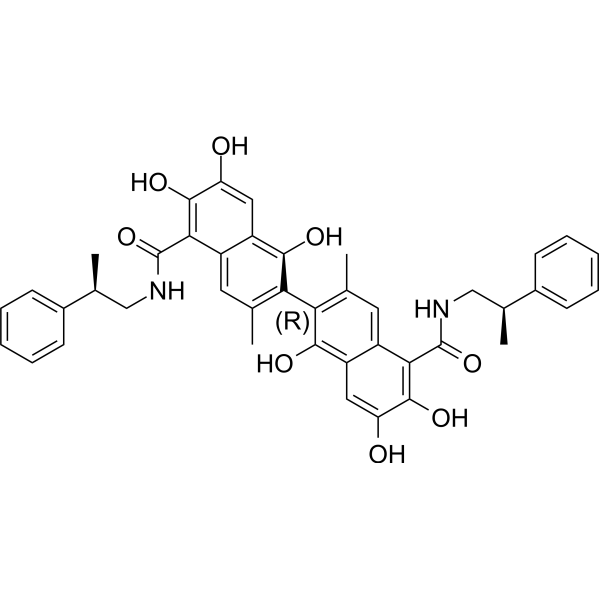 0 ImagesSynonyms: BI-97C1
-
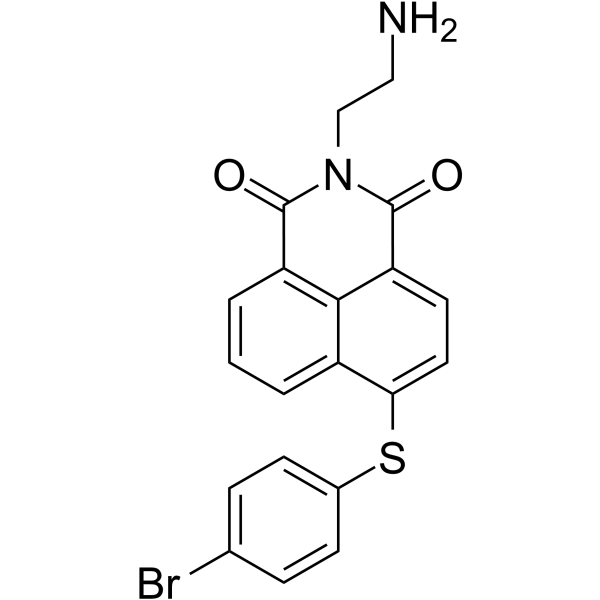
F16
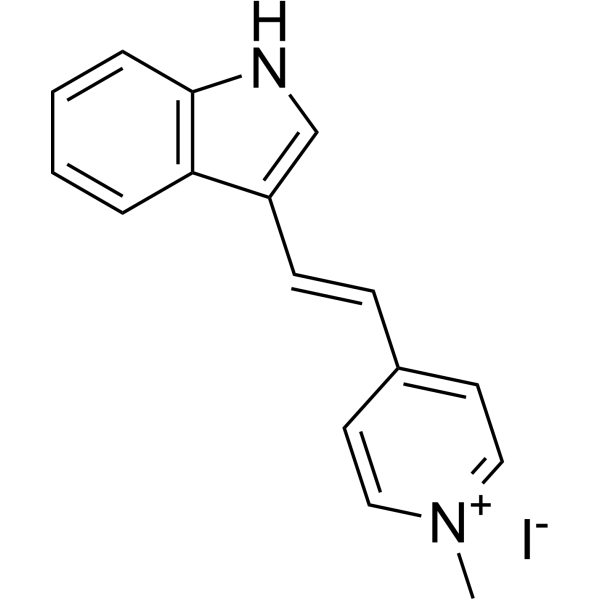 0 ImagesF16 is a mitochondrial permeability transition pore (PTP) modulator with an EC50 of 30 μM in mice. F16 promotes PTP opening, accumulates in cancer cell mitochondria, and induces mitochondrial depolarization, swelling, cristae disruption, outer membrane rupture, ATP depletion, reactive oxygen species (ROS) production, cytochrome c release and mitochondrial uncoupling. F16 induces cell cycle arrest at the G1 (occasionally G2) phase, reduces the phosphotyrosine content of Neu, as well as the levels of phosphorylated PKB/Akt and phosphorylated MAP kinase, downregulates the protein expression levels of Neu and PKB, triggers apoptosis in cells with moderate Bcl-2 expression, and induces necrosis in cells with overexpressed Bcl-2. F16 can be used in research related to breast cancer and gastric cancer.
-
Rhein 8-O-β-D-Glucopyranoside
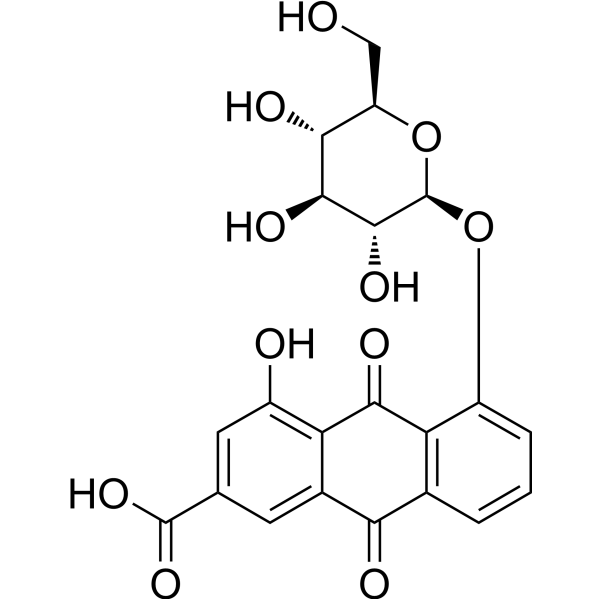 0 ImagesRhein 8-O-β-D-Glucopyranoside is an orally active glycoside found in Rhubarb. Rhein 8-O-β-D-Glucopyranoside attenuates high glucose-induced apoptosis, recovers altered lincRNA ANRIL and let-7a expression, reverses high glucose-altered Bcl-2 and cleaved caspase-3 protein expression, and inhibits TGF-β1/Smad signaling. Rhein 8-O-β-D-Glucopyranoside accelerates Sennoside A (HY-N0365) metabolism, stimulates sennoside A purgative activity. Rhein 8-O-β-D-Glucopyranoside inhibits bacterial biofilm formation, suppresses its virulence gene expression, and exerts antibacterial activity. Rhein 8-O-β-D-Glucopyranoside can be used for the research of diabetic nephropathy, constipation, and infection.
-
Daphnoretin
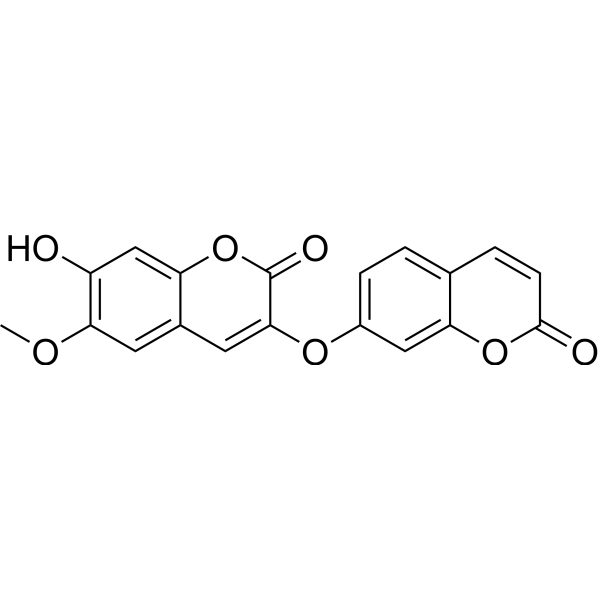 0 ImagesDaphnoretin (Dephnoretin; Thymelol) is a protein kinase C (PKC) activator that inhibits the expression of hepatitis B virus (HBV) surface antigen (HBsAg) and exhibits antiviral activity. Daphnoretin exerts its antitumor effects by inhibiting the activation of the PI3K/AKT signaling pathway and triggers the mitochondrial apoptosis pathway. Daphnoretin alleviates chondrocyte apoptosis and inflammatory responses by inhibiting endoplasmic reticulum stress and activation of the NLRP3 inflammasome. Daphnoretin regulates the differentiation and maturation of dendritic cells, inhibits their immunostimulatory function by downregulating the phosphorylation level of JNK, and thus exerts a protective effect in skin graft rejection.
-
Secoxyloganin
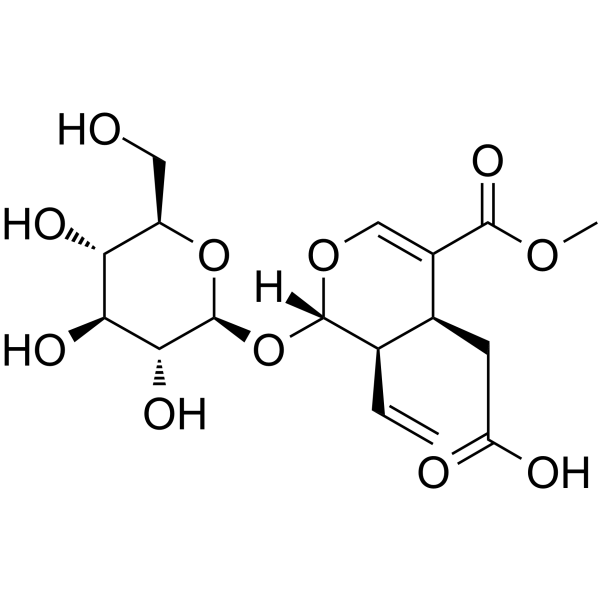 0 ImagesSecoxyloganin is an orally effective iridoid derivative. Secoxyloganin can be isolated from the flower buds of L. japonica. Secoxyloganin induces Apoptosis by inhibiting the expression of Bcl-2. Secoxyloganin potently inhibits the proliferation of breast cancer cells, while exerting weak activity against normal mammary epithelial cells. Secoxyloganin inhibits the decrease in tail vein blood flow associated with allergic reactions.
-
SYM 2081
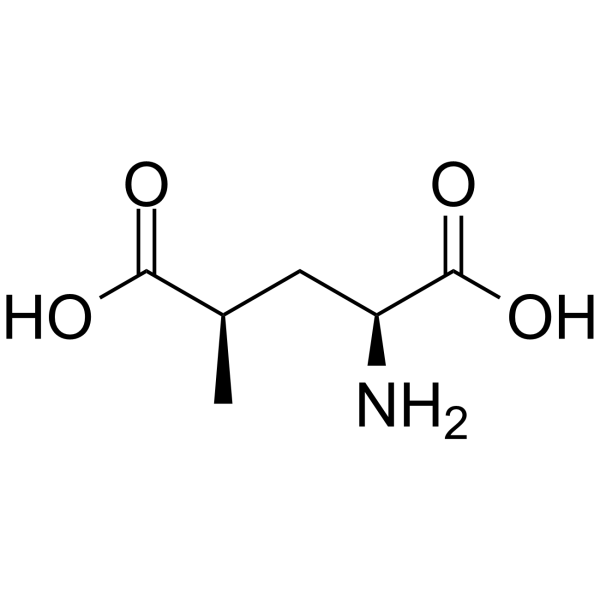 0 ImagesSYM 2081 is a kainate receptor agonist. SYM 2081 is a substrate of EAAT1 (Km of 54 μM). SYM 2081 inhibits EAAT2-mediated glutamate transport (Kb is 3.4 μM in Xenopus oocytes), modulates Apoptotic signaling pathways (increases Bcl-2 and decreases Bax/caspase-3 expression). SYM 2081 exhibits neuroprotective activity. SYM 2081 can be used in the study of hypoxic-ischemic brain damage and inflammatory or neuropathic pain.
-
Kansuinine A
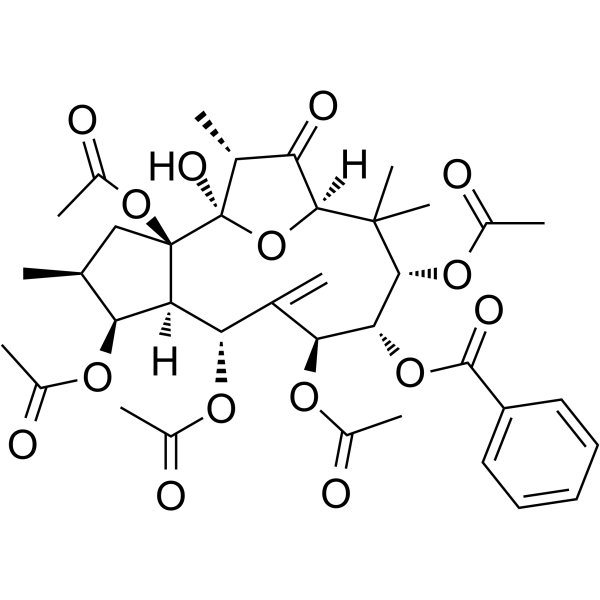 0 ImagesKansuinine A is a diterpenoid compound. Kansuinine A is isolated from the roots of Euphorbia kansui. Kansuinine A inhibits H2O2-mediated upregulation of phosphorylated IKKβ, NF-κB and IκBα. Kansuinine A inhibits ROS production, reduces the Bax/Bcl-2 ratio and the expression of cleaved Caspase-3. Kansuinine A upregulates the expression of SOCS-3 and blocks IL-6-induced signal transduction. Kansuinine A decreases the expression of LOX-1 and inhibits Apoptosis. Kansuinine A reduces the atherosclerotic lesion area of the aortic arch, improves glucose/insulin tolerance, and enhances antioxidant capacity. Kansuinine A exhibits antiviral and antitumor activities. Kansuinine A can be used in research related to atherosclerosis, liver cancer and type 2 diabetes.
-
23-Hydroxybetulinic acid
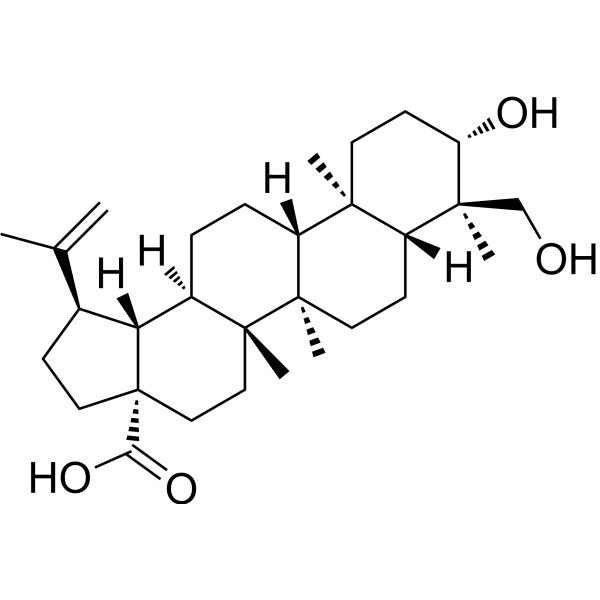 0 ImagesSynonyms: Anemosapogenin23-Hydroxybetulinic acid (Anemosapogenin) is an orally active triterpenoid with broad-spectrum anticancer activity. 23-Hydroxybetulinic acid reduces the levels of Bcl-2 and survivin, elevates the level of Bax, promotes the cleavage/activation of caspase-3 and caspase-9, and induces apoptosis via the endogenous mitochondrial pathway involving cytochrome C release and mitochondrial membrane potential disruption. 23-Hydroxybetulinic acid arrests the cell cycle at S and G1 phases, inhibits cancer cell proliferation, blocks the MAPK signaling pathway, regulates MMP2, and induces autophagic apoptosis by upregulating beclin-1. 23-Hydroxybetulinic acid inhibits the activity and efflux function of P-gp, increases the intracellular accumulation of chemotherapeutic drugs, and synergistically enhances cytotoxicity with Doxorubicin (HY-15142). 23-Hydroxybetulinic acid inhibits the phosphorylation and nuclear translocation of STAT6, blocks M2 macrophage polarization, and reduces M2 macrophage-mediated apoptosis resistance of colon cancer cells. 23-Hydroxybetulinic acid can be used in related studies on chronic myeloid leukemia, hepatocellular carcinoma, sarcoma 180, multidrug-resistant breast cancer, leukemia, Doxorubicin-induced cardiotoxicity, and colorectal cancer.
-
(S)-Gossypol (acetic acid)
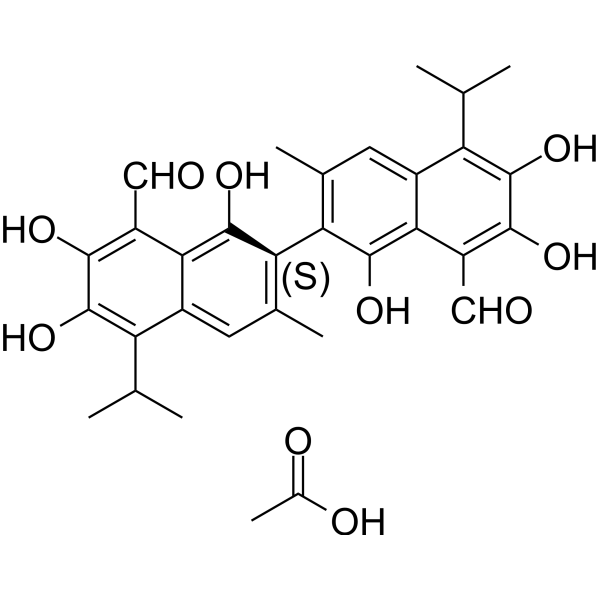 0 ImagesSynonyms: (S)-(+)-Gossypol acetic acid
-
Grosvenorine
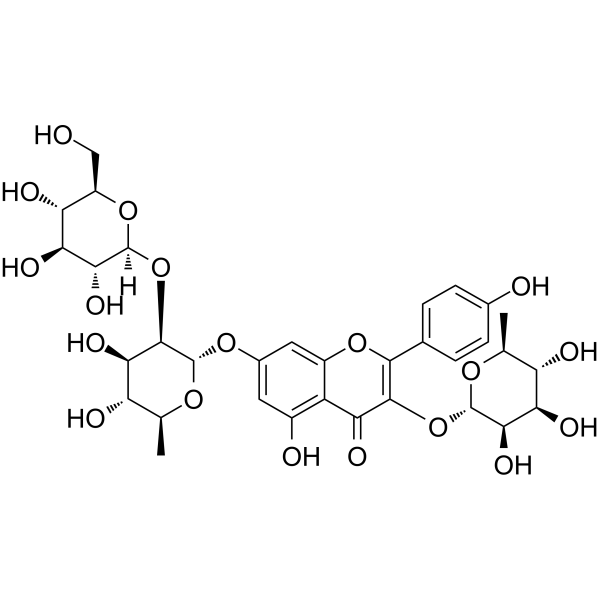 0 ImagesGrosvenorine is an orally active flavonoid glycoside found in S. grosvenorii. Grosvenorine exhibits antibacterial, antioxidant and antiinflammation activities. Grosvenorine can induce apoptosis and increases anti-apoptotic Bcl-2 protein expression and reduces pro-apoptotic P53 protein expression in gastric tissues. Grosvenorine enhances mucin/glycoprotein secretion, regulates gastric pH, and reduces gastric lesion incidence.Grosvenorine increases glutathione peroxidase, catalase, and SOD levels, reduces lipid peroxidation (MDA), and lowers TNF-α and IL-6 levels. Grosvenorine can be used for the researches of bacterial infection and Gastric ulcer.
-
Caudatin
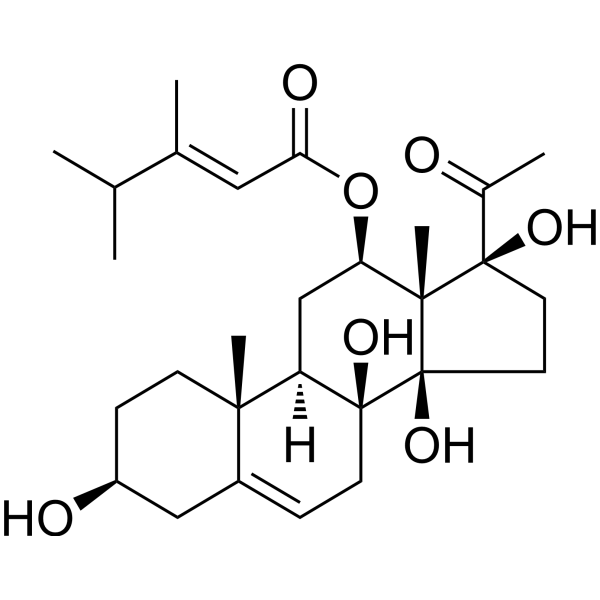 0 ImagesCaudatin is an orally active and brain-penetrant C-21 steroidal found in Cynanchum bungei decne with a variety of biological activities. Caudatin can inhibit cell proliferation, migration, invasion, cause cell phase arrest, induce apoptosis, autophagy, ROS prodution and loss of mitochondrial membrane potential. Caudatin activates PARP, caspase-3, -7, -9, upregulates pro-apoptotic Bad and Bax and downregulates anti-apoptotic Bcl-2 and Bcl-XL. Caudatin suppresses VEGF, FAK phosphorylation, upregulates p21, p27, DR5 protein expression, activates the p38 MAPK, JNK and PPARα/TFEB-mediated autophagy-lysosomal signaling pathways. Caudatin can be used for the research of cancer, inflammation and neurological disease, such as glioma and Alzheimer's disease.
-
3-Methylxanthine
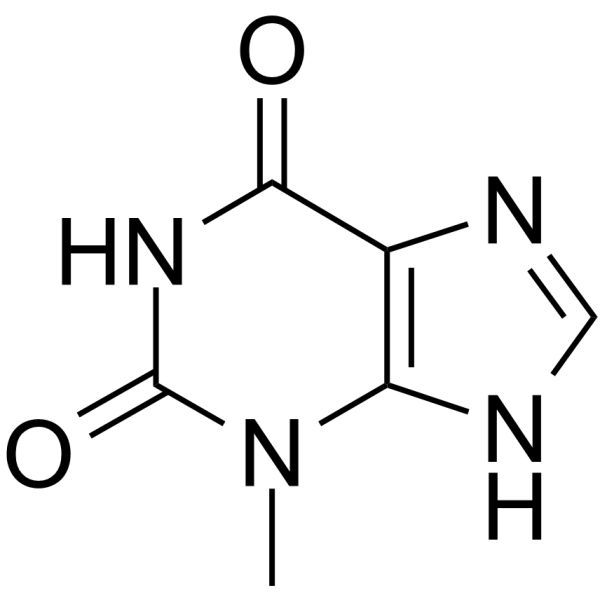 0 Images3-Methylxanthine is a blood-brain barrier-permeable cyclic GMP phosphodiesterase inhibitor, with an IC50 of 920 μM against guinea pig cyclic GMP phosphodiesterase. 3-Methylxanthine relaxes the spontaneous tension of isolated guinea pig tracheal smooth muscle preparations. Through a DRD1-dependent pathway, 3-Methylxanthine upregulates the expression of γH2AX and activated caspase-3, downregulates the expression of Bcl-2, and enhances Cisplatin-induced apoptosis (apoptosis) in ovarian cancer cells both in vitro and in vivo. 3-Methylxanthine induces clonic convulsions in the central nervous system. 3-Methylxanthine is the major metabolite of Theophylline (HY-B0809). 3-Methylxanthine can be used in studies related to ovarian cancer and neurotoxic convulsions.
-
(R)-(-)-Gossypol acetic acid
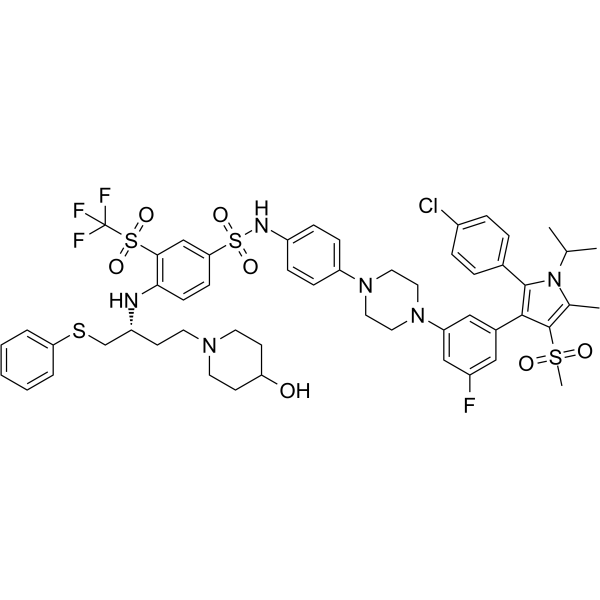
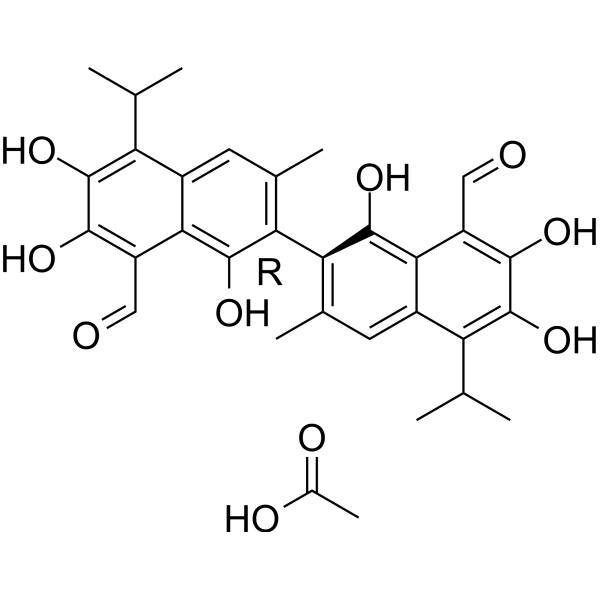 0 ImagesSynonyms: AT-101 (acetic acid); (-)-Gossypol acetic acid; (R)-Gossypol acetic acid
-
Ciwujianoside B
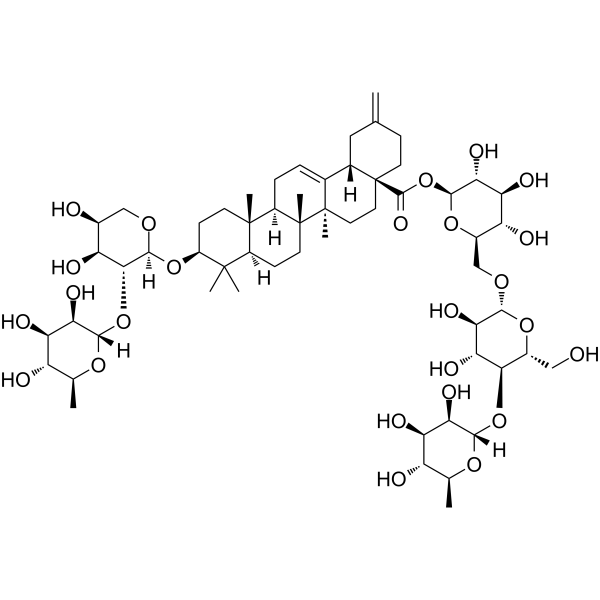 0 ImagesCiwujianoside B is an orally active, blood-brain barrier penetrable radioprotective agent and memory enhancer. Ciwujianoside B reduces radiation-induced DNA damage, cell cycle arrest and apoptosis, downregulates NF-κB and the Bax/Bcl-2 ratio, and enhances the proliferative capacity of bone marrow cells. Ciwujianoside B enhances object recognition memory in normal mice and induces dendritic extension in primary cultured cortical neurons. Ciwujianoside B can be used in studies related to hematopoietic system radiation injury and memory enhancement.
-
Chamaejasmine
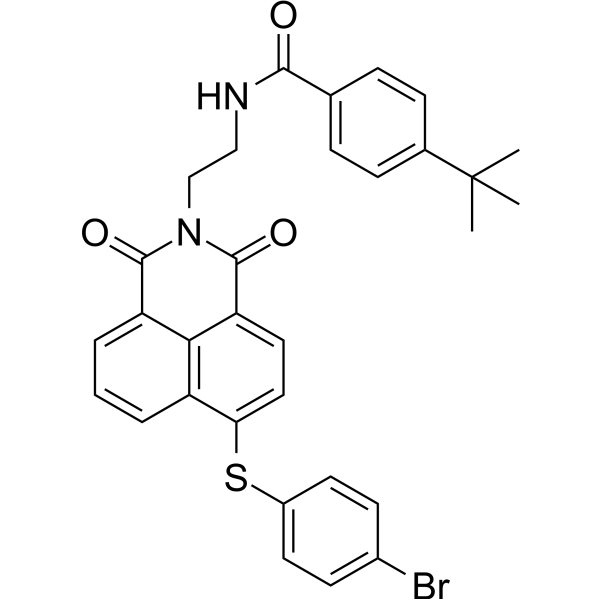
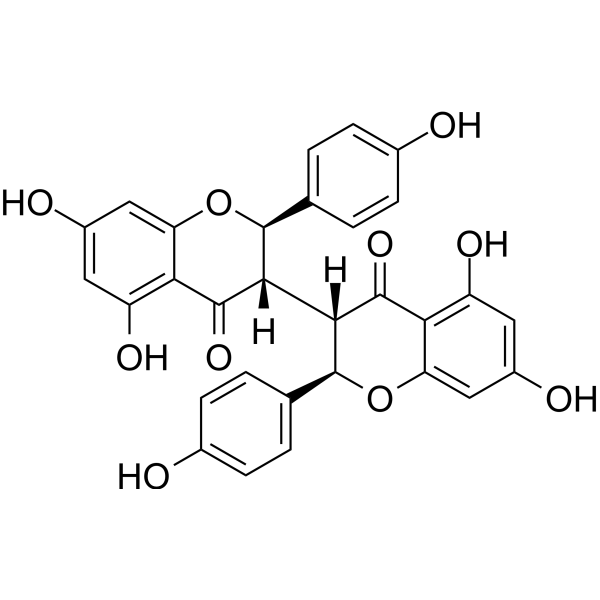 0 ImagesSynonyms: ChamaejasminChamaejasmine (Chamaejasmin) is a natural biflavonoid found in the roots of Stellera chamaejasme, exhibiting antitumor activity. Chamaejasmine inhibits Bcl-2, upregulates Bax, and induces cleavage of caspase-9/-3 and PARP. Chamaejasmine induces ROS production, Δψm loss, cytochrome c release, G2/M arrest, apoptosis, and autophagy. Chamaejasmine induces apoptosis and autophagy through activation of AMPK and inhibition of mTOR, and inhibits microtubule depolymerization by binding to β-tubulin. Chamaejasmine inhibits IL-4, IgE, β-hexosaminidase, and mast cell infiltration, and improves skin barrier function in AD models. Chamaejasmine exhibits cytotoxicity against various cancer cells. Chamaejasmine can be used in research related to various cancers such as lung adenocarcinoma and osteosarcoma, as well as atopic dermatitis.




