



JNK
c-Jun N-terminal kinase
JNK (c-Jun N-terminal kinase), a kinase subfamily belonging to the MAPK, is activated in response to various stress stimuli and possesses a wide variety of regulatory functions. The JNK family of serine/threonine protein kinases comprises three isoforms (JNK1, JNK2 and JNK3). JNKs are involved in the emergence and progression of diverse pathologies such as neurodegenerative, cardiovascular and metabolic disorders as well as inflammation and cancer.
Similar to the other MAP kinases, JNKs are activated by a phosphorylation cascade generally involving two types of upstream kinases, the so-called MAP kinase kinase kinases (MAP3K, MKKK) and the MAP kinase kinases (MAP2K; MKK). At the MAP2K level, JNKs are activated by MKK4 and MKK7, the former is a common activator of the JNK and the p38 MAP kinase signaling pathway. The JNK cascade shares various intersection points with other pathways making it a part of a complex signaling network.
JNK Isoform Specific Products
All Product Categories
-
JNK Related Products (560)
Related Products (560)

-
Antibodies (16)
-
JNK Isoform Comparison
-
Strictosamide
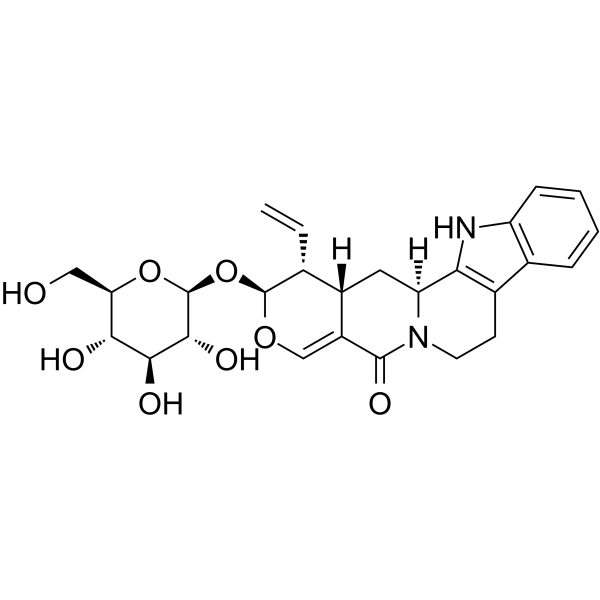 0 ImagesStrictosamide is a compound that can be isolated from Nauclea officinalis. Strictosamide has various activities such as anti-inflammatory, analgesic, anti-Plasmodium, antifungal, and promoting wound healing.
-
Polyporenic acid C
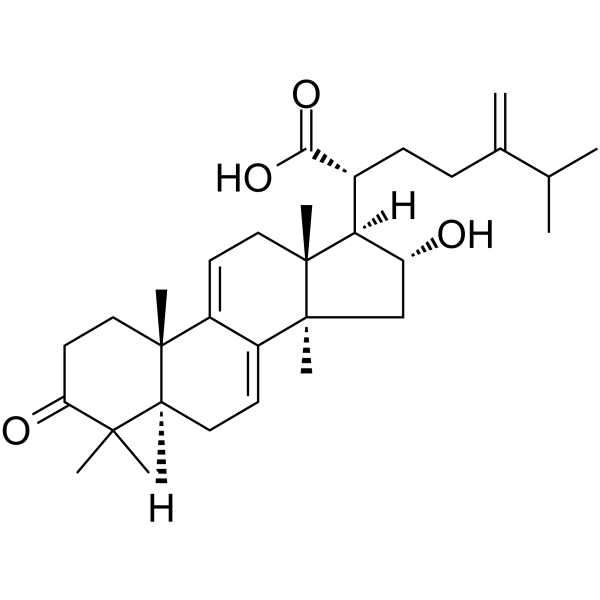 0 ImagesPolyporenic acid C is a lanostane-type triterpenoid. Polyporenic acid C can be isolated from Poria cocos. Polyporenic acid C causes the cleavage of caspase-8 and caspase-3, as well as the cleavage of PARP. Polyporenic acid C reduces the phosphorylation level of Akt (Ser473), increases the phosphorylation of PTEN and p53 (Ser15), and activates JNK. Polyporenic acid C induces Apoptosis. Polyporenic acid C shows anticancer activity against non-small cell lung cancer.
-
Ombuoside
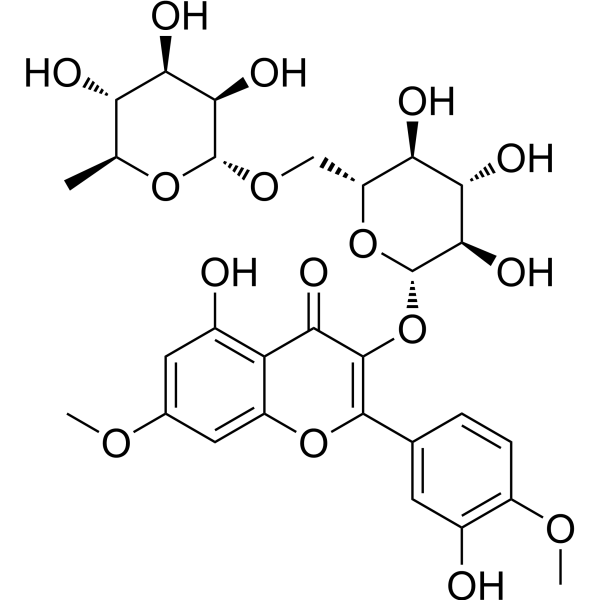 0 ImagesOmbuoside has antioxidant properties, inhibiting ROS production and apoptosis. Ombuoside exerts neuroprotective effects through the ERK-JNK-caspase-3 system. Ombuoside promotes Dopamine biosynthesis through TH and CREB activation. Ombuoside exhibits antimicrobial activity against several Gram-positive and Gram-negative bacteria, as well as Candida albicans
-
6-Methoxydihydrosanguinarine
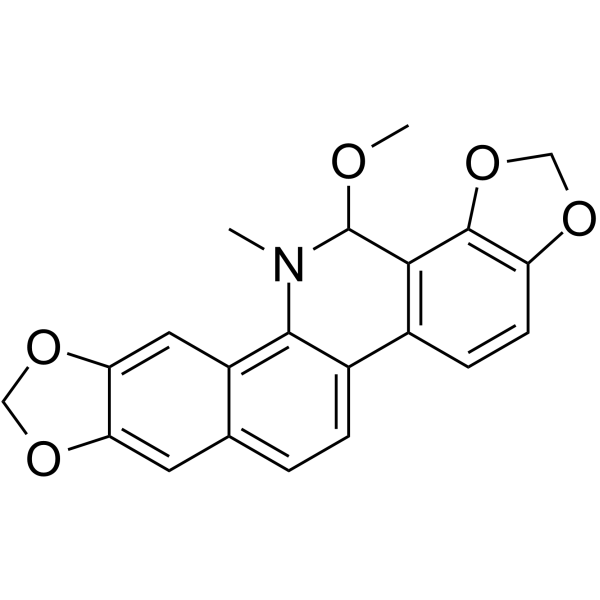 0 Images6-Methoxydihydrosanguinarine is an alkaloid with activity across multiple cancer cell types. 6-Methoxydihydrosanguinarine activates IRE1/JNK signaling, blocks Akt/mTOR and PI3K/AKT/mTOR pathways, reduces expression of Cdc25C, CyclinB1, Cdc2, YAP/TAZ, Survivin, GPX4, and EGFR, upregulates IRE1 and DR5, and activates JNK and caspases. 6-Methoxydihydrosanguinarine induces apoptosis, G2/M phase arrest, DNA damage, ROS generation, lipid peroxidation, ferroptosis, autophagy, and suppresses cancer cell growth. 6-Methoxydihydrosanguinarine disruptes the biofilm formation of Candida albicans (C. albicans). 6-Methoxydihydrosanguinarine can be used for the research of non-small cell lung cancer, hepatocellular carcinoma, melanoma, colon carcinoma, ovarian cancer and breast cancer.
-
Quinalizarin
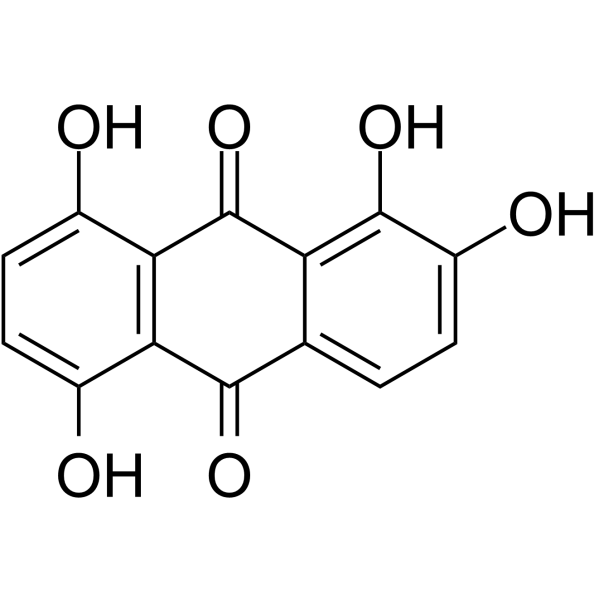 0 ImagesQuinalizarin is a protein kinase CK2 inhibitor with a Ki of 0.052 μM. Quinalizarin exhibits antifungal and anticancer activities. Quinalizarin induces ROS production, apoptotic signaling, mitochondrial pathway activation, cell cycle arrest, and cytotoxicity in cancer cells. Quinalizarin inhibits hyphal growth, biofilm formation, and mature biofilm integrity of Candida albicans. Quinalizarin can be used in research related to cancer and fungal infections.
-
SR-3306
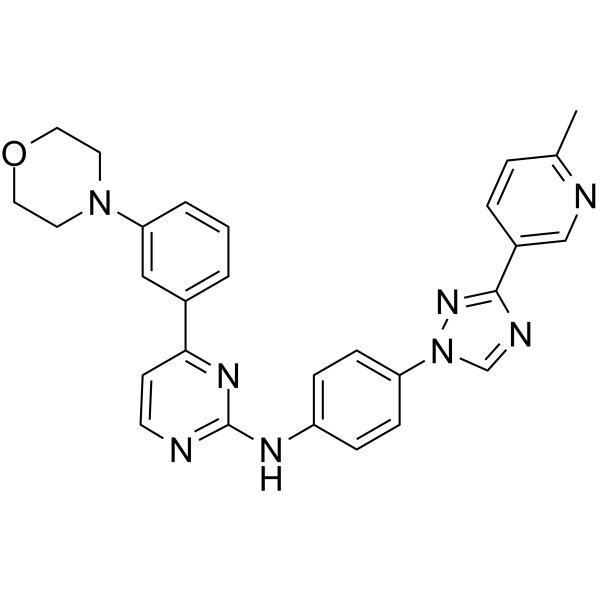 0 ImagesSR-3306 is a brain-penetrant and selective pan-JNK (JNK1/2/3) inhibitor. SR-3306 is a neuroprotective agent that can be used for the study of Parkinson's disease, ischemia/reperfusion (I/R) injury and obesity.
-
MAPK-IN-1
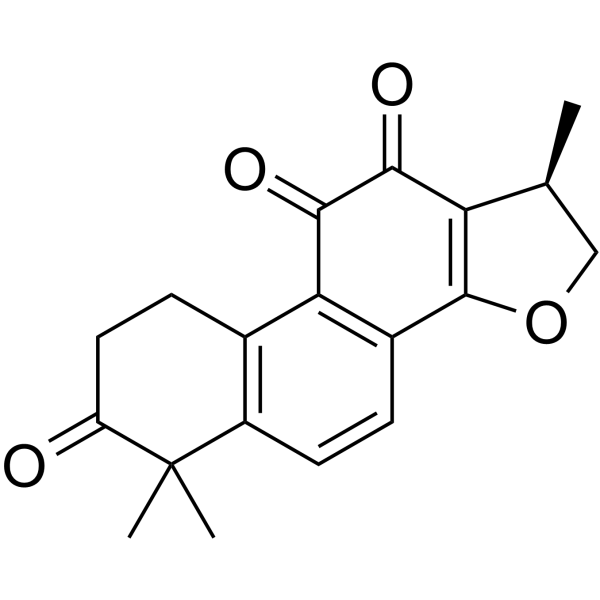 0 ImagesMAPK-IN-1 (Compound 2) is a MAPK signaling pathway inhibitor. MAPK-IN-1 exhibits AChE inhibitory activity with an IC50 of 23.84 μM. MAPK-IN-1 shows anti-neuroinflammatory and neuroprotective activity and can be used for Alzheimer's disease research.
-
5,7-Dihydroxy-4-methylcoumarin
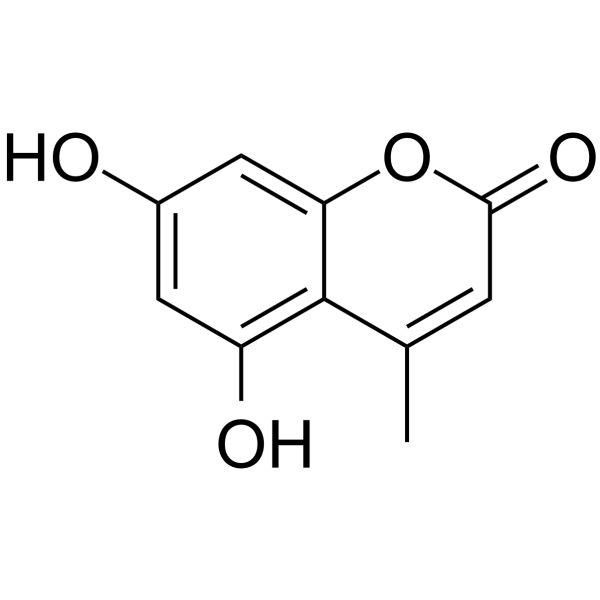 0 Images5,7-Dihydroxy-4-methylcoumarin is an antioxidant. 5,7-Dihydroxy-4-methylcoumarin protects mouse cochlear hair cells from Cisplatin-induced damage, enhances cell viability and inhibits apoptosis. 5,7-Dihydroxy-4-methylcoumarin downregulates phosphorylated JNK levels, increases the ratio of phosphorylated FoxO1 to total FoxO1, scavenges free radicals, reduces ROS accumulation, maintains mitochondrial membrane potential and alleviates mitochondrial dysfunction. 5,7-Dihydroxy-4-methylcoumarin downregulates the expression of caspase-3 and improves cell viability. 5,7-Dihydroxy-4-methylcoumarin can be used in studies related to ototoxicity.
-
(2S)-2'-Methoxykurarinone
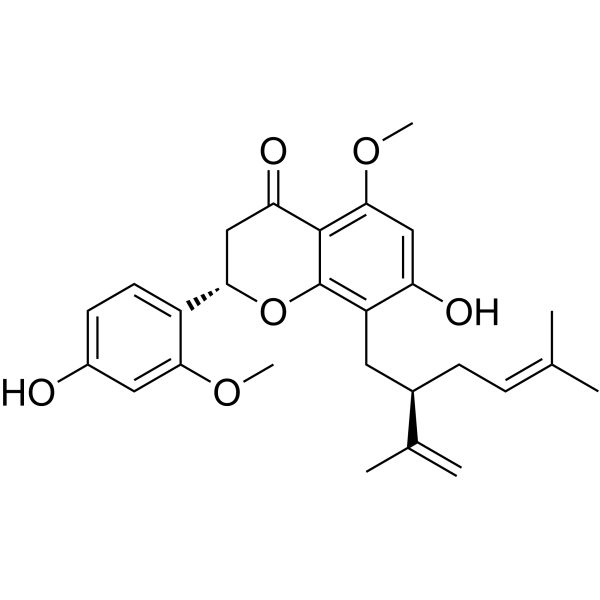 0 ImagesSynonyms: 2'-O-Methylkurarinone(2S)-2'-Methoxykurarinone (2'-O-Methylkurarinone) is a flavanone natural product found in the roots of Sophora flavescens, possessing anti-sepsis, inhibitory effects on osteoclast differentiation and bone resorption, anti-inflammatory, and anti-Plasmodium activities. (2S)-2'-Methoxykurarinone exhibits an EC50 = 2.4 μM against the FCR-3 strain of Plasmodium falciparum. In sepsis models, (2S)-2'-Methoxykurarinone modulates immune cell function and inhibits inflammation and oxidative stress. In bone-related models, (2S)-2'-Methoxykurarinone blocks osteoclast differentiation and bone resorption, and inhibits RANKL-mediated Akt, p38, and JNK signaling pathways. In skin inflammation models, (2S)-2'-Methoxykurarinone inhibits NF-κB pathway activation, upregulates HO-1 expression, and suppresses CCL27 chemokine production in HaCaT cells. (2S)-2'-Methoxykurarinone is useful for research on osteoporosis, sepsis, inflammatory skin diseases (such as atopic dermatitis and allergic contact dermatitis), and malaria.
-
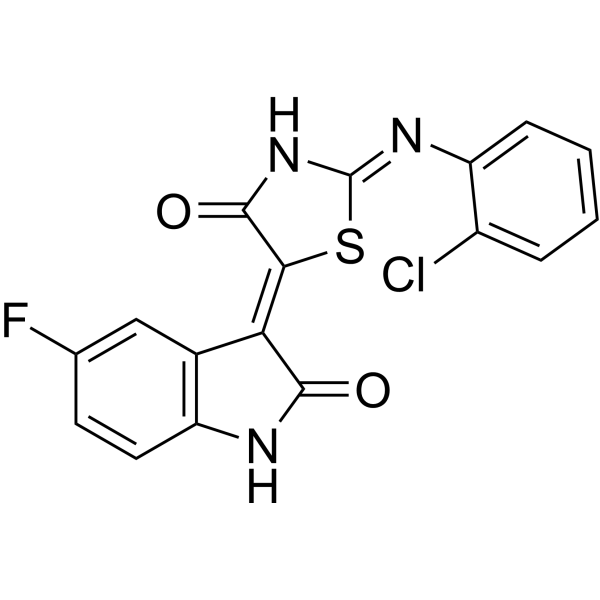
GDC-0134
 0 ImagesGDC-0134 (RG6000) is a modulator targeting dual leucine zipper kinase (DLK) that can cross the blood-brain barrier. By inhibiting the kinase activity of DLK, GDC-0134 blocks the activation of the downstream JNK signaling pathway, suppresses DLK-dependent retrograde signal transduction of axon-to-soma degeneration, and exerts neuroprotective activity. GDC-0134 reduces TDP-43 protein aggregation and decreases the degree of neuromuscular junction denervation in motor neurons. GDC-0134 can be used in the research of amyotrophic lateral sclerosis (ALS), Alzheimer's disease and other DLK-related neurodegenerative diseases.
-
IMM-H007
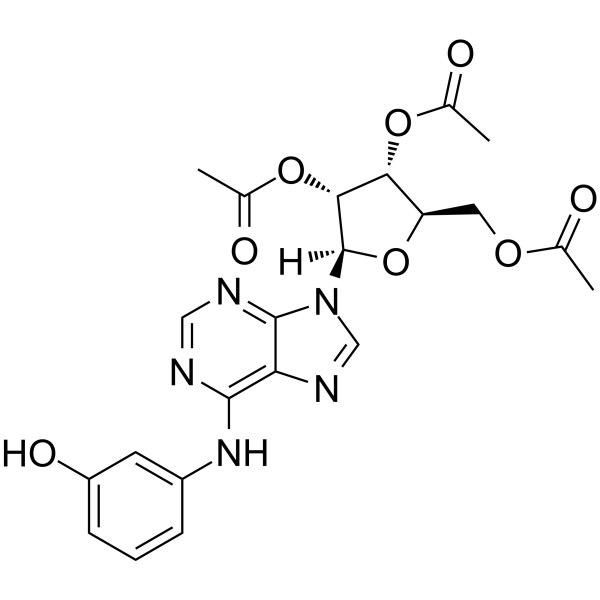 0 ImagesCat. No.: HY-141645CAS No.: 1221412-23-2Synonyms: WS070117IMM-H007 (WS070117) is an orally active and potent AMPK (AMP-activated protein kinase) activator and TGFβ1 (transforming growth factor β1) antagonist. IMM-H007 has protective effects in cardiovascular diseases via activation of AMPK. IMM-H007 negatively regulates endothelium inflammation through inactivating NF-κB and JNK/AP1 signaling. IMM-H007 inhibits ABCA1 degradation. IMM-H007 resolves hepatic steatosis in HFD-fed hamsters by the regulation of lipid metabolism. IMM-H007 can be used for the research of nonalcoholic fatty liver disease (NAFLD) and inflammatory atherosclerosis.
-
Imidapril
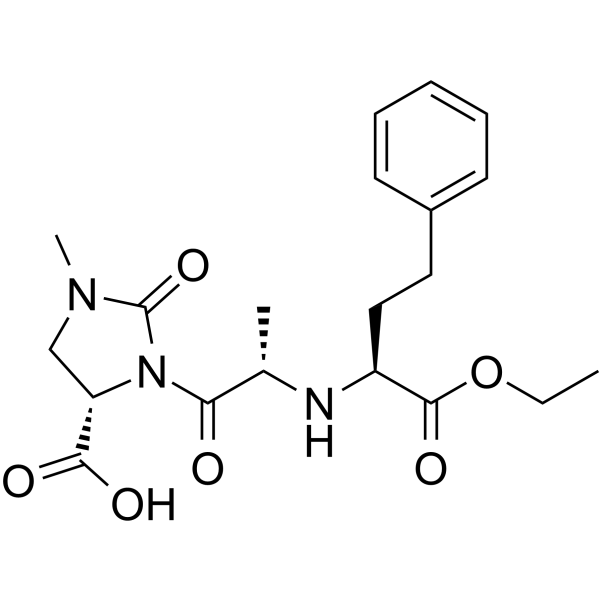 0 ImagesSynonyms: TA-6366 free baseImidapril (TA-6366 free base) is an orally active dual inhibitor of angiotensin-converting enzyme (ACE) and MMP-9. Imidapril inhibits lipopolysaccharide-induced phosphorylation of c-Jun, MKK4 and JNK in monocytes, and downregulates the production of specific inflammatory factors such as TNF-α and IP-10, thereby exerting anti-inflammatory activity. Imidapril also effectively ameliorates mesangial expansion and reduces urinary albumin excretion by inhibiting angiotensin AngII production, lowering glomerular pressure and oxidative stress, thus delaying disease progression. Imidapril can also directly bind to the active site of MMP-9 to inhibit gelatinase activity, and suppress the enlargement of cerebral aneurysms without altering systemic blood pressure. Imidapril is widely applicable to related studies on autoimmune glomerulonephritis, diabetic nephropathy, cerebral aneurysms and other conditions.
-
Ro 31-8220 formic
 0 ImagesCat. No.: HY-13866BPurity: 99.76%Synonyms: Bisindolylmaleimide IX formicRo 31-8220 formic is a potent PKC inhibitor, with IC50s of 5, 24, 14, 27, 24 and 23 nM for PKCα, PKCβI, PKCβII, PKCγ, PKCε and rat brain PKC, respectively. Ro 31-8220 formic also significantly inhibits MAPKAP-K1b, MSK1, S6K1 and GSK3β (IC50s, 3, 8, 15, and 38 nM, respectively). Ro 31-8220 formic can also inhibit the expression of MKP-1, induce the expression of c-Jun, and activate JNK, and these effects possess pharmacological properties independent of PKC.
-
Macranthoside B
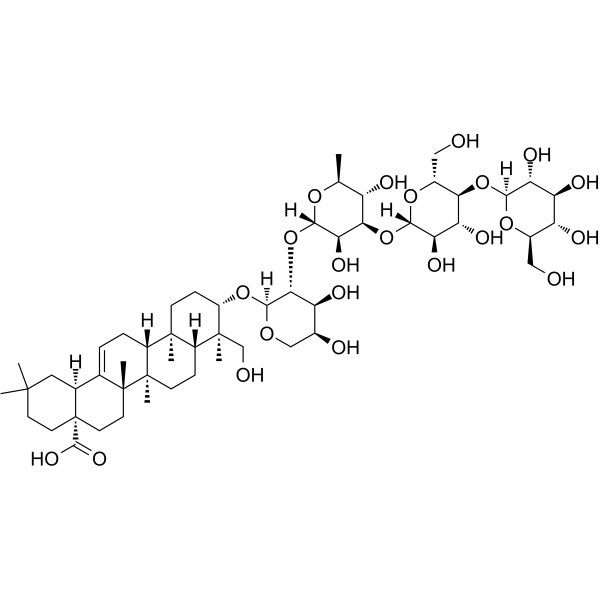 0 ImagesMacranthoside B is an apoptosis inducer with in vitro and in vivo anticancer activity. Macranthoside B induces autophagy and ferroptosis in cancer cells. Macranthoside B induces intracellular ROS accumulation, activates AMPK, inhibits mTOR and P70S6 kinase phosphorylation, and modulates Bcl-2/Bax expression. Macranthoside B activates caspase-3, caspase-9, and the intrinsic caspase cascade, induces PARP cleavage/degradation, and inhibits NRF2 signaling. Macranthoside B disrupts iron homeostasis via NCOA4-dependent ferritinophagy, up-regulates Lip-ROS, reduces mitochondrial membrane potential, and activates the JNK pathway. Macranthoside B can be used for the research of ovarian cancer, hepatoma, gastric carcinoma, breast carcinoma, colon carcinoma, glioma, melanoma, adenocarcinoma of the esophagogastric junction, and cervical cancer.
-
Citropten
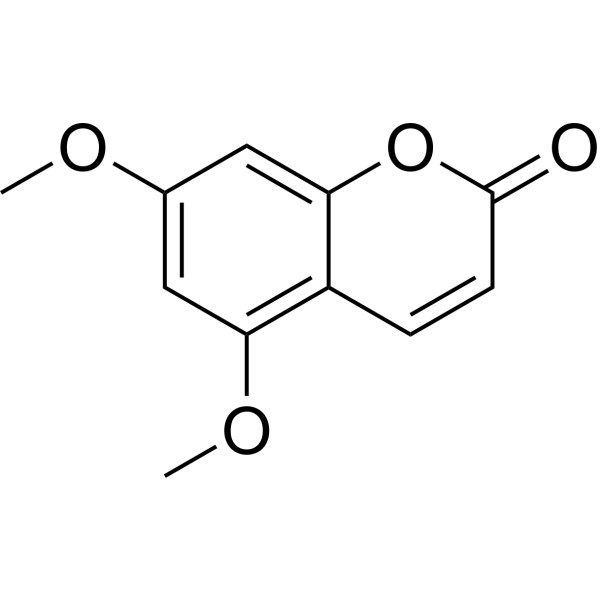 0 ImagesCitropten (5, 7-dimethoxycoumarin) is one of the coumarin derivatives. Citropten is an effective oral anticancer agent. Citropten has anti-proliferative activity against A2058 and B16 melanoma cells. Citropten exerts anti-inflammatory effects through the NFκB and MAPK signaling pathways. Citropten acts as an antidepressant through heat shock protein-70, monoamine oxidase-A and inhibition of apoptosis .
-
Pentadecanoic acid (Standard)
 0 Imagesα-Linolenic acid (Standard) is the analytical standard of α-Linolenic acid. This product is intended for research and analytical applications. α-Linolenic acid, isolated from Perilla frutescens, is an essential fatty acid that cannot be synthesized by humans. α-Linolenic acid can affect the process of thrombotic through the modulation of PI3K/Akt signaling. α-Linolenic acid possess the anti-arrhythmic properties and is related to cardiovascular disease and cancer.
-
ASP3026
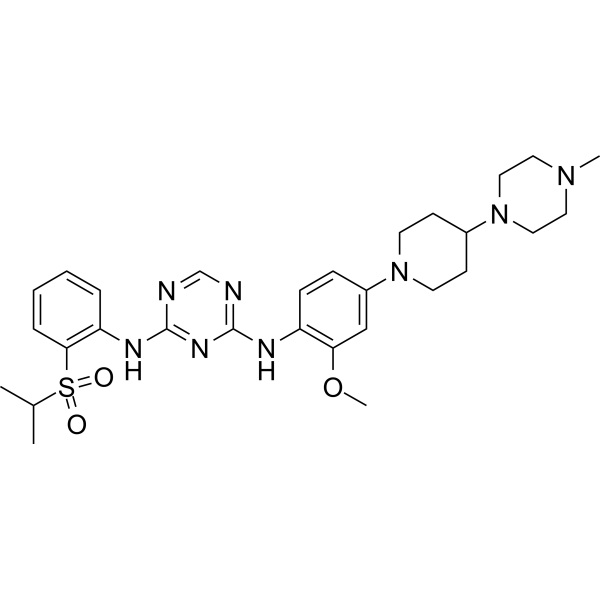 0 ImagesASP3026 is a selective and orally active inhibitor of anaplastic lymphoma kinase (ALK). ASP3026 is a selective and oral active anaplastic lymphoma kinase (ALK) inhibitor with a IC50 value of 3.5 nM. ASP3026 can inhibit the phosphorylation of IGF-1R, STAT3, AKT and JNK proteins, and induce the cleavage of caspase 3 and PARP. It also inhibited ROS and ACK. ASP3026 can be used in anti-tumor research.




