



PKA
Protein kinase A
PKA (Protein kinase A) is a Ser/Thr phosphoryl transferase that transfers the γ-phosphate group of ATP to protein substrates. PKA phosphorylates more than 100 cytoplasmic and membrane associated targets. PKA mediates a myriad of cellular signaling events and its activity is tightly regulated both in space and time.
PKA is an evolutionarily conserved negative regulator of the hedgehog (Hh) signal transduction pathway. PKA is known to be required for the proteolytic processing event that generates the repressor forms of the Ci and Gli transcription factors that keep target genes off in the absence of Hh.
PKA Isoform Specific Products
All Product Categories
-
PKA Related Products (260)
Related Products (260)

-
Antibodies (9)
-
PKA Isoform Comparison
-
8-CPT-Cyclic AMP sodium
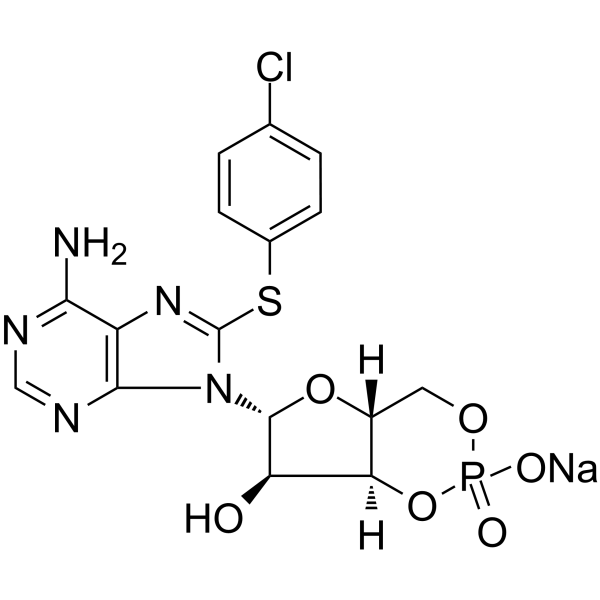 0 ImagesSynonyms: 8-CPT-cAMP sodium; 8-(p-Chlorophenylthio)-cAMP sodium8-CPT-Cyclic AMP (8-CPT-cAMP) sodium is a selective activator of cyclic AMP-dependent protein kinase (PKA). 8-CPT-Cyclic AMP sodium is also a potent inhibitor of the cyclic GMP-specific phosphodiesterase (PDE VA) with an IC50 of 0.9 μM. 8-CPT-Cyclic AMP sodium also inhibits PDE III and PDE IV with IC50Epac and is a potent Epac activator.
-
Linarin
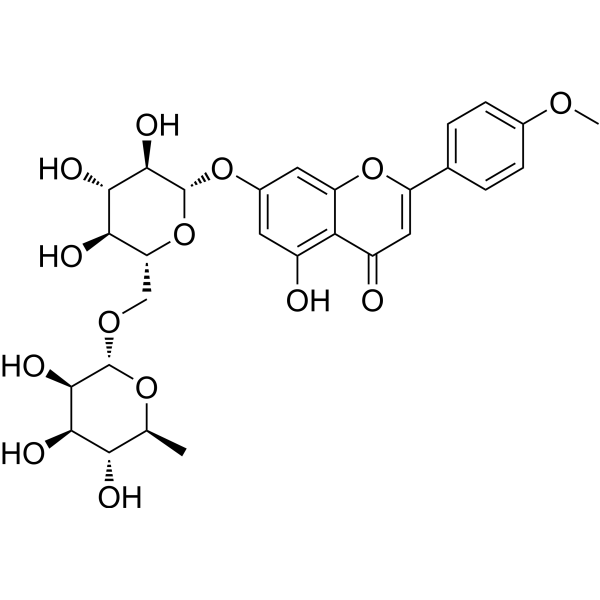 0 ImagesLinarin (Buddleoside) is an orally active and selective inhibitor of acetylcholinesterase (AChE). Linarin has many activities, such as anti-inflammatory, antioxidant, sleep aid and sedation, bone differentiation, anti-tumor, antibacterial and antiviral. Linarin can be used to study diseases such as the nervous system, osteoporosis and cancer.
-
Adropin (34-76) (human, mouse, rat)
 0 ImagesAdropin (34-76) is a secretory domain of Adropin. Adropin (34-76) can inhibit cAMP level and glucose production in hepatocytes, and has a hypoglycemic effect. Adropin (34-76) plays an antifibrotic role by inhibiting the GLI1 signaling pathway.
-
Daphnetin
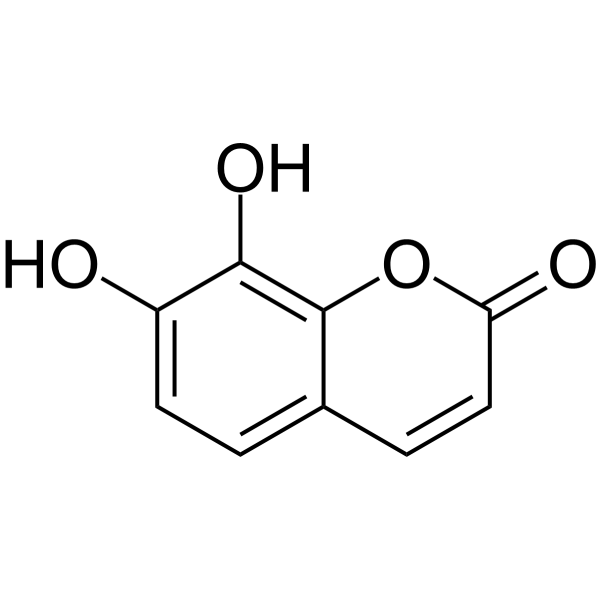 0 ImagesDaphnetin (7,8-dihydroxycoumarin), one coumarin derivative can be found in plants of the Genus Daphne, is a potent, oral active protein kinase inhibitor, with IC50s of 7.67 μM, 9.33 μM and 25.01 μM for EGFR, PKA and PKC in vitro, respectively. Daphnetin triggers ROS-induced cell apoptosis and induces cytoprotective autophagy by modulating the AMPK/Akt/mTOR pathway. Daphnetin has anti-inflammation activitity and inhibits TNF-α, IL-1β, ROS, and MDA production. Daphnetin has schizontocidal activity against malaria parasites. Daphnetin can be used for rheumatoid arthritis , cancer and anti-malarian research.
-
Gliotoxin
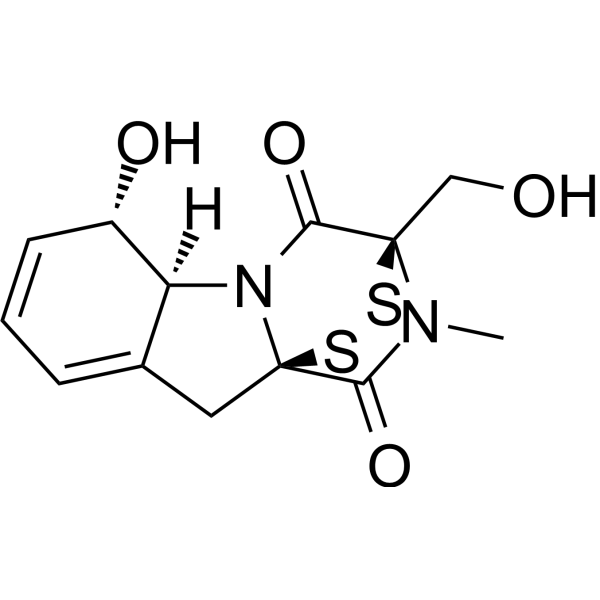 0 ImagesGliotoxin is a secondary metabolite, the most abundant mycotoxin secreted by A. fumigatus, inhibits the phagocytosis of macrophages and the immune functions of other immune cells . Gliotoxin inhibits inducible NF-κB activity by preventing IκB degradation, which consequently induces host-cell apoptosis. Gliotoxin activates PKA and increases intracellular cAMP concentration; modulates actin cytoskeleton rearrangement to facilitate A. fumigatus internalization into lung epithelial cells. Gliotoxin is a potent NOTCH2 transactivation inhibitor, can effectively induce apoptosis of chronic lymphocytic leukemia (CLL) cells.
-
Bilobetin
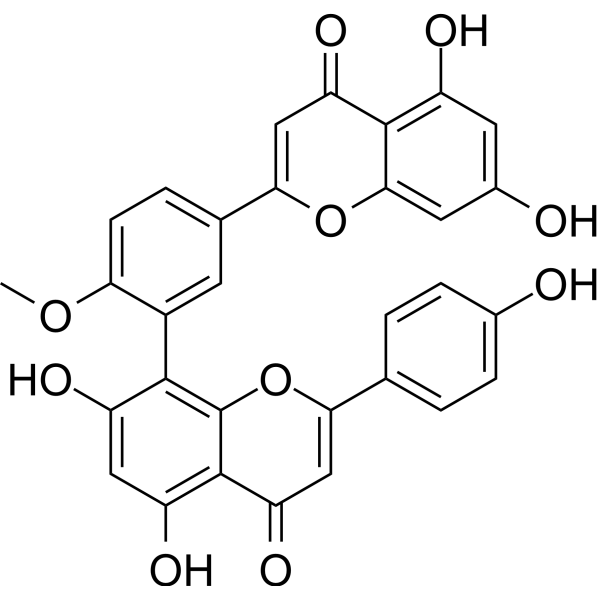 0 ImagesBilobetin, an active component of Ginkgo biloba, can reduce blood lipids and improve the effects of insulin. Bilobetin ameliorated insulin resistance, increased the hepatic uptake and oxidation of lipids, reduced very-low-density lipoprotein triglyceride secretion and blood triglyceride levels, enhanced the expression and activity of enzymes involved in β-oxidation and attenuated the accumulation of triglycerides and their metabolites in tissues. Bilobetin also increased the phosphorylation, nuclear translocation and activity of PPARα accompanied by elevated cAMP level and PKA activity.
-
KT5720
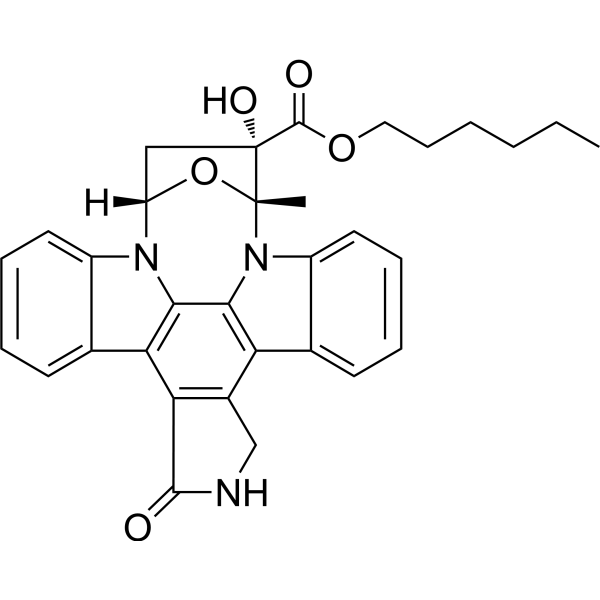 0 ImagesKT5720 is a potent, cell-permeable, specific, reversible and ATP-competitive PKA inhibitor (IC50=3.3 μM). KT5720 is effective in reversing MDR1-mediated multidrug resistance. KT5720 also reduces the excitability of dorsal root ganglion (DRG) neurons by attenuating Hyperpolarization-activated cyclic nucleotide-gated (HCN) channel activity and reducing intracellular Ca2+ concentrations. KT5720 can be used in the study of haematological malignancies as well as HCN and DRG neuron-related diseases.
-
TC-E 5003
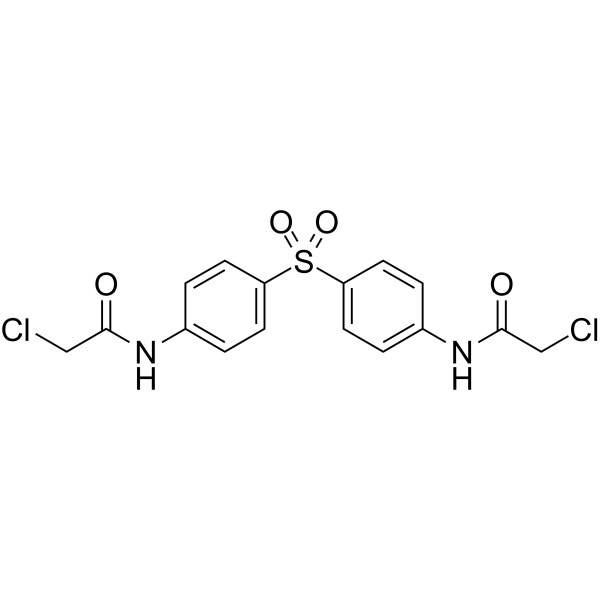 0 ImagesTC-E 5003 is a selective protein arginine methyltransferase 1 (PRMT1) inhibitor with an IC50 of 1.5 µM against hPRMT1. TC-E 5003 modulates the lipopolysaccharide (LPS) (HY-D1056)-induced AP-1 and NF-κB signaling pathways with anti-inflammatory properties. TC-E 5003 also upregulates the expression of Ucp1 and Fgf21, activates protein kinase A signaling and lipolysis in primary subcutaneous adipocytes from both mouse and humans. TC-E 5003 is promising for research of obesity and associated metabolic disorders, oxidative stress, inflammation and cancers.
-
Sitagliptin phosphate monohydrate
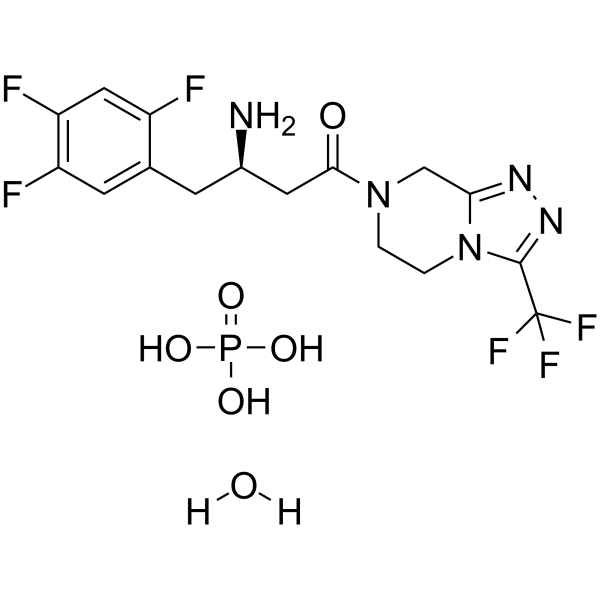 0 ImagesSynonyms: MK-0431 phosphate monohydrateSitagliptin (MK-0431) phosphate monohydrate is an orally active and highly selective DPP4 inhibitor with an IC50 value of 19 nM. Sitagliptin phosphate monohydrate blocks the degradation of glucagon-like peptide-1 (GLP-1) and glucose-dependent insulinotropic peptide (GIP) by competing inhibition mechanism (Kᵢ = 1 nM), thereby increasing the level of active incretin. Sitagliptin phosphate monohydrate can also directly stimulate the secretion of GLP-1 by intestinal L cells by activating the cAMP/PKA and ERK1/2 pathways, and this effect is independent of DPP-4. Sitagliptin phosphate monohydrate shows protective effects on pancreatic islet grafts in 1-type diabetes models. Sitagliptin phosphate monohydrate can be used for the study of 1-type and 2-type diabetes.
-
PKI 14-22 amide,myristoylated TFA
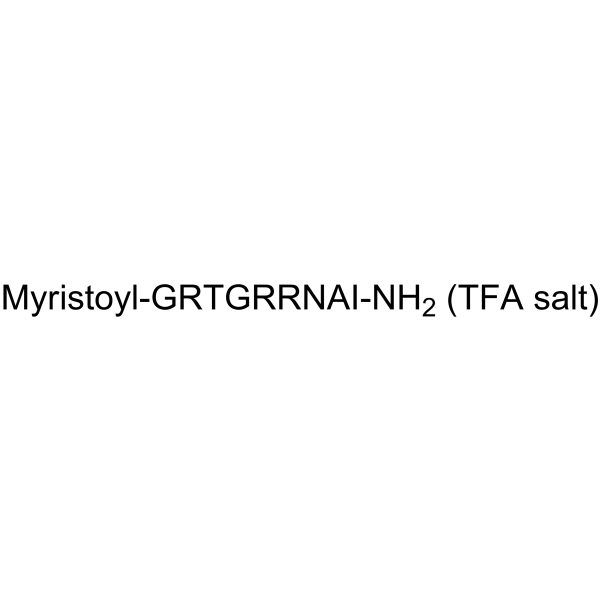 0 ImagesCat. No.: HY-P1291APurity: 99.79%PKI 14-22 amide, myristoylated TFA is a selective, cAMP-dependent, competitive PKA inhibitor with Ki=~36 nM. The myristoylation modification of PKI 14-22 amide, myristoylated TFA makes it more permeable to cell membranes and blood-brain barriers than the precursor molecule. PKI 14-22 amide, myristoylated TFA can block the phosphorylation of cAMP-dependent downstream targets (such as CREB). PKI 14-22 amide, myristoylated TFA can prevent the development of analgesic tolerance in mice, and also inhibits protein translation and negative-strand RNA synthesis of Zika virus. PKI 14-22 amide, myristoylated TFA can be used in research fields such as opioid tolerance mechanisms and antiviral drugs.
-
D-Mannitol (Standard)
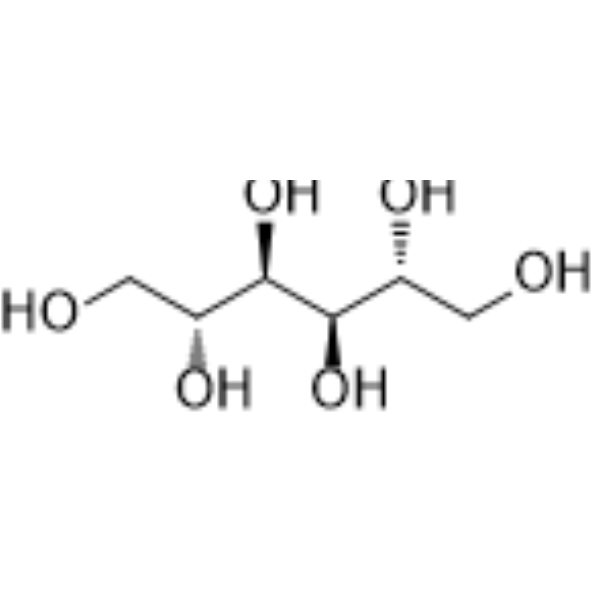 0 ImagesSynonyms: Mannitol(Standard); Mannite (Standard)D-Mannitol (Standard) is the analytical standard of D-Mannitol (HY-N0378). This product is intended for research and analytical applications. D-Mannitol (Mannitol) is an oral, resistant sugar widely used in the food and pharmaceutical industries to promote the absorption and retention of calcium and magnesium through cecal fermentation, while acting as a osmotic diuretic to reduce tissue edema. D-Mannitol can enhance brown fat formation, improve insulin effect, reduce blood sugar levels, And through the start the β3-adrenergic receptor (β3-AR), PGC1α and PKA induced by means of white fat cells into brown fat cells. D-Mannitol is commonly used to maintain osmotic pressure between the plant cytoplasm and the culture medium and protect cells when the cell wall is weakened or even removed.
-
Metadoxine
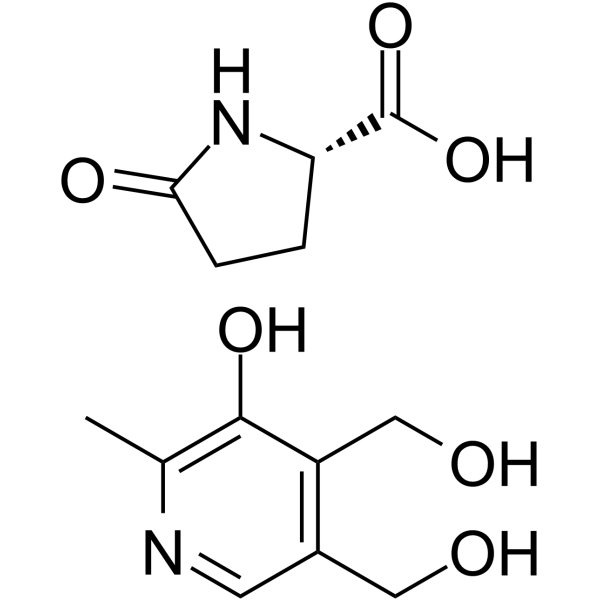 0 ImagesMetadoxine blocks adipocyte differentiation in association with inhibition of the protein kinase A-cAMP response element binding protein (PKA-CREB) pathway.
-
pTH-Related Protein (1-34) (human,mouse,rat)
 0 ImagesSynonyms: pTHrP (1-34)pTH-Related Protein (1-34) (human,mouse,rat) (pTHrP (1-34)) is a parathyroid hormone-related protein fragment. Binding of pTH-Related Protein (1-34) (human,mouse,rat) to PTH1R triggers cAMP/PKA and PKC signaling, PI3K-mediated Akt and ERK1/2 phosphorylation, NADPH oxidase-dependent ROS generation, and TGF-beta1 and p47phox expression. pTH-Related Protein (1-34) (human,mouse,rat) induces fibronectin upregulation, osteoblast differentiation, osteoclastic bone resorption, bone formation, eNOS/NO-mediated vasodilation, and sensitization of type II pneumocytes to ultraviolet-induced apoptosis (apoptosis) via caspase 3. pTH-Related Protein (1-34) (human,mouse,rat) can be used in research on diabetic nephropathy, breast cancer, acute lung injury, humoral hypercalcemia of malignancy, osteoporosis, and cartilage degeneration.
-
PKA Inhibitor Fragment (6-22) amide TFA
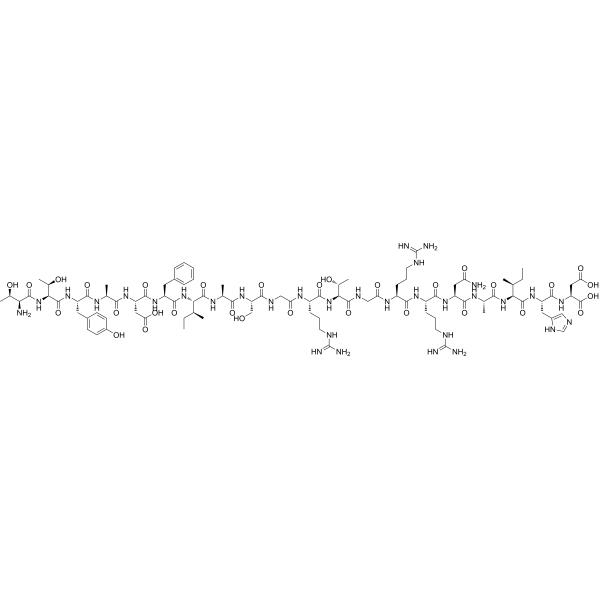
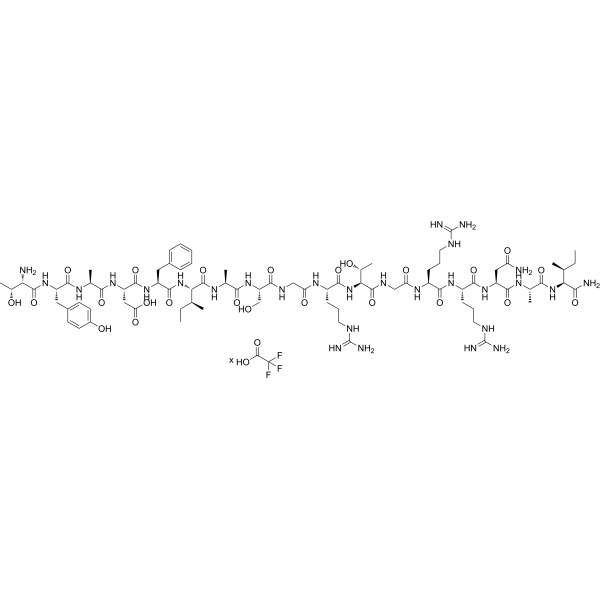 0 ImagesCat. No.: HY-P1290APurity: 99.77%Synonyms: PKI-(6-22)-amide TFAPKA Inhibitor Fragment (6-22) amide TFA is an inhibitor of cAMP-dependent protein kinase A (PKA), with a Ki of 2.8 nM. PKA Inhibitor Fragment (6-22) amide TFA can significantly reverse antinociceptive tolerance in mice.
-
BLU0588
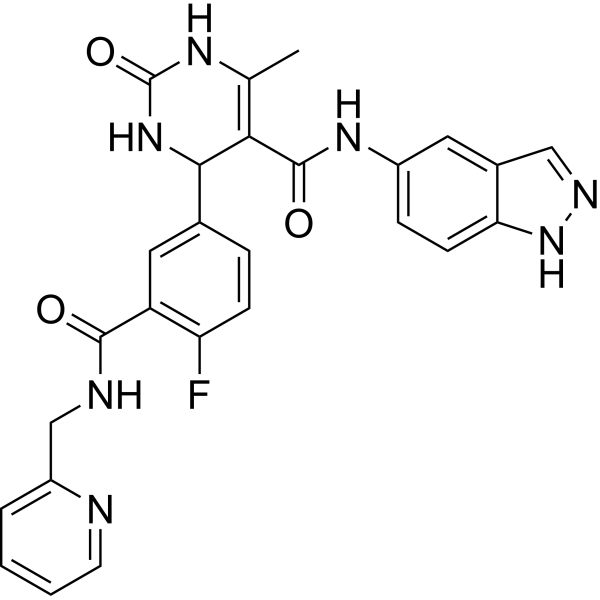
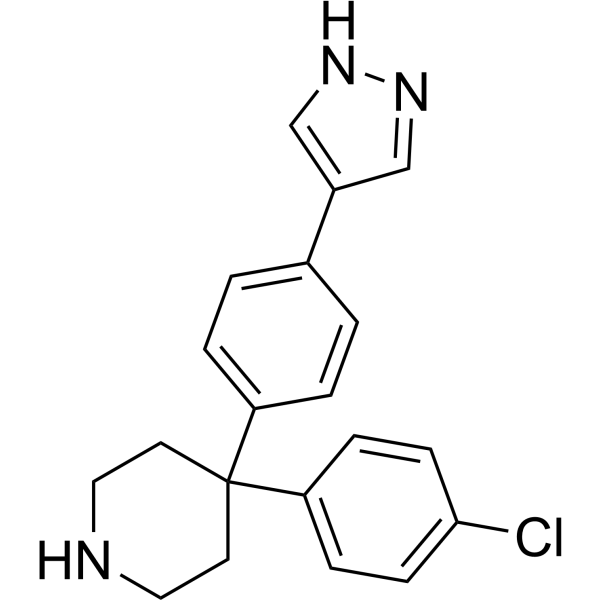
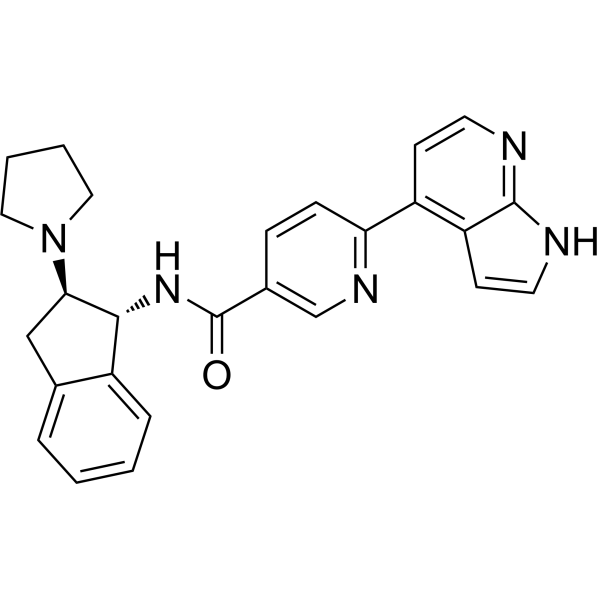 0 ImagesCat. No.: HY-153967CAS No.: 2810747-78-3BLU0588 is an orally active, potent and selective PRKACA (protein kinase cAMP-activated catalytic subunit alpha) kinase inhibitor, with an IC50 of 1 nM and dissociation constant (Kd) of 4 nM. BLU0588 can be used for fibrolamellar carcinoma (FLC) research.
-
BLU2864
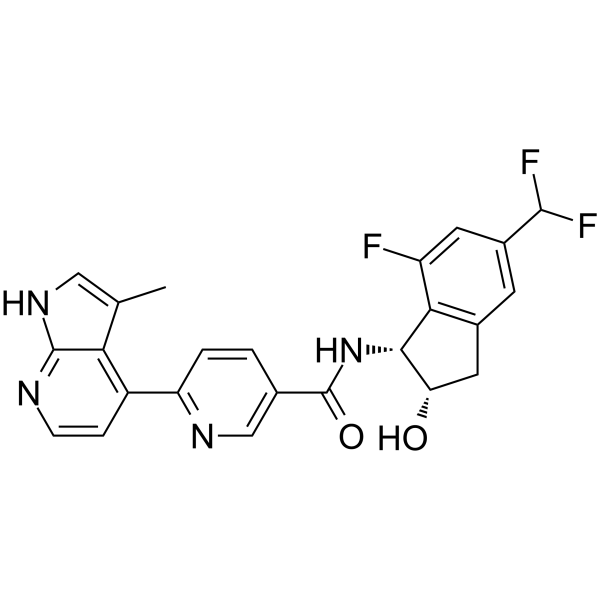 0 ImagesBLU2864 is an orally active, highly selective, ATP-competitive PRKACA inhibitor (IC50=0.3 nM). BLU2864 shows anti-tumor activity. BLU2864 can be used in cancer and polycystic kidney disease research.




