



Phosphatase
Phosphatases are enzyme that remove a phosphate group from a protein. Protein tyrosine phosphatases (PTPs) comprise a diverse family of transmembrane and cytoplasmic enzymes. PTPs play an important role in regulating the proliferative activity of cells and the integrity of cell-cell and cell-matrix contacts. Protein tyrosine phosphatase 1B (PTP1B) is a non-receptor PTP frequently associated with the endoplasmic reticulum and vesicles subjacent to the plasma membrane. PTP1B as a key negative regulator of leptin receptor pathways has been an attractive therapeutic target for the treatment of type 2 diabetes mellitus and obesity. Four major serine/threonine-specific protein phosphatase catalytic subunits are present in the cytoplasm of animal cells. Three of these enzymes, PP1, PP2A, and PP2B, are members of the same gene family, while PP2C appears to be distinct.The alkaline phosphatases comprise a heterogeneous group of enzymes that are widely distributed in mammalian cells. Acid phosphatase enzymes catalyze the hydrolysis of phosphate monoesters following the general equation.
All Product Categories
-
Phosphatase Inhibitors
(514)
View all products
-
Phosphatase Agonists
(4)
View all products
-
Phosphatase Antagonists
(4)
View all products
-
Phosphatase Activators
(79)
View all products
-
Phosphatase Modulators
(7)
View all products
-
Phosphatase Chemical
(1)
View all products
-
Phosphatase Inducers
(2)
View all products
-
Phosphatase Degraders
(7)
View all products
-
Phosphatase Controls
(3)
View all products
-
Phosphatase Substrates
(4)
View all products
-
Phosphatase Ligands
(11)
View all products
-
Phosphatase Proteins
(66)
View all products
-
Phosphatase Related Products (729)
Related Products (729)

-
Recombinant Proteins (66)
-
Antibodies (40)
-
Related Compound Screening Libraries (1)
-
Thienopyridone
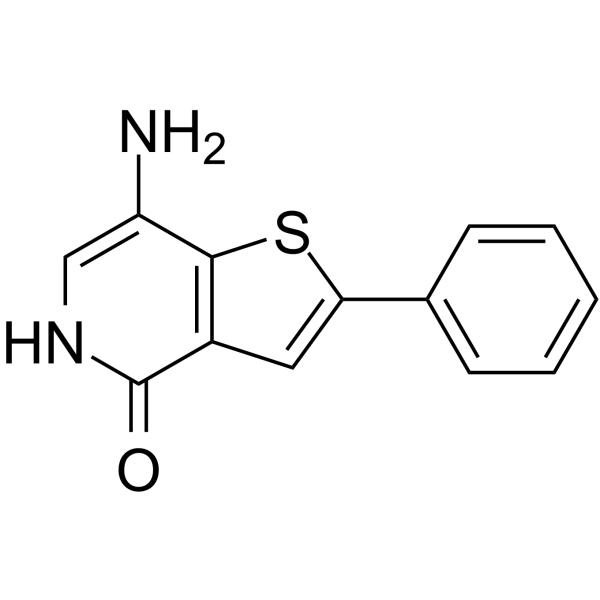 0 ImagesCat. No.: HY-128153CAS No.: 1018454-97-1Thienopyridone is a potent and selective phosphatase of regenerating liver (PRL) phosphatase inhibitor with IC50s of 173 nM, 277 nM and 128 nM for PRL-1, PRL-2, and PRL-3, respectively. Thienopyridone shows minimal effects on other phosphatases. Thienopyridone induces p130Cas cleavage and apoptosis and has anticancer effects.
-
Neoeriocitrin
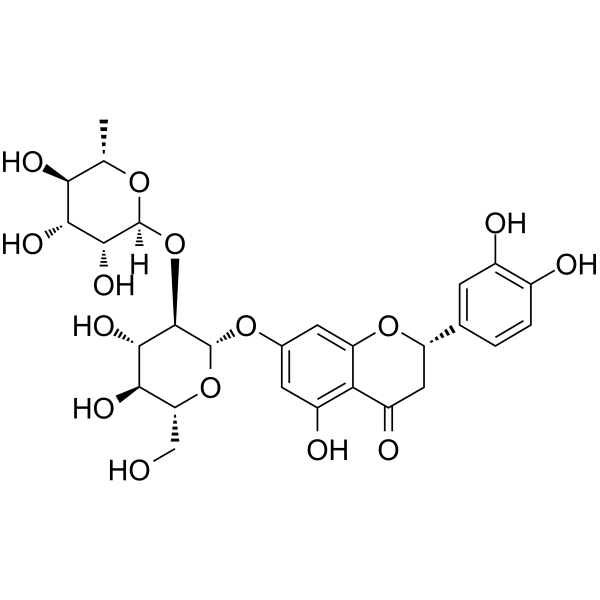 0 ImagesNeoeriocitrin is a Naringin (HY-N0153) analogue found in Drynaria Rhizome. Neoeriocitrin induces cells proliferation, differentiation, up-regulates type I collagen, osteocalcin, and key osteogenic markers, and increases ALP activity. Neoeriocitrin increases expression of Runx2, COL I, OCN and Beclin1. Neoeriocitrin inhibits phosphorylation of P38 mitogen-activated protein kinase, reduces acetylcholinesterase (AChE) activity, and increases choline acetyltransferase (ChAT) activity. Neoeriocitrin reduces apoptosis and induces autophagy. Neoeriocitrin can be used for the researches of osteoporosis and Alzheimer's disease.
-
Calcineurin autoinhibitory peptide
 0 ImagesCalcineurin autoinhibitory peptide is a selective inhibitor of Ca2+/calmodulin-dependent protein phosphatase (calcineurin), with an IC50 of ~10 μM. Calcineurin autoinhibitory peptide could protect neurons from excitatory neuronal death.
-
CPT-157633
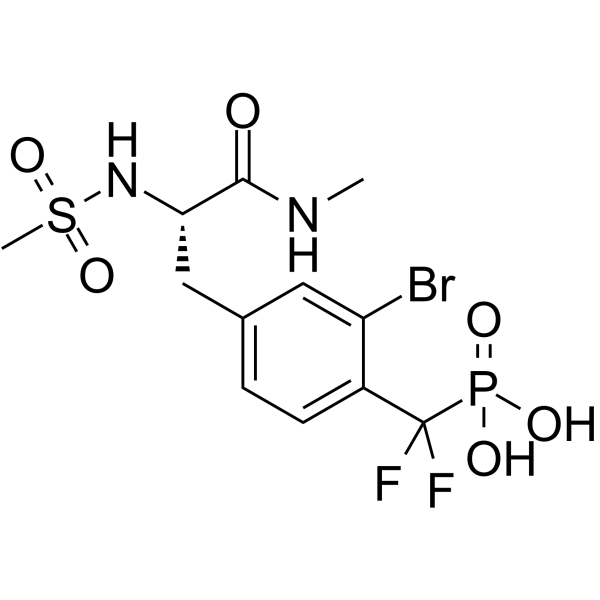 0 ImagesCPT-157633, a difluoro-phosphonomethyl phenylalanine derivative, and is a PTP1B inhibitor. CPT-157633 prevents binge drinking-induced glucose intolerance.
-
NC1
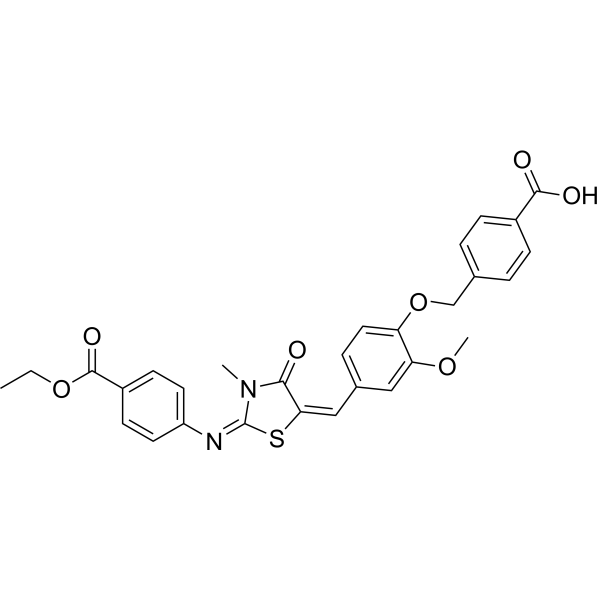 0 ImagesNC1 is a selective non-competitive and allosteric lymphoid-specific tyrosine phosphatase (LYP) inhibitor, with a Ki value 4.3 μM. NC1 allosterically regulates LYP/PTPN22 activity by restricting WPD loop movement. NC1 inhibits LYP activity in lymphoid T cells and enhances T-cell receptor signaling. NC1 can be used for the research of autoimmune diseases.
-
4-Methylesculetin
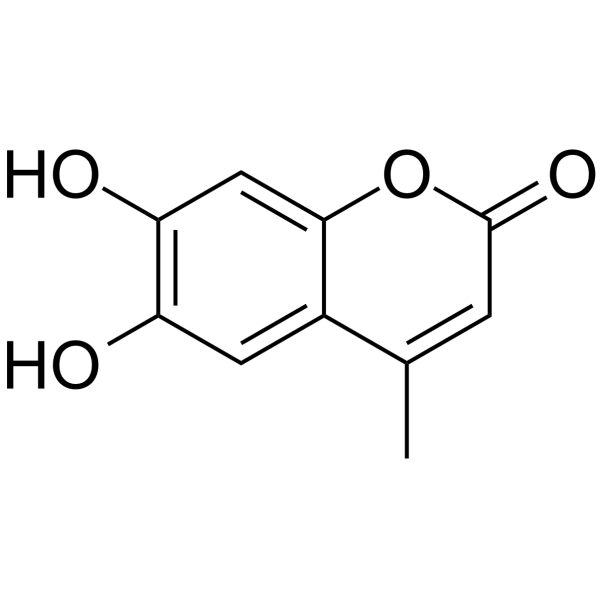 0 Images4-Methylesculetin is an orally active coumarin derivative, with potent anti-oxidant and anti-inflammatory activities. 4-Methylesculetin inhibits myeloperoxidase activity. 4-Methylesculetin protects bone resorption by reducing the elevated levels of bone-joint exoglycosidases, cathepsin-D and tartrate resistant acid phosphatases. 4-Methylesculetin ameliorats the upregulated non-enzymatic inflammatory markers like TNF-α, IL-1β, IL-6, COX-2 and PGE2, which is promising for research of inflammatory diseases.
-
Alkaline phosphatase substrate
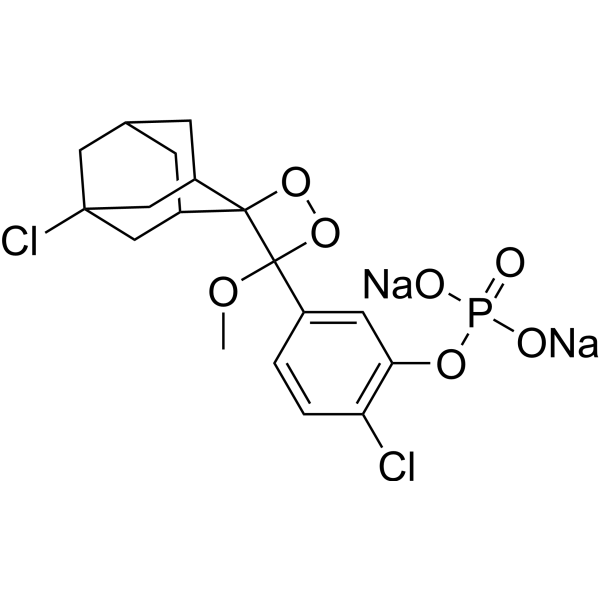 0 ImagesCat. No.: HY-D1208CAS No.: 160081-62-9Alkaline phosphatase substrate is a chemiluminescent substrate for alkaline phosphatase. Alkaline phosphatase substrate can be used for enzyme-linked immunoassays.
-
Trimyristin
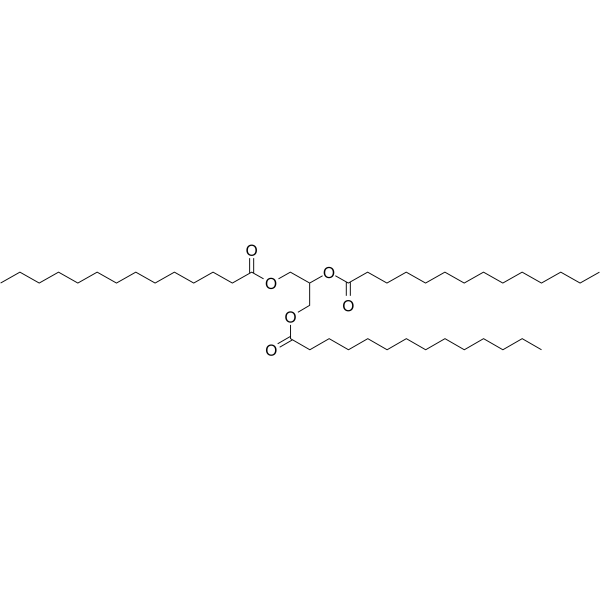 0 ImagesTrimyristin is an orally active compound. Trimyristin can be isolated from the seeds of nutmeg (Myristica fragrans). Trimyristin inhibits the activities of acetylcholinesterase (AChE), ACP and ALP, with IC50 values of 0.11, 0.16 and 0.18 mM, respectively. Trimyristin exerts competitive-noncompetitive inhibition on acetylcholinesterase, uncompetitive inhibition on ACP, and competitive/noncompetitive inhibition on ALP. Trimyristin restores the downregulated acetylcholinesterase concentration in the cerebral cortex of rats exposed to sodium arsenite. Trimyristin can be used in studies related to fascioliasis and neurotoxicity.
-
Altertoxin I
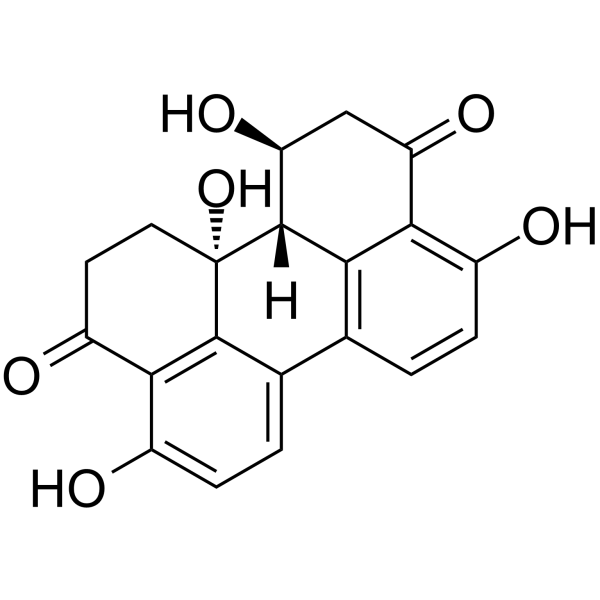 0 ImagesSynonyms: Dihydroalterperylenol; ATX-IAltertoxin I (Dihydroalterperylenol; ATX-I) is a quinone mycotoxin with immunosuppressive, mutagenic and anticancer activities. Altertoxin I inhibits LPS (HY-D1056)-mediated NF-κB activation and estrogen-dependent alkaline phosphatase activity. Altertoxin I activates the AhR signaling pathway, induces the expression of CYP 1A1/1A2/1B1 and the enzymatic activity of EROD. Altertoxin I can be used in breast cancer research.
-
SPAA-52
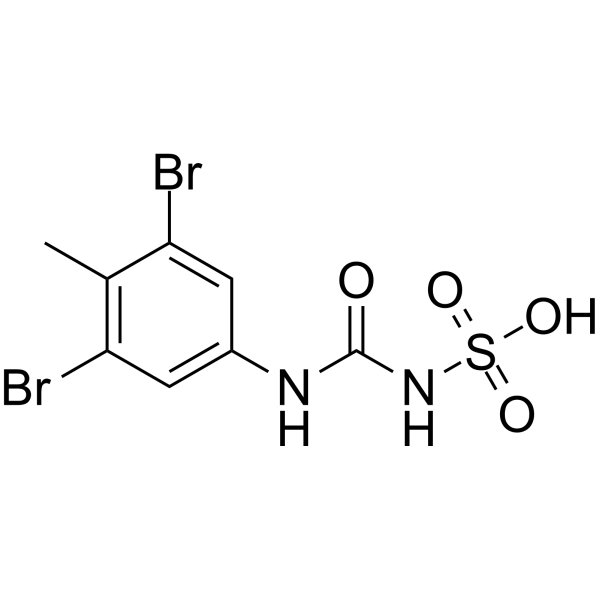 0 ImagesCat. No.: HY-151591CAS No.: 2837000-75-4SPAA-52 is an orally active, competitive and reversible low-molecular-weight protein tyrosine phosphatase (LMW-PTP) inhibitor (IC50=4 nM, Ki=1.2 nM). SPAA-52 can be used in diabete research.
-
DIPQUO
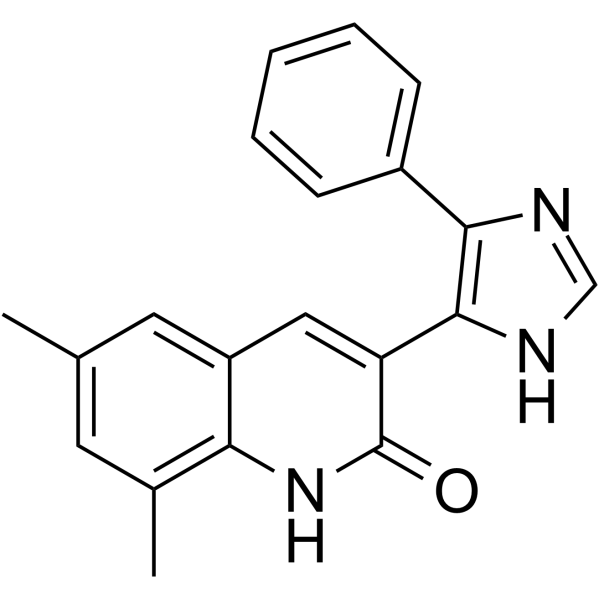 0 ImagesDIPQUO is an activator of the bone marker alkaline phosphatase (ALP), with an EC50 of 6.27 μM in C2C12 cells. DIPQUO promotes mouse and human osteoblast differentiation via activation of p38 MAPK-β.
-
(E)-2-Octenal
 0 ImagesSynonyms: trans-2-Octenal(E)-2-Octenal is an Antifungal agent. (E)-2-Octenal disrupts cell membrane integrity and causes ROS accumulation. (E)-2-Octenal decreases the activities of phosphofructokinase and pyruvate kinase. (E)-2-Octenal inhibits Neofusicoccum parvum growth by disrupting mitochondrial energy metabolism. (E)-2-Octenal suppresses the growth of a Prochloraz (HY-B0845)-resistant Penicillium italicum strain. (E)-2-octenal exerts a broad-spectrum and potent inhibitory effect on various fungi, including Sclerotium rolfsii, Metarhizium anisopliae sensu lato, and Aspergillus flavus, etc. (E)-2-Octenal can be used for the research of citrus blue mold and mango stem-end rot.
-
MY33-3
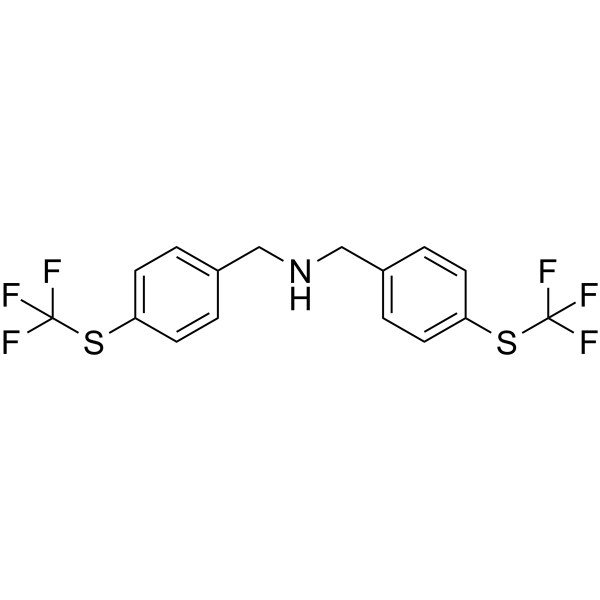 0 ImagesMY33-3 is a potent and selective inhibitor of receptor protein tyrosine phosphatase (RPTP)β/ζ, with an IC50 of ~0.1 μM. MY33-3 also inhibits PTP-1B (IC50 ~0.7 μM). MY33-3 can reduce ethanol consumption and alleviate Sevoflurane-induced neuroinflammation and cognitive dysfunction.
-
Silydianin
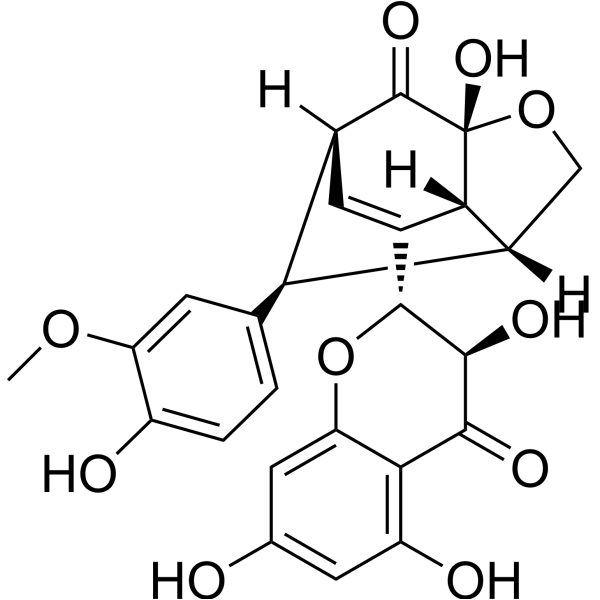 0 ImagesSilydianin is a flavonolignan. Silydianin can be obtained from Silybum marianum. Silydianin inhibits PTP1B with an IC50 of 17.38 μM. Silydianin inhibits both monophenolase and diphenolase of tyrosinase significantly, with IC50s of 2.6 μM and 16.5 μM, respectively. Silydianin induces Apoptosis and reduces cytokines (IL-4 and IL-5). Silymarin has antioxidant, cytoprotective and immunomodulatory effects. Silydianin has antitumor activity against prostate cancer. Silymarin can be used in allergic asthma research.
-
6-Hydroxybenzbromarone
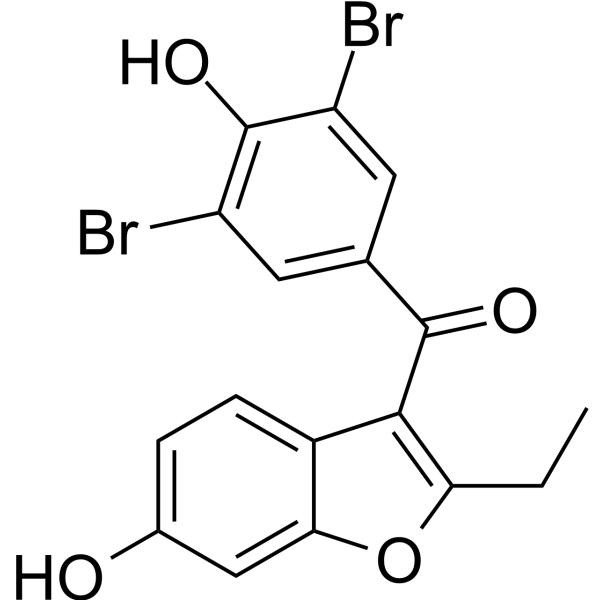 0 Images6-Hydroxybenzbromarone is the major metabolite of Benzbromarone with a longer half-life and greater pharmacological potency than the parent compound. 6-Hydroxybenzbromarone is a protein Eyes Absent 3 (EYA3) inhibitor with an IC50 value of 21.5 μM. 6-Hydroxybenzbromarone is an anti-angiogenic agent, has strong inhibitory effects on cell migration, tubulogenesis, and angiogenic sprouting.
-
SMIP-031
 0 ImagesCat. No.: HY-163782Purity: 98.60%SMIP-031 is a potent and orally active PPM1A inhibitor with an IC50 value of 180 nM. SMIP-031 induces autophagy. SMIP-031 inhibits Mycobacterium tuberculosis infect in mice.
-
PTP1B-IN-24
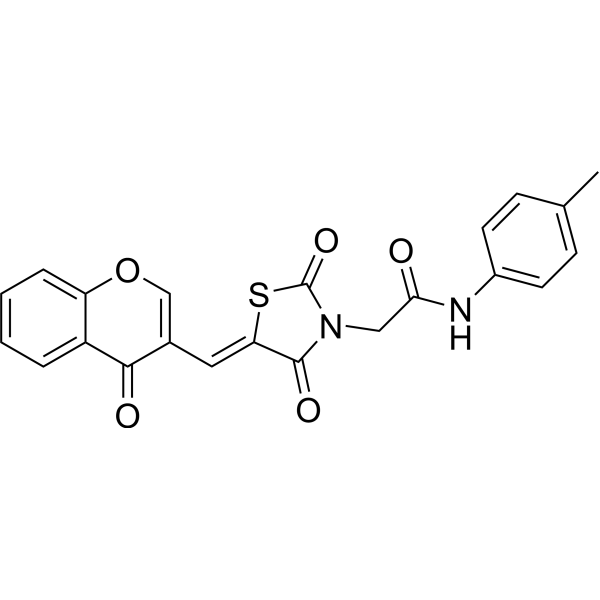 0 ImagesPTP1B-IN-24 (Compound 9) is a reversible PTP1B inhibitor with an IC50 value of 1.4 μM, and PTP1B-IN-24 can enhance the thermal stability of PTP1B. PTP1B-IN-24 can restore PA- (HY-N0830) induced insulin resistance by increasing the phosphorylation levels of IRS1 and AKT.
-
4-Phytase
 0 Images4-Phytase is a type of phytase. Phytase is an enzyme capable of degrading phytic acid into lower inositol phosphates and inositol. Exogenous phytase enhances the utilization of nutrients that are originally bound to phytic acid, thereby reducing the levels of phosphorus, calcium, amino acids, and energy in the diet without compromising animal growth performance, while elevating the apparent ileal digestibility and digestible intake of nutrients to levels comparable to those of nutrient-adequate control groups.




