



STAT
STAT is a family of cytoplasmic protein that regulates many aspects of growth, survival and differentiation in cells. The transcription factors of this family are activated by Janus kinase and dysregulation of this pathway is frequently observed in primary tumours and leads to increased angiogenesis, enhanced survival of tumours and immunosuppression. Gene knockout studies have provided evidence that STAT proteins are involved in the development and function of the immune system and play a role in maintaining immune tolerance and tumour surveillance. STAT proteins were originally described as latent cytoplasmic transcription factors that require phosphorylation for nuclear retention. The unphosphorylated STAT proteins shuttle between cytosol and the nucleus waiting for its activation signal. Once the activated transcription factor reaches the nucleus, it binds to consensus DNA-recognition motif called gamma-activated sites (GAS) in the promoter region of cytokine-inducible genes and activates transcription of these genes.
STAT Isoform Specific Products
All Product Categories
-
STAT Inhibitors
(716)
View all products
-
STAT Agonists
(9)
View all products
-
STAT Antagonists
(5)
View all products
-
STAT Activators
(78)
View all products
-
STAT Modulators
(23)
View all products
-
STAT Inducers
(2)
View all products
-
STAT Degraders
(26)
View all products
-
STAT Controls
(2)
View all products
-
STAT Ligands
(7)
View all products
-
STAT Related Products (931)
Related Products (931)

-
Antibodies (25)
-
STAT Isoform Comparison
-
STAT3-IN-13
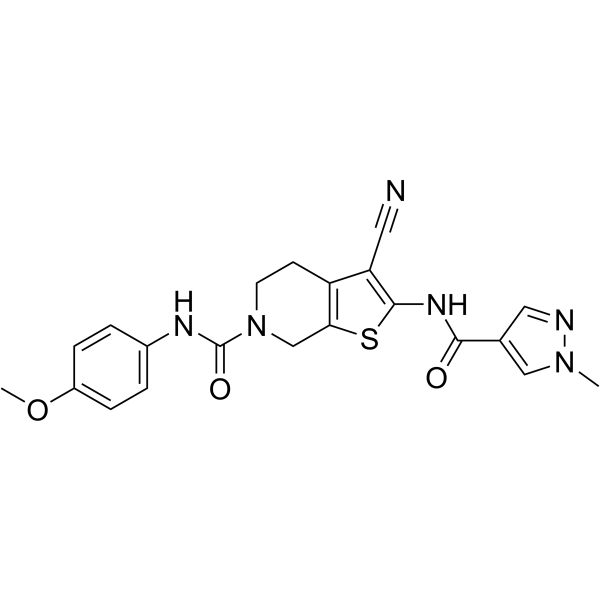 0 ImagesSTAT3-IN-13 (compound 6f) is a potent STAT3 inhibitor. STAT3-IN-13 has anti-proliferative effects and binds to the STAT3 SH2 domain with a KD of 0.46 μM. STAT3-IN-13 inhibits the phosphorylation of STAT3 Y705 and downstream target gene expression. STAT3-IN-13 induces apoptosis in vitro and suppresses the growth and metastasis of tumor in vivo. STAT3-IN-13 can be used for cancer research.
-
KW-2478
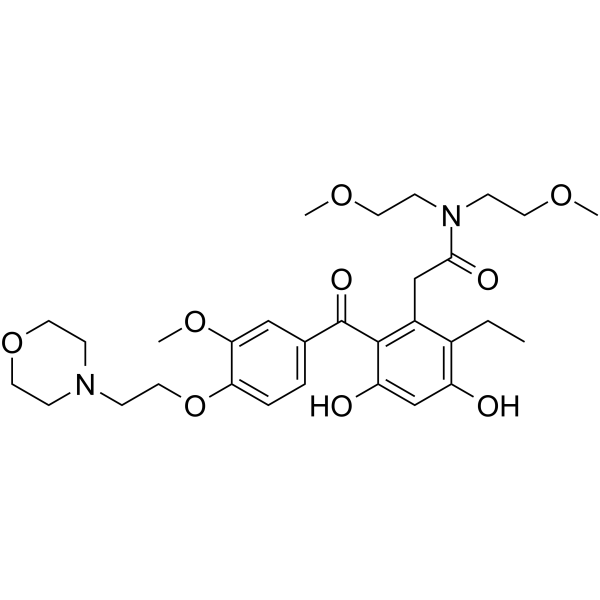 0 ImagesKW-2478 is an HSP90 inhibitor (IC50 = 3.8 nM). KW-2478 inhibits the growth and induces apoptosis in chronic myeloid leukemia (CML) cells and liver cancer cells. KW-2478 weakens the BCR/ABL and MAPK signaling pathways, leading to increased p27 and p21 expression and decreased cyclin B1 expression. KW-2478 downregulates STAT3 expression. KW-2478 may be used in research on cancers such as CML and liver cancer.
-
6-Hydroxyhexanoic acid
 0 ImagesSynonyms: 6-HHA6-Hydroxyhexanoic acid (6-HHA) is a bacterial effector molecule with metabolic and immunomodulatory activities. 6-Hydroxyhexanoic acid activates the JAK1-STAT1 signaling pathway, promotes phenotypic conversion of M2 macrophages to M1 macrophages, and exerts anti-tumor effects by regulating macrophage polarization. 6-Hydroxyhexanoic acid inhibits lipolysis in adipocytes mediated by Gαi family GPCR, and reduces high-fat diet-induced weight gain and obesity. 6-Hydroxyhexanoic acid can be used in studies related to pancreatic ductal adenocarcinoma, obesity, and insulin resistance.
-
STAT3-IN-25
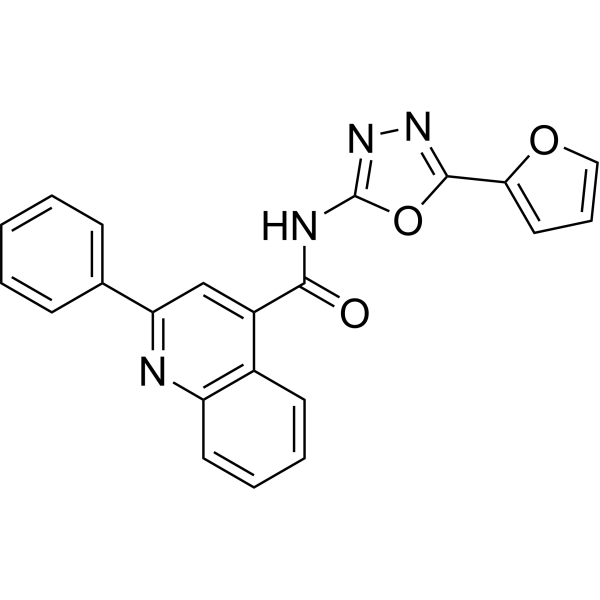
 0 ImagesSTAT3-IN-25 (Compound 2p) is a potent STAT3 inhibitor with a p-trifluoroethoxy benzyl substituent. STAT3-IN-25 shows STAT3 luciferase inhibition activity using HEK293T cells with an IC50 of 22.3 nM and ATP production inhibition activity using BxPC-3 cells with an IC50 of 32.5 nM. STAT3-IN-25 has the potential for pancreatic cancer research.
-
Danvatirsen
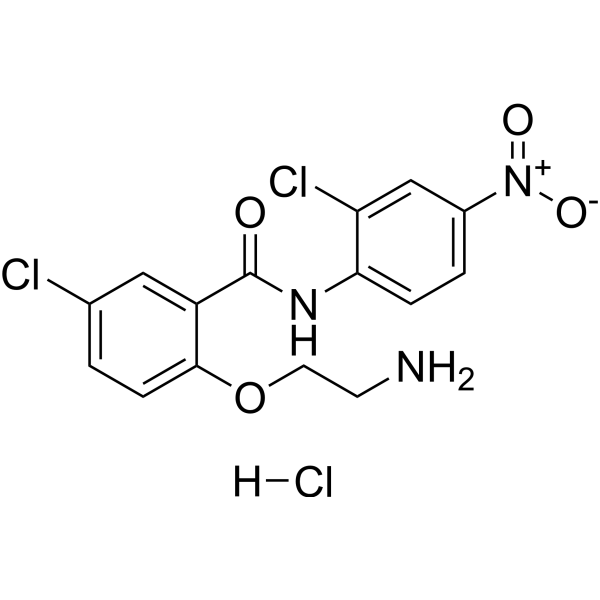
 0 ImagesSynonyms: AZD9150Danvatirsen (AZD9150) is an antisense oligonucleotide targeting STAT3. Danvatirsen reduces the viability and promotes apoptosis of leukemia cell lines. Danvatirsen inhibits the expression of endogenous STAT3 and its downstream target genes, and reduces the proliferation and tumorigenicity of neuroblastoma and lymphoma cells. Danvatirsen inhibited tumor growth in mouse models of neuroblastoma, lymphoma, and non-small cell lung cancer. Danvatirsen achieves STAT3 mRNA and protein depletion in a mouse model of epidermoid carcinoma. Danvatirsen can be used in research related to lymphoma, myelodysplastic syndrome, acute myeloid leukemia, neuroblastoma and non-small cell lung cancer.
-
Anti-Mouse CD276/B7-H3 Antibody (MJ18)
 0 ImagesCat. No.: HY-P990279Anti-Mouse CD276/B7-H3 Antibody (MJ18) is a rat-derived anti-mouse CD276/B7-H3 IgG1 monoclonal antibody. Anti-Mouse CD276/B7-H3 Antibody (MJ18) can inhibit CD276/B7-H3 and induce tumor cell apoptosis. Anti-Mouse CD276/B7-H3 Antibody (MJ18) enhances anti-tumor immune response by reducing immunosuppressive cells and promoting T cell activation. Anti-Mouse CD276/B7-H3 Antibody (MJ18) can be used for research on cancer such as breast cancer and prostate cancer.
-
L-Glutamine-13C5,15N2
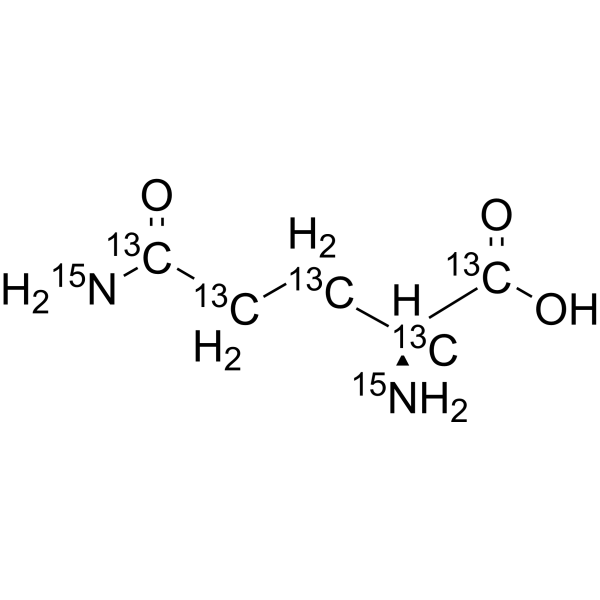 0 ImagesSynonyms: L-Glutamic acid 5-amide-13C5,15N2L-Glutamine-13C5,15N2 is the 13C- and 15N-labeled L-Glutamine (HY-N0390). L-Glutamine is an orally active nutritional agent and cellular metabolism regulator. L-Glutamine is taken up in a Na+-dependent manner and targets multiple key molecules including glutaminase, mTORC1, NF-κB, STAT-3 and HIF-1α. L-Glutamine enhances glutaminolytic catabolism, drives the conversion of glutamate to α-ketoglutarate, thereby regulating gene expression, integrating metabolic signals, mediating glutamine flux and maintaining redox homeostasis. L-Glutamine also promotes cell proliferation, osteogenic differentiation and fracture healing, exerts neuroprotective and cardioprotective effects, and inhibits osteoarthritis. L-Glutamine can be applied to research related to osteoporosis, osteoarthritis, ischemic stroke and acute cantharidin-induced cardiotoxicity.
-
CAY10594
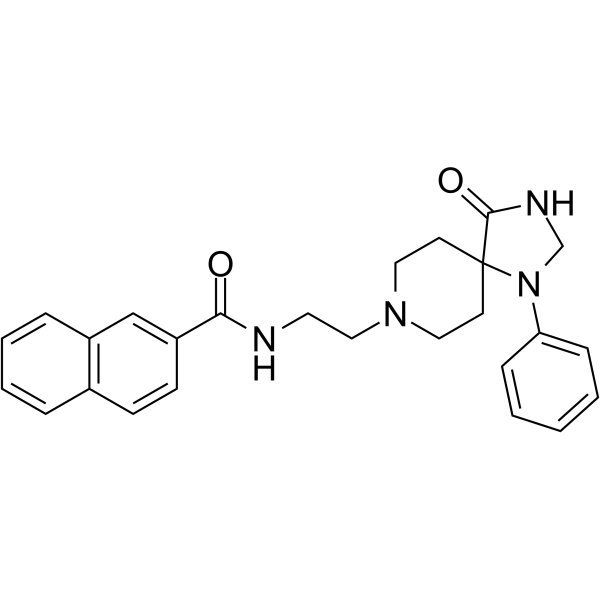 0 ImagesCAY10594 is an orally active PLD2 inhibitor with an IC50 of 140 nM. CAY10594 has activities such as anti-tumor, anti-oxidation and liver protection. CAY10594 can be used for the research of diseases like breast cancer, acute liver injury and colitis.
-
Gliquidone
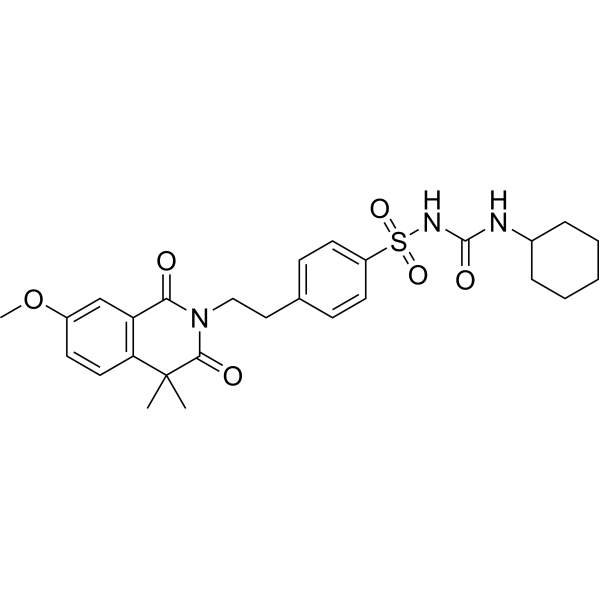 0 ImagesSynonyms: AR-DF 26Gliquidone can bind to the pancreatic β-cells and increases insulin release to regulate blood glucose levels. Gliquidone significantly decreases LPS (HY-D1056)-induced proinflammatory responses and inhibits ERK/STAT3/NF-κB phosphorylation in BV2 microglial cells. Gliquidone can suppress microgliosis, microglial hypertrophy mediated by LPS, and proinflammatory cytokine COX-2 and IL-6 levels in murine model. Gliquidone also exhibits good anticancer activity in lung carcinoma cells. Gliquidone has antioxidant property. Gliquidone can be studied in research for type 2 diabetes and cancers.
-
Ponicidin
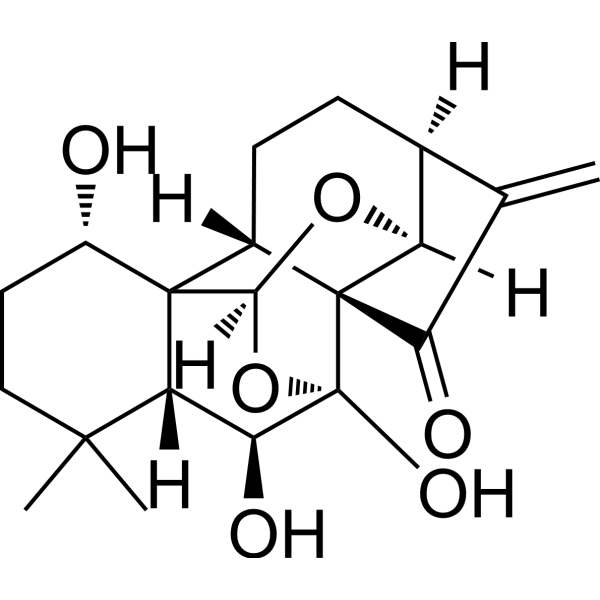 0 ImagesSynonyms: Rubescensine BPonicidin (Rubescensine B) is an orally active RIPK1 inhibitor with a Kd value of 135 nM. Ponicidin inhibits the JAK2/STAT3 pathway to induce apoptosis, activates the PI3K/Akt pathway, upregulates SIRT1 expression, alleviates oxidative stress, suppresses inflammatory responses and necroptosis, and blocks cell cycle progression. Ponicidin induces ROS production to exert antiproliferative and antiviral effects, while also improving cognitive function and reducing Aβ plaque deposition. Ponicidin can be used in studies related to hepatocellular carcinoma, Alzheimer's disease, and gastric cancer.
-
JMS-053
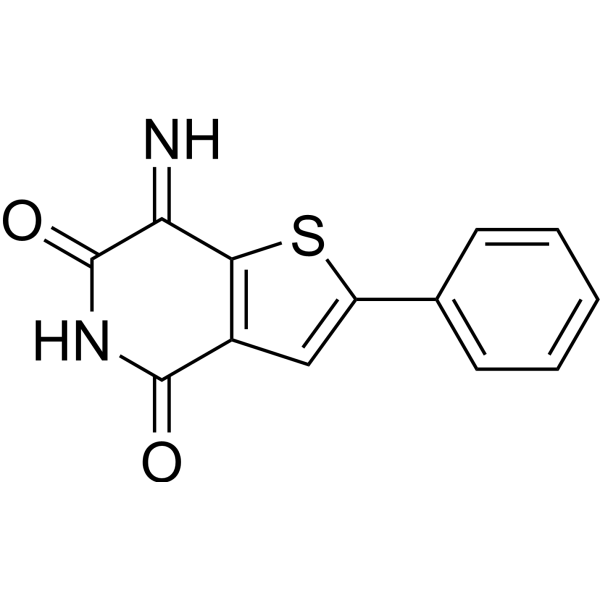 0 ImagesJMS-053 is an efficient and reversible PTP4A3 inhibitor, with an IC50 value of 18 nM. JMS-053 demonstrates broad PTP4A inhibitory activity with IC50s of 50 nM and 53 nM for PTP4A1 and PTP4A2, respectively. JMS-053 exhibits IC50 values of 92.6 nM and 207.6 nM for CDC25B and DUSP3, respectively. JMS-053 can effectively inhibit the activity of PTP4A3, inhibit tumor cell proliferation and migration through multiple mechanisms such as interfering with RhoA and STAT3/p38 signaling pathway. JMS-053 can be used for the study of cancers such as ovarian cancer, breast cancer and colon cancer.
-
Serplulimab
 0 ImagesSynonyms: HLX 10Serplulimab (HLX 10) is a humanized anti-PD-1 monoclonal antibody. Serplulimab can inhibit tumor growth, regulate the tumor microenvironment, and has anti-tumor activity. Serplulimab can be used in the research of cancer such as lung cancer and colon cancer.
-
Peramivir trihydrate
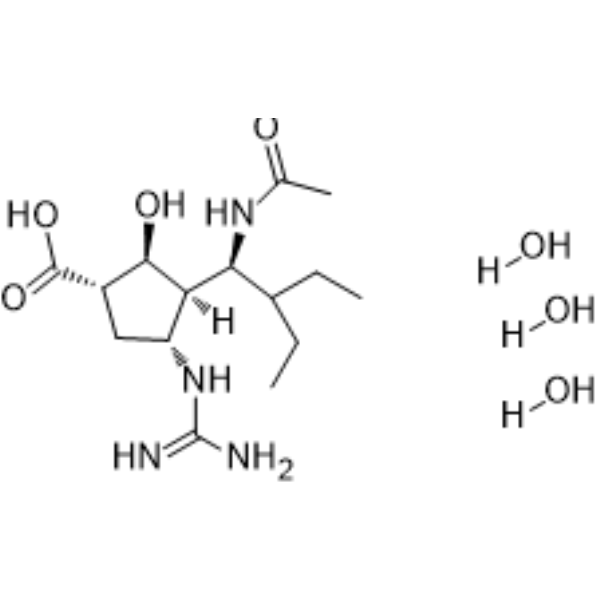 0 ImagesSynonyms: RWJ 270201 trihydrate; BCX 1812 trihydratePeramivir trihydrate (RWJ-270201 trihydrate) is a highly potent, selective and orally active influenza virus neuraminidase (NA) inhibitor, with IC50 values ranging from 0.9 to 4.3 nM for nine NA subtypes.
-
IST5-002
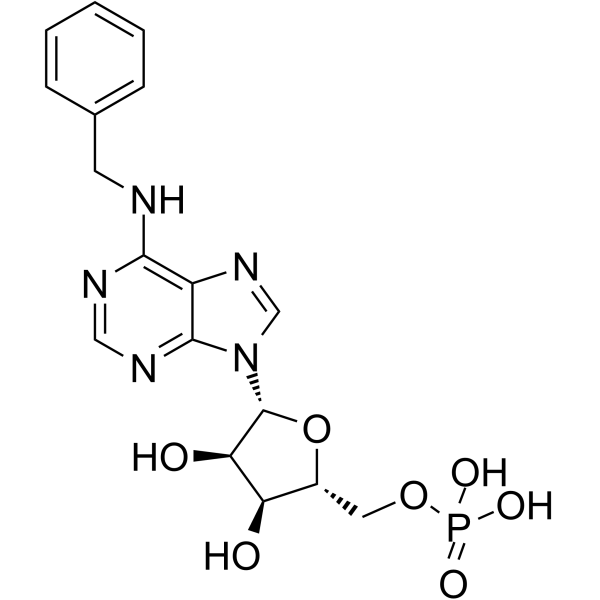 0 ImagesSynonyms: N6-Benzyladenosine-5'-phosphateIST5-002, a potent Stat5a/b inhibitor, selectively inhibits transcriptional activity of Stat5a/b (IC50s: 1.5 μM for Stat5a, 3.5 μM for Stat5b). IST5-002 inducs cell apoptotic and death of prostate cancer cells and chronic myeloid leukemia (CML) cells. IST5-002 can be used in the research of prostate cancer and chronic myeloid leukemia (CML).
-
Stafib-1
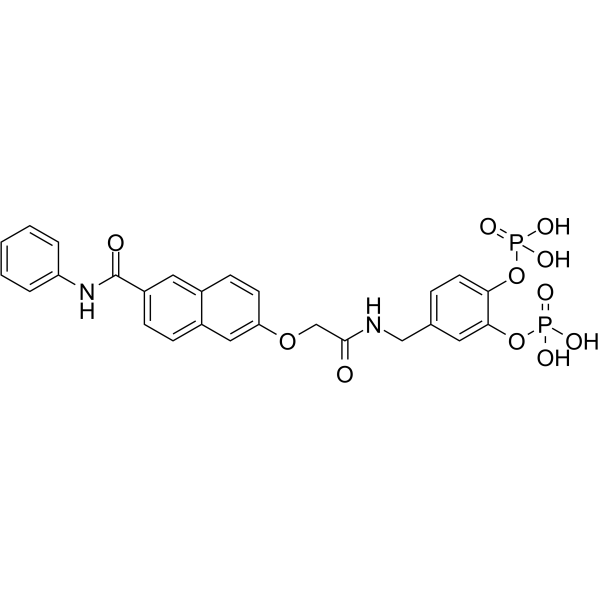 0 ImagesStafib-1 is the first selective inhibitor of the STAT5b SH2 domain, with a Ki of 44 nM and an IC50 of 154 nM.
-
Garcinone C
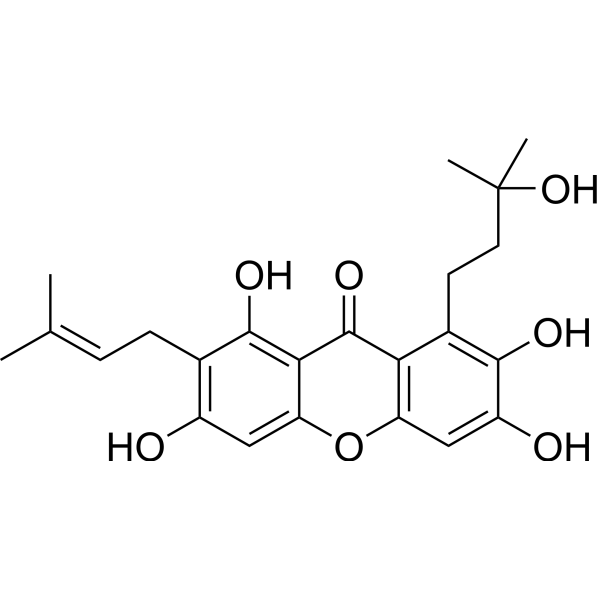 0 ImagesGarcinone C, a xanthone derivative, is a natural compound extracted from Garcinia oblongifolia that is used as an anti-inflammatory, astringency and granulation-promoting medicine, and has potential cytotoxic effects on certain cancers. Garcinone C stimulates the expression levels of ATR and 4E-BP1, arrests the cell cycle, inhibits cell viability of the human Nasopharyngeal carcinoma (NPC) cell lines CNE1, CNE2, HK1 and HONE1 in a time‑ and dose‑dependent manner through inhibition of Hedgehog signaling pathway. Garcinone C is orally active.
-
Radotinib
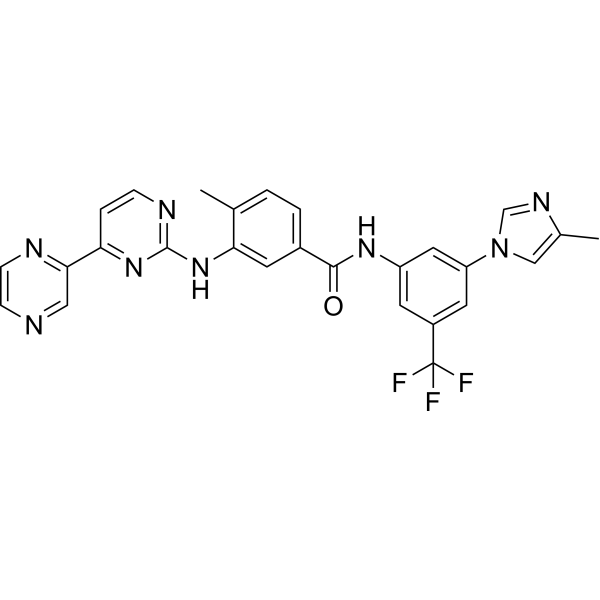 0 ImagesSynonyms: IY-5511Radotinib (IY-5511) is an orally active and BBB-permeable selective tyrosine kinase Bcr-Abl1 inhibitor with an IC50 of 34 nM. Radotinib has anti-prion and anti-tumor activities. Radotinib can inhibit the proliferation, induce cell cycle arrest and apoptosis of tumor cells . Radotinib can be used in the research of cancer such as chronic myeloid leukemia and multiple myeloma, as well as neurodegenerative diseases such as prion diseases.




