-
Wnt Related Products (345)
Related Products (345)

-
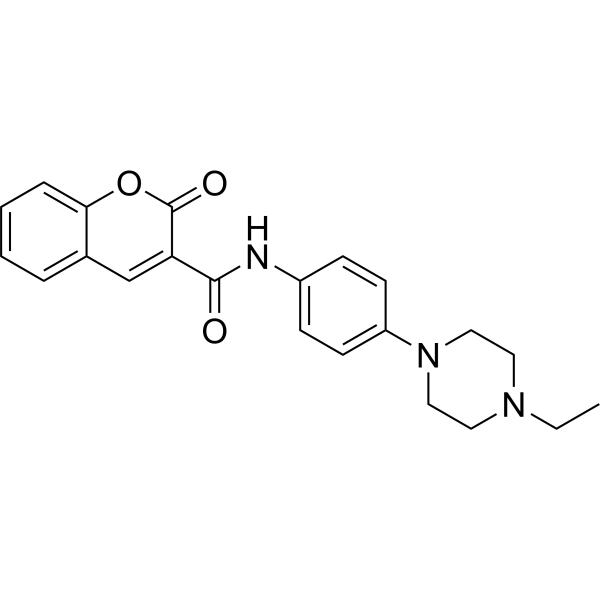
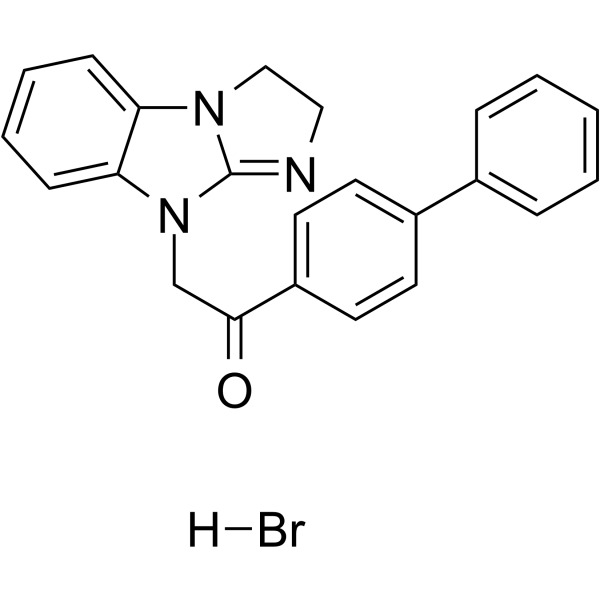
WAY-362692
 0 ImagesWAY-362692 is a secreted frizzled-related protein (sFRP-1) inhibitor (IC50 of 0.02 μM), targeting the netrin domain of sFRP-1. WAY-362692 can competitively inhibit the interaction between sFRP-1 and Wnt proteins, and activate the Wnt/β-catenin signaling pathway (EC50 = 0.03 μM). WAY-362692 can activate osteoblasts and promote bone remodeling. WAY-362692 can be used for the research of metabolic disease, such as osteoporosis.
-
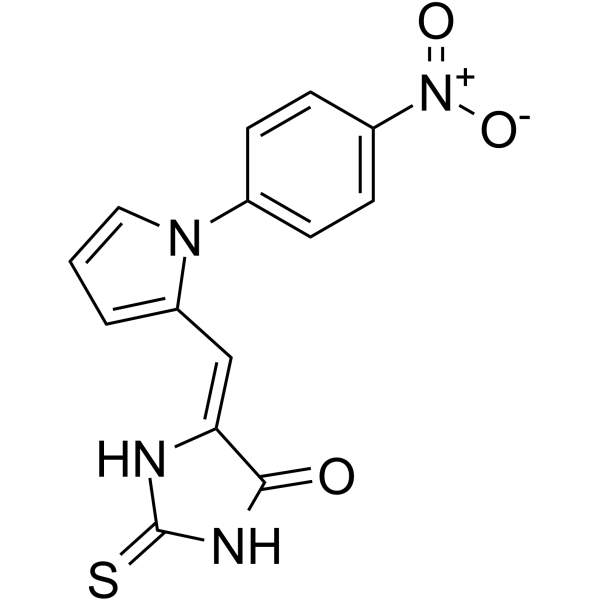
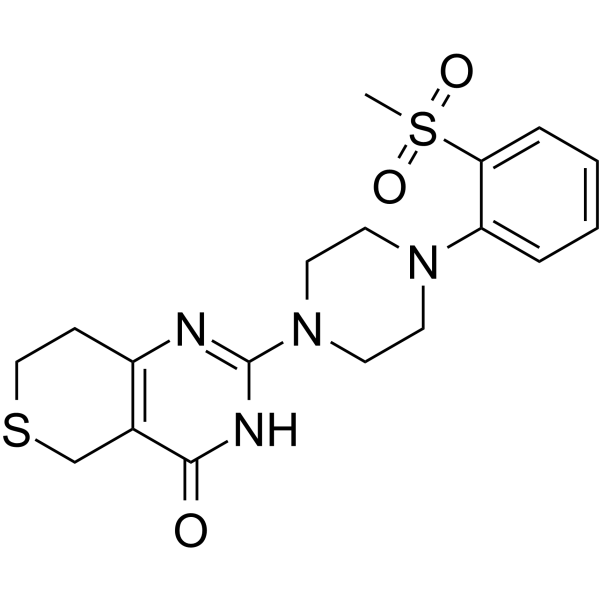
Tankyrase-IN-2
 0 ImagesTankyrase-IN-2 (compound 5k) is a potent, selective, and orally active tankyrase inhibitor (IC50s of 10, 7, and 710 nM for TNKS1, TNKS2 as well as PARP1, respectively). Tankyrase-IN-2 has favorable physicochemical profile and pharmacokinetic properties modulating Wnt pathway activity in a colorectal xenograft model.
-
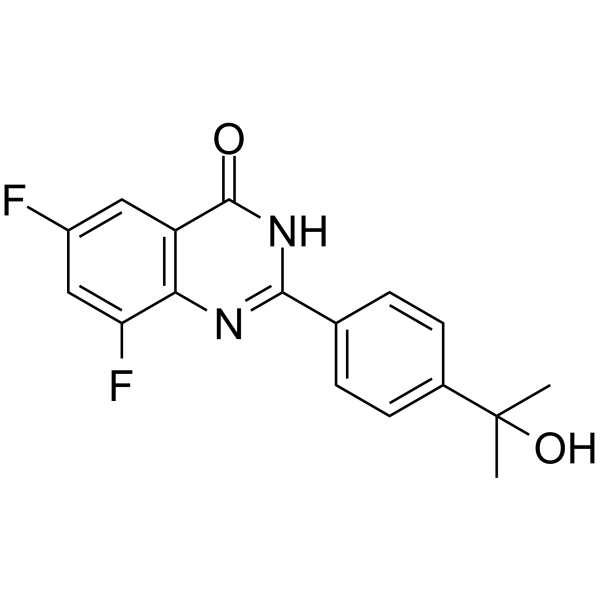
Wnt-C59 (GMP)
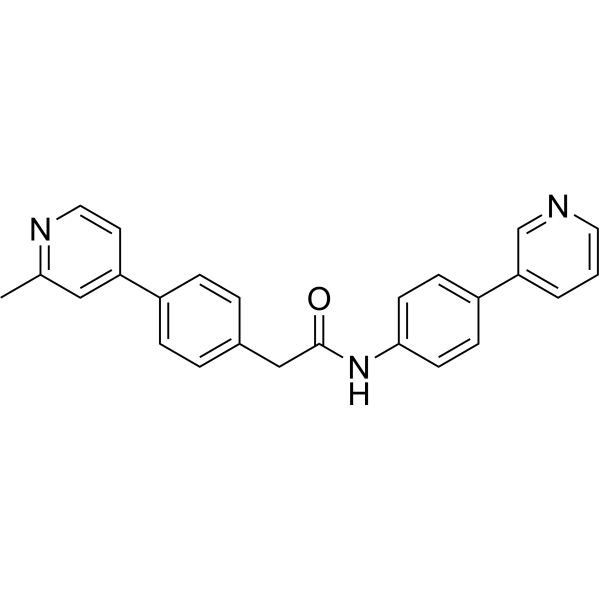 0 ImagesCat. No.: HY-15659GCAS No.: 1243243-89-1Synonyms: C59 (GMP)
-
CGK012
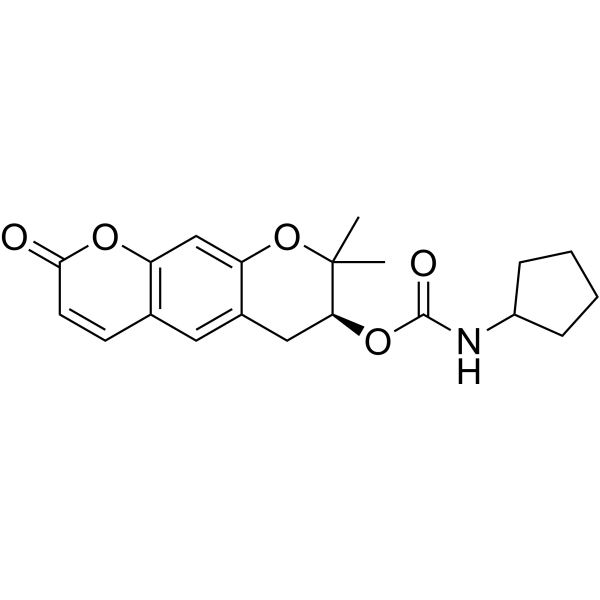 0 ImagesCKG012 is an inhibitor for Wnt/βcatenin signaling pathway. CGK012 inhibits release of HMGB1 and transcription of β-catenin, exhibits attenuating activities against cecal ligation and puncture (CLP)-induced sepsis and multiple myeloma cancer.
-
Arjunolic acid
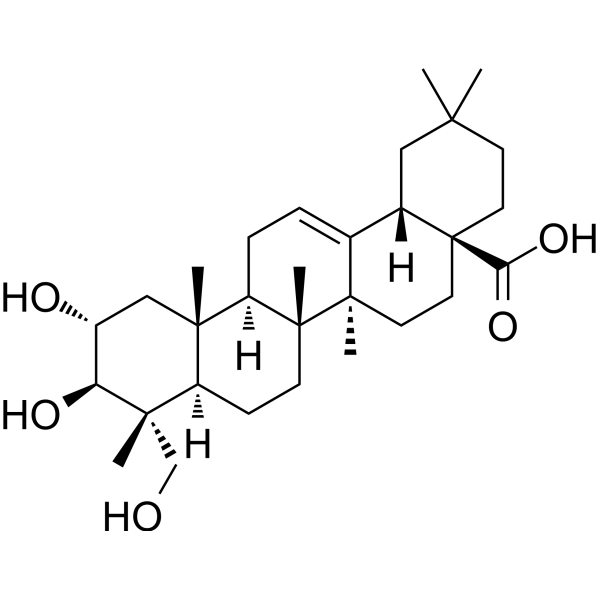 0 ImagesArjunolic acid is an orally active, multifunctional bioactive compound. Arjunolic acid exhibits free radical scavenging activity, as well as fungal and bacterial activities. Arjunolic acid induces apoptosis (Apoptosis) in various cancer cells. Arjunolic acid protects hepatocytes against induced oxidative stress and apoptosis by reducing reactive oxygen species and inhibiting NF-κB activation. Arjunolic acid regulates pancreatic dysfunction in type 2 diabetic rats by blocking the activation of the TLR-4/MyD88 and canonical Wnt pathways. Arjunolic acid inhibits neuroinflammation and ameliorates depressive behaviors via the SIRT1/AMPK/Notch1 signaling pathway in microglia. Arjunolic acid improves Crohn's disease-like colitis by restoring gut microbiota composition and inhibiting TLR4 signaling. Arjunolic acid suppresses osteosarcoma progression by inhibiting Wnt3a-mediated M2 polarization of macrophages. Arjunolic acid ameliorates diabetic retinopathy via the autophagy pathway regulated by AMPK/mTOR/HO-1. Arjunolic acid is applicable to research related to type 2 diabetes, organ toxicity, depression, Crohn's disease, osteosarcoma, diabetic retinopathy, and testicular dysfunction.
-
PTK7/β-catenin-IN-6
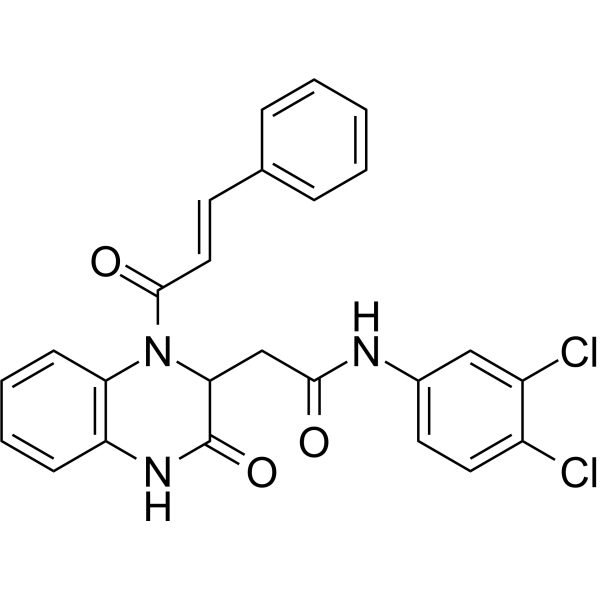 0 ImagesCat. No.: HY-160493CAS No.: 1219439-82-3PTK7/β-catenin-IN-6 (Compound 03653) is an inhibitor for PTK7/β-catenin interaction, which inhibits the Wnt signaling pathway, and exhibits an anticancer activity against colorectal cancer (CRC).
-
FIDAS-3
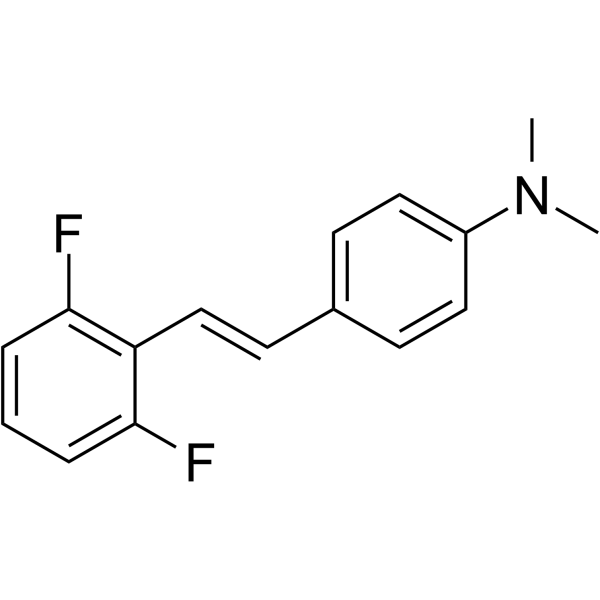 0 ImagesFIDAS-3 is a stilbene derivative and is a potent Wnt inhibitor with an IC50 of 4.9 μM for methionine S-adenosyltransferase 2A (MAT2A). FIDAS-3 effectively competes against S-adenosylmethionine (SAM) for MAT2A binding. FIDAS-3 has anticancer activities.
-
Anti-RSPO1 Antibody
 0 ImagesCat. No.: HY-P990501
-
Nodakenetin
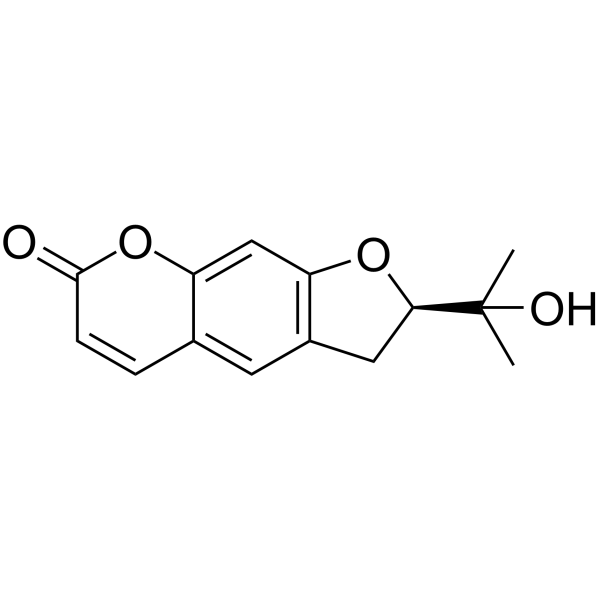 0 ImagesNodakenetin is an orally active Wnt/β-catenin pathway activator. Nodakenetin reduces the level of DKK1, and upregulates c-Myc, cyclin D1 and survivin. Nodakenetin induces osteoprogenitor cell differentiation, upregulates bone formation biomarkers and prevents bone microstructure degeneration. Nodakenetin induces irritant skin reactions. Nodakenetin improves bone microstructure and histomorphometric parameters in osteoporotic mouse models. Nodakenetin can be used for osteoporosis-related research.


-
2,5-Hexanedione-d10
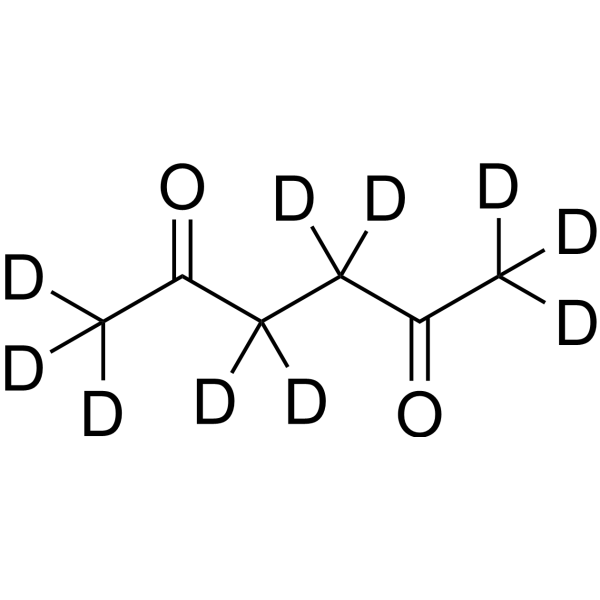 0 ImagesSynonyms: 2,5-HD-d102,5-Hexanedione-d10 (2,5-HD-d10) is the deuterium labeled 2,5-Hexanedione. Hexane-2,5-dione (2,5-HD) is an orally active, CNS-penetrant cytotoxic agent. Hexane-2,5-dione reduces BCL-2 and β-catenin/TCF transcriptional activity, increases BAX and active caspase-3 expression, and promotes apoptosis. Hexane-2,5-dione causes an accumulation of neurofilaments within axons in rats. Hexane-2,5-dione can be used for the research of neurodegenerative diseases.
-
Hordenine-d6
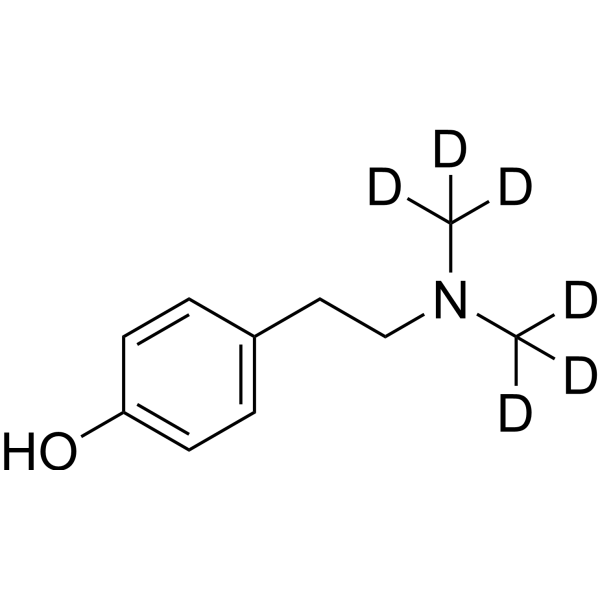 0 ImagesSynonyms: Ordenina-d6; Peyocactine-d6Hordenine-d6 (Ordenina-d6; Peyocactine-d6) is the deuterated-labeled Hordenine (HY-N0113). Hordenine (Ordenina; Peyocactine) is a multifunctional alkaloid with oral activity and blood-brain barrier penetration. Hordenine inhibits LPS-induced phosphorylation of p38, JNK, ERK1/2, p65, IκB, and AKT, prevents p65 nuclear translocation, and suppresses inflammatory cytokines and mediators. Hordenine promotes M2 macrophage polarization, restores blood-milk barrier integrity, alleviates oxidative stress by reducing ROS and MDA, and attenuates LPS-induced lung injury and pulmonary edema. Hordenine inhibits cAMP production, CREB phosphorylation, and MITF expression, thereby suppressing melanin synthesis in melanocytes and reconstructed epidermis. Hordenine activates the Wnt/β-catenin signaling pathway, promotes dermal papilla cell proliferation and hair shaft elongation, and accelerates hair regeneration. Hordenine activates DRD2, acts as a D3R partial agonist, α2A-AR full agonist, and 5-HT2A-R antagonist, and inhibits SERT and DAT. Hordenine inhibits α-synuclein accumulation and ameliorates motor deficits in Parkinson's disease models. Hordenine limits alcohol intake, reduces relapse drinking behavior, and modulates alcohol-induced conditioned place preference. Hordenine can be used for research on mastitis, skin pigmentation, acute lung injury, foodborne diseases, hair loss, Parkinson's disease, bacterial infections, and alcohol use disorder.
-
N-(3-Methoxybenzyl)-(9Z,12Z,15Z)-octadecatrienamide
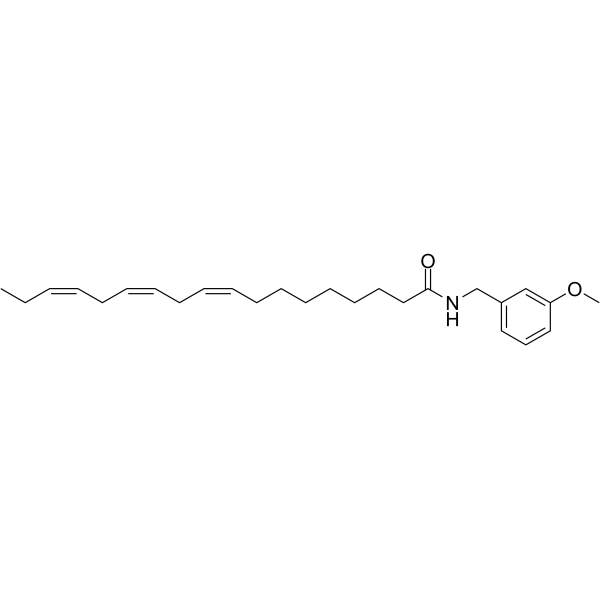 0 ImagesN-(3-Methoxybenzyl)-(9Z,12Z,15Z)-octadecatrienamide is a macamide isolated from Maca (Lepidium meyenii Walp.) N-(3-Methoxybenzyl)-(9Z,12Z,15Z)-octadecatrienamide induces mesenchymal stem cells osteogenic differentiation and consequent bone formation through activating the canonical Wnt/β‐catenin signaling pathway. N-(3-Methoxybenzyl)-(9Z,12Z,15Z)-octadecatrienamide can be used for the research of osteoporosis.
-
Anti-LGR5/GPR49 Antibody (18G7H6A3)
 0 ImagesCat. No.: HY-P991454Purity: 98.64%
-
β-catenin-IN-37
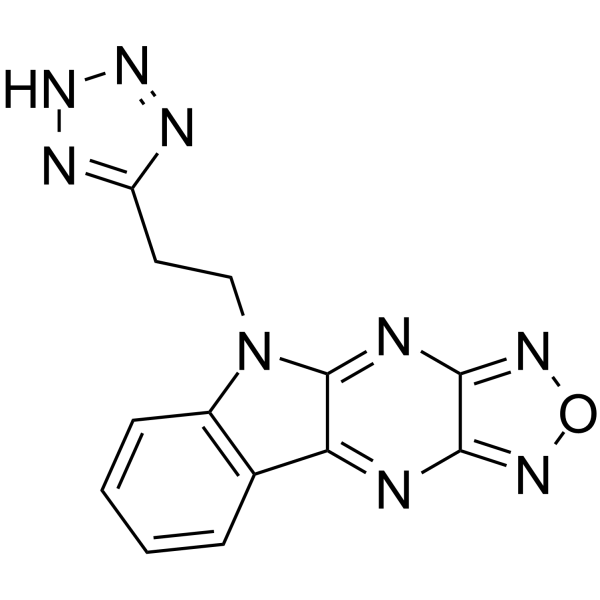 0 Imagesβ-catenin-IN-37 is a selective β-Catenin/T-cell factor protein-protein interaction (β-catenin/Tcf PPI) inhibitor. β-catenin-IN-37 inhibits canonical Wnt signaling and the growth of colorectal cancer cells SW480 and HCT116 with the IC50 values of 20 μM and 31 μM, respectively.