



Isoquinoline
Based on 2 publication(s) in Google Scholar
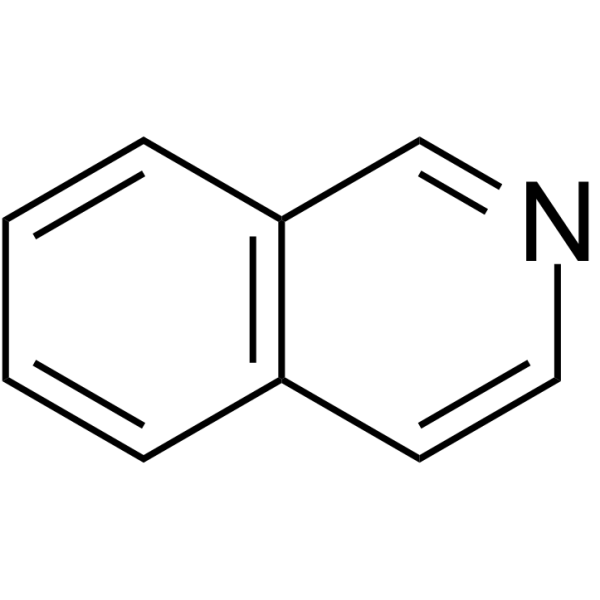
Isoquinoline is an analog of pyridine. Isoquinoline-based alkaloids, such as p-tolyl bisisoquinoline, phthaloyl isoquinoline, and naphthyl isoquinoline, exhibit anticancer activity. Berberine, an isoquinoline alkaloid, exerts anti-inflammatory effects in diabetic mice by downregulating the gene expression ratios of pro-/anti-inflammatory and Th1/Th2 cytokines. Additionally, some isoquinoline-based compounds also possess antidepressant, antibacterial, antimalarial, and anti-HIV activities.
For research use only. We do not sell to patients.
- Purity : 99.66%
- CAS No.: 119-65-3
- Formula: C9H7N
- Molecular Weight:129.16
-
Storage:Pure form -20°C, 3 years , 4°C, 2 years ; In solvent -80°C, 6 months , -20°C, 1 month

To place orders, for customer services and technical support, please contact: MedChemExpress USA
Tel: 609-228-6898 E-mail: [email protected] [email protected]


-
 Biological Activity
-
Chemical Information
-
Solvent & Solubility
- Protocols
- Purity & Documentation
- References
-
 Help & FAQs


-
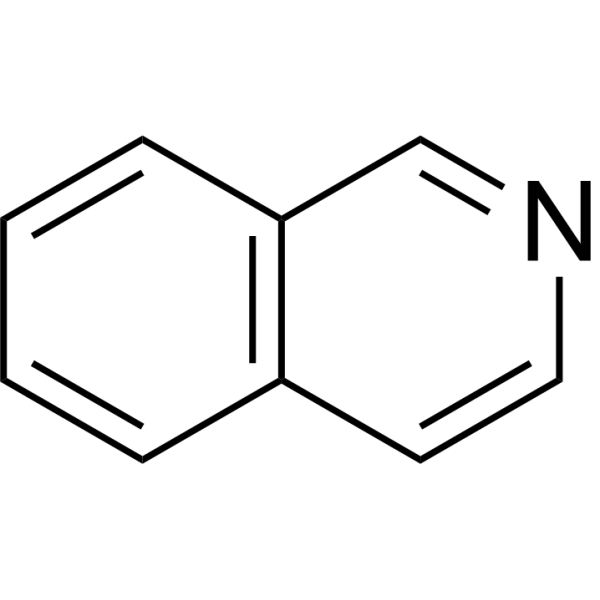
HY-W012732R
Isoquinoline (Standard)Anti-Cancer Agent -
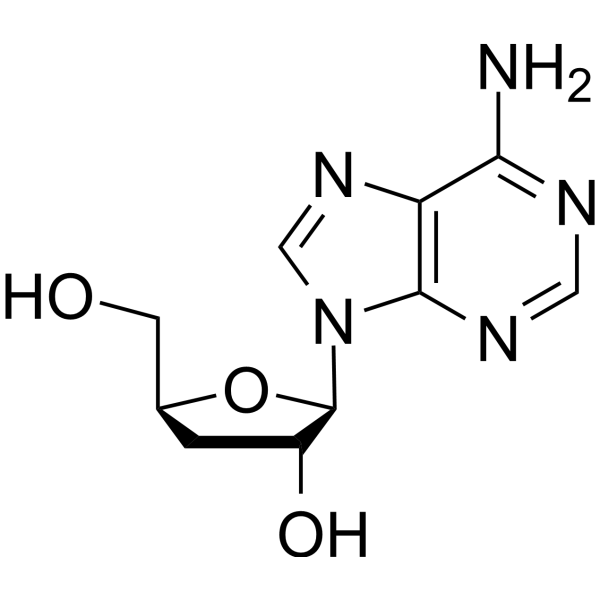
HY-N0262
CordycepinBacterial Inhibitor -

HY-W014447R
Isoquinoline-5-sulfonic acid (Standard) -
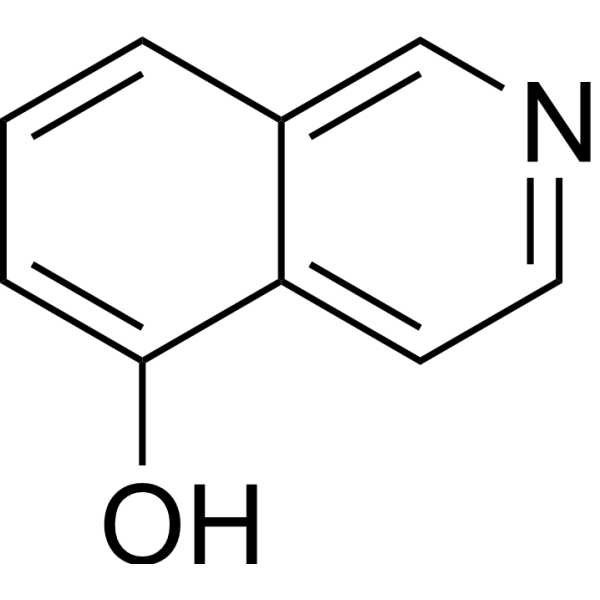
HY-W004721
5-HydroxyisoquinolineBiochemical Reagent -
HY-N0604
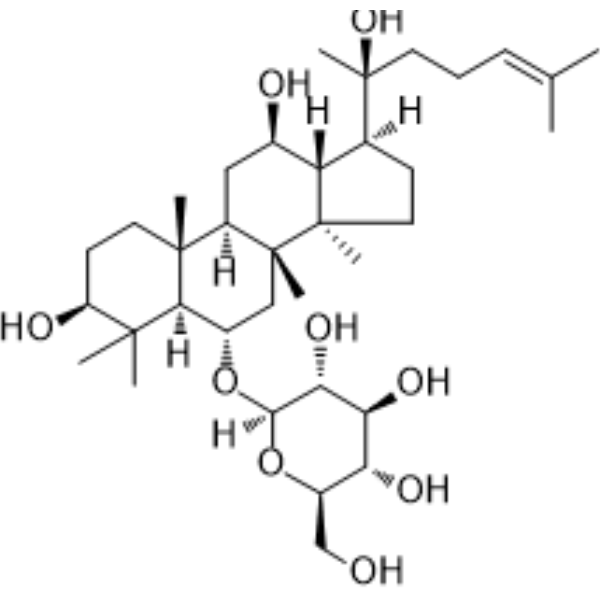
Ginsenoside Rh1Endogenous Metabolite -

HY-Y1322
Triphenyl phosphateEndocrine Disruptor -
HY-69092
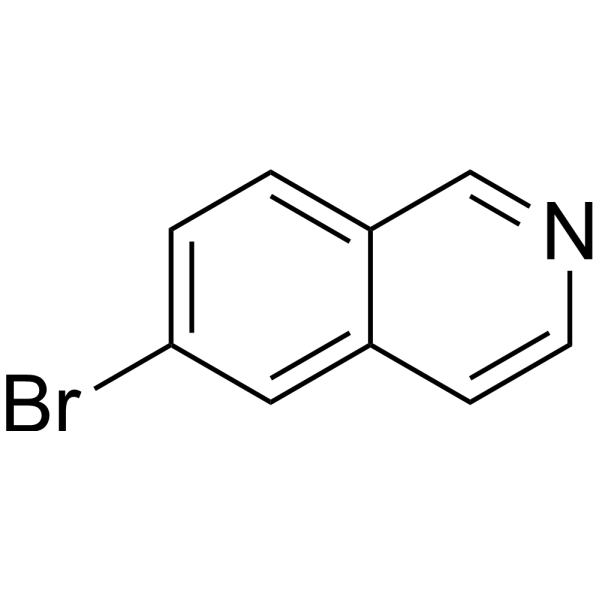
6-BromoisoquinolineBiochemical Reagent -
HY-N0267
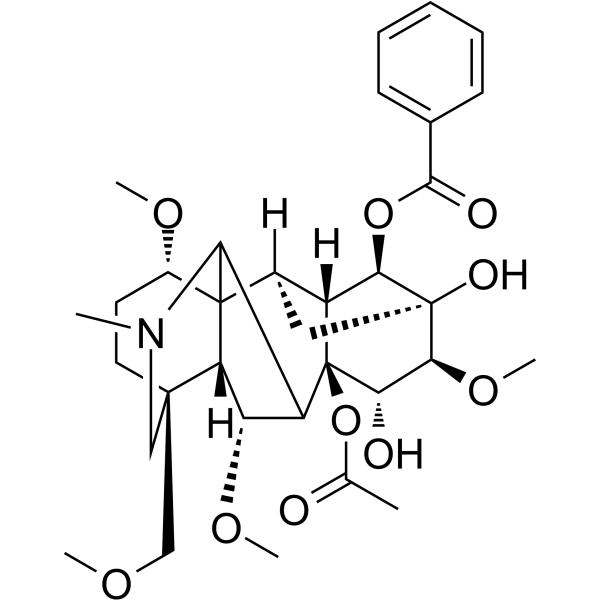
HypaconitineTNF Receptor Inhibitor -

HY-N0262R
Cordycepin (Standard)Bacterial Inhibitor -
HY-69089
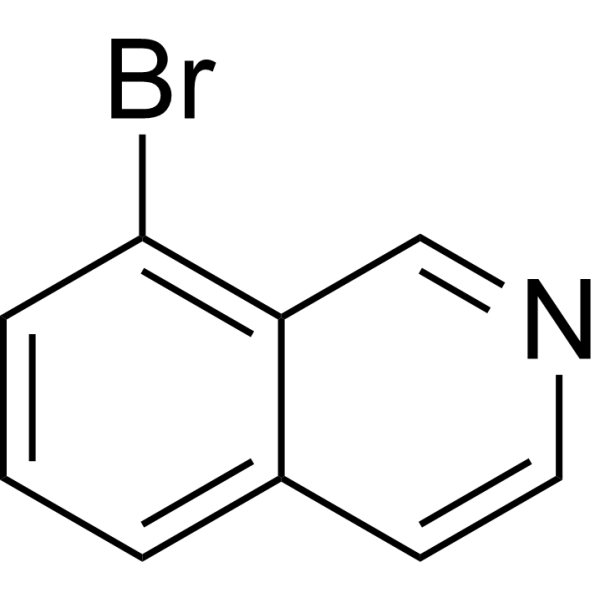
8-BromoisoquinolineBiochemical Reagent -
HY-N3021
D-chiro-InositolEndogenous Metabolite -
HY-34490
4-BromoisoquinolineBiochemical Reagent
Publications Citing Use of MedChemExpress (MCE) Isoquinoline
MoreAll Parasite Isoforms
More

Biological Activity
Description
In Vitro
Isoquinoline alkaloids exhibit inhibitory activity against Plasmodium falciparum (drug-resistant mutant strain K1). Among them, dehydrodiscretine and berberine have IC50 values of less than 1 μM, while sallocrytopine, columbamine, dehydroocoteine, jatrorrhizine, norcorydine, thalifendine, and ushinsuninehad have IC50 values ranging from 1 to 10 μM[5]. Berberine (A kind of Isoquinoline) (20-80 μM, 14 days) exerts neuroprotective effects against brain ischemia by modulating apoptotic protein changes and reducing microglial activation[6].
MedChemExpress (MCE) has not independently confirmed the accuracy of these methods. They are for reference only. Further protocols information, click here.
-
Cell Line:Hippocampal neurons (rat)
-
Concentration:20-80 μM
-
Incubation Time:14 days
-
Result:Led that the Bax/Bcl-2 ratio was altered, reduced expression of apoptotic marker Caspase-3.
In Vivo
MedChemExpress (MCE) has not independently confirmed the accuracy of these methods. They are for reference only.
-
Animal Model:Chronic unpredictable mild stress (CUMS)-induced depressive-like male adult Swiss mice model (25–35 g)
-
Dosage:0.1 and 1 mg/kg
-
Administration:Intragastric administration (i.g), once daily for 35 days
-
Result:Effectively abolished depressive-like behavior in CUMS-exposed mice, improving self-care and motivation in the splash test and reducing immobility time in the TST and modified FST. Did not affect spontaneous locomotion, ruling out psychostimulant interference. Prevented the CUMS-induced increase in NF-κB and pro-inflammatory cytokines (TNF-α, INF-γ, IL-1, IL-6) in the prefrontal cortex and serum, while restoring IL-10 levels. FDPI prevented the CUMS-induced elevation of corticosterone and ACTH, counteracting the increase in adrenal weight, suggesting regulation of HPA axis hyperactivity. Prevented the CUMS-induced increase in 5-HT uptake in synaptosomes, indicating modulation of serotonergic neurotransmission. Counteracted the CUMS-induced increase in pro-BDNF and decrease in TrkB in the prefrontal cortex, suggesting a role in neuroplasticity restoration. Exerted antidepressant-like effects at lower doses than paroxetine, but its superiority over paroxetine could not be confirmed due to different administration routes (intragastric vs. intraperitoneal). Demonstrated potential as a multi-target antidepressant, with effects mediated by anti-inflammatory actions, HPA axis modulation, serotonin system regulation, and neurotrophic signaling pathways. Further studies on chronic administration and side effects are needed.


Chemical Information
-
CAS No. 119-65-3
-
Appearance <26°C Solid, >28°C Liquid
-
Molecular Weight 129.16
-
Formula C9H7N
-
Color Light yellow to yellow
-
SMILES
C12=C(C=NC=C2)C=CC=C1
-
Structure Classification
-
Initial Source
-
Shipping
Room temperature in continental US; may vary elsewhere.
-
Storage
Pure form -20°C 3 years 4°C 2 years In solvent -80°C 6 months -20°C 1 month


Publications (2)
-
Journal Impact Factor
-
Most Recent
-
PLoS Biol
2024 Jun 27;22(6):e3002672. PMID: 38935621 -
bioRxiv
An efficient behavioral screening platform classifies natural products and other chemical cues according to their chemosensory valence in C. elegans. [Abstract]2024 Apr 3:2023.06.02.542933. PMID: 37333363


Solvent & Solubility
In Vitro:
DMSO : 100 mg/mL (774.23 mM; Need ultrasonic; Hygroscopic DMSO has a significant impact on the solubility of product, please use newly opened DMSO)
Please refer to the solubility information to select the appropriate solvent. Once prepared, please aliquot and store the solution to prevent product inactivation from repeated freeze-thaw cycles.
Storage method and period of stock solution: -80°C, 6 months; -20°C, 1 month. When stored at -80°C, please use it within 6 months. When stored at -20°C, please use it within 1 month.
Please refer to the solubility information to select the appropriate solvent. Once prepared, please aliquot and store the solution to prevent product inactivation from repeated freeze-thaw cycles.
Storage method and period of stock solution: -80°C, 6 months; -20°C, 1 month. When stored at -80°C, please use it within 6 months. When stored at -20°C, please use it within 1 month.
Concentration (start) × Volume (start) = Concentration (final) × Volume (final)
In Vivo:
Select the appropriate dissolution method based on your experimental animal and administration route.
- For the following dissolution methods, please ensure to first prepare a clear stock solution using an In Vitro approach and then sequentially add co-solvents:
- To ensure reliable experimental results, the clarified stock solution can be appropriately stored based on storage conditions. As for the working solution for In Vivo experiments, it is recommended to prepare freshly and use it on the same day.
- The percentages shown for the solvents indicate their volumetric ratio in the final prepared solution. If precipitation or phase separation occurs during preparation, heat and/or sonication can be used to aid dissolution.
Add each solvent one by one: 10% DMSO 40% PEG300 5% Tween-80 45% Saline
Solubility: ≥ 2.5 mg/mL (19.36 mM); Clear solution
This protocol yields a clear solution of ≥ 2.5 mg/mL (saturation unknown).
Taking 1 mL working solution as an example, add 100 μL DMSO stock solution (25.0 mg/mL) to 400 μL PEG300, and mix evenly; then add 50 μL Tween-80 and mix evenly; then add 450 μL Saline to adjust the volume to 1 mL.
Preparation of Saline: Dissolve 0.9 g sodium chloride in ddH₂O and dilute to 100 mL to obtain a clear Saline solution.
Add each solvent one by one: 10% DMSO 90% (20% SBE-β-CD in Saline)
Solubility: ≥ 2.5 mg/mL (19.36 mM); Clear solution
This protocol yields a clear solution of ≥ 2.5 mg/mL (saturation unknown).
Taking 1 mL working solution as an example, add 100 μL DMSO stock solution (25.0 mg/mL) to 900 μL 20% SBE-β-CD in Saline, and mix evenly.
Preparation of 20% SBE-β-CD in Saline (4°C, storage for one week): 2 g SBE-β-CD powder is dissolved in 10 mL Saline, completely dissolve until clear.
In Vivo Dissolution Calculator
Please enter the basic information of animal experiments:
-
-
-
-
Recommended: Prepare an additional quantity of animals to account for potential losses during experiments.
Please enter your animal formula composition:
-
%DMSO +
Recommended: Keep the proportion of DMSO in working solution below 2% if your animal is weak.
-
%+
-
+%Tween-80 + +
-
%Saline +
The co-solvents required include: DMSO, . All of co-solvents are available by MedChemExpress (MCE). , Tween 80. All of co-solvents are available by MedChemExpress (MCE).
Working solution concentration: 0.22 mg/mL
Method for preparing stock solution: mg drug dissolved in μL DMSO. Stock solution concentration: mg/mL.
1. Take μL DMSO stock solution;
2. Add μL .
μL , mix evenly;
3. Then add μL Tween 80, mix evenly;
4. Then add μL
Please ensure that the stock solution in the first step is dissolved to a clear state, and add co-solvents in sequence. You can use ultrasonic heating (ultrasonic cleaner, recommended frequency 20-40 kHz), vortexing, etc. to assist dissolution.

Protocols
-
RT-PCR
Reverse transcription technology uses RNA as a template to synthesize DNA. RT-PCR is simple, specific and sensitive, and can be used to detect gene expression levels and expression differences in cells; detect RNA virus content; clone cDNA sequences of specific genes.
-
RNA extraction experimental
By lysing cells, releasing RNA, and removing impurities such as proteins and DNA, high-purity RNA products are finally obtained. The commonly used traditional method is the guanidine isothiocyanate/phenol/chloroform method (Trizol), which is suitable for a variety of animal materials including animal tissues, microorganisms, cultured cells, etc., and most plant materials.
-
Research Protocol for Infectious Diseases
Infectious-disease experiments test how pathogens interact with host barriers, innate immune receptors, inflammatory signaling, pathogen replication, and tissue injury; pattern-recognition receptors such as TLRs, RIG-I-like receptors, NOD-like receptors, and inflammasomes detect microbial molecules and activate NF-κB, interferon, and cytokine responses. The central hypothesis is that infection severity reflects the balance between pathogen burden and host response: protective inflammation restricts pathogen growth, whereas excessive or mislocalized inflammation contributes to tissue damage and disease phenotype. Unresolved questions include which host pathways are protective versus pathogenic, why some infection models fail to translate to human disease, and which combined readouts best predict clinically relevant infection outcomes.
-
Naïve CD4+ T-cell subset differentiation/polarization
Naïve CD4+ T-cell subset differentiation/polarization is an in vitro assay in which purified naïve CD4+ T cells are activated through TCR and CD28 costimulation and cultured with defined cytokines and neutralizing antibodies to generate Th0, Th1, Th2, Th17, or induced Treg-like populations. Differentiation is detected by subset-associated cytokines and transcription factors: IFN-γ/T-bet for Th1, IL-4/GATA3 for Th2, IL-17A/RORγt for Th17, and Foxp3 for induced Treg cells. The assay readout is usually generated by intracellular cytokine staining after restimulation, transcription-factor staining by flow cytometry, ELISA of secreted cytokines, or gene-expression analysis. The result reflects cytokine-directed lineage commitment or polarization rather than antigen-specific immune protection by itself.
-
Research Protocol for Inflammation-related Diseases
The NLRP3 inflammasome is a cytosolic innate immune signaling platform that integrates priming signals and danger-signal activation to promote caspase-1 activation, maturation of IL-1β and IL-18, and gasdermin D-mediated pyroptotic cell death. The core experimental logic is to determine whether inflammatory disease phenotypes are driven by increased NLRP3 expression, ASC-containing inflammasome assembly, caspase-1 cleavage, GSDMD cleavage, and extracellular release of IL-1β/IL-18 rather than by nonspecific cell injury alone. The pathway is strongly linked to inflammation-related disease phenotypes because monosodium urate crystals activate NALP3/NLRP3 inflammasome signaling in gout-like crystal inflammation, cholesterol crystals activate NLRP3 inflammasomes in atherogenesis models, and DSS-induced intestinal inflammation has been reported to involve NLRP3 inflammasome activity. However, experimental colitis studies also show context-dependent protective effects of NLRP3 inflammasome co
-
Real Time qPCR (Q-PCR)
Real-time quantitative PCR (qPCR) quantifies an amplifiable nucleic-acid target by monitoring fluorescence during PCR cycling rather than measuring product only after amplification. The increase in fluorescence tracks accumulation of PCR product, and the quantification cycle (Cq; historically also Ct/CP) is related to the initial amount of target: samples containing more starting target generally reach the defined fluorescence threshold in fewer cycles.


Purity & Documentation
-
Data Sheet (296 KB)
-
SDS (481 KB)
- English - EN (481 KB)
- Français - FR (481 KB)
- Deutsch - DE (481 KB)
- Norwegian - NO (481 KB)
- Español - ES (481 KB)
- Swedish - SV (481 KB)
- Italian - IT (481 KB)
- Korean - KR (481 KB)
- Portuguese - PT (481 KB)
-
Handling Instructions (2659 KB)
References
[1]. Zhi-Xing Qing, et al. Anticancer and Reversing Multidrug Resistance Activities of Natural Isoquinoline Alkaloids and Their Structure-activity Relationship. Curr Med Chem [Content Brief]
[2]. Iwasa K, et al. Simple isoquinoline and benzylisoquinoline alkaloids as potential antimicrobial, antimalarial, cytotoxic, and anti-HIV agents. Bioorg Med Chem. 2001 Nov;9(11):2871-84. [Content Brief]
[3]. Pesarico AP, et al. A novel isoquinoline compound abolishes chronic unpredictable mild stress-induced depressive-like behavior in mice. Behav Brain Res. 2016 Jul 1;307:73-83. [Content Brief]
[5]. Wright CW, et al. In vitro antiplasmodial, antiamoebic, and cytotoxic activities of some monomeric isoquinoline alkaloids. J Nat Prod. 2000 Dec;63(12):1638-40. [Content Brief]
[6]. Kim M, et al. Inhibitory Effects of Isoquinoline Alkaloid Berberine on Ischemia-Induced Apoptosis via Activation of Phosphoinositide 3-Kinase/Protein Kinase B Signaling Pathway. Int Neurourol J. 2014 Sep;18(3):115-25. [Content Brief]


Complete Stock Solution Preparation Table
Please refer to the solubility information to select the appropriate solvent. Once prepared, please aliquot and store the solution to prevent product inactivation from repeated freeze-thaw cycles.
Storage method and period of stock solution: -80°C, 6 months; -20°C, 1 month. When stored at -80°C, please use it within 6 months. When stored at -20°C, please use it within 1 month.
| Optional Solvent | Concentration Solvent Mass | 1 mg | 5 mg | 10 mg | 25 mg |
|---|---|---|---|---|---|
| DMSO | 1 mM | 7.7423 mL | 38.7117 mL | 77.4233 mL | 193.5584 mL |
| 5 mM | 1.5485 mL | 7.7423 mL | 15.4847 mL | 38.7117 mL | |
| 10 mM | 0.7742 mL | 3.8712 mL | 7.7423 mL | 19.3558 mL | |
| 15 mM | 0.5162 mL | 2.5808 mL | 5.1616 mL | 12.9039 mL | |
| 20 mM | 0.3871 mL | 1.9356 mL | 3.8712 mL | 9.6779 mL | |
| 25 mM | 0.3097 mL | 1.5485 mL | 3.0969 mL | 7.7423 mL | |
| 30 mM | 0.2581 mL | 1.2904 mL | 2.5808 mL | 6.4519 mL | |
| 40 mM | 0.1936 mL | 0.9678 mL | 1.9356 mL | 4.8390 mL | |
| 50 mM | 0.1548 mL | 0.7742 mL | 1.5485 mL | 3.8712 mL | |
| 60 mM | 0.1290 mL | 0.6452 mL | 1.2904 mL | 3.2260 mL | |
| 80 mM | 0.0968 mL | 0.4839 mL | 0.9678 mL | 2.4195 mL | |
| 100 mM | 0.0774 mL | 0.3871 mL | 0.7742 mL | 1.9356 mL |


Isoquinoline Related Classifications
HY-W012732 Related Classifications
 Powered by Bioz