



Fatty Acids
-
- Amino Fatty Acids (330)
- Branched Fatty Acids (398)
- Carbocyclic Fatty Acids (309)
- Dicarboxylic Acids (61)
- Epoxy Fatty Acids (38)
- Halogenated Fatty Acids (23)
- Heterocyclic Fatty Acids (7)
- Hydroxy Fatty Acids (623)
- Methoxy Fatty Acids (5)
- Nitro Fatty Acids (6)
- Oxo Fatty Acids (135)
- Straight Chain Fatty Acids (41)
- Thia Fatty Acids (9)
- Unsaturated Fatty Acids (978)

Acetoacetyl CoA sodium hydrate is the precursor of HMG-CoA in the mevalonate pathway. Acetoacetyl-CoA thiolase catalyzes the reaction to form acetoacetyl-CoA sodium hydrate from two acetyl-CoA molecules. Acetoacetyl CoA sodium hydrate is essential for cholesterol biosynthesis. Acetoacetyl-CoA sodium hydrate is also a intermediate in the biological breakdown and synthesis of fatty acids.
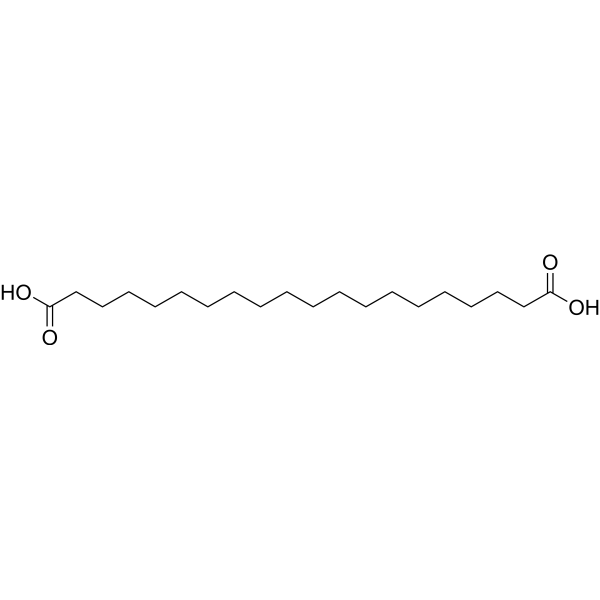
- Formula: C20H38O4
- Molecular Weight: 342.51
Eicosanedioic acid is a non-cleavable ADC linker used in the synthesis of antibody-drug conjugates (ADCs). Eicosanedioic acid is also a alkyl chain-based PROTAC linker that can be used in the synthesis
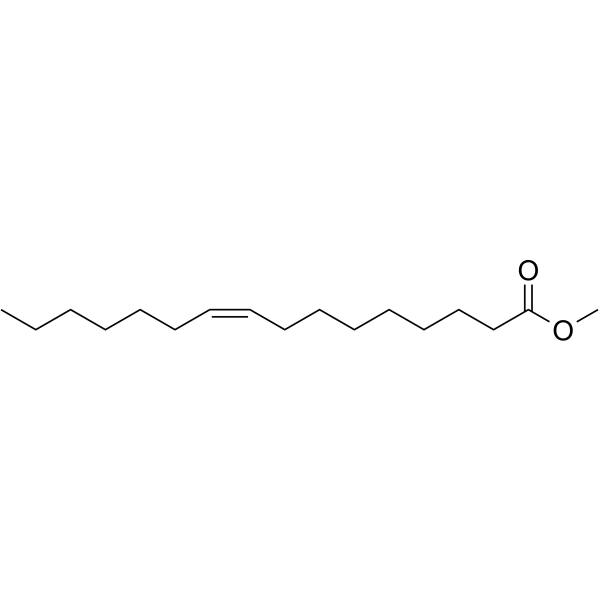
- Formula: C17H32O2
- Molecular Weight: 268.43
Methyl palmitoleate ((Z)-Methyl hexadec-9-enoate), a fatty acid methyl ester, is an analogue of Palmitoleate with cytoprotective and growth-promoting properties.
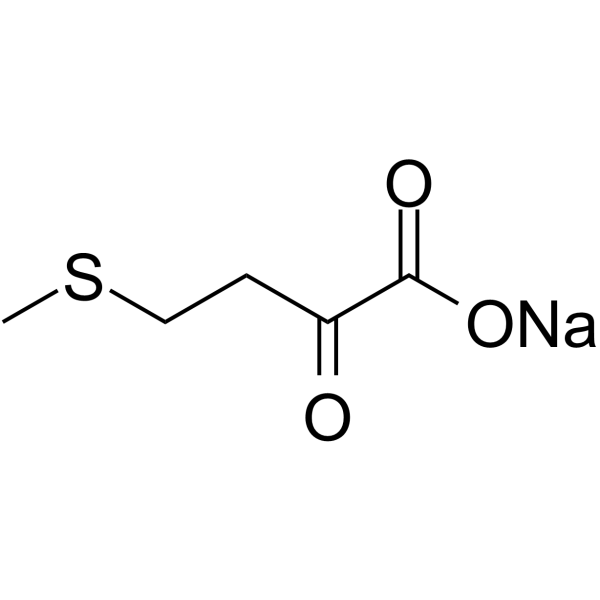
- Formula: C5H7NaO3S
- Molecular Weight: 170.16
MTOB sodium is a potent C-terminal binding protein (CtBP) inhibitor. MTOB sodium attenuates repetitive head injury-elicited neurologic dysfunction and neuroinflammation via inhibition of the transactivation activity of CtBP1 and CtBP2. MTOB sodium antagonizes the transcriptional regulatory activity of CtBP1 and CtBP2 by eviction from their target promoters in breast cancer cell lines.
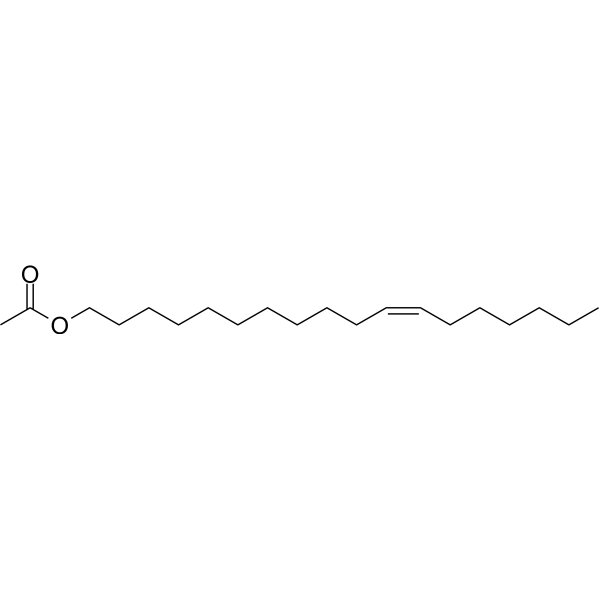
- Formula: C20H38O2
- Molecular Weight: 310.51
11-cis-Vaccenyl acetate is male-specific lipid that mediates aggregation behavior in both male and female flies, which activates a few dozen olfactory neurons located in T1 sensilla on the antenna of both male and female flies.
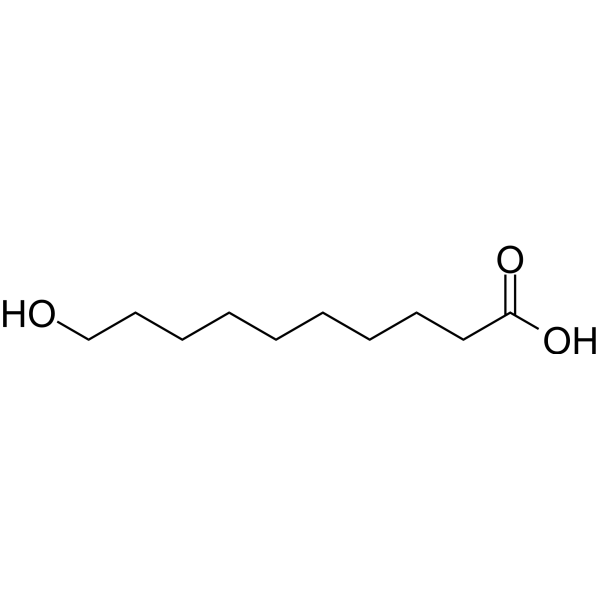
- Formula: C10H20O3
- Molecular Weight: 188.26
10-Hydroxydecanoic acid (10-HDAA) is a saturated fatty acid derived from 10-hydroxy-trans-2-decenoic acid, which can be isolated from royal jelly. 10-Hydroxydecanoic acid exhibits various biological activities, including anti-inflammatory, insecticidal, anti-malarial, and anti-Leishmania properties, as well as enhancing antigen-specific immune responses. The anti-inflammatory effects of 10-Hydroxydecanoic acid are primarily mediated by inhibiting the activation of NF-κB and the translation of interferon regulatory factor 1 (IRF-1), which reduces the production of interleukin 6 (IL-6) and nitric oxide (NO) in inflammatory cells. Additionally, 10-Hydroxydecanoic acid alleviates neuroinflammatory responses through the p53-autophagy pathway and the p53-NLRP3 pathway. Finally, 10-Hydroxydecanoic acid enhances antigen-specific immune responses by promoting the effective uptake of antigens by microfold cells.
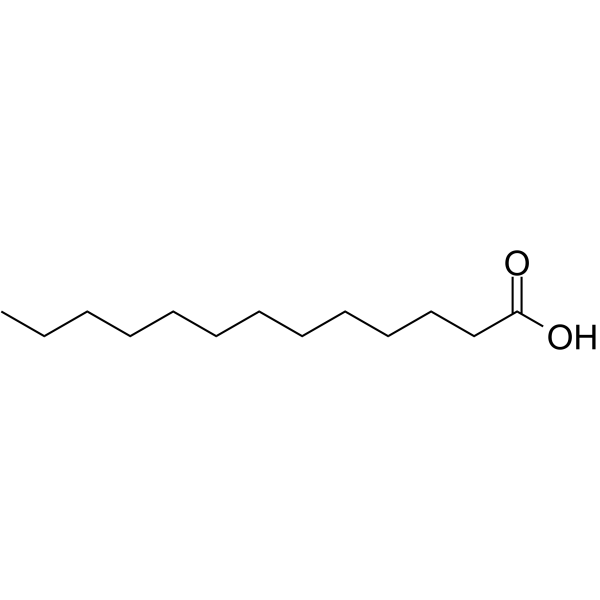
- Formula: C13H26O2
- Molecular Weight: 214.34
Tridecanoic acid (N-Tridecanoic acid) is a medium-chain saturated fatty acid and inhibitor with no antibacterial activity against enterohemorrhagic E. coli (EHEC). When used in combination with Ciprofloxacin (HY-B0356) or Ampicillin (HY-B0522), Tridecanoic acid suppresses persister formation in exponentially growing E. coli and EHEC, but exerts no inhibitory effect on persister formation induced by Kanamycin (HY-16566) or in stationary-phase cells. Tridecanoic acid inhibits biofilm formation in EHEC. It can be used in the research of bacterial infections.

- Formula: C3H6O3
- Molecular Weight: 90.08
3-Hydroxypropionic acid (30% in water) is a metabolite of β-Alanine (HY-N0230) and also a precursor for the synthesis of various chemical products. 3-Hydroxypropionic acid (30% in water) exhibits reduced urinary levels in elderly male patients with nocturia, which correlates with altered β-Alanine metabolic pathogenesis. 3-Hydroxypropionic acid (30% in water) can be used in studies related to nocturia.
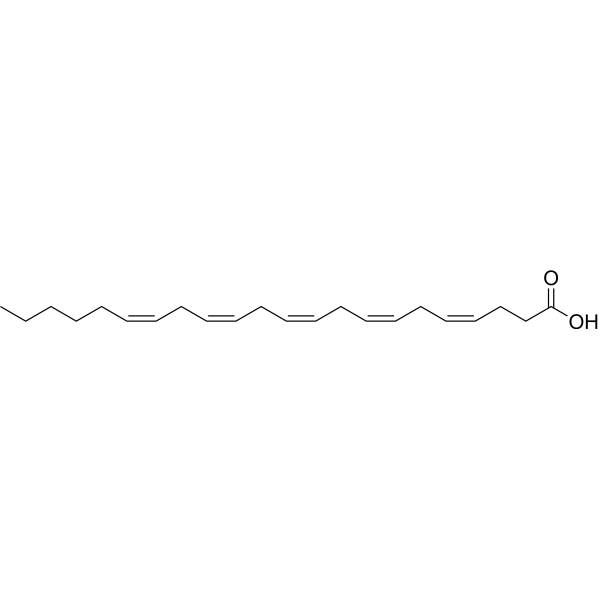
- Formula: C22H34O2
- Molecular Weight: 330.50
Osbond acid (all-cis-4,7,10,13,16-Docosapentaenoic acid) is an all-cis-4,7,10,13,16-docosapentaenoic acid (22:5n-6) and specific deficiency marker for docosahexaenoic acid (DHA) shortage.
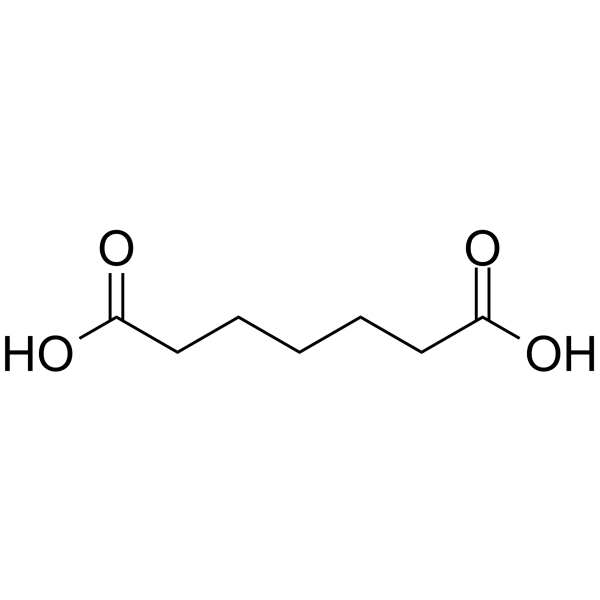
- Formula: C7H12O4
- Molecular Weight: 160.17
Pimelic acid (Heptanedioic acid; 1,5-Pentanedicarboxylic acid) is a seven-carbon α,ω-dicarboxylic acid and a downstream product of fatty acid synthesis. Pimelic acid is a key precursor in biotin biosynthesis. Pimelic acid can be converted to pimelic acid-CoA by the BioW enzyme, thereby bypassing exogenous biotin requirements to support growth in various biotinytrophic bacteria and fungi, and reversing antibiotic-induced inhibition of biotin synthesis. Furthermore, Pimelic acid has been proposed as a highly specific biomarker for oxygen-induced retinopathy in mice. Pimelic acid can be used to study retinopathy of preterm infants, oxygen-induced retinopathy, and microbial biotin metabolism.
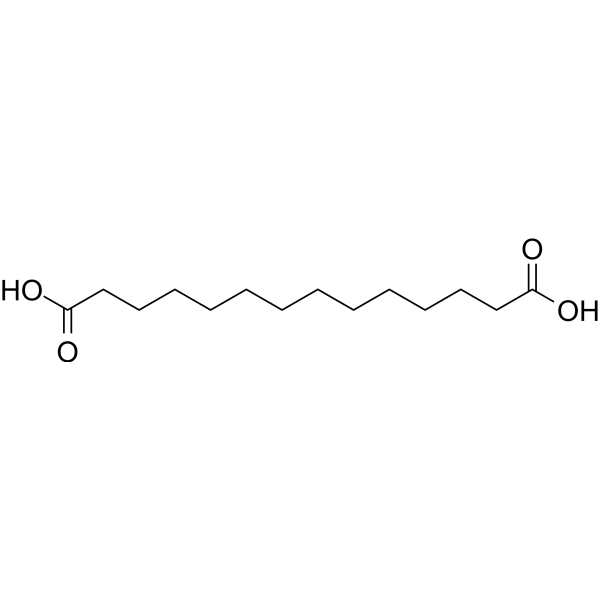
- Formula: C14H26O4
- Molecular Weight: 258.36
Tetradecanedioic acid is an endogenous metabolite and belongs to the class of organic compounds known as long-chain fatty acids. Tetradecanedioic acid is an endogenous biomarker for assessing the activity of organic anion transporting polypeptides (OATPs).

- Formula: C20H37NO2
- Molecular Weight: 323.51
Linoleoyl ethanolamide (Linoleic acid monoethanolamide) is classified as a fatty acid ethanolamide. Linoleoyl ethanolamide only weakly binds G-protein-coupled cannabinoid receptors of type-1(CB1)and CB2 receptors, and inhibits the binding of [3H]CP-55,940 with Kis of 10 and 25 μM, respectively. Linoleoyl ethanolamide is 4-fold less potent than anandamide at causing catalepsy in mice and it does not prolong sleep time.
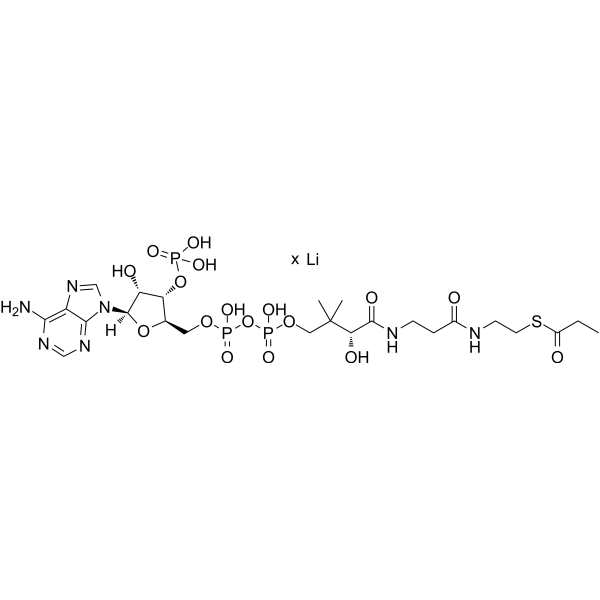
- Formula: C24H40N7O17P3S.xLi
Propionyl coenzyme A lithium, a coenzyme A derivative of propionic acid, is an important metabolic intermediate formed by the thioester bond between coenzyme A and propionic acid. The breakdown and production of Propionyl coenzyme A lithim is important for the metabolism of organisms.
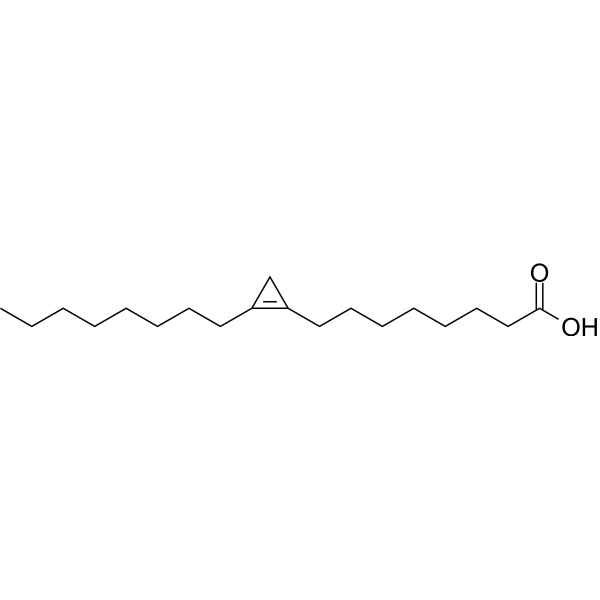
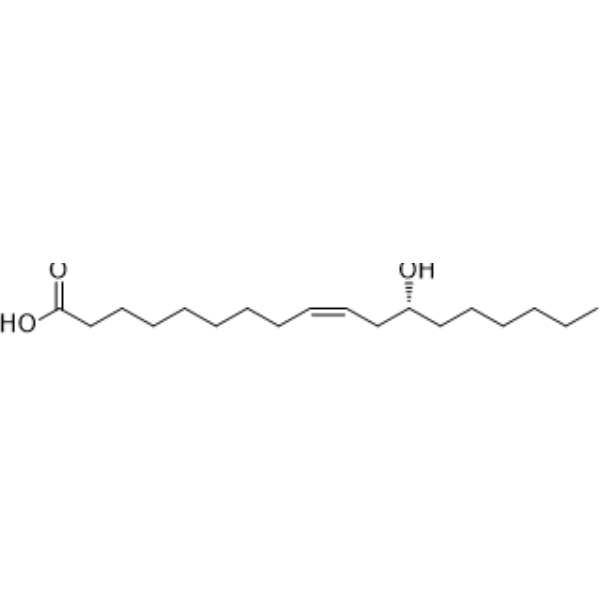
- Formula: C18H34O3
- Molecular Weight: 298.46
Ricinoleic acid (purity≥99%), a hydroxy fatty acid, is an attractive feedstock for the production of high-performance lubricants, cosmetics, polymers, surfactants, and coatings. Ricinoleic acid is the main active ingredient of Castor oil (HY-107799). Ricinoleic acid is the agonist for prostaglandin EP3 receptor (EP3 receptor) (EC50 in MEG-01 is 0.5 μM), that causes laxative effects and uterine contraction. Ricinoleic acid exhibits antianxiety-like, anti-inflammatory and pro-inflammatory properties.
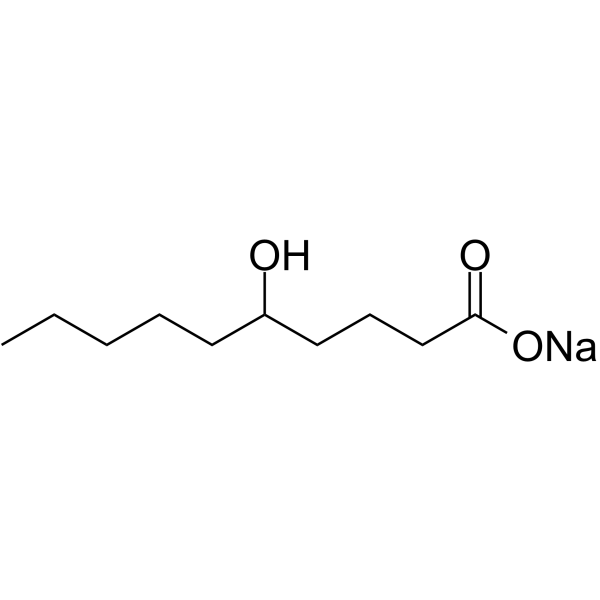
- Formula: C10H19NaO3
- Molecular Weight: 210.25
5-Hydroxydecanoate sodium is a selective ATP-sensitive K+ (KATP) channel blocker (IC50 of ~30 μM). 5-Hydroxydecanoate sodium is a substrate for mitochondrial outer membrane acyl-CoA synthetase and has antioxidant activity.
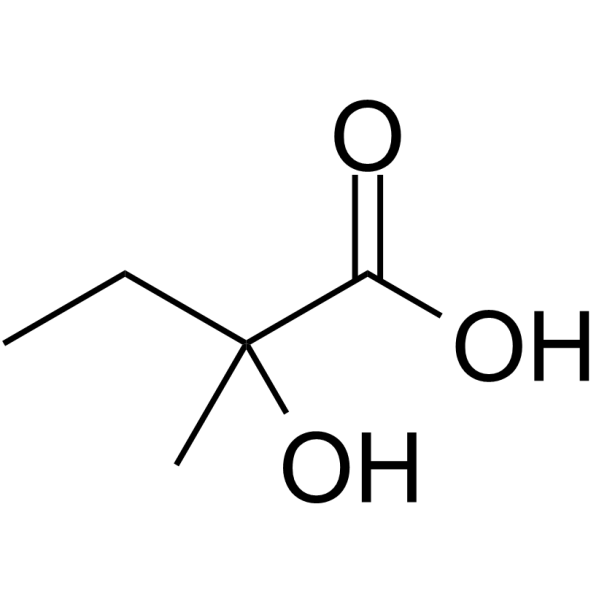
- Formula: C5H10O3
- Molecular Weight: 118.13
2-Hydroxy-2-methylbutanoic acid is a branched-chain fatty acid. 2-Hydroxy-2-methylbutanoic acid accumulates at high levels in the culture supernatants of colorectal cancer-associated bacteria. 2-Hydroxy-2-methylbutanoic acid is also present in the urine of patients with 2-hydroxyglutaric aciduria and maple syrup urine disease.

- Formula: C20H32O3
- Molecular Weight: 320.47
5,6-Epoxyeicosatrienoic acid (5,6-EET; (±)5,6-EpETrE) is a fully racemic version of the enantiomeric forms biosynthesized from arachidonic acid by cytochrome P450 enzymes. In solution, 5,6-Epoxyeicosatrienoic acid degrades into 5,6-DiHET and 5,6-δ-lactone, which can be converted to 5,6-DiHET and quantified by GC-MS. In neuroendocrine cells, such as the anterior pituitary and pancreatic islets, 5,6-Epoxyeicosatrienoic acid has been implicated in the mobilization of calcium and hormone secretion. 5,6-Epoxyeicosatrienoic acid is an inhibitor of T-type voltage-gated calcium channels (Cav3) that inhibits isoforms Cav3.1, Cav3.2 (IC50=0.54 μM), and Cav3. and decreases nifedipine-resistant phenylephrine-induced vasoconstriction in isolated mouse mesenteric arteries via Cav3.2 blockade when used at a concentration of 3 μM. In addition, it is a substrate of COX-1 and COX-2.
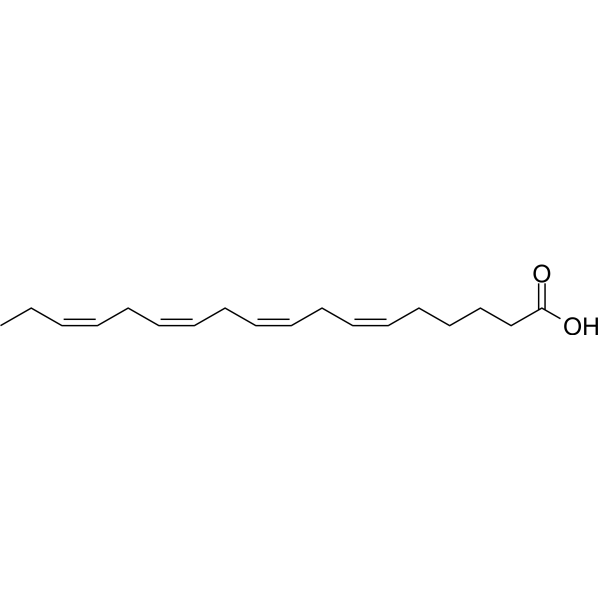
- Formula: C18H28O2
- Molecular Weight: 276.41
Stearidonic acid (6Z,9Z,12Z,15Z-Octadecatetraenoic acid) is an orally active polyunsaturated fatty acid found in blackcurrant seed oil. Stearidonic acid can inhibit 5-lipoxygenase and reduce leukotriene and 5-HETE synthesis. Stearidonic acid can increase the content of eicosapentaenoic acid (EPA) in red blood cells. Stearidonic acid can be used for the research of metabolic disease.



