159 Results for "

PI3K/AKT/mTOR. pathway

" in MedChemExpress (MCE) Product Catalog:
Products (159)

159 Results for "PI3K/AKT/mTOR. pathway" in MCE Product Catalog:

4
4 Cited Publications
Cat. No.: HY-N2445
CAS No.: 37308-75-1
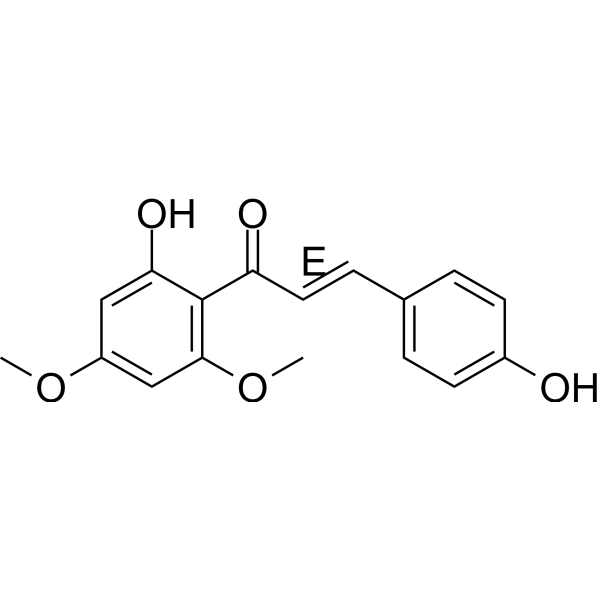
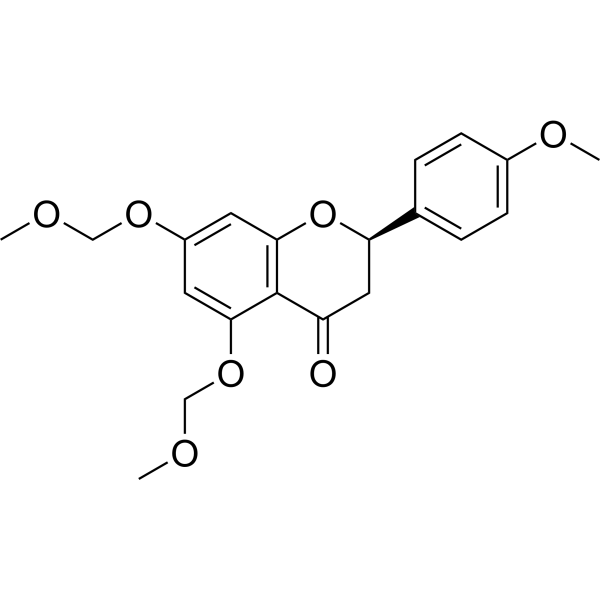
Flavokawain C is an orally active natural chalcone. Flavokawain C inhibits the proliferation of various cancer cells. Flavokawain C upregulates GADD153 in cancer cells, inhibits the phosphorylation of Akt and JNK, suppresses early ERK phosphorylation, activates late ERK phosphorylation, activates caspase related subtypes, induces PARP-1 cleavage, causes upregulation of p21 and p27, downregulation of mutant p53 and anti-apoptotic IAP proteins, elevates intracellular ROS levels, reduces SOD activity, and induces apoptosis. Flavokawain C downregulates FABP4, induces autophagy in cancer cells, and activates the AMPK/mTOR pathway . Flavokawain C decreases the expression of glycolysis-related proteins GLUT1 and HK2, and inhibits glycolysis in nasopharyngeal carcinoma cells. Flavokawain C inhibits the activation of the EGFR/PI3K/Akt/mTOR signaling pathway and reduces the expression of HSP90B1. Flavokawain C inhibits angiogenesis by decreasing the expression of angiogenic proteins Ang-1 and VEGF in human umbilical vein endothelial cells. Flavokawain C increases γ-H2AX levels in cells, inhibits the phosphorylation of FAK, PI3K and AKT in cells, and induces DNA damage in cells. Flavokawain C exerts anti-tumor activity in multiple tumor xenograft mouse models. Flavokawain C is applicable to research related to colorectal cancer, colon adenocarcinoma, nephroblastoma, nasopharyngeal carcinoma and liver cancer .
loading...
    loading...
3
3 Cited Publications
Cat. No.: HY-15466
CAS No.: 1007207-67-1
Purity:  99.01%
Synonyms: CH5132799
Target:  

PI3K Apoptosis mTOR Akt

Research Areas:  

Cancer

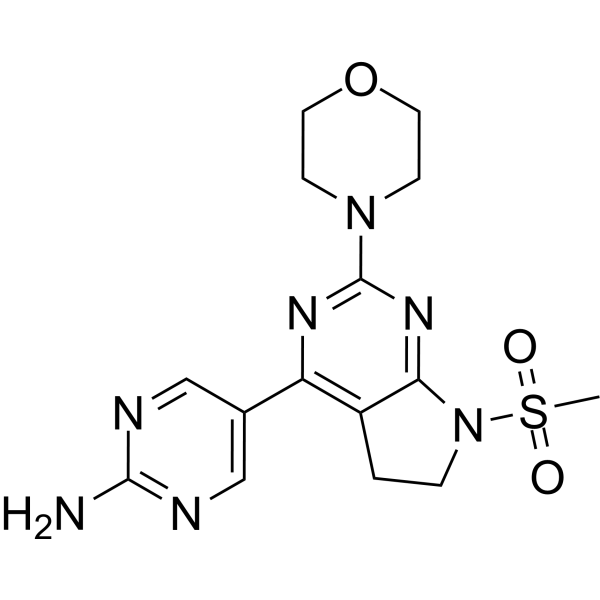
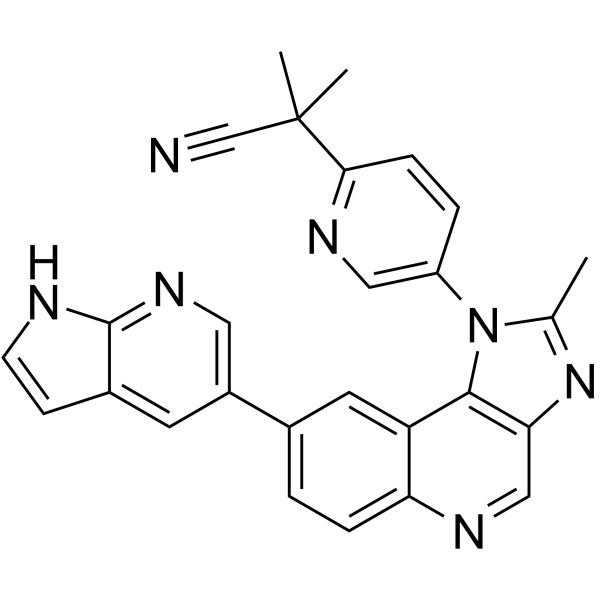
Izorlisib (CH5132799) is an orally active, selective Class I PI3K inhibitor with an IC50 value of 14 nM against PI3Kα. Izorlisib specifically inhibits Class I PI3K (particularly PI3Kα and its mutants) and blocks the PI3K/Akt/mTOR pathway; this leads to cell cycle arrest at the G1 phase and apoptosis without triggering feedback activation of Akt by competitively binding to the ATP-binding site of PI3K. Izorlisib can be used in research on cancers harboring PIK3CA mutations or PTEN loss (such as breast, ovarian, prostate, and endometrial cancers) .
loading...
    loading...
2
2 Cited Publications
Cat. No.: HY-N9481
CAS No.: 56411-57-5
Lipoteichoic acid is an orally effect anti-inflammatory and antitumor agent. Lipoteichoic acid is a crucial immune molecule in Gram-positive bacteria that activates the complement system by inducing C3 and inhibiting CD55. Lipoteichoic acid regulates macrophage autophagy through the PI3K/Akt/mTOR pathway. Lipoteichoic acid induces lung damage in mice. Lipoteichoic acid inhibits the production of melanin .
loading...
    loading...
2
2 Cited Publications
Cat. No.: HY-N6950
CAS No.: 106577-39-3
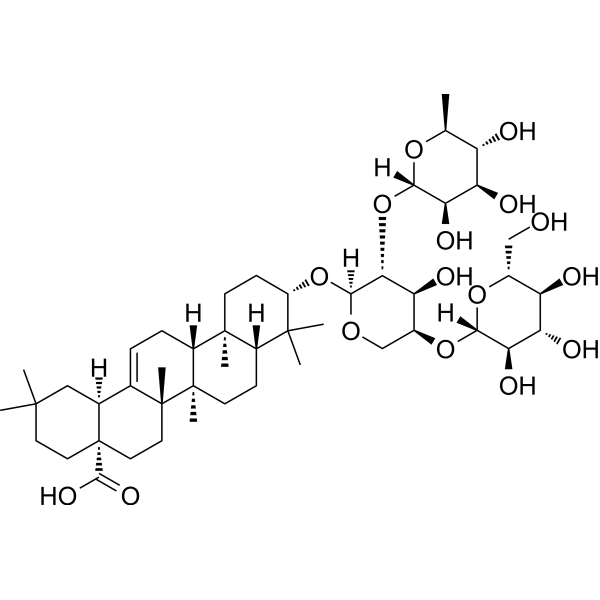
Hederacolchiside A1, isolated from Pulsatilla chinensis, suppresses proliferation of tumor cells by inducing apoptosis through modulating PI3K/Akt/mTOR signaling pathway . Hederacolchiside A1 has antischistosomal activity, affecting parasite viability both in vivo and in vitro .
loading...
    loading...
2
2 Cited Publications
Cat. No.: HY-N2447
CAS No.: 21018-84-8
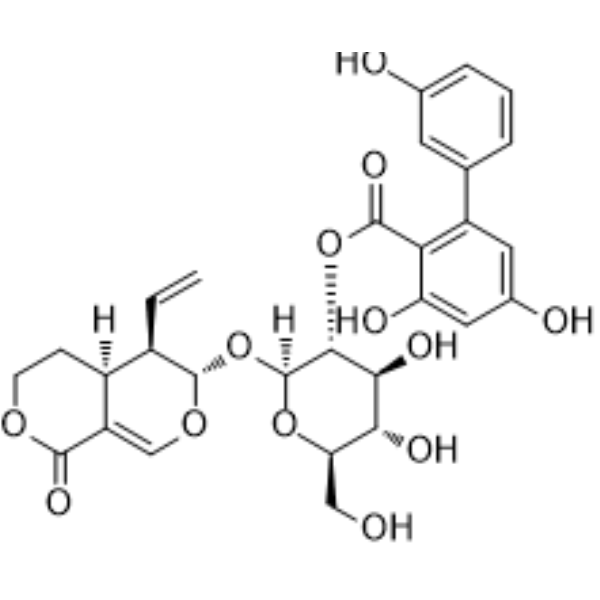
Amarogentin is a secoiridoid glycoside that is mainly extracted from Swertia and Gentiana roots. Amarogentin exhibits many biological effects, including anti-oxidative, anti-tumour, and anti-diabetic activities. Amarogentin exerts hepatoprotective and immunomodulatory effects. Amarogentin promotes apoptosis, arrests G2/M cell cycle and downregulates of PI3K/Akt/mTOR signalling pathways. Amarogentin exerts beneficial vasculo-metabolic effect by activating AMPK .
loading...
    loading...
2
2 Cited Publications
Cat. No.: HY-151622
CAS No.: 2845104-25-6
Purity:  98.74%
Target:  

PI3K mTOR

Research Areas:  

Cancer

PI3K/mTOR Inhibitor-11 is an orally active PI3K/mTOR inhibitor (IC50: 3.5, 4.6, and 21.3 nM for PI3Kα, PI3Kδ, and mTOR). PI3K/mTOR Inhibitor-11 regulates the PI3K/AKT/mTOR signaling pathway by inhibiting the phosphorylation of AKT and S6 proteins. PI3K/mTOR Inhibitor-11 can be used in the research of cancers .
loading...
    loading...
2
2 Cited Publications
Cat. No.: HY-N2000
CAS No.: 2798-25-6
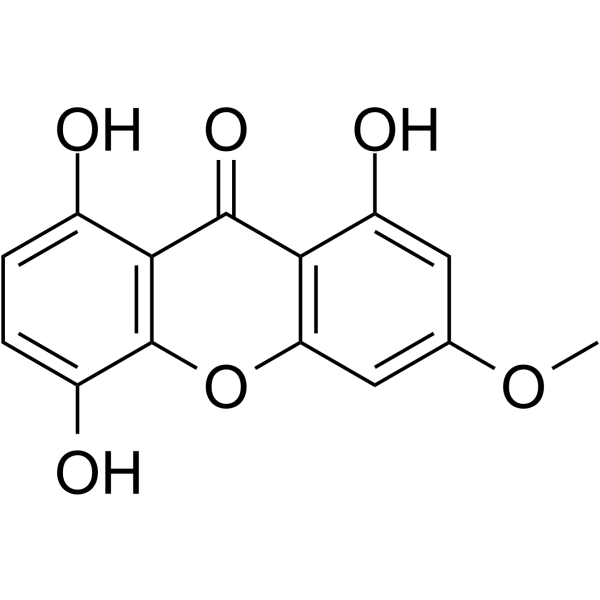
Bellidifolin is an orally active compound with antiproliferative, anti-inflammatory and antioxidant properties. Bellidifolin modulates key signaling pathways including STAT3, PI3K-Akt, mTOR and BRD4, and inhibits the viral protein R (Vpr). Bellidifolin induces cell cycle arrest and apoptosis, exerts significant antifibrotic effects, and protects the heart, liver and nervous system. Bellidifolin is applicable to the research of various diseases such as lung cancer, non-alcoholic fatty liver disease, myocardial hypertrophy and ischemic cranial nerve injury .
loading...
    loading...
2
2 Cited Publications
Cat. No.: HY-N0735
CAS No.: 104112-82-5
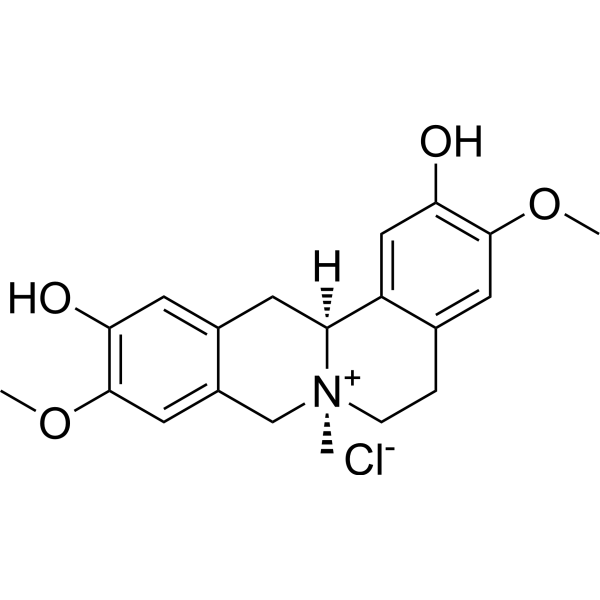
Phellodendrine chloride is an orally active plant alkaloid. Phellodendrine chloride inhibits the proliferation of KRAS-mutated pancreatic cancer cells by suppressing macropinocytosis and glutamine metabolism, inducing ROS accumulation and mitochondrial apoptosis. Phellodendrine chloride promotes autophagy by activating the AMPK/mTOR pathway, alleviating intestinal damage in ulcerative colitis. Phellodendrine chloride can alleviate gouty arthritis by inhibiting the IL-6/STAT3 signaling pathway. Phellodendrine chloride suppresses allergic reactions by altering the conformation of MRGPRB3/MRGPRX2 protein, thereby inhibiting the activation of PKC and subsequent downstream MAPK and NF-κB signaling. Phellodendrine chloride inhibits the AKT/NF-κB pathway and down-regulates the expression of COX-2, thereby protecting zebrafish embryos from oxidative stress. Phellodendrine chloride has an anti-major depressive disorder (MDD) effect by down-regulating CHRM1, HTR1A, and the PI3K/Akt signaling pathway .
loading...
    loading...
2
2 Cited Publications
Cat. No.: HY-N0493
CAS No.: 520-12-7
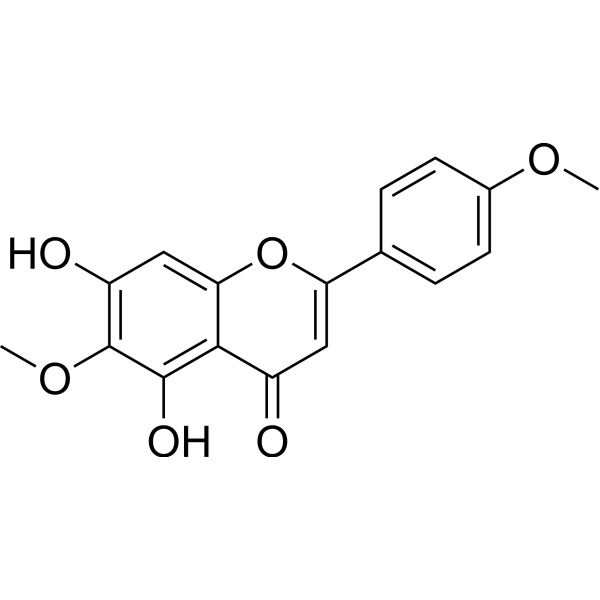
Pectolinarigenin is an orally active dual inhibitor of COX-2/5-LOX with anti-inflammatory, antioxidant, antitumor and neuroprotective activities. Pectolinarigenin exerts neuroprotective and anti-inflammatory effects on astrocyte inflammation via the NFκB and MAPK pathways. Pectolinarigenin inhibits LPS-induced phosphorylation of ERK1/2, N-FκB and p38MAPK, directly inhibits the enzymatic activity or binding of COX-2, 5-LOX and HIF-1α, and reduces the level of XIAP. Pectolinarigenin modifies Keap1 to promote nuclear accumulation of Nrf2, induces ARE-mediated antioxidant enzyme expression, and possesses direct free radical scavenging activity. Pectolinarigenin reduces the release of NO, proinflammatory mediators and leukotrienes, and increases the level of IL-10. Pectolinarigenin induces G2/M cell cycle arrest, apoptosis (Apoptosis) and autophagy (Autophagy) via the PI3K/AKT/mTOR signaling pathway. Pectolinarigenin reduces renal crystal deposition and inhibits melanin synthesis. Pectolinarigenin inhibits inflammation and alleviates allergy in mouse models of inflammation. Pectolinarigenin alleviates renal injury, inflammation and oxidative stress in mice by inhibiting HIF-1α activity. Pectolinarigenin can be used for the research of neurodegenerative diseases, inflammatory/allergic diseases, calcium oxalate nephrocalcinosis, gastric cancer, melasma, post-inflammatory diseases and chloasma .
loading...
    loading...
1
1 Cited Publications
Cat. No.: HY-N0819
CAS No.: 89412-79-3
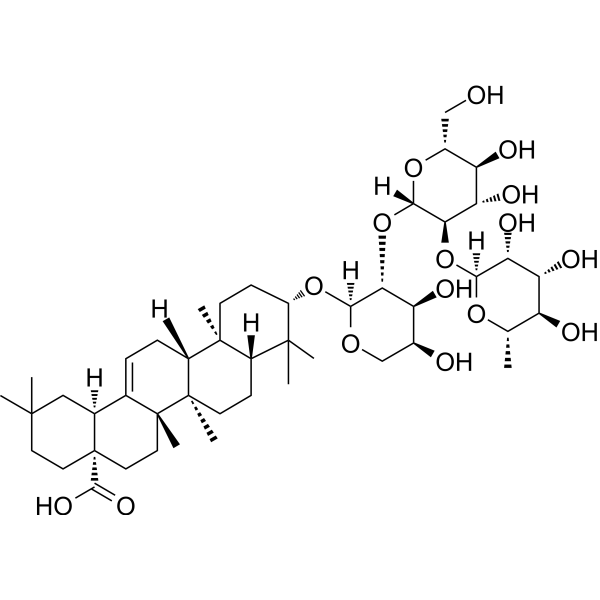
Raddeanin A is an oleanane-type triterpenoid saponin with oral activity. Raddeanin A inhibits SRC, mTOR, JNK, VEGFR2, NLRP3 inflammasome, Wnt/β-catenin, Wee1, PI3K/AKT signaling pathway, MAPK/ERK signaling pathway, AR-FL, AR-Vs, and downregulates the expression of p-PI3K and p-AKT. Raddeanin A inhibits osteoclast formation, bone resorption, osteolysis, cancer cell invasion, migration, proliferation, angiogenesis and epithelial-mesenchymal transition, while induces apoptosis, cell cycle arrest, ROS production, immunogenic cell death and dendritic cell maturation. Raddeanin A improves blood-retinal barrier function, alleviates inflammation, regulates the tumor microenvironment, and enhances the activity of anti-PD-1 antibody. Raddeanin A is applicable to the research of breast cancer-associated osteolysis, human osteosarcoma, colorectal cancer, glioblastoma, Alzheimer's disease, cholangiocarcinoma, melanoma, non-small cell lung cancer, castration-resistant prostate cancer and multiple myeloma .
loading...
    loading...
1
1 Cited Publications
Cat. No.: HY-N6983
CAS No.: 118441-84-2
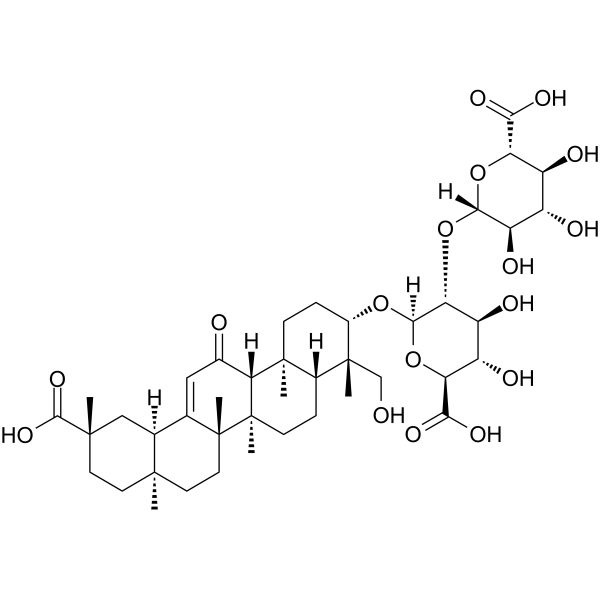
Licoricesaponin G2 is an orally active component found in Licorice. Licoricesaponin G2 significantly ameliorates Bleomycin (HY-108345)-induced pulmonary fibrosis by inhibiting the TNF-α signaling pathway, reducing epithelial-mesenchymal transition, and decreasing extracellular matrix deposition. Licoricesaponin G2 inhibits cancer cells proliferation, migration, inhibits PI3K/AKT/mTOR signaling pathway and increases ROS production. Licoricesaponin G2 can be used for the research of lung cancer and pulmonary fibrosis .
loading...
    loading...
1
1 Cited Publications
Cat. No.: HY-N3651
CAS No.: 20493-56-5
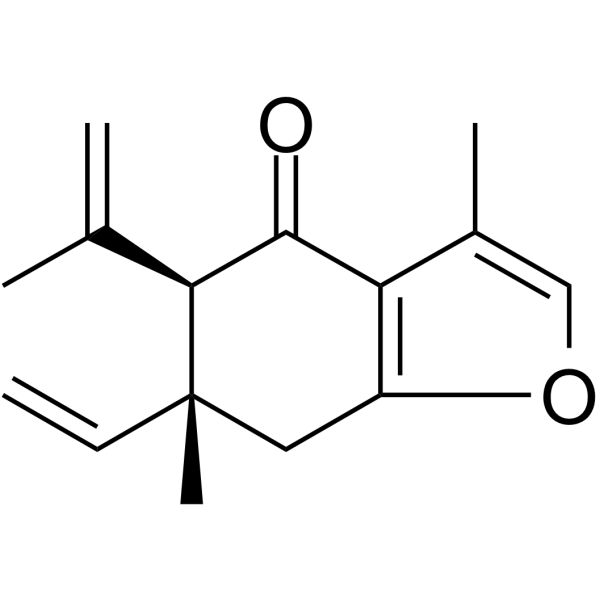
Curzerenone is an orally active sesquiterpene compound and Antibacterial agent. Curzerenone can be isolated from Curcuma zedoaria and Curcuma aeruginosa plants. Curzerenone increases ROS levels, activates Apoptotic signaling pathways, and attenuates the PI3K/AKT/mTOR signaling pathway. Curzerenone exhibits anticancer activity against liver cancer and cervical cancer. Curzerenone has antioxidant effects. Curzerenone shows weak antibacterial activity against Escherichia coli. Curzerenone can be used in research related to hepatocellular carcinoma, cervical cancer, and Escherichia coli infection .
loading...
    loading...
1
1 Cited Publications
Cat. No.: HY-139534
CAS No.: 3078120-01-8
Purity:  99.16%
Target:  

ROR Apoptosis Akt mTOR PARP

Research Areas:  

Cancer

ARI-1 is a receptor tyrosine kinase-like orphan receptor 1 (ROR1) inhibitor. ARI-1 blocks the PI3K/AKT/mTOR signaling pathway in a ROR1-dependent manner. ARI-1 upregulates cleaved-PARP and p-P38. ARI-1 induces Apoptosis. ARI-1 has anticancer activity against non-small cell lung cancer .
loading...
    loading...
1
1 Cited Publications
Cat. No.: HY-N6896
CAS No.: 40788-84-9
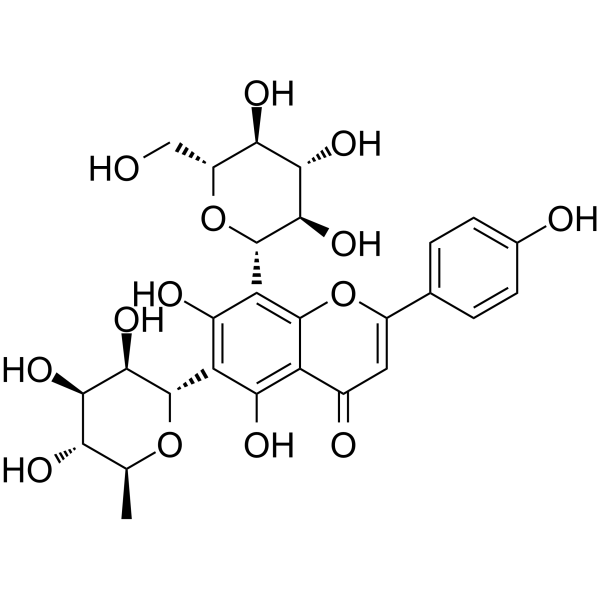
Isoviolanthin is a flavonoid glycoside. Isoviolanthin can be extracted from Dendrobium officinale. Isoviolanthin has a strong affinity for binding to KDM6B, CHAC2, ESCO2, and IPO4. Isoviolanthin decreases MMP-2 and MMP-9. Isoviolanthin inhibits TGF-β/Smad and PI3K/Akt/mTOR signaling pathways. Isoviolanthin increases Fhl3 expression. Isoviolanthin has cytoprotective effects. Isoviolanthin has anticancer activity against hepatocellular carcinoma .
loading...
    loading...
1
1 Cited Publications
Cat. No.: HY-N6932
CAS No.: 3371-85-5
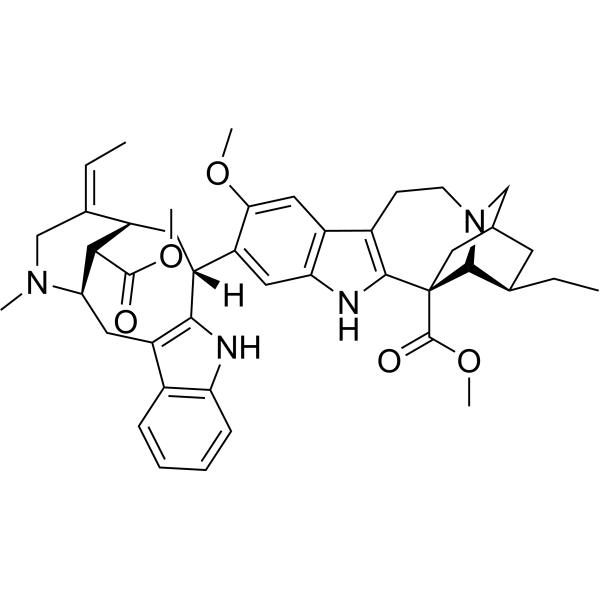
Voacamine is an indole alkaloid with cannabinoid 1 (CB1) antagonistic activity. Voacamine can inhibit nuclear translocation. Voacamine is effective in enhancing the effect of Doxorubicin (HY-15142A) as it interferes with the P-glycoprotein (P-gp) function. Voacamine promotes apoptosis-independent autophagic cell death in human osteosarcoma cells. Voacamine activates mitochondrial-associated apoptosis signaling pathway and inhibition of PI3K/Akt/mTOR signaling pathway to suppress breast cancer progression. Voacamine inhibits EGFR to exert oncogenic activity against colorectal cancer .
loading...
    loading...
1
1 Cited Publications
Cat. No.: HY-103100
CAS No.: 864741-95-7
Purity:  99.53%
SB-699551 is a selective and brain penetrant 5-HT5A receptor antagonist with a pKi of 8.2 nM. SB-699551 shows high selectivity over most other 5-HT receptor subtypes, dopamine receptors, and α1B adrenoceptor. SB-699551 disrupts Gαi/o-coupled and PI3K/AKT/mTOR signaling pathways, alters CREB, ATF1, AKT, PRAS40, S6K, and FOXO1 phosphorylation in breast tumor cells. SB-699551 can be used for the research of anxiety, breast cancer, and Alzheimer's disease .
loading...
    loading...
1
1 Cited Publications
Cat. No.: HY-N0837
CAS No.: 60-70-8
Synonyms: NSC17821; NSC23880
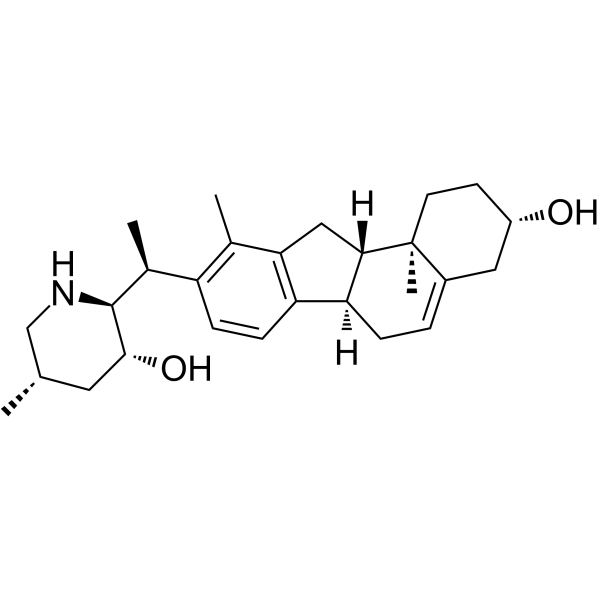
Veratramine (NSC17821; NSC23880) is an orally active inhibitor of the PI3K/Akt/mTOR signaling pathway and a SIGMAR1 modulator. Veratramine induces autophagic apoptosis of tumor cells, arrests the cell cycle at the G0/G1 phase, and inhibits epithelial-mesenchymal transition (EMT)-related proteins to reduce tumor migration. Veratramine reduces spinal cord and sciatic nerve pathological damage in a neuropathy model by inhibiting SIGMAR1 binding to NMDAR and phosphorylation of NMDAR Ser896. Veratramine has anti-tumor proliferation, apoptosis induction, anti-inflammatory and neuroprotective activities, and can be used in the study of cancers such as liver cancer and osteosarcoma, as well as diabetic peripheral neuropathy .
loading...
    loading...
1
1 Cited Publications
Cat. No.: HY-N7204
CAS No.: 55912-03-3
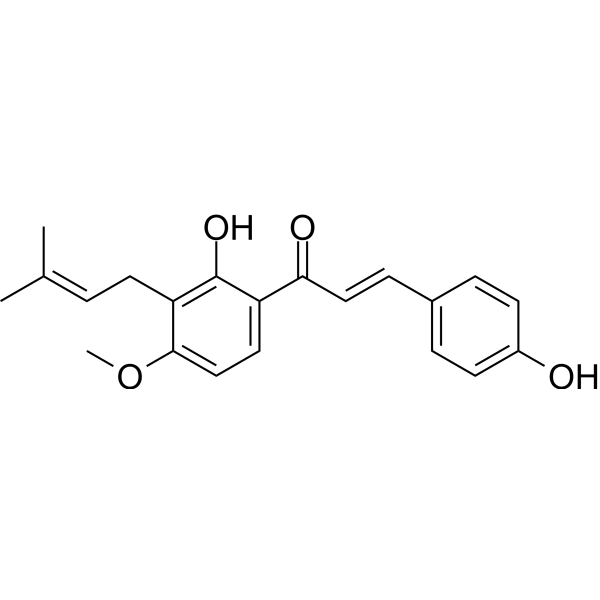
4-Hydroxyderricin, the major active ingredients of Angelica keiskei Koidzumi, is an orally active, potent selective MAO-B (Monoamine oxidase inhibitors) inhibitor with an IC50 of 3.43 μM. 4-Hydroxyderricin also mildly inhibits dopamine β (DBH)-hydroxylase activity. 4-Hydroxyderricin has antidepressant activity, anti-allergic, anti-diabetic, anti-oxidant, and antitumor effects. 4-Hydroxyderricin promotes apoptosis and cell cycle arrest through regulating PI3K/AKT/mTOR pathway in hepatocellular cells. 4-Hydroxyderricin inhibits osteoclast formation and accelerates osteoblast differentiation . 4-Hydroxyderricin is promising for research of inflammatory diseases .
loading...
    loading...
1
1 Cited Publications
Cat. No.: HY-N0885
CAS No.: 472-26-4
Synonyms: Telobufotoxin; Telocinobufogenin
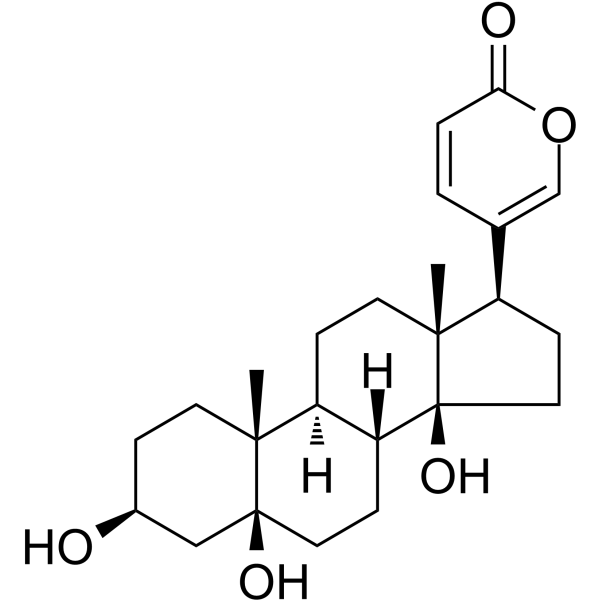
Telocinobufagin (Telobufotoxin; Telocinobufogenin) is an orally active bufadienolide with potential anti-tumor effects. Telocinobufagin exerts its anti-cancer effects on non-small cell carcinoma, osteosarcoma, thyroid cancer, breast cancer and head and neck squamous cell carcinoma by inhibiting the STAT3, JAK2/STAT3, LARP1-mTOR, PI3K/Akt/Snail and PLK1 pathways, and can also induce tumor cell apoptosis. Telocinobufagin enhances the Th1 immune response and protects against Salmonella typhimurium infection. Telocinobufagin has a strong cardiac-stimulating effect by inhibiting the activity of Na +/K +-ATPase, and it can promote renal fibrosis. Telocinobufagin demonstrates non-opioid analgesic effects in various acute pain models .
loading...
    loading...
1
1 Cited Publications
Cat. No.: HY-N0853A
CAS No.: 18674-16-3
Synonyms: Alisol A 24-monoacetate; Alisol A monoacetate
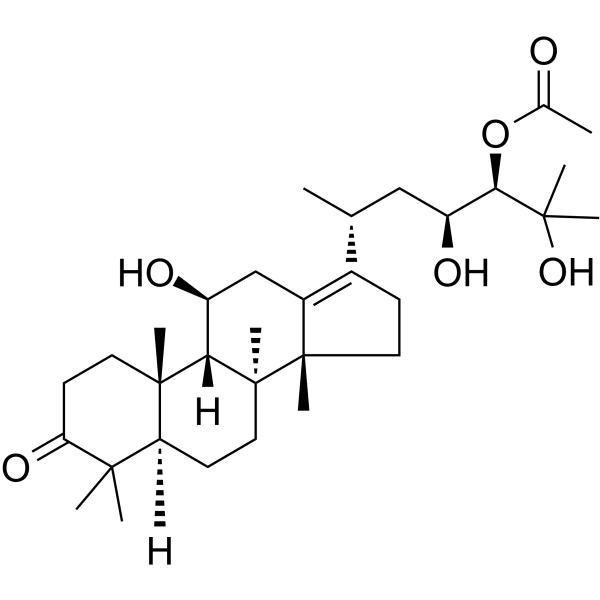
Alisol A 24-acetate (Alisol A monoacetate) is an orally active derivative of protostane-type tetracyclic triterpenoid. Alisol A 24-acetate upregulates the expression of adiponectin, AMPKα, CPT1, and ACOX1; downregulates the expression of SREBP-1c, ACC, FAS, Bcl-2, Bcl-xl, PPAR-γ, perilipin A, and NFATc1; inhibits the activity of PI3K/Akt/mTOR and HMGR; and activates the PKA and ERK signaling pathways. Alisol A 24-acetate regulates cell apoptosis (apoptosis), autophagy (Autophagy, hepatic lipid accumulation, inflammatory response, neuroprotection, MRSA membrane integrity, and osteoclast differentiation. Alisol A 24-acetate can be used in research related to non-alcoholic fatty liver disease, nephrotoxicity, obesity, global cerebral ischemia-reperfusion injury, bacterial infection, and osteoporosis .
loading...
    loading...

