2417 Results for "

decrease

" in MedChemExpress (MCE) Product Catalog:
Products (2417)

2417 Results for "decrease" in MCE Product Catalog:

1
1 Cited Publications
Cat. No.: HY-B0579S
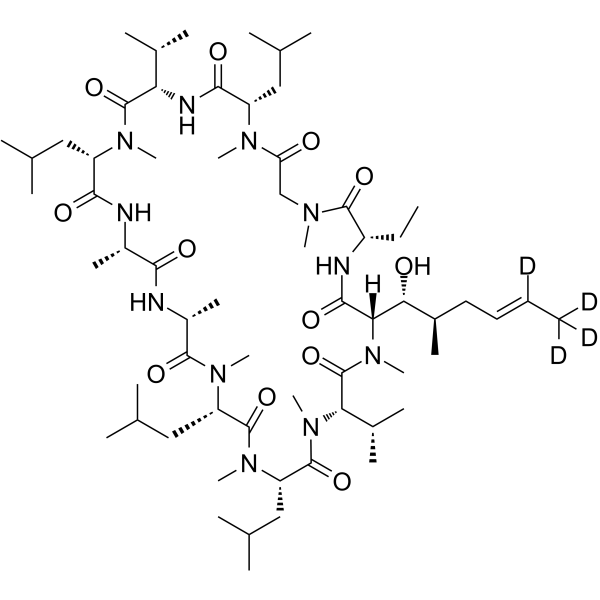
Synonyms: Cyclosporine A-d4; Ciclosporin A-d4; CsA-d4
Cyclosporin A-d4 (Cyclosporine A-d4) is the deuterated-labeled Cyclosporin A (HY-B0579). Cyclosporin A (Cyclosporine A) is an immunosuppressant which binds to the cyclophilin and inhibits phosphatase activity of protein phosphatase 2B (PP2B/calcineurin) with an IC50 of 5 nM . Cyclosporin A is a molecular glue, binds to cyclophilin and calcineurin, leading to inactivation of nuclear Factor of activated T Cells (NFAT) and a subsequent decrease in the immune response. Cyclosporin A also inhibits CD11a/CD18 adhesion .
loading...
    loading...
1
1 Cited Publications
Cat. No.: HY-B2221C
CAS No.: 9000-11-7
Synonyms: Carboxymethyl cellulose CM-32; CM-32
CM Cellulose CM-32 (Carboxymethyl cellulose) is a cellulose derivative. CM Cellulose CM-32 has a wide range of applications in the biomedical field, including tissue engineering, wound dressing, absorbent nonwovens, fabrication of 3D-scaffolds for biocompatible implants, artificial organs or mimics of extracellular polymeric matrix and diagnosis of various diseases. CM Cellulose CM-32 can decrease osteoclasts formation. CM Cellulose CM-32 can be used as a biological material or organic compound for life science related research .
loading...
    loading...
1
1 Cited Publications
Cat. No.: HY-N0677
CAS No.: 786593-06-4
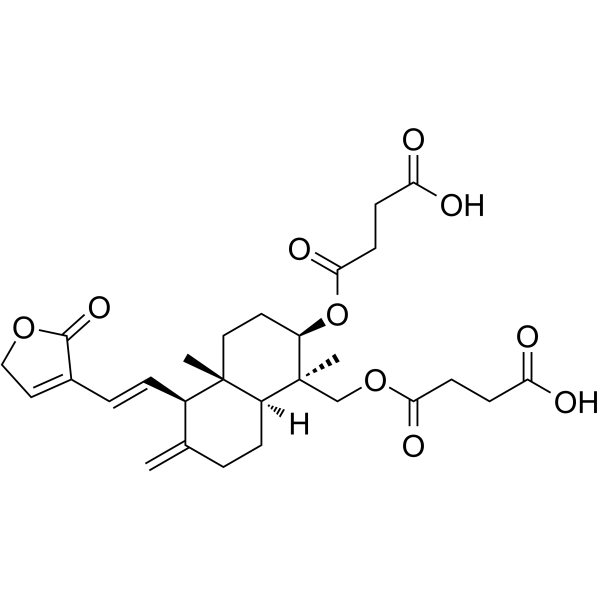
Dehydroandrographolide succinate can be extracted from herbal medicine Andrographis paniculata (Burm f) Nees, is widely used in research for viral pneumonia and viral upper respiratory tract infections because of its immunostimulatory, anti-infective and anti-inflammatory effect. Dehydroandrographolide succinate exerts antithrombotic effect. Dehydroandrographolide succinate significantly inhibits the platelet aggregation rate (ED50 = 386.9 mg/kg) by decreasing TXB2 levels. Dehydroandrographolide succinate mitigates muscle astrophy via the Akt/GSK3β and MuRF-1 pathways .
loading...
    loading...
1
1 Cited Publications
Cat. No.: HY-N6983
CAS No.: 118441-84-2
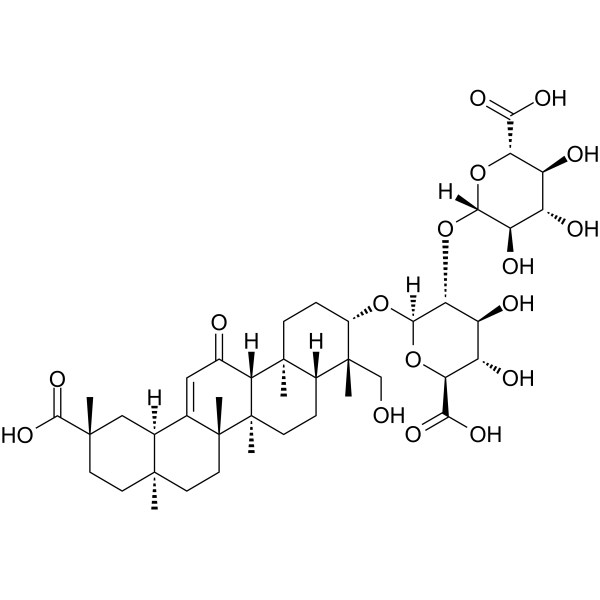
Licoricesaponin G2 is an orally active component found in Licorice. Licoricesaponin G2 significantly ameliorates Bleomycin (HY-108345)-induced pulmonary fibrosis by inhibiting the TNF-α signaling pathway, reducing epithelial-mesenchymal transition, and decreasing extracellular matrix deposition. Licoricesaponin G2 inhibits cancer cells proliferation, migration, inhibits PI3K/AKT/mTOR signaling pathway and increases ROS production. Licoricesaponin G2 can be used for the research of lung cancer and pulmonary fibrosis .
loading...
    loading...
1
1 Cited Publications
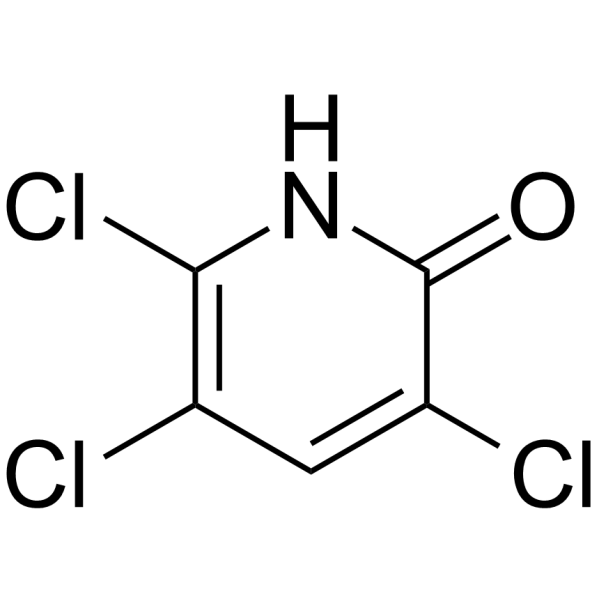
Cat. No.: HY-W018171
CAS No.: 6515-38-4
Synonyms: TCPy
3,5,6-Trichloro-2-pyridinol (TCPy) is a chloride of 2-pyridone with oral activity. 3,5,6-Trichloro-2-pyridinol is the main degradation product of the herbicide Triclopyr and the insecticides Chlorpyrifos and chlorpyrifos-methyl. 3,5,6-Trichloro-2-pyridinol is associated with attention deficit hyperactivity disorder (ADHD) and decreased testosterone levels. 3,5,6-Trichloro-2-pyridinol causes hearing loss, hepatotoxicity and nephrotoxicity in mice .
loading...
    loading...
1
1 Cited Publications
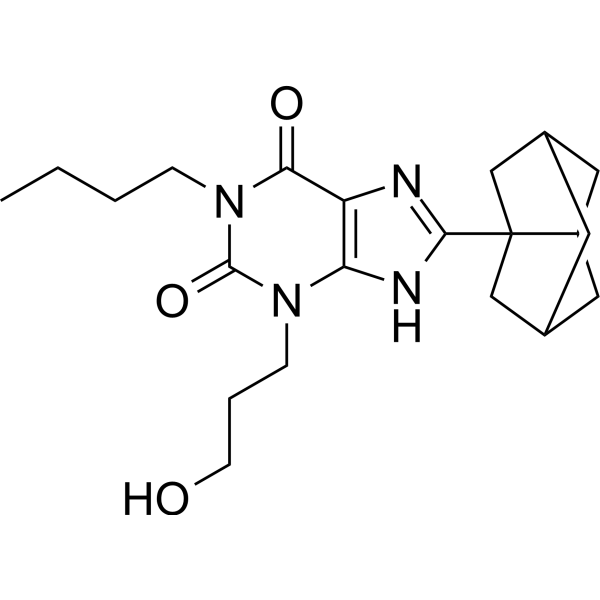
Cat. No.: HY-103175
CAS No.: 524944-72-7
Purity:  ≥99.0%
PSB36 is a highly selective A1 adenosine receptor antagonist, with a Ki of 0.12 nM and a Kd of 0.7 nM. Systemic administration of PSB36 reduces formalin- and Carrageenan (HY-125474)-induced edema in mice and decreases pain-related behaviors, with no local paw activity. PSB36 prolongs the APD90 of rat and human atria, produces a frequency-dependent prolongation of rat atrial ERP, increases the diastolic threshold of rat atria, and shortens the duration of atrial fibrillation episodes. PSB36 can be used in research related to inflammatory pain, inflammatory hyperalgesia, edema and atrial fibrillation .
loading...
    loading...
1
1 Cited Publications
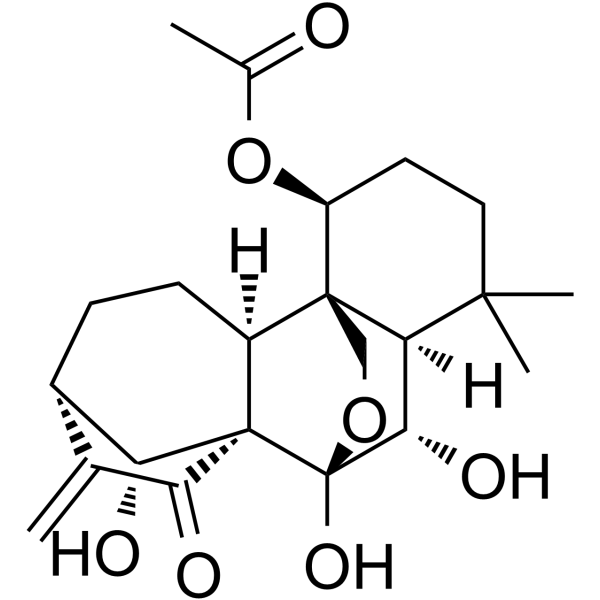
Cat. No.: HY-123467
CAS No.: 28957-08-6
Purity:  99.68%
Lasiokaurin is an anticancer agent. Lasiokaurin can be isolated from Rabdosia rubescens (Hemsl.) H. Hara. Lasiokaurin inhibits the function of the PDPK1-AKT axis, with a Kd value of 75.93 μM for PDPK1. Lasiokaurin inhibits mTOR, STAT3, MAPK and NF-κB. Lasiokaurin reduces the mRNA and protein expression levels of PLK1. Lasiokaurin decreases DNA synthesis levels, induces cell Apoptosis, and regulates Autophagy processes. Lasiokaurin inhibits tumor growth in xenograft models. Lasiokaurin can be used in research related to nasopharyngeal carcinoma, triple-negative breast cancer .
loading...
    loading...
1
1 Cited Publications
Cat. No.: HY-151262
CAS No.: 3031837-35-8
Purity:  98.90%
Target:  

JAK STING NF-κB STAT

Research Areas:  

Inflammation/Immunology

JAK-IN-23 is an orally active double inhibitor of JAK/STAT and NF-κB. JAK-IN-23 can inhibit JAK1/2/3 with IC50 values of 8.9 nM, 15 nM and 46.2 nM, respectively. JAK-IN-23 has potent inhibitory activities against interferon-stimulated genes (ISG) and NF-κB pathways with IC50 values of 3.3 nM and 150.7 nM, respectively. JAK-IN-23 has great anti-inflammatory that decreases the release of various proinflammatory factors. JAK-IN-23 can be used for the research of inflammatory bowel disease (IBD) .
loading...
    loading...
1
1 Cited Publications
Cat. No.: HY-172458
CAS No.: 473687-20-6
Z-3578 is an orally active small-molecule antagonist of MrgX2 with potent antipseudoallergic activity, exhibiting a KD value of 729 nM. Z-3578 effectively inhibits mast cell degranulation induced by substance P (SP) and C48/80, suppresses the release of β-hexosaminidase, significantly reduces the release of histamine and TNF-α, and decreases intracellular calcium flux. In a mouse pseudoallergy model, Z-3578 significantly alleviates paw swelling and dye extravasation, and reduces serum histamine levels. Z-3578 can be used for the study of pseudoallergic reactions .
loading...
    loading...
1
1 Cited Publications
Cat. No.: HY-N8157
CAS No.: 1464-33-1
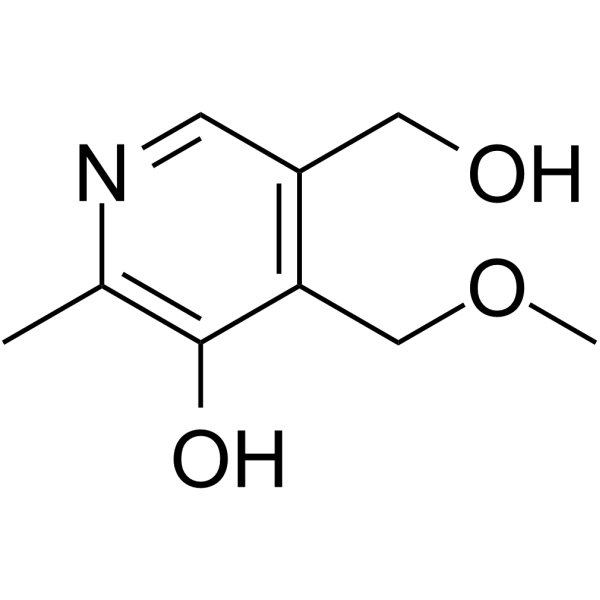
4'-O-Methylpyridoxine is an orally active antivitamin B6 compound found in Ginkgo biloba seeds and leaves. 4'-O-Methylpyridoxine inhibits pyridoxal kinase. 4'-O-Methylpyridoxine reduces brain pyridoxal-5'-phosphate (PLP) levels, decreases gamma-aminobutyric acid/glutamate (GABA/Glu) ratio. 4'-O-Methylpyridoxine increases plasma levels of pyridoxal-5'-phosphate and pyridoxal. 4'-O-Methylpyridoxine induces hyperactivity, convulsions, pathological tissue changes, organ damage in rodent brain and heart .
loading...
    loading...
1
1 Cited Publications
Cat. No.: HY-P2799D
CAS No.: 9001-15-4
Synonyms: CK-MB
Creatine Kinase MB (rCK-MB), Recombinant Human (CK-MB) is a cytoplasmic creatine kinase isoenzyme composed of M and B subunits, belonging to the phosphotransferase family. Creatine Kinase MB (rCK-MB), Recombinant Human catalyzes the transfer of phosphate groups between creatine and phosphocreatine, and consumes phosphocreatine immobilized on the surface of the biosensor, resulting in a decrease in the electrochemical peak current that is proportional to its concentration. Creatine Kinase MB (rCK-MB), Recombinant Human can be used in studies of acute myocardial infarction, coronary artery disease with atherosclerotic plaques, autoimmune myocarditis, and malignant tumors .
loading...
    loading...
1
1 Cited Publications
Cat. No.: HY-16942
CAS No.: 1202868-75-4
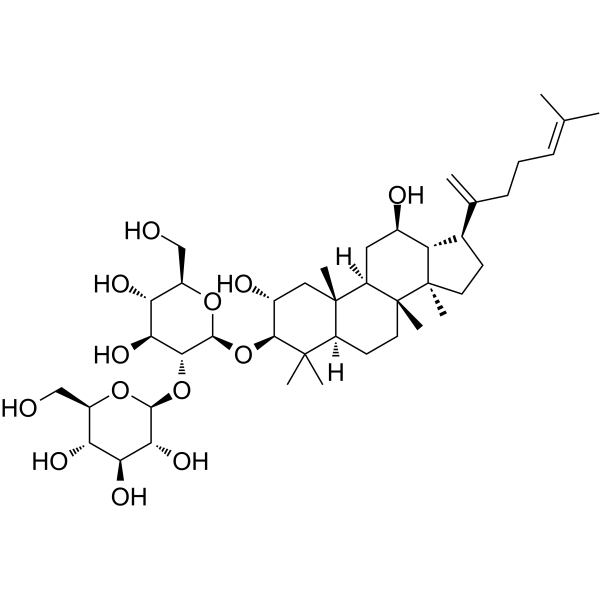
Damulin B is a dammarane-type saponin found in Gynostemma pentaphyllum. Damulin B can inhibit cancer cell apoptosis, decrease mitochondrial membrane potential, inhibit ROS production and cause G0/G1 phase arrest. Damulin B can prevent Cisplatin (HY-17394)-induced acute kidney injury and induce hair growth. Damulin B shows anti-inflammation anti-diabetic and anti-obesity effect. Damulin B can be used for the researches of cancer, inflammation, metabolic disease, such as lung cancer, osteoarthritis and diabetes .
loading...
    loading...
1
1 Cited Publications
Cat. No.: HY-18775
CAS No.: 110505-75-4
Synonyms: Para-topolin riboside
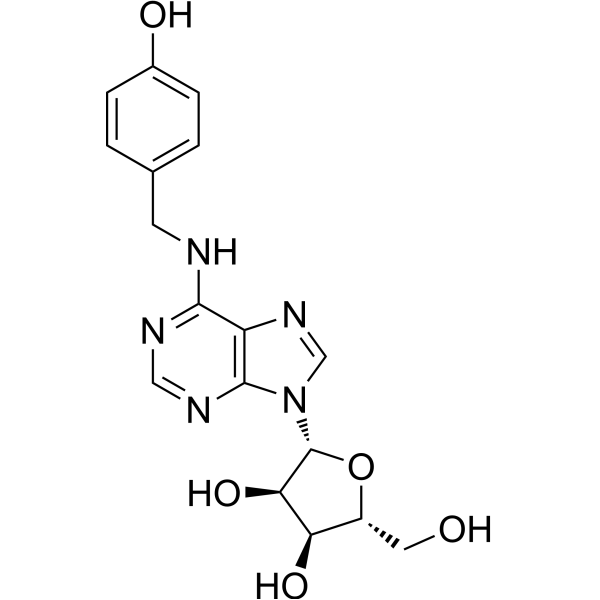
N6-(4-Hydroxybenzyl) adenosine (Para-topolin riboside) is an equilibrative nucleoside transporter 1 (ENT1) inhibitor and a selective agonist of adenosine A2a receptor (A2aR), and also exhibits activity against P2Y12 receptor. N6-(4-Hydroxybenzyl) adenosine reduces ethanol intake and preference, attenuates operant conditioning-induced ethanol place preference, decreases the value of ethanol-related rewards, and inhibits collagen-induced platelet aggregation. N6-(4-Hydroxybenzyl) adenosine can be used in studies related to alcohol use disorder .
loading...
    loading...
1
1 Cited Publications
Cat. No.: HY-B0921
CAS No.: 116-43-8
Synonyms: Succinylsulphathiazole
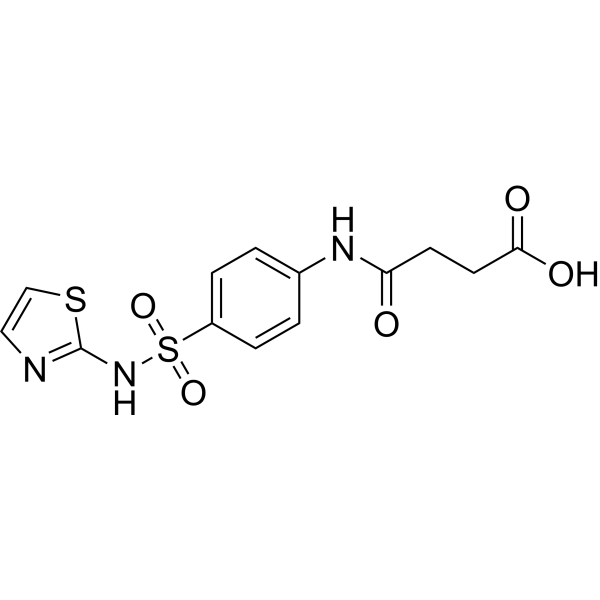
Succinylsulfathiazole (Succinylsulphathiazole) is a long-acting sulfonamide antibiotic with localized gut-specific antibacterial activity and is orally active. Succinylsulfathiazole inhibits bacterial folate synthesis, reduces coliform counts, suppresses intestinal bacterial growth and vitamin biosynthesis, and depletes gut folate-producing bacteria. Succinylsulfathiazole modulates hepatic mTOR signaling, diminishes cecal fermentation, decreases hepatic folate levels and total folate excretion, elevates nitrogen excretion and reduces the fermentability of certain dietary fibers. Succinylsulfathiazole induces folate deficiency and triggers biotin- and folate-related nutritional deficiency symptoms in rats and C57BL/6 mice .
loading...
    loading...
1
1 Cited Publications
Cat. No.: HY-P10409
CAS No.: 1191923-93-9
Synonyms: Small humanin-like peptide 2
SHLP2 (Small humanin-like peptide 2) is a small molecule peptide encoded by mitochondrial DNA, belonging to mitochondria derived peptide. SHLP2 has the activity of regulating apoptosis and inhibits cell death. SHLP2 binds to mitochondrial complex 1. SHLP2 improves mitochondrial metabolism by increasing respiration and biogenesis, reducing ROS, and decreasing mtDNA oxidation. SHLP2 also regulated energy homeostasis through the activation of hypothalamic neurons. SHLP2 can be used in the study of diseases related to mitochondrial dysfunction and anti-aging diseases, such as age-related macular degeneration and Parkinson’s disease .
loading...
    loading...
1
1 Cited Publications
Cat. No.: HY-P4633
CAS No.: 7432-23-7
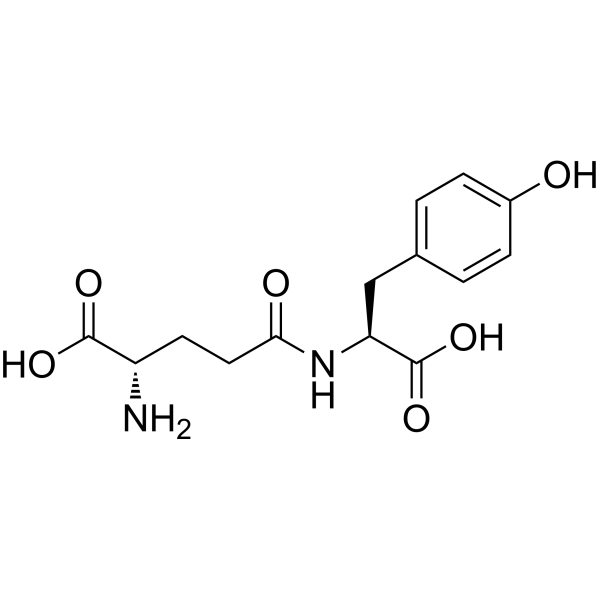
γ-Glu-Tyr is an orally active gut microbiota-derived metabolite and a competitive DPP-IV inhibitor with an IC50 of 6.77 mM against hDPP-IV. γ-Glu-Tyr weakly activates hCaSR. γ-Glu-Tyr decreases colonic pro-inflammatory cytokine (IL-6, IL-1β, TNF-α) levels. γ-Glu-Tyr activates the cAMP/PKA signaling pathway and inhibits NF-κB phosphorylation, thereby reducing inflammatory responses. γ-Glu-Tyr can be used for research on type 2 diabetes and ulcerative colitis .
loading...
    loading...
1
1 Cited Publications
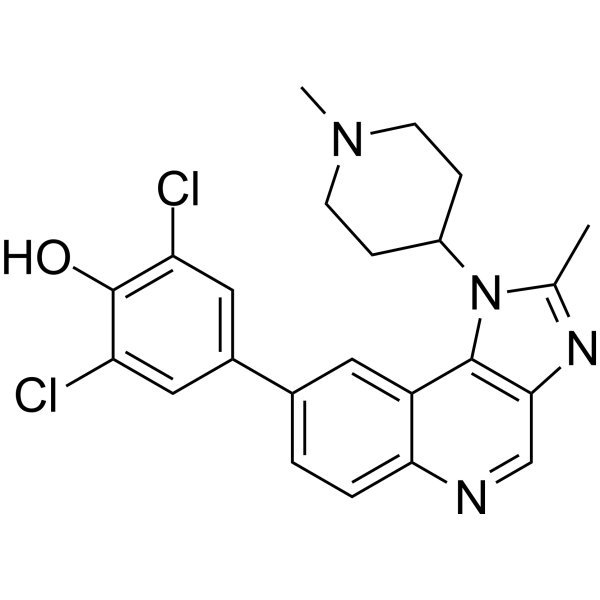
Cat. No.: HY-123789
CAS No.: 956507-49-6
Purity:  98.1%
Research Areas:  

Inflammation/Immunology

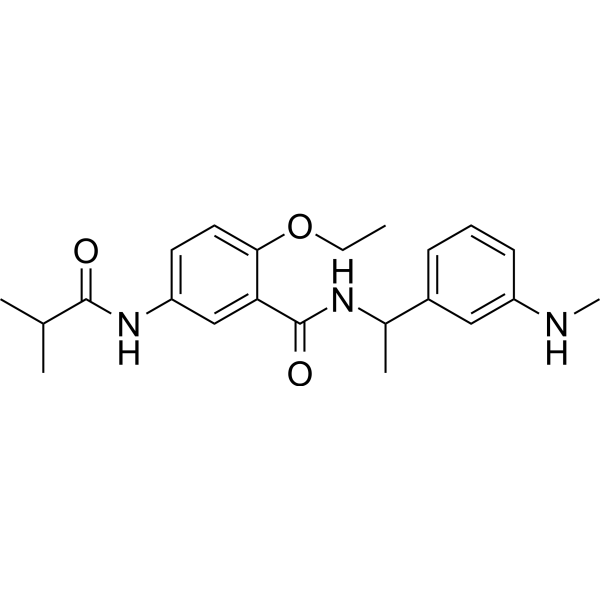
T-5342126 is a toll-like receptor 4 (TLR4) antagonist. It reduces LPS-induced production of nitric oxide (NO) in RAW 264.7 cells (IC50=27.8 μM), as well as decreases LPS-induced IL-8, TNF-α, and IL-6 production in isolated human whole blood (IC50s=110.5, 315.6, and 318.4 μM, respectively). T-5342126 (82 mg/kg) reduces ethanol intake and the abundance of ionized calcium-binding adapter molecule 1 (Iba1), a marker of microglial activation, in the central nucleus of the amygdala in ethanol-dependent mice.
loading...
    loading...
1
1 Cited Publications
Cat. No.: HY-161104
CAS No.: 2252448-93-2
Kv2.1-IN-1 is an orally active and blood-brain barrier penetrant Kv2.1 inhibitor with an IC50 of 0.07 μM. Kv2.1-IN-1 exhibits a selectivity >130 fold over other K +, Na +, and Ca 2+ ion channels. Kv2.1-IN-1 decreases the apoptosis of HEK293 cells induced by H2O2. Kv2.1-IN-1 produces significant neuroprotection efficacy in middle cerebral artery occlusion (MCAO) rat. Kv2.1-IN-1 can be used for the study of ischemic stroke .
loading...
    loading...
1
1 Cited Publications
Cat. No.: HY-18948
CAS No.: 1816331-63-1
Research Areas:  

Cancer

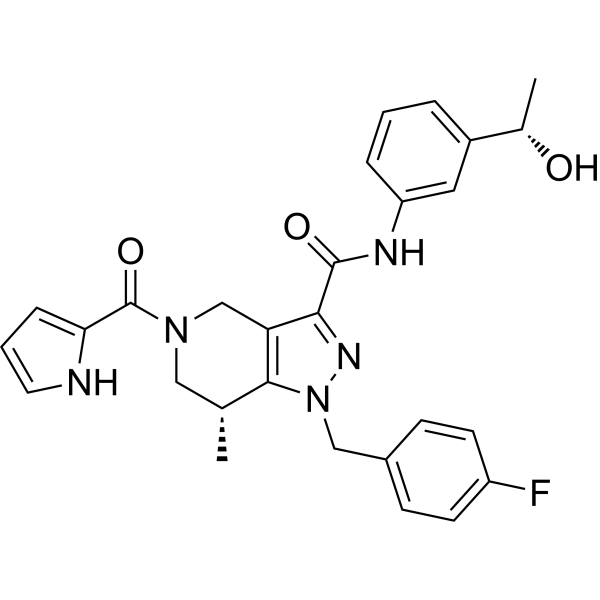
GSK321 is a potent, selective mutant IDH1 inhibitor with IC50 values of 2.9, 3.8, 4.6 and 46 nM for R132G, R132C, R132H and WT IDH1, respectively, and >100-fold selectivity over IDH2. GSK321 induces decrease in intracellular α-Hydroxyglutaric acid (2-HG) (HY-113038B), abrogation of the myeloid differentiation block and induction of granulocytic differentiation at the level of leukemic blasts and more immature stem-like cells. GSK321can be used for research of acute myeloid leukemia (AML) and other cancers .
loading...
    loading...
1
1 Cited Publications
Cat. No.: HY-N0695
CAS No.: 58546-55-7
Synonyms: Gomisin-B; Wuweizi ester-B; Schisantherin-B
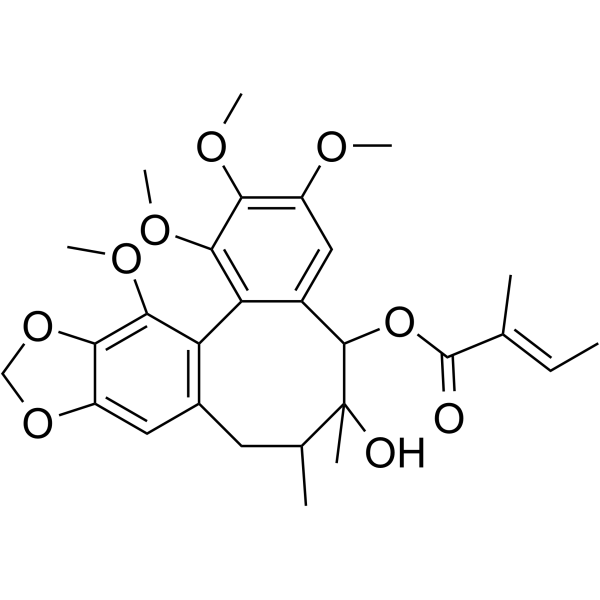
Schisantherin B (Gomisin-B) is a lignan compound and one of the active components of Schisandra chinensis. Schisantherin B activates the PI3K/AKT signaling pathway, restores the activity of GSK3β, and reduces the hyperphosphorylation of tau protein in hippocampal and cerebral cortical tissues. Schisantherin B upregulates the level of GLT-1, decreases the expression of pro-inflammatory cytokines TNF-α/IL-1β/IL-6, upregulates the expression of IL-10, and inhibits cell apoptosis. Schisantherin B is applicable to the research of spinal cord injury, Alzheimer's disease and depression .
loading...
    loading...

