1. Search Result
Search Result
Results for "

Fatty acid amide hydrolase

" in MedChemExpress (MCE) Product Catalog:

64

阻害剤およびアゴニスト

2

蛍光色素

1

生化学アッセイ試薬

8

天然物

1

クリックケミストリー

製品番号 製品名 Target 研究分野 構造式
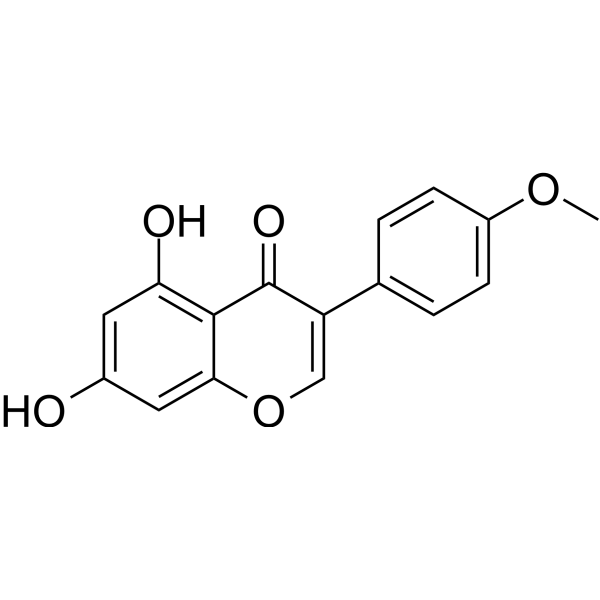
  • HY-14595
    Biochanin A
    Maximum Cited Publications
    15 Publications Verification

    4-Methylgenistein; Olmelin

    FAAH Autophagy Endogenous Metabolite Neurological Disease Cancer
    Biochanin A is a naturally occurring fatty acid amide hydrolase (FAAH) inhibitor, which inhibits FAAH with IC50s of 1.8, 1.4 and 2.4 μM for mouse, rat, and human FAAH, respectively.
    Biochanin A
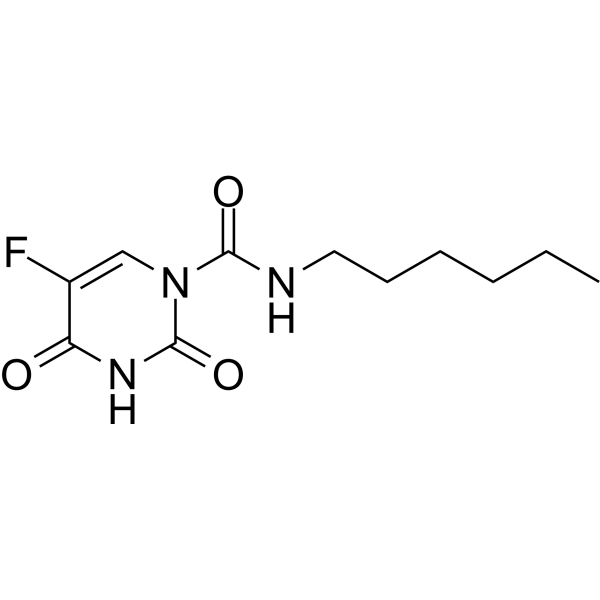
  • HY-B0182
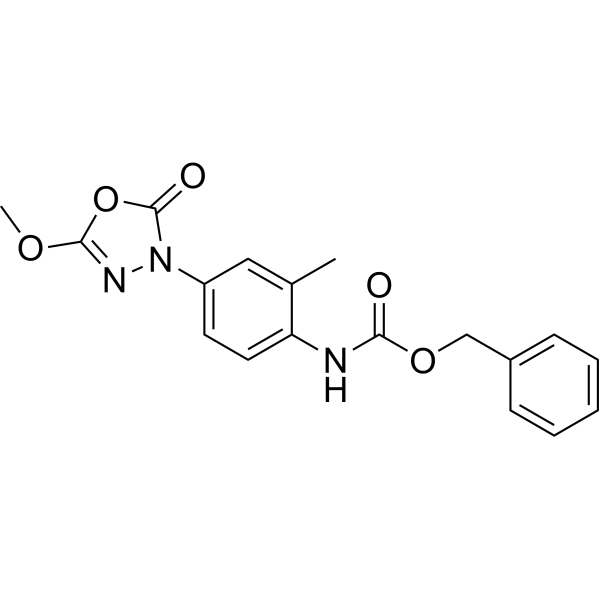
    Carmofur
    5+ Cited Publications

    HCFU

    Nucleoside Antimetabolite/Analog SARS-CoV Virus Protease FAAH Ceramidase Glutathione Peroxidase Infection Inflammation/Immunology Cancer
    Carmofur (HCFU) is a rat recombinant acid ceramidase inhibitor with an IC50 of 29 nM. Carmofur is also a protease inhibitor of SARS-CoV-2 main protease (Mpro), fatty acid amide hydrolase (FAAH) and N-acylethanolamine acid amidase (NAAA). Carmofur has anti-cancer, anti-inflammatory and anti-virus activities, and can be used for the study of COVID-19 and acute lung injury (ALI) .
    Carmofur
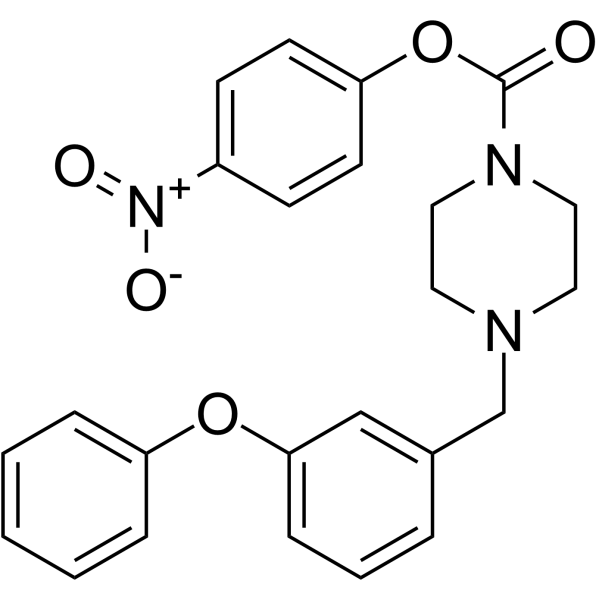
  • HY-14380
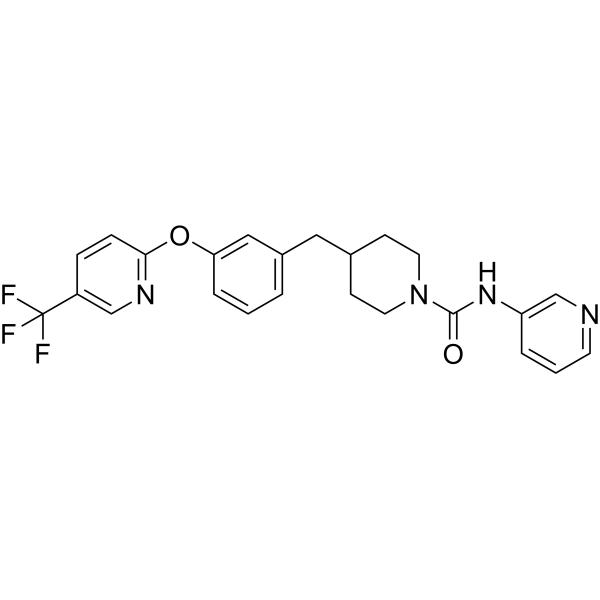
    PF-3845
    2 Publications Verification

    FAAH Autophagy Inflammation/Immunology Cancer
    PF-3845 is a potent, selective, irreversible and orally active inhibitor of fatty acid amide hydrolase (FAAH), with a Ki of 0.23 μM. PF-3845 is a covalent inhibitor that carbamylates FAAH's serine nucleophile. PF-3845 can reduce pain sensation, inflammation, and anxiety/depression without substantial effects on motility or cognition .
    PF-3845
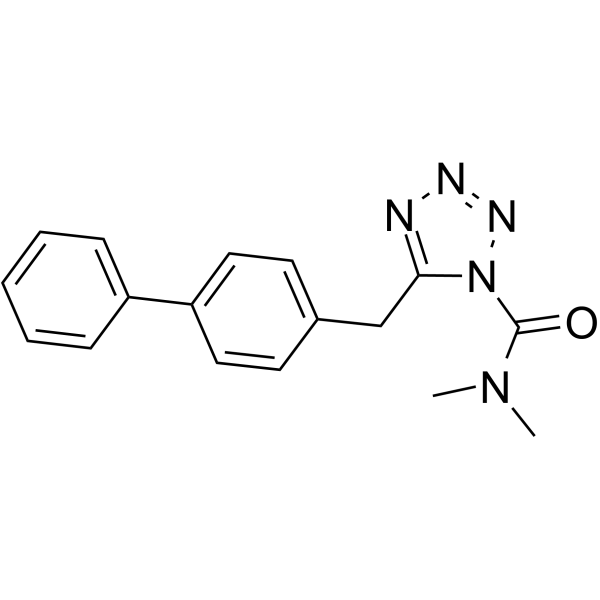
  • HY-119283
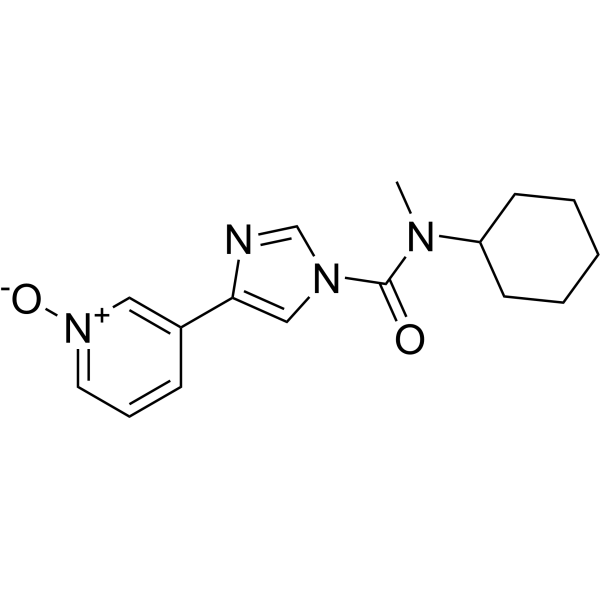
    CAY10499
    1 Publications Verification

    MAGL-IN-5

    MAGL FAAH SARS-CoV Influenza Virus Infection Metabolic Disease Inflammation/Immunology
    CAY10499 (MAGL-IN-5) is a non-selective lipase inhibitor with IC50 values of 144 nM and 14 nM for monoacylglycerol lipase (MAGL) and fatty acid amide hydrolase (FAAH), respectively. Additionally, CAY10499 exhibits anti-inflammatory and antiviral activities .
    CAY10499
  • HY-15250
    JZL195
    4 Publications Verification

    FAAH MAGL Autophagy Neurological Disease
    JZL195 is a selective and efficacious dual fatty acid amide hydrolase (FAAH) and monoacylglycerol lipase (MAGL) inhibitor with IC50s of 2 and 4 nM, respectively .
    JZL195
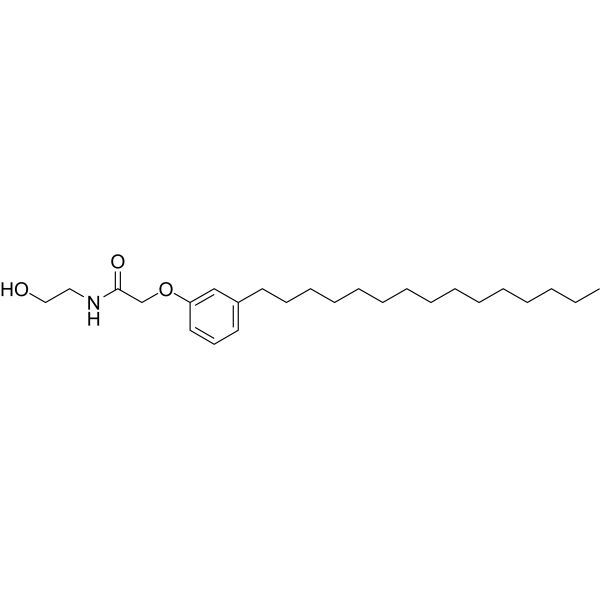
  • HY-110138

    FAAH Others
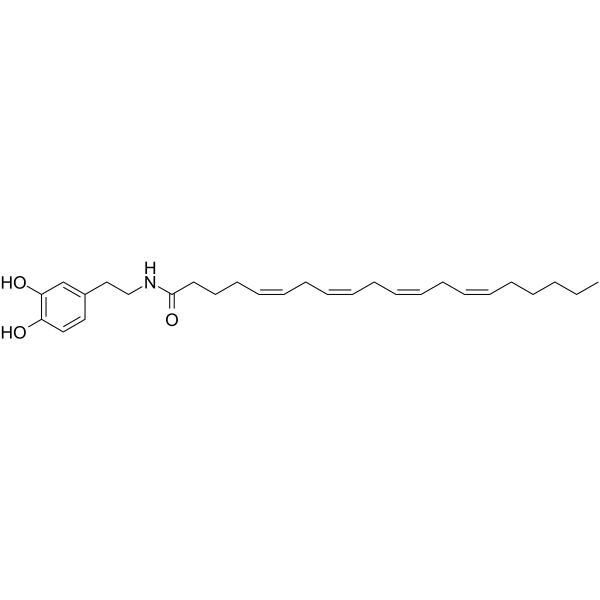
    PDP-EA is a compound that increases the amidohydrolase activity of FAAH (fatty acid amide hydrolase) .
    PDP-EA
  • HY-N2365
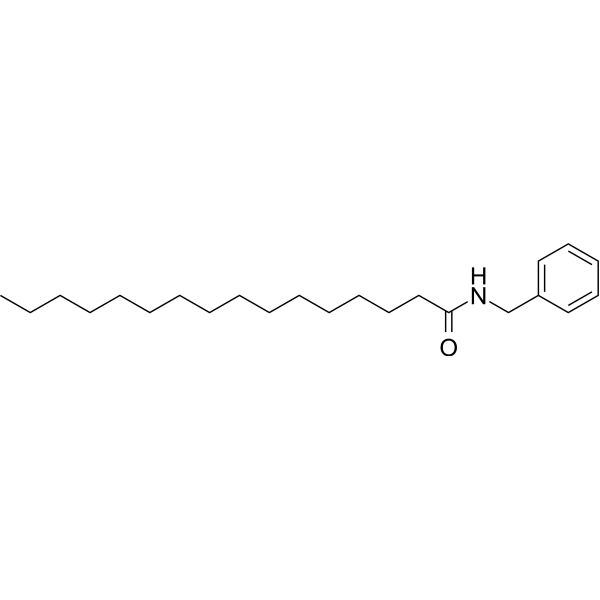
    Macamide B
    2 Publications Verification

    N-Benzylpalmitamide; N-Benzylhexadecanamide; Macamide 1

    FAAH Autophagy Others
    Macamide B (N-Benzylhexadecanamide; Macamide 1) is a macamide isolated from Lepidium meyenii, acts as an inhibitor of fatty acid amide hydrolase (FAAH).
    Macamide B
  • HY-19740
    BIA 10-2474
    2 Publications Verification

    FAAH Autophagy Neurological Disease
    BIA 10-2474 is an inhibitor of fatty acid amide hydrolase (FAAH) with IC50 values of 50 to 70mg/kg in various rat brain regions.
    BIA 10-2474
  • HY-18081

    FAAH Autophagy Neurological Disease Metabolic Disease
    PF 750 is a selective, covalent and brain-penetrant fatty acid amide hydrolase (FAAH) inhibitor. PF 750 covalently carbamylates FAAH's catalytic serine nucleophile to inactivate the enzyme .
    PF 750
  • HY-10865
    LY2183240
    3 Publications Verification

    FAAH Autophagy Neurological Disease
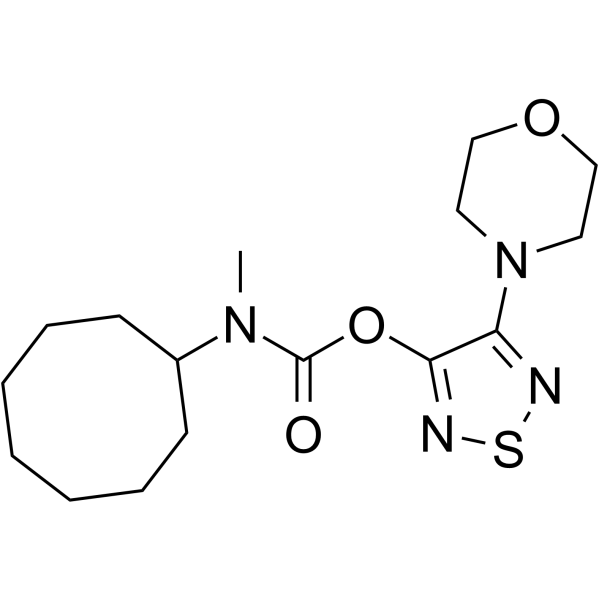
    LY2183240 is a highly potent blocker of anandamide uptake (IC50= 270 pM; Ki=540 nM). LY2183240 is a potent, covalent inhibitor of the endocannabinoid-degrading enzyme fatty acid amide hydrolase (FAAH) with an IC50 of 12.4 nM. LY2183240 inactivates FAAH by carbamylation of the enzyme's serine nucleophile. LY2183240 also inhibits several other brain serine hydrolases with IC50s of 5.3, 0.09, 8.2 nM for MAG lipase, bh6 and KIAA1363, respectively .
    LY2183240
  • HY-N7062

    Takeda-25

    FAAH Neurological Disease
    JNJ-1661010 (Takeda-25) a potent and selective fatty acid amide hydrolase (FAAH) inhibitor with IC50s of 34 and 33 nM for rat FAAH and human FAAH, respectively. JNJ-1661010 can cross the blood-brain barrier and used as broad-spectrum analgesics .
    JNJ-1661010
  • HY-120961

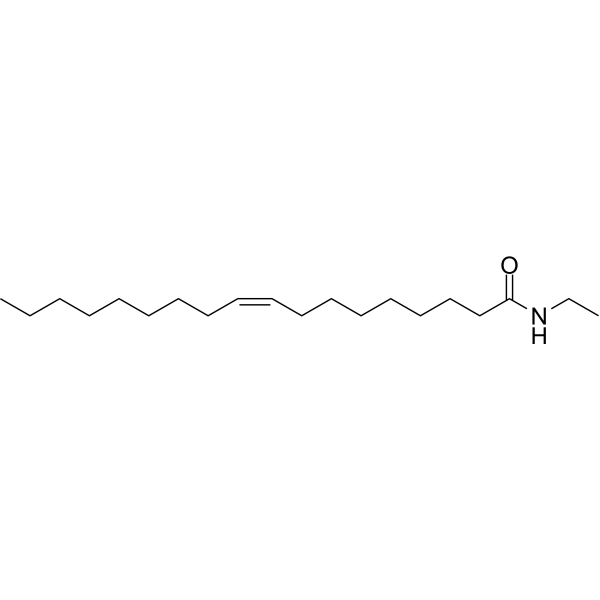
    N-Ethyloleamide

    FAAH Metabolic Disease
    Oleoyl ethyl amide (N-Ethyloleamide) is a fatty acid amide hydrolase (FAAH) inhibitor. Oleoyl ethyl amide can counteract bladder overactivity .
    Oleoyl ethyl amide
  • HY-101457

    MAGL Metabolic Disease
    JZP-430 is a potent, highly selective, irreversible inhibitor of α/β-hydrolase domain 6 (ABHD6) with an IC50 of 44 nM, exhibits ~230-fold selectivity over fatty acid amide hydrolase (FAAH) and lysosomal acid lipase (LAL) .
    JZP-430
  • HY-125967

    FAAH Neurological Disease
    AM 374 is an fatty acid amide hydrolase (FAAH) inhibitor. AM 374 inhibits amidase activity with an IC50 value of 13 nM. AM 374 can be used for the research of neurological disease .
    AM 374
  • HY-120957

    AMC-AA; 7-Amino-4-methyl coumarin-arachidonamide

    Endogenous Metabolite Metabolic Disease
    AMC arachidonoyl amide (AMC-AA) is one of several fatty acid amides which can be used to measure fatty acid amide hydrolase (FAAH) activity.1 FAAH is a relatively unselective enzyme in that it accepts a variety of amide head groups other than the ethanolamine of its nominal endogenous substrate anandamide.2 Exposure of AMC-AA to FAAH activity results in the release of the fluorescent aminomethyl coumarin that absorbs at 360 nm and emits at 465 nm. This allows the fast and convenient measurement of FAAH activity using a simple cuvette or microplate fluorometer.
    AMC Arachidonoyl Amide
  • HY-103462

    FAAH Cardiovascular Disease Metabolic Disease Inflammation/Immunology Cancer
    TC-F2 is a reversible non-covalent binding inhibitor of fatty acid amide hydrolase (FAAH) with an IC50 of 28 nM. FAAH is involved in many human diseases, particularly cancer, pain and inflammation as well as neurological, metabolic and cardiovascular disorders .
    TC-F2
  • HY-121422

    MAGL Histamine Receptor Inflammation/Immunology
    JZP-361 is a potent, reversible and selective inhibitor of human recombinant MAGL (hMAGL) with an IC50 of 46 nM. JZP-361 also shows antihistaminergic activities and can be used for asthma research .
    JZP-361
  • HY-118158

    FAAH Neurological Disease
    FAAH/MAGL-IN-4 (Compound 13) is a potent fatty acid amide hydrolase (FAAH) and monoglyceride lipase (MGL) inhibitor with IC50s of 9.1 nM and 7.9 μM, respectively. FAAH/MAGL-IN-4 can be used for the research of pain and CNS disorders .
    FAAH/MAGL-IN-4
  • HY-164495

    FAAH Thyroid Hormone Receptor Inflammation/Immunology Endocrinology
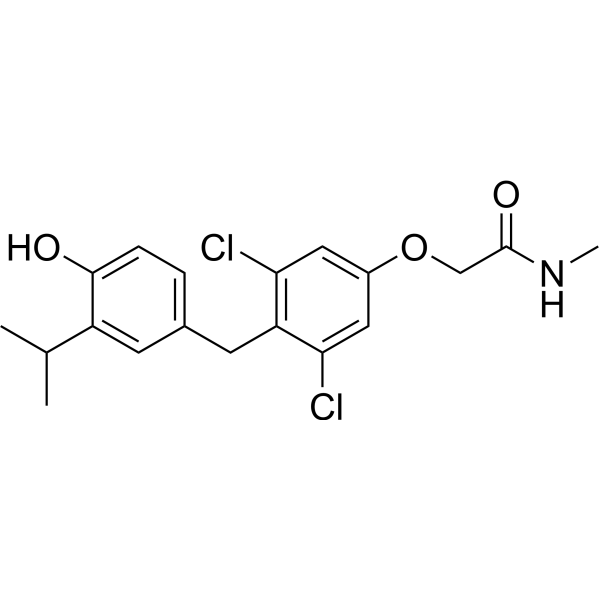
    Sob-AM2 is a potent substrate (Km=1.3 μM) targeting fatty acid amide hydrolase (FAAH) expressed in the brain and has blood-brain barrier permeability. Sob-AM2 delivers high concentrations of Sobetirome (HY-14823) to the central nervous system with minimal peripheral systemic dose, thereby stimulating central thyroid hormone receptor β (TRβ). In addition, Sob-AM2 can prevent myelin and axon degeneration in experimental autoimmune encephalomyelitis (EAE) mice .
    Sob-AM2
  • HY-152251

    Cannabinoid Receptor FAAH Inflammation/Immunology
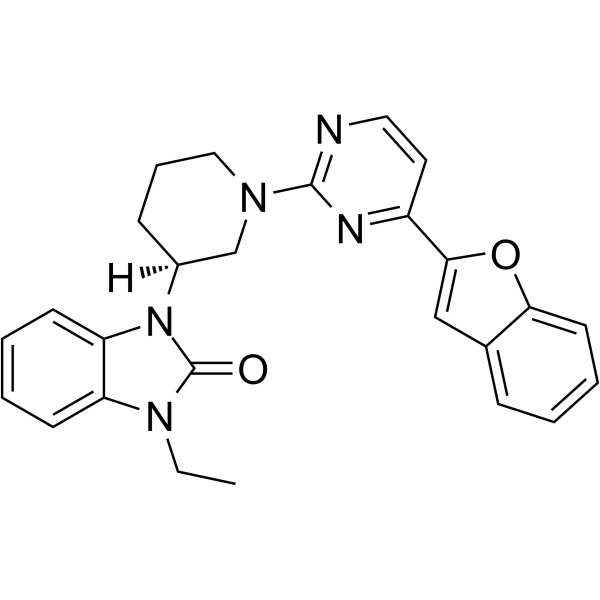
    CB2R/FAAH modulator-1 is a cannabinoid type 2 receptor (CB2R) full agonist with Kis of 14.8 nM and 241.3 nM for CB2R and CB1R, respectively. CB2R/FAAH modulator-1 is a fatty acid amide hydrolase (FAAH) inhibitor with an IC50 of 4 μM. CB2R/FAAH modulator-1 decreases pro-inflammatory and increases anti-inflammatory cytokines production .
    CB2R/FAAH modulator-1
  • HY-W751418

    (Z)-2-tetracos-15-enamidoethanesulfonic acid

    FAAH Neurological Disease
    N-Nervonoyl taurine ((Z)-2-tetracos-15-enamidoethanesulfonic acid) is a fatty acid-taurine conjugate derived from nervonic acid. N-Nervonoyl taurine is a substrate of fatty acid amide hydrolase (FAAH) discovered during metabolite profiling .
    N-Nervonoyl taurine
  • HY-123863

    FAAH Neurological Disease
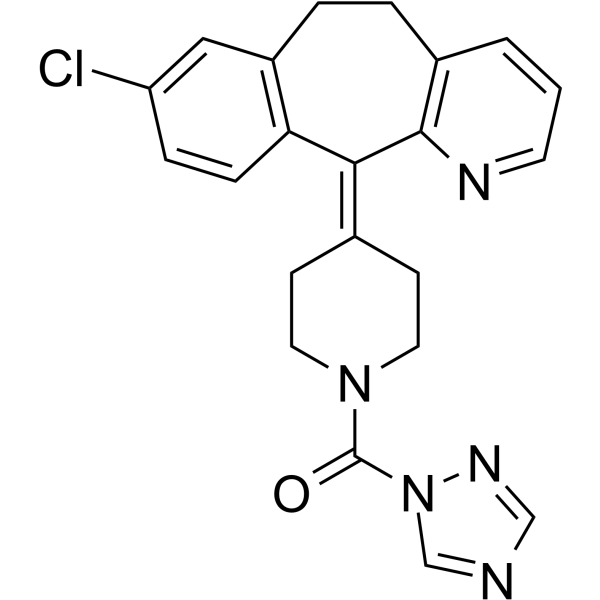
    SSR411298 is an orally active, selective and reversible fatty acid amide hydrolase (FAAH) inhibitor. SSR411298 has the potential for post-traumatic stress disorder research .
    SSR411298
  • HY-14595R
    Biochanin A (Standard)
    Maximum Cited Publications
    15 Publications Verification

    4-Methylgenistein(Standard); Olmelin (Standard)

    Reference Standards FAAH Autophagy Endogenous Metabolite Neurological Disease Cancer
    Biochanin A (Standard) is the analytical standard of Biochanin A. This product is intended for research and analytical applications. Biochanin A is a naturally occurring fatty acid amide hydrolase (FAAH) inhibitor, which inhibits FAAH with IC50s of 1.8, 1.4 and 2.4 μM for mouse, rat, and human FAAH, respectively.
    Biochanin A (Standard)
  • HY-103337

    Arachidonyl serotonin; AA-5-HT

    FAAH TRP Channel Neurological Disease
    N-Arachidonoylserotonin (Arachidonyl serotonin; AA-5-HT) is a potent fatty acid amide hydrolase (FAAH) inhibitor with an IC50 value of 1~12 µM. N-Arachidonoylserotonin acts also as an antagonist of transient receptor potential vanilloid-type 1 (TRPV1) channels (IC50=70~100 nM). N-Arachidonoylserotonin is analgesic in rodents .
    N-Arachidonoylserotonin
  • HY-18080

    FAAH Autophagy Metabolic Disease
    SA 47 is a selective and potent inhibitor of fatty acid amide hydrolase (FAAH) and carbamate .
    SA 47
  • HY-111389

    FAAH Autophagy Metabolic Disease
    FAAH-IN-1 is a fatty acid amide hydrolase (FAAH) inhibitor, with IC50s of 145 nM and 650 nM for rat and human FAAH, respectively.
    FAAH-IN-1
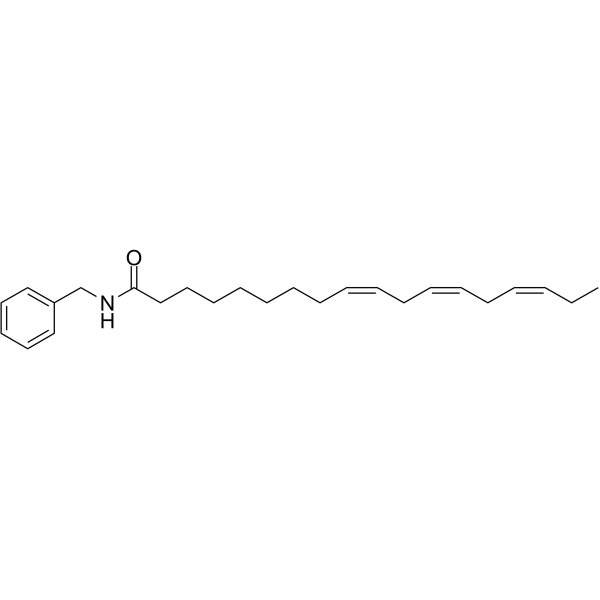
  • HY-N3033
    N-​Benzyllinolenamide
    1 Publications Verification

    FAAH Autophagy Metabolic Disease
    N-​Benzyllinolenamide is a natural macamide isolated from Lepidium meyenii, acts as an inhibitor of fatty acid amide hydrolase (FAAH) with an IC50 of 41.8 μM .
    N-​Benzyllinolenamide
  • HY-144738

    Epoxide Hydrolase FAAH Inflammation/Immunology
    Dual FAAH/sEH-IN-1 (compound 3) is a high affinity dual sEH (soluble epoxide hydrolase) and FAAH (fatty acid amide hydrolase) inhibitor, with IC50 values of 9.6 and 7 nM, respectively. Dual FAAH/sEH-IN-1 shows antinociception against the inflammatory phase .
    Dual FAAH/sEH-IN-1
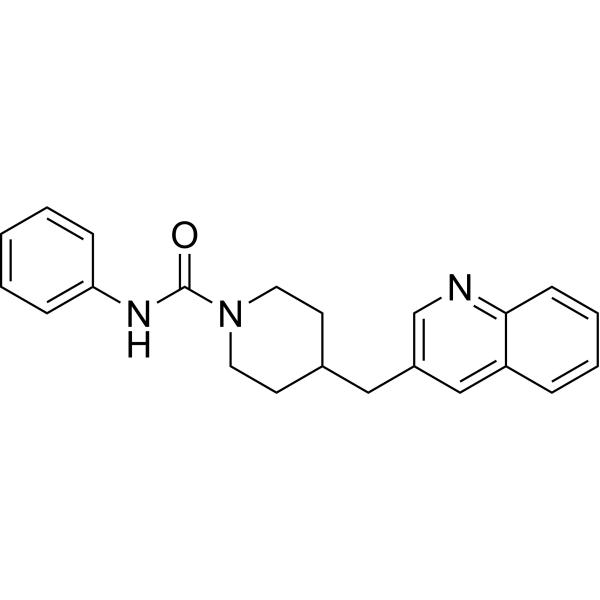
  • HY-32952

    6-Fluoropyridine-3-boronic acid

    Drug Intermediate Others
    2-Fluoropyridine-5-boronic acid (6-Fluoropyridine-3-boronic acid) is a drug intermediate that can be used in the synthesis of fatty acid amide hydrolase inhibitors and pyrethroid derivatives .
    2-Fluoropyridine-5-boronic acid
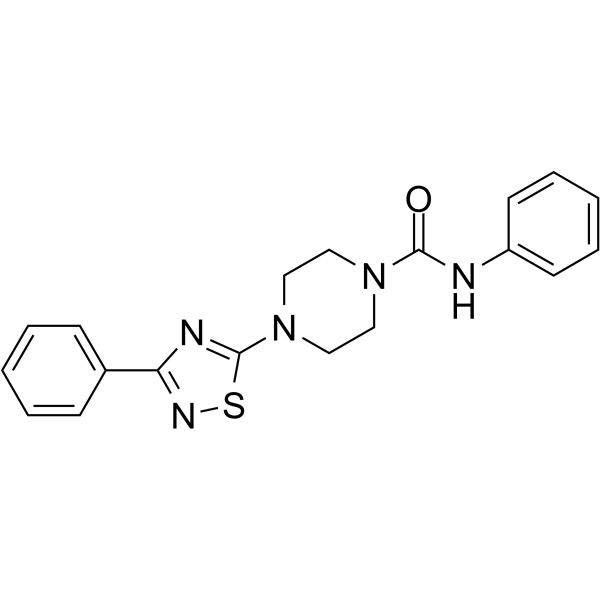
  • HY-103461

    FAAH Neurological Disease
    FAAH-IN-6 (compound 21d) is a potent, orally active and cross the blood-brain barrier fatty acid amide hydrolase (FAAH) inhibitor with IC50s of 0.72, 0.28 nM for hFAAH, rFAAH, respectively. FAAH-IN-6 shows dose-dependent analgesic efficacy in animal models of both neuropathic and inflammatory pain .
    FAAH-IN-6
  • HY-118210

    FAAH Metabolic Disease
    PHOP is a fatty acid amide hydrolase (FAAH) inhibitor used to assess inhibitory activity in a fluorometric assay. PHOP can determine FAAH activity by measuring the amount of 4-pyridin-1-ylbutyric acid released by the enzyme in rat brain microsomes. PHOP demonstrates potential as a FAAH inhibitor and can directly measure FAAH activity by reversed-phase HPLC and fluorescence detection, providing a basis for the development of new inhibitors.
    PHOP
  • HY-138693

    FAAH Neurological Disease
    ST4070 is a potent, orally active, and selective reversible fatty acid amide hydrolase (FAAH) inhibitor. ST4070 increases endocannabinoid (eCB) brain levels and counteracts neuropathic pain in animal models. ST4070 enhances the endogenous eCB tone in specific brain regions engaged in emotional control, and induces remarkable anxiolytic-like behaviours in rodents. ST4070 can be used for neuropathic pain and anxiety disorders research .
    ST4070
  • HY-126720

    Endogenous Metabolite Metabolic Disease
    N-Lignoceroyl Taurine is an arachidonoyl amino acid and taurine conjugate with a fatty acid that can be isolated from bovine brain. N-Lignoceroyl Taurine is one of several novel taurine-conjugated fatty acids discovered during mass spectrometry lipidomic analysis of the brain and spinal cord of wild-type and fatty acid amide hydrolase (FAAH) knockout mice. N-Lignoceroyl Taurine levels were 23-26-fold higher in FAAH -/- mice compared to wild-type mice, suggesting that FAAH utilizes N-Lignoceroyl Taurine as a substrate. However, in vitro experiments with purified FAAH showed that N-Lignoceroyl Taurine was hydrolyzed 2,000-fold slower in FAAH compared to oleoylethanolamide. N-Acyl Taurines with polyunsaturated acyl chains can activate members of the transient receptor potential (TRP) calcium channel family, including TRPV1 and TRPV4.
    N-Lignoceroyl Taurine
  • HY-124744

    FAAH Neurological Disease
    ASP 8477 is an orally active and selective fatty acid amide hydrolase (FAAH) inhibitor with IC50 values ​​of 3.99, 1.65, and 57.3 nM for human FAAH-1, FAAH-1 (P129T), and FAAH-2, respectively. ASP 8477 has central nervous system activity and can be used in analgesia research .
    ASP 8477
  • HY-175816

    5-HT Receptor FAAH Apoptosis Reactive Oxygen Species (ROS) Neurological Disease
    5-HT6R/FAAH modulator 1 is a selective serotonin 5-HT6 receptor ligand and the fatty acid amide hydrolase (FAAH) enzyme inhibitor. 5-HT6R/FAAH modulator 1 shows a pKi of 6.33 (5-HT6) and a pIC50 valuesof 6.29 (FAAH). 5-HT6R/FAAH modulator 1 also slightly inhibits acetylcholinesterase (AChE) or butyrylcholinesterase (BChE) enzymes (pIC50 = 5.12). 5-HT6R/FAAH modulator 1 can inhibit apoptosis and reduce ROS levels. 5-HT6R/FAAH modulator 1 can be used for the research of neurological disease, such as Alzheimer’s disease (AD) .
    5-HT6R/FAAH modulator 1
  • HY-127023

    EPA-5-HT

    Endogenous Metabolite FAAH Interleukin Related Tyrosine Hydroxylase Metabolic Disease
    Eicosapentaenoyl serotonin (EPA-5-HT) is an endogenous fatty acid-serotonin conjugate lipid mediator. Eicosapentaenoyl serotonin acts as an inhibitor of fatty acid amide hydrolase (FAAH). Eicosapentaenoyl serotonin suppresses IL-17 release in Concanavalin A (HY-P2149)-stimulated human peripheral blood mononuclear cells. Eicosapentaenoyl serotonin is regulated by polyunsaturated fatty acids and modulates intestinal immunity and Th17 signaling. Eicosapentaenoyl serotonin can be used for the study of inflammatory bowel disease-related mechanisms .
    Eicosapentaenoyl serotonin
  • HY-10867

    FAAH Metabolic Disease
    PF-622 is a selective FAAH inhibitor, and can be used for study of analgesic and anxiolytic/antidepressant .
    PF-622
  • HY-139384

    FAAH Neurological Disease
    FAAH inhibitor 2 (Compound 17b) is an irreversible fatty acid amide hydrolase (FAAH) inhibitor, with an IC50 of 0.153 μM .
    FAAH inhibitor 2
  • HY-158784

    FAAH Others
    Arachidonoyl m-Nitroaniline (AmNA) is one of several nitroaniline fatty acid amides which can be used to measure fatty acid amide hydrolase (FAAH) activity. Arachidonoyl m-Nitroaniline is a FAAH substrate .
    Arachidonoyl m-nitroaniline
  • HY-111199

    FAAH Neurological Disease
    JP83 is an irreversible fatty acyl amide hydrolase (FAAH) inhibitor with an IC50 of 1.6 nM in competitive activity-based protein profiling (ABPP) experiments .
    JP83
  • HY-N2365R

    N-Benzylpalmitamide (Standard); N-Benzylhexadecanamide (Standard); Macamide 1 (Standard)

    Reference Standards FAAH Autophagy Others
    Macamide B (Standard) is the analytical standard of Macamide B. This product is intended for research and analytical applications. Macamide B (N-Benzylhexadecanamide; Macamide 1) is a macamide isolated from Lepidium meyenii, acts as an inhibitor of fatty acid amide hydrolase (FAAH).
    Macamide B (Standard)
  • HY-146341

    FAAH MAGL Neurological Disease
    FAAH-IN-5 (Compound 7) is a relative selective, irreversible fatty acid amide hydrolase (FAAH) inhibitor with an IC50 of 10.5 nM. FAAH-IN-5 shows low PAMPA (Parallel Artificial Membrane Permeability Assay) permeability .
    FAAH-IN-5
  • HY-146342

    FAAH MAGL Neurological Disease
    FAAH/MAGL-IN-3 (Compound 10) is an irreversible fatty acid amide hydrolase (FAAH) and monoacylglycerol lipase (MAGL) dual inhibitor with IC50 values of 179 and 759 nM against FAAH and MAGL, respectively. FAAH/MAGL-IN-3 shows low PAMPA (Parallel Artificial Membrane Permeability Assay) permeability .
    FAAH/MAGL-IN-3
  • HY-N2512R

    Reference Standards FAAH Bacterial Fungal Endogenous Metabolite Autophagy Infection
    1-Monomyristin, extracted from Serenoa repens, inhibits the hydrolysis of 2-oleoylglycerol (IC50=32 μM) and fatty acid amide hydrolase (FAAH) activity (IC50=18 μM). 1-Monomyristin shows antibacterial activity against Staphylococcus aureus and Aggregatibacter actinomycetemcomitans and also antifungal activity against Candida albicans .
    1-Monomyristin (Standard)
  • HY-B0182R

    HCFU (Standard)

    Reference Standards Nucleoside Antimetabolite/Analog SARS-CoV Virus Protease FAAH Ceramidase Glutathione Peroxidase Infection Inflammation/Immunology Cancer
    Carmofur (Standard) is the analytical standard of Carmofur. This product is intended for research and analytical applications. Carmofur (HCFU) is a rat recombinant acid ceramidase inhibitor with an IC50 of 29 nM. Carmofur is also a protease inhibitor of SARS-CoV-2 main protease (Mpro), fatty acid amide hydrolase (FAAH) and N-acylethanolamine acid amidase (NAAA). Carmofur has anti-cancer, anti-inflammatory and anti-virus activities, and can be used for the study of COVID-19 and acute lung injury (ALI) .
    Carmofur (Standard)
  • HY-N15826

    Fluorescent Dye Ceramidase Cancer
    RBM1-151, a 1-deoxy derivative and vinilog of RBM14-C12 (HY-150163), as a fluorogenic substrate of Amidases (HY-P2736) (Ex/Em). RBM1-151 is hydrolyzed by acid ceramidase (AC) (( appKm = 7.0 μM; appVmax = 99.3 nM/min), N-acylethanolamine-hydrolyzing acid amidase ( appKm = 0.73 μM; appVmax = 0.24 nM/min), and fatty Acid amide hydrolase (FAAH) ( appKm = 3.6 μM; appVmax = 7.6 nM/min) but not by other ceramidases. RBM1-151 is applicable for basic biological studies of lipid amidase function, as well as potential diagnostic/prognostic evaluations of diseases involving dysregulated AC, NAAA, or FAAH (Farber disease, cancer) .
    RBM1-151
  • HY-U00240

    FAAH Autophagy Neurological Disease
    SA72 is a highly selective fatty acid amide hydrolase (FAAH) inhibitor.
    SA72
  • HY-W479534

    DemNA

    Biochemical Assay Reagents Others
    Decanoyl m-Nitroaniline (DemNA) is a nitroaniline fatty acid amides which can be used to measure fatty acid amide hydrolase (FAAH) activity (Ab = 410 nm).
    Decanoyl m-Nitroaniline
  • HY-161965

    FAAH Neurological Disease
    MK-3168 (12C) is a FAAH inhibitor with IC50 values of 1.0, 5.5, 1.7 nM for human, rhesus, rat, respectively. MK-3168 shows good brain uptake and FAAH-specific signal. 11C MK-3168 can be used as FAAH PET tracer .
    MK-3168 (12C)
  • HY-120300

    Cannabinoid Receptor Metabolic Disease
    UCM710 is an endocannabinoid (eCB) hydrolysis inhibitor that increases the levels of N-arachidonoyl ethanolamine and 2-arachidonoylglycerol in neurons. UCM710 inhibits fatty acid amide hydrolase and α/β-hydrolase domain 6, but not monoacylglycerol lipase .
    UCM710

オンラインお問い合わせ

入力情報は安全に管理されます. 必須入力項目.

タイトル


国或いは地域 *

お名前 *


組纖名 *

デパートメント *


メールアドレス *


製品名 *

製品番号


カスタマ需要量 *

電話番号 *


必ず会社名を記載ください。個人への返信は行いません。

備考

バルクお問い合わせ

Inquiry Information

製品名:
製品番号:
数量:
MCE 日本正規代理店:

