1. Search Result
Search Result
Results for "

essential fatty acid

" in MedChemExpress (MCE) Product Catalog:

54

Inhibitors & Agonists

1

Fluorescent Dyes

12

Biochemical Assay Reagents

18

Natural
Products

12

Isotope-Labeled Compounds

1

Oligonucleotides

1

GMP Molecules

Cat. No. Product Name Target Research Areas Chemical Structure
  • HY-N0729
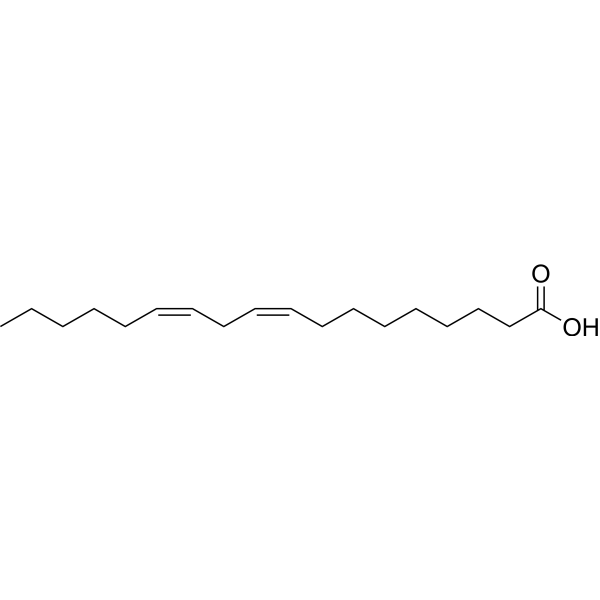
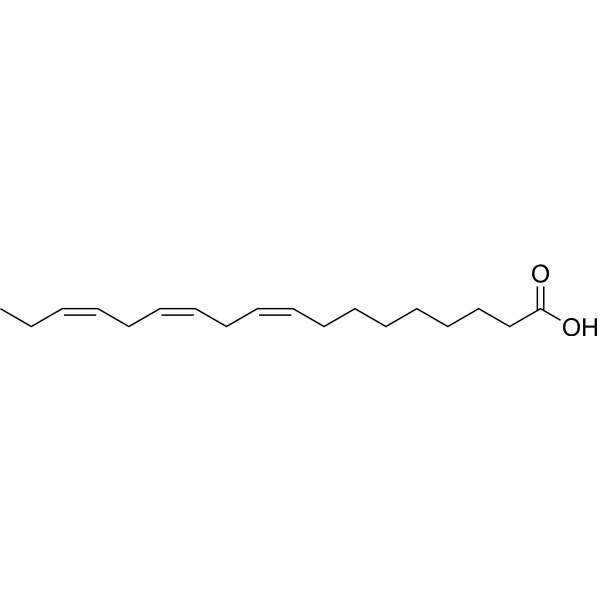
    Linoleic acid
    Maximum Cited Publications
    24 Publications Verification

    Environmental Pollutants Endogenous Metabolite Cardiovascular Disease Metabolic Disease Cancer
    Linoleic acid is a common polyunsaturated (PUFA) found in plant-based oils, nuts and seeds. Linoleic acid is a part of membrane phospholipids, and functions as a structural component to maintain a certain level of membrane fluidity of the transdermal water barrier of the epidermis. Linoleic acid induces red blood cells and hemoglobin damage via oxidative mechanism .
    Linoleic acid
  • HY-B0399
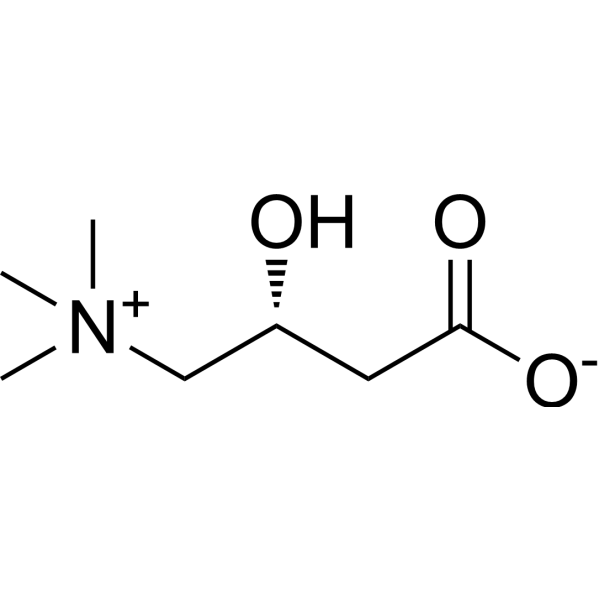
    L-Carnitine
    15+ Cited Publications

    (R)-Carnitine; Levocarnitine

    Endogenous Metabolite Neurological Disease Cancer
    L-Carnitine ((R)-Carnitine), a highly polar, small zwitterion, is an essential co-factor for the mitochondrial β-oxidation pathway. L-Carnitine functions to transport long chain fatty acyl-CoAs into the mitochondria for degradation by β-oxidation. L-Carnitine is an antioxidant. L-Carnitine can ameliorate metabolic imbalances in many inborn errors of metabolism .
    L-Carnitine
  • HY-128851
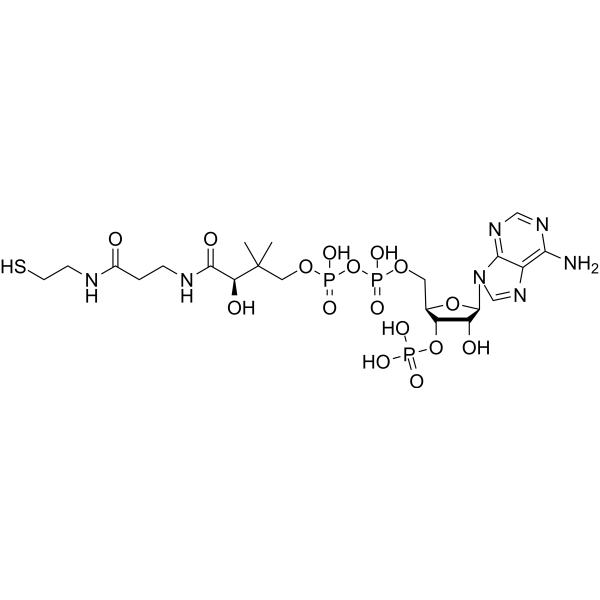
    Coenzyme A
    2 Publications Verification

    Endogenous Metabolite Fatty Acid Synthase (FASN) Metabolic Disease Cancer
    Coenzyme A (CoASH) is a ubiquitous and essential cofactor, which is an acyl group carrier and carbonyl-activating group for the citric acid cycle and fatty acid metabolism. Coenzyme A plays a central role in the oxidation of pyruvate in the citric acid cycle and the metabolism of carboxylic acids, including short- and long-chain fatty acids .
    Coenzyme A
  • HY-N0728
    α-Linolenic acid
    10+ Cited Publications

    ALA free base; C18:3 (9Z,12Z,15Z) free base; C18:3 n-3 free base

    Environmental Pollutants Akt PI3K Cardiovascular Disease Cancer
    α-Linolenic acid (ALA (free base); C18:3 (9Z,12Z,15Z) (free base); C18:3 n-3 (free base)) is an essential fatty acid that cannot be synthesized by humans. α-Linolenic acid can affect the process of thrombotic through the modulation of PI3K/Akt signaling. α-Linolenic acid possess the anti-arrhythmic properties and is related to cardiovascular disease and cancer .
    α-Linolenic acid
  • HY-128851B
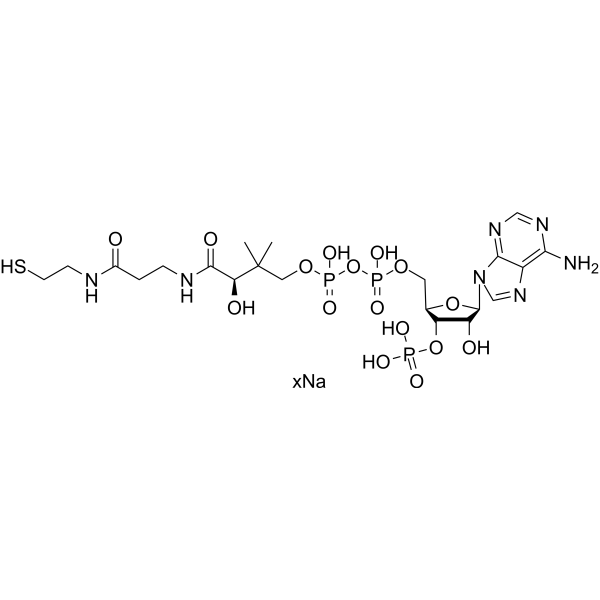
    Coenzyme A sodium
    2 Publications Verification

    Endogenous Metabolite Fatty Acid Synthase (FASN) Metabolic Disease Cancer
    Coenzyme A (CoASH) sodium is a ubiquitous and essential cofactor, which is an acyl group carrier and carbonyl-activating group for the citric acid cycle and fatty acid metabolism. Coenzyme A plays a central role in the oxidation of pyruvate in the citric acid cycle and the metabolism of carboxylic acids, including short- and long-chain fatty acids .
    Coenzyme A sodium
  • HY-109590S
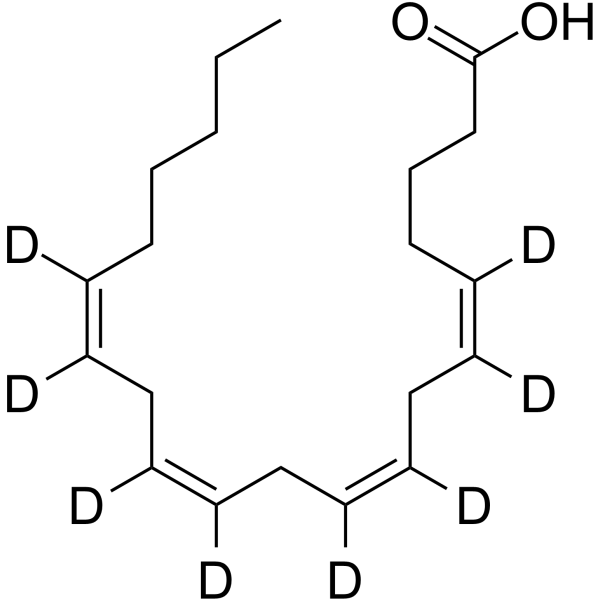
    Arachidonic acid-d8
    4 Publications Verification

    Immunocytophyt-d8

    Endogenous Metabolite Inflammation/Immunology
    Arachidonic acid-d8 is the deuterium labeled Arachidonic acid. Arachidonic acid is an essential fatty acid and a major constituent of biomembranes .
    Arachidonic acid-d8
  • HY-W071746
    Linolelaidic acid
    1 Publications Verification

    Linoelaidic acid

    Endogenous Metabolite Parasite Apoptosis Infection Inflammation/Immunology
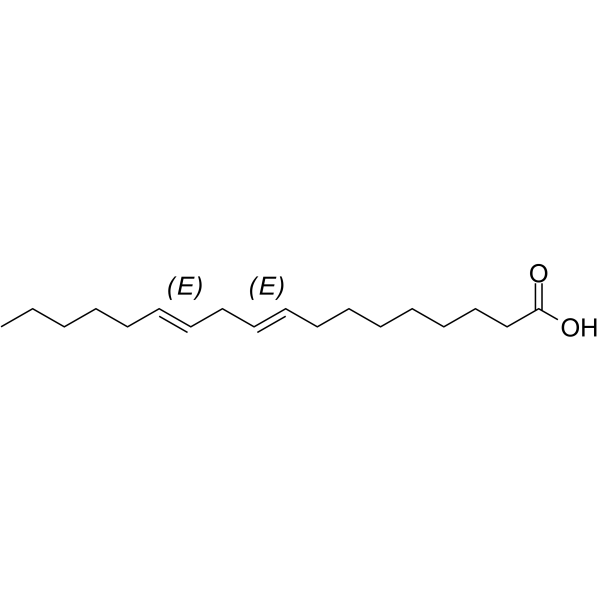
    Linolelaidic acid (Linoelaidic acid) is an omega-6 trans fatty acid (TFA) that is an essential nutrient with oral activity. Linolelaidic acid can be added to enteral nutrition (oral), parenteral nutrition (intravenous), and infant formula. Linolelaidic acid has anti-inflammatory and anti-parasitic ((Parasite)) activities, and can induce Apoptosis. Linolelaidic acid is useful for research in infections .
    Linolelaidic acid
  • HY-N0728S3

    Isotope-Labeled Compounds PI3K Akt Cardiovascular Disease Cancer
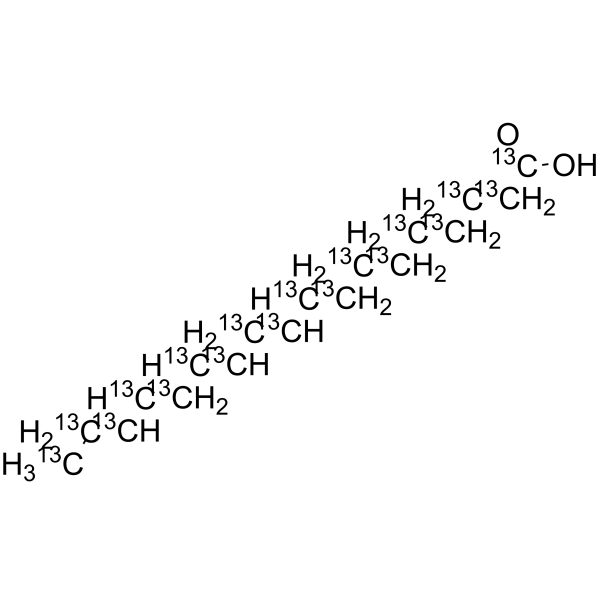
    α-Linolenic acid- 13C18 is the 13C labeled α-Linolenic acid. α-Linolenic acid, isolated from seed oils, is an essential fatty acid that cannot be synthesized by humans. α-Linolenic acid can affect the process of thrombotic through the modulation of PI3K/Akt signaling. α-Linolenic acid possess the anti-arrhythmic properties and is related to cardiovascular disease and cancer .
    α-Linolenic acid-13C18
  • HY-CP002

    Biochemical Assay Reagents Others
    Bovine Serum Albumin (BSA) is a 583 amino acid protein consisting of three homologous full alpha structural domains. BSA is a spherical protein essential for the transport of molecules such as fatty acids, drugs and hormones from the blood. It is used in many biochemical applications as a drug carrier for biologically active compounds. For long-term storage, recombinant protein solution should be diluted further with 0.1% BSA .
    Bovine Serum Albumin, Carrier Protein
  • HY-B2246
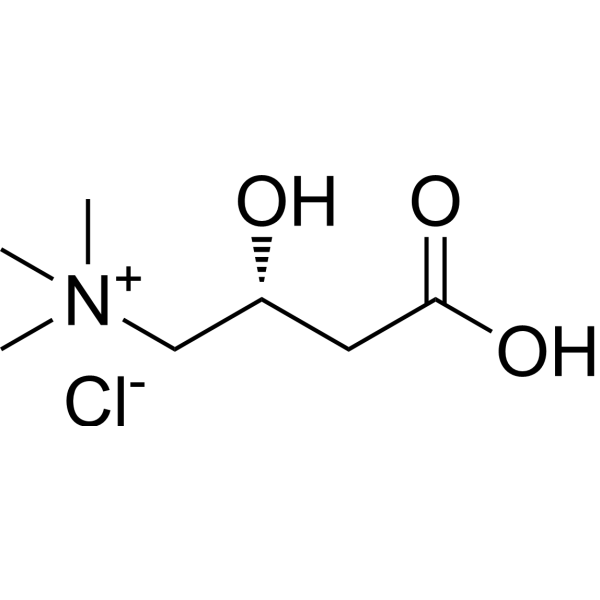
    L-Carnitine hydrochloride
    15+ Cited Publications

    (R)-Carnitine hydrochloride; Levocarnitine hydrochloride

    Endogenous Metabolite Metabolic Disease Cancer
    L-Carnitine hydrochloride ((R)-Carnitine hydrochloride), a highly polar, small zwitterion, is an essential co-factor for the mitochondrial β-oxidation pathway. L-Carnitine hydrochloride functions to transport long chain fatty acyl-CoAs into the mitochondria for degradation by β-oxidation. L-Carnitine hydrochloride is an antioxidant. L-Carnitine hydrochloride can ameliorate metabolic imbalances in many inborn errors of metabolism .
    L-Carnitine hydrochloride
  • HY-B2167R

    DHA (Standard); Cervonic acid (Standard)

    Reference Standards Endogenous Metabolite Neurological Disease Cancer
    Docosahexaenoic acid (Standard) is the analytical standard of Docosahexaenoic acid. This product is intended for research and analytical applications. Docosahexaenoic Acid (DHA) is an omega-3 fatty acid abundantly present brain and retina. It can be obtained directly from fish oil and maternal milk. In Vitro: Docosahexaenoic acid (DHA) is essential for the growth and functional development of the brain in infants. DHA is also required for maintenance of normal brain function in adults. The inclusion of plentiful DHA in the diet improves learning ability and memory . DHA is an essential requirement in every step of brain development like neural cell proliferation, migration, differentiation, synaptogenesis. The multiple double bonds and unique structure allow DHA to impart special membrane characteristics for effective cell signaling. Many development disorders like dyslexia, autism spectrum disorder, attention deficit hyperactivity disorder, schizophrenia etc. are causally related to decreased level of DHA . DHA is a potent RXR ligand inducing robust RXR activation already at low micro molar concentrations. The EC50 for RXRα activation by DHA is about 5-10 μM fatty acid . In Vivo: Docosahexaenoic acid administration over 10 weeks significantly reduces the number of reference memory errors, without affecting the number of working memory errors, and significantly increases the docosahexaenoic acid content and the docosahexaenoic acid/arachidonic acid ratio in both the hippocampus and the cerebral cortex . DHA treatment exerts neuroprotective actions on an experimental mouse model of PD. There is a decrease tendency in brain lipid oxidation of MPTP mice but it does not significantly .
    Docosahexaenoic acid (Standard)
  • HY-128851A
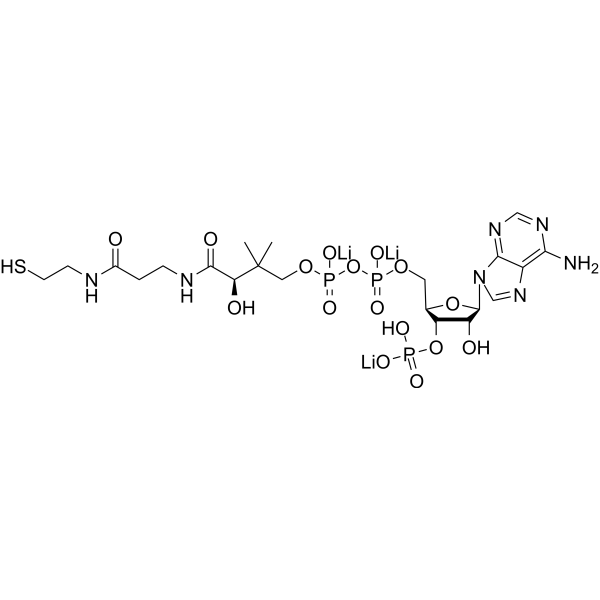
    Coenzyme A trilithium
    2 Publications Verification

    Endogenous Metabolite Fatty Acid Synthase (FASN) Metabolic Disease Cancer
    Coenzyme A (CoASH) is a ubiquitous and essential cofactor, which is an acyl group carrier and carbonyl-activating group for the citric acid cycle and fatty acid metabolism. Coenzyme A plays a central role in the oxidation of pyruvate in the citric acid cycle and the metabolism of carboxylic acids, including short- and long-chain fatty acids .
    Coenzyme A trilithium
  • HY-N7392A

    3-Oxobutanoyl-coenzyme A sodium hydrate

    Endogenous Metabolite Metabolic Disease
    Acetoacetyl CoA sodium hydrate is the precursor of HMG-CoA in the mevalonate pathway. Acetoacetyl-CoA thiolase catalyzes the reaction to form acetoacetyl-CoA sodium hydrate from two acetyl-CoA molecules. Acetoacetyl CoA sodium hydrate is essential for cholesterol biosynthesis. Acetoacetyl-CoA sodium hydrate is also a intermediate in the biological breakdown and synthesis of fatty acids .
    Acetoacetyl-CoA sodium hydrate
  • HY-W105518
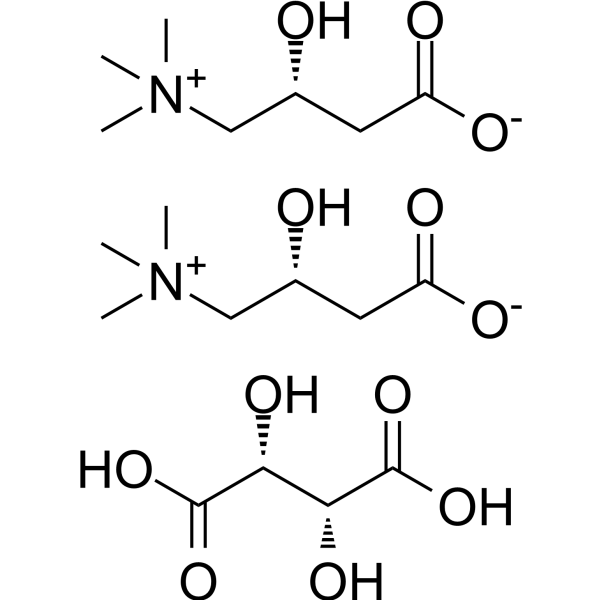
    L-Carnitine tartrate
    Maximum Cited Publications
    20 Publications Verification

    Endogenous Metabolite Neurological Disease
    L-Carnitine tartrate is a highly polar, small zwitterion. L-Carnitine tartrate is an essential co-factor for the mitochondrial β-oxidation pathway. L-Carnitine tartrate functions to transport long chain fatty acyl-CoAs into the mitochondria for degradation by β-oxidation. L-Carnitine tartrate is an antioxidant. L-Carnitine tartrate can ameliorate metabolic imbalances in many inborn errors of metabolism [3] .
    L-Carnitine tartrate
  • HY-16911
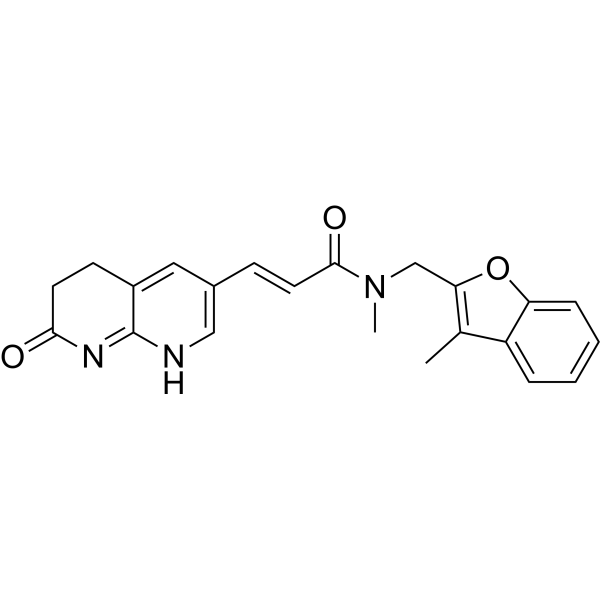
    AFN-1252
    10+ Cited Publications

    API-1252; Debio 1452

    Bacterial Antibiotic Infection
    AFN-1252 is an orally active and selective inhibitor of FabI, an essential enzyme in fatty acid biosynthesis in Staphylococcus spp. AFN-1252 exhibits exquisite and highly selective activity against Staphylococcus spp. AFN-1252 exhibits typical MIC90 values of ⩽0.015 μg/ml against diverse clinical isolates of S. aureus. AFN-1252 is efficacious in a mouse model of septicemia providing 100% protection from an otherwise lethal peritoneal infection of S. aureus Smith .
    AFN-1252
  • HY-B1453
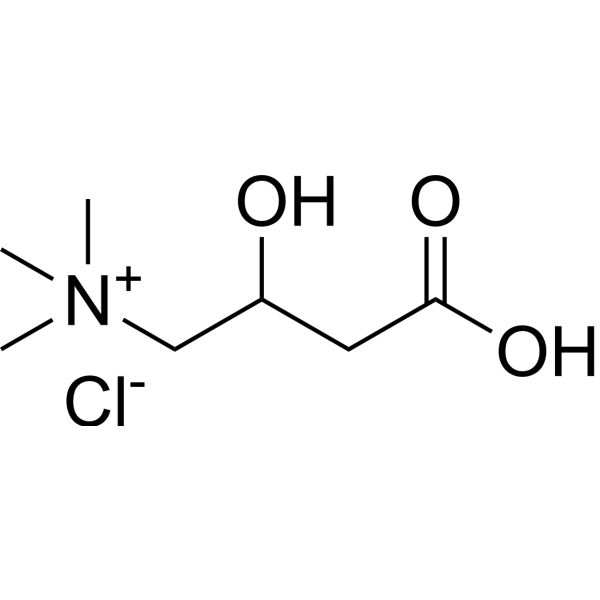
    (±)-Carnitine chloride
    2 Publications Verification

    DL-Carnitine chloride; DL-Levocarnitine chloride

    Reactive Oxygen Species (ROS) Metabolic Disease
    (±)-Carnitine chloride exists in two isomers, known as D and L. L-carnitine plays an essential role in the β-oxidation of fatty acids and also shows antioxidant, and anti-inflammatory activities.
    (±)-Carnitine chloride
  • HY-N7392

    3-Oxobutanoyl-coenzyme A

    Endogenous Metabolite Metabolic Disease
    Acetoacetyl CoA is the precursor of HMG-CoA in the mevalonate pathway. Acetoacetyl-CoA thiolase catalyzes the reaction to form acetoacetyl-CoA from two acetyl-CoA molecules. Acetoacetyl CoA is essential for cholesterol biosynthesis. Acetoacetyl-CoA is also a intermediate in the biological breakdown and synthesis of fatty acids .
    Acetoacetyl-CoA
  • HY-B2246S
    L-Carnitine-d9 chloride
    1 Publications Verification

    (R)-Carnitine-d9 chloride; Levocarnitine-d9 chloride

    Isotope-Labeled Compounds Endogenous Metabolite Metabolic Disease
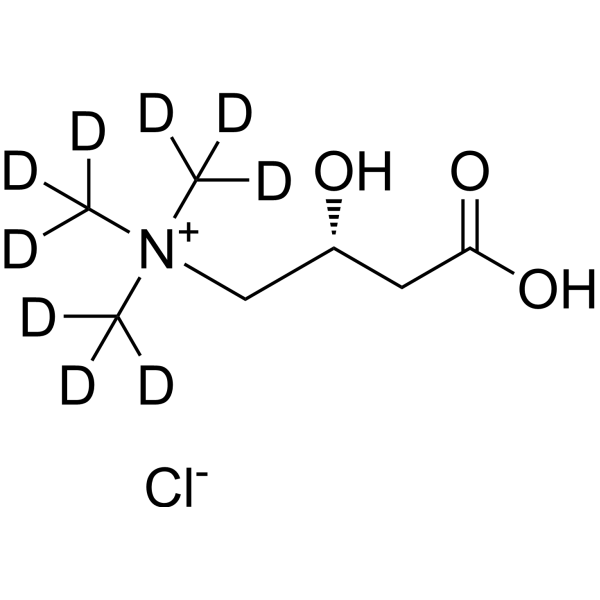
    L-Carnitine-d9 (chloride)e is the deuterium labeled L-Carnitine chloride. L-Carnitine chloride, a highly polar, small zwitterion, is an essential co-factor for the mitochondrial β-oxidation pathway. L-Carnitine chloride functions to transport long chain fatty acyl-CoAs into the mitochondria for degradation by β-oxidation. L-Carnitine chloride is an antioxidant. L-Carnitine chloride can ameliorate metabolic imbalances in many inborn errors of metabolism .
    L-Carnitine-d9 chloride
  • HY-109590R
    Arachidonic acid (Standard)
    Maximum Cited Publications
    54 Publications Verification

    Immunocytophyt (Standard)

    Reference Standards Endogenous Metabolite Cardiovascular Disease Inflammation/Immunology
    Arachidonic acid (Immunocytophyt) (Standard) is the analytical standard of Arachidonic acid (HY-109590). This product is intended for research and analytical applications. Arachidonic acid is an essential fatty acid and a major constituent of biomembranes.
    Arachidonic acid (Standard)
  • HY-108398A
    Mead acid
    1 Publications Verification

    5,8,11-Eicosatrienoic acid

    Endogenous Metabolite Metabolic Disease Cancer
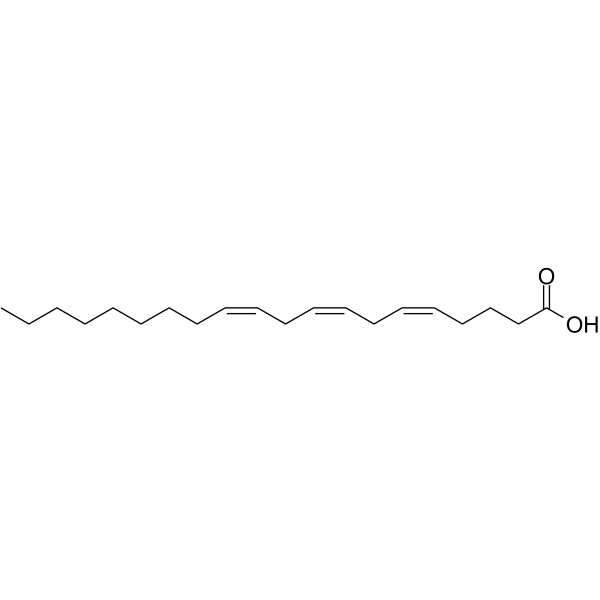
    Mead acid (5,8,11-Eicosatrienoic acid), an unsaturated (Omega-9) fatty acid, is an indicator of essential fatty acid deficiency .
    Mead acid
  • HY-W012550

    Parasite Infection
    D-Carnitine is an orally available isomer of the essential nutrient L-carnitine that promotes long-chain fatty acid transport into the mitochondrial matrix for beta-oxidation. D-Carnitine has antiparasitic activity .
    D-Carnitine
  • HY-N0728S

    Isotope-Labeled Compounds PI3K Akt Cardiovascular Disease Cancer
    α-Linolenic acid-d5 is the deuterium labeled α-Linolenic acid. α-Linolenic acid, isolated from seed oils, is an essential fatty acid that cannot be synthesized by humans. α-Linolenic acid can affect the process of thrombotic through the modulation of PI3K/Akt signaling. α-Linolenic acid possess the anti-arrhythmic properties and is related to cardiovascular disease and cancer .
    α-Linolenic acid-d5
  • HY-125139

    ω-3 Arachidonic acid ethyl ester, in ethanol, 98%; (all-Z)-8,11,14,17-Eicosatetraenoic acid ethyl ester, in ethanol, 98%

    Biochemical Assay Reagents Cardiovascular Disease Others
    omega-3 Arachidonic acid ethyl ester, in ethanol, 98% is a rare polyunsaturated fatty acid found in very small amounts in dietary sources. Omega-3 fatty acids are known to be essential for the growth and development of infants, and they protect against heart disease, blood clots, high blood pressure, and inflammatory and autoimmune diseases. In human platelet membranes, omega-3 arachidonic acid inhibits arachidonyl-CoA synthetase with a Ki of 14 μM. It also inhibits arachidonoyl-CoA synthetase in calf brain extract with an IC50 of approximately 5 μM. Omega-3 ethyl arachidonate is the more lipophilic form of the free acid.
    omega-3 Arachidonic acid ethyl ester, in ethanol, 98%
  • HY-B0399R

    (R)-Carnitine (Standard); Levocarnitine (Standard)

    Reference Standards Endogenous Metabolite Neurological Disease Cancer
    L-Carnitine (Standard) is the analytical standard of L-Carnitine. This product is intended for research and analytical applications. L-Carnitine ((R)-Carnitine), a highly polar, small zwitterion, is an essential co-factor for the mitochondrial β-oxidation pathway. L-Carnitine functions to transport long chain fatty acyl-CoAs into the mitochondria for degradation by β-oxidation. L-Carnitine is an antioxidant. L-Carnitine can ameliorate metabolic imbalances in many inborn errors of metabolism .
    L-Carnitine (Standard)
  • HY-128851R

    Reference Standards Fatty Acid Synthase (FASN) Endogenous Metabolite Metabolic Disease Cancer
    Coenzyme A (Standard) is the analytical standard of Coenzyme A. This product is intended for research and analytical applications. Coenzyme A (CoASH) is a ubiquitous and essential cofactor, which is an acyl group carrier and carbonyl-activating group for the citric acid cycle and fatty acid metabolism. Coenzyme A plays a central role in the oxidation of pyruvate in the citric acid cycle and the metabolism of carboxylic acids, including short- and long-chain fatty acids[1].
    Coenzyme A (Standard)
  • HY-N0728R
    α-Linolenic acid (Standard)
    10+ Cited Publications

    Reference Standards PI3K Akt Cardiovascular Disease Cancer
    α-Linolenic acid (Standard) is the analytical standard of α-Linolenic acid. This product is intended for research and analytical applications. α-Linolenic acid, isolated from Perilla frutescens, is an essential fatty acid that cannot be synthesized by humans. α-Linolenic acid can affect the process of thrombotic through the modulation of PI3K/Akt signaling. α-Linolenic acid possess the anti-arrhythmic properties and is related to cardiovascular disease and cancer .
    α-Linolenic acid (Standard)
  • HY-109590S2

    Immunocytophyt-d11

    Isotope-Labeled Compounds Endogenous Metabolite Inflammation/Immunology
    Arachidonic acid-d11 is the deuterium labeled Arachidonic acid. Arachidonic acid is an essential fatty acid and a major constituent of biomembranes .
    Arachidonic acid-d11
  • HY-B1453S1

    DL-Carnitine-d9 chloride; DL-Levocarnitine-d9 chloride

    Reactive Oxygen Species (ROS) Metabolic Disease
    (±)-Carnitine-d9 (chloride) is the deuterium labeled (±)-Carnitine chloride. (±)-Carnitine chloride exists in two isomers, known as D and L. L-carnitine plays an essential role in the β-oxidation of fatty acids and also shows antioxidant, and anti-inflammatory activities.
    (±)-Carnitine-d9 chloride
  • HY-125140

    Endogenous Metabolite Others
    ω-3 Arachidonic acid is a poly fatty acid that is essential for growth and development in infants. ω-3 Arachidonic acid inhibits arachidenol-CoA synthetase with Ki values of 14 µM. It also inhibited arachidenol-CoA synthetase of calf brain extract with IC50 values of about 5 µM .
    ω-3 Arachidonic acid
  • HY-W105734

    Biochemical Assay Reagents Others
    15-Hydroxypentadecanoic acid is a long-chain fatty acid found in various plant and animal sources and also produced by bacteria and fungi. It has potential health benefits and is used as an intermediate in the synthesis of other organic compounds, including pharmaceuticals, agrochemicals and surfactants. Its unique chemical properties make it an essential ingredient in several industrial processes, especially in the fields of food science and nutrition.
    15-Hydroxypentadecanoic acid
  • HY-169794

    DNA/RNA Synthesis Others
    N-Palmitoyl-phenylalanine is an N-acyl amide that contains the long-chain saturated fatty acid Palmitic acid (HY-N0830) conjugated via an amide bond to the essential amino acid L-Phenylalanine (HY-N0215). N-Palmitoyl-phenylalanine inhibits pre-mRNA splicing in HeLa cell nuclear lysates (IC50 > 400 μM) but has no splicing activity in intact HeLa cells .
    N-Palmitoyl-phenylalanine
  • HY-W004283R

    Reference Standards Endogenous Metabolite JAK STAT PPAR p38 MAPK JNK ERK Caspase Apoptosis Metabolic Disease Cancer
    α-Linolenic acid (Standard) is the analytical standard of α-Linolenic acid. This product is intended for research and analytical applications. α-Linolenic acid, isolated from Perilla frutescens, is an essential fatty acid that cannot be synthesized by humans. α-Linolenic acid can affect the process of thrombotic through the modulation of PI3K/Akt signaling. α-Linolenic acid possess the anti-arrhythmic properties and is related to cardiovascular disease and cancer .
    Pentadecanoic acid (Standard)
  • HY-N0728A
    α-Linolenic acid sodium
    10+ Cited Publications

    ALA; C18:3 (9Z,12Z,15Z); C18:3 n-3

    Environmental Pollutants Akt PI3K Cardiovascular Disease Cancer
    α-Linolenic acid sodium (ALA; C18:3 (9Z,12Z,15Z); C18:3 n-3) is an essential fatty acid that cannot be synthesized by humans. α-Linolenic acid sodium can affect the process of thrombotic through the modulation of PI3K/Akt signaling. α-Linolenic acid sodium possess the anti-arrhythmic properties and is related to cardiovascular disease and cancer .
    α-Linolenic acid sodium
  • HY-109590S1

    Immunocytophyt-d5

    Endogenous Metabolite Inflammation/Immunology
    Arachidonic acid-d5 is the deuterium labeled Arachidonic acid. Arachidonic acid is an essential fatty acid and a major constituent of biomembranes.
    Arachidonic acid-d5
  • HY-W071746R

    Linoelaidic acid (Standard)

    Reference Standards Endogenous Metabolite Parasite Apoptosis Infection Inflammation/Immunology
    Linolelaidic acid (Standard) is the analytical standard of Linolelaidic acid. This product is intended for research and analytical applications. Linolelaidic acid (Linoelaidic acid) is an omega-6 trans fatty acid (TFA) that is an essential nutrient with oral activity. Linolelaidic acid can be added to enteral nutrition (oral), parenteral nutrition (intravenous), and infant formula. Linolelaidic acid has anti-inflammatory and anti-parasitic ((Parasite)) activities, and can induce Apoptosis. Linolelaidic acid is useful for research in infections[1][2][3].
    Linolelaidic acid (Standard)
  • HY-120978

    ω-3 Arachidonic acid methyl ester; (all-Z)-8,11,14,17-Eicosatetraenoic acid methyl ester

    Biochemical Assay Reagents Others
    omega-3 Arachidonic Acid methyl ester, mainly docosahexaenoic acid, eicosapentaenoic acid and α-Linoleic acid, represented by linoleic acid, is an essential dietary nutrient required for normal growth and development.Omega-3Methyl arachidonic acid is a rare fatty acid Omega-3Neutral fat-soluble form of arachidonic acid. Omega-3Fatty acids, as a group, were associated with reduced inflammation and autoimmune activity, as well as reduced thrombosis and platelet activation.
    Omega-3 arachidonic acid methyl ester
  • HY-B0399S2

    (R)-Carnitine-13C3; Levocarnitine-13C3

    Isotope-Labeled Compounds Endogenous Metabolite Neurological Disease Cancer
    L-Carnitine- 13C3 ((R)-Carnitine- 13C3) is the 13C--labeled L-Carnitine (HY-B0399). L-Carnitine ((R)-Carnitine), a highly polar, small zwitterion, is an essential co-factor for the mitochondrial β-oxidation pathway. L-Carnitine functions to transport long chain fatty acyl-CoAs into the mitochondria for degradation by β-oxidation. L-Carnitine is an antioxidant. L-Carnitine can ameliorate metabolic imbalances in many inborn errors of metabolism .
    L-Carnitine-13C3
  • HY-108398AS

    5,8,11-Eicosatrienoic acid-d6

    Isotope-Labeled Compounds Metabolic Disease Cancer
    Mead acid-d6 is the deuterium labeled Mead acid. Mead acid (5,8,11-Eicosatrienoic acid), an unsaturated (Omega-9) fatty acid, is an indicator of essential fatty acid deficiency .
    Mead acid-d6
  • HY-167879A

    Fungal Fatty Acid Synthase (FASN) Infection Inflammation/Immunology
    NPD6433 is a triazenyl indole with broad-spectrum activity against all screening fungal strains. NPD6433 targets the enoyl reductase domain of fatty acid synthase 1 (Fas1), covalently inhibiting its flavin mononucleotide-dependent NADPH-oxidation activity and arresting essential fatty acid biosynthesis .
    NPD6433
  • HY-167879

    Fungal Fatty Acid Synthase (FASN) Infection Inflammation/Immunology
    (Rac)-NPD6433 is a racemate of NPD6433. NPD6433 is a triazenyl indole with broad-spectrum activity against all screening fungal strains. NPD6433 targets the enoyl reductase domain of fatty acid synthase 1 (Fas1), covalently inhibiting its flavin mononucleotide-dependent NADPH-oxidation activity and arresting essential fatty acid biosynthesis .
    (Rac)-NPD6433
  • HY-N0455D
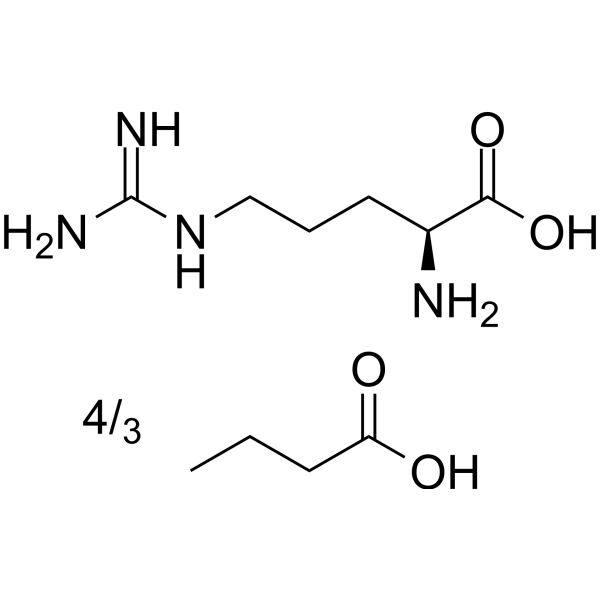
    L-Arginine butanoate
    20+ Cited Publications

    (S)-(+)-Arginine butanoate

    Amino Acid Derivatives Others
    L-Arginine butanoate ((S)-(+)-Arginine butanoate) is a compound consisting of L-Arginine and butanoate. L-Arginine is one of the essential nutrients in the human body and participates in various biochemical processes. Butanoate is a short-chain fatty acid commonly used as a food additive and solvent in pharmaceutical formulations .
    L-Arginine butanoate
  • HY-160679

    Bacterial Infection
    BaENR-IN-1 (Compound 5) is an inhibitor of Enoyl-Acyl Carrier Protein Reductase (ENR) (IC50= 7.7 μM). BaENR-IN-1 blocks the synthesis of fatty acids essential for bacterial growth by inhibiting the bacterial enzyme ENR. BaENR-IN-1 shows activity against bacteria .
    BaENR-IN-1
  • HY-W012550R

    Reference Standards Parasite Infection
    D-Carnitine (Standard) is the analytical standard of D-Carnitine. This product is intended for research and analytical applications. D-Carnitine is an orally available isomer of the essential nutrient L-carnitine that promotes long-chain fatty acid transport into the mitochondrial matrix for beta-oxidation. D-Carnitine has antiparasitic activity .
    D-Carnitine (Standard)
  • HY-N0728S2

    Isotope-Labeled Compounds PI3K Akt Cardiovascular Disease Cancer
    α-Linolenic acid-d14 is the deuterium labeled α-Linolenic acid. α-Linolenic acid, isolated from seed oils, is an essential fatty acid that cannot be synthesized by humans. α-Linolenic acid can affect the process of thrombotic through the modulation of PI3K/Akt signaling. α-Linolenic acid possess the anti-arrhythmic properties and is related to cardiovascular disease and cancer .
    α-Linolenic acid-d14
  • HY-B2246R

    (R)-Carnitine hydrochloride (Standard); Levocarnitine hydrochloride (Standard)

    Reference Standards Endogenous Metabolite Metabolic Disease Cancer
    L-Carnitine (hydrochloride) (Standard) is the analytical standard of L-Carnitine (hydrochloride). This product is intended for research and analytical applications. L-Carnitine hydrochloride ((R)-Carnitine hydrochloride), a highly polar, small zwitterion, is an essential co-factor for the mitochondrial β-oxidation pathway. L-Carnitine hydrochloride functions to transport long chain fatty acyl-CoAs into the mitochondria for degradation by β-oxidation. L-Carnitine hydrochloride is an antioxidant. L-Carnitine hydrochloride can ameliorate metabolic imbalances in many inborn errors of metabolism .
    L-Carnitine hydrochloride (Standard)
  • HY-145504

    1,2-Palmitin-3-Linoelaidin

    Biochemical Assay Reagents Metabolic Disease
    12-Dipalmitoyl-3-Linoelaidoyl-rac-glycerol is a triacylglycerol containing palmitic acid (HY-N0830) at the sn-1 and sn-2 positions and linoelaidic acid (HY-W071746) at the sn-3 position. Palmitic acid is a long-chain saturated fatty acid commonly found in both animals and plants. Palmitic acid can induce the expression of glucose-regulated protein 78 (GRP78) and CCAAT/enhancer binding protein homologous protein (CHOP) in in mouse granulosa cells. Linolelaidic acid, an omega-6 trans fatty acid, acts as a source of energy. Linolelaidic acid is an essential nutrient, adding in enteral, parenteral, and infant formulas. Linolelaidic acid can be used for heart diseases research .
    12-Dipalmitoyl-3-Linoelaidoyl-rac-glycerol
  • HY-114622

    API-1252 tosylate; Debio 1452 tosylate

    Bacterial Antibiotic Infection
    AFN-1252 (API-1252) tosylate is an orally active and selective inhibitor of FabI, an essential enzyme in fatty acid biosynthesis in Staphylococcus spp. AFN-1252 tosylate exhibits exquisite and highly selective activity against Staphylococcus spp. AFN-1252 tosylate exhibits typical MIC90 values of 0.015 μg/ml against diverse clinical isolates of S. aureus. AFN-1252 tosylate is efficacious in a mouse model of septicemia providing 100% protection from an otherwise lethal peritoneal infection of S. aureus Smith .
    AFN-1252 tosylate
  • HY-B0399G

    (R)-Carnitine; Levocarnitine

    Endogenous Metabolite Neurological Disease Cancer
    L-Carnitine (GMP) is L-Carnitine (HY-B0399) produced by using GMP guidelines. GMP small molecules work appropriately as an auxiliary reagent for cell therapy manufacture. L-Carnitine, a highly polar, small zwitterion, is an essential co-factor for the mitochondrial β-oxidation pathway. L-Carnitine functions to transport long chain fatty acyl-CoAs into the mitochondria for degradation by β-oxidation. L-Carnitine is an antioxidant. L-Carnitine can ameliorate metabolic imbalances in many inborn errors of metabolism .
    L-Carnitine
  • HY-W105518R

    Reference Standards Endogenous Metabolite Neurological Disease
    L-Carnitine (tartrate) (Standard) is the analytical standard of L-Carnitine (tartrate). This product is intended for research and analytical applications. L-Carnitine tartrate is a highly polar, small zwitterion. L-Carnitine tartrate is an essential co-factor for the mitochondrial β-oxidation pathway. L-Carnitine tartrate functions to transport long chain fatty acyl-CoAs into the mitochondria for degradation by β-oxidation. L-Carnitine tartrate is an antioxidant. L-Carnitine tartrate can ameliorate metabolic imbalances in many inborn errors of metabolism [3] .
    L-Carnitine tartrate (Standard)
  • HY-175088

    C48:2 EOP (t18:0/30:0w18:2 (9Z,12Z)); N-(30-Linoleoyloxy-triacontanoyl)-phytosphingosine

    Drug Derivative Others
    EOP (t18:0/30:0/18:2) (C48:2 EOP (t18:0/30:0w18:2 (9Z,12Z)); N-(30-Linoleoyloxy-triacontanoyl)-phytosphingosine) is a plant ceramide-based EOS analog. EOP (t18:0/30:0/18:2) is formed by esterifying an ω-hydroxy very long chain ceramide (C28-36) with the essential fatty acid linoleic acid. EOP (t18:0/30:0/18:2) has been used as a component of a model stratum corneum lipid mixture .
    EOP (t18:0/30:0/18:2)

Inquiry Online

Your information is safe with us. * Required Fields.

Salutation


Country or Region *

Applicant Name *


Organization Name *

Department *


Email Address *


Product Name *

Cat. No.


Requested quantity *

Phone Number *


Remarks

Inquiry Online

Inquiry Information

Product Name:
Cat. No.:
Quantity:
MCE Japan Authorized Agent:

