84 Results for "

glutathione peroxidase

" in MedChemExpress (MCE) Product Catalog:
Products (84)

84 Results for "glutathione peroxidase" in MCE Product Catalog:

Cat. No.: HY-P2833
CAS No.: 9013-66-5
Synonyms: GSH-Px; EC 1.11.1.9
Research Areas:  

Metabolic Disease

Glutathione Peroxidase (GSH-Px; EC 1.11.1.9) belongs to the peroxidase family and is commonly used in biochemical research. Glutathione Peroxidase can catalyze reduced glutathione (GSH) to form a disulfide bridge with another glutathione molecule, convert it into oxidized glutathione (GSSG), and react with hydrogen peroxide or lipid peroxide reaction, reducing it to H2O. Glutathione Peroxidase is an effective antioxidant against oxidative stress .
loading...
    loading...
575
575 Publications Verification
Cat. No.: HY-100218A
CAS No.: 1219810-16-8
Purity:  99.90%
Synonyms: (1S,3R)-RSL3
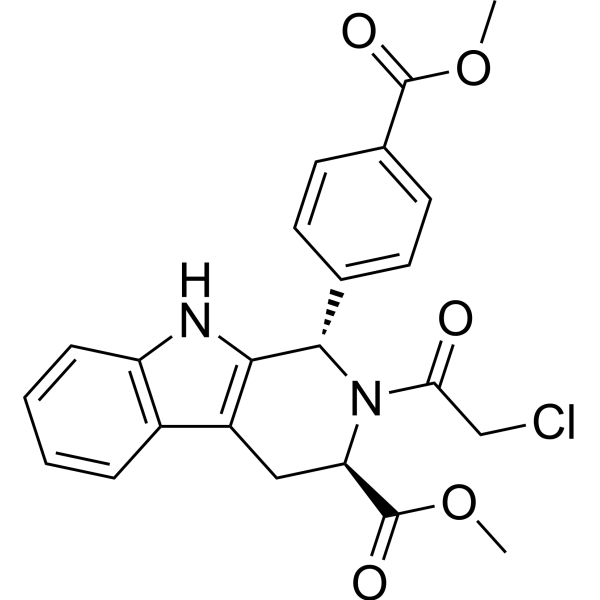
RSL3 ((1S,3R)-RSL3) is an inhibitor of glutathione peroxidase 4 (GPX4) (ferroptosis activator), reduces the expression of GPX4 protein, and induces ferroptotic death of head and neck cancer cell. RSL3 increases the expression of p62 and Nrf2 and inactivates Keap1 in HN3-rslR cells .
loading...
    loading...
33
33 Cited Publications
Cat. No.: HY-100003
CAS No.: 1360705-96-9
Purity:  99.66%
Research Areas:  

Cancer

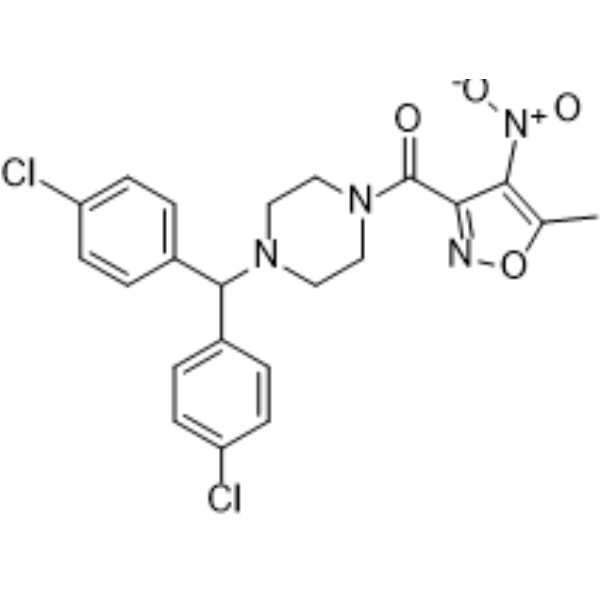
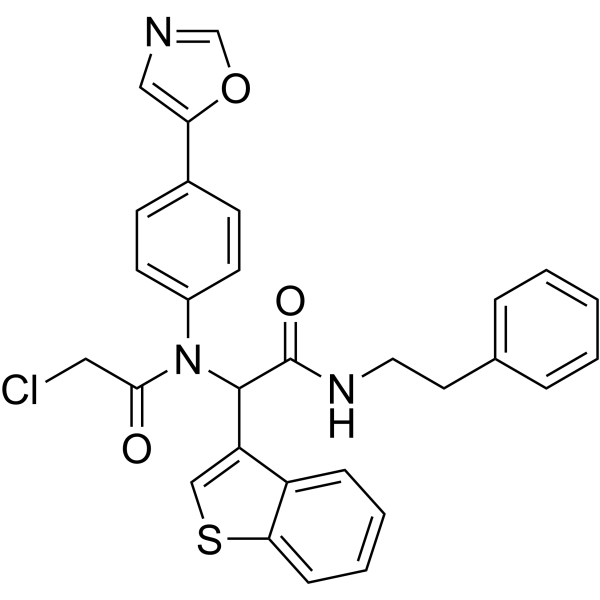
ML-210 is a selective and covalent glutathione peroxidase 4 (GPX4) inhibitor with an EC50 of 30 nM. ML-210 binds the GPX4 selenocysteine residue. ML-210 has anti-cancer activity .
loading...
    loading...
28
28 Cited Publications
Cat. No.: HY-13750
CAS No.: 60940-34-3
Purity:  99.58%
Synonyms: SPI-1005; PZ-51; CCG-39161
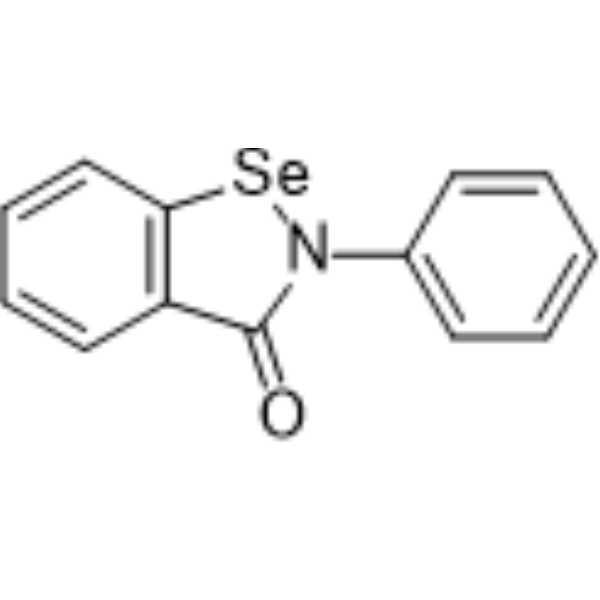
Ebselen (SPI-1005), a glutathione peroxidase mimetic, is a potent voltage-dependent calcium channel (VDCC) blocker . Ebselen potently inhibits M pro (IC50=0.67 μM) and COVID-19 virus (EC50=4.67 μM) .Ebselen is an inhibitor of HIV-1 capsid CTD dimerization. Ebselen, an organoselenium compound, can permeate the blood-brain barrier and has anti-inflammatory, antioxidant and anticancer activity .
loading...
    loading...
24
24 Cited Publications
Cat. No.: HY-P80450
Synonyms: Phospholipid hydroperoxide glutathione peroxidase GPX4, PHGPx, glutathione peroxidase 4, GPx-4, GSHPx-4, Gpx4

Host:  

Rabbit

Application:  

WB, IHC-P, ICC/IF, FC

Reactivity:  

Human, Mouse, Rat

loading...
    loading...
18
18 Cited Publications
Cat. No.: HY-100002
CAS No.: 1035072-16-2
Purity:  99.46%
Research Areas:  

Cancer

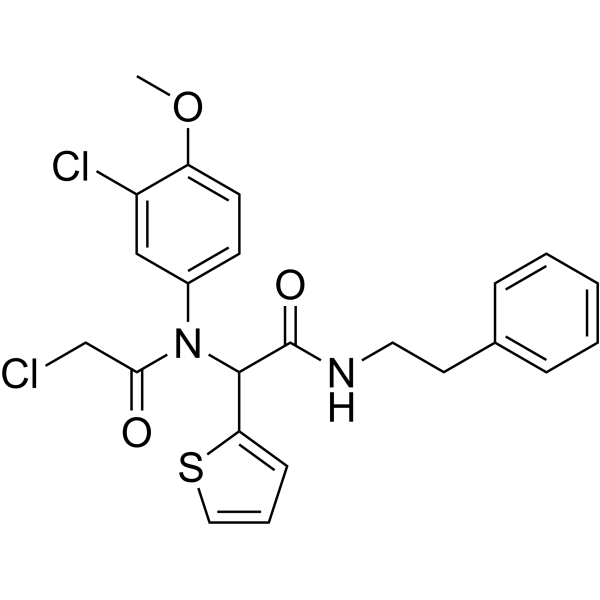
ML162 is a covalent glutathione peroxidase 4 (GPX4) inhibitor. ML162 has a selective lethal effect on mutant RAS oncogene-expressing cell lines
loading...
    loading...
8
8 Cited Publications
Cat. No.: HY-115627
CAS No.: 2143896-83-5
Purity:  99.94%
Synonyms: GPX4-Activator-1d4
Research Areas:  

Inflammation/Immunology

PKUMDL-LC-101-D04 (GPX4-Activator-1d4) is a glutathione peroxidase 4 (GPX4) allosteric activator (pEC50=4.7). PKUMDL-LC-101-D04 can inhibit ferroptosis and inflammation .
loading...
    loading...
7
7 Cited Publications
Cat. No.: HY-138153
CAS No.: 2421119-60-8
Purity:  99.54%
Research Areas:  

Cancer

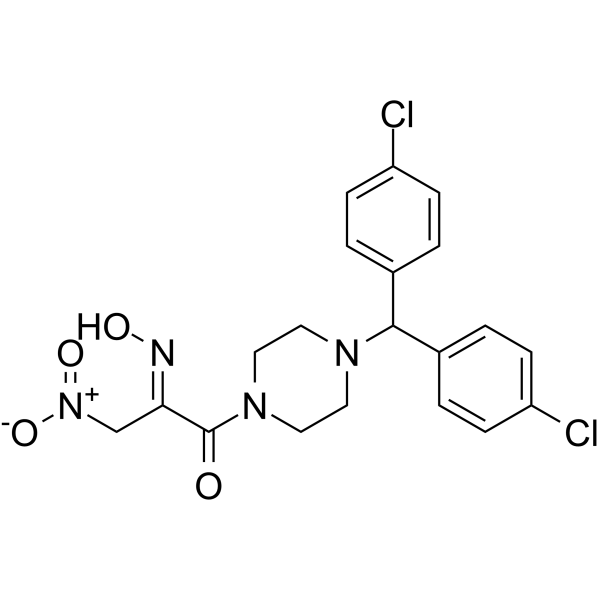
JKE-1674 is an orally active glutathione peroxidase 4 (GPX4) inhibitor and an active metabolite of GPX4 inhibitor ML-210. JKE-1674, an analog of ML-210 in which the nitroisoxazole ring is replaced with an α-nitroketoxime. JKE-1674 can convert into a nitrile oxide JKE-1777. JKE-1674 kills LOX-IMVI cells in a manner that is equipotent to ML-210 and is completely rescued by ferroptosis inhibitors .
loading...
    loading...
5
5 Cited Publications
Cat. No.: HY-B0388
CAS No.: 23288-49-5
Synonyms: DH-581
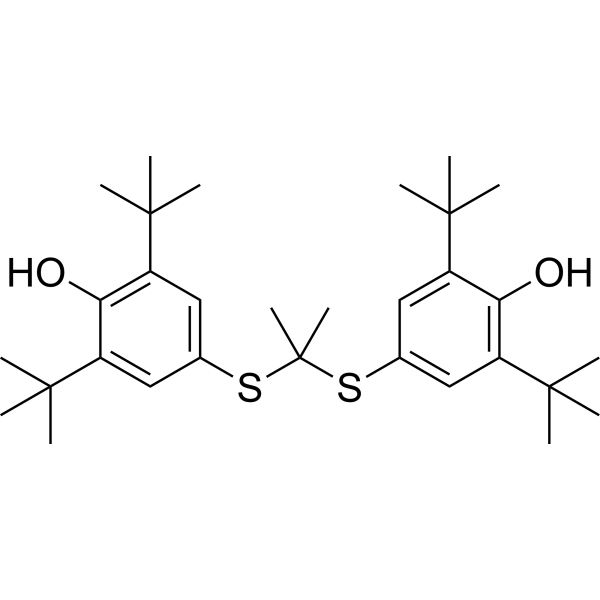
Probucol (DH-581) is an anti-hyperlipidemic agent. Probucol activates glutathione peroxidase. Probucol promotes low density lipoprotein (LDL) catabolism, inhibits ABCA1-dependent cholesterol efflux, and decreases HDL-C levels. Probucol also has anti-inflammatory, antioxidant and neuroprotective properties. Probucol can be used for researches on bone, cardiovascular, cancer, neurological, and metabolism-related diseases .
loading...
    loading...
5
5 Cited Publications
Cat. No.: HY-112540B
CAS No.: 623-58-5
Purity:  ≥98.0%
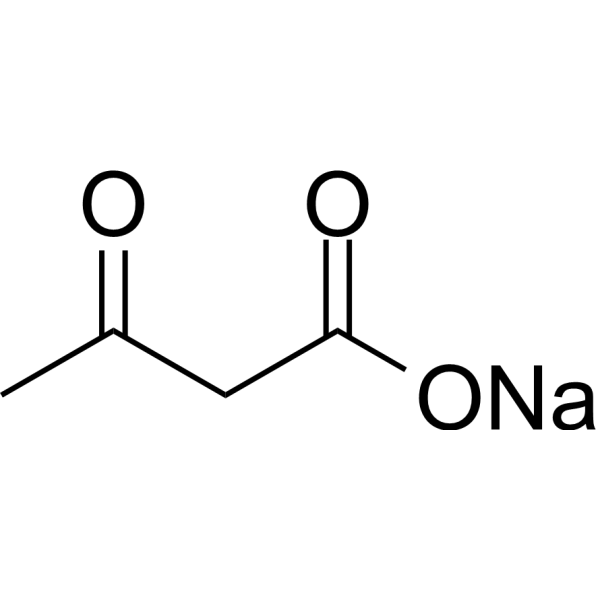
Acetoacetic acid sodium is an oxidative stress inducer that affects the antioxidant enzyme system and lipoprotein metabolism. Acetoacetic acid sodium induces oxidative stress by decreasing the mRNA expression and activity of superoxide dismutase (SOD), catalase (CAT), and glutathione peroxidase (GSH-Px), increasing MDA content, and inhibiting very low density lipoprotein (VLDL) assembly by downregulating apolipoprotein ApoB100, ApoE, and low density lipoprotein receptor (LDLR), leading to triglyceride (TG) accumulation in hepatocytes. Acetoacetic acid sodium can be used to study metabolic diseases .
loading...
    loading...
5
5 Cited Publications
Cat. No.: HY-B1000A
CAS No.: 3211-76-5
Synonyms: L-SeMet
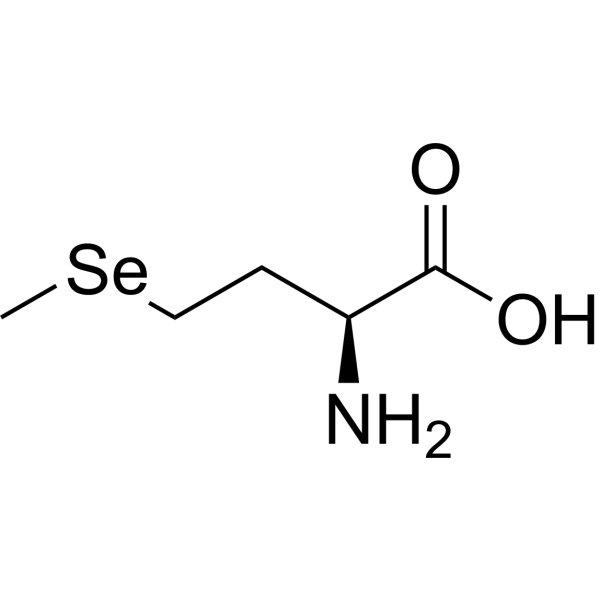
L-SelenoMethionine, an L-isomer of Selenomethionine, is a major natural food-form of selenium. L-SelenoMethionin is a cancer chemopreventive agent that can reduce cancer incidence by dietary supplementation and induce apoptosis of cancer cells. L-SelenoMethionine also can increase expression of glutathione peroxidase .
loading...
    loading...
5
5 Cited Publications
Cat. No.: HY-112540
CAS No.: 541-50-4
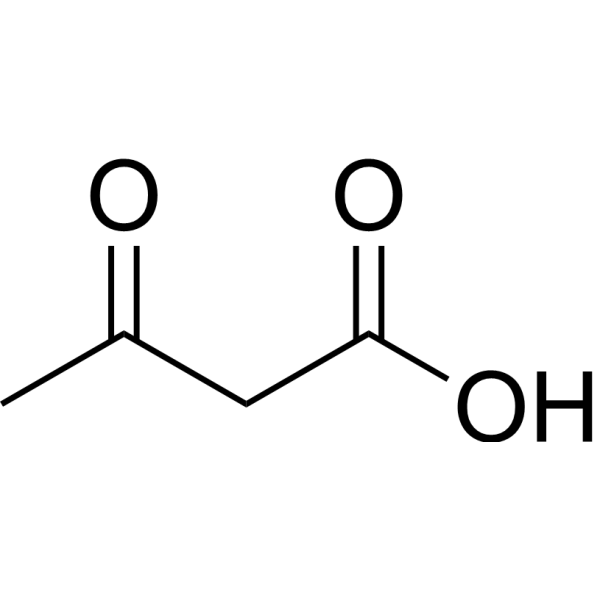
Acetoacetic acid is an oxidative stress inducer that affects the antioxidant enzyme system and lipoprotein metabolism. Acetoacetic acid induces oxidative stress by decreasing the mRNA expression and activity of superoxide dismutase (SOD), catalase (CAT), and glutathione peroxidase (GSH-Px), increasing MDA content, and inhibiting very low density lipoprotein (VLDL) assembly by downregulating apolipoprotein ApoB100, ApoE, and low density lipoprotein receptor (LDLR), leading to triglyceride (TG) accumulation in hepatocytes. Acetoacetic acid can be used to study metabolic diseases .
loading...
    loading...
5
5 Cited Publications
Cat. No.: HY-112540A
CAS No.: 3483-11-2
Purity:  ≥98.0%
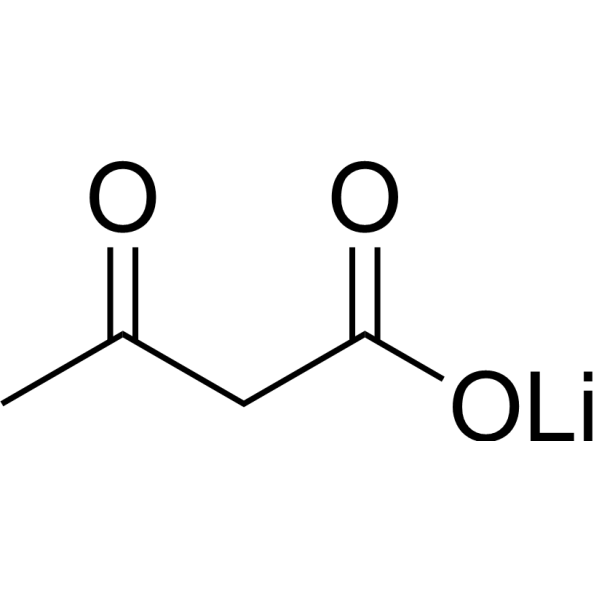
Acetoacetic acid lithium is an oxidative stress inducer that affects the antioxidant enzyme system and lipoprotein metabolism. Acetoacetic acid lithium induces oxidative stress by decreasing the mRNA expression and activity of superoxide dismutase (SOD), catalase (CAT), and glutathione peroxidase (GSH-Px), increasing MDA content, and inhibiting very low density lipoprotein (VLDL) assembly by downregulating apolipoprotein ApoB100, ApoE, and low density lipoprotein receptor (LDLR), leading to triglyceride (TG) accumulation in hepatocytes. Acetoacetic acid lithium can be used to study metabolic diseases .
loading...
    loading...
5
5 Cited Publications
Cat. No.: HY-P80692
Synonyms: Phospholipid hydroperoxide glutathione peroxidase; mitochondrial; PHGPx; EC 1.11.1.12; glutathione peroxidase 4; GPx-4; GSHPx-4

Host:  

Rabbit

Application:  

WB, IHC-F, IHC-P, ICC/IF

Reactivity:  

Human, Mouse, Rat

loading...
    loading...
4
4 Cited Publications
Cat. No.: HY-141809
CAS No.: 2761004-85-5
Purity:  99.83%
Research Areas:  

Cancer

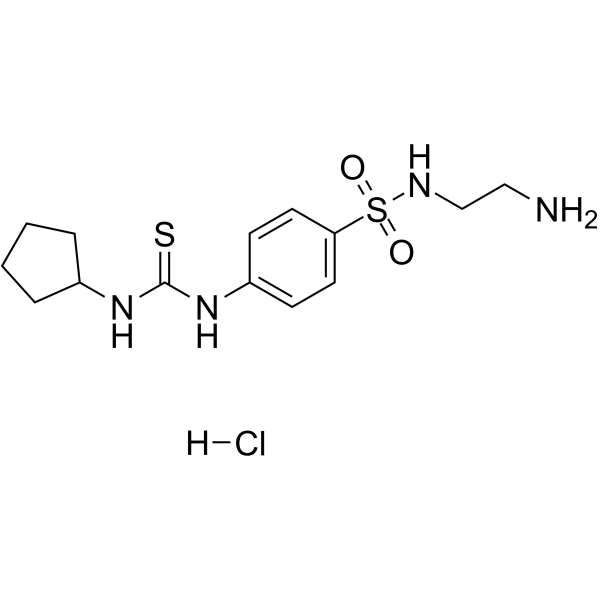
GPX4-IN-3 (26a) is a potent glutathione peroxidase 4 (GPX4) inhibitor as a selective ferroptosis inducer. GPX4-IN-3 (26a) exhibits 71.7% inhibition for GPX4 with 1 μM .
loading...
    loading...
3
3 Cited Publications
Cat. No.: HY-100218C
CAS No.: 1219810-15-7
Purity:  99.52%
Target:  

Drug Isomer Ferroptosis

Research Areas:  

Cancer

(1R,3R)-RSL3 is an isomer of RSL3 (HY-100218A). RSL3 ((1S,3R)-RSL3) is an inhibitor of glutathione peroxidase 4 (GPX4) (ferroptosis activator), reduces the expression of GPX4 protein, and induces ferroptotic death of head and neck cancer cell. RSL3 increases the expression of p62 and Nrf2 and inactivates Keap1 in HN3-rslR cells .
loading...
    loading...
2
2 Cited Publications
Cat. No.: HY-N0541
CAS No.: 69884-00-0
Synonyms: Ginsenoside A1
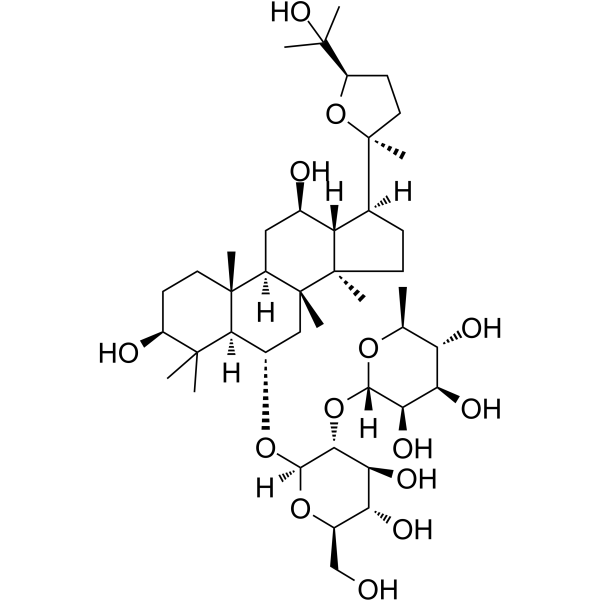
Pseudoginsenoside F11 is an orally active neuroprotective agent. Pseudoginsenoside F11 reduces the expression of β-amyloid precursor protein, inhibits the production of Aβ1-40, downregulates the expression of JNK2, p53 and activated Caspase 3, and restores the activities of SOD and Glutathione peroxidase. Pseudoginsenoside F11 inhibits the excessive activation of μ-Calpain and restores the level of neuronal Nitric oxide synthase. Pseudoginsenoside F11 reduces infarct volume, alleviates cerebral edema, decreases neuronal loss, improves neurological deficits and enhances long-term functional outcomes in transient cerebral ischemia models. Pseudoginsenoside F11 antagonizes Methamphetamine-induced behavioral deficits, dopamine level reduction and neurotoxicity without altering the baseline behaviors of normal mice. Pseudoginsenoside F11 can be used in studies related to Alzheimer's disease, transient cerebral ischemic injury and Methamphetamine-induced neurotoxicity .
loading...
    loading...
1
1 Cited Publications
Cat. No.: HY-P75153A
Purity:  ≥ 95%, as determined by reducing SDS-PAGE.
Synonyms: GSTA1; GTH1; glutathione S-Transferase Alpha 1; glutathione S-Transferase Ha Subunit 1; glutathione S-Transferase A1; S-(Hydroxyalkyl)glutathione Lyase A1; 13-Hydroperoxyoctadecadienoate peroxidase; glutathione S-Alkyltransferase A1; Androst-5-Ene-3,17-Di
Species:  
Human
Source:  
HEK293
loading...
    loading...
Cat. No.: HY-W015600
CAS No.: 614-80-2
Synonyms: Orthocetamol
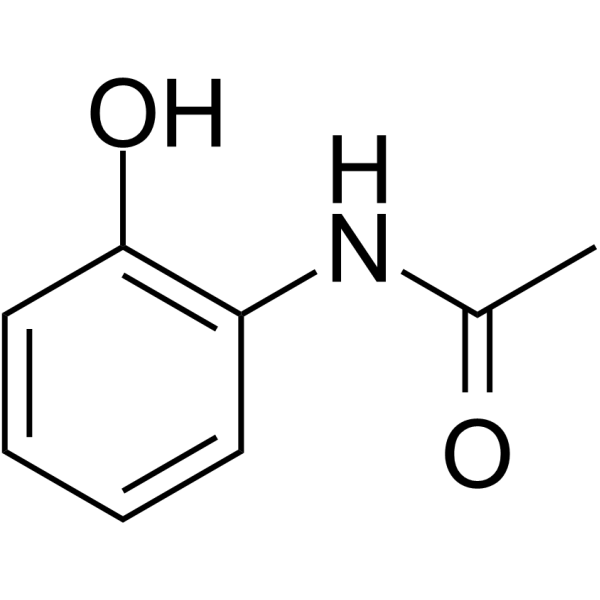
2-Acetamidophenol (Orthocetamol) is a regulator that targets ferroptosis and glutathione metabolic pathways, is the ortho-regioisomer of Paracetamol (HY-66005). 2-Acetamidophenol has anti-atherosclerotic activity, and inhibiting total cholesterol (TC) and triglyceride (TG) in a zebrafish hyperlipidemia model with IC50s for 30 μM and 40 μM, respectively. 2-Acetamidophenol upregulates the expression of glutathione synthesis-related genes (such as GCLC, GCLM, GSS) and iron ion transport genes (such as FPN1, FTH), reduces the accumulation of intracellular reactive oxygen species (ROS) and ferrous ions (Fe 2+), and enhances the activity of glutathione peroxidase GPX4, thereby inhibiting macrophage phagocytosis of oxidized low-density lipoprotein (ox-LDL) and foam cell formation .
loading...
    loading...
Cat. No.: HY-N0859
CAS No.: 69363-14-0
Synonyms: Schizanhenol; Gomisin-K3
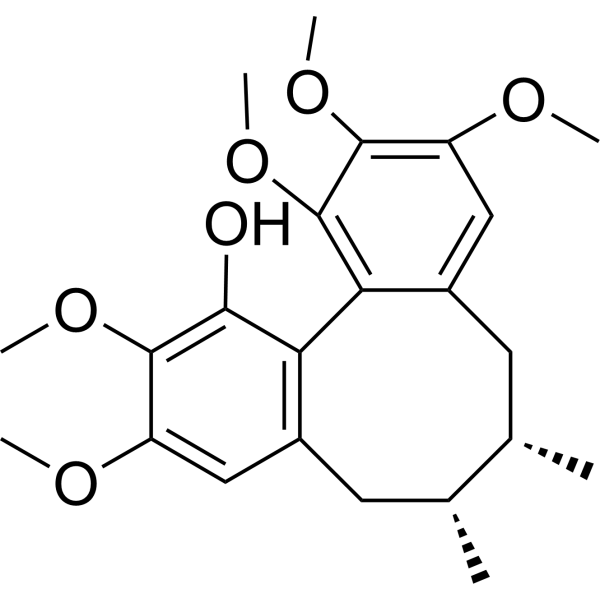
Schisanhenol (Schizanhenol), a lignan, is an orally active antioxidant. Schisanhenol reduces AChE activity, increases SIRT1 and PGC-1α expression, and decreases phosphorylated Tau (Ser 396) levels. Schisanhenol increases SOD and glutathione peroxidase activity, decreases malondialdehyde (MDA) content, and inhibits UGT2B7 activitY. Schisanhenol attenuates ox-LDL-induced apoptosis, intracellular reactive oxygen species generation, and cytotoxicity in endothelial cells. Schisanhenol inhibits LDL oxidation, brain mitochondrial and membrane peroxidative damage, and brain mitochondrial swelling and disintegration. Schisanhenol can be used for the research of Alzheimer’s disease, atherosclerosis, brain ischemia, and age-related brain deterioration .
loading...
    loading...

