
507 Results for "

normal cells

" in MedChemExpress (MCE) Product Catalog:
Products (507)

507 Results for "normal cells" in MCE Product Catalog:

238
238 Publications Verification
Cat. No.: HY-15534
CAS No.: 3520-43-2
Purity:  98.71%
Synonyms: CBIC2
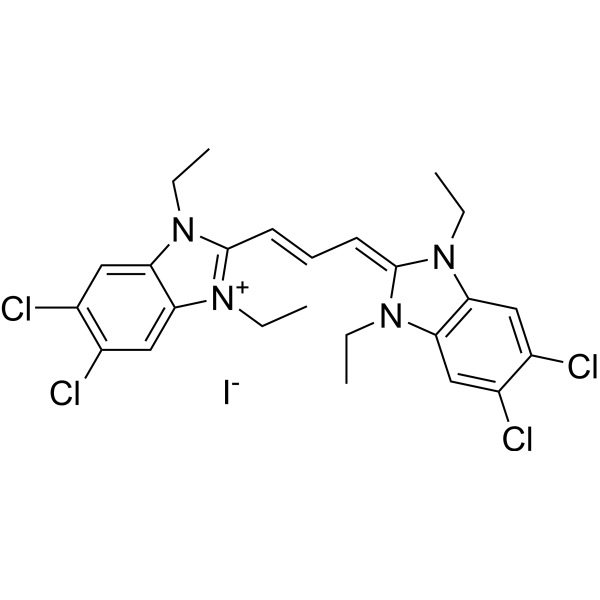
JC-1 (CBIC2) is an ideal fluorescent probe widely used to detect mitochondrial membrane potential. JC-1 accumulates in mitochondria in a potential dependent manner and can be used to detect the membrane potential of cells or purified mitochondria. In normal mitochondria, JC-1 aggregates in the mitochondrial matrix to form a polymer, which emits strong red fluorescence (Ex=585 nm, Em=590 nm); When the mitochondrial membrane potential is low, JC-1 cannot aggregate in the matrix of mitochondria and produce green fluorescence (ex=510 nm, em= 527 nm) .
loading...
    loading...
70
70 Cited Publications
Cat. No.: HY-10211
CAS No.: 75747-14-7
Purity:  99.01%
Synonyms: 17-AAG; NSC 330507; CP 127374
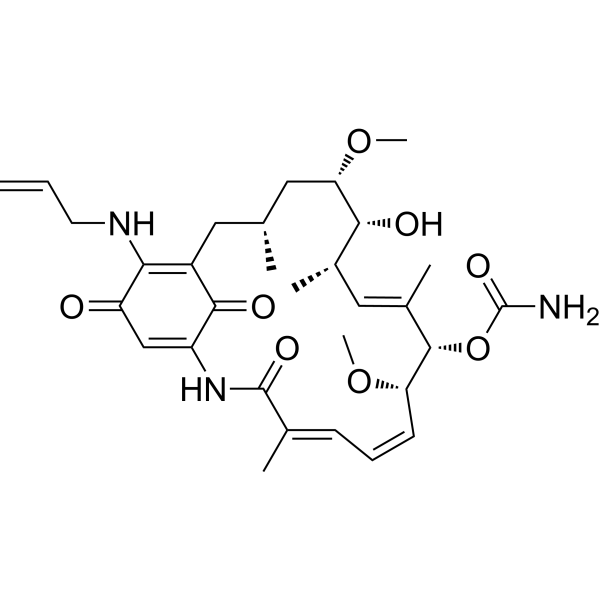
Tanespimycin (17-AAG) is a potent HSP90 inhibitor with an IC50 of 5 nM, having a 100-fold higher binding affinity for tumour cell derived HSP90 than normal cell derived HSP90 . Tanespimycin depletes cellular STK38/NDR1 and reduces STK38 kinase activity. Tanespimycin also downregulates the stk38 gene expression .
loading...
    loading...
16
16 Cited Publications
Cat. No.: HY-B0639
CAS No.: 20537-88-6
Synonyms: WR2721
Research Areas:  

Cancer

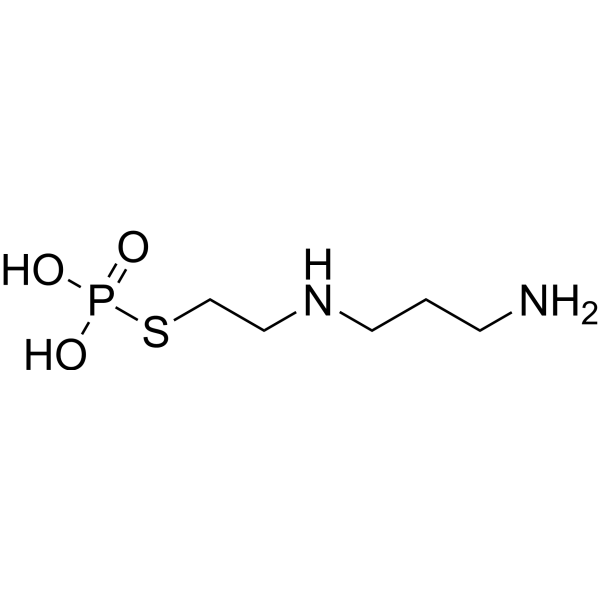
Amifostine (WR2721) is a broad-spectrum cytoprotective agent and a radioprotector. Amifostine selectively protects normal tissues from damage caused by radiation and chemotherapy. Amifostine is potent hypoxia-inducible factor-α1 (HIF-α1) and p53 inducer. Amifostine protects cells from damage by scavenging oxygen-derived free radicals. Amifostine reduces renal toxicity and has antiangiogenic action .
loading...
    loading...
16
16 Cited Publications
Cat. No.: HY-B0639A
CAS No.: 112901-68-5
Synonyms: WR2721 trihydrate
Research Areas:  

Cancer

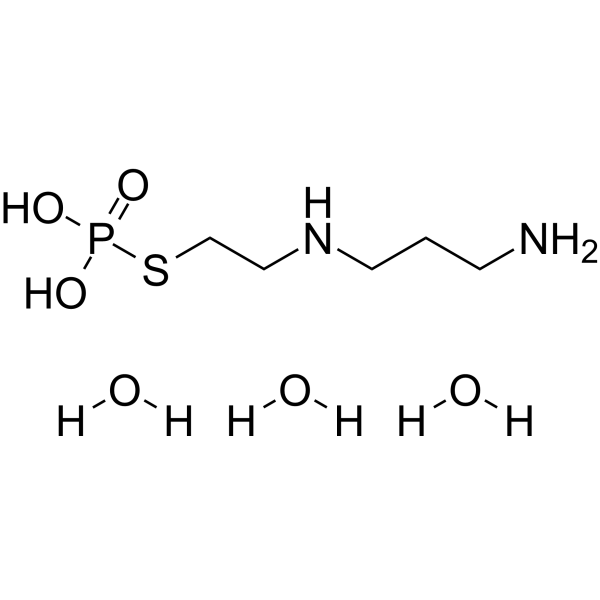
Amifostine trihydrate (WR2721 trihydrate) is a broad-spectrum cytoprotective agent and a radioprotector. Amifostine trihydrate selectively protects normal tissues from damage caused by radiation and chemotherapy. Amifostine trihydrate is potent hypoxia-inducible factor-α1 (HIF-α1) and p53 inducer. Amifostine trihydrate protects cells from damage by scavenging oxygen-derived free radicals. Amifostine trihydrate reduces renal toxicity and has antiangiogenic action .
loading...
    loading...
16
16 Cited Publications
Cat. No.: HY-16657
CAS No.: 163847-77-6
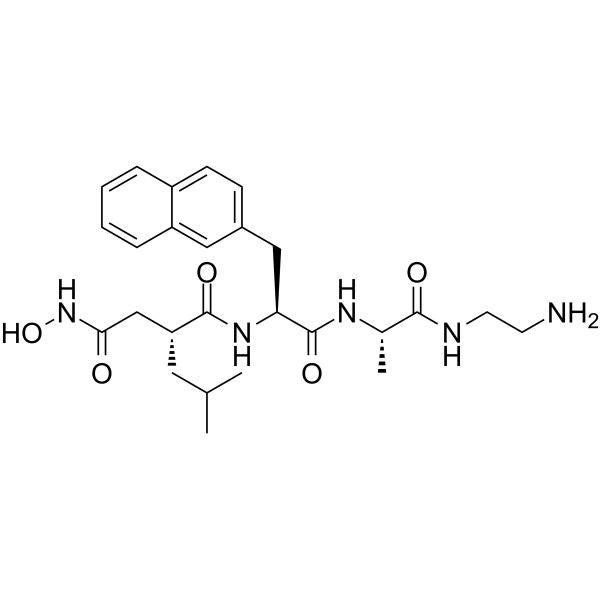
TAPI-1 is a broad-spectrum MMP inhibitor and NF-κB p65 inhibitor that targets ADAM17/TACE, ADAM10 and other proteins. TAPI-1 reduces the proteolytic cleavage of membrane-bound TNF-α, decreases TNF-α levels, inhibits NF-κB pathway activation, and downregulates profibrotic markers. TAPI-1 reduces the proportion of proinflammatory immune cells, alleviates cardiac and airway fibrosis, and improves cardiac function after myocardial infarction. Meanwhile, TAPI-1 inhibits the viability, migration and invasion of esophageal squamous cell carcinoma cells, enhances the chemosensitivity of Cisplatin (HY-17394), induces apoptosis, and shows low toxicity to normal esophageal epithelial cells. TAPI-1 can be widely used in studies related to myocardial infarction-induced heart failure, severe traumatic tracheal stenosis, esophageal squamous cell carcinoma and other conditions .
loading...
    loading...
13
13 Cited Publications
Cat. No.: HY-15650
CAS No.: 1561178-17-3
Purity:  99.68%
Research Areas:  

Cancer

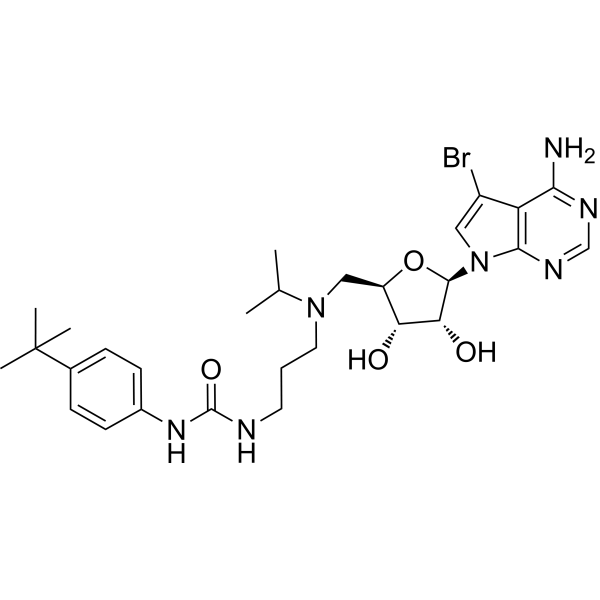
SGC0946 is a selective DOT1L inhibitor with an IC50 value of 0.3 nM. By inhibiting DOT1L, SGC0946 can induce G1 phase arrest, suppress cell self-renewal and metastatic potential, and induce cell differentiation in cancer cells. SGC0946 can be used in the research of tumors such as leukemia and breast cancer, and also serves as a probe to further investigate the cellular mechanisms of DOT1L in normal and diseased cells .
loading...
    loading...
11
11 Cited Publications
Cat. No.: HY-12682
CAS No.: 311795-38-7
Purity:  99.88%
Synonyms: Compound 968
Target:  

Glutaminase

Research Areas:  

Cancer

Glutaminase C-IN-1 (Compound 968) is an allosteric inhibitor of Glutaminase C that inhibits cancer cell growth without affecting their normal cellular counterparts .
loading...
    loading...
9
9 Cited Publications
Cat. No.: HY-N2334
CAS No.: 640-79-9
Synonyms: Chenodeoxycholylglycine
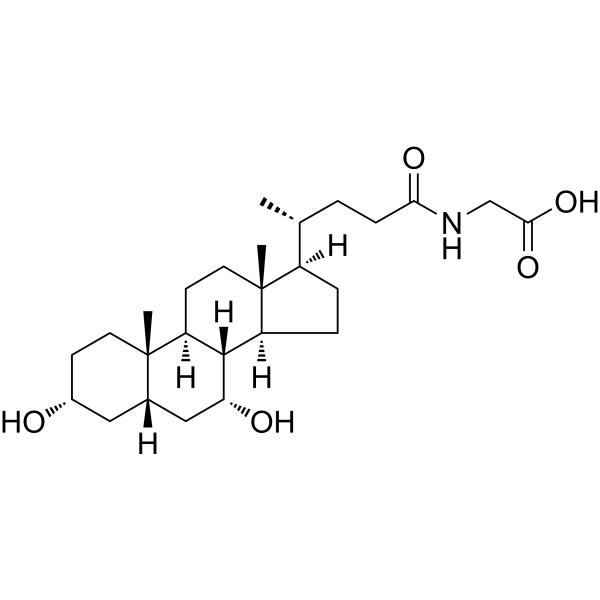
Glycochenodeoxycholic acid (Chenodeoxycholylglycine) is a relatively toxic bile salt generated in the liver from chenodeoxycholic acid and glycine. Glycochenodeoxycholic acid inhibits Autophagosome formation and impairs lysosomal function by inhibiting lysosomal proteolysis and increasing lysosomal pH in human normal liver cells, leading to the Apoptosis of human hepatocyte cells. Glycochenodeoxycholic acid induces stemness and chemoresistance via activating STAT3 signaling pathway in hepatocellular carcinoma cells (HCC). Glycochenodeoxycholic acid is promising for research in the field of cholestasis desease, hepatocellular carcinoma and primary sclerosing cholangitis (PSC) .
loading...
    loading...
9
9 Cited Publications
Cat. No.: HY-N2334A
CAS No.: 16564-43-5
Synonyms: Chenodeoxycholylglycine sodium salt; Sodium glycochenodeoxycholate
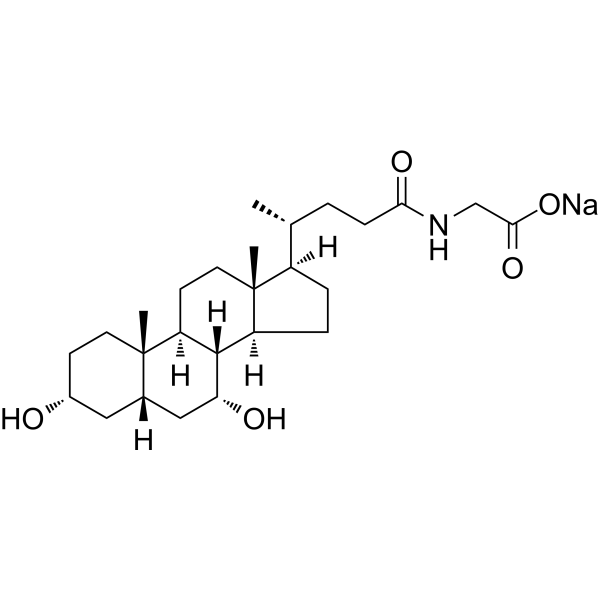
Glycochenodeoxycholic acid sodium salt (Sodium glycochenodeoxycholate) is a relatively toxic bile salt generated in the liver from chenodeoxycholic acid and glycine. Glycochenodeoxycholic acid sodium salt inhibits Autophagosome formation and impairs lysosomal function by inhibiting lysosomal proteolysis and increasing lysosomal pH in human normal liver cells, leading to the Apoptosis of human hepatocyte cells. Glycochenodeoxycholic acid sodium salt induces stemness and chemoresistance via activating STAT3 signaling pathway in hepatocellular carcinoma cells (HCC). Glycochenodeoxycholic acid sodium salt is promising for research in the field of cholestasis desease, hepatocellular carcinoma and primary sclerosing cholangitis (PSC) .
loading...
    loading...
8
8 Cited Publications
Cat. No.: HY-N0462
CAS No.: 23094-69-1
Synonyms: NP-004255
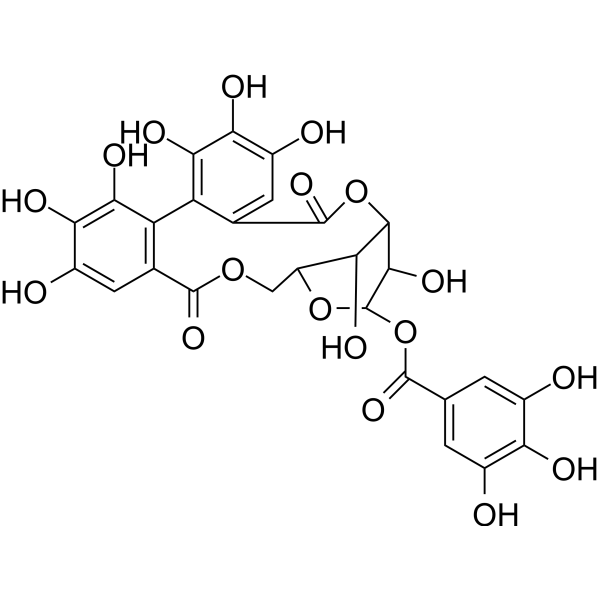
Corilagin, a gallotannin, has anti-tumor, anti-inflammatory and hepatoprotective activities. Corilagin inhibits activity of reverse transcriptase of RNA tumor viruses. Corilagin also inhibits the growth of Staphylococcus aureus with a MIC of 25 μg/mL. Corilagin shows anti-tumor activity on hepatocellular carcinoma and ovarian cancer model. Corilagin shows low toxicity to normal cells and tissues .
loading...
    loading...
8
8 Cited Publications
Cat. No.: HY-N6693
CAS No.: 2001-95-8
Synonyms: NSC 122023
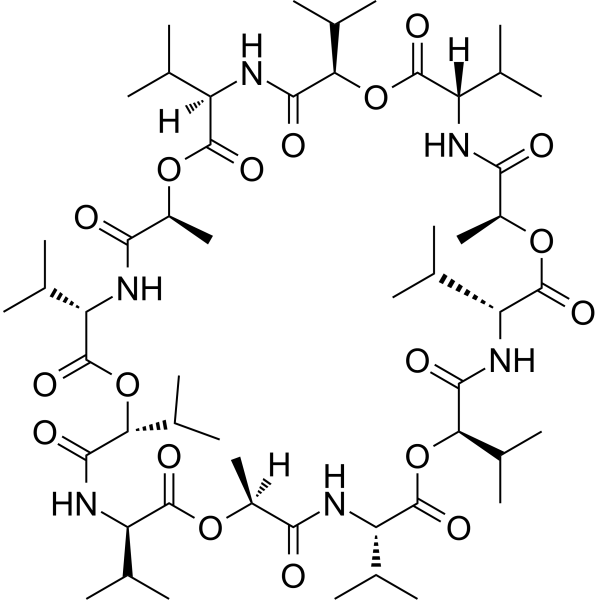
Valinomycin is a potassium-specific ionophore, the valinomycin-K + complex can be incorporated into biological bilayer membranes with the hydrophobic surface of valinomycin, destroys the normal K + gradient across the membrane, and as a result kills the cells, incorporating into liposomes can significantly reduces the cytotoxicity and enhances the targeting effect. Valinomycin exhibits antibiotic, antifungal, antiviral, antitumor and insecticidal efficacy, thus can be used for relevant research .
loading...
    loading...
7
7 Cited Publications
Cat. No.: HY-110171
CAS No.: 881970-80-5
Purity:  99.35%
Target:  

PI3K

Research Areas:  

Cancer

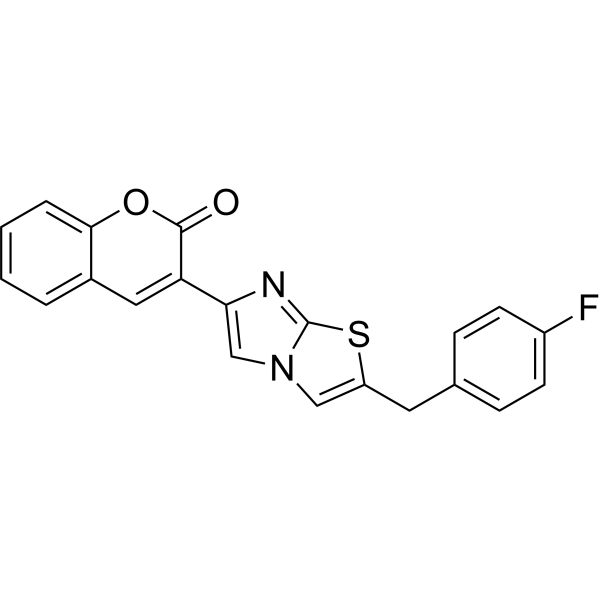
iMDK is a potent PI3K inhibitor and inhibits the growth factor MDK (also known as midkine or MK). iMDK suppresses non-small cell lung cancer (NSCLC) cooperatively with A MEK inhibitor without harming normal cells and mice .
loading...
    loading...
7
7 Cited Publications
Cat. No.: HY-110171A
Purity:  99.37%
Target:  

PI3K

Research Areas:  

Cancer

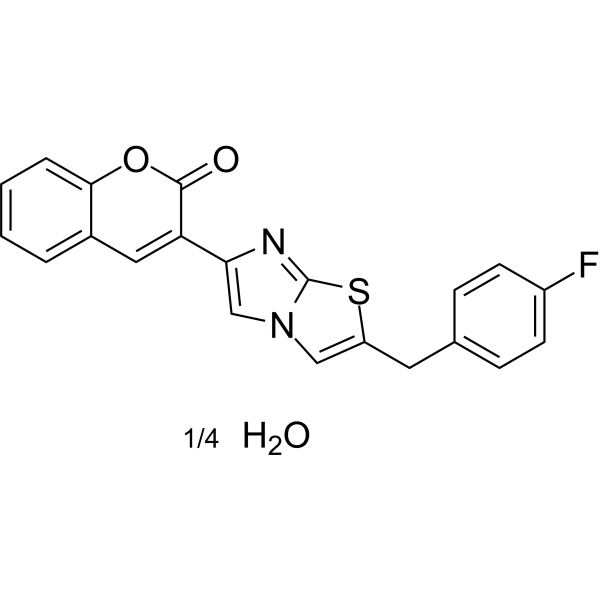
iMDK quarterhydrate is a potent PI3K inhibitor and inhibits the growth factor MDK (also known as midkine or MK). iMDK quarterhydrate suppresses non-small cell lung cancer (NSCLC) cooperatively with A MEK inhibitor without harming normal cells and mice .
loading...
    loading...
7
7 Cited Publications
Cat. No.: HY-112904
CAS No.: 2375193-43-2
Purity:  99.08%
Target:  

p62 Autophagy

Research Areas:  

Cancer

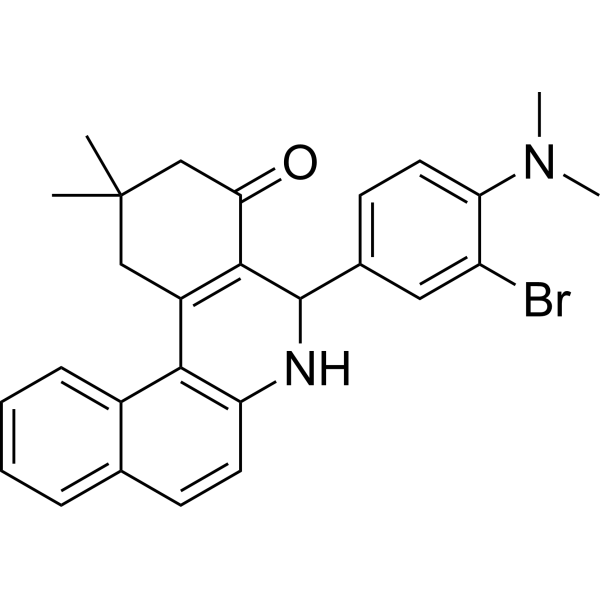
XRK3F2 is a p62 (sequestosome-1) ZZ domain inhibitor that has specificity for the p62-ZZ domain over other p62 signaling domains. XRK3F2 blocks TNFα effects and upregulation in bone marrow stromal cells, and induces multiple myeloma cell apoptosis. XRK3F2 can be used for the research of multiple myeloma bone disease, acute myeloid leukemia, and multiple myeloma .
loading...
    loading...
6
6 Cited Publications
Cat. No.: HY-B1165
CAS No.: 41354-29-4
Cyproheptadine hydrochloride sesquihydrate acts as a p38 MAP kinase activator, CHK2 activator, histamine H1 receptor inhibitor and serotonin receptor inhibitor. Cyproheptadine hydrochloride sesquihydrate mediates cell cycle arrest via G1 phase arrest, G1/S transition arrest, G0/G1 phase arrest, reduced expression of cyclins D1/D2/D3, upregulated expression of HBP1, p16, p21, p27, and decreased phosphorylation of retinoblastoma protein. Cyproheptadine hydrochloride sesquihydrate induces Apoptosis by increasing PARP and cleaved PARP, as well as activating the mitochondrial caspase pathway. Cyproheptadine hydrochloride sesquihydrate inhibits tumor growth with extremely low toxicity to normal cells. Cyproheptadine hydrochloride sesquihydrate can be used in research related to hepatocellular carcinoma, multiple myeloma and acute myeloid leukemia .
loading...
    loading...
4
4 Cited Publications
Cat. No.: HY-121087
CAS No.: 1245792-67-9
Purity:  99.86%
Target:  

Phosphatase

Research Areas:  

Cancer

BCI-215 is a potent and tumor cell-selective dual specificity MAPK phosphatase (DUSP-MKP) inhibitor. BCI-215 has cytotoxicity for tumor cells but not normal cells .
loading...
    loading...
4
4 Cited Publications
Cat. No.: HY-133129
CAS No.: 2225938-17-8
Purity:  98.92%
MS1943 is an orally active selective HyT degrader of EZH2 that effectively reduces EZH2 levels in cells. MS1943 has anticancer activity and exhibits cytotoxic effects in a variety of TNBC cells while sparing normal cells. In addition, MS1943 maintains high potency (IC50=120 nM) in inhibiting EZH2 methyltransferase activity and is highly selective for EZH2. (Structure Note: RED, EZH2 ligand (HY-148458); Blue, Hyt (HY-W001578)) .
loading...
    loading...
3
3 Cited Publications
Cat. No.: HY-113293A
CAS No.: 1240-04-6
Purity:  99.45%
Estrone sulfate potassium is an inactive endogenous estrogen that can be converted into Estrone (HY-B0234) and Estradiol (HY-B0141). Estrone sulfate potassium is also a substrate of the OATP1B3 transporter. Estrone sulfate potassium can be converted into Estrone and Estradiol in normal mammary parenchymal cells. Estrone sulfate potassium stimulates the growth of nitrosomethylurea-induced mammary tumors in ovariectomized rats and the colony formation of dispersed nitrosomethylurea mammary cells, with conversion into Estrone and Estradiol occurring both in vivo and in vitro during this process. Estrone sulfate potassium is applicable to breast cancer-related research .
loading...
    loading...
3
3 Cited Publications
Cat. No.: HY-19747
CAS No.: 1429651-50-2
Target:  

HDAC Apoptosis

Research Areas:  

Cancer

HPOB is a highly potent and selective inhibitor of HDAC6 with an IC50 of 56 nM. HPOB displays >30 fold less potent against other HDACs. HPOB enhances the effectiveness of DNA-damaging anticancer agents in transformed cells but not normal cells. HPOB does not block the ubiquitin-binding activity of HDAC6 .
loading...
    loading...
3
3 Cited Publications
Cat. No.: HY-P99006
CAS No.: 931402-35-6
Synonyms: MORab-009

Target:  

Mesothelin

Research Areas:  

Cancer

Amatuximab (MORab-009) is a chimeric, humanized IgG1/k MAb that targets the cell surface mesothelin (MSLN). Mesothelin is a glycosylphosphatidyl inositol (GPI)-anchored membrane glycoprotein, which is present in a restricted set of normal adult tissues such as the mesothelium .
loading...
    loading...

