1. Search Result
Search Result
Results for "

splenic

" in MedChemExpress (MCE) Product Catalog:

32

Inhibitors & Agonists

3

Peptides

4

Inhibitory Antibodies

7

Natural
Products

1

Isotope-Labeled Compounds

Cat. No. Product Name Target Research Areas Chemical Structure
  • HY-120350
    BI-1347
    5+ Cited Publications

    CDK Cancer
    BI-1347 is an orally active, selective and potent CDK8 inhibitor (IC50=1.1 nM). BI-1347 shows anti-tumoral activity .
    BI-1347
  • HY-N1990
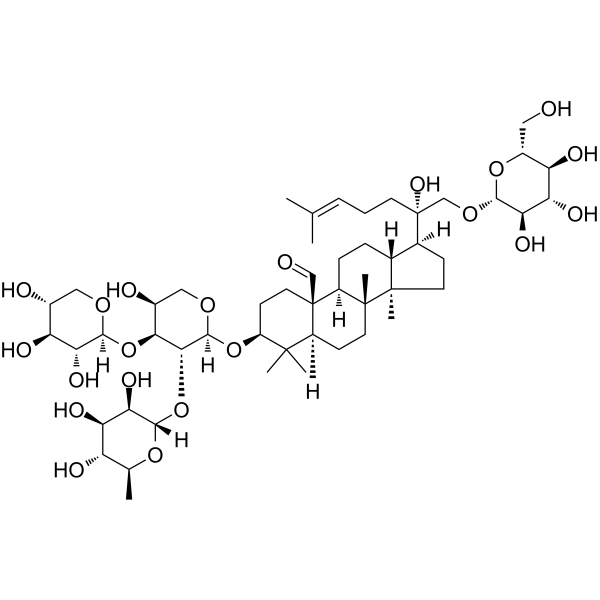
    Gypenoside XLIX
    2 Publications Verification

    PPAR Sirtuin Keap1-Nrf2 Toll-like Receptor (TLR) NF-κB Reactive Oxygen Species (ROS) NOD-like Receptor (NLR) Apoptosis Pyroptosis Autophagy Cardiovascular Disease Neurological Disease Metabolic Disease Inflammation/Immunology
    Gypenoside XLIX is a multifunctional bioactive compound that can be isolated from Gynostemma pentaphyllum, with a Ka value of 1.58 μM for its binding to SIRT1. Gypenoside XLIX acts as a PPAR-α agonist. It inhibits the activation of TLR4-mediated NF-κB signaling pathway by activating the Sirt1/Nrf2 signaling pathway, reduces ROS accumulation, and alleviates hepatic inflammatory injury in mice with sepsis-induced liver disease. Gypenoside XLIX targets SIRT1 to block YAP-NLRP3 activation and improve sepsis-induced cardiomyopathy. Gypenoside XLIX inhibits apoptosis (Apoptosis), pyroptosis (Pyroptosis), autophagy (Autophagy), lipid peroxidation, pro-inflammatory cytokines and anti-inflammatory cytokines. Gypenoside XLIX alleviates sepsis-induced splenic injury by inhibiting inflammation and oxidative stress, and mitigates sepsis-associated encephalopathy by targeting PPAR-α. Gypenoside XLIX prevents acute kidney injury by inhibiting IGFBP7/IGF1R-mediated programmed cell death and inflammation. Gypenoside XLIX inhibits the expression and activity of vascular cell adhesion molecule-1 in cytokine-induced human endothelial cells. Gypenoside XLIX is applicable to research related to acute liver injury, lung injury, cardiomyopathy, acute splenic injury, sepsis-associated encephalopathy, acute kidney injury, atherosclerosis and chronic inflammation .
    Gypenoside XLIX
  • HY-B1916
    Acetylspiramycin
    2 Publications Verification

    Spiramycin B; Spiramycin II; Foromacidin B

    Antibiotic Bacterial Parasite Infection
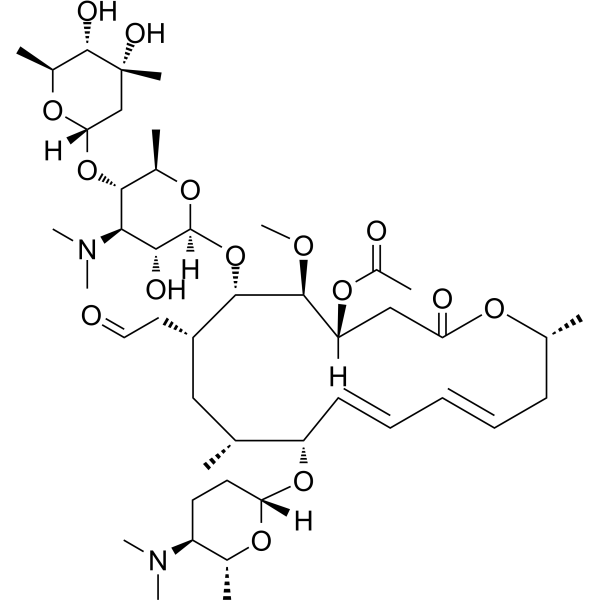
    Acetylspiramycin (Spiramycin B) is an effective oral macrolide antibiotic produced by Streptomyces, It can inhibit the splenic lymphocyte transformation induced by phytohemagglutinin (PHA), LPS (HY-D1056) and antigen, reduce the procoagulant activity of macrophages, have good antibacterial effect on gram-positive bacteria, and is also an effective antigenic insect agent, which can be used to fight parasitic infection .
    Acetylspiramycin
  • HY-B1470

    R-1929

    Dopamine Receptor Adrenergic Receptor Neurological Disease
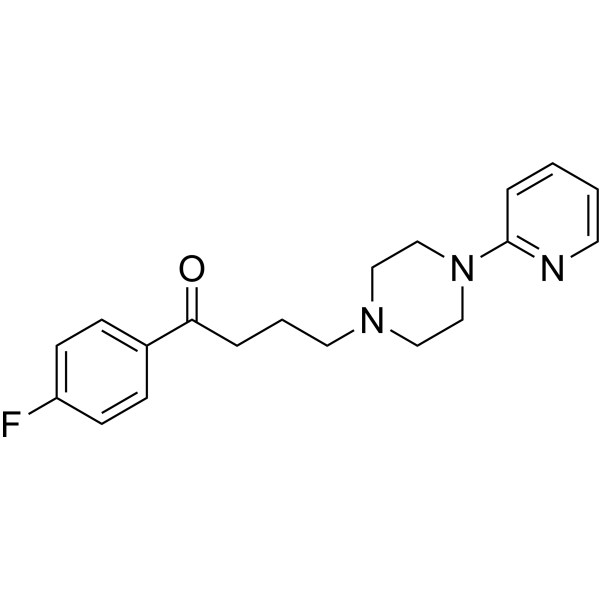
    Azaperone is an antagonist of dopamine D2 receptor (Dopamine D2 Receptor) and α-adrenergic receptor (AR). Azaperone reduces vasomotor tone, mean arterial pressure, hematocrit, hemoglobin concentration, and etorphine-induced duration; induces transient tachycardia followed by bradycardia, splenic uptake of red blood cells, and sedation; alters animal behaviors; and produces sedation with distinct onset and duration in foals. Azaperone is used for sedation and tranquilization in various animals to reduce stress and aggressive behaviors, and serves as a preanesthetic agent .
    Azaperone
  • HY-N10424
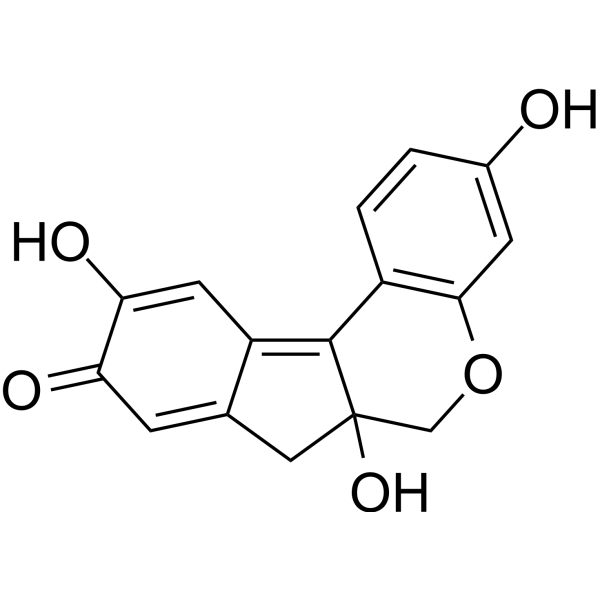
    Brazilein
    2 Publications Verification

    Na+/K+ ATPase Apoptosis Interleukin Related NO Synthase Bacterial Parasite Cardiovascular Disease Infection Neurological Disease Inflammation/Immunology
    Brazilein is a compound with anti-inflammatory and neuroprotective activities, with an IC50 of 500 μM against guinea pig Na +,K +-ATPase. Brazilein reduces iNOS mRNA expression, thereby inhibiting nitric oxide production in immune cells. Brazilein suppresses inflammatory responses by reducing the mRNA expression of TNF-α and IL-6, but has no effect on IL-1β expression. Brazilein reduces the cerebral infarction volume and improves the neurological function scores of rats with cerebral ischemia-reperfusion injury. Brazilein induces apoptosis of splenic lymphocytes in mice. Brazilein inhibits humoral immune responses in mice, and causes thymus and spleen atrophy as well as body weight loss in mice. Brazilein also possesses antimalarial and antibacterial activities. Brazilein is also a red dye. Brazilein can be used in studies related to the infection, nervous system, cardiovascular system and inflammatory diseases .
    Brazilein
  • HY-P99124
    Anti-Mouse CD3 Antibody (17A2)
    1 Publications Verification

    CD3 Inflammation/Immunology
    Anti-Mouse CD3 Antibody (17A2) is an anti-mouse CD3 IgG2b antibody inhibitor derived from the host Rat. Anti-Mouse CD3 Antibody (17A2) enhances T-cell proliferation and activation and stimulate IFN-γ or IL-17 production in splenic T cells. Anti-Mouse CD3 Antibody (17A2) significantly suppresses mortality in Graft-versus-host disease (GVHD) mice models .
    Anti-Mouse CD3 Antibody (17A2)
  • HY-111827
    S-1-Propenyl-L-cysteine
    Maximum Cited Publications
    6 Publications Verification

    Histamine Receptor Cardiovascular Disease Others Metabolic Disease Inflammation/Immunology
    S-1-Propenyl-L-cysteine is a stereoisomer of S-allyl-l-cysteine, extracted from garlic, with immunomodulatory effects and reduces blood pressure in a hypertensive animal model . S-1-Propenyl-L-cysteine exhibits antioxidative efficacy through a NO-dependent BACH1 signaling pathway . S-1-Propenyl-L-cysteine is orally active.
    S-1-Propenyl-L-cysteine
  • HY-P99976

    CD19 Inflammation/Immunology
    Anti-Mouse CD19 Antibody (1D3) is an IgG2a antibody inhibitor targeting mouse CD19. Anti-Mouse CD19 Antibody (1D3) reduces CD19 expression levels on the surface of B cells. Anti-Mouse CD19 Antibody (1D3) inhibits the replication of peritoneal B-1a cells .
    Anti-Mouse CD19 Antibody (1D3)
  • HY-118941

    Prostaglandin Receptor Cardiovascular Disease
    BAY 73-1449 is a selective antagonist of prostacyclin receptor (IP), with high potency (IC50 of less than 0.1 nM) in cAMP assays in Human HEL cells and rat DRG. BAY 73-1449 can be used in the research of lowering blood pressure .
    BAY 73-1449
  • HY-14743B

    SCV 07 hydrochloride; Gamma-D-glutamyl-L-tryptophan hydrochloride

    Bacterial STAT Infection Inflammation/Immunology Cancer
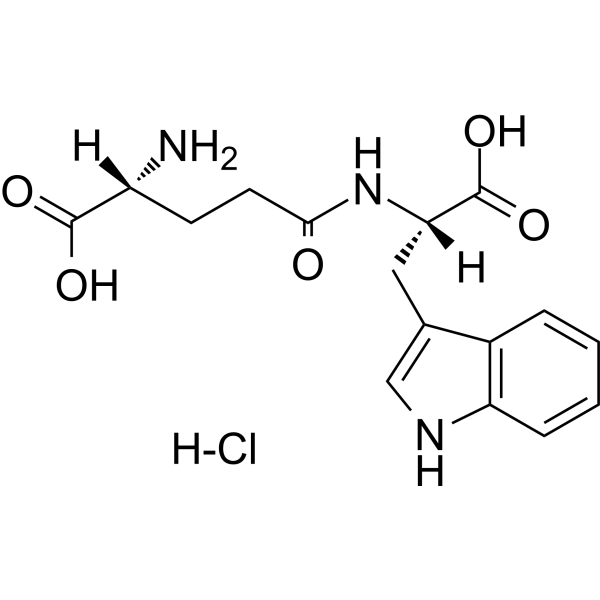
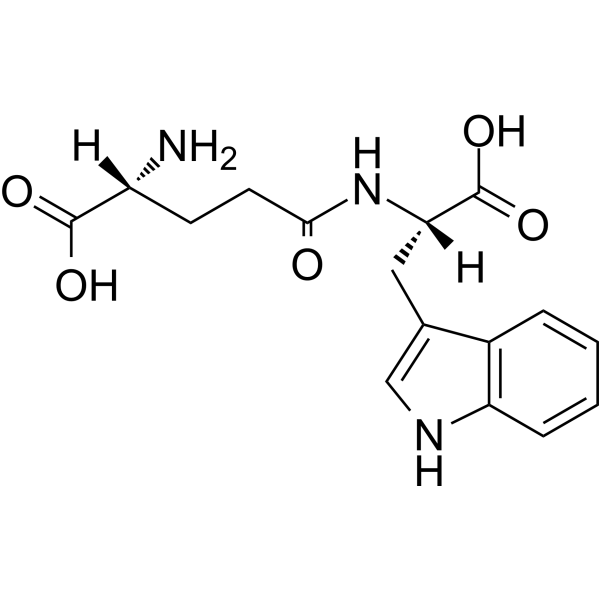
    Golotimod hydrochloride (SCV 07 hydrochloride), an immunomodulating peptide with antimicrobial activity, significantly increases the efficacy of antituberculosis therapy, stimulates thymic and splenic cell proliferation, and improves macrophage function. Golotimod hydrochloride (SCV 07 hydrochloride) inhibits STAT3 signaling and modulates the duration and severity of oral mucositis in animal models that received radiation or a combination of radiation and Cisplatin. Golotimod hydrochloride (SCV 07 hydrochloride) is also a potential therapeutic for recurrent genital herpes simplex virus type 2 (HSV-2) .
    Golotimod hydrochloride
  • HY-101307

    7-Benzylidenenaltrexone maleate

    Opioid Receptor Neurological Disease
    BNTX (7-Benzylidenenaltrexone) maleate is a δ1-opioid receptor antagonist with the Kis of 0.1, 10.8, 13.3, and 58.6 nM for δ1, δ2-, μ-, and κ-opioid receptor, respectively. BNTX maleate shows antinociceptive activity .
    BNTX maleate
  • HY-126813

    Antibiotic Fungal Infection
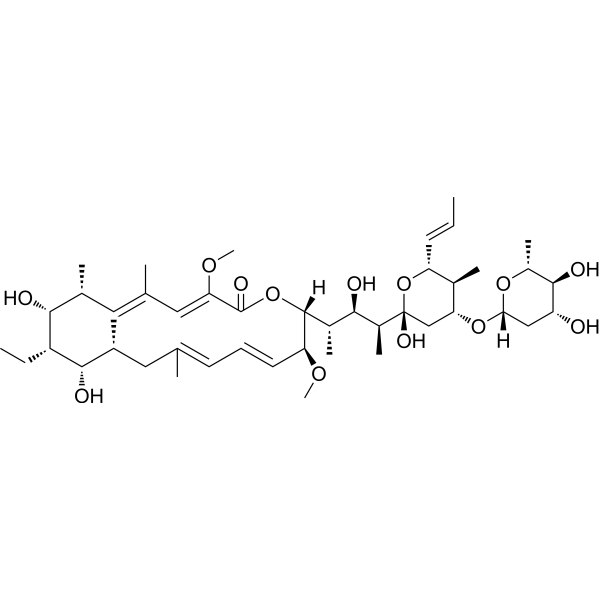
    Concanamycin C is a macrolide antibiotic with inhibitory activity against certain fungi and yeasts, but no activity against bacteria. Concanamycin C inhibits the proliferation of mouse splenic lymphocytes. Concanamycin C exhibits acute toxicity in ddY mice. Concanamycin C can be used in studies related to fungal infections and yeast infections .
    Concanamycin C
  • HY-14743

    SCV 07; Gamma-D-glutamyl-L-tryptophan

    Bacterial STAT Infection Inflammation/Immunology Cancer
    Golotimod (SCV-07), an immunomodulating peptide with antimicrobial activity, significantly increases the efficacy of antituberculosis therapy, stimulates thymic and splenic cell proliferation, and improves macrophage function. Golotimod (SCV-07) inhibits STAT3 signaling and modulates the duration and severity of oral mucositis in animal models that received radiation or a combination of radiation and Cisplatin. Golotimod (SCV-07) is also a potential therapeutic for recurrent genital herpes simplex virus type 2 (HSV-2) .
    Golotimod
  • HY-W342283

    Parasite Angiotensin-converting Enzyme (ACE) Angiotensin Receptor p38 MAPK STAT NF-κB TNF Receptor 5-HT Receptor Cardiovascular Disease Infection Inflammation/Immunology
    Diminazene is an antiparasitic agent widely used to treat parasitic diseases caused by hemoparasites (such as trypanosomes and babesia). Diminazene acts as an ACE2 activator and exerts cardiovascular protective effects by activating the ACE2/Ang-(1-7)/Mas receptor axis. By regulating gut microbiota-tryptophan metabolism, Diminazene inhibits the activation of core inflammatory signaling pathways including MAPK, STAT and NF-κB, increases central 5-HT levels, and suppresses splenic TNF-α production, thereby alleviating systemic inflammation .
    Diminazene
  • HY-B1470S

    R-1929-d4

    Isotope-Labeled Compounds Dopamine Receptor Adrenergic Receptor Neurological Disease
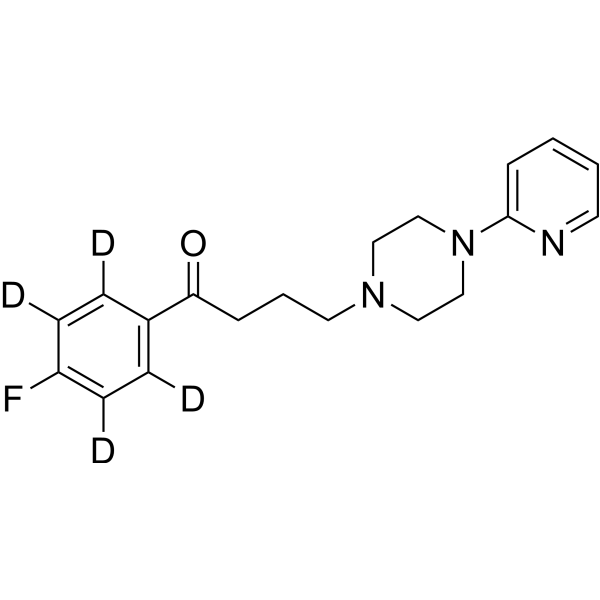
    Azaperone-d4 (R-1929-d4) is the deuterium labeled Azaperone (HY-B1470). Azaperone is an antagonist of dopamine D2 receptor (Dopamine D2 Receptor) and α-adrenergic receptor (AR). Azaperone reduces vasomotor tone, mean arterial pressure, hematocrit, hemoglobin concentration, and etorphine-induced duration; induces transient tachycardia followed by bradycardia, splenic uptake of red blood cells, and sedation; alters animal behaviors; and produces sedation with distinct onset and duration in foals. Azaperone is used for sedation and tranquilization in various animals to reduce stress and aggressive behaviors, and serves as a preanesthetic agent.
    Azaperone-d4
  • HY-162260

    MNK Cancer
    MNK-IN-4 (compound D25) is a potent and selective MNK inhibitor for the study of sepsis-related acute splenic injury .
    MNK-IN-4
  • HY-145492

    N-(3-Oxo-7Z-tetradecenoyl)-L-homoserine lactone

    Drug Derivative Inflammation/Immunology
    Δ7(Z)-C14-HSL (Compound 12) is an immunosuppressive agent that can inhibit the proliferation of mouse splenic cells with an IC50 of 17 μM. Δ7(Z)-C14-HSL can be used for further studying its potential as a molecular mechanism in TNF-R-driven immune diseases, especially autoimmune diseases such as psoriasis, rheumatoid arthritis, and type 1 diabetes .
    Δ7(Z)-C14-HSL
  • HY-B0639C

    WR2721 sodium

    MDM-2/p53 HIF/HIF Prolyl-Hydroxylase Neurological Disease
    Amifostine sodium (WR2721 sodium) is a phosphorus sulfate with radioprotective activity. Amifostine sodium can cause splenic vasodilation and may block autonomic ganglia. Amifostine sodium is clinically used to prevent cisplatin-induced ototoxicity .
    Amifostine sodium
  • HY-N12126

    MS-347b

    Others Inflammation/Immunology
    Sydowinin B (MS-347b) is a active compound and can be isolated from A. sydowii. Sydowinin B shows has immunosuppressant activity .
    Sydowinin B
  • HY-130757

    Endogenous Metabolite Inflammation/Immunology
    Remisporine B is a polyketide, that can be isolated from Penicillium sp. ZJ-SY2. Remisporine B exhibits immunosuppressive efficacy, that inhibits concanavalin A (HY-P2149)-induced T-cell proliferation and LPS (HY-D1056)- induced B-cell proliferations of mouse splenic lymphocytes with IC50 of 30.1 µg/mL and 32.4 µg/mL .
    Remisporine B
  • HY-B1916R

    Spiramycin B (Standard); Spiramycin II (Standard); Foromacidin B (Standard)

    Reference Standards Antibiotic Bacterial Parasite Infection
    Acetylspiramycin (Standard) is the analytical standard of Acetylspiramycin. This product is intended for research and analytical applications. Acetylspiramycin (Spiramycin B) is an effective oral macrolide antibiotic produced by Streptomyces, It can inhibit the splenic lymphocyte transformation induced by phytohemagglutinin (PHA), LPS (HY-D1056) and antigen, reduce the procoagulant activity of macrophages, have good antibacterial effect on gram-positive bacteria, and is also an effective antigenic insect agent, which can be used to fight parasitic infection[1][2][3][4].
    Acetylspiramycin (Standard)
  • HY-14743A

    SCV 07 TFA; Gamma-D-glutamyl-L-tryptophan TFA

    Bacterial STAT Infection Inflammation/Immunology Cancer
    Golotimod TFA (SCV 07 TFA), an immunomodulating peptide with antimicrobial activity, significantly increases the efficacy of antituberculosis therapy, stimulates thymic and splenic cell proliferation, and improves macrophage function. Golotimod TFA (SCV 07 TFA) inhibits STAT3 signaling and modulates the duration and severity of oral mucositis in animal models that received radiation or a combination of radiation and Cisplatin. Golotimod TFA (SCV 07 TFA) is also a potential therapeutic for recurrent genital herpes simplex virus type 2 (HSV-2) .
    Golotimod TFA
  • HY-111827R

    Histamine Receptor Cardiovascular Disease Others Metabolic Disease Inflammation/Immunology
    S-1-Propenyl-L-cysteine (Standard) is the analytical standard of S-1-Propenyl-L-cysteine. This product is intended for research and analytical applications. S-1-Propenyl-L-cysteine is a stereoisomer of S-allyl-l-cysteine, extracted from garlic, with immunomodulatory effects and reduces blood pressure in a hypertensive animal model . S-1-Propenyl-L-cysteine exhibits antioxidative efficacy through a NO-dependent BACH1 signaling pathway . S-1-Propenyl-L-cysteine is orally active.
    S-1-Propenyl-L-cysteine (Standard)
  • HY-14743R

    SCV 07 (Standard); Gamma-D-glutamyl-L-tryptophan (Standard)

    Bacterial STAT Reference Standards Infection Inflammation/Immunology Cancer
    Golotimod (Standard) is the analytical standard of Golotimod. This product is intended for research and analytical applications. Golotimod (SCV-07), an immunomodulating peptide with antimicrobial activity, significantly increases the efficacy of antituberculosis therapy, stimulates thymic and splenic cell proliferation, and improves macrophage function. Golotimod (SCV-07) inhibits STAT3 signaling and modulates the duration and severity of oral mucositis in animal models that received radiation or a combination of radiation and Cisplatin. Golotimod (SCV-07) is also a potential therapeutic for recurrent genital herpes simplex virus type 2 (HSV-2) .
    Golotimod (Standard)
  • HY-B1470R

    R-1929 (Standard)

    Reference Standards Dopamine Receptor Adrenergic Receptor Neurological Disease
    Azaperone (R-1929) (Standard) is the analytical standard of Azaperone (HY-B1470). This product is intended for research and analytical applications. Azaperone is an antagonist of dopamine D2 receptor (Dopamine D2 Receptor) and α-adrenergic receptor (AR). Azaperone reduces vasomotor tone, mean arterial pressure, hematocrit, hemoglobin concentration, and etorphine-induced duration; induces transient tachycardia followed by bradycardia, splenic uptake of red blood cells, and sedation; alters animal behaviors; and produces sedation with distinct onset and duration in foals. Azaperone is used for sedation and tranquilization in various animals to reduce stress and aggressive behaviors, and serves as a preanesthetic agent.
    Azaperone (Standard)
  • HY-W517092

    1,2,3,4,7,8,9-HpCDF

    Aryl Hydrocarbon Receptor Cytochrome P450 Metabolic Disease Inflammation/Immunology
    1,2,3,4,7,8,9-Heptachlorodibenzofuran (1,2,3,4,7,8,9-HpCDF) is a compound that induces the expression of CYP1A1 and CYP1B1 genes in human peripheral blood lymphocytes, while also promoting the expression of the aryl hydrocarbon receptor repressor (AhRR). 1,2,3,4,7,8,9-Heptachlorodibenzofuran can increase ethoxyresorufin-O-deethylase (EROD) activity in isolated human peripheral blood lymphocytes in a concentration-dependent manner, which serves as a marker of CYP1A1 activity. Furthermore, 1,2,3,4,7,8,9-Heptachlorodibenzofuran exhibits immunosuppressive effects by reducing the number of splenic plaque-forming cells in mice and increasing aryl hydrocarbon hydroxylase (AHH) activity in liver microsomes of mice injected with sheep red blood cells. 1,2,3,4,7,8,9-Heptachlorodibenzofuran can be used in research in the fields of immunology, metabolic diseases, and environmental toxicology .
    1,2,3,4,7,8,9-Heptachlorodibenzofuran
  • HY-177991

    Biochemical Assay Reagents Others
    Cylic-DAP is a substrate of splenic cyclic phosphodiesterases .
    Cylic-DAP
  • HY-182802

    Ferroptosis Glutathione Peroxidase Reactive Oxygen Species (ROS) Mitochondrial Metabolism Cancer
    Ferroptosis inducer-15 is a ferroptosis inducer. Ferroptosis inducer-15 downregulates GPX4 expression, triggers lipid peroxidation via ROS accumulation, and disrupts mitochondrial membrane potential to drive ferroptosis. Ferroptosis inducer-15 increases splenic CD4 + T cell proportion, promotes CD8 + cytotoxic T cell tumor infiltration, and activates antitumor immune responses. Ferroptosis inducer-15 exerts antiproliferative activity against colorectal cancer cells and inhibits tumor growth in xenograft mice models without significant body weight loss. Ferroptosis inducer-15 can be used for the research of cancer, such as colorectal cancer .
    Ferroptosis inducer-15
  • HY-P992071

    C-type Lectin-like Receptors (CTLRs) Inflammation/Immunology
    Anti-Mouse NKG2D Antibody (MI6) is an antibody targeting mouse NKG2D. Anti-Mouse NKG2D Antibody (MI6) can be used in arthritis-related research. For the isotype control of Anti-Mouse NKG2D Antibody (MI6), please refer to Rat IgG1 kappa, Isotype Control (HY-P99979) .
    Anti-Mouse NKG2D Antibody (MI6)
  • HY-P992060

    CD20 NF-κB Inflammation/Immunology Cancer
    Anti-Mouse CD20 Antibody (18B12) is a B cell depleting agent that targets mouse CD20. Anti-Mouse CD20 Antibody (18B12) not only inhibits the growth of mesothelioma, lung cancer and thymoma, but also significantly enhances the efficacy of adenoviral tumor antigen vaccines and induces tumor regression by increasing the number of tumor-specific CD8 + T cells. Anti-Mouse CD20 Antibody (18B12) reduces B cell infiltration into the central nervous system of mice with experimental autoimmune encephalomyelitis, and delays motor dysfunction and neuronal death after spinal cord injury by alleviating inflammatory responses and tissue damage. Anti-Mouse CD20 Antibody (18B12) is widely applicable to research in fields related to mesothelioma, lung cancer, thymoma, experimental autoimmune encephalomyelitis and spinal cord injury .
    Anti-Mouse CD20 Antibody (18B12)
  • HY-185658

    Bcr-Abl Liposome Inflammation/Immunology
    3'-BPANeuGc is a high-affinity selective Siglec-G ligand. Lipid nanoparticles surface-modified with antigens and 3'-BPANeuGc inhibit BCR signal transduction. 3'-BPANeuGc is applicable to antigen-specific tolerance research .
    3'-BPANeuGc
  • HY-182487

    Arp2/3 Complex Inflammation/Immunology
    Deoxaphomin is a cytochalasin. Deoxaphomin inhibits Actin filament elongation and reduces the viscosity of polymerized actin filaments. Deoxaphomin induces rounding of fibroblasts, contraction of actin cables, formation of actin-containing hairy structures, and formation of actin-containing cytoplasmic rodlets in fibroblasts. Deoxaphomin inhibits membrane ruffling in fibroblasts and capping in lymphocytes .
    Deoxaphomin

Inquiry Online

Your information is safe with us. * Required Fields.

Salutation


Country or Region *

Applicant Name *


Organization Name *

Department *


Email Address *


Product Name *

Cat. No.


Requested quantity *

Phone Number *


Remarks

Inquiry Online

Inquiry Information

Product Name:
Cat. No.:
Quantity:
MCE Japan Authorized Agent:

