1. Search Result
Search Result
Results for "

structured RNA

" in MedChemExpress (MCE) Product Catalog:

73

Inhibitors & Agonists

6

Screening Libraries

5

Fluorescent Dye

9

Biochemical Assay Reagents

9

Natural
Products

7

Isotope-Labeled Compounds

2

Click Chemistry

18

Oligonucleotides

Cat. No. Product Name Target Research Areas Chemical Structure
  • HY-103006
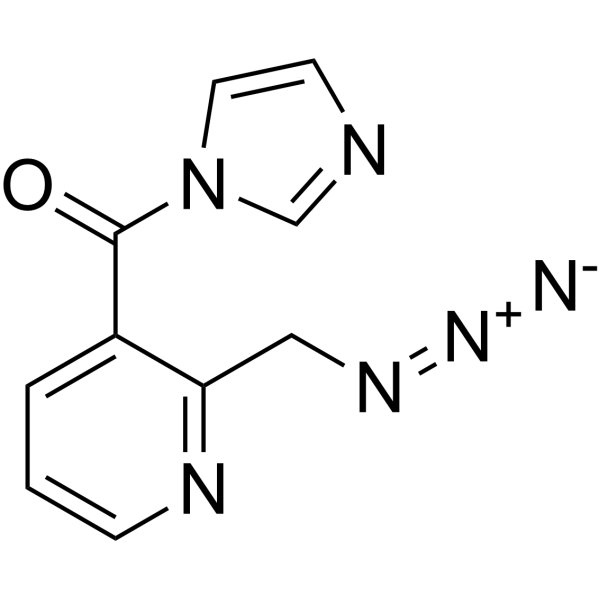
    NAI-N3
    5 Publications Verification

    Biochemical Assay Reagents Others
    NAI-N3 is a RNA acylation reagent that enables RNA purification. NAI-N3 is a dual-function SHAPE (selective 2-hydroxyl acylation and profiling experiment) probe (RNA structure probe and enrichment) . It contains an azide group and can undergo copper-catalyzed azide-alkyne cycloaddition (CuAAc) with molecules containing alkyne groups. It can also undergo ring strain-promoted alkyne-azide cycloaddition (SPAAC) with molecules containing DBCO or BCN groups.
    NAI-N3
  • HY-D0971
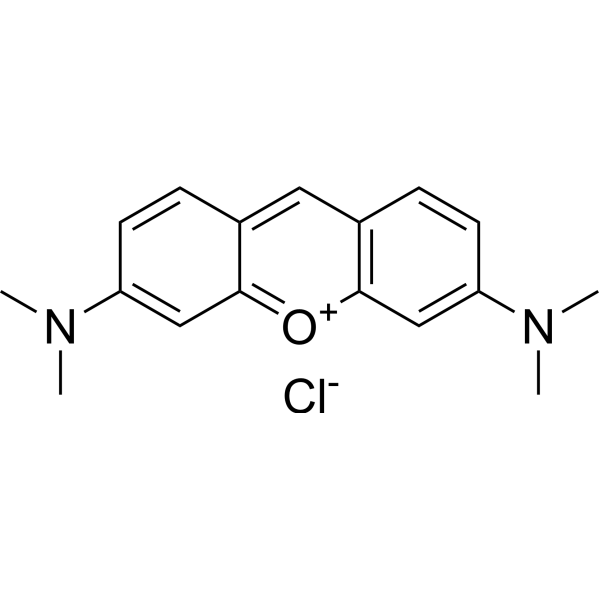
    Pyronin Y
    4 Publications Verification

    Pyronine G; C.I. 45005

    DNA Stain Others
    Pyronin Y (Pyronine G) is a cationic dye that intercalates RNA and has been used to target cell structures including RNA, DNA and organelles. Pyronin Y forms fluorescent complexes with double-stranded nucleic acids (especially RNA) enabling semi-quantitative analysis of cellular RNA. Pyronin Y can be used to identify specific RNA subspecies of ribonuclear proteins complexes in live cells .
    Pyronin Y
  • HY-W008990
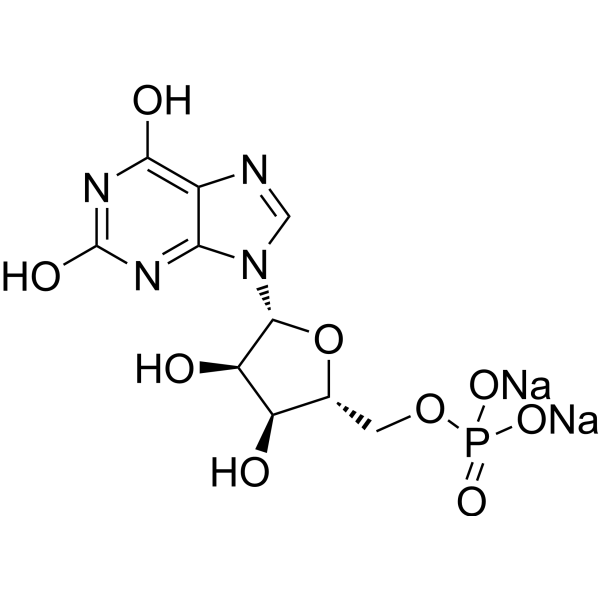
    Xanthosine 5'-monophosphate sodium salt
    1 Publications Verification

    5'-Xanthylic acid sodium salt

    DNA/RNA Synthesis Metabolic Disease
    Xanthosine 5'-monophosphate sodium salt (5'-Xanthylic acid sodium salt) is an intermediate in purine metabolism. Xanthosine 5'-monophosphate sodium salt can be used for genetic code, nucleic acid structure, and DNA, RNA and protein synthesis research .
    Xanthosine 5'-monophosphate sodium salt
  • HY-113061
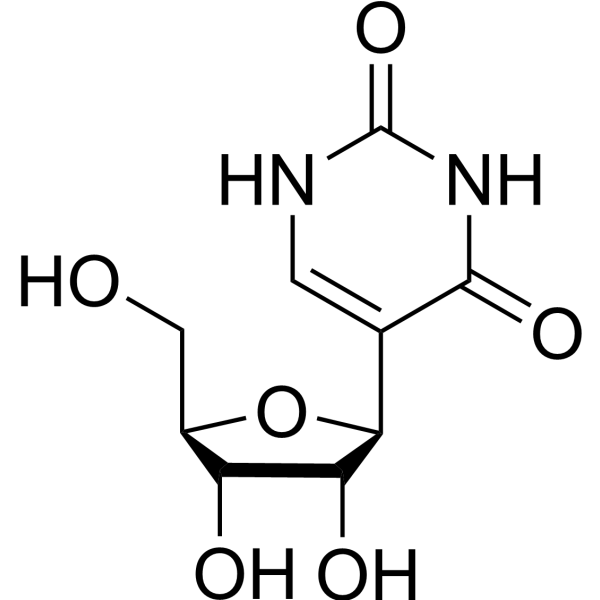
    Pseudouridine
    1 Publications Verification

    Endogenous Metabolite Nucleoside Antimetabolite/Analog DNA/RNA Synthesis Cancer
    Pseudouridine is an isomer of uridine and the most abundant modified nucleoside in non-coding RNA. It fine-tunes and stabilizes regional structures in rRNA and tRNA, maintaining their functions in mRNA decoding, ribosome assembly, processing, and translation. Pseudouridine-modified tRNA fragments can inhibit aberrant protein synthesis and hold promise for research on myelodysplastic syndrome (MDS)-related leukemia. .
    Pseudouridine
  • HY-122524
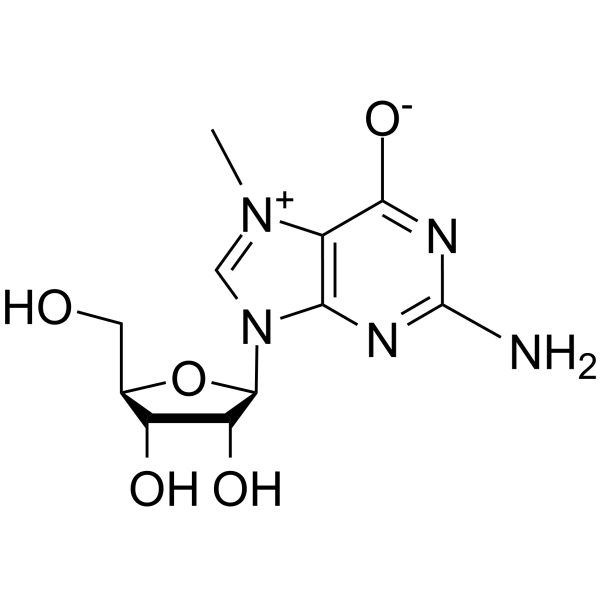
    7-Methylguanosine
    2 Publications Verification

    Nucleoside Antimetabolite/Analog Endogenous Metabolite DNA/RNA Synthesis Others
    7-Methylguanosine is a modified nucleoside widely present in various RNAs and a key metabolite of the 5'-cap structure of eukaryotic mRNA. 7-Methylguanosine plays important roles in stabilizing RNA structures, regulating translation, and other aspects .
    7-Methylguanosine
  • HY-164899

    2-aminopyridine-3-carboxylic acid imidazolide

    Transmembrane Glycoprotein Cancer
    2A3 (2-aminopyridine-3-carboxylic acid imidazolide) is a T cell activator that specifically binds to CEACAM6 and CEACAM5. 2A3 exhibits enzymatic activity that catalyzes the glucuronidation of specific substrates (e.g., 1-naphthol), and possesses significant cytotoxic activity. When integrated into CAR T cells or used alone, 2A3 acts by inducing cytokine release, degranulation, and direct cytotoxicity. 2A3 kills pancreatic and breast cancer cells with high target antigen expression in vitro, and significantly inhibits the growth of pancreatic cancer xenografts in vivo. 2A3 broadly targets malignant tumors with overexpressed CEACAM5, CEACAM6, or co-expressed both, and shows high expression mainly in tissues such as the liver and colon. 2A3 serves as an important research tool for the immunotherapy of pancreatic and breast cancer . 2A3 is a novel SHAPE reagent, which can be used for the analysis of RNA structure both in vitro and in vivo . 2A3 is an electrophilic chemical probe that acylates the 2'-OH in the RNA backbone. 2A3 can be used for RNA SHAPE-MaP experiments and is capable of analyzing the RNA secondary structures at single nucleotide resolution.
    2A3
  • HY-W008091
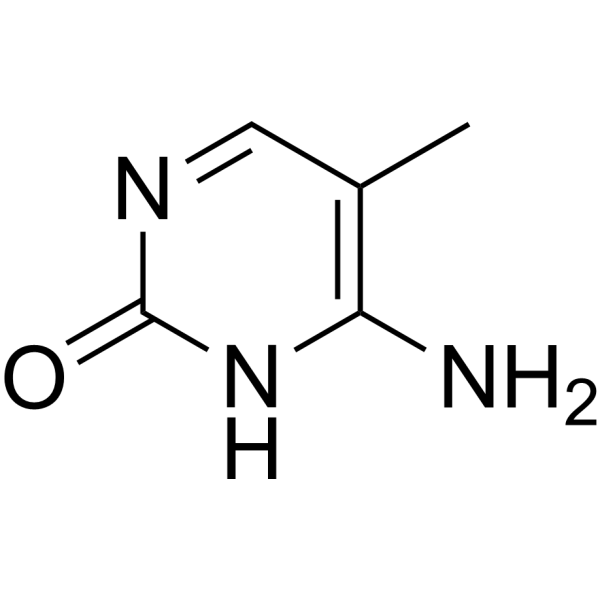
    5-Methylcytosine
    2 Publications Verification

    DNA/RNA Synthesis Endogenous Metabolite Cancer
    5-Methylcytosine is a well-characterized DNA modification in prokaryotes and eukaryotes. 5-Methylcytosine forms symmetrical methylation on CpG dinucleotides in DNA, stabilizes tRNA/rRNA structure in RNA, and affects mRNA translation. 5-Methylcytosine can be oxidized to generate 5hmC, 5fC, and 5caC. 5-Methylcytosine can be used in epigenetics, developmental biology, and the study of diseases such as colorectal cancer and hepatocellular carcinoma .
    5-Methylcytosine
  • HY-164421

    G-quadruplex DNA/RNA Synthesis Cancer
    PhpC is a G-quadruplex (G4)-DNA/RNA disruptor. PhpC disrupts DNA and RNA G4 structures and promotes G4 helicase activity. PhpC effectively enhancing the activity of Taq polymerase. PhpC modulates G-quadruplexs (G4s) both in vitro and in cells .
    PhpC
  • HY-145442

    Adenosine Deaminase Others
    8-Azanebularine, a compound with hydrogen in place of the C6 amino group, inhibits the ADAR2 reaction at high concentrations (IC50=15 mM). 8-Azanebularine is incorporated into an RNA structure recognized by human ADAR2 results in high-affinity binding (KD=2 nM). 8-Azanebularine can be used for the research of ADAR-catalyzed RNA-editing reaction .
    8-Azanebularine
  • HY-175238

    ATP Synthase DNA/RNA Synthesis Neurological Disease Cancer
    KI-DX-014 is a DDX21 inhibitor with high RNA-binding inhibitory activity (IC50 of 3.31 μM). KI-DX-014 targets DDX21’s intrinsically disordered C-terminal domain, inhibits DDX21-structured RNA interaction, modulates DDX21’s RNA-dependent ATPase activity, and disrupts DDX21 biomolecular condensate formation. KI-DX-014 attenuates in vitro P-TEFb release from the 7SK snRNP complex, suppresses P-TEFb-dependent RNA polymerase II CTD phosphorylation, and induces developmental defects in zebrafish embryos. KI-DX-014 acts as a chemical probe for dissecting DDX21 functions in normal physiology and disease states. KI-DX-014 can be used for cancers and neurodegenerative disorders research .
    KI-DX-014
  • HY-W009444
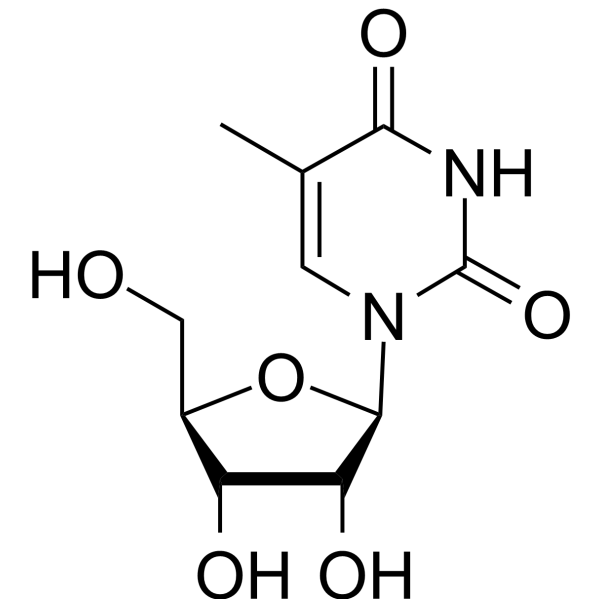
    5-Methyluridine
    1 Publications Verification

    Endogenous Metabolite Others
    5-Methyluridine (m 5U) is an RNA modified nucleotide generated by RNA methyltransferases (such as TrmA and RumA), which mainly targets specific uracil sites in RNA molecules such as the T arm of tRNA and rRNA. 5-Methyluridine relies on enzyme recognition of RNA secondary/tertiary structures (such as the T loop of tRNA or the specific stem-loop structure of rRNA) and participates in physiological processes such as translation accuracy and ribosome function by stabilizing RNA folding or regulating base pairing .
    5-Methyluridine
  • HY-D0913
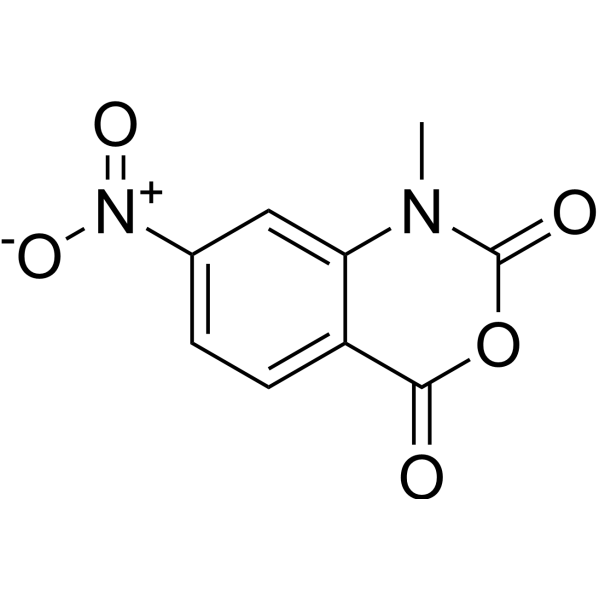
    1-Methyl-7-nitroisatoic anhydride
    3 Publications Verification

    1M7

    Fluorescent Dye Others
    1-Methyl-7-nitroisatoic anhydride (1M7) is a reagent that detects local nucleotide flexibility, for probing 2'-hydroxyl reactivity, can be used for RNA structure analysis .
    1-Methyl-7-nitroisatoic anhydride
  • HY-14776
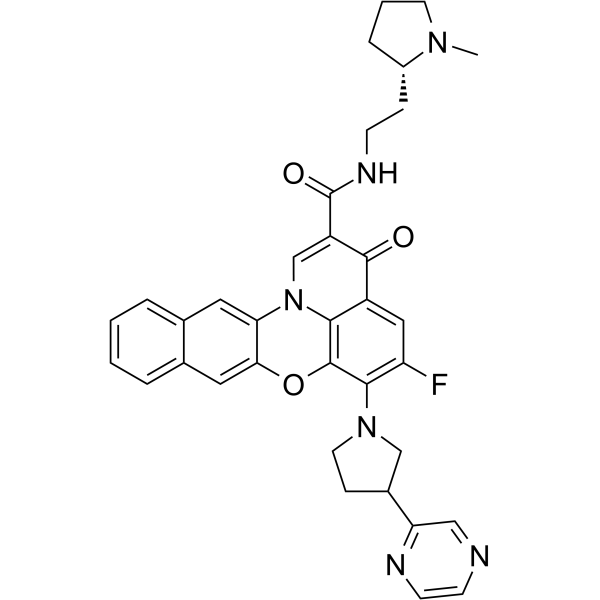
    Quarfloxin
    Maximum Cited Publications
    10 Publications Verification

    CX-3543

    DNA/RNA Synthesis Cancer
    Quarfloxin (CX-3543), a fluoroquinolone derivative with antineoplastic activity, targets and inhibits RNA pol I activity, with IC50 values in the nanomolar range in neuroblastoma cells. Quarfloxin disrupts the interaction between the nucleolin protein and a G-quadruplex DNA structure in the ribosomal DNA (rDNA) template .
    Quarfloxin
  • HY-111647
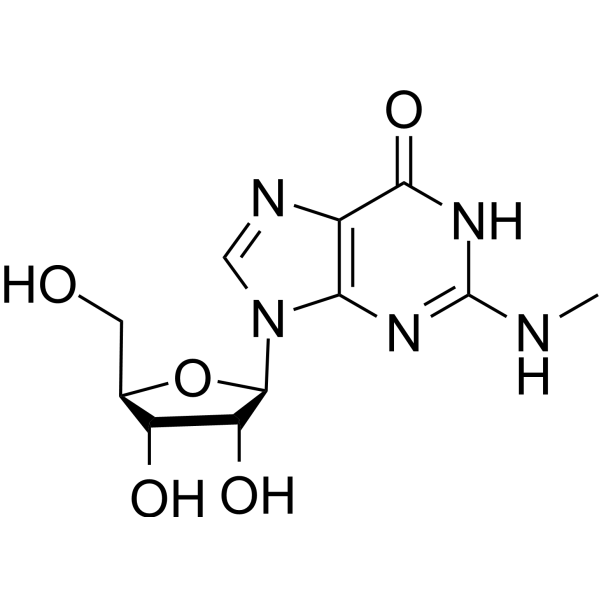
    N2-Methylguanosine
    1 Publications Verification

    Nucleoside Antimetabolite/Analog Endogenous Metabolite Others
    N2-Methylguanosine is a commonly modified nucleoside in rRNA and tRNA, with specific distributions in both E. coli rRNA and eukaryotic tRNA. N2-Methylguanosine can be found in urine. N2-Methylguanosine affects the structure and stability of RNA .
    N2-Methylguanosine
  • HY-120118

    ML246

    DNA/RNA Synthesis Cancer
    Metarrestin (ML246) is an orally active, first-in-class and specific perinucleolar compartment inhibitor. Metarrestin disrupts the nucleolar structure and inhibits RNA polymerase (Pol) I transcription, at least in part by interacting with the translation elongation factor eEF1A2. Metarrestin blocks metastatic development and extends survival in mouse cancer models .
    Metarrestin
  • HY-100008
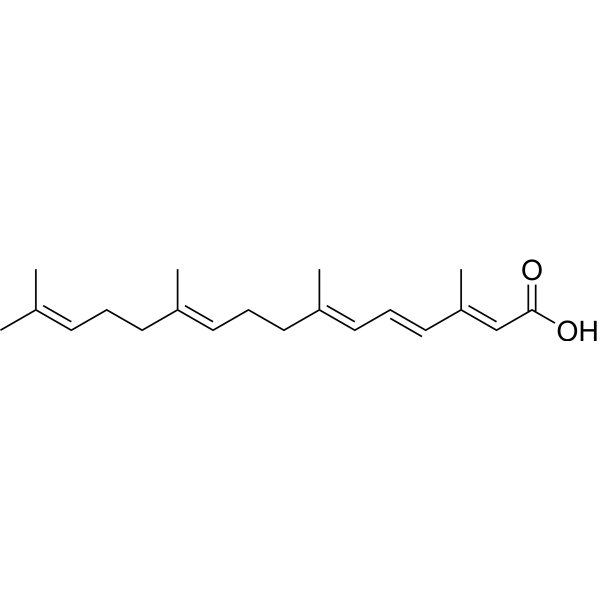
    Peretinoin
    5+ Cited Publications

    NIK333

    RAR/RXR SphK Autophagy HCV Infection Cancer
    Peretinoin is an oral acyclic retinoid with a vitamin A-like structure that targets retinoid nuclear receptors such as retinoid X receptor (RXR) and retinoic acid receptor (RAR). Peretinoin reduces the mRNA level of sphingosine kinase 1 (SPHK1) in vitro by downregulating a transcription factor, Sp1 . Peretinoin prevents the progression of non-alcoholic steatohepatitis (NASH) and the development of hepatocellular carcinoma (HCC) through activating the autophagy pathway by increased Atg16L1 expression . Peretinoin inhibits HCV RNA amplification and virus release by altering lipid metabolism with a EC50 of 9 μM .
    Peretinoin
  • HY-124447

    IGF-1R c-Myc Apoptosis TGF-beta/Smad Cancer
    BTYNB is a structure-specific nucleic acid binder and IGF2BP1 inhibitor (with an IC50 of 5 μM against hBTYNB). BTYNB disrupts the IGF2BP1-RNA interaction and blocks its binding to oncogenic mRNAs such as c-Myc, MDM2, PD-L1. BTYNB completely blocks the INHBA-Smad2/3 pathway, disrupts the MYCN/IGF2BP1 loop, and thereby induces apoptosis and cell cycle arrest, effectively inhibiting the proliferation and survival of cancer cells. In addition, BTYNB acts as an immune activator and tumor microenvironment modulator, enhances T cell-mediated tumor killing, and produces significant synergistic effects with inhibitors of PD-1, BRD and BIRC5. BTYNB can be used in relevant research on various malignant tumors including ovarian cancer, neuroblastoma, leukemia and melanoma .
    BTYNB
  • HY-B0420A
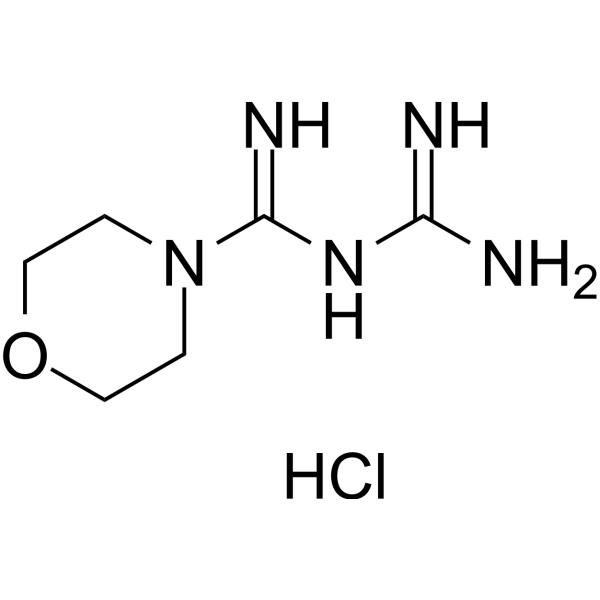
    Moroxydine hydrochloride
    1 Publications Verification

    ABOB hydrochloride

    Influenza Virus HCV HSV Apoptosis Caspase Infection
    Moroxydine (ABOB) hydrochloride is a broad-spectrum agent with multi-antiviral activities against DNA and RNA viruses, including influenza virus, herpes simplex, varicella zoster, measles, mumps disease, hepatitis C virus, etc. Moroxydine hydrochloride exhibits excellent antiviral activity and shows low cytotoxicity to cells infected by dsRNA viruses (grass carp reovirus, GCRV) and large DNA viruses (giant salamander iridovirus, GSIV). Moroxydine hydrochloride blocks the GCRV-induced cytopathic effects and eliminates nucleocapsids in ctenopharyngodon idella kidney (CIK) cells to keep the normal morphological structure. Moroxydine hydrochloride significantly inhibits the apoptosis, the caspase 3 activity, Bax expression and down-regulates Bcl-2 levels .
    Moroxydine hydrochloride
  • HY-113138
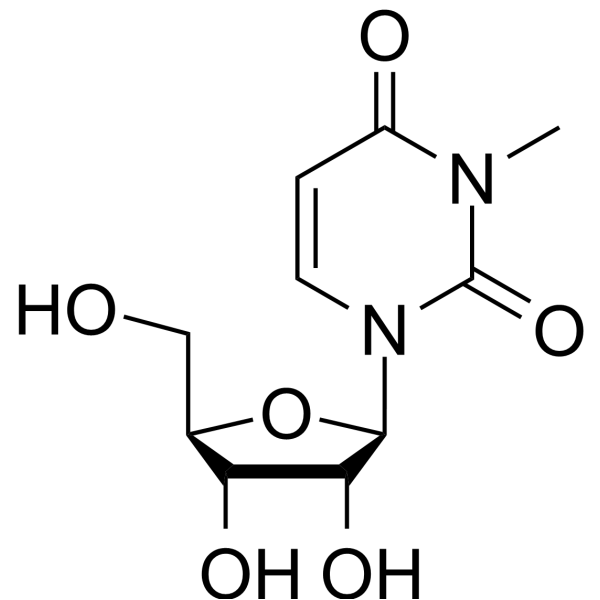
    3-Methyluridine
    1 Publications Verification

    N3-Methyluridine

    Endogenous Metabolite Metabolic Disease
    3-Methyluridine (m 3U; N3-Methyluridine) is a methylated nucleotide present in ribosomal RNA (rRNA), mainly targeting specific base sites of RNA molecules such as 23S rRNA. 3-Methyluridine can introduce a methyl group at the N3 position of uracil, affecting the secondary structure stability and base pairing ability of RNA, and regulating ribosome function. For example, it affects ribosomal subunit binding and tRNA interaction. 3-Methyluridine is often used as a key raw material for the synthesis of modified nucleotides, and is used to construct RNA oligonucleotides containing methylation modifications to study the effects of RNA methylation on gene expression and drug resistance .
    3-Methyluridine
  • HY-135751

    Antibiotic Bacterial DNA/RNA Synthesis Infection Cancer
    Holomycin is an antibiotic with dithiolopyrrolone structure. Holomycin can inhibit bacterial RNA synthesis. Holomycin has antitumor activity. Holomycin can be used for the research of bacterial infection .
    Holomycin
  • HY-153108

    ARCA cap solution (100 mM)

    DNA/RNA Synthesis Others
    3'-O-Me-m7G(5')ppp(5')A (ARCA cap) solution (100 mM), anti-reverse cap analog, has a special RNA cap structure. 3'-O-Me-m7G(5')ppp(5')A solution (100 mM) improves mRNA translation efficiency and stability, reduces translational inhibition by proteins such as IFIT1, and enables stronger and longer-lasting expression of the target protein. The RNA cap structure is a common feature of mRNAs in some RNA viruses and eukaryotes, and it serves as a signal for translation initiation .
    3'-O-Me-m7G(5')ppp(5')A solution (100 mM)
  • HY-156228

    Ras Cancer
    RGB-1 selectively binds to and stabilizes RNA G-quadruplex structures, and reduces the expression of the NRAS proto-oncogene in breast cancer cells. RGB-1 can serve as a tool for investigating the cellular functions of RNA G-quadruplex structures and identifying novel mRNA G-quadruplex-forming sequences. RGB-1 is applicable for breast cancer research .
    RGB-1
  • HY-141878

    DNA/RNA Synthesis Neurological Disease
    di-Ellipticine-RIBOTAC is a RNase recruiting chimera (RIBOTAC) degrader, capable of specifically binding and degrading expanded G4C2 RNA repeat (r(G4C2) exp). di-Ellipticine-RIBOTAC selectively binds the three-dimensional (3D) structure formed by r(G4C2) exp and that recruits an endogenous ribonuclease (RNase) to cleave r(G4C2) exp. di-Ellipticine-RIBOTAC selectively degrades the mutant chromosome 9 open reading frame 72 (C9orf72) allele and reduces quantities of toxic dipeptide repeat proteins (DPRs) translated from r(G4C2) exp. di-Ellipticine-RIBOTAC significantly improves the pathological phenotype of amyotrophic lateral sclerosis/ frontotemporal dementia (c9ALS/FTD) in cells and mouse models. di-Ellipticine-RIBOTAC can be used for the study of amyotrophic lateral sclerosis (ALS) and frontotemporal dementia (FTD) .
    di-Ellipticine-RIBOTAC
  • HY-W010417

    Reactive Oxygen Species (ROS) Others
    4-Thiouracil is a thionucleobase with cytostatic properties. 4-Thiouracil can be used as biological photoprobes to detect RNA structures and nucleic acid-nucleic acid contacts. 4-Thiouracil can also act as a strong ultraviolet A (UVA) photosensitizer, providing a source of the reactive oxygen species of O2. 4-Thiouracil is promising for research of photocross linking, photodamage, as well as photodynamic therapy .
    4-Thiouracil
  • HY-163213
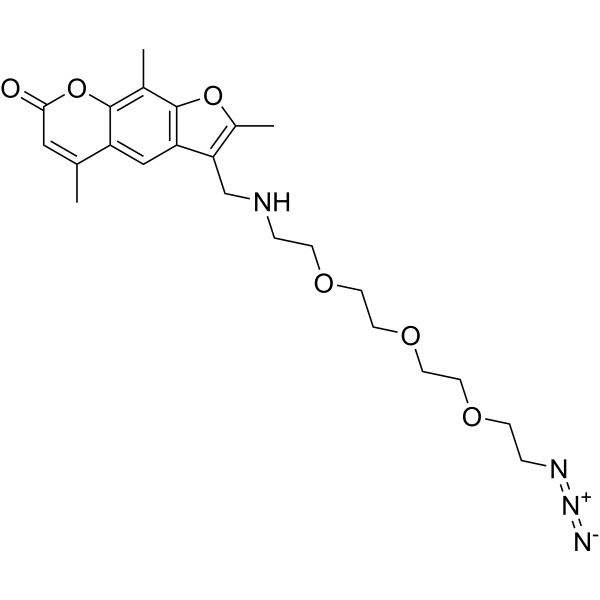
    Psoralen-triethylene glycol azide
    1 Publications Verification

    Biochemical Assay Reagents Others
    Psoralen-triepthylene glycol azide is a compound used to probe the structure and conformation of RNA in living cells, using matching RNA crosslinking and deep sequencing or comradery methods .
    Psoralen-triethylene glycol azide
  • HY-113061R

    Reference Standards Endogenous Metabolite Nucleoside Antimetabolite/Analog DNA/RNA Synthesis Others
    Pseudouridine (Standard) is the analytical standard of Pseudouridine. This product is intended for research and analytical applications. Pseudouridine is an isomer of the nucleoside uridine, and the most abundant modified nucleoside in non-coding RNAs. Pseudouridine in rRNA and tRNA can fine-tune and stabilize the regional structure and help maintain their functions in mRNA decoding, ribosome assembly, processing and translation [4].
    Pseudouridine (Standard)
  • HY-W014120

    Biochemical Assay Reagents Parasite Infection
    Thianthrene is a potent and orally active inhibitor of Leishmania donovani pteridine reductase 1 (PTR1). Thianthrene is a sulfur-containing tricyclic molecule distributed widely within the macro-structure of hydrocarbon fossil fuels. Thianthrene inhibits the intracellular amastigotes of Leishmania donovani (IC50 = 23 μM). Thianthrene has a moderate anthelmintic activity. Thianthrene appears to inhibit RNA function and subsequent protein production. Thianthrene can stimulate liver regeneration in vivo .
    Thianthrene
  • HY-139098

    m7Gp3G

    DNA/RNA Synthesis Others
    7-Methyl-diguanosine triphosphate (m7Gp3G) is an mRNA cap structure analog that inhibits in vitro protein synthesis by binding to the translation initiation complex. 7-Methyl-diguanosine triphosphate binds to eIF4E, promotes cap-dependent translation initiation, stabilizes mRNA, and acts as a translation enhancer. 7-Methyl-diguanosine triphosphate can be used to prepare synthetic capped RNA transcripts for studies related to mRNA translation, splicing, turnover, and intracellular transport .
    7-Methyl-diguanosine triphosphate
  • HY-W008091S

    DNA/RNA Synthesis Endogenous Metabolite Isotope-Labeled Compounds Cancer
    5-Methylcytosine-d4 is the deuterium labeled 5-Methylcytosine (HY-W008091). 5-Methylcytosine is a well-characterized DNA modification in prokaryotes and eukaryotes. 5-Methylcytosine forms symmetrical methylation on CpG dinucleotides in DNA, stabilizes tRNA/rRNA structure in RNA, and affects mRNA translation. 5-Methylcytosine can be oxidized to generate 5hmC, 5fC, and 5caC. 5-Methylcytosine can be used in epigenetics, developmental biology, and the study of diseases such as colorectal cancer and hepatocellular carcinoma .
    5-Methylcytosine-d4
  • HY-167015

    Liposome Others
    1O14 is an ionizable lipid. The ability of ionizable lipids to form unstable non-bilayer structures at acidic pH is key for endosomal escape and cytosolic delivery of RNA. 1O14 can be used in the preparation of liposomes .
    1O14
  • HY-167012

    Liposome Others
    306Oi9-cis2 is an ionizable lipid. The ability of ionizable lipids to form unstable non-bilayer structures at acidic pH is key for endosomal escape and cytosolic delivery of RNA. 306Oi9-cis2 can be used in the preparation of liposomes .
    306Oi9-cis2
  • HY-W008091R
    5-Methylcytosine (Standard)
    1 Publications Verification

    Reference Standards DNA/RNA Synthesis Endogenous Metabolite Cancer
    5-Methylcytosine (Standard) is the analytical standard of 5-Methylcytosine (HY-W008091). This product is intended for research and analytical applications. 5-Methylcytosine is a well-characterized DNA modification in prokaryotes and eukaryotes. 5-Methylcytosine forms symmetrical methylation on CpG dinucleotides in DNA, stabilizes tRNA/rRNA structure in RNA, and affects mRNA translation. 5-Methylcytosine can be oxidized to generate 5hmC, 5fC, and 5caC. 5-Methylcytosine can be used in epigenetics, developmental biology, and the study of diseases such as colorectal cancer and hepatocellular carcinoma .
    5-Methylcytosine (Standard)
  • HY-175419

    trans bis-Isatoic anhydride

    DNA/RNA Synthesis Cancer
    TBIA (trans bis-isatoic anhydride) is a covalent RNA crosslinker. TBIA selectively induces RNA tertiary interactions (e.g., multi-helix junctions, loop-helix packing). TBIA is promising for research of RNA higher-order structure and disease-associated RNAs (e.g., KRAS-mutant RNAs) .
    TBIA
  • HY-122524AR

    Reference Standards Nucleoside Antimetabolite/Analog Endogenous Metabolite DNA/RNA Synthesis Others
    7-Methylguanosine iodide (Standard) is the analytical standard of 7-Methylguanosine iodide (HY-122524AS). This product is intended for research and analytical applications. 7-Methylguanosine iodide is an iodide of 7-Methylguanosine (HY-122524). 7-Methylguanosine is a modified nucleoside widely present in various RNAs and a key metabolite of the 5'-cap structure of eukaryotic mRNA. 7-Methylguanosine plays important roles in stabilizing RNA structures, regulating translation, and other aspects.
    7-Methylguanosine iodide (Standard)
  • HY-145980

    Nucleoside Antimetabolite/Analog Others
    m7GpppUpG, an oligonucleotide, is an M 7GpppNpG trinucleotide cap analogue. m7GpppUpG can be used as a chemical tool enabling manufacturing of RNA featuring either cap 0 or cap 1 structures .
    m7GpppUpG
  • HY-145982

    Nucleoside Antimetabolite/Analog Others
    m7GpppCmpG, an oligonucleotide, is an M 7GpppNpG trinucleotide cap analogue. m7GpppCmpG can be used as a chemical tool enabling manufacturing of RNA featuring either cap 0 or cap 1 structures .
    m7GpppCmpG
  • HY-145979

    Nucleoside Antimetabolite/Analog Others
    m7GpppUmpG, an oligonucleotide, is an M 7GpppNpG trinucleotide cap analogue. m7GpppUmpG can be used as a chemical tool enabling manufacturing of RNA featuring either cap 0 or cap 1 structures .
    m7GpppUmpG
  • HY-145981

    Nucleoside Antimetabolite/Analog Others
    m7GpppCpG, an oligonucleotide, is an M 7GpppNpG trinucleotide cap analogue. m7GpppCpG can be used as a chemical tool enabling manufacturing of RNA featuring either cap 0 or cap 1 structures .
    m7GpppCpG
  • HY-W008091A
    5-Methylcytosine hydrochloride
    2 Publications Verification

    DNA/RNA Synthesis Endogenous Metabolite Cancer
    5-Methylcytosine hydrochloride is a well-characterized DNA modification in prokaryotes and eukaryotes. 5-Methylcytosine hydrochloride forms symmetrical methylation on CpG dinucleotides in DNA, stabilizes tRNA/rRNA structure in RNA, and affects mRNA translation. 5-Methylcytosine hydrochloride can be oxidized to generate 5hmC, 5fC, and 5caC. 5-Methylcytosine hydrochloride can be used in epigenetics, developmental biology, and the study of diseases such as colorectal cancer and hepatocellular carcinoma .
    5-Methylcytosine hydrochloride
  • HY-W200545

    Biochemical Assay Reagents Others
    1M6 is a reagent used for chemical detection of RNA structure .
    1M6
  • HY-D1409

    DMTr-4'-F-uridine-CED-TBDMS phosphoramidite

    DNA Stain Phosphoramidites Cardiovascular Disease
    DMTr-4'-F-U-CED-TBDMS phosphoramidite (DMTr-4'-F-uridine-CED-TBDMS phosphoramidite), a dye reagent for oligonucleotide labeling, can be used for the research of applications in RNA therapeutics, RNA aptamers, and ribozymes for elucidating RNA structure. DMTr-4'-F-U-CED-TBDMS phosphoramidite represents a probe with wide utility for elucidation of RNA structure .
    DMTr-4'-F-U-CED-TBDMS phosphoramidite
  • HY-122524A
    7-Methylguanosine iodide
    2 Publications Verification

    Nucleoside Antimetabolite/Analog Endogenous Metabolite DNA/RNA Synthesis Others
    7-Methylguanosine iodide is an iodide of 7-Methylguanosine (HY-122524). 7-Methylguanosine is a modified nucleoside widely present in various RNAs and a key metabolite of the 5'-cap structure of eukaryotic mRNA. 7-Methylguanosine plays important roles in stabilizing RNA structures, regulating translation, and other aspects .
    7-Methylguanosine iodide
  • HY-W768571

    Isotope-Labeled Compounds Nucleoside Antimetabolite/Analog DNA/RNA Synthesis Endogenous Metabolite Cancer
    Pseudouridine- 13C, 15N2 is the 13C- and 15N-labeled Pseudouridine (HY-113061). Pseudouridine is an isomer of uridine and the most abundant modified nucleoside in non-coding RNA. It fine-tunes and stabilizes regional structures in rRNA and tRNA, maintaining their functions in mRNA decoding, ribosome assembly, processing, and translation. Pseudouridine-modified tRNA fragments can inhibit aberrant protein synthesis and hold promise for research on myelodysplastic syndrome (MDS)-related leukemia. .
    Pseudouridine-13C,15N2
  • HY-W016937

    ABOB

    Influenza Virus HSV HCV Apoptosis Caspase Infection Inflammation/Immunology
    Moroxydine (ABOB) is a broad-spectrum agent with multi-antiviral activities against DNA and RNA viruses, including influenza virus, herpes simplex, varicella zoster, measles, mumps disease, hepatitis C virus, etc. Moroxydine exhibits excellent antiviral activity and shows low cytotoxicity to cells infected by dsRNA viruses (grass carp reovirus, GCRV) and large DNA viruses (giant salamander iridovirus, GSIV). Moroxydine blocks the GCRV-induced cytopathic effects and eliminates nucleocapsids in ctenopharyngodon idella kidney (CIK) cells to keep the normal morphological structure. Moroxydine significantly inhibits the apoptosis, the caspase 3 activity, Bax expression and down-regulates Bcl-2 levels [1][2][3].
    Moroxydine
  • HY-D1408

    DMTr-4'-Methyluridine-CED-TBDMS phosphoramidite

    DNA Stain Phosphoramidites Cardiovascular Disease
    DMTr-4'-Me-U-CED-TBDMS phosphoramidite (DMTr-4'-Methyluridine-CED-TBDMS phosphoramidite), a dye reagent for oligonucleotide labeling, can be used for the research of applications in RNA therapeutics, RNA aptamers, and ribozymes for elucidating RNA structure. DMTr-4'-Me-U-CED-TBDMS phosphoramidite represents a probe with wide utility for elucidation of RNA structure .
    DMTr-4'-Me-U-CED-TBDMS phosphoramidite
  • HY-18408

    FAI

    Biochemical Assay Reagents Others
    5S rRNA modificator is a suitable electrophile for 2’-hydroxyl acylation on structured RNA molecules, yielding accurate structural information comparable to that obtained with existing probes; 5S rRNA RNA modification.
    5S rRNA modificator
  • HY-179117

    DNA/RNA Synthesis Infection
    RNA splicing modulator 5 (compound 22) is a small molecule probe that can specifically target the K-turn region of U4/U6 snRNA. RNA splicing modulator 5 can stabilize RNA structure in vitro and inhibit its binding to Snu13 protein (IC50 = 3.2 μM) .
    RNA splicing modulator 5
  • HY-167004A

    Liposome Others
    IAJD249 is an ionizable lipid. The ability of ionizable lipids to form unstable non-bilayer structures at acidic pH is key for endosomal escape and cytosolic delivery of RNA. IAJD249 can be used in the preparation of liposomes .
    IAJD249
  • HY-167004

    Liposome Others
    IAJD93 is an ionizable lipid. The ability of ionizable lipids to form unstable non-bilayer structures at acidic pH is key for endosomal escape and cytosolic delivery of RNA. IAJD93 can be used in the preparation of liposomes .
    IAJD93
  • HY-167003

    Liposome Others
    L16 is an ionizable lipid. The ability of ionizable lipids to form unstable non-bilayer structures at acidic pH is key for endosomal escape and cytosolic delivery of RNA. L16 can be used in the preparation of liposomes .
    L16

Inquiry Online

Your information is safe with us. * Required Fields.

Salutation


Country or Region *

Applicant Name *


Organization Name *

Department *


Email Address *


Product Name *

Cat. No.


Requested quantity *

Phone Number *


Remarks

Inquiry Online

Inquiry Information

Product Name:
Cat. No.:
Quantity:
MCE Japan Authorized Agent:

