



Cancer Stem Cells
Cancer stem cells (CSCs) are populations of cancer cells that have the properties of stem cells i.e. self-renewal and ability to generate differentiated progenies. CSCs have high plasticity, which changes their phenotypic and functional appearance. They have important roles in tumor development, expansion, resistance, relapse and metastasis. Multiple studies have shown that CSCs originate from non-malignant stem or progenitor cells. Inhibition of developmental signaling pathways that are critical for stem and progenitor cell homeostasis and function has important implications in strategies to target CSCs in cancer research.
Studies have shown that CSCs develop several mechanisms to protect themselves from toxins and genotoxic stress, including enhanced DNA damage repair capacity, increased expression of drug transporters, maintenance of a low reactive oxygen species (ROS) environment, and recruitment of a protective niche. Therefore, targeting signaling pathways that are required to maintain stem cells is the current therapeutic strategy for CSCs. For example, hedgehog pathway, Notch and Wnt signaling pathways.
Newly developed drugs targeting surface markers of CSCs opens the new avenues for cancer therapy, such as CD44, CD133, EpCAM, Sox2, and Oct-3/4.
-
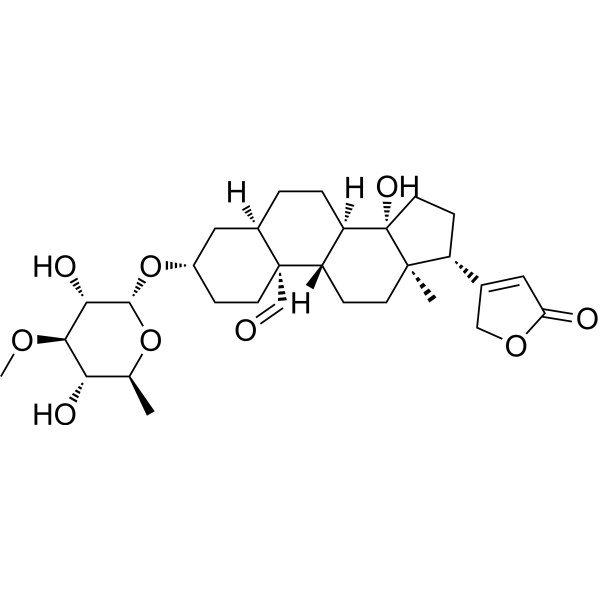
Peruvoside
 0 Images
Peruvoside is a potent inhibitor of Src, PI3K, JNK, STAT, and EGFR. Peruvoside induces apoptosis and autophagy and possesses a broad spectrum of anticancer activity in breast, lung, liver cancers and leukemia. Peruvoside is a broad-spectrum and potent antiviral activity against positive-sense RNA viruses. Peruvoside sensitizes Gefitinib (HY-50895)-resistant tumour cells (A549, PC9/gef and H1975) to Gefitinib.
-
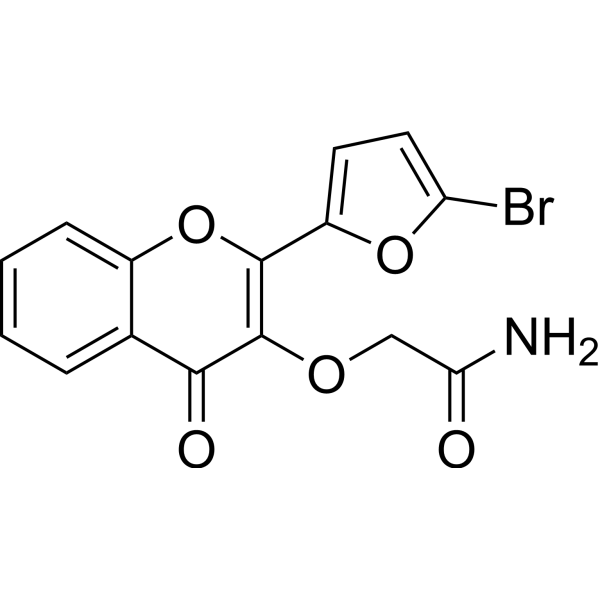
CB7993113
 0 Images
CB7993113 is a potent AHR antagonist, with an IC50 of 0.33 μM. CB7993113 directly binds AHR protein and blocks AHR nuclear translocation. CB7993113 inhibits polycyclic aromatic hydrocarbon (PAH)- and TCDD-induced reporter activity by 75% and 90% respectively.
-
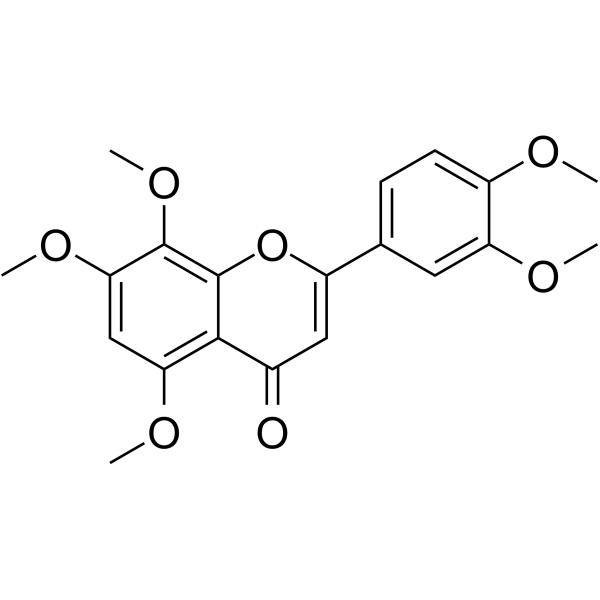
Isosinensetin
 0 Images
Isosinensetin is a flavonoid compound and an inhibitor of HIV-1 protease and PTP1B (IC50: 2.61 µM; Ki: 0.92 µM). Isosinensetin inhibits P-glycoprotein (P-gp) in MDR1-MDCKII cells. Isosinensetin has multiple activities such as anti-tumor, anti-viral, anti-inflammatory, and antioxidant effects. Isosinensetin can be used in the research of various diseases including cancer, inflammation, osteoporosis, diabetes, etc.
-
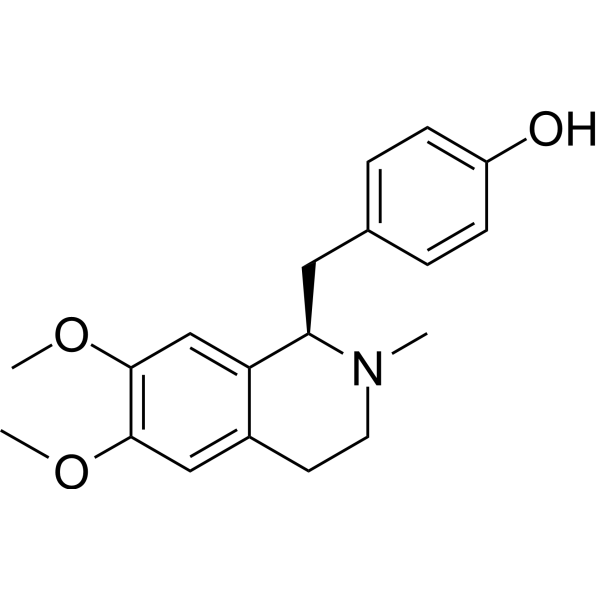
Armepavine
 0 Images
Armepavine, found in Nelumbo nucifera, is an orally active NF-κB inhibitor. Armepavine attenuates expression of p-p65, α-SMA, p-JNK1/2, p-ERK1/2, p-p38α stimulated by TNF-α and LPS. Armepavine suppresses NF-κB nuclear translocation, IκBα phosphorylation, and collagen deposition. Armepavine can be used for the research of hepatic fibrosis and leukemia.
-
Carabrone
 0 Images
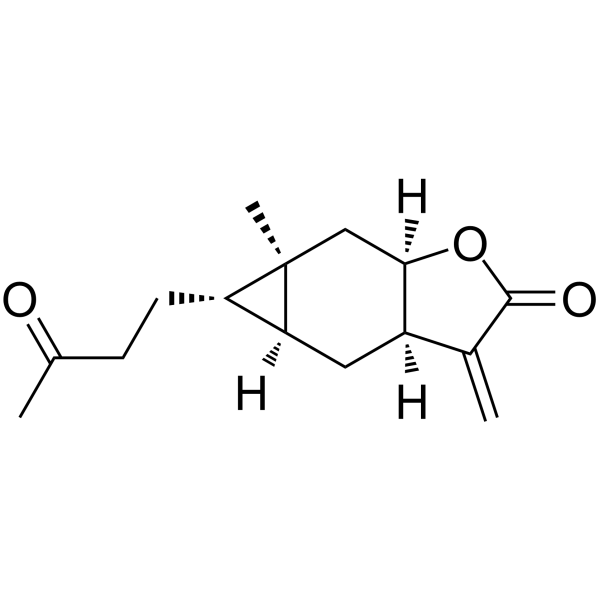
Carabrone is a sesquiterpene found in the fruits of Carpesium abrotanoides and acts as a STAT3 inhibitor (Kd = 25.23 nM) with antibacterial, antitumor, and orally active properties. Carabrone covalently binds to UBE2D3 via Cys85 (Kd = 3.85 μM) and inhibits IκBα phosphorylation and NF-κB signaling. Carabrone induces ROS accumulation, loss of mitochondrial membrane potential, DNA fragmentation, and metacaspase-1-mediated apoptosis in fungi. Carabrone ameliorates autoimmune encephalomyelitis and MASH in vivo, reduces pro-inflammatory cytokines without immunotoxicity. Carabrone is used in research related to autoimmune encephalomyelitis, steatohepatitis, and fungal infections.
-
Bruceantinol
 0 Images
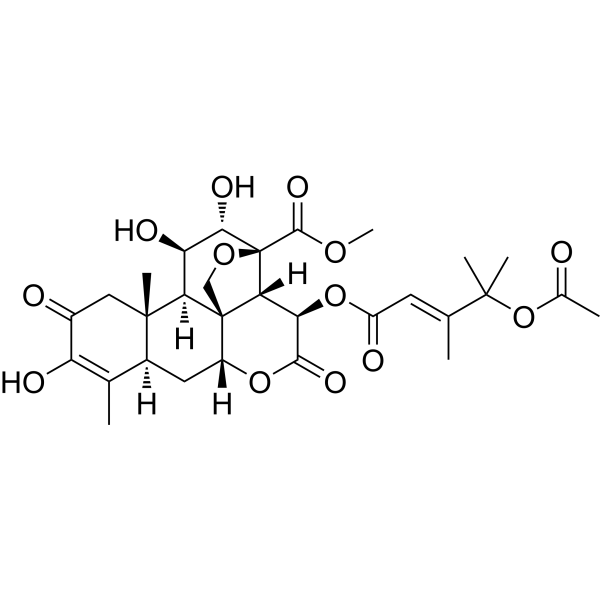
Bruceantinol is a quassinoid that can be isolated from Brucea javanica, inhibits pepper mottle virus (PepMoV) in pepper. Bruceantinol is a STAT3 inhibitor demonstrating potent antitumor activity in in vitro and in vivo human colorectal cancer (CRC) models. Bruceantinol has potent anti-leukemic activity. Bruceantinol strongly inhibits STAT3 DNA-binding ability (IC50 = 2.4 pM), blocks the constitutive and IL-6-induced STAT3 activation, and suppresses transcription of MCL-1, PTTG1, survivin and c-Myc. Bruceantinol binds with CDK2/4/6 to facilitate protein degradation through proteasome pathway. Bruceantinol can dose- and time-dependently reduces the cell growth, impede cell proliferation, disrupts the cell cycle, and induces necrosis in MCF-7 cells and apoptosis in MDA-MB-231 cells.
-
Glycodeoxycholic Acid (Standard)
 0 Images
Glycodeoxycholic Acid (Standard) is the analytical standard of Glycodeoxycholic Acid. This product is intended for research and analytical applications. Glycodeoxycholic Acid is a natural product found in Streptomyces nigricans, Trypanosoma brucei and C. elegans. Glycodeoxycholic Acid induces hepatocyte necrosis and autophagy in patients with obstructive cholestasis.
-
Recoflavone
 0 ImagesSynonyms: DA-6034 free acid
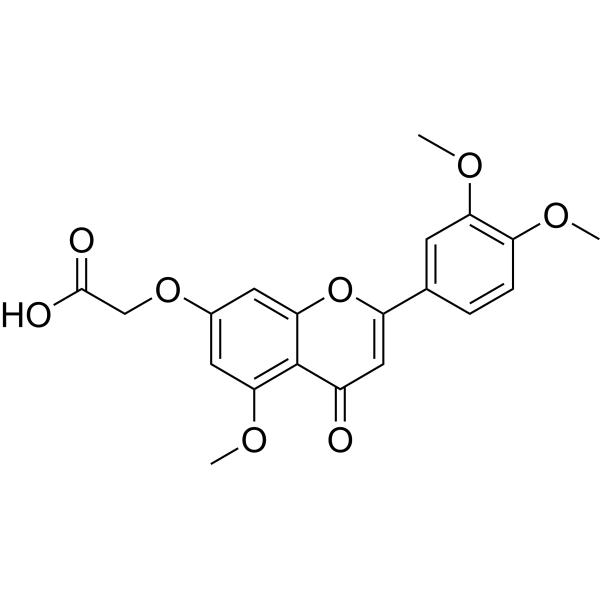
Recoflavone (DA-6034 (free acid)), a synthetic derivative of the flavonoid Eupatilin (HY-N0783), is orally active. Recoflavone can inhibit the NF-κB pathway and induce [Ca(2+)]i increase in epithelial cells. Recoflavone exhibits activities such as anti-inflammation, anti-tumor effects, protection of gastric and intestinal mucosa, and promotion of secretion in the ocular surface and salivary glands. Recoflavone can be used for the research of diseases such as dry eye, gastric injury, and intestinal injury.
-
Hh Pathway-IN-1
 0 Images
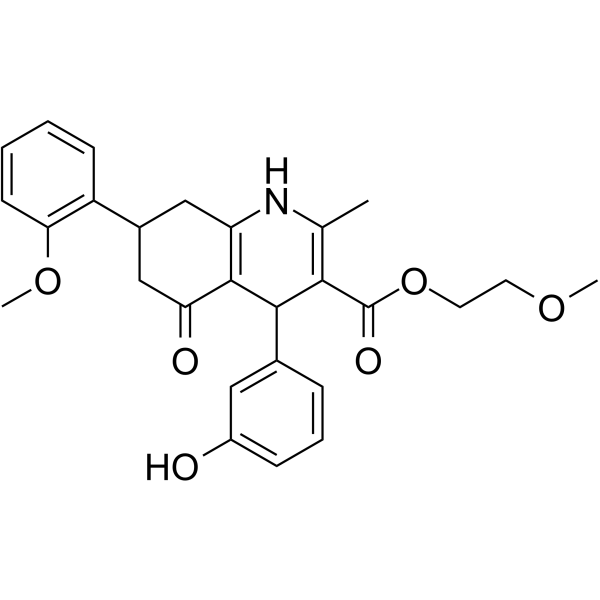
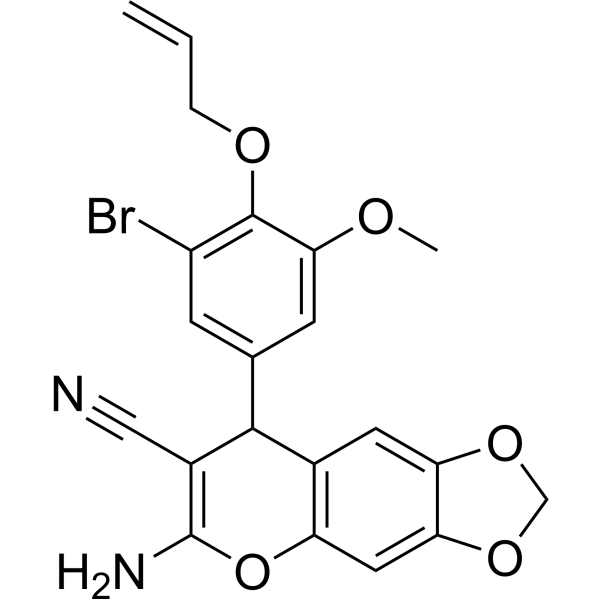
Hh Pathway-IN-1, a Hedgehog (Hh) pathway inhibitor, is a potent Gli antagonist. Hh Pathway-IN-1 inhibits Hh pathway functional with an IC50 value of 1.1 µM in C3H10T1/2 cells. Hh Pathway-IN-1 does not inhibit Wnt signaling. Hh Pathway-IN-1 shows anti-proliferative activity. Hh Pathway-IN-1 decreases the GLI1 mRNA expression. Hh Pathway-IN-1 inhibits colony formation in a dose-dependent manner.
-
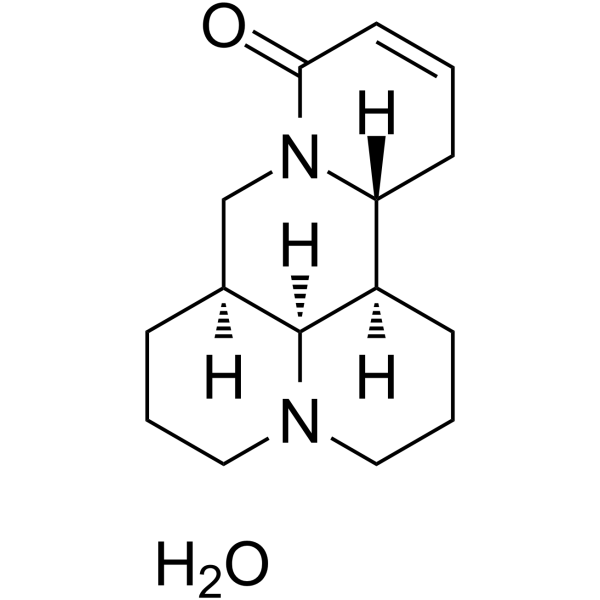
Sophocarpine monohydrate
 0 Images
Sophocarpine monohydrate is a PTEN activator and an inhibitor of PI3K/Akt, MEK/ERK, and NF-κB signaling pathways. Sophocarpine monohydrate upregulates PTEN expression and inhibits PI3K/Akt phosphorylation, arrests tumor cell cycle and induces apoptosis. Sophocarpine monohydrate inhibits MEK/ERK phosphorylation and VEGF secretion, reducing tumor cell migration. Sophocarpine monohydrate can also inhibit NF-κB activation and p38 and JNK phosphorylation, reduce the expression of inflammatory factors such as iNOS and COX-2, and activate the Nrf2/HO-1 pathway to reduce oxidative stress. Sophocarpine monohydrate has anti-tumor, anti-inflammatory, antioxidant and anti-apoptotic effects, and can be used in the research of cancers such as glioblastoma and colorectal cancer, inflammation-related diseases, and Doxorubicin (HY-15142A)-induced cardiac damage.
-
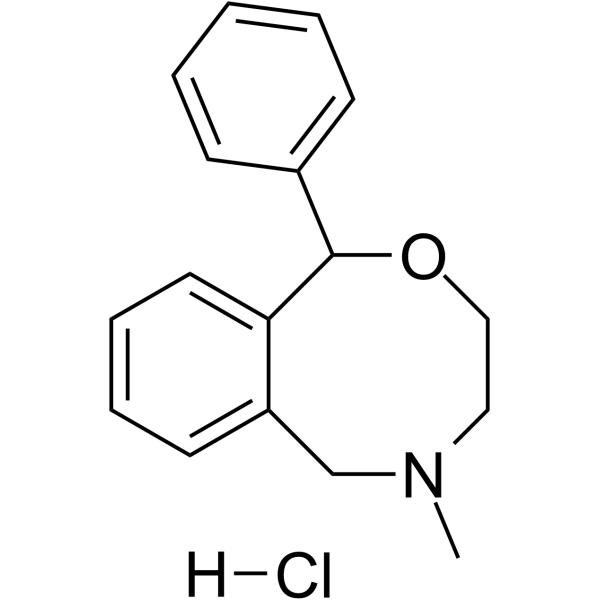
Nefopam hydrochloride
 0 ImagesSynonyms: Fenazoxine hydrochloride
-
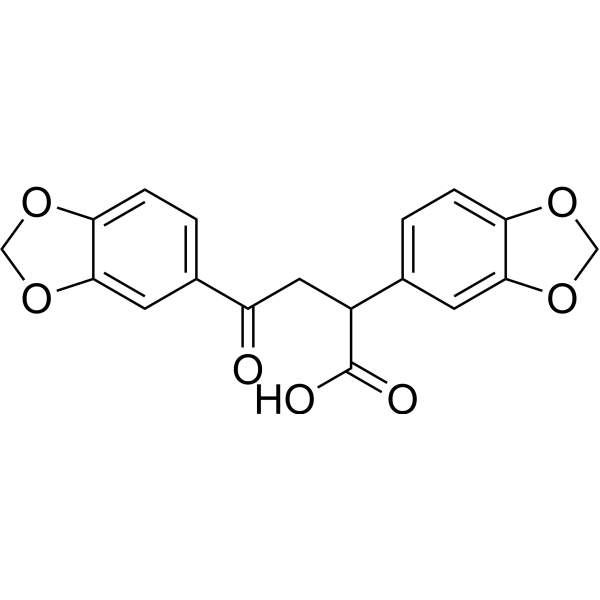
RUNX1/ETO tetramerization-IN-1
 0 Images
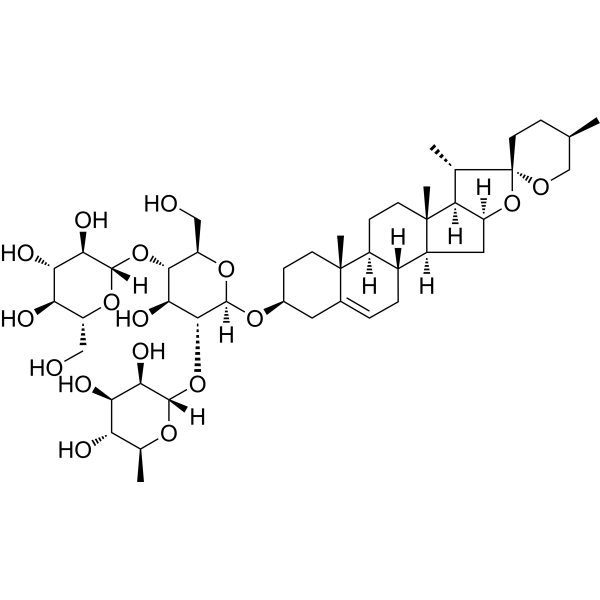
RUNX1/ETO tetramerization-IN-1 is a small-molecule inhibitor of RUNX1/ETO tetramerization, exhibits anti-leukemic effect. RUNX1/ETO tetramerization-IN-1 specifically targets to NHR2 of RUNX1/ETO (EC50=0.25 μM), restores gene expression down-regulated by RUNX1/ETO. RUNX1/ETO tetramerization-IN-1 inhibits the proliferation of RUNX1/ETO-depending SKNO-1 cells, and reduces the RUNX1/ETO-related tumor growth in a mouse model.

-
Dimethoxycurcumin
 0 ImagesSynonyms: DiMC; CHC 004; Di-O-methylcurcumin
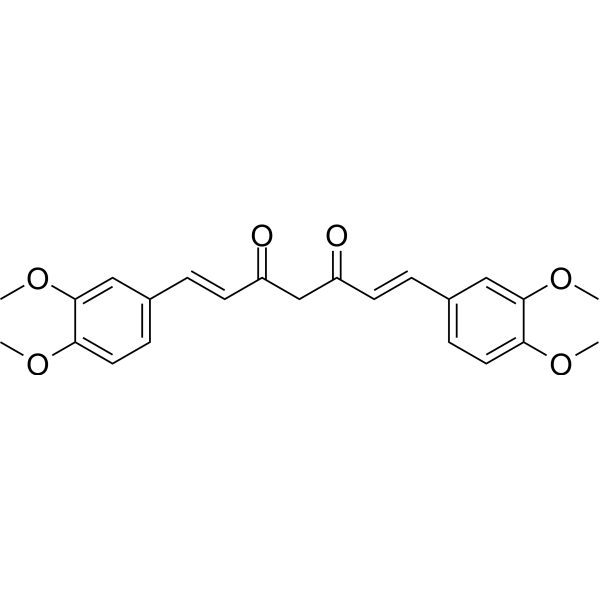
Dimethoxycurcumin (DiMC) is a curcuminoid compound found in Curcuma longa. Dimethoxycurcumin is also an orally active thioredoxin reductase inhibitor (IC50 = 5.4 μM) and androgen receptor antagonist. Dimethoxycurcumin inhibits thioredoxin reductase, leading to oxidized thioredoxin accumulation, ROS production, DNA damage, glutathione depletion, mitochondrial membrane potential decrease, ATP depletion, S phase arrest, and apoptosis. Dimethoxycurcumin inhibits NF-κB, NADPH oxidase subunits, ATP synthase subunits, CDK4, cyclin-D1, FASN, ACC, and the IRS2-PI3K-Akt pathway, while activating AMPK, ERK, and JNK. Dimethoxycurcumin can be used for research on cancer, arsenic-induced hepatotoxicity, and tuberculosis.
-
Methyl protodioscin
 0 ImagesSynonyms: NSC-698790; Smilax saponin B
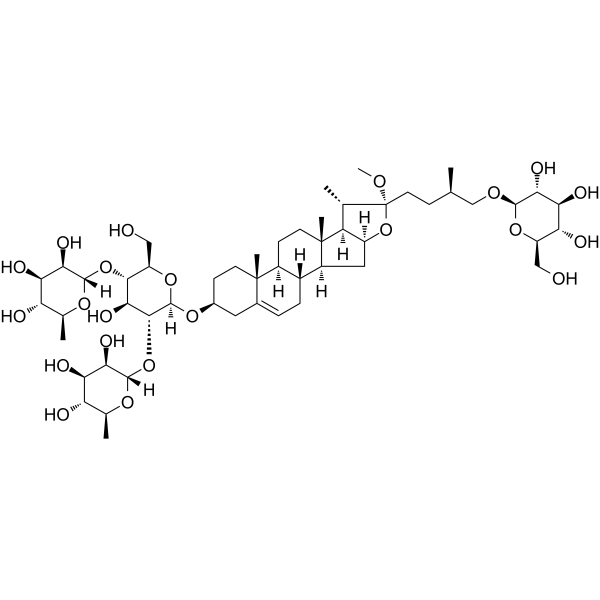
Methyl protodioscin (NSC-698790; Smilax saponin B) is a multi-target, selective, steroidal diglycoside inhibitor with antitumor activity that induces cell cycle arrest. The mechanism of action of Methyl protodioscin is complex, involving the induction of G2/M cell cycle arrest, regulation of the Bcl-2/Bax apoptotic pathway, inhibition of the Akt1/c-Myc axis and MAPK/ERK signaling, while simultaneously downregulating ADAM15 and inducing FOXO1 to reduce cholesterol synthesis. It also inhibits the JNK/c-Jun pathway, reducing the production of inflammatory factors (IL-6, TNF-α). Methyl protodioscin exhibits significant antitumor (inhibiting proliferation, migration, invasion, and inducing apoptosis), anti-inflammatory, and anti-restenosis activities. Methyl protodioscin can be used in research on lung cancer, prostate cancer, pancreatic cancer, and other tumors, as well as inflammatory diseases such as airway inflammation and enteritis.
-
Astragaloside IV (Standard)
 0 Images
Astragaloside IV (Standard) is the analytical standard of Astragaloside IV. This product is intended for research and analytical applications. Astragaloside IV, an active component isolated from Astragalus membranaceus, suppresses the activation of ERK1/2 and JNK, and downregulates matrix metalloproteases (MMP)-2, (MMP)-9 in MDA-MB-231 breast cancer cells.
-
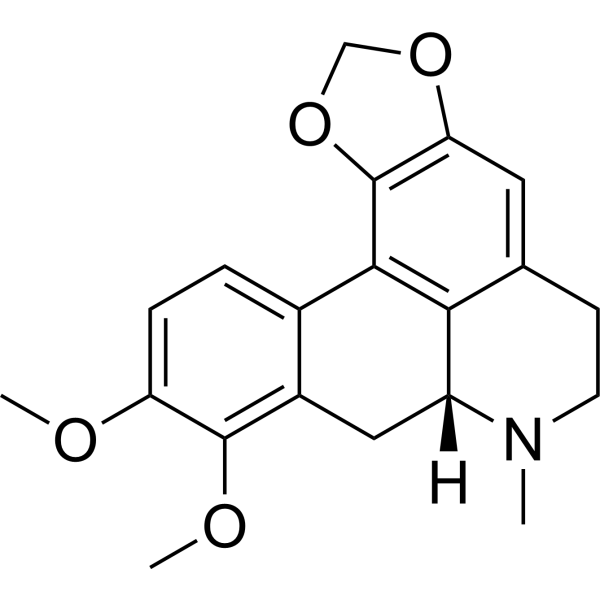
Crebanine
 0 Images
Crebanine is an isoquinoline-like alkaloid that can be derived from Stephania. Crebanine is an antagonist of the α7-nAChR with an IC50 of 19.1 μM. Crebanine suppresses the proliferation, migration, and invasion of cancer cells, triggers reactive oxygen species (ROS) burst, and promotes apoptosis. Crebanine inhibits the AKT/FoxO3a, NF-κB and MAPK signaling pathways. Crebanine attenuates NOX2 hyperactivation, exhibits antioxidant properties by reducing reactive oxygen species and peroxidation in microglia cells. Crebanine inhibits voltage-dependent Na+ current in guinea-pig ventricular myocytes. Crebanine has high inhibitory activity against gram-positive animal pathogenic bacteria. Crebanine ameliorates ischemia-reperfusion brain damage in middle cerebral artery occlusion and reperfusion (MCAO/R) rats. Crebanine significantly improves Scopolamine (HY-N0296)-induced cognitive deficits in ICR mice. Crebanine can be used for the study of hepatocellular carcinoma (HCC), cerebral ischemia and Alzheimer's disease.



