



Apoptosis
Apoptosis
Apoptosis is a distinctive form of cell death exhibiting specific morphological and biochemical characteristics, including cell membrane blebbing, chromatin condensation, genomic DNA fragmentation, and exposure of specific phagocytosis signaling molecules on the cell surface. Cells undergoing apoptosis differ from those dying through necrosis. Necrotic cells are usually recognized by the immune system as a danger signal and, thus, resulting in inflammation; in contrast, apoptotic death is quiet and orderly.
There are two major pathways of apoptotic cell death induction: The intrinsic pathway, also called the Bcl-2-regulated or mitochondrial pathway, is activated by various developmental cues or cytotoxic insults, such as viral infection, DNA damage and growth-factor deprivation, and is strictly controlled by the BCL-2 family of proteins. The extrinsic or death-receptor pathway is triggered by ligation of death receptors (members of the tumor necrosis factor (TNF) receptor family, such as Fas or TNF receptor-1 (TNFR1)) that contain an intracellular death domain, which can recruit and activate caspase-8 through the adaptor protein Fas-associated death domain (FADD; also known as MORT1) at the cell surface. This recruitment causes subsequent activation of downstream (effector) caspases, such as caspase-3, -6 or -7, without any involvement of the BCL-2 family.
Studies suggest that alterations in cell survival contribute to the pathogenesis of a number of human diseases, including cancer, viral infections, autoimmune diseases, neurodegenerative disorders, and AIDS (acquired immunodeficiency syndrome). Treatments designed to specifically alter the apoptotic threshold may have the potential to change the natural progression of some of these diseases.
All Product Categories
-
Apoptosis Inhibitors
(904)
View all products
-
Apoptosis Agonists
(7)
View all products
-
Apoptosis Antagonists
(9)
View all products
-
Apoptosis Activators
(363)
View all products
-
Apoptosis Modulators
(60)
View all products
-
Apoptosis Inducers
(7944)
View all products
-
Apoptosis Degrader
(1)
View all products
-
Apoptosis Controls
(33)
View all products
-
Apoptosis Related Products (9888)
Related Products (9888)

-
Antibodies (120)
-
Rotundic acid (Standard)
 0 ImagesCat. No.: HY-N2217RCAS No.: 20137-37-5Rotundic acid (Standard) is the analytical standard of Rotundic acid (HY-N2217). This product is intended for research and analytical applications. Rotundic acid is an orally effective triterpenoid with a Kd value of 51.3 µM for PTP1B. Rotundic acid downregulates the AKT/mTOR pro-survival pathway and modulates the MAPK pathway. Rotundic acid induces cell cycle S-phase arrest, DNA damage and apoptosis; it inhibits migration, invasion, angiogenesis and proliferation of cancer cells. Rotundic acid improves leptin sensitivity, regulates gut microbiota and reduces cellular senescence. Rotundic acid can be used in research related to hepatocellular carcinoma, obesity, aging, acute lung injury and type 2 diabetes.
-
Dyclonine-d9 hydrochloride
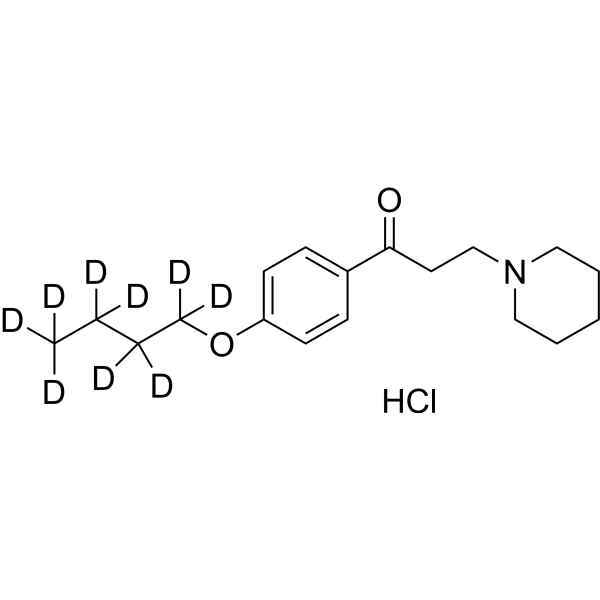 0 ImagesCat. No.: HY-B0364ASSynonyms: Dyclocaine-d9 hydrochlorideDyclonine-d9 hydrochloride (Dyclocaine-d9 hydrochloride) is the deuterated-labeled Dyclonine hydrochloride (HY-B0364A). Dyclonine hydrochloride (Dyclocaine hydrochloride) is an orally active, blood-brain barrier-permeable piperidine phenylacetone small molecule commonly used as a local anesthetic. Dyclonine hydrochloride acts as a highly selective allosteric antagonist of TRPV3; it also reversibly inhibits G9a, ALDH2 and ALDH3A1, non-competitively blocks AChE. Dyclonine hydrochloride activates the Nrf2/ARE pathway, relieves the epigenetic silencing of FXN, blocks Aβ42 aggregation, and promotes remyelination and reparative polarization of microglia. Dyclonine hydrochloride alleviates pruritus via TRPV3 inhibition; it is used in studies of neurodegenerative disease models based on its AChE inhibitory, antioxidant and remyelinating effects; it sensitizes drug-resistant tumors through ALDH inhibition, and combined use with protease inhibitors induces more tumor cell apoptosis; it inhibits Candida albicans in vitro. Dyclonine hydrochloride can be used for research on multiple diseases including neurodegenerative diseases, cancer and pruritic dermatitis.
-
SMO-IN-5
 0 ImagesCat. No.: HY-159893SMO-IN-5 ((Compound 25(B31)) is a potent and competitive inhibitor of smoothened (SMO) that can inhibit Hedgehog (Hh) signaling. SMO-IN-5 interacts with Smo through hydrogen bonds, hydrophobic interactions, and electrostatic forces. SMO-IN-5 inhibits PC cell proliferation, migration, and induces apoptosis by suppressing Gli1 expression. SMO-IN-5 exhibits antitumor activity in pancreatic cancer..
-
Desethylamiodarone
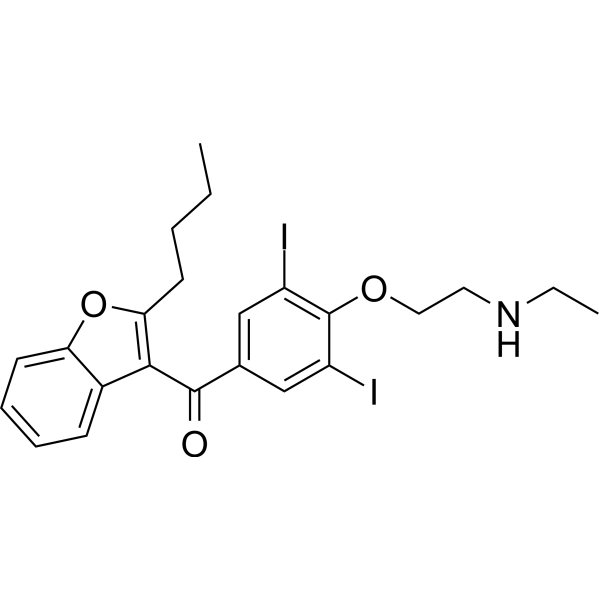 0 ImagesCat. No.: HY-122423CAS No.: 83409-32-9Synonyms: N-Desethylamiodarone; LB 33020Desethylamiodarone (N-Desethylamiodarone; LB 33020) is the major active metabolite of Amiodarone (HY-14187) generated via CYP3A4 metabolism. Desethylamiodarone downregulates p‑Akt, p‑Bad and Bcl‑2, upregulates Bax, promotes mitochondrial release of cytochrome c, activates caspase‑3 and cleaves PARP‑1, thereby inducing cell cycle arrest and apoptosis. Desethylamiodarone can be used in cervical cancer-related research.
-
Flupentixol dihydrochloride (Standard)
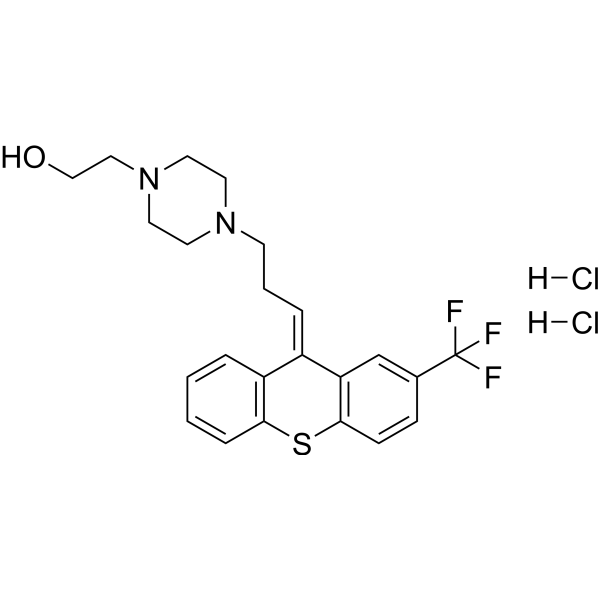 0 ImagesCat. No.: HY-15856BRCAS No.: 2413-38-9Synonyms: Flupenthixol dihydrochloride (Standard)Flupentixol (dihydrochloride) (Standard) is the analytical standard of Flupentixol (dihydrochloride). This product is intended for research and analytical applications. Flupentixol is an orally active D1/D2 dopamine receptor antagonist and new PI3K inhibitor (PI3Kα IC50=127 nM). Flupentixol shows anti-proliferative activity to cancer cells and induces apoptosis. Flupentixol can also be used in schizophrenia, anxiolytic and depressive research.
-
Carubicin hydrochloride (Standard)
 0 ImagesCat. No.: HY-B2171ARCAS No.: 52794-97-5Synonyms: Carminomycin hydrochloride (Standard); Carminomicin I hydrochloride (Standard)Isoflavone (Standard) is the analytical standard of Isoflavone. This product is intended for research and analytical applications. Isoflavone is an orally available bioactive component of soy phytoestrogen with lipid-lowering and antioxidant activities. Isoflavone prevents a variety of chronic diseases by regulating fatty acid oxidation in the liver and gene expression in adipose tissue. In addition, isoflavone has important value in the research of cancer and cardiovascular diseases.
-
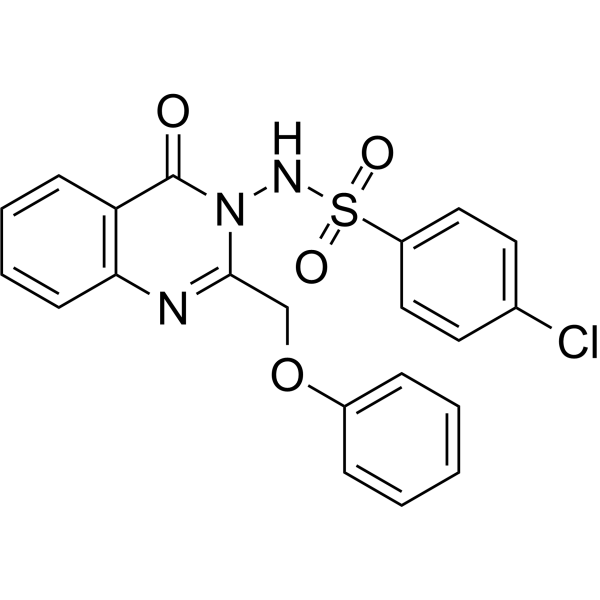
ChoKα inhibitor-4
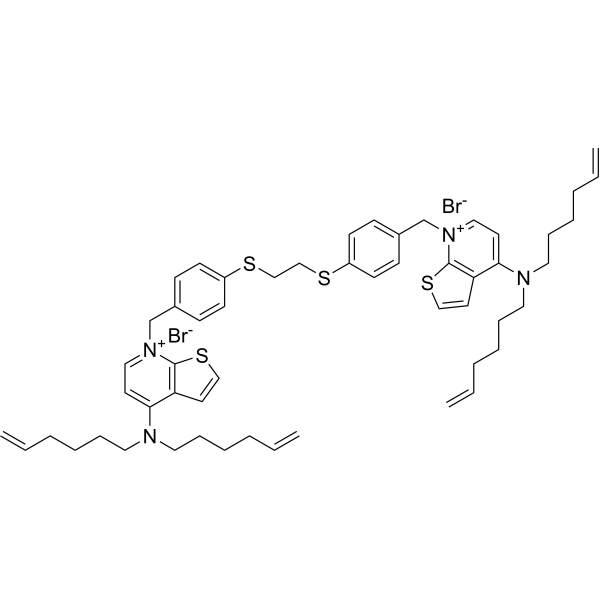 0 ImagesCat. No.: HY-152193CAS No.: 2883822-60-2
-
Anticancer agent 119
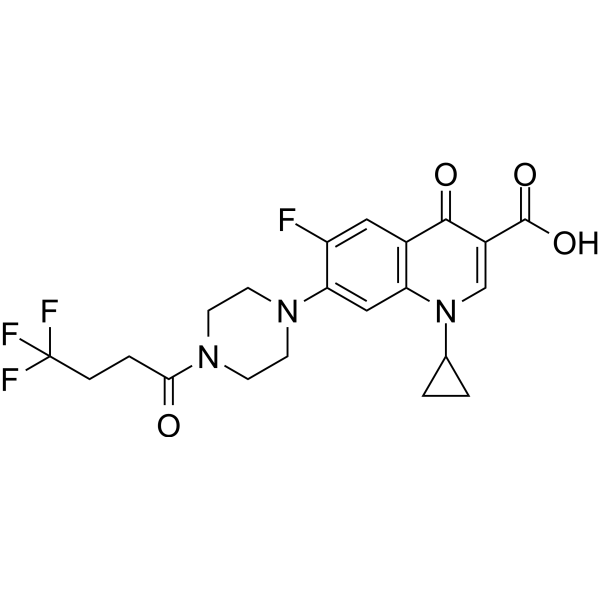 0 ImagesCat. No.: HY-154862CAS No.: 2928614-16-6Anticancer agent 119 (compound 15) is an N-acylated ciprofloxacin derivative, which has certain antibacterial activity and induces ROS production to promote cancer cell apoptosis.
-
Propylparaben sodium (Standard)
 0 ImagesCat. No.: HY-N2026ARCAS No.: 35285-69-9Synonyms: Propyl parahydroxybenzoate sodium (Standard); Propyl 4-hydroxybenzoate sodium (Standard)Propylparaben (Propyl parahydroxybenzoate) sodium (Standard) is the analytical standard of Propylparaben sodium (HY-N2026A). Propylparaben (Propyl parahydroxybenzoate) sodium is an antibacterial preservative that can be produced by plants and bacteria. Propylparaben sodium is an orally active weak estrogen receptor agonist. Propylparaben sodium regulates the PI3K-AKT and JNK signaling pathways, and induces oxidative stress. Propylparaben sodium is commonly used in cosmetics, pharmaceuticals and foods, and can be used in studies related to ovarian aging and myocardial ischemia-reperfusion injury.
-
CDK9-IN-50
 0 ImagesCat. No.: HY-183710CAS No.: 3114520-65-6CDK9-IN-50 is a selective and orally active CDK9 inhibitor with an IC50 of 2.2 nM. CDK9-IN-50 targets a distinct CDK9-specific subpocket to disrupt RNA polymerase II Ser2 phosphorylation and downregulate short-lived oncoproteins, including AR-V7 and Myc. CDK9-IN-50 exhibits antiproliferative activity against cancer cells, induces apoptosis and induces tumor growth inhibition in CRPC orthotopic mice models. CDK9-IN-50 can be used for the research of cancer, such as prostate cancer.
-
Multi-kinase-IN-1
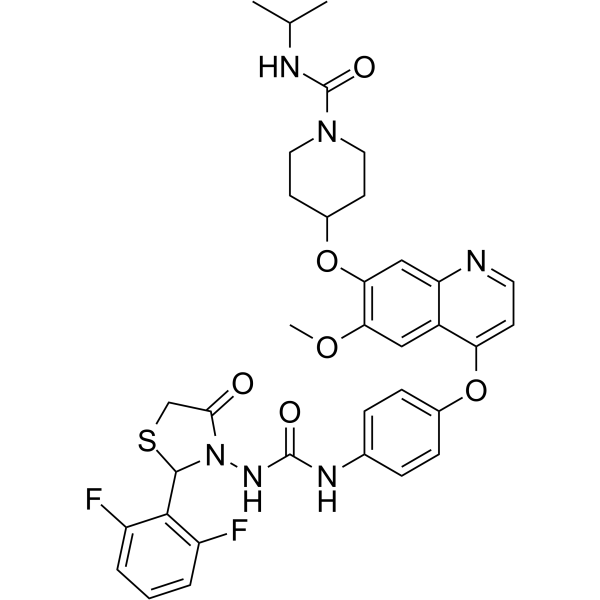 0 ImagesCat. No.: HY-146014CAS No.: 2470807-67-9Multi-kinase-IN-1 (Compound 11k) is a potent kinase inhibitor with antitumor activity. Multi-kinase-IN-1 induces cell apoptosis, and can be studied for colorectal cancer.
-
(S)-IP-DK143
 0 ImagesCat. No.: HY-181817(S)-IP-DK143 is a polymeric micellar formulation. (S)-IP-DK143 inhibits the proliferation of cervical cancer cells, induces ROS-mediated apoptosis, and triggers mitochondrial dysfunction. (S)-IP-DK143 activates the p38 MAPK signaling pathway, increases the phosphorylation level of p38. (S)-IP-DK143 can be used for the research of cervical cancer.

-
Antitumor agent-198
 0 ImagesCat. No.: HY-170843Antitumor agent-198 (Compound A3) exhibits cytotoxicity in head and neck squamous cell carcinoma (HNSCC) cells, that inhibits the proliferation of CAL27, HN6, HN30, SCC9 and SCC25 with IC50 of 4 nM-77 nM. Antitumor agent-198 inhibits the HNSCC cell migration, arrests the cell cycle, and induces apoptosis.
-
Anti-CCL2 (Carlumab)-MC-Vc-PAB-DMEA-PEG2-Duocarmycin SA
 0 ImagesCat. No.: HY-171685Anti-CCL2 (Carlumab)-MC-Vc-PAB-DMEA-PEG2-Duocarmycin SA is an antibody-drug conjugate (ADC) consisting of the humanized anti-CCL2 (chemokine ligand 2) antibody Carlumab (HY-P99188) conjugated with the linker MC-Vc-PAB-DMEA-PEG2 and the DNA alkylator Duocarmycin SA (HY-12456). Anti-CCL2 (Carlumab)-MC-Vc-PAB-DMEA-PEG2-Duocarmycin SA can be used in cancer research.
-
HXR9
 0 ImagesCat. No.: HY-P3245CAS No.: 917953-08-3HXR9 is a cell-permeable peptide and a competitive antagonist of HOX/PBX interaction. HXR9 antagonizes the interaction between HOX and a second transcrip-tion factor (PBX), which binds to HOX proteins in paralogue groups1 to 8. HXR9 selectively decreases cell proliferation and promotes apoptosis in cells with a high level of expression of the HOXA/PBX3 genes, such as MLL-rearranged leukemic cells.
-
(S)-Thalidomide-Piperazine-CH2-Pyrrolidine-C2-OH
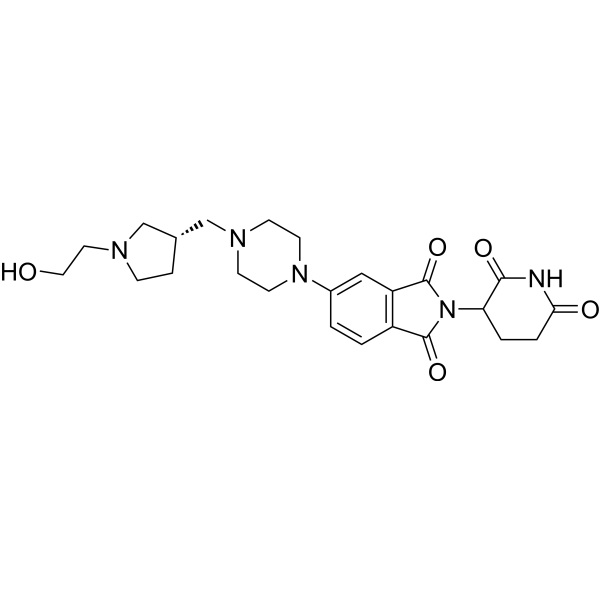 0 ImagesCat. No.: HY-157588E3 ligase Ligand-Linker Conjugate 30 is a conjugate of E3 ligase ligand and linker, consisting of Thalidomide (HY-14658) and the corresponding Linker. E3 ligase Ligand-Linker Conjugate 30 can serve as Cereblon ligand to recruit CRBN protein and serve as a key intermediate for the synthesis of complete PROTAC molecules.
-
BET-IN-20
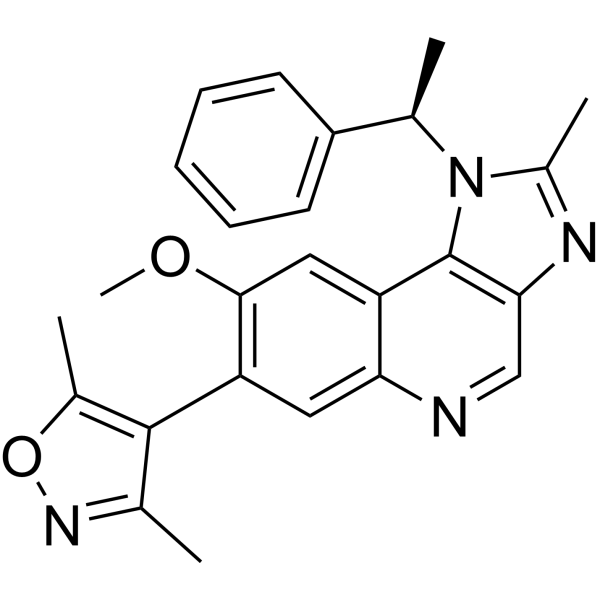 0 ImagesCat. No.: HY-149735CAS No.: 1300735-76-5BET-IN-20 (compound 10) is an inhibitor of BRD4 BD1 (IC50=1.9 nM) with anticancer activity. BET-IN-20 can promote acute myeloid leukemia (AML) cell apoptosis and arrest the cell cycle in the G0/G1 phase. BET-IN-20 also inhibits c-Myc and CDK6 and enhances PARP cleavage.
-
Vicanicin
 0 ImagesCat. No.: HY-N15449CAS No.: 33211-22-2Vicanicin is a depsidone compound found in lichens. Vicanicin inhibits the expression of Hsp70, regulates the redox-sensitive mechanisms within cells, promotes the increase of reactive oxygen species (ROS) in cancer cells, changes the Bax/Bcl-2 ratio, activates caspase-3, and triggers apoptosis. Vicanicin inhibits cell growth and induces apoptosis in androgen-sensitive (LNCaP) and androgen-insensitive (DU-145) human prostate cancer cells. Vicanicin is promising for research of prostate cancer.




