



Apoptosis
Apoptosis
Apoptosis is a distinctive form of cell death exhibiting specific morphological and biochemical characteristics, including cell membrane blebbing, chromatin condensation, genomic DNA fragmentation, and exposure of specific phagocytosis signaling molecules on the cell surface. Cells undergoing apoptosis differ from those dying through necrosis. Necrotic cells are usually recognized by the immune system as a danger signal and, thus, resulting in inflammation; in contrast, apoptotic death is quiet and orderly.
There are two major pathways of apoptotic cell death induction: The intrinsic pathway, also called the Bcl-2-regulated or mitochondrial pathway, is activated by various developmental cues or cytotoxic insults, such as viral infection, DNA damage and growth-factor deprivation, and is strictly controlled by the BCL-2 family of proteins. The extrinsic or death-receptor pathway is triggered by ligation of death receptors (members of the tumor necrosis factor (TNF) receptor family, such as Fas or TNF receptor-1 (TNFR1)) that contain an intracellular death domain, which can recruit and activate caspase-8 through the adaptor protein Fas-associated death domain (FADD; also known as MORT1) at the cell surface. This recruitment causes subsequent activation of downstream (effector) caspases, such as caspase-3, -6 or -7, without any involvement of the BCL-2 family.
Studies suggest that alterations in cell survival contribute to the pathogenesis of a number of human diseases, including cancer, viral infections, autoimmune diseases, neurodegenerative disorders, and AIDS (acquired immunodeficiency syndrome). Treatments designed to specifically alter the apoptotic threshold may have the potential to change the natural progression of some of these diseases.
All Product Categories
-
Apoptosis Inhibitors
(904)
View all products
-
Apoptosis Agonists
(7)
View all products
-
Apoptosis Antagonists
(9)
View all products
-
Apoptosis Activators
(363)
View all products
-
Apoptosis Modulators
(60)
View all products
-
Apoptosis Inducers
(7944)
View all products
-
Apoptosis Degrader
(1)
View all products
-
Apoptosis Controls
(33)
View all products
-
Apoptosis Related Products (9888)
Related Products (9888)

-
Antibodies (120)
-
5,7,4'-Trimethoxyflavone (Standard)
 0 Images5,7,4'-Trimethoxyflavone (Standard) is the analytical standard of 5,7,4'-Trimethoxyflavone. This product is intended for research and analytical applications. 5,7,4’-Trimethoxyflavone can be isolated from the medicinal plant Kaempferia parviflora (KP). 5,7,4’-Trimethoxyflavone is a CFTR activator and EC50 is 64 μM. 5,7,4’-Trimethoxyflavone induces apoptosis, increases proteolytic activation of caspase-3, and degradation of ADP-ribose polymerase (PARP) protein. 5,7,4’-Trimethoxyflavone has antitumor activity. 5,7,4’-Trimethoxyflavone can be used to prevent skin aging and oxidative stress.
-
W6134
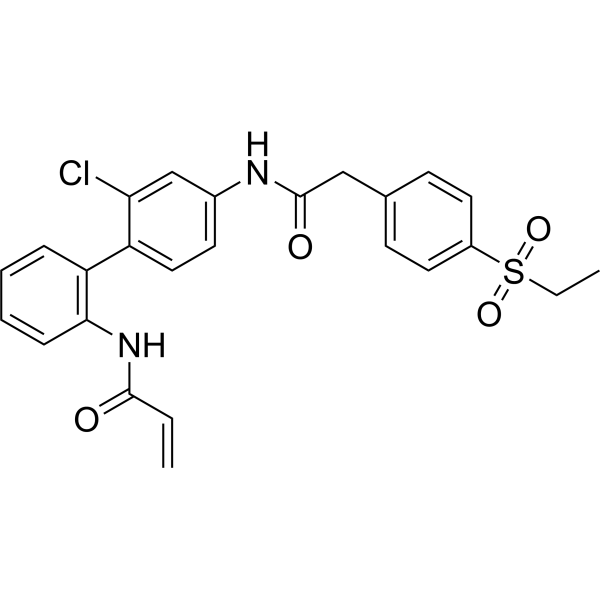 0 ImagesW6134 is highly potent and selective RORγ covalent inhibitor with an IC50 of 0.21 μM. W6134 exhibits excellent selectivity for RORγ over RORα, RXRγ, and ERRγ. W6134 significantly inhibits RORγ transcriptional activity W6134 inhibits the proliferation and colony formation and induces apoptosis in castration-resistant prostate cancer cells (CRPC). W6134 can be used for the research of castration-resistant prostate cancers (CRPC).
-
Tasisulam sodium
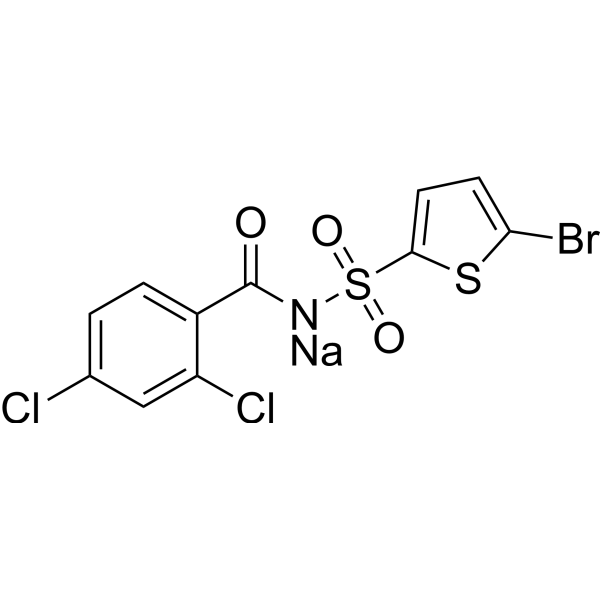 0 ImagesCat. No.: HY-14804ACAS No.: 519055-63-1Synonyms: LY 573636 sodiumTasisulam is a anticancer agent and induces apoptosis via the intrinsic pathway, resulting in cytochrome c release and caspase-dependent cell death. Tasisulam inhibits mitotic progression and induces vascular normalization.
-
GZD856
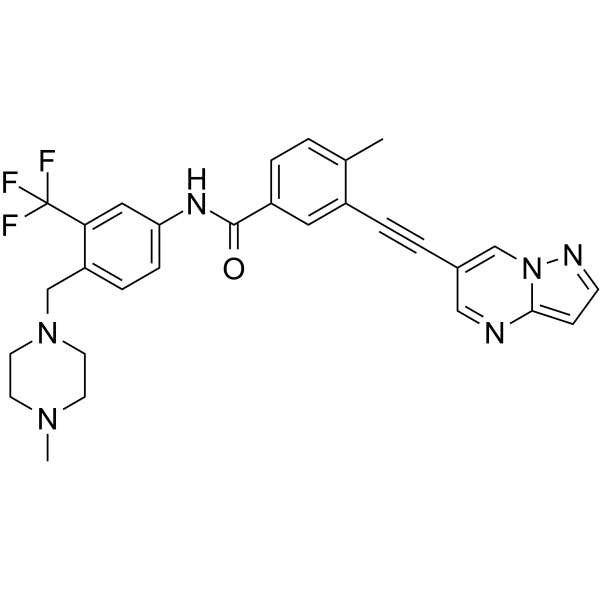 0 ImagesCat. No.: HY-101489CAS No.: 1257628-64-0
-
Thalidomide-PEG3-NH2
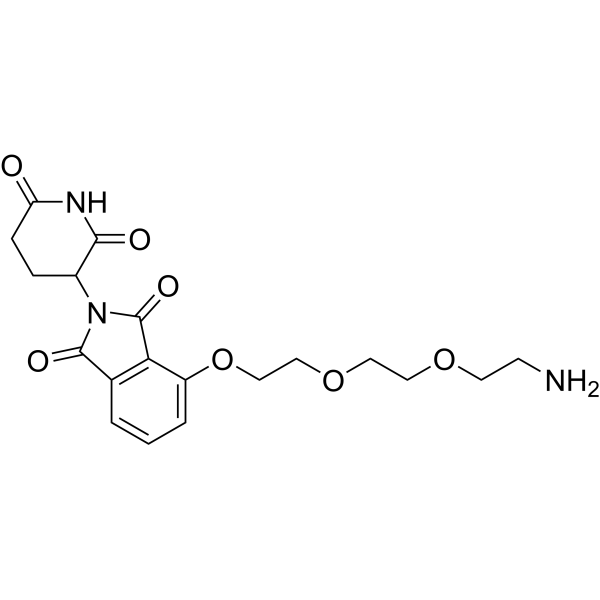 0 ImagesCat. No.: HY-130965CAS No.: 1957236-10-0Thalidomide-PEG3-NH2 is a synthesized E3 ligase ligand-linker conjugate that incorporates the Thalidomide based cereblon ligand and a linker used in PROTAC technology.
-
IV-23
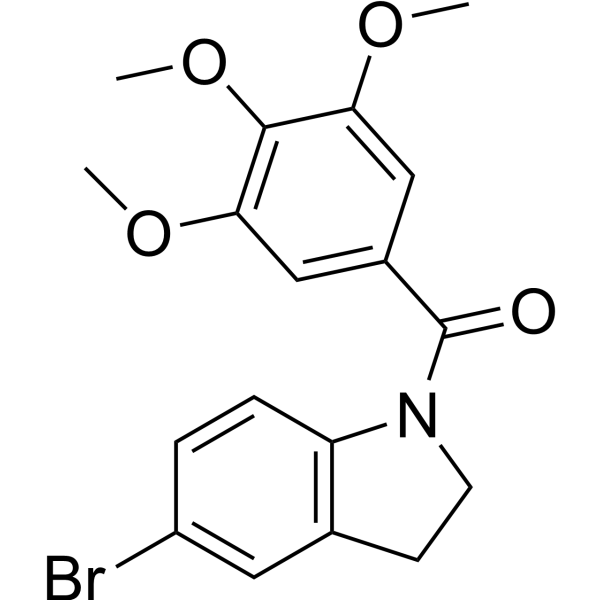 0 ImagesCat. No.: HY-126324CAS No.: 2326007-49-0IV-23 (Compound 20) is a potent Noxa mediated apoptosis inducer, and it is a promising anticancer agent with potential. IV-23 inhibits cell growths in vitro and in vivo, reduces colony formation, arrests cell cycle at M phase, and induces esophageal squamous cell carcinoma (ESCC).
-
Fulvestrant solution
 0 ImagesCat. No.: HY-FL13636CAS No.: 129453-61-8Synonyms: ICI 182780 solution; ZD 9238 solution; ZM 182780 solutionFulvestrant solution is mainly composed of Fulvestrant (HY-13636). Fulvestrant (ICI 182780) is a pure antiestrogen and a potent estrogen receptor (ER) antagonist with an IC50 of 9.4 nM. Fulvestrant is also a GPR30 agonist. Fulvestrant effectively inhibits the growth of ER-positive MCF-7 cells with an IC50 of 0.29 nM. Fulvestrant also induces autophagy and has antitumor efficacy.
-
PM534
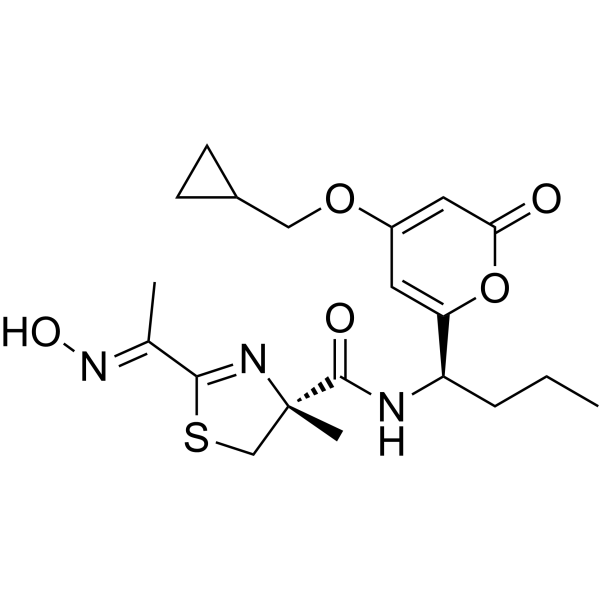 0 ImagesCat. No.: HY-163270CAS No.: 2446376-25-4PM534 is a potent tubulin inhibitor (KD = 20 nM). PM534 targets and binds to the entire colchicine-binding domain (CBD) of tubulin, thereby inhibiting tubulin assembly; this leads to cell cycle arrest at the G2-M phase and induces multinucleation and apoptosis. PM534 exhibits microtubule-destabilizing agent (MDA) activity, potent broad-spectrum antitumor activity, and anti-angiogenic effects. PM534 can be used in research concerning human non-small cell lung cancer (NSCLC), breast cancer, ovarian cancer, and prostate cancer.
-
MBM-55S
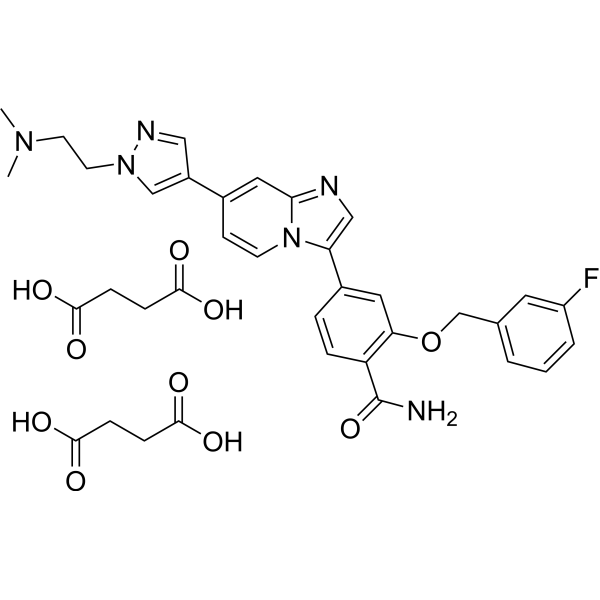 0 ImagesCat. No.: HY-101029ACAS No.: 2083624-07-9MBM-55S is a potent NIMA-related kinase 2 (Nek2) inhibitor with an IC50 of 1 nM. MBM-55S shows a 20-fold or greater selectivity in most kinases with the exception of RSK1 (IC50=5.4 nM) and DYRK1a (IC50=6.5 nM). MBM-55S effectively inhibits the proliferation of cancer cells by inducing cell cycle arrest and apoptosis. MBM-55S shows antitumor activities, and no obvious toxicity to mice.
-
Thalidomide-O-amido-PEG1-(C1-PEG)2-C2-NH2
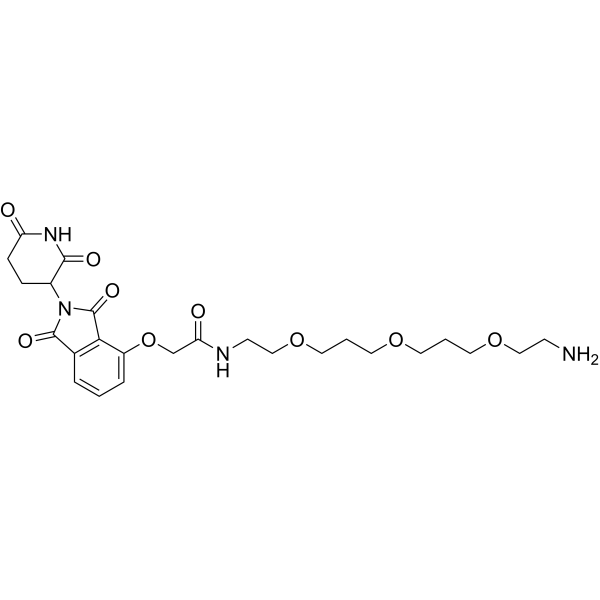 0 ImagesCat. No.: HY-112600CAS No.: 2435572-48-6Synonyms: Cereblon Ligand-Linker Conjugates 12; E3 Ligase Ligand-Linker Conjugates 23Thalidomide-O-amido-PEG1-(C1-PEG)2-C2-NH2 is a synthesized E3 ligase ligand-linker conjugate that incorporates the Thalidomide based cereblon ligand and a linker used in PROTAC technology.
-
Atiprimod
 0 ImagesCat. No.: HY-13559CAS No.: 123018-47-3Synonyms: Azaspirane ; SKF 106615-12; SKF 106615A12Atiprimod (Azaspirane) is a STAT3 inhibitor with antitumor, anti-inflammatory, and anti-angiogenic activities. Atiprimod blocks the signaling pathways of IL-6 and VEGF by inhibiting the phosphorylation of signal transducer and activator of STAT3. Atiprimod blocks the JAK-STAT signaling pathway by inhibiting the phosphorylation of JAK2 and JAK3. Atiprimod also inhibits cell proliferation, induces cell cycle arrest, and induces autophagy and apoptosis. Atiprimod triggers persistent ER stress-mediated apoptosis in breast cancer cells by activating the PERK/eIF2α/ATF4/CHOP axis and inhibiting the nuclear translocation of STAT3/NF-κB. Atiprimod shows great anti-tumor activities in tumor xenograft mouse models. Atiprimod can be used for the study of pituitary adenoma, breast cancer, multiple myeloma and acute myeloid leukemia (AML).
-
Paclitaxel solution
 0 ImagesCat. No.: HY-FLB0015CAS No.: 33069-62-4Paclitaxel solution is mainly composed of Paclitaxel (HY-B0015). Paclitaxel is a naturally occurring antineoplastic agent and stabilizes tubulin polymerization. Paclitaxel can cause both mitotic arrest and apoptotic cell death. Paclitaxel also induces autophagy.
-
Thalidomide-4-O-C7-NH2
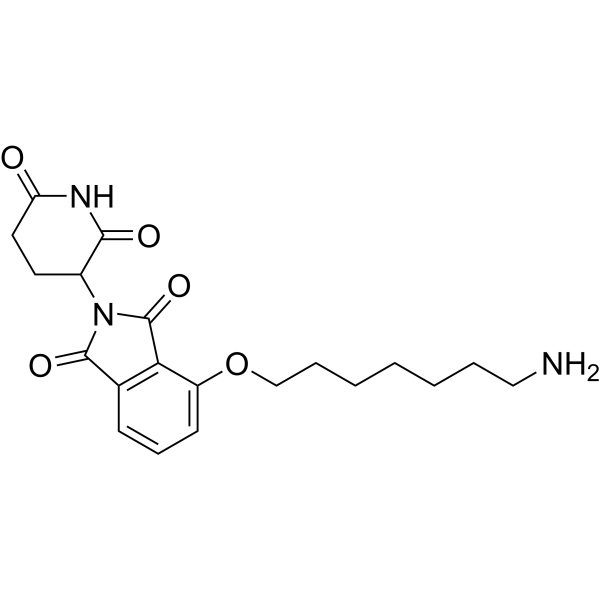 0 ImagesCat. No.: HY-130949CAS No.: 2093536-11-7Thalidomide-4-O-C7-NH2 is a synthesized E3 ligase ligand-linker conjugate that incorporates the Thalidomide based cereblon ligand and a linker used in PROTAC technology.
-
Caryophyllene oxide (Standard)
 0 ImagesCaryophyllene oxide (Standard) ((-)-Caryophyllene oxide (Standard)) is the analytical standard of Caryophyllene oxide (HY-N3544). This product is intended for research and analytical applications. Caryophyllene oxide is a bicyclic sesquiterpene with anticancer effects. Caryophyllene oxide induces apoptosis of PC-3 cells. Caryophyllene oxide shows analgesic and anti-inflammatory activities. Caryophyllene oxide has insecticidal, antioxidant, antimicrobial, antifungal, and antiparasitic properties.
-
Fludarabine triphosphate
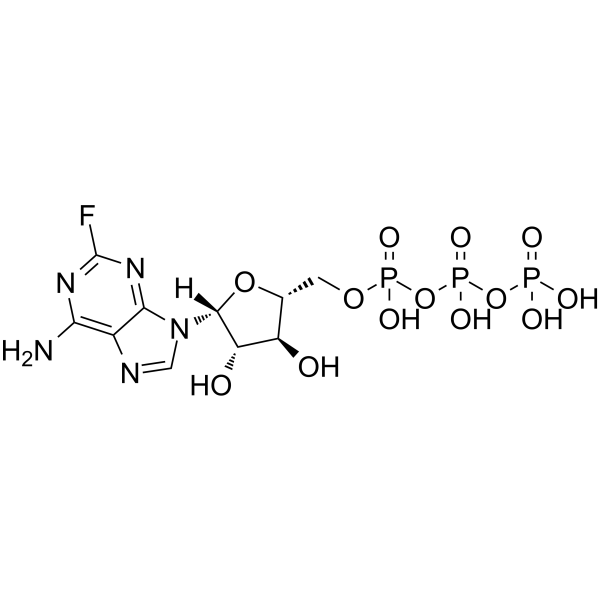 0 ImagesCat. No.: HY-136650CAS No.: 74832-57-8Synonyms: F-ara-ATPFludarabine triphosphate (F-ara-ATP), the active metabolite of Fludarabine (HY-B0069), is a potent, noncompetitive and specific inhibitor of DNA primase, with an IC50 of 2.3 μM and a Ki of 6.1 μM. Fludarabine triphosphate inhibits DNA synthesis by blocking DNA primase and primer RNA formation. Fludarabine triphosphate inhibits ribonucleotide reductase and DNA polymerase and ultimately leads to cellular apoptosis.
-
BMS-561392
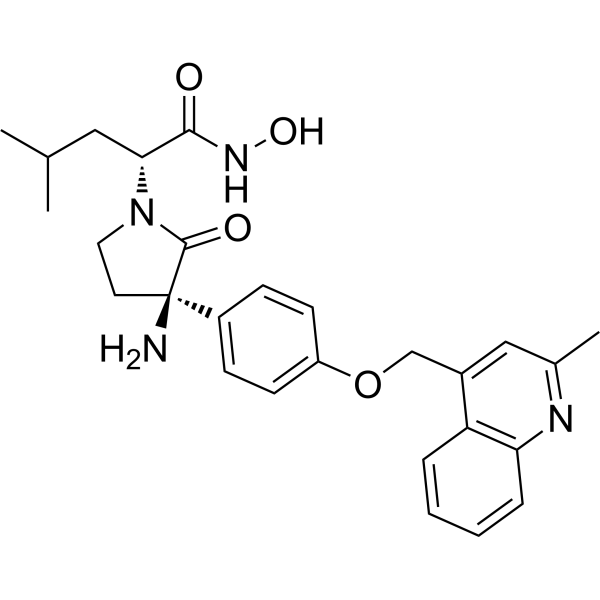 0 ImagesCat. No.: HY-19667CAS No.: 611227-74-8Synonyms: DPC 333BMS-561392 (BMS-561392) is a selective ADAM17(TACE) inhibitor. BMS-561392 inhibits TNF-α secretion by regulating signaling pathways such as p44 MAPK and NF-κB. BMS-561392 also affects the survival of central nervous system-related cells including oligodendrocytes and microglia. BMS-561392 promotes microglial apoptosis, enlarges the injury area and exacerbates astrogliosis in a mouse spinal cord injury model. BMS-561392 can be used in research related to spinal cord injury and inflammatory diseases.
-
OTS514 hydrochloride
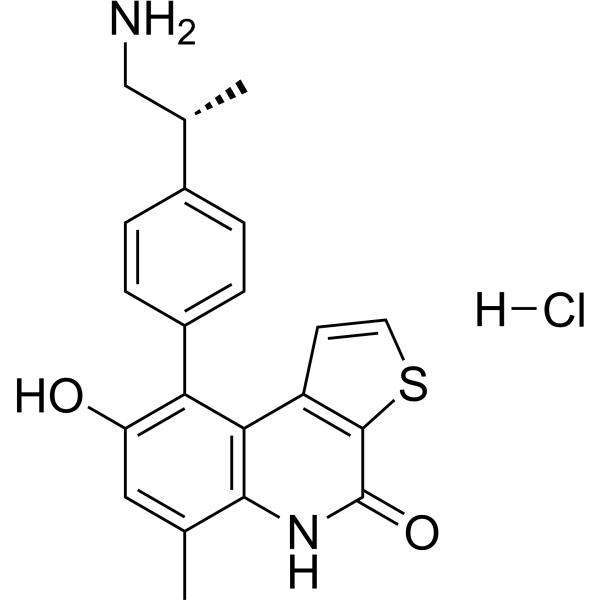 0 ImagesCat. No.: HY-18621ACAS No.: 2319647-76-0
-
Biotin-doxorubicin
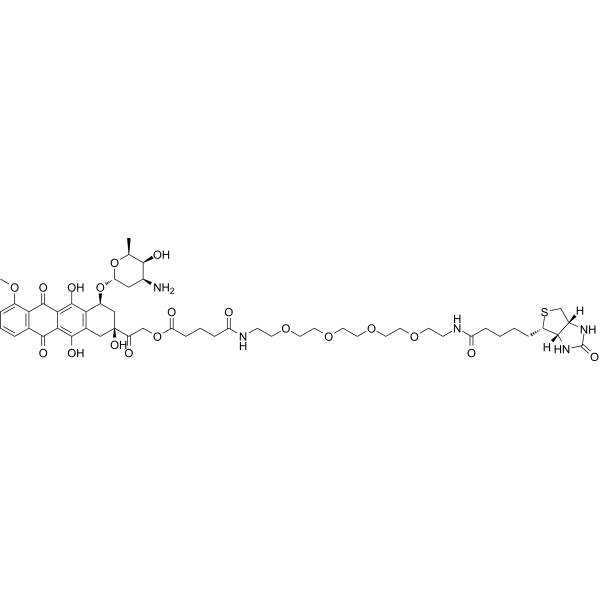 0 ImagesCat. No.: HY-152965CAS No.: 3026061-30-0Biotin-doxorubicin is a Biotin-labeled Doxorubicin. Doxorubicin, a broad-spectrum anthracycline antibiotic, is a topoisomerase II inhibitor.
-
2-Deoxy-D-glucose-13C-1
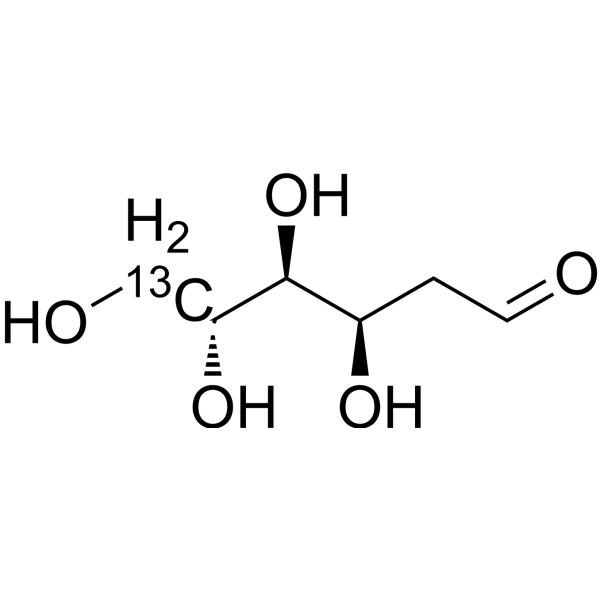 0 ImagesCat. No.: HY-13966S4CAS No.: 119897-50-6Synonyms: 2-DG-13C-1; 2-Deoxy-D-arabino-hexose-13C-1; D-Arabino-2-deoxyhexose-13C-12-Deoxy-D-glucose-13C-1 is the 13C labeled 2-Deoxy-D-glucose. 2-Deoxy-D-glucose is a glucose analog that acts as a competitive inhibitor of glucose metabolism, inhibiting glycolysis via its actions on hexokinase.
-
PLX3397 in AIN-76A Diet (600 ppm)
 0 ImagesCat. No.: HY-AF16749XPLX3397 in AIN-76A Diet (600 ppm) is a feed containing Pexidartinib (PLX3397) (HY-16749), with AIN-76A as the base feed at a concentration of 600 ppm. PLX3397 in AIN-76A Diet (600 ppm) can be used to study the effects of Pexidartinib (PLX3397) on animal organisms. PLX3397 in AIN-76A Diet (600 ppm) does not include a control group feed and is recommended for use with the control group AIN-76A (HY-AF0001).




