



Autophagy
Autophagy is a conserved cellular degradation and recycling process in the lysosome. In mammalian cells, there are three primary types of autophagy: microautophagy, macroautophagy, and chaperone-mediated autophagy (CMA). Microphagy captures cargoes by means of invaginations or protrusions of the lysosomal membrane directly, CMA uses chaperones to identify cargo proteins and then unfolds and transfers them into the lysosomal, while macroautophagy sequesters cargo by autophagosomes-de novo synthesized of double-membrane vesicles-and subsequently transport it to the lysosome.
Macroautophagy is the best studied and it occurs at a low level constitutively and can also be further induced under stress conditions, such as nutrient or energy starvation with a salient feature of autophagy protein degradation. Stress-induced macrophagy plays an important role in protein catabolism with another key protein degradation pathway, the ubiquitin–proteasome system (UPS).
As the study progressed, autophagy gains its importance under basal, nutrient-rich conditions, and is now recognized as a critical housekeeping pathway in catabolism of diverse cellular constituents, such as protein aggregates (aggrephagy), lipid droplets (lipophagy), iron complex (Ferritinophagy) and carbohydrate. Except for macromolecules, autophagy can also target several organelles and structures, such as mitochondria (mitophagy), peroxisome (pexophagy), endoplasmic reticulum (reticulophagy or ER-phagy), ribosome (ribophagy), spermatozoon-inherited organelles following fertilization (allophagy), secretory granules within pancreatic cells (zymophagy) and intracellular pathogens (xenophagy).
Autophagy and its dysfunction are associated with a variety of human pathologies, including ageing, cancer, neurodegenerative disease, heart disease and metabolic diseases, such as diabetes. Plenty of drugs and natural products are involved in autophagy modulation through multiple signaling pathways. Small molecules that can regulate autophagy seem to have great potential to intervene such diseases in animal models or clinical courses.
All Product Categories
-
Autophagy Inhibitors
(488)
View all products
-
Autophagy Agonists
(6)
View all products
-
Autophagy Activators
(124)
View all products
-
Autophagy Modulators
(59)
View all products
-
Autophagy Chemicals
(2)
View all products
-
Autophagy Inducers
(2220)
View all products
-
Autophagy Controls
(5)
View all products
-
Autophagy Ligand
(1)
View all products
-
Autophagy Related Products (3441)
Related Products (3441)

-
Antibodies (31)
-
Autophagy Signaling Pathway
-
Clarithromycin-d3
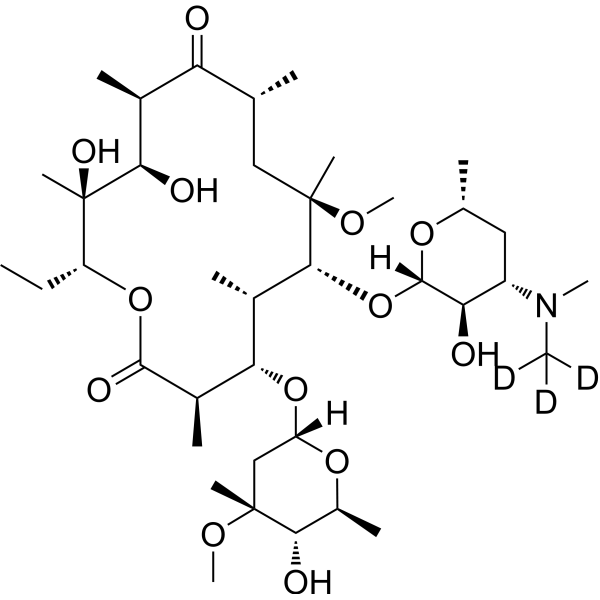 0 ImagesClarithromycin-d3 is the deuterium labeled Clarithromycin (HY-17508). Clarithromycin has a broad spectrum of antimicrobial activity. Clarithromycin inhibits the CYP3A4-catalyzed triazolam alpha-hydroxylation with the IC50 (Ki) value of 56 (43) μM. Clarithromycin significantly inhibits the HERG potassium current.Clarithromycin affects the autophagic flux by impairing the signaling pathway linking hERG1 and PI3K.
-
FB49
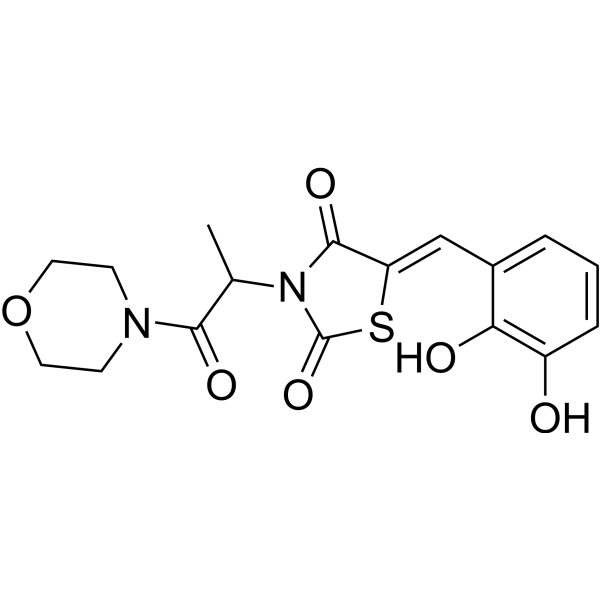 0 ImagesFB49 is a highly selective inhibitor of Bcl-2-associated athanogene 3 (BAG3), with the Ki of 45 μM. FB49 inhibits the cell growth in human tumoral cells, but has no toxicity in human peripheral mononuclear cells. FB49 block cell cycle in G1 phase and to induce apoptosis as well as autophagy in medulloblastoma HD-MB03 treated cells.
-
SYUIQ-5
 0 ImagesSYUIQ-5 is a G-quadruplex ligand. SYUIQ-5 stabilizes G-quadruplex and induce senescence. SYUIQ-5 inhibits c-myc gene promoter activity. SYUIQ-5 induces cancer cells autophagy by triggering telomere damage through TRF2 delocalization from telomeres.
-
18α-Licorice-saponin H2
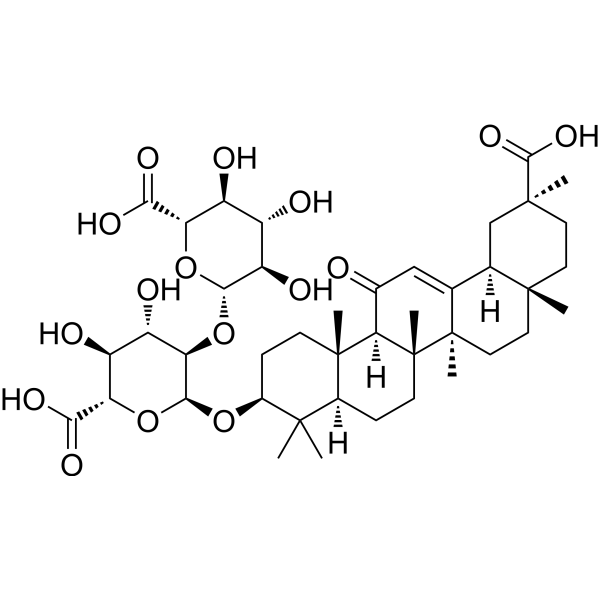 0 ImagesSynonyms: 18α-GA; Isoglycyrrhizinic acid; 18α-Glycyrrhizic acid18α-Glycyrrhizic acid (18α-GA; Isoglycyrrhizinic acid; 18α-Glycyrrhizic acid) is a derivative of glycyrrhizic acid with oral activity. 18α-Glycyrrhizic acid exhibits antioxidant, anti-inflammatory, hepatoprotective and cardioprotective activities. 18α-Glycyrrhizic acid protects against ethanol-induced alcoholic liver disease in rats by upregulating the expression levels of SOD, GSH, PPAR-α and CPT-1. 18α-Glycyrrhizic acid shows cytotoxicity against T lymphocytes and inhibits HIV-1 replication in these cells. 18α-Glycyrrhizic acid alleviates oxidative stress by reducing the levels of ROS, Nrf2, HO-1 and p-P65, and alleviates pyroptosis by downregulating the expression levels of NLRP3, GSDMD-N, P20 and c-IL-1β. 18α-Glycyrrhizic acid inhibits autophagy, colonic fibrosis and myocardial fibrosis, and regulates intestinal barrier integrity. 18α-Glycyrrhizic acid can be used in research related to alcoholic liver disease, HIV-1 infection, hepatotoxicity, acute liver failure, inflammatory bowel disease and myocardial fibrosis.
-
DCAP
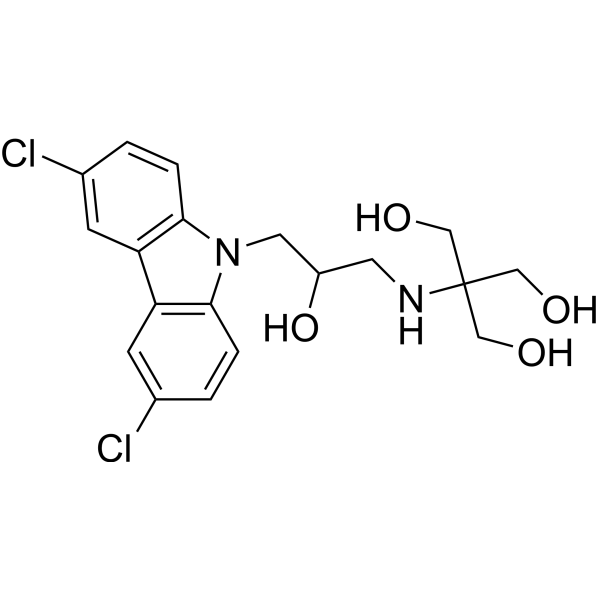 0 ImagesSynonyms: VU0607402DCAP is a broad-spectrum antibiotic targeting the membranes of both Gram-positive and Gram-negative bacteria. DCAP blocks autophagy at the late stages by preventing autophagolysosome maturation and interrupting the autophagic flux.
-
Melatonin-d7
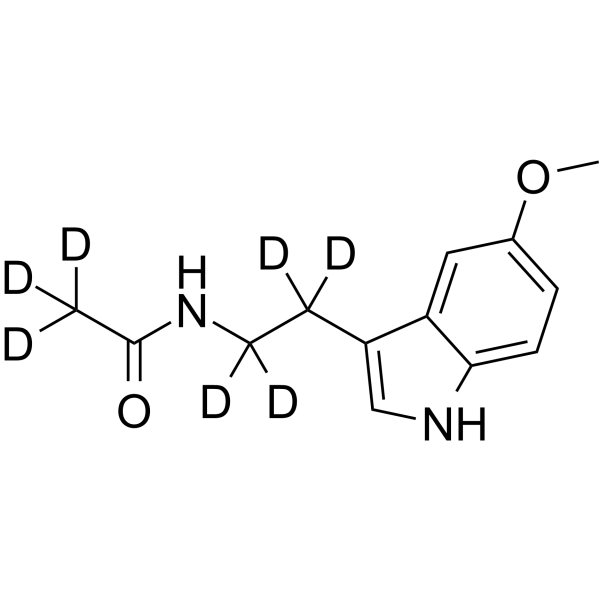 0 ImagesSynonyms: N-Acetyl-5-methoxytryptamine-d7Melatonin-d7 is the deuterium labeled Melatonin (HY-B0075). Melatonin is a hormone made by the pineal gland that can activates melatonin receptor. Melatonin plays a role in sleep and possesses important antioxidative and anti-inflammatory properties. Melatonin is a novel selective ATF-6 inhibitor and induces human hepatoma cell apoptosis through COX-2 downregulation. Melatonin attenuates palmitic acid-induced (HY-N0830) mouse granulosa cells apoptosis via endoplasmic reticulum stress.
-
Megestrol acetate (Standard)
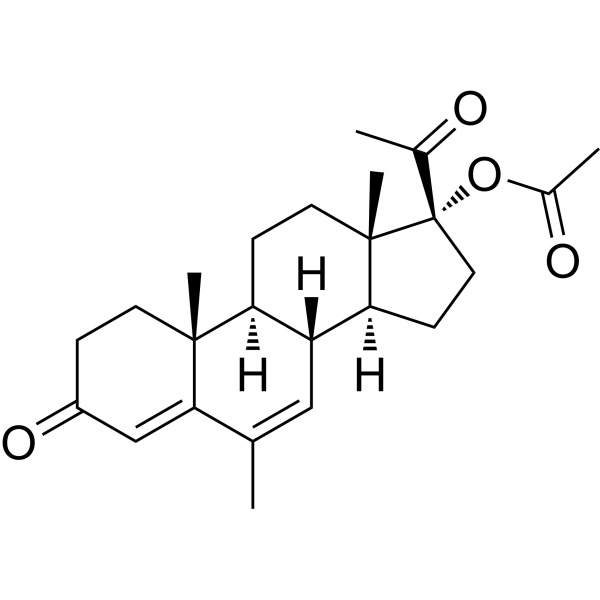 0 ImagesMegestrol acetate (Standard) is the analytical standard of Megestrol acetate. This product is intended for research and analytical applications. Megestrol acetate is a synthetic and orally active progesteronal agent. Megestrol acetate is effective as an appetite stimulant for wasting syndromes such as cachexia. Megestrol acetate decreases nuclear and cytosol androgen receptors human BPH tissue. Megestrol acetate has the potential for HIV study and downregulates autophagic catabolic pathway.
-
ATG12-ATG3 inhibitor 1
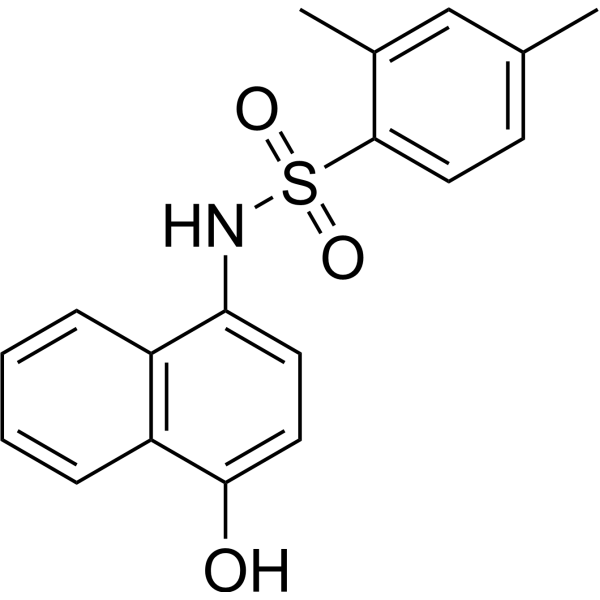 0 ImagesATG12-ATG3 inhibitor 1 (compound 189) is a potent inhibitor of autophage.
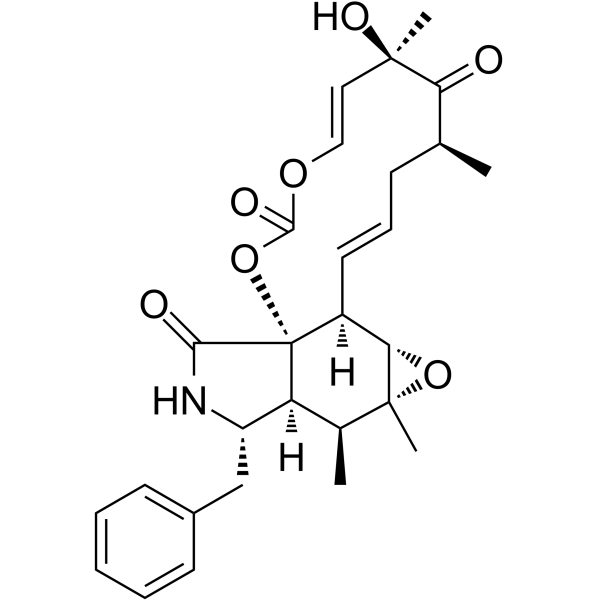
-
Liensinine Diperchlorate
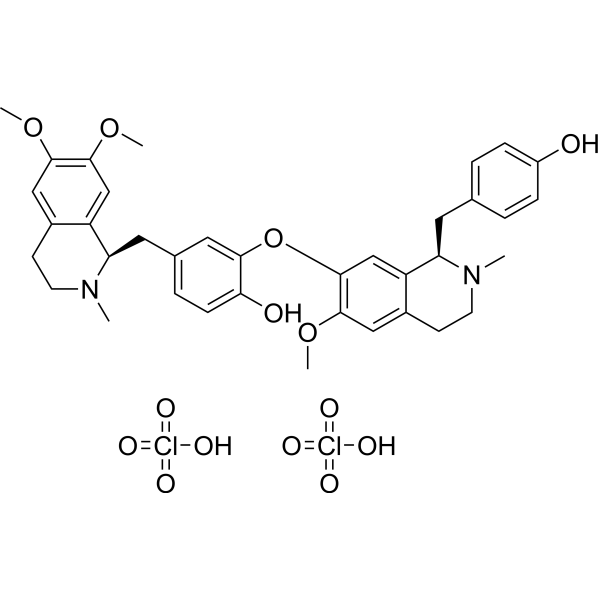 0 ImagesLiensinine Diperchlorate is a major isoquinoline alkaloid, extracted from the seed embryo of Nelumbo nucifera Gaertn. Liensinine Diperchlorate inhibits late-stage autophagy/mitophagy through blocking autophagosome-lysosome fusion. Liensinine Diperchlorate has a wide range of biological activities, including anti-arrhythmias, anti-hypertension, anti-pulmonary fibrosis, relaxation on vascular smooth muscle, etc.
-
Emodin (Standard)
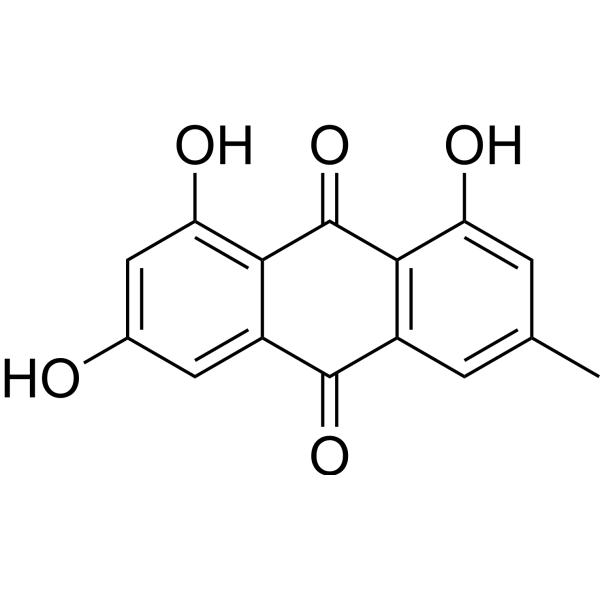 0 ImagesEmodin (Standard) is the analytical standard of Emodin. This product is intended for research and analytical applications. Emodin (Frangula emodin), an anthraquinone derivative, is an anti-SARS-CoV compound. Emodin blocks the SARS coronavirus spike protein and angiotensin-converting enzyme 2 (ACE2) interaction. Emodin inhibits casein kinase-2 (CK2). Anti-inflammatory and anticancer effects. Emodin is a potent selective 11β-HSD1 inhibitor with the IC50 of 186 and 86 nM for human and mouse 11β-HSD1, respectively. Emodin ameliorates metabolic disorder in diet-induced obese mice.
-
3,3'-Diindolylmethane (Standard)
 0 ImagesSynonyms: DIM (Standard); Arundine (Standard); HB 236 (Standard)3,3'-Diindolylmethane (Standard) is the analytical standard of 3,3'-Diindolylmethane. This product is intended for research and analytical applications. 3,3'-Diindolylmethane is a strong, pure androgen receptor (AR) antagonist.
-
TN-16
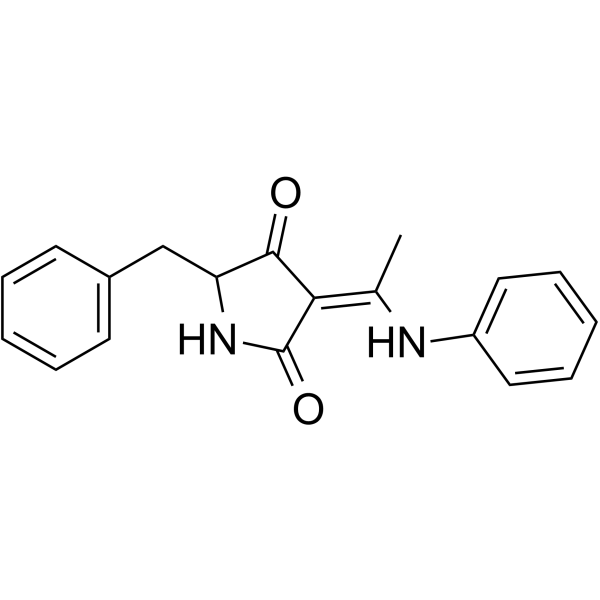 0 ImagesTN-16 is a Microtubule polymerization inhibitor. TN-16 induces G2/M cell cycle arrest, metaphase mitotic arrest and Apoptotic cell death in cells, and blocks late Autophagic flux by inhibiting autophagosome-lysosome fusion. TN-16 suppresses tumor growth in syngeneic mouse breast cancer models. TN-16 can be used in research related to neuroblastoma, cervical cancer, breast cancer and other tumors.
-
PNR-3-80
 0 ImagesPNR-3-80 is an endonuclease G (ENDOG) inhibitor with an IC50 of 0.67 μM. As a non-competitive binder to the ENDOG-substrate complex, PNR-3-80 specifically inhibits the endonuclease activity of ENDOG. PNR-3-80 reduces cell death induced by Cisplatin (HY-17394) and Docetaxel (HY-B0011), and inhibits DNA damage and autophagy (autophagy) induced by Etoposide (HY-13629). PNR-3-80 can be used in studies related to cell injury.
-
Estradiol 3-methyl ether
 0 ImagesSynonyms: 3-O-Methyl estradiol; 17β-Estradiol 3-methyl ether; 3-MethoxyestradiolEstradiol 3-methyl ether (EDME) is a highly selective TRPML1 ion channel antagonist and microtubule (microtubule) depolymerizing agent, with IC50 values of 0.22 μM and 3.8 μM against TRPML1 and TRPML2, respectively; it shows no activity against TRPML3. Estradiol 3-methyl ether induces the disruption of cytoplasmic microtubule networks in mammalian cells, with an EC50 of 9 μM. Independent of estrogen receptors, Estradiol 3-methyl ether blocks autophagy (autophagy), TFEB nuclear translocation, and inhibits the migration and invasion of triple-negative breast cancer cells by suppressing TRPML1. Estradiol 3-methyl ether is applicable for relevant research on triple-negative breast cancer.
-
Vancomycin (Standard)
 0 ImagesVancomycin (Standard) is the analytical standard of Vancomycin. This product is intended for research and analytical applications. Vancomycin is an antibiotic for the treatment of bacterial infections.
-
Elaiophylin
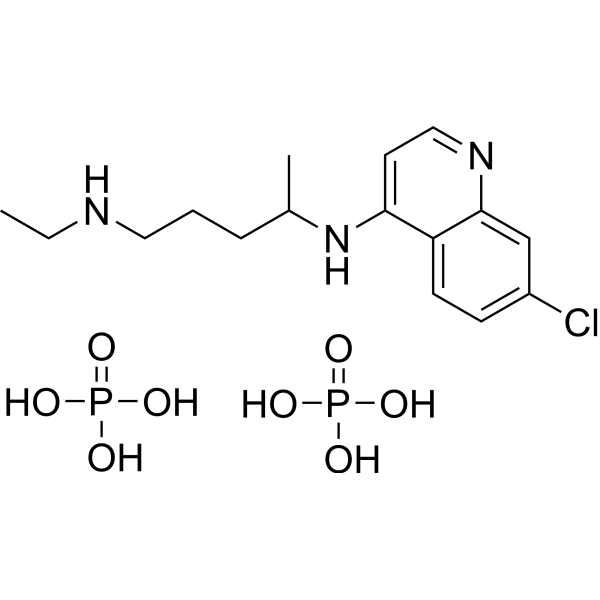
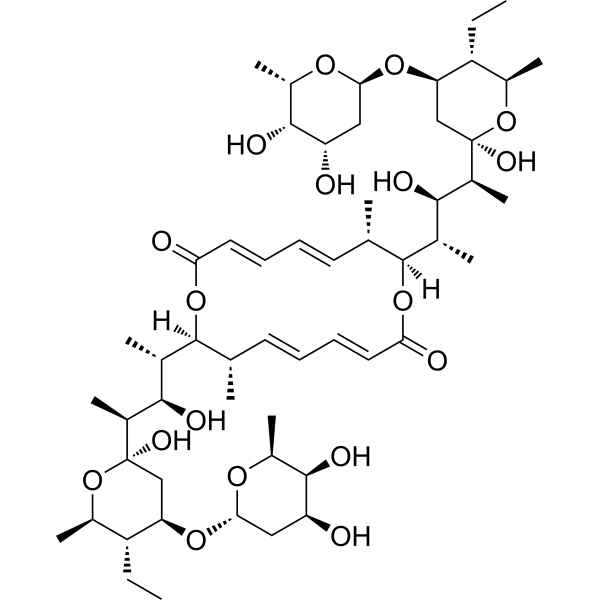 0 ImagesCat. No.: HY-15184CAS No.: 37318-06-2Synonyms: Azalomycin B; Gopalamicin; Efomycin EElaiophylin (Azalomycin B; Gopalamicin; Efomycin E) is an autophagy inhibitor, exerts antitumor activity as a single agent in ovarian cancer cells.
-
LV-320
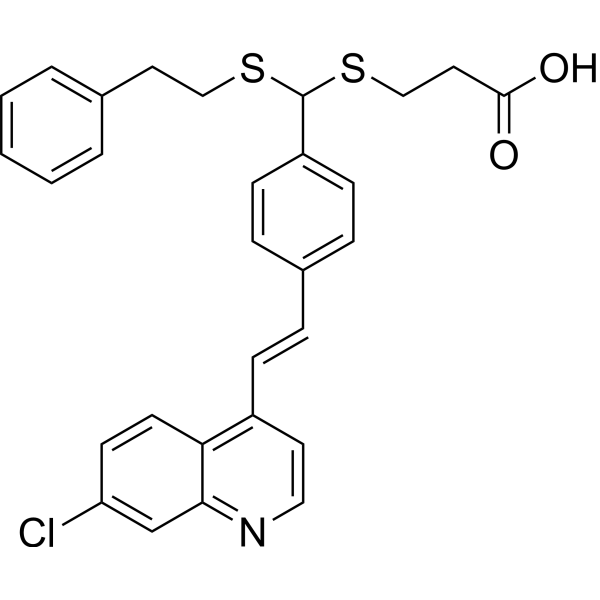 0 ImagesCat. No.: HY-112711CAS No.: 2449093-46-1LV-320 is a potent and uncompetitive ATG4B inhibitor with an IC50 of 24.5 μM and a Kd of 16 μM. LV-320 inhibits ATG4B enzymatic activity, blocks autophagic flux in cells, and is stable, non-toxic and active in vivo.
-
RSC-1255
 0 ImagesRSC-1255 is a potent and selective Vacuolar H⁺-ATPase (V-ATPase) inhibitor that directly binds the mammalian V-ATPase complex with a Kd = 23 nM. RSC-1255 exhibits preferential cytotoxicity toward KRAS-mutant cancer cells, especially KRASG13D and KRASG12V cells. RSC-1255 induces apoptosis and blocks lysosomal acidification, autophagy, and macropinocytosis in cancer cells. RSC-1255 can be used for the study of KRAS-driven lung and colon cancers.




