Bcl-2 Family
Bcl-2 is a family of evolutionarily related proteins. These proteins govern mitochondrial outer membrane permeabilization (MOMP) and can be either pro-apoptotic (Bax, Bad, Bak and Bok among others) or anti-apoptotic (including Bcl-2 proper, Bcl-xL, and Bcl-w, among an assortment of others). There are a total of 25 genes in the Bcl-2 family known to date. Human genes encoding proteins that belong to this family include: Bak1, Bax, Bal-2, Bok, Mcl-1.
Bcl-2 Family Isoform Specific Products
-
Bcl-2 Family
(450)
View all products
-
Bcl-2
(328)
View all products
-
Bcl-xL
(123)
View all products
-
Bcl-W
(17)
View all products
-
Mcl-1
(99)
View all products
-
Bfl-1
(11)
View all products
-
Bcl-B
(6)
View all products
-
Bax
(220)
View all products
-
Bak
(14)
View all products
-
Bim
(14)
View all products
-
BNIP3
(1)
View all products
-
Bad
(10)
View all products
All Product Categories
-
Bcl-2 Family Inhibitors
(567)
View all products
-
Bcl-2 Family Agonists
(5)
View all products
-
Bcl-2 Family Antagonists
(9)
View all products
-
Bcl-2 Family Activators
(90)
View all products
-
Bcl-2 Family Modulators
(153)
View all products
-
Bcl-2 Family Inducers
(13)
View all products
-
Bcl-2 Family Degraders
(21)
View all products
-
Bcl-2 Family Controls
(2)
View all products
-
Bcl-2 Family Ligands
(9)
View all products
-
Bcl-2 Family Related Products (1047)
Related Products (1047)

-
Antibodies (31)
-
Bcl-2 Family Signaling Pathway
-
Bcl-2 Family Isoform Comparison
-
MG-HuR2
 0 ImagesMG-HuR2 is a molecular glue degrader targeting HuR (ELAVL1) with a Kd of 0.2018 μM. MG-HuR2 recruits the E3 ubiquitin ligase RNF126 and induces proteasome-dependent degradation of HuR. MG-HuR2 exhibits a unique biphasic degradation profile. MG-HuR2 reduces the expression of HuR and its downstream targets Bcl2/FOXQ1, inhibits breast cancer cell proliferation, enhances cytotoxicity and apoptosis (apoptosis), and suppresses the growth of 3D breast cancer tumor spheres. MG-HuR2 can be used in studies related to breast cancer and HuR-targeted protein degradation.
-
BRD-K56819078
 0 ImagesBRD-K56819078 is a Bcl-2 inhibitor that significantly reduces senescent cell load and senescence-related genes in the kidney mRNA expression. BRD-K56819078 exerts anti-aging effects by inhibiting apoptosis.
-
3-Methylxanthine
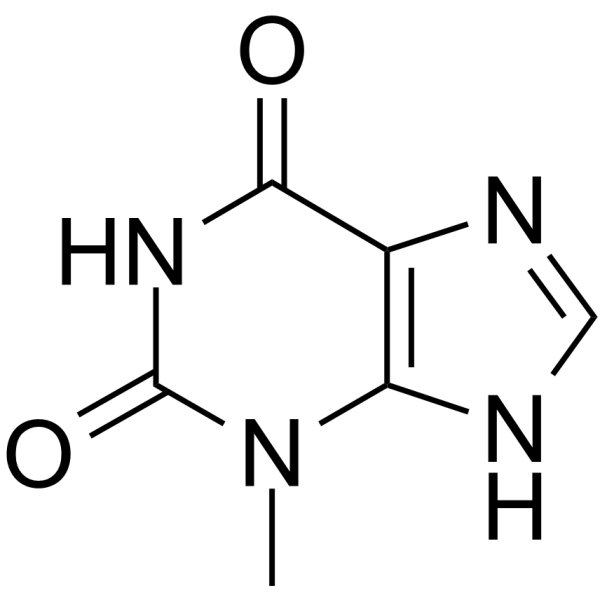 0 Images3-Methylxanthine is a blood-brain barrier-permeable cyclic GMP phosphodiesterase inhibitor, with an IC50 of 920 μM against guinea pig cyclic GMP phosphodiesterase. 3-Methylxanthine relaxes the spontaneous tension of isolated guinea pig tracheal smooth muscle preparations. Through a DRD1-dependent pathway, 3-Methylxanthine upregulates the expression of γH2AX and activated caspase-3, downregulates the expression of Bcl-2, and enhances Cisplatin-induced apoptosis (apoptosis) in ovarian cancer cells both in vitro and in vivo. 3-Methylxanthine induces clonic convulsions in the central nervous system. 3-Methylxanthine is the major metabolite of Theophylline (HY-B0809). 3-Methylxanthine can be used in studies related to ovarian cancer and neurotoxic convulsions.
-
Licoflavone A
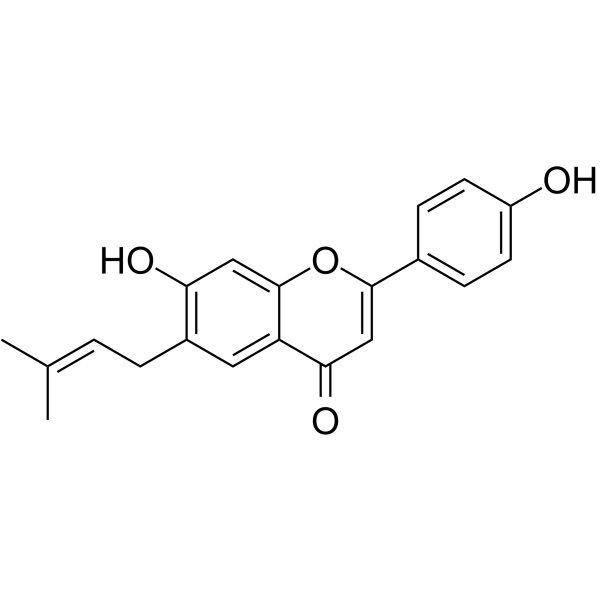 0 ImagesLicoflavone A is an orally active PTP1B/VEGFR-2 inhibitor, with an IC50 of 54.5 μM against PTP1B, an IC50 of 14.36 μM and a Kd of 142.38 nM against human VEGFR-2. Licoflavone A blocks the PI3K/AKT and MEK/ERK signaling pathways. Licoflavone A induces G1 phase cell cycle arrest, apoptosis via the intrinsic mitochondrial pathway (apoptosis), and inhibits migration, invasion and epithelial-mesenchymal transition (EMT) of gastric cancer cells. Licoflavone A inhibits the proliferation of gastric cancer cells in vitro and in xenograft models. Licoflavone A reduces the expression levels of HIF-1α, GLUT1, LDHA, PKM2 and HK2 in hypoxic gastric cancer cells, decreases glucose uptake and suppresses glycolysis. Licoflavone A can be used in research related to gastric cancer, type 2 diabetes and obesity.
-
8-O-Acetylharpagide
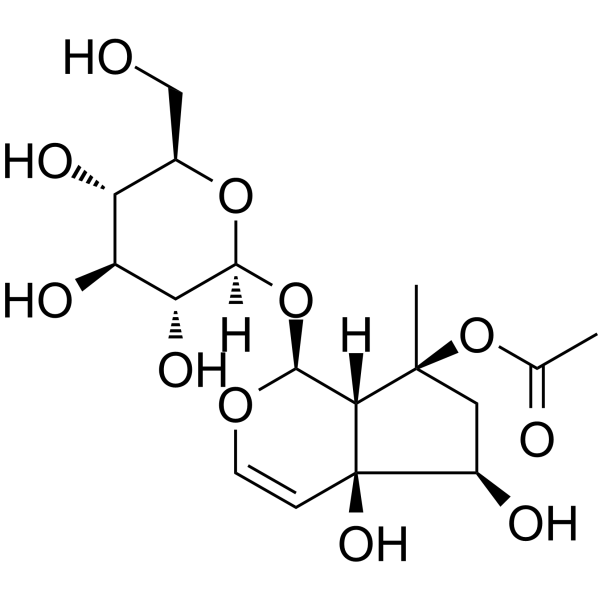 0 Images8-O-Acetylharpagide is an orally active iridoid glycoside compound. 8-O-Acetylharpagide exhibits anti-aging activity at low doses and anticancer activity at high doses. 8-O-Acetylharpagide induces late-stage apoptosis and necrosis-like death in cancer cells, and downregulates anti-apoptotic proteins such as Akt, p-Akt and Bcl-2. 8-O-Acetylharpagide is mainly metabolized in rats via demethylation, hydrolysis and glucuronidation, and its active metabolites downregulate the AKT/NF-κB/MMP9 signaling axis. 8-O-Acetylharpagide exerts vasoconstrictive effects by activating vascular α-adrenoceptor.
-
PROTAC Bcl-xL degrader-2
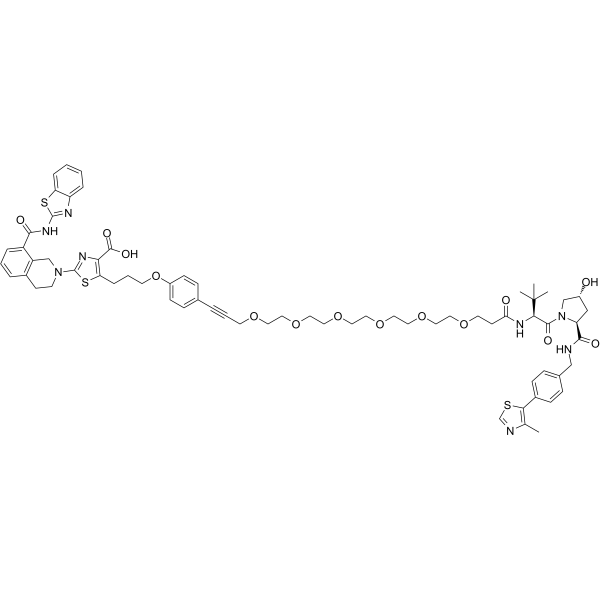 0 ImagesPROTAC Bcl-xL degrader-2 is a selective Bcl-xL PROTAC degrader with a DC50 of 4.8 nM against Bcl-xL. PROTAC Bcl-xL degrader-2 forms a ternary complex with VHL E3 ligase, thereby redirecting the ubiquitin-proteasome system to mediate the degradation of Bcl-xL. PROTAC Bcl-xL degrader-2 triggers Apoptosis. PROTAC Bcl-xL degrader-2 can be used in the research of solid tumors and hematologic malignancies.
-
(R)-(-)-Gossypol acetic acid
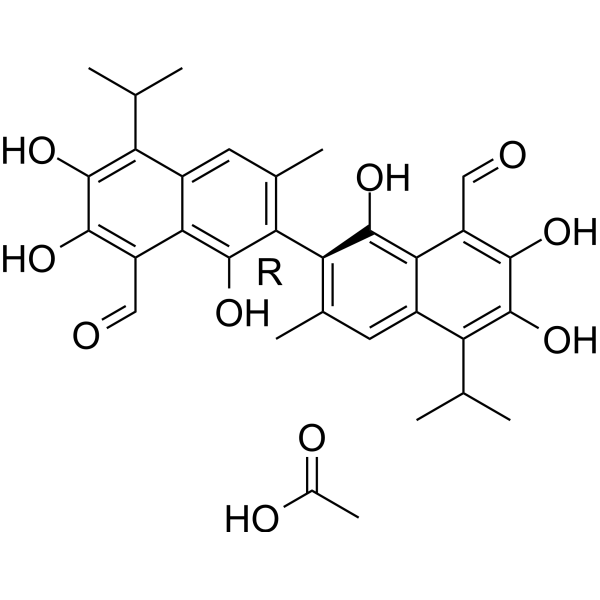 0 ImagesSynonyms: AT-101 (acetic acid); (-)-Gossypol acetic acid; (R)-Gossypol acetic acid
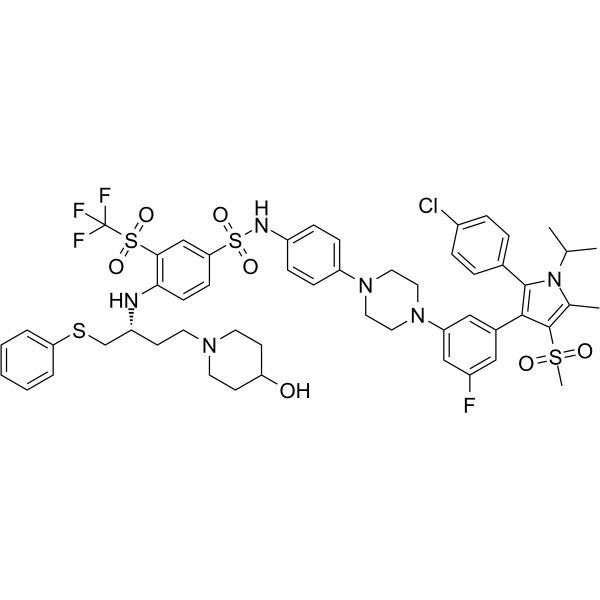
-
PPIA-IN-1
 0 ImagesCat. No.: HY-172209CAS No.: 3077886-94-0PPIA-IN-1 is a PPIA inhibitor with a Kd value of 0.52 μM. PPIA-IN-1 inhibits the PPIA/MAPK signaling pathway to exert antiproliferative activity. PPIA-IN-1 induces G0/G1 cell cycle arrest in cancer cells. PPIA-IN-1 upregulates the expression of Bax and caspase-3, downregulates Bcl-2 expression, and induces apoptosis in cancer cells. PPIA-IN-1 induces increased ROS levels, DNA damage, endoplasmic reticulum stress, and mitochondrial dysfunction in cancer cells. PPIA-IN-1 exhibits antitumor activity in a mouse colon cancer xenograft model. PPIA-IN-1 can be used for the research of colorectal cancer.
-
Ciwujianoside B
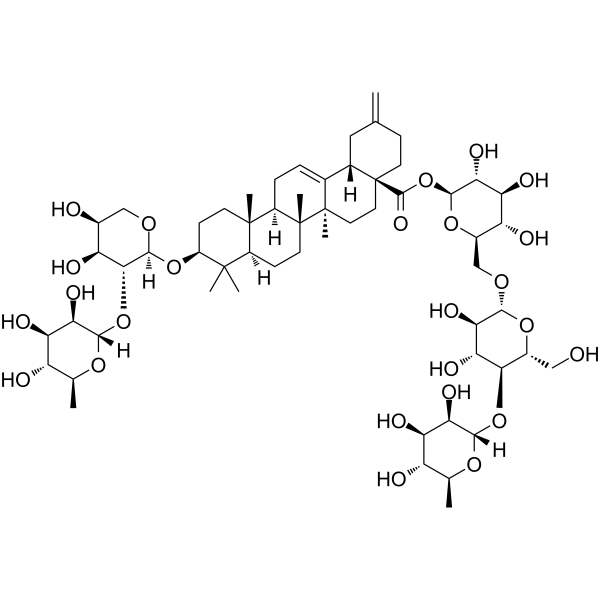 0 ImagesCiwujianoside B is an orally active, blood-brain barrier penetrable radioprotective agent and memory enhancer. Ciwujianoside B reduces radiation-induced DNA damage, cell cycle arrest and apoptosis, downregulates NF-κB and the Bax/Bcl-2 ratio, and enhances the proliferative capacity of bone marrow cells. Ciwujianoside B enhances object recognition memory in normal mice and induces dendritic extension in primary cultured cortical neurons. Ciwujianoside B can be used in studies related to hematopoietic system radiation injury and memory enhancement.
-
DL-erythro-Dihydrosphingosine
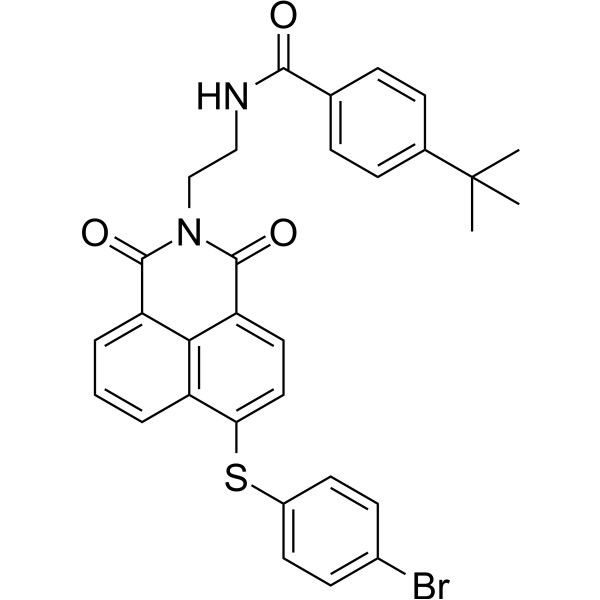
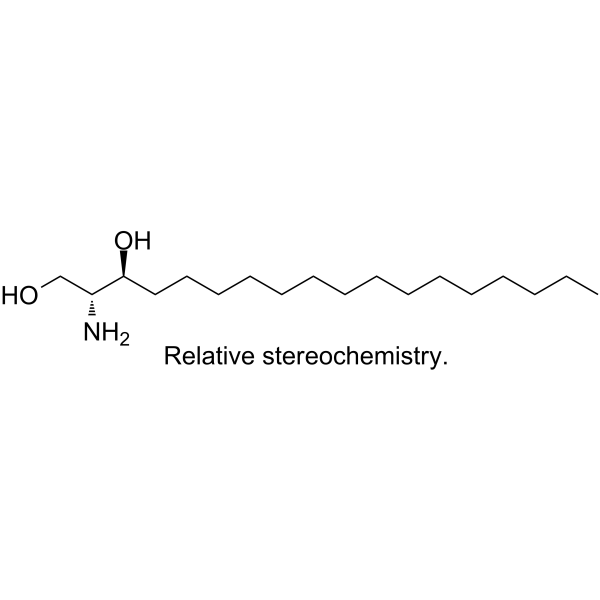 0 ImagesDL-erythro-Dihydrosphingosine is a sphingosine-based PKC inhibitor. DL-erythro-Dihydrosphingosine directly inhibits the enzymatic activity of PLA2. DL-erythro-Dihydrosphingosine inhibits the activity of Bcl-2 protein involved in apoptosis. DL-erythro-Dihydrosphingosine inhibits the activity of matrix metalloproteinases (MMP). DL-erythro-Dihydrosphingosine is applicable for research on cancer and inflammatory diseases.
-
BRD-810
 0 ImagesBRD-810 is a potent and selective MCL1 inhibitor with a Kd of 0.3 nM. BRD-810 can specifically block the BH3 binding groove of MCL1, while having little effect on other anti-apoptotic proteins (such as Bcl-2, Bcl-xL). BRD-810 effectively destroys the MCL1-BAK complex (IC50 = 1.2 nM) in cancer cells, rapidly activates Caspase and induces cell apoptosis. BRD-810 can be used in the research of various cancers such as hematological tumors and solid tumors.
-
Oblimersen sodium
 0 ImagesCat. No.: HY-118874AOblimersen sodium is a BCL-2 inhibitor targeting BCL-2 RNA. Oblimersen sodium specifically binds to the first six codons of the bcl-2 mRNA sequence, resulting in degradation of bcl-2 mRNA and induces apoptosis by down-regulating expression of Bcl-2. Oblimersen sodium can be used for cancer research.
-
Sericin
 0 ImagesCat. No.: HY-NP192Sericin is an orally active globular protein produced by silkworm cocoons. Sericin inhibits the expression of COX2, iNOS, TLR4, MAPK and NF-κB; reduces the levels of IL-18, IL-1 and CCL2; antagonizes the activity of AChE; and downregulates the expression of Bcl-2. Sericin enhances the PI3K/AKT-mediated insulin signaling pathway. Sericin inhibits the activity of tyrosinase (Tyrosinase), scavenges ROS, chelates metal ions, and increases the levels of antioxidant enzymes. Sericin induces apoptosis and arrests the cell cycle. Sericin exhibits antibacterial, moisturizing, cardioprotective and anticoagulant properties. Sericin can be used in research related to type 2 diabetes, hyperlipidemia, obesity, Alzheimer's disease, colon cancer, peripheral nerve injury and ischemic myocardial infarction.
-
Bfl-1-IN-5
 0 ImagesBfl-1-IN-5 is a covalent and selective Bfl-1 inhibitor with an IC50 of 22 nM. Bfl-1-IN-5 shows selectivity for Bfl-1 over Bcl-xl, Bcl-2 and Mcl-1. Bfl-1-IN-5 induces caspase-3/7 activation, reduces the viability of Bfl-1-expressing lymphoma cells in combination with an Mcl-1 inhibitor, and binds covalently to intracellular Bfl-1. Bfl-1-IN-5 can be used for lymphoma research.