



ERK Inhibitor
-
Kansuinine B
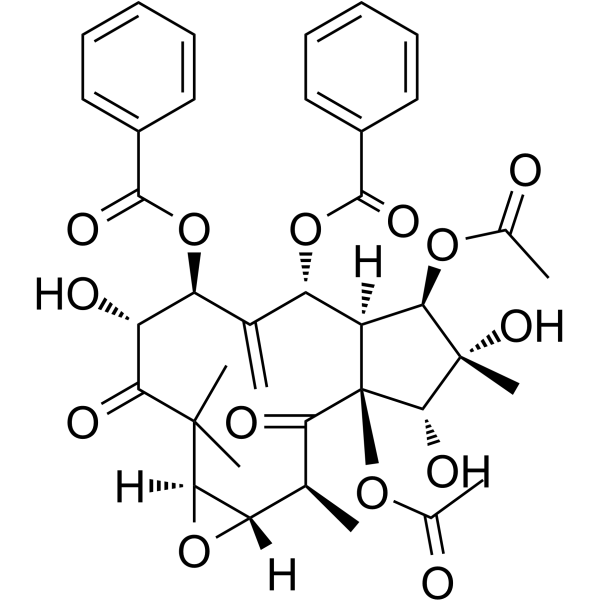 0 Images
Kansuinine B is a natural diterpenoid compound with anti-inflammatory, anti-cancer and anti-viral activities, which can be isolated from the roots of Euphorbia kansui. Kansuinine B induces sustained ERK1/2 activation, inhibits IL-6-induced Stat3 activation and tyrosine phosphorylation, and enhances serine phosphorylation of Stat3. Kansuinine B negatively regulates the IL-6 signaling pathway by upregulating the expression of SOCS-3. Kansuinine B promotes the proliferation of mouse splenic lymphocytes in vitro and stimulates rat peritoneal macrophages to produce NO. Kansuinine B can be used in studies related to liver cancer and COVID-19.
-
KU004
 0 ImagesCat. No.: HY-164489CAS No.: 1260401-93-1
KU004 is a potent dual EGFR/HER2 inhibitor with anticancer effects. KU004 inhibits the proliferation of human breast cancer SKBR3 cells by inducing G1 phase arrest. KU004 blocks the activation of HER2, EGFR and downstream Akt and Erk pathways and induces cell Apoptosis mainly via the extrinsic pathway. KU004 is a quinazoline derivative.
-
Cafestol (Standard)
 0 Images
Cafestol (Standard) is the analytical standard of Cafestol. This product is intended for research and analytical applications. Cafestol is an orally active diterpenoid and an inhibitor of ERK2. Cafestol has elevated blood lipids, anti-inflammatory, anti-angiogenic and anti-diabetic activities. In addition, Cafestol induces tumor cell apoptosis and autophagy, which can be used in the study of cancer.
-
Len-604
 0 ImagesCat. No.: HY-182817
Len-604 is a FGFR inhibitor with IC50 values of 9.71 nM, 9.93 nM, 29.80 nM and 14.48 nM against FGFR4, FGFR1, FGFR2 and FGFR3, respectively. Len-604 reduces the phosphorylation levels of FGFR4 and ERK, and induces DNA damage and apoptosis in cancer cells. Len-604 is applicable to research related to liver cancer.
-
FLC-8
 0 ImagesCat. No.: HY-182937CAS No.: 3100242-36-9
FLC-8 is an orally active FLT3 inhibitor with IC50 values of 10.2 nM, 11.6 nM and 24.10 nM against human FLT3-WT, FLT3-G697R and FLT3-N676D, respectively. FLC-8 inhibits FLT3 autophosphorylation and downstream STAT5, AKT and ERK signaling pathways, and induces apoptosis in acute myeloid leukemia (AML) cells. FLC-8 exhibits potent antitumor activity in the MV4-11 xenograft model. FLC-8 can be used for the research of acute myeloid leukemia.
-
KRASG12C IN-15
 0 ImagesCat. No.: HY-173047CAS No.: 2768868-14-8
KRASG12C IN-15 (Compound 21) is the orally active inhibitor for KRASG12C, and inhibits SOS1-mediated GDP/GTP exchange with an IC50 of 19 nM. KRASG12C IN-15 inhibits the phosphorylation of ERK with IC50 of 0.051 μM. KRASG12C IN-15 inhibits the cell viability of KRASG12C mutated MIA PaCa-2 with IC50 of 0.023 μM. KRASG12C IN-15 exhibits antitumor effect in MIA PaCa-2 xenograft mouse models.
-
Trimebutine-d5 fumarate
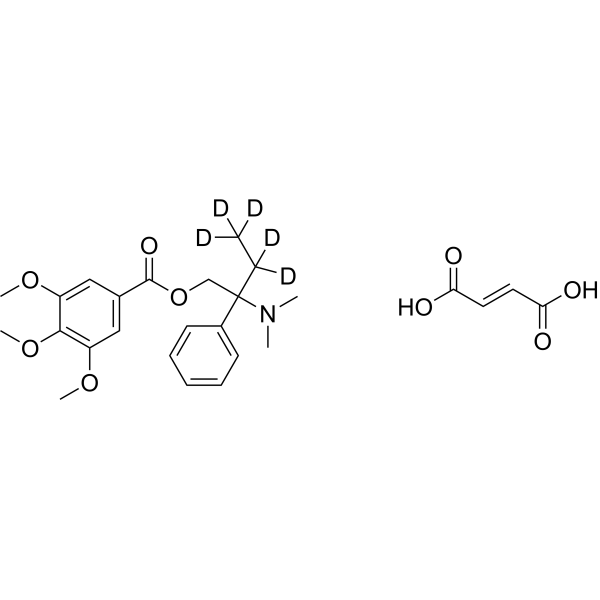 0 ImagesCat. No.: HY-B0380S1CAS No.: 2747915-18-8
Trimebutine-d5 fumarate is deuterium labeled Trimebutine fumarate. Trimebutine fumarate is a multi-target inhibitor and opioid receptor agonist with antimuscarinic activity. Trimebutine fumarate inhibits L-type Ca2+ channels and large-conductance calcium-activated potassium channels (BKCa channels), thereby inhibiting extracellular calcium influx and potassium ion efflux. Trimebutine fumarate also targets Toll-like receptors, inhibits Toll-like receptor 2/4/7/8/9 signals, and inhibits LPS-induced IRAK1 activation, as well as ERK1/2, JNK and NF-κB activation, thereby exerting anti-inflammatory effects. Trimebutine fumarate also induces tumor cell apoptosis by inhibiting the AKT/ERK pathway. Trimebutine fumarate also inhibits excessive contraction of smooth muscle and can be used in the study of gastrointestinal disorders such as irritable bowel syndrome (IBS).
-
ATWLPPRAANLLMAAS
 0 ImagesCat. No.: HY-P10832CAS No.: 1228447-26-4
ATWLPPRAANLLMAAS is a chimeric peptide with anti-angiogenic and potent anti-tumor effects. ATWLPPRAANLLMAAS can inhibit the proliferation, viability, migration, and invasion of human hepatocellular carcinoma cells, and induce apoptosis..
-
Erlotinib-13C6
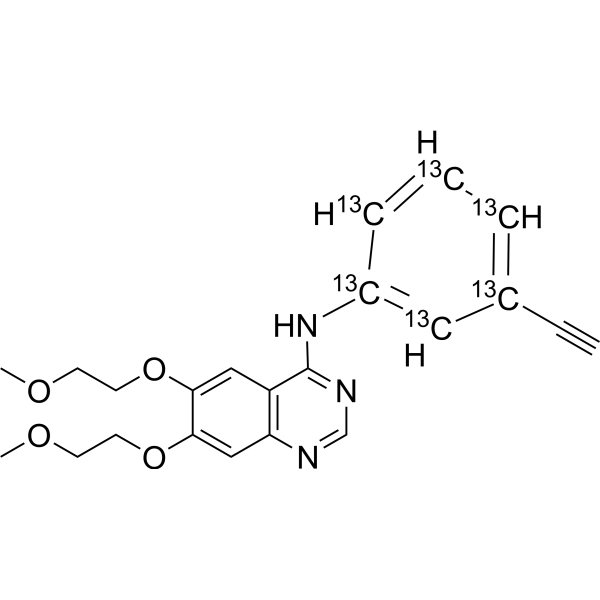 0 ImagesCat. No.: HY-50896S1CAS No.: 1211107-68-4Synonyms: CP-358774-13C6; NSC 718781-13C6; OSI-774-13C6
Erlotinib-13C6 (CP-358774-13C6) is the 13C-labeled Erlotinib (HY-50896). Erlotinib (CP-358774) is a selective, orally active EGFR tyrosine kinase inhibitor. Erlotinib also acts as a substrate and inhibitor of OATP2B1, with an IC50 of approximately 0.079 μM for inhibiting OATP2B1-mediated uptake of estrone 3-sulfate. Erlotinib blocks EGFR phosphorylation, downstream signal transduction, as well as the growth and proliferation of cancer cells. Erlotinib inhibits MMP-10-mediated renal injury, fibrotic lesions, the ERK1/2, GSK-3β and β-catenin signaling pathways, fibronectin, α-SMA, collagen deposition, and renal injury markers. Erlotinib is metabolized via CYP3A to produce the active metabolite OSI-420. Erlotinib can be used in research related to non-small cell lung cancer, gastric cancer, papillary renal cell carcinoma, pancreatic cancer, renal fibrosis, and other conditions.
-
Tauroursodeoxycholate-d4-1
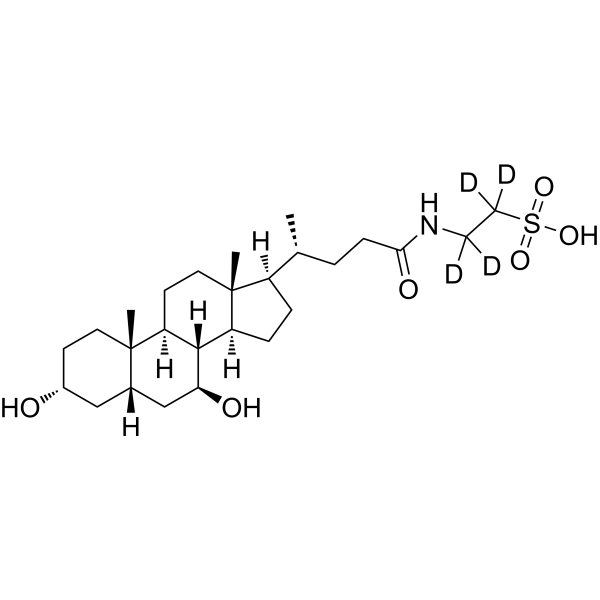 0 ImagesCat. No.: HY-19696S2CAS No.: 2573035-17-1Synonyms: Tauroursodeoxycholic acid-d4-1; TUDCA-d4-1; UR 906-d4-1
Tauroursodeoxycholate-d4-1 is the deuterium labeled Tauroursodeoxycholate. Tauroursodeoxycholate (Tauroursodeoxycholic acid) is an endoplasmic reticulum (ER) stress inhibitor. Tauroursodeoxycholate significantly reduces expression of apoptosis molecules, such as caspase-3 and caspase-12. Tauroursodeoxycholate also inhibits ERK.
-
Avicularin (Standard)
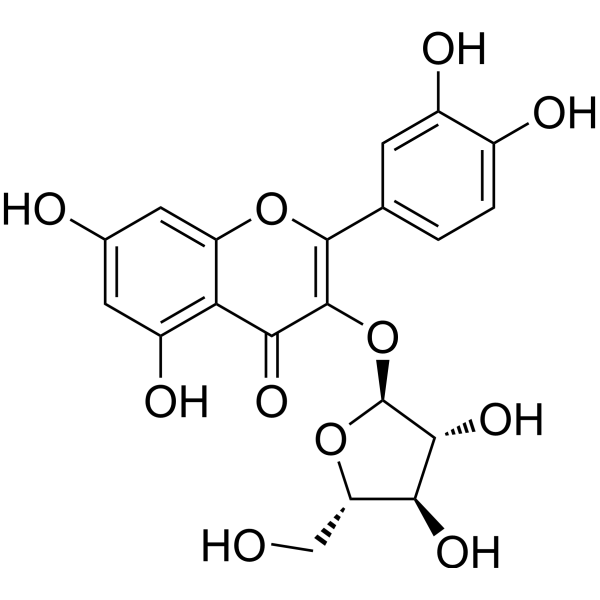 0 Images
Avicularin (Standard) is the analytical standard of Avicularin. This product is intended for research and analytical applications. Avicularin is an orally active flavonoid. Avicularin inhibits NF-κB (p65), COX-2 and PPAR-γ activities. Avicularin has anti-inflammatory, anti-infectious anti-allergic, anti-oxidant, hepatoprotective, and anti-tumor activities.
-
EGFR-IN-173
 0 ImagesCat. No.: HY-175864
EGFR-IN-173 is an orally active, pan-mutant EGFR tyrosine kinase inhibitor that targets EGFR 19del, L858R/T790M and C797S triple-mutations, potently inhibiting EGFR19del/T790M/C797S with an IC50 of 1.19 nM while showing over 100-fold selectivity for mutant over wild-type EGFR (IC50 = 19.362 μM against WT). EGFR-IN-173 significantly inhibits cell migration, induces apoptosis in non-small cell lung cancer (NSCLC) cells. EGFR-IN-173 inhibits EGFR phosphorylation and suppresses the downstream pathways (MAPK/ERK, AKT, STAT3). EGFR-IN-173 exhibits antitumor efficacy in NSCLC and Ba/F3 xenograft models. EGFR-IN-173 can be used for NSCLC research.
-
PROTAC FLT3/CHK1 Degrader-1
 0 ImagesCat. No.: HY-178858
PROTAC FLT3/CHK1 Degrader-1 is a PROTAC FLT3/CHK1 degrader, with DC50 values of 5.88 nM (FLT3) and 4.17 nM (CHK1), respectively. PROTAC FLT3/CHK1 Degrader-1 can inhibit the phosphorylation of FLT3 downstream signaling effectors STAT5 (Tyr694), AKT (Ser473), and ERK (Tyr204), downregulate the protein level of c-Myc and maintain the expression of p53 protein. PROTAC FLT3/CHK1 Degrader-1 induces Apoptosis in cells. PROTAC FLT3/CHK1 Degrader-1 shows significant anti-tumor efficacy in mice bearing MV-4-11 subcutaneous xenografts. PROTAC FLT3/CHK1 Degrader-1 can be used for the study of acute myeloid leukemia (AML).
-
Polfurmetinib hydrate
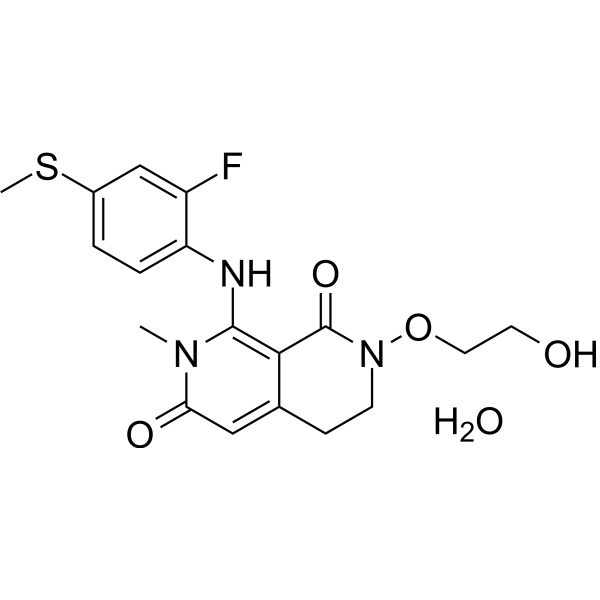 0 ImagesCat. No.: HY-153445ACAS No.: 2845153-35-5Synonyms: MEK-IN-6 hydrate
-
EXP3179 (Standard)
 0 ImagesCat. No.: HY-114950RCAS No.: 114798-36-6Synonyms: Losartan Carboxaldehyde (Standard); DuP 167 (Standard)
EXP3179 (Standard) (Losartan Carboxaldehyde (Standard)) is the analytical standard of EXP3179 (HY-114950). This product is intended for research and analytical applications. EXP3179 is a metabolite of Losartan (HY-17512). EXP3179 binds to AT1R with an affinity of 20 nM and blocks ANGII-induced AT1R signaling, inhibiting ERK1/2 activation. EXP3179 reduces NADPH oxidase activity. EXP3179 inhibits Phenylephrine (HY-B0769)-induced aortic contraction through an endothelium-dependent, NO-dependent mechanism. EXP3179 dose-dependently inhibits type I collagen-induced platelet aggregation and activation through GPVI binding, reducing platelet adhesion to the injured site. EXP3179 lowers blood pressure in normotensive and spontaneously hypertensive rats and mice. EXP3179 can be used for research on type 2 diabetes, hypertensive heart disease, hypertension, thrombosis, and coronary artery disease.
-
SST0116CL1 free base
 0 ImagesCat. No.: HY-164399ACAS No.: 1202920-93-1
SST0116CL1 free base is a HSP90 inhibitor (IC50: 0.21 μM). SST0116CL1 free base binds to the ATP binding pocket of Hsp90, and interferes with Hsp90 chaperone function thus resulting in client protein (EGFR, CDK4 and AKT) degradation. SST0116CL1 free base induces degradation of Her2 in BT-474 cell (IC50: 0.2 μM). SST0116CL1 free base has antiproliferative activity and inhibits tumor growth. SST0116CL1 free base has antiproliferative activity and inhibits tumor growth. SST0116CL1 free base can be used for the study of leukemia, gastric and ovarian carcinoma.
-
GP369
 0 ImagesCat. No.: HY-P991583
GP369 is a humanized FGFR2-IIIb-specific antibody. GP369 significantly inhibits the proliferation of tumor cells. GP369 can significantly inhibit phosphorylation of FGFR2 and downstream signaling pathways. GP369 can be used for research on cancer such as gastric cancer and breast cancer.
-
ERK5-IN-6
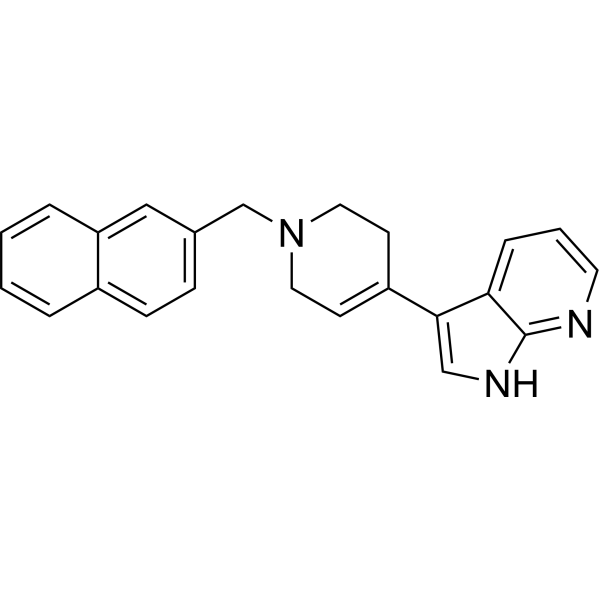 0 ImagesCat. No.: HY-156451CAS No.: 2734916-64-2
ERK5-IN-6 (compound 5J) is an ERK5 kinase inhibitor with anticancer activity. ERK5-IN-6 exhibits good anti-proliferative activity with the IC50 value of 4.56 µg/mL for A549 cells.
-
Flavokawain A (Standard)
 0 Images
Flavokawain A is a chalcone compound and an orally active inhibitor of PRMT5 and cytochrome P450. Flavokawain A has anti-inflammatory, anti-tumor, and immunomodulatory effects. Flavokawain A can inhibit the proliferation of tumor cells and induce apoptosis. Flavokawain A can be used in the research of diseases such as bladder cancer.
-
ETP-45835 dihydrochloride
 0 ImagesCat. No.: HY-110336CAS No.: 2136571-30-5
D-106669 is an inhibitor of Erk2 with an IC50 value of 18.7 μM. D-106669 inhibits cell proliferation with an EC50 value of 0.9 μM.



