



Ferroptosis
Ferroptosis
Ferroptosis is a non-apoptotic form of regulated cell death. It is distinct from other regulated cell death phenotypes, such as apoptosis and necroptosis. Ferroptosis is characterized by extensive lipid peroxidation, which can be suppressed by iron chelators or lipophilic antioxidants. Mechanistically, Ferroptosis inducers are divided into two classes: (1) inhibitors of cystine import via system xc− (e.g., Erastin), which subsequently causes depletion of glutathione (GSH), and (2) covalent inhibitors (e.g., (1S, 3R)-RSL3) of glutathione peroxidase 4 (GPX4). Since GPX4 reduces lipid hydroperoxides using GSH as a co-substrate, both compound classes ultimately result in loss of GPX4 activity, followed by elevated levels of lipid reactive oxygen species (ROS) and consequent cell death.
Ferroptosis is an iron- and ROS-dependent form of regulated cell death (RCD). Misregulated Ferroptosis has been implicated in multiple physiological and pathological processes, including cancer cell death, neurotoxicity, neurodegenerative diseases, acute renal failure, drug-induced hepatotoxicity, hepatic and heart ischemia/reperfusion injury, and T-cell immunity.
All Product Categories
-
Ferroptosis Related Products (771)
Related Products (771)

-
Antibodies (6)
-
Related Compound Screening Libraries (1)
-
Ferroptosis Signaling Pathway
-
L-Glutathione reduced (Standard)
 0 ImagesSynonyms: GSH (Standard); γ-L-Glutamyl-L-cysteinyl-glycine (Standard)L-Glutathione reduced (Standard) is the analytical standard of L-Glutathione reduced. This product is intended for research and analytical applications. L-Glutathione reduced (GSH; γ-L-Glutamyl-L-cysteinyl-glycine) is an endogenous antioxidant and is capable of scavenging oxygen-derived free radicals.
-
L-Glutamine-15N
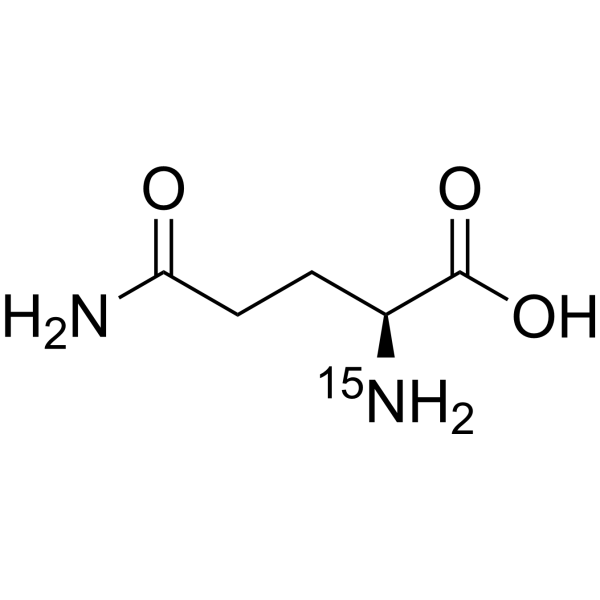 0 ImagesSynonyms: L-Glutamic acid 5-amide-15NL-Glutamine-15N is the 15N-labeled L-Glutamine (HY-N0390). L-Glutamine is an orally active nutritional agent and cellular metabolism regulator. L-Glutamine is taken up in a Na+-dependent manner and targets multiple key molecules including glutaminase, mTORC1, NF-κB, STAT-3 and HIF-1α. L-Glutamine enhances glutaminolytic catabolism, drives the conversion of glutamate to α-ketoglutarate, thereby regulating gene expression, integrating metabolic signals, mediating glutamine flux and maintaining redox homeostasis. L-Glutamine also promotes cell proliferation, osteogenic differentiation and fracture healing, exerts neuroprotective and cardioprotective effects, and inhibits osteoarthritis. L-Glutamine can be applied to research related to osteoporosis, osteoarthritis, ischemic stroke and acute cantharidin-induced cardiotoxicity.
-
N6F11
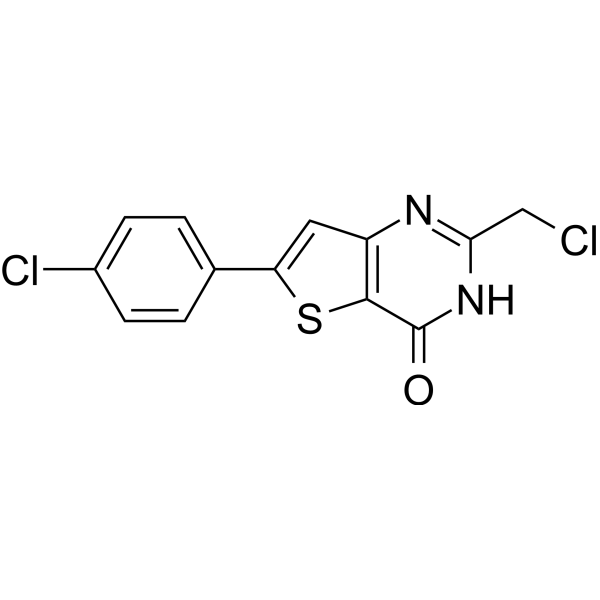 0 ImagesN6F11 is a selective ferroptosis inducer, and can selectively induce ferroptosis by targeting TRIM25-mediated GPX4 degradation in cancer cells while sparing immune cells. N6F11 initiates HMGB1-dependent antitumor immunity mediated by CD8+ T cells.
-
L-Cystine dihydrochloride
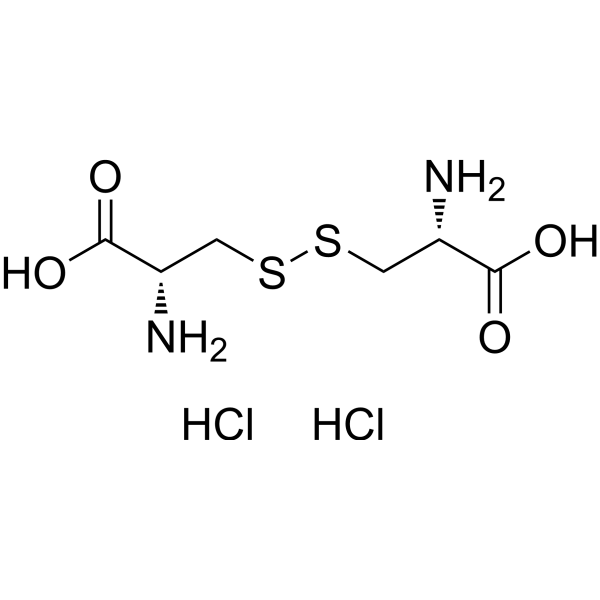 0 ImagesL-Cystine dihydrochloride is the dihydrochloride salt form of L-Cystine (HY-N0394). L-Cystine dihydrochloride elevates Nrf2 protein expression and activates Nrf2 transcription factor. L-cystine dihydrochloride reduces ROS generation and protects against oxidant- or Doxorubicin (HY-15142A)-induced apoptosis. L-Cystine dihydrochloride combined with L-theanine (HY-15121) enhances the production of antigen-specific IgG by increasing glutathione (GSH) levels and T helper 2 (Th2) mediated responses in mice. L-Cystine dihydrochloride is promising for research of cystinuria and kidney stones
-
Liproxstatin-1 hydrochloride
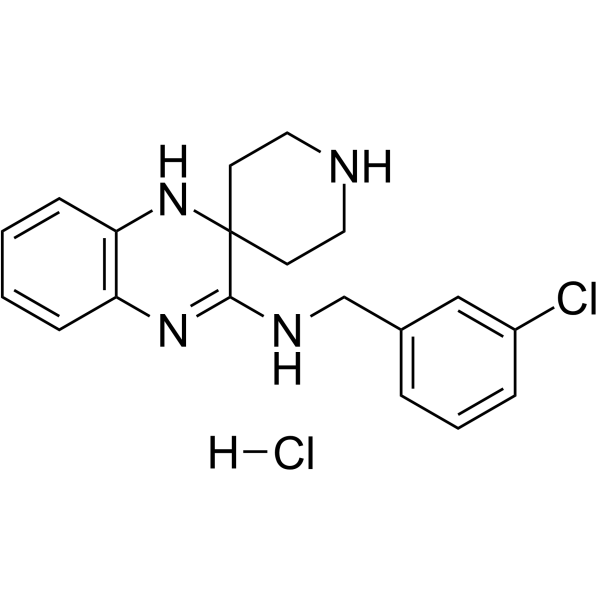 0 ImagesLiproxstatin-1 hydrochloride is a potent ferroptosis inhibitor and inhibits ferroptotic cell death (IC50=22 nM).
-
3-Hydroxyphenylacetic acid
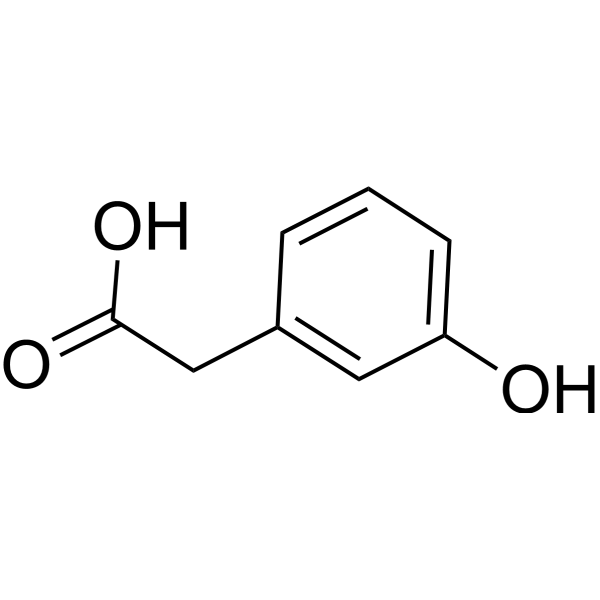 0 Images3-Hydroxyphenylacetic acid is an orally active flavonoid metabolite produced by intestinal flora, with blood pressure-lowering activity. 3-Hydroxyphenylacetic acid can also inhibit ferroptosis by upregulating the expression of GPX4, thereby improving spermatogenic dysfunction in aged mice. In addition, abnormal levels of 3-Hydroxyphenylacetic acid are closely related to certain diseases, such as autism spectrum disorders.
-
Pifithrin-β hydrobromide
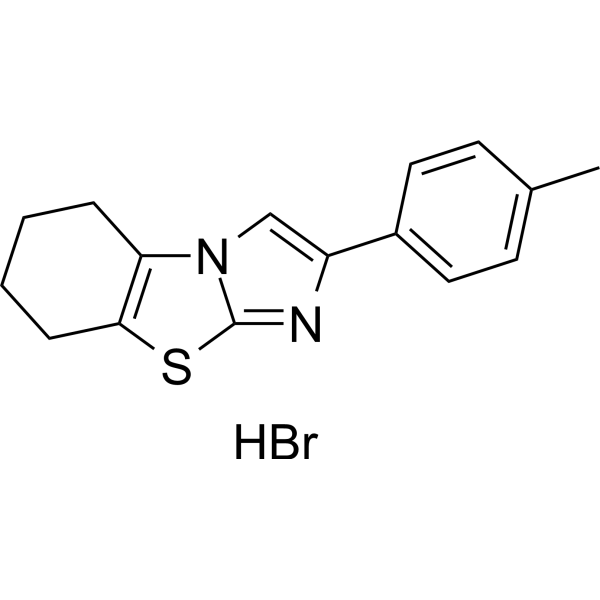 0 ImagesSynonyms: PFT β hydrobromide; Cyclic Pifithrin-α hydrobromidePifithrin-β hydrobromide (PFT β hydrobromide) is a potent p53 inhibitor with an IC50 of 23 μM.
-
L-Glutamic acid (Standard)
 0 ImagesL-Glutamic acid (Standard) is the analytical standard of L-Glutamic acid. This product is intended for research and analytical applications. L-Glutamic acid is an excitatory amino acid neurotransmitter that acts as an agonist for all subtypes of glutamate receptors (metabolic rhodophylline, NMDA, and AMPA). L-Glutamic acid has an agonist effect on the release of DA from dopaminergic nerve endings. L-Glutamic acid can be used in the study of neurological diseases. IC50 & Target:DA. In Vitro: L-Glutamic acid (120, 500, 750, 1000 mg/dL) can reduce the harmful effect of lithium on the embryonic development of Xenopus Xenopus.
L-Glutamic acid (2, 5, 10, 20 mM, 24-48 h) can induce neuroexcitotoxicity in neuroblastoma.
In Vivo: L-Glutamic acid (3 g/kg, subcutaneous injection) can promote excitotoxic degeneration of retinal ganglion cells in mice.
L-Glutamic acid (750 mg/kg, intraperitoneal injection) can reduce and inhibit oxidative stress induced by chlorpyrifos (CPF) in rats.
-
MDH1-IN-2
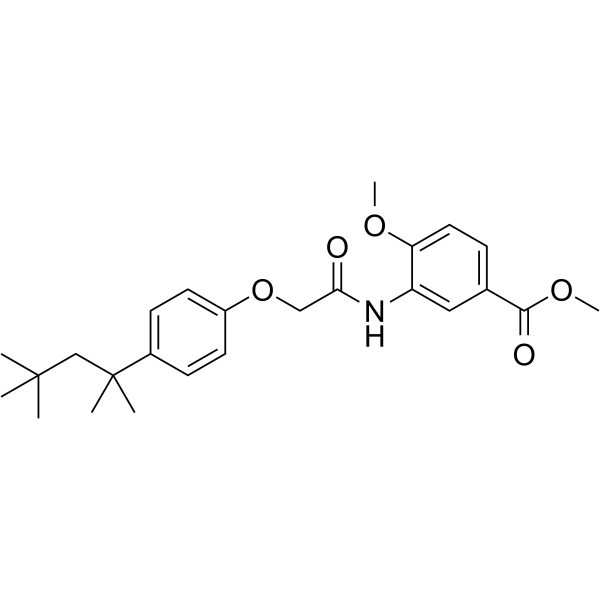 0 ImagesMDH1-IN-2 (Compound 7c) is a selective MDH1 inhibitor, with IC50 values of 2.27 and 27.47 μM for MDH1 and MDH2, respectively. MDH1-IN-2 can reduce the generation of ROS by inhibiting the conversion of 2-Ketoglutaric acid (HY-W013636) to α-Hydroxyglutaric acid (HY-113038B) mediated by MDH1, thereby suppressing 2-Ketoglutaric acid (HY-W013636)-induced ferroptosis.
-
Trigonelline chloride
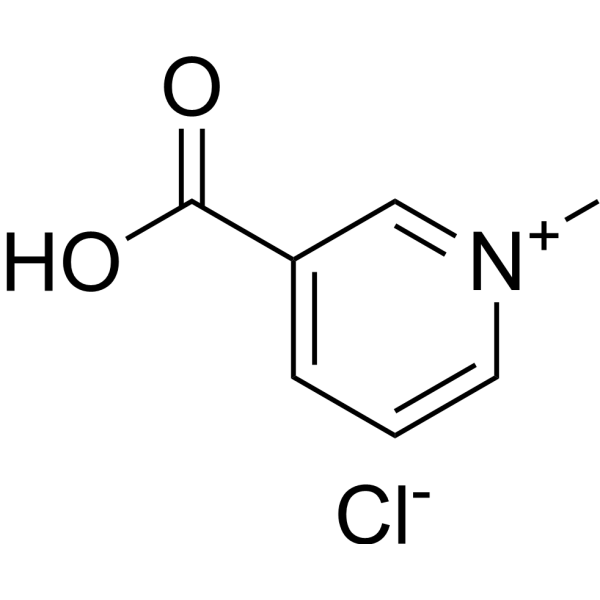 0 ImagesTrigonelline chloride is an alkaloid with potential antidiabetic activity that can be isolated from Trigonella foenum-graecum L or Leonurus artemisia. Trigonelline chloride is a potent Nrf2 inhibitor that blocks Nrf2-dependent proteasome activity, thereby enhancing apoptosis in pancreatic cancer cells. Trigonelline chloride also has anti-HSV-1, antibacterial, and antifungal activity, and induces ferroptosis.
-
CIL56
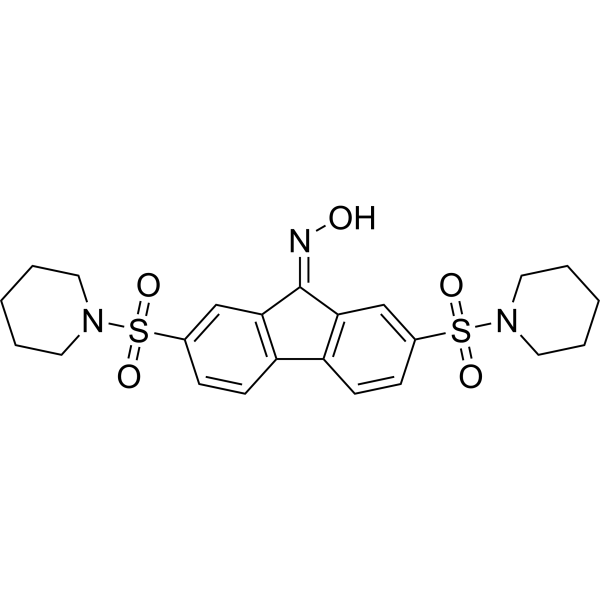 0 ImagesCIL56 is a potent and selective ferroptosis inducer. Ferroptosis is an iron-dependent form of regulated cell death (RCD).
-
Solasonine
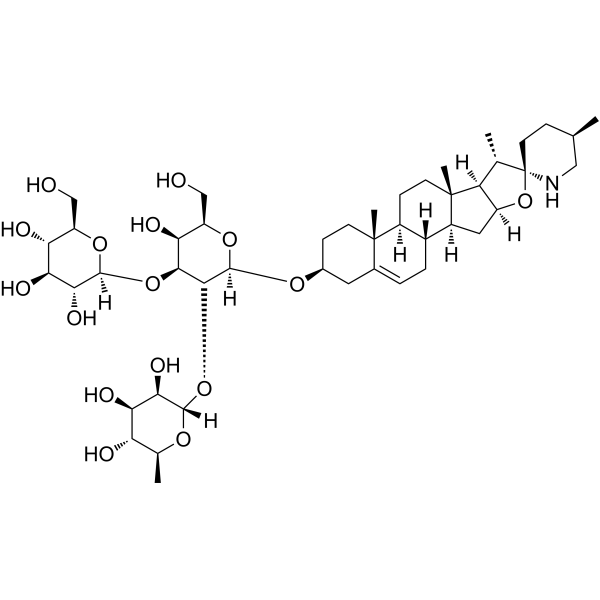 0 ImagesSolasonine is a ferroptosis inducer which can be isolated from Solanum melongena that has anti-infection, anti-cancer, and neurogenesis promoting properties. Solasonine promotes ferroptosis of HCC cells via destruction of the glutathione redox system induced by inhibiting GPX4, and can be used for cancer research.
-
L-Glutamine-15N-1
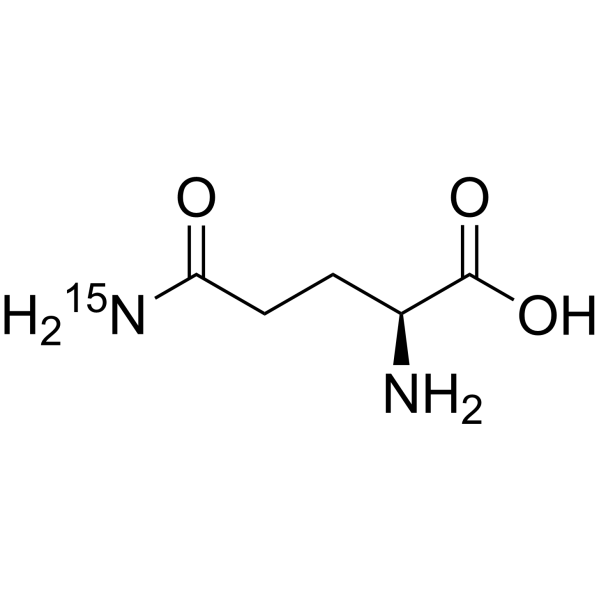 0 ImagesSynonyms: L-Glutamic acid 5-amide-15N-1L-Glutamine-15N-1 is the 15N-labeled L-Glutamine (HY-N0390). L-Glutamine is an orally active nutritional agent and cellular metabolism regulator. L-Glutamine is taken up in a Na+-dependent manner and targets multiple key molecules including glutaminase, mTORC1, NF-κB, STAT-3 and HIF-1α. L-Glutamine enhances glutaminolytic catabolism, drives the conversion of glutamate to α-ketoglutarate, thereby regulating gene expression, integrating metabolic signals, mediating glutamine flux and maintaining redox homeostasis. L-Glutamine also promotes cell proliferation, osteogenic differentiation and fracture healing, exerts neuroprotective and cardioprotective effects, and inhibits osteoarthritis. L-Glutamine can be applied to research related to osteoporosis, osteoarthritis, ischemic stroke and acute cantharidin-induced cardiotoxicity.
-
84-B10
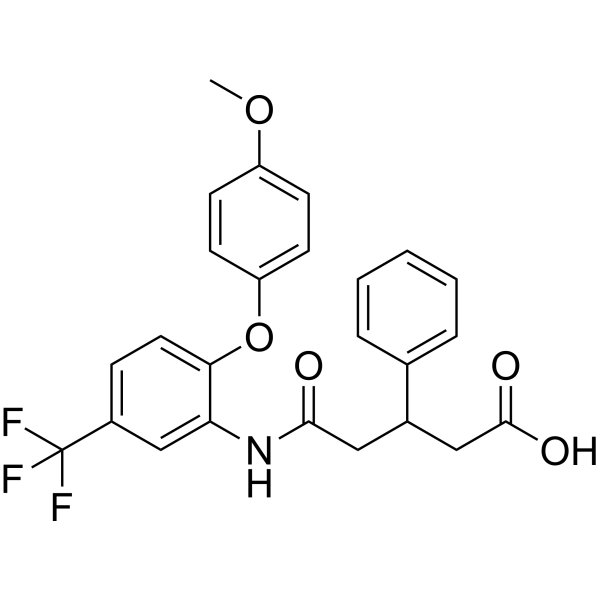 0 Images84-B10 is a 3-phenylglutaric acid derivative. 84-B10 inhibits cisplatin (HY-17394) induced tubular ferroptosis. 84-B10 attenuates cisplatin-induced mitochondrial damage and oxidative stress. 84-B10 ameliorates cisplatin-induced acute kidney injury (AKI).
-
viFSP1
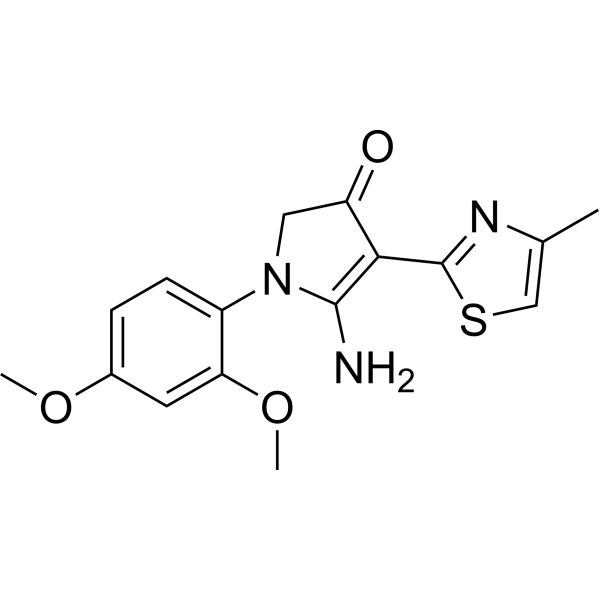 0 ImagesviFSP1 is a species-independent FSP1 inhibitor. viFSP1 directly inhibits FSP1 by targeting the highly conserved NAD(P)H binding pocket of FSP1. viFSP1 can induce Ferroptosis in FSP1-dependent cells. viFSP1 can be used in renal and breast cancer research.
-
L-Glutamine (Standard)
 0 ImagesL-Glutamine (Standard) is the analytical standard of L-Glutamine (HY-N0390). This product is intended for research and analytical applications. L-Glutamine is an orally active nutritional agent and cellular metabolism regulator. L-Glutamine is taken up in a Na+-dependent manner and targets multiple key molecules including glutaminase, mTORC1, NF-κB, STAT-3 and HIF-1α. L-Glutamine enhances glutaminolytic catabolism, drives the conversion of glutamate to α-ketoglutarate, thereby regulating gene expression, integrating metabolic signals, mediating glutamine flux and maintaining redox homeostasis. L-Glutamine also promotes cell proliferation, osteogenic differentiation and fracture healing, exerts neuroprotective and cardioprotective effects, and inhibits osteoarthritis. L-Glutamine can be applied to research related to osteoporosis, osteoarthritis, ischemic stroke and acute cantharidin-induced cardiotoxicity.
-
gp91 ds-tat
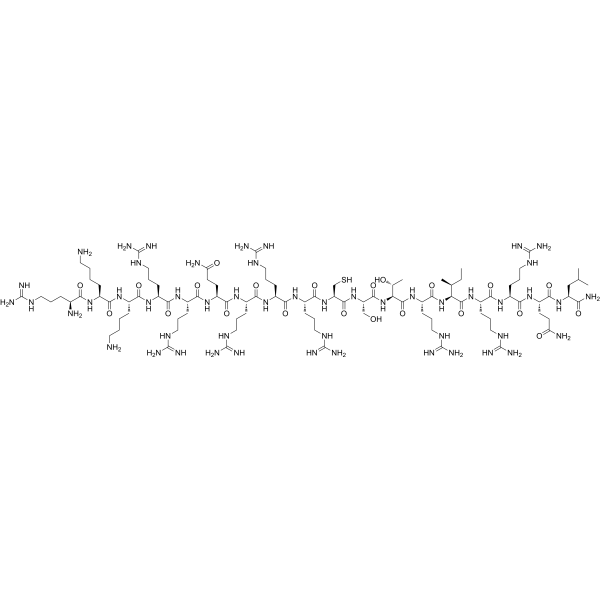 0 Imagesgp91 ds-tat, a biological active peptide, is a NADPH oxidase 2 (Nox2) inhibitor. gp91 ds-tat blocks NADPH oxidase-dependent superoxide production. gp91 ds-tat ameliorates high glucose-induced increase in total ROS, LPOs and iron levels. gp91 ds-tat inhibits homocysteine (Hcy)-induced activation of NLRP3 inflammasomes and restores Hcy-inhibited lysosomal TRPML1 channel activity. gp91 ds-tat improves cerebrovascular and cognitive function in APP/PS1 mice. gp91 ds-tat can be used for the study of Alzheimer’s disease (AD), glomerular inflammation and cardiovascular disease.
-
L-Glutamic acid-13C5,15N
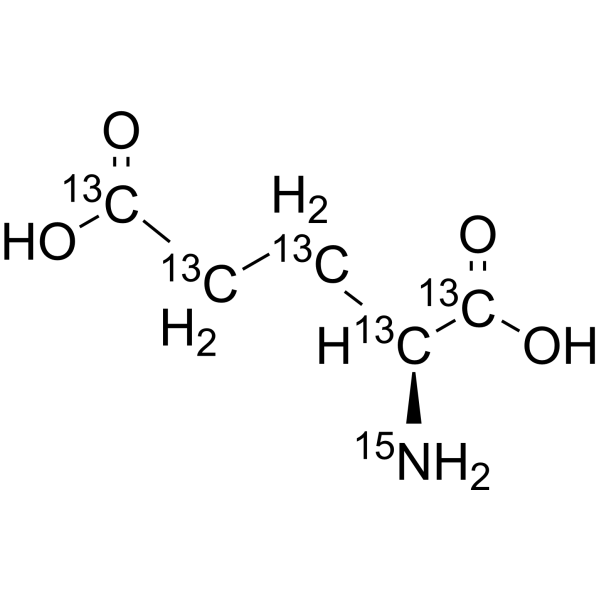 0 ImagesL-Glutamic acid-13C5,15N is the 13C- and 15N-labeled L-Glutamic acid. L-Glutamic acid acts as an excitatory transmitter and an agonist at all subtypes of glutamate receptors (metabotropic, kainate, NMDA, and AMPA). L-Glutamic acid shows a direct activating effect on the release of DA from dopaminergic terminals.
-
L-Glutathione reduced-13C2,15N
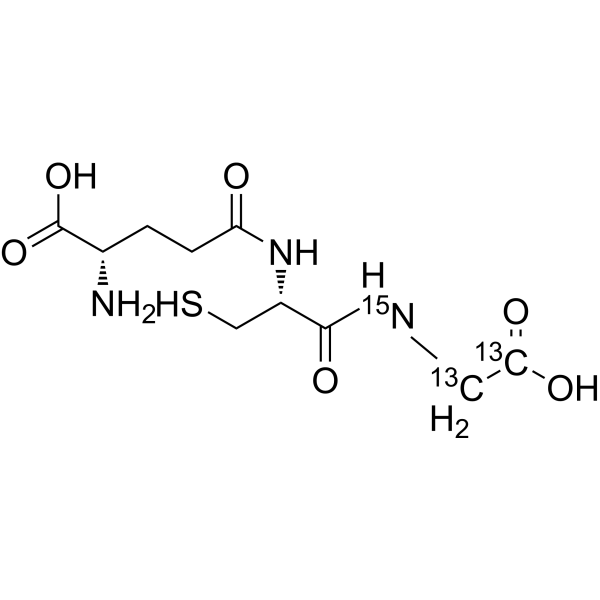 0 ImagesSynonyms: GSH-13C2,15N; γ-L-Glutamyl-L-cysteinyl-glycine-13C2,15NL-Glutathione reduced-13C2,15N is the 13C- and 15N-labeled L-Glutathione reduced. L-Glutathione reduced (GSH) is an endogenous antioxidant and is capable of scavenging oxygen-derived free radicals.
-
LIBX-A401
 0 ImagesLIBX-A401 is a selective long-chain acyl-CoA synthetase 4 (ACSL4) inhibitor with a human IC50 values of 0.38 μM and a Kd of 0.72 μM. LIBX-A401 binds to ACSL4 in an ATP-dependent manner, stabilizes the C-terminal domain, alters the fatty acid gate region, and interacts with residues A329 and Q302 within the fatty acid binding site. LIBX-A401 exhibits anti-ferroptosis properties in cells. LIBX-A401 can be used for the researches of cancer and parkinson's disease.




