Free Radical Scavengers
Free radical scavengers are bioactive substances that eliminate reactive free radicals. Free radicals with unpaired electrons easily damage lipids, proteins and DNA, causing oxidative stress and cell aging.
Free radical scavengers neutralize radicals by donating electrons or hydrogen atoms to form stable inert compounds. Their scavenging capacity is measured by in vitro assays including DPPH and ABTS tests.
Common natural scavengers are polyphenols, flavonoids, vitamin C and vitamin E. They are widely studied for food preservation, cosmetic anti-oxidation and treatments for oxidative damage-related diseases.
All Product Categories
-
Free Radical Scavengers Related Products (379)
Related Products (379)

-
Gallic aldehyde
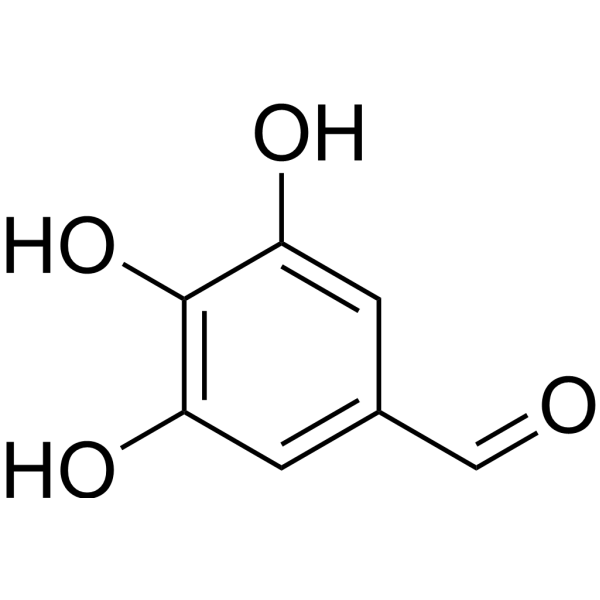 0 ImagesGallic aldehyde (3,4,5-Trihydroxybenzaldehyde) is a phenolic aldehyde. Gallic aldehyde can be isolated from Geum japonicum. Gallic aldehyde inhibits the gelatinolytic activity and expression of MMP-9. Gallic aldehyde also inhibits ERK1/2, p38, and JNK. Gallic aldehyde has potent anti-HSV-1 and antioxidant activities. Gallic aldehyde also exhibits antibacterial activity against Oenococcus oeni VF.
-
Maculosin
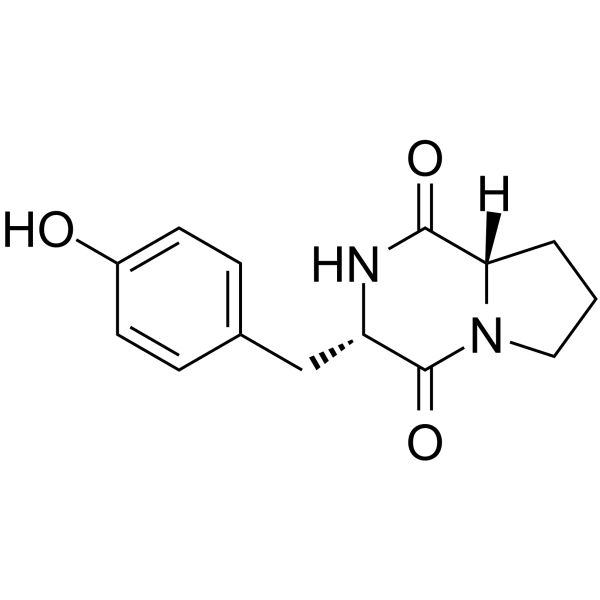 0 ImagesMaculosin (Cyclo (Tyr-Pro)) is a host-specific phytotoxin for spotted knapweed from Alternaria alternata. Maculosin is a quorum-sensing molecule involved in cell-cell communication. Maculosin also acts as a signaling molecule regulating virulence gene expression. Maculosin shows antimicrobial, antifungal, antioxidant and anti-cancer properties.Maculosin (Cyclo (Tyr-Pro)) is a host-specific phytotoxin for spotted knapweed from Alternaria alternata. Maculosin is a quorum-sensing molecule involved in cell-cell communication. Maculosin also acts as a signaling molecule regulating virulence gene expression. Maculosin shows antimicrobial, antifungal, antioxidant and anti-cancer properties.
-
D-(-)-Mandelic acid
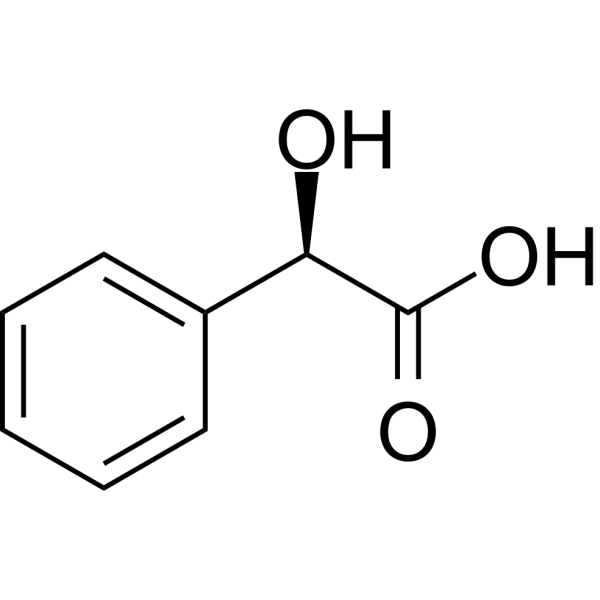 0 ImagesD-(-)-Mandelic acid is an orally active alpha hydroxycarboxylic acid that can be isolated from bitter almonds and Indian chestnut trees. It has antioxidant and antibacterial properties and is expected to play an important role in the treatment of rheumatoid arthritis.
-
Avenanthramide C
 0 ImagesAvenanthramide C is an orally active polyphenolic compound that penetrates the blood-brain barrier. Avenanthramide C is derived from oats. Avenanthramide C inhibits NF-κB nuclear translocation and inhibits the phosphorylation of PI3K, PLCγ1, Lyn, Syk, and Akt. Avenanthramide C inhibits the expression and activity of MMP-9 and inhibits MAPK phosphorylation. Avenanthramide C scavenges DPPH radicals, reduces intracellular ROS, and inhibits pro-inflammatory cytokine release and adhesion molecule expression. Avenanthramide C inhibits cell degranulation. Avenanthramide C attenuates active systemic anaphylaxis and inhibits passive cutaneous anaphylaxis. Avenanthramide C ameliorates PHZ-induced blood stasis. Avenanthramide C inhibits neuroinflammation, restores long-term potentiation, and improves recognition and spatial memory in Alzheimer's disease models. Avenanthramide C can be used for research on allergic inflammation, thrombosis, atherosclerosis, and Alzheimer's disease.
-
Regaloside A
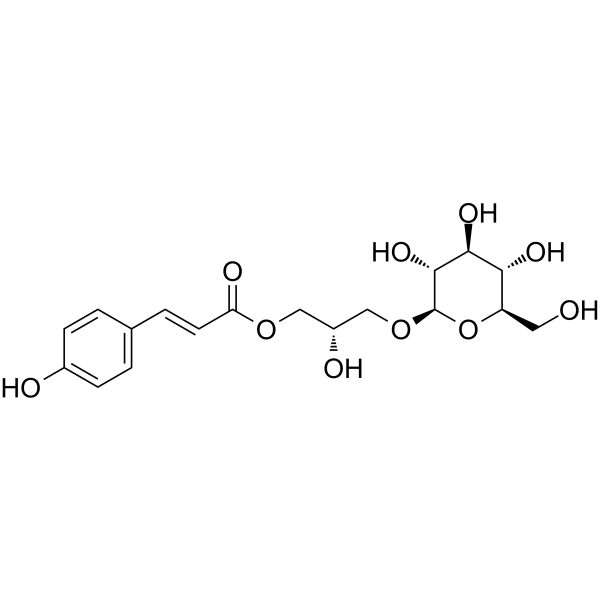 0 ImagesRegaloside A, a phenylpropanoid, shows significant DPPH radical scavenging activity of 58.0% at 160 ppm. Regaloside A has anti-inflammatory activity.
-
4-Fluorobenzoic acid
 0 Images4-Fluorobenzoic acid is a drug intermediate that can be used to synthesize a series of hydrazone derivatives with antituberculosis activity and Schiff bases with DPPH radical scavenging activity.
-
Vasicine
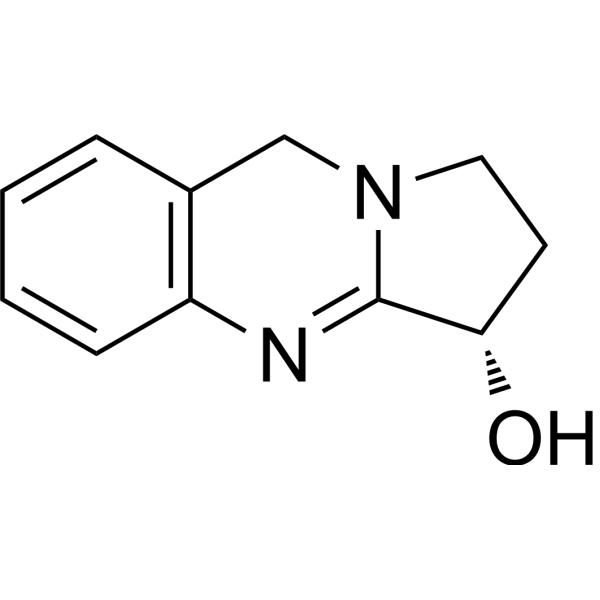 0 ImagesVasicine (peganine) is a quinazoline alkaloid isolated from Justicia adhatoda. Vasicine activates PI3K/Akt signaling pathway, exhibits antioxidant, anti-inflammatory and antibacterial activities.
-
Glucosamine sulfate
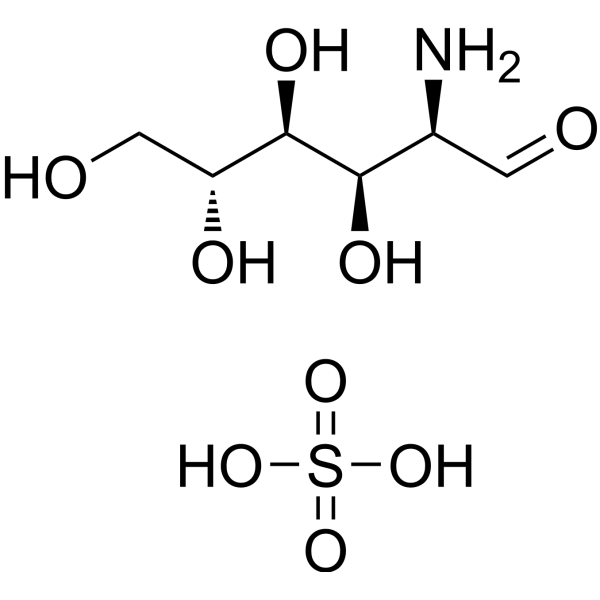 0 ImagesSynonyms: D-Glucosamine sulfateGlucosamine sulfate (D-Glucosamine sulfate) is an amino sugar and a prominent precursor in the biochemical synthesis of glycosylated proteins and lipids, is used as a dietary supplement. Glucosamine sulfate also is a natural constituent of glycosaminoglycans in the cartilage matrix and synovial fluid, which when administered exogenously, exerts pharmacological effects on osteoarthritic cartilage and chondrocytes.
-
3,4-Dihydroxyphenylglycol
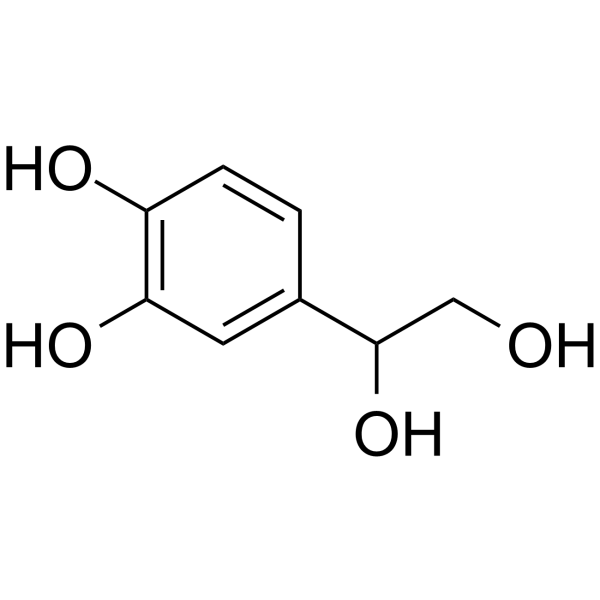 0 Images3,4-Dihydroxyphenylglycol is a phenolic compound and antioxidant. 3,4-Dihydroxyphenylglycol can be extracted from olive oil. 3,4-Dihydroxyphenylglycol downregulates the expression of proinflammatory enzymes (iNOS, COX-2) and prevents the degradation of IκBα. 3,4-Dihydroxyphenylglycol has antioxidant properties. 3,4-Dihydroxyphenylglycol has shown positive effects on frozen-thawed ram sperm. 3,4-Dihydroxyphenylglycol can be used in the study of inflammatory-related diseases (such as ulcerative colitis) and reproductive health (sperm cryopreservation).
-
4-Vinylsyringol
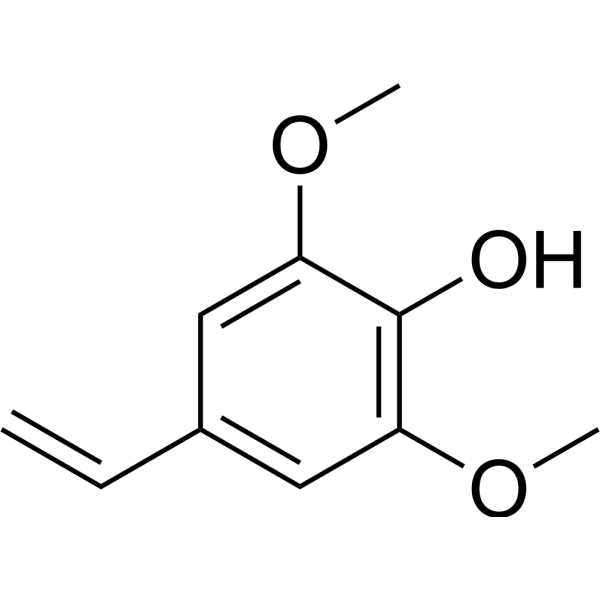 0 Images4-Vinylsyringol is a phenolic compound with potential antioxidant and anti-inflammatory activities, which can be isolated from rapeseed oil.
-
(-)-Gallocatechin
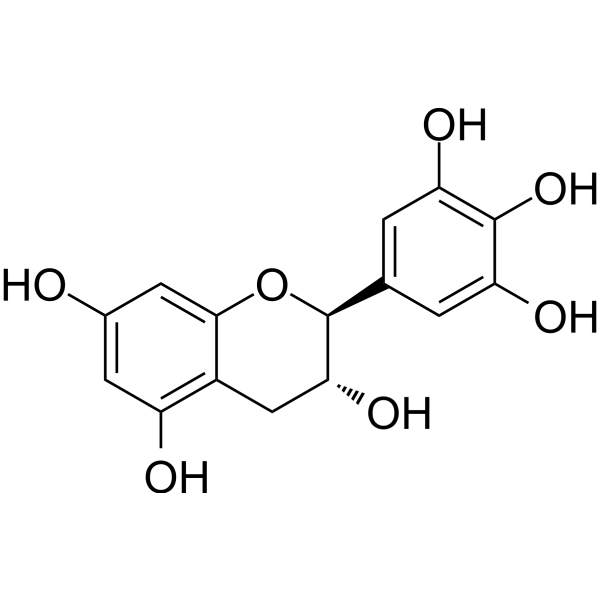 0 Images(-)-Gallocatechin, an epimer of (-)-Epigallocatechin (EGC) (HY-N0225), is contained in various tea products. (-)-Gallocatechin demonstrates antioxidant activity in vitro, including inhibition of LDL oxidation and DPPH radical scavenging.
-
Kaempferol-7-O-β-D-glucopyranoside
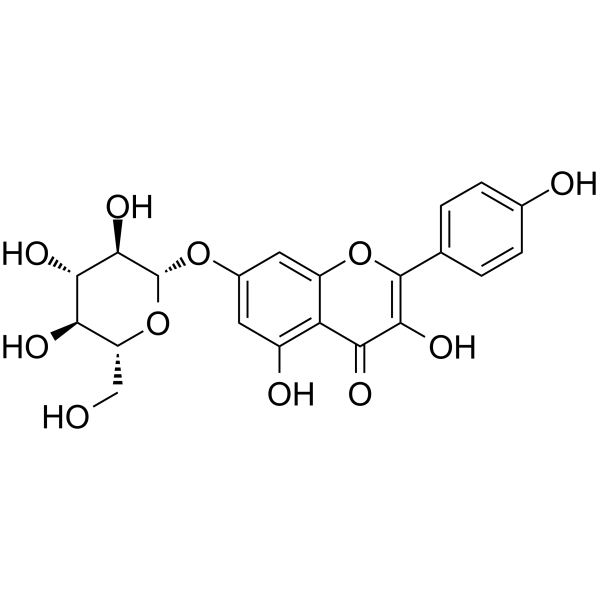 0 ImagesKaempferol-7-O-β-D-glucopyranoside is a flavonoid glycoside. Kaempferol-7-O-β-D-glucopyranoside exists in the root bark of Cudrania tricuspidata. Kaempferol-7-O-β-D-glucopyranoside inhibits Cu2+-induced lipid peroxidation of low-density lipoprotein. Kaempferol-7-O-β-D-glucopyranoside possesses antioxidant activity and scavenges DPPH free radicals.
-
Magnoloside B
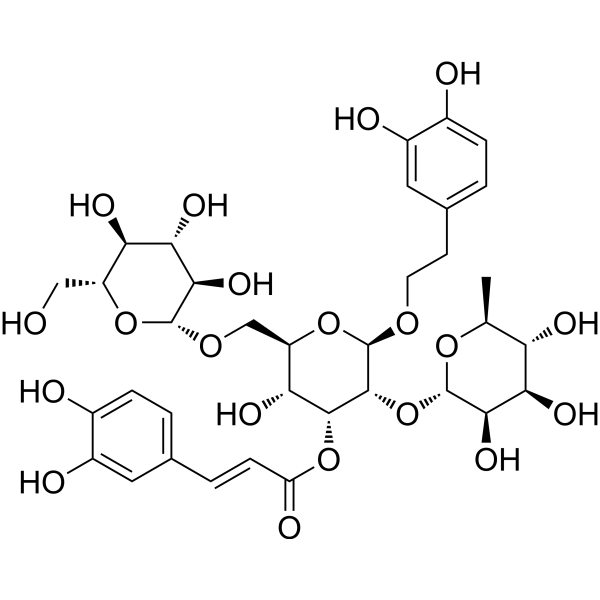 0 ImagesMagnoloside B is a phenylethanoid glycoside found in the bark of Magnolia officinalis. Magnoloside B exhibits DPPH radical scavenging activity. Magnoloside B can be used in research related to liver cancer and gastric cancer.
-
Rhodionin
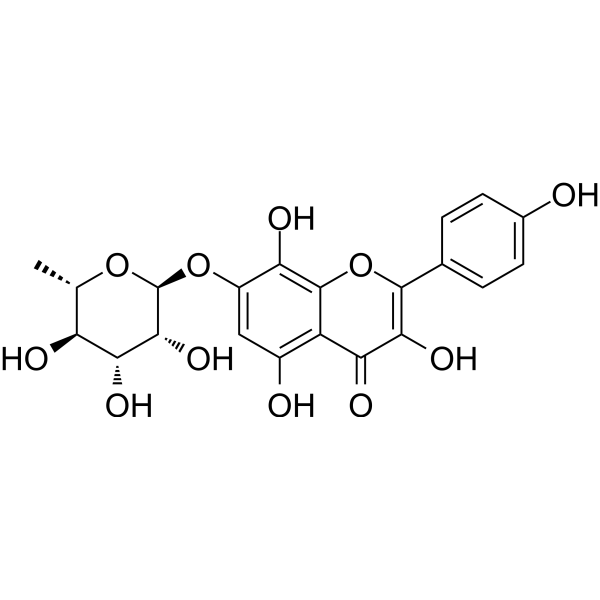 0 ImagesRhodionin is an orally active, multifunctional antivirulence and cytoprotective agent that targets and inhibits Lipase, sortase A (SrtA), CYP2D6 (IC50=0.761 μM), AChE (IC50=2.43-57.5 μM), and DPPH free radicals (IC50=19.49 μM). Rhodionin is isolable from the roots of Rhodiola crenulata. Rhodionin reduces postprandial serum triglyceride levels in mice by inhibiting lipase activity. Rhodionin also binds directly to SrtA to inhibit its transpeptidase activity, thereby reducing the fibrinogen adhesion and surface protein A levels of MRSA, effectively inhibiting biofilm formation and protecting against MRSA-induced cell damage. Rhodionin improves the survival rate of infected mice without affecting MRSA growth, and finds wide application in studies related to hyperlipidemia, exogenous obesity, and pneumonia induced by methicillin-resistant Staphylococcus aureus (MRSA).
-
(S)-3-(4-Hydroxyphenyl)-2-hydroxypropionic acid
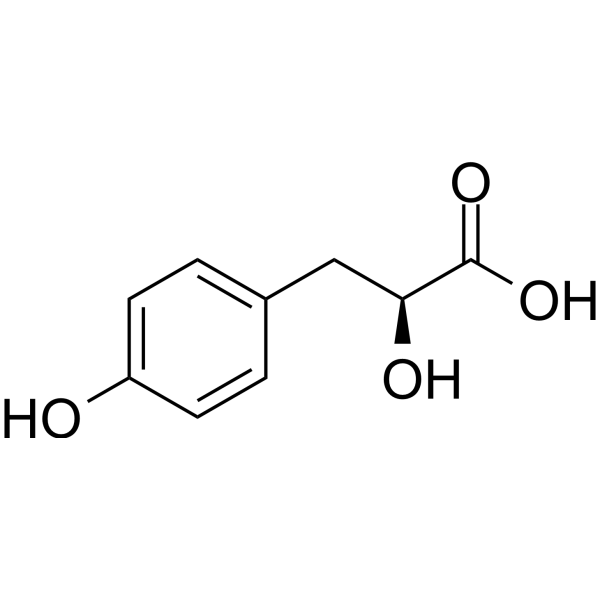 0 ImagesSynonyms: (S)-3-(4-Hydroxyphenyl)lactic acid(S)-3-(4-Hydroxyphenyl)-2-hydroxypropionic acid (Compound 1) is a metabolite. (S)-3-(4-Hydroxyphenyl)-2-hydroxypropionic acid can be isolated from the culture medium of Leuconostoc mesenteroides. (S)-3-(4-Hydroxyphenyl)-2-hydroxypropionic acid has strong antioxidant activity.
-
Rubiadin
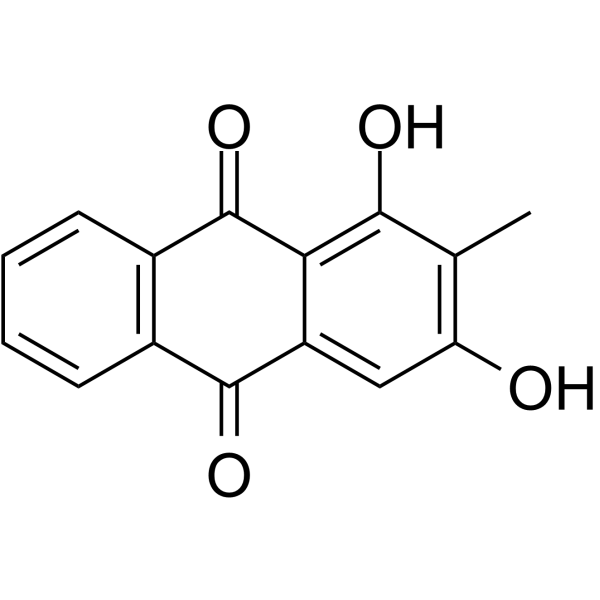 0 ImagesRubiadin is an orally active free radical scavenger that inhibits the activation of the NF-κB pathway. Rubiadin inhibits osteoclast formation, bone resorption, lipid peroxidation, HBV DNA replication and cancer cell proliferation; reduces pro-inflammatory cytokine levels; induces cancer cell apoptosis; and possesses antifungal, antimalarial, antibacterial and anticonvulsant activities. Rubiadin can be used in the research of osteoporosis, acute inflammation, chronic inflammation, carbon tetrachloride-induced liver injury, Alzheimer's disease, breast cancer, iron overload disorders, hepatitis B virus infection, colon cancer, liver cancer, T-lymphocytic leukemia, cervical cancer, diabetic nephropathy, epileptic seizures, fungal infections, malaria and bacterial infections.
-
Cyanidin 3-sambubioside chloride
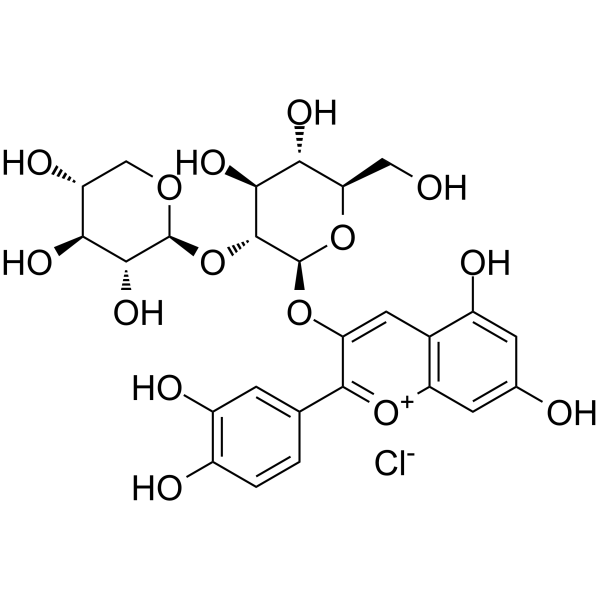 0 ImagesSynonyms: Cyanidin-3-O-sambubioside chlorideCyanidin 3-sambubioside chloride (Cyanidin-3-O-sambubioside chloride), a major anthocyanin, a natural colorant, and is a potent NO inhibitor. Cyanidin 3-sambubioside chloride is a H274Y mutation inhibitor, and inhibits influenza neuraminidase activity with an IC50 of 72 μM. Cyanidin 3-sambubioside chloride inhibits angiotensin-converting enzyme (ACE) activity and has antioxidant, anti-angiogenic and antiviral properties.
-
Lumisterol
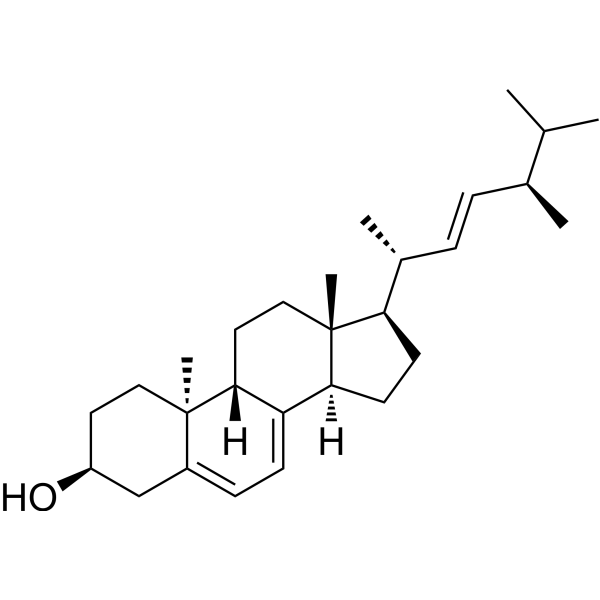 0 ImagesLumisterol (9β,10α-Ergosterol) is a photoproduct of 7-dehydrocholesterol, present in the skin, and acts as an orally active VDR non-genomic modulator and ROR inverse agonist. Lumisterol binds to the SARS-CoV-2 Mpro substrate-binding pocket and the RdRP active site, inhibiting enzyme activity. Lumisterol induces NRF2-regulated antioxidant responses, p53 phosphorylation and nuclear translocation, and intracellular free radical scavenging. Lumisterol inhibits the proliferation of epidermal keratinocytes and melanoma cells, modulates cell cycle progression, and suppresses basal and TNFα-induced NFκB transcriptional activity. Lumisterol inhibits RORγ transcriptional activity and IL-17 production. Lumisterol is used in research on UVB-induced skin damage, melanoma, psoriasis, vitamin D deficiency, and COVID-19.