



NOD-like Receptor (NLR)
Nucleotide oligomerization domain (NOD)-like receptors (NLRs) are critical cytoplasmic pattern-recognition receptors (PRRs) that play an important role in the host innate immune response and immunity homeostasis. There are 23 NLR family members in humans and at least 34 NLR genes in mice. NLRs are expressed in many cell types including immune cells and epithelial cells, although certain NLR family members are expressed primarily in phagocytes including macrophages and neutrophils. The NLR family are most commonly classified according to their N-terminal domain, falling into one of four subfamilies; NLRA, NLRB, NLRC and NLRP.
The NLRs recognize various ligands from microbial pathogens (peptidoglycan, flagellin, viral RNA, fungal hyphae, etc.), host cells (ATPs, cholesterol crystals, uric acid, etc.), and environmental sources (alum, asbestos, silica, alloy particles, UV radiation, skin irritants, etc.). Most NLRs act as PRRs, recognizing the above ligands and activate inflammatory responses. However, some NLRs may not act as PRRs but instead respond to cytokines such as interferons. The activated NLRs show various functions that can be divided into four broad categories: inflammasome formation, signaling transduction, transcription activation, and autophagy.
NOD-like Receptor (NLR) Isoform Specific Products
All Product Categories
-
NOD-like Receptor (NLR) Inhibitors
(373)
View all products
-
NOD-like Receptor (NLR) Agonists
(25)
View all products
-
NOD-like Receptor (NLR) Antagonists
(8)
View all products
-
NOD-like Receptor (NLR) Activators
(48)
View all products
-
NOD-like Receptor (NLR) Modulators
(10)
View all products
-
NOD-like Receptor (NLR) Inducer
(1)
View all products
-
NOD-like Receptor (NLR) Degraders
(2)
View all products
-
NOD-like Receptor (NLR) Ligand
(1)
View all products
-
NOD-like Receptor Proteins
(1)
View all products
-
NLRP3 Proteins
(1)
View all products
-
NOD-like Receptor (NLR) Related Products (485)
Related Products (485)

-
Recombinant Proteins (1)
-
Antibodies (2)
-
NOD-like Receptor (NLR) Isoform Comparison
-
Arglabin
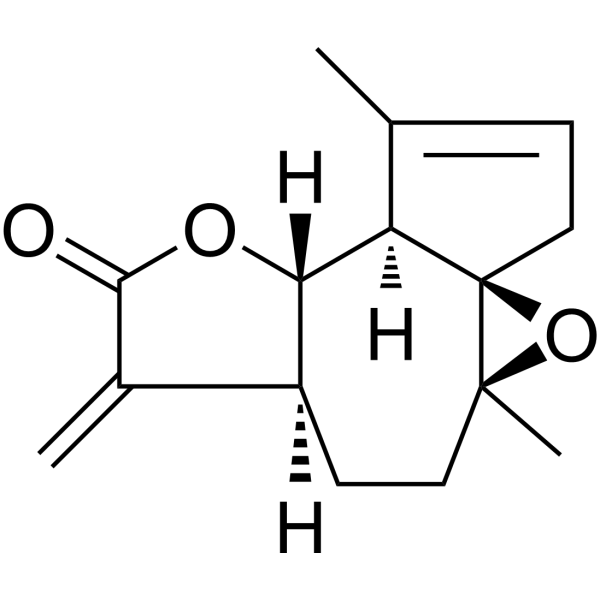 0 ImagesSynonyms: (+)-ArglabinArglabin ((+)-Arglabin), a natural product isolated from Artemisia glabella, is a NLRP3 inflammasome inhibitor. Arglabin shows anti-inflammatory and antitumor activities. The antitumor activity of Arglabin proceeds through its inhibition of farnesyl transferase which leads to the activation of RAS proto-oncogene.
-
(+)-Magnoflorine iodide
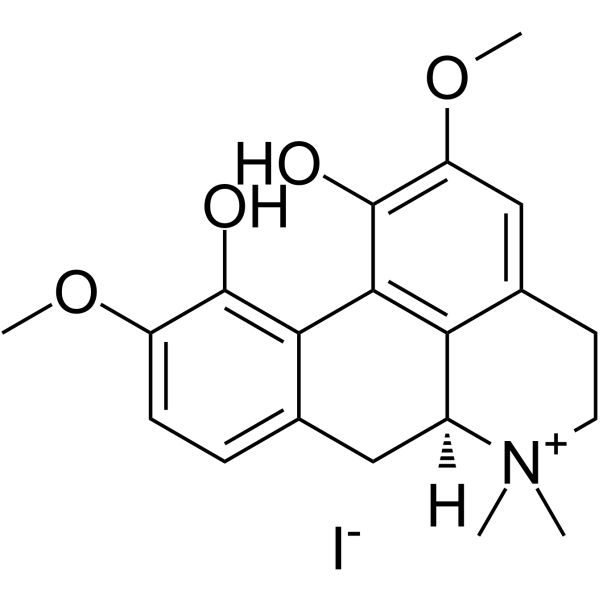 0 ImagesSynonyms: Magnoflorine iodide; α-Magnoflorine iodide; Thalictrine iodide(+)-Magnoflorine (α-Magnoflorine) iodide is an orally active aporphine alkaloid with multiple biological activities. (+)-Magnoflorine iodide promotes Parkin/PINK1 -mediated mitochondrial autophagy, inhibits the activation of NLRP3/Caspase-1 pathway, regulates the intestinal microbiota, and exhibits significant anti-inflammatory and immunomodulatory activities. (+)-Magnoflorine iodide inhibits JNK and TLR4/NF-κB signaling pathways, activates Sirt1/AMPK pathway, alleviates neuronal oxidative stress and apoptosis. Magnoflorine upregulates miR-410-3p, inhibits HMGB1/NF-κB pathway, and has anti-tumor activity. (+)-Magnoflorine iodide also has significant antifungal activity.
-
Xelafaslatide
 0 ImagesSynonyms: ONL-1204Xelafaslatide (ONL-1204) is a Fas receptor antagonist. Xelafaslatide blocks the Fas receptor signaling pathway and inhibits downstream apoptosis and inflammatory pathways. Xelafaslatide suppresses neuroinflammation and microglial activation in glaucoma models, protects retinal ganglion cells and prevents axonal degeneration. Xelafaslatide is applicable to relevant research on glaucoma.
-
FK-565
 0 ImagesFK-565 is a synthetic immunomodulatory peptide with a nucleotide oligomerization domain-1 (NOD1) ligand. FK-565 can activate macrophages, NK cells, and peritoneal exudative cells, enhancing the innate immune response. FK-565 has antiviral activity against a variety of viruses in vivo, and its effect is achieved through immunomodulation rather than direct viral inhibition. FK-565 can induce mouse models of arteritis and coronary arteritis (Kawasaki disease-like disease) through a NOD1-mediated mechanism. FK-565 can be used for research on viral infections and inflammatory vascular diseases.
-
Gypenoside XLIX
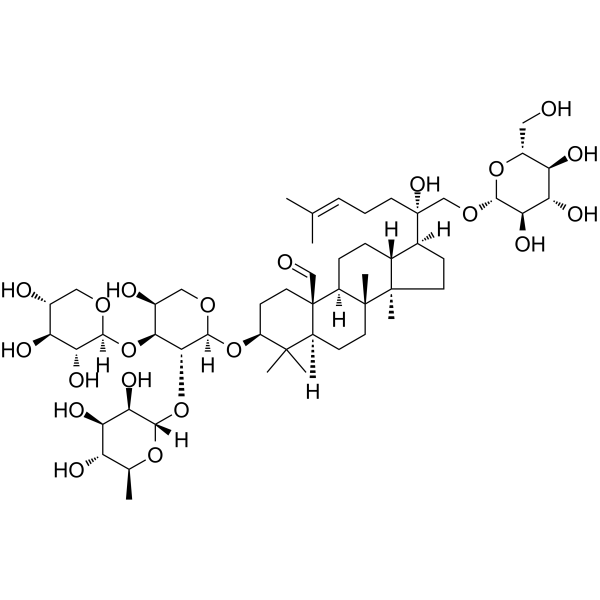 0 ImagesGypenoside XLIX is a multifunctional bioactive compound that can be isolated from Gynostemma pentaphyllum, with a Ka value of 1.58 μM for its binding to SIRT1. Gypenoside XLIX acts as a PPAR-α agonist. It inhibits the activation of TLR4-mediated NF-κB signaling pathway by activating the Sirt1/Nrf2 signaling pathway, reduces ROS accumulation, and alleviates hepatic inflammatory injury in mice with sepsis-induced liver disease. Gypenoside XLIX targets SIRT1 to block YAP-NLRP3 activation and improve sepsis-induced cardiomyopathy. Gypenoside XLIX inhibits apoptosis (Apoptosis), pyroptosis (Pyroptosis), autophagy (Autophagy), lipid peroxidation, pro-inflammatory cytokines and anti-inflammatory cytokines. Gypenoside XLIX alleviates sepsis-induced splenic injury by inhibiting inflammation and oxidative stress, and mitigates sepsis-associated encephalopathy by targeting PPAR-α. Gypenoside XLIX prevents acute kidney injury by inhibiting IGFBP7/IGF1R-mediated programmed cell death and inflammation. Gypenoside XLIX inhibits the expression and activity of vascular cell adhesion molecule-1 in cytokine-induced human endothelial cells. Gypenoside XLIX is applicable to research related to acute liver injury, lung injury, cardiomyopathy, acute splenic injury, sepsis-associated encephalopathy, acute kidney injury, atherosclerosis and chronic inflammation.
-
(-)-Maackiain
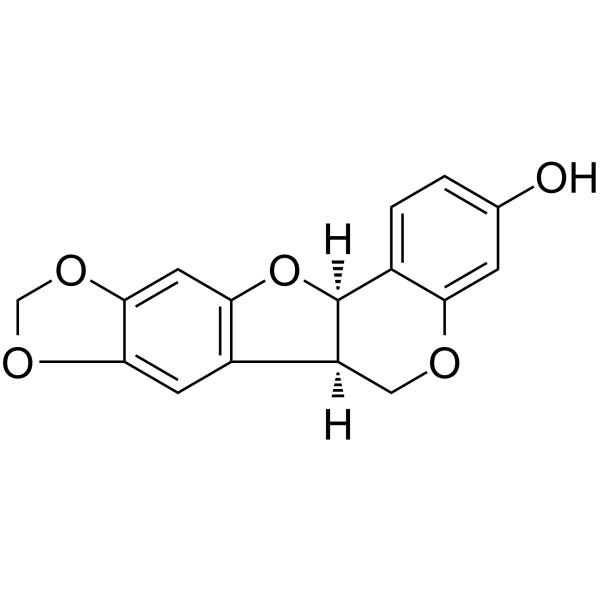 0 Images(-)-Maackiain is a pterocarpan phytoalexin produced from Sophora flavescens. (-)-Maackiain is toxic to several genera of fungal pathogens of legume and non legume hosts. (-)-Maackiain enhances the activation of NLRP3 inflammasome, inhibits the activation of NF-κB pathway, exhibiting thereby immunostimulatory and anti-inflammatory activities. (-)-Maackiain is orally active.
-
TriDAP dihydrochloride
 0 ImagesCat. No.: HY-P5522APurity: 98.14%Synonyms: L-Ala-γ-D-Glu-meso-diaminopimelic acid dihydrochlorideTriDAP dihydrochloride (L-Ala-γ-D-Glu-meso-diaminopimelic acid dihydrochloride) is a NOD1 agonist with a Kd value of 34.5 μM. TriDAP dihydrochloride enhances the binding of NOD1-RICK, promotes RICK phosphorylation, and activates the NF-κB, TAK1, MEK/ERK, p38 and interferon response pathways. TriDAP dihydrochloride downregulates Runx2 via increasing ubiquitination and reduces trabecular bone parameters. TriDAP dihydrochloride decreases IκBα levels and increases p65 levels. TriDAP dihydrochloride induces the secretion of proinflammatory mediators IL-8 and prostaglandins, triggers tissue inflammation and innate immune activation, and inhibits SARS-CoV-2 replication in lung epithelial cells. TriDAP dihydrochloride increases the RANKL/OPG ratio in mice, reduces bone mass and enhances osteoclast activity, and inhibits new bone formation by decreasing the mineralization deposition rate in mice. TriDAP dihydrochloride can be used in research related to pulpitis, chronic ulcerative colitis, Crohn's disease and SARS-CoV-2 infection.
-
JC2-11
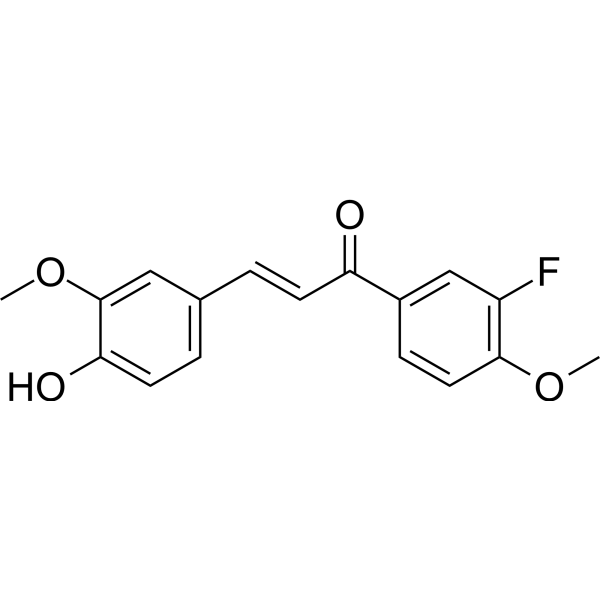 0 ImagesJC2-11 is an inhibitor of inflammatory corpuscles. JC2-11 inhibits domain-containing protein NLRC 4, absent in melanoma 2 (AIM 2) and non-canonical (NC) inflammatory corpuscles. JC2-11 reduces the secretion of caspase-1 (p20), the cleavage of gasdermin D (GSDMD), and the releases of IL-1β and lactate dehydrogenases (LDH) in inflammatory bodies. JC2-11 inhibits the activation of inflammatory bodies by destroying the production of reactive oxygen species and the activity of caspase-1.
-
Phaseoloidin
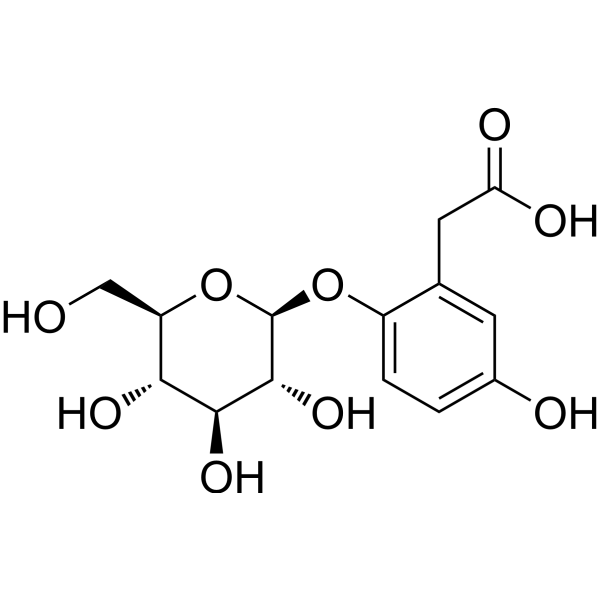 0 ImagesPhaseoloidin is an orally active multi-target inhibitor. Phaseoloidin inhibits the activation of the NLRP3 inflammasome and blocks the caspase-11-GSDMD pyroptosis axis. Phaseoloidin reduces the expression of collagen-degrading enzymes to maintain the integrity of cartilage matrix. Phaseoloidin activates the AMPK/mTOR pathway to enhance autophagy function and reverse apoptosis resistance. Phaseoloidin inhibits the growth and development of Manduca sexta and Spodoptera littoralis larvae, thereby helping Nicotiana attenuata defend against lepidopteran herbivorous insects. Phaseoloidin can be used in research related to acute gouty arthritis and pulmonary fibrosis.
-
NP-1815-PX sodium
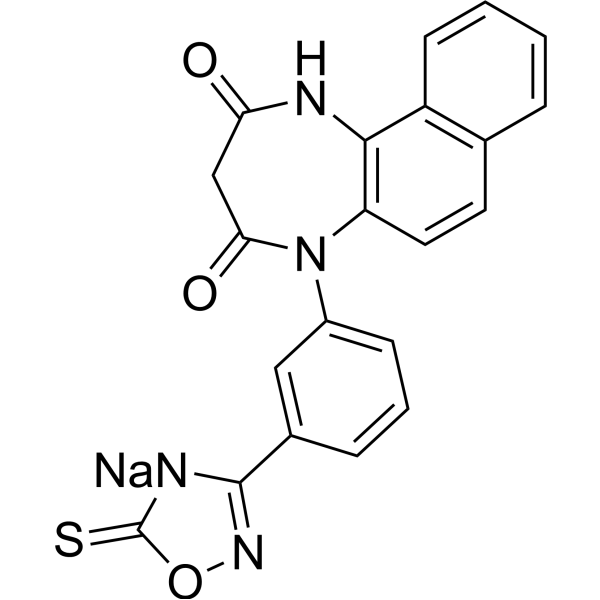 0 ImagesNP-1815-PX sodium is an orally active dual inhibitor of P2X4 and prostaglandin TP receptors, with an IC50 of 0.26 μM against human P2X4 receptors. NP-1815-PX sodium specifically inhibits ATP-mediated prostaglandin production, TP receptor-induced calcium elevation, and the canonical/non-canonical NLRP3 inflammasome signaling pathway. NP-1815-PX sodium selectively blocks smooth muscle contractions induced by ATP, U46619 (HY-108566) and prostaglandin F2α. NP-1815-PX sodium not only produces anti-allodynic effects in vivo, but also significantly alleviates symptoms of DNBS (HY-W324435)-induced colitis (such as weight loss and tissue damage). NP-1815-PX sodium exerts anti-inflammatory effects by downregulating IL-1β levels and Caspase-1 activity. NP-1815-PX sodium is used in studies related to asthma and inflammatory bowel disease (colitis).
-
Mesaconic acid
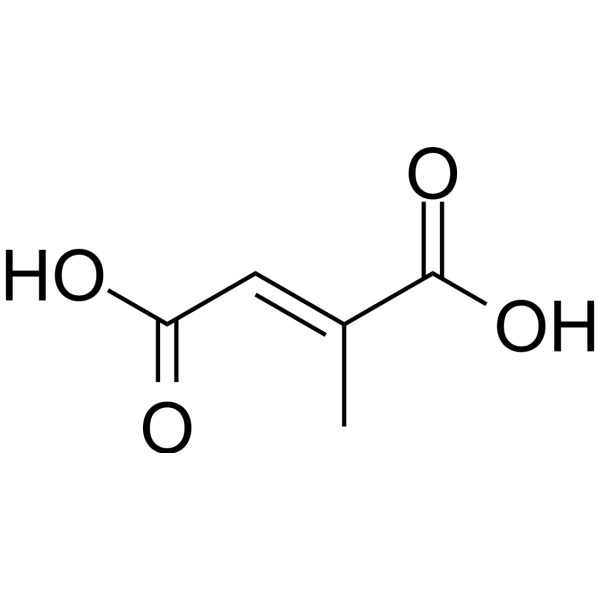 0 ImagesMesaconic acid (Citronic acid; Methylfumaric acid) is an orally active anti-inflammatory and antioxidant agent. Mesaconic acid reduces the level of NF-κB in colon tissues, downregulates the expression of Keap1 and Bax, upregulates the expression of Nrf2 and Bcl2, and decreases the expression of Caspase-1. Mesaconic acid reduces the levels of NLRP3, ASC and Casp-1 in colon, liver and kidney tissues. Mesaconic acid reduces pro-inflammatory cytokine levels, increases the level of the anti-inflammatory cytokine IL-10, elevates NAD+ levels, regulates oxidative stress markers and antioxidant enzyme levels, and upregulates intestinal barrier proteins in colon, liver and kidney tissues. Mesaconic acid increases the abundance of beneficial gut bacteria and reduces the abundance of harmful gut bacteria in rapidly aging mice, and exhibits anti-aging properties. Mesaconic acid acts as a flame retardant and serves as a competitive inhibitor of fumarate reduction. Mesaconic acid can be used in the research of aging-related inflammation.
-
GDC-2394
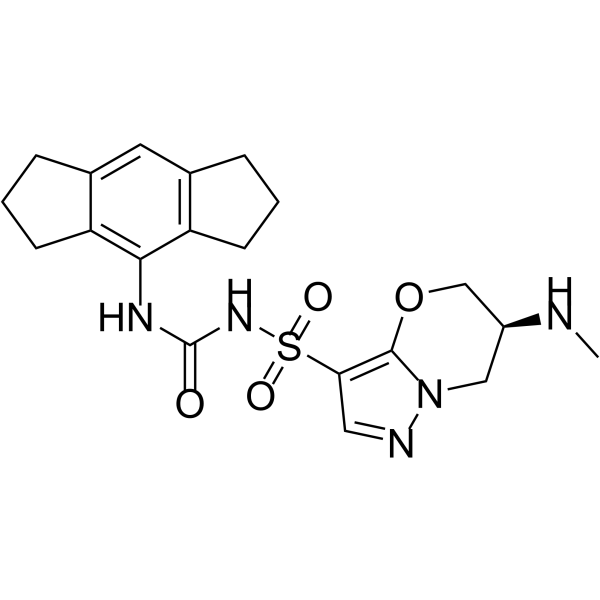 0 ImagesGDC-2394 is an orally active and selective NLRP3 inhibitor, and also inhibits IL-1β with IC50s of 0.4 μM (human IL-1β) and 0.1 μM (mouse IL-1β). GDC-2394 inhibits NLRP3-induced caspase-1 activity without inhibiting NLRC4-dependent inflammasome activation. GDC-2394 could be used to study gouty arthritis.
-
Sipeimine
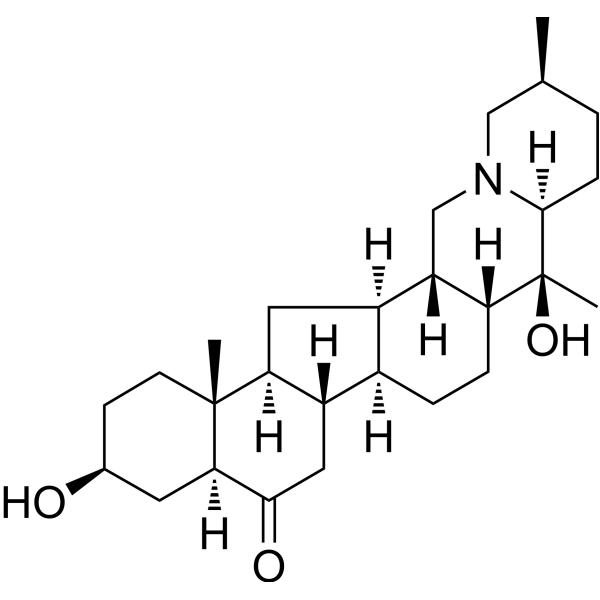 0 ImagesSynonyms: ImperialineSipeimine (Imperialine) is an inhibitor targeting the PI3K/AKT/NF-κB pathway and NLRP3 inflammasome, which can competitively bind to PI3K and p65. Sipeimine inhibits PI3K/AKT phosphorylation, blocks NF-κB nuclear translocation and NLRP3 inflammasome activation. Sipeimine exerts anti-inflammatory activities, inhibits pyroptosis and ferroptosis, and protects the extracellular matrix. Sipeimine can reduce cartilage degradation and synovial inflammation in osteoarthritis and improve PM2.5-induced lung injury. Sipeimine is mainly used in the study of anti-inflammatory and degenerative diseases.
-
NDT-19795
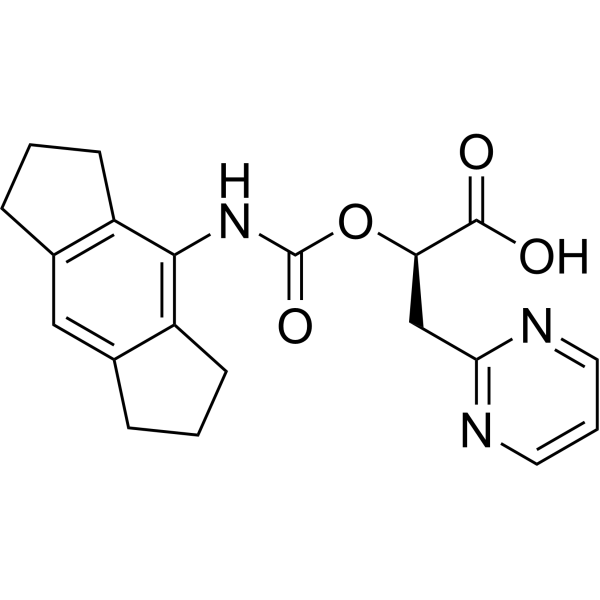 0 ImagesNDT-19795 is an effective inhibitor of the NLRP3 inflammasome with an IC50 value of 66 nM in the PBMC method and 4.7 μM in the WB method. NDT-19795 is a carboxylic acid-active substance that can be converted from NT-0796 (HY-156438) within cells. NDT-19795 can be used for the studies of inflammation and neurological diseases.
-
Maresin 2
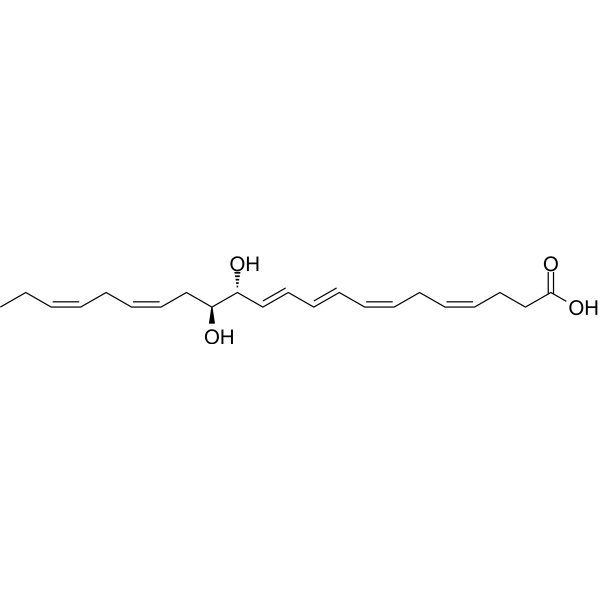 0 ImagesCat. No.: HY-119684CAS No.: 1639809-46-3Maresin 2 is an anti-inflammatory and pro-resolving mediator. Maresin 2 drives intestinal epithelial cell migration by activating the focal cell-matrix adhesion signaling pathway in primary human intestinal epithelial cells, thereby promoting mucosal wound repair. Maresin 2 alleviates nociceptive and anxiety-like behaviors in rats with type 1 diabetes by inhibiting IL-1β in the spinal cord and prefrontal cortex. Maresin 2 attenuates allergic airway inflammation in mice by inhibiting the activation of the NLRP3 inflammasome, Th2-type immune responses, and oxidative stress. Maresin 2 inhibits inflammatory and neuropathic trigeminal neuralgia and reduces neuronal activation in the trigeminal ganglion. Maresin 2 promotes inflammation resolution and mucosal repair after DSS-induced colitis or biopsy-induced colonic mucosal injury.
-
MNS
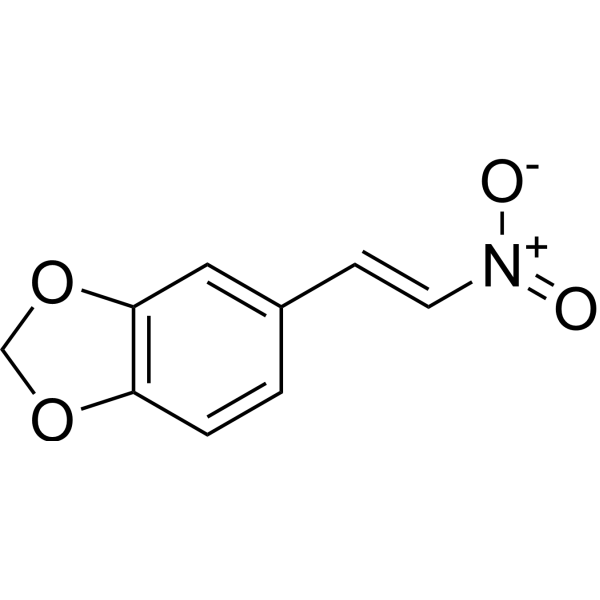 0 ImagesMNS (NSC 170724), the beta-nitrostyrene derivative, is an orally active tyrosine kinase inhibitor, a broad-spectrum antiplatelet agent, and a PANoptosis inhibitor. MNS inhibits Src, Syk, and FAK with IC50 of 27.3, 2.8, and 97.6 μM, respectively. MNS inhibits NLRP3 inflammasome and β1 integrin. MNS completely inhibits U46619, ADP-, arachidonic acid-, collagen-, and thrombin-induced platelet aggregation with IC50 values of 2.1, 4.1, 5.8, 7.0, and 12.7 μM, respectively. MNS is cytotoxic to a variety of cells.
-
L6H21
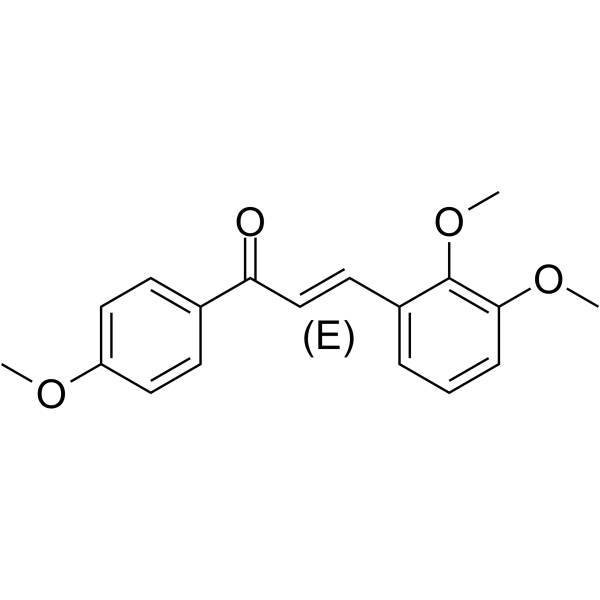 0 ImagesL6H21, a Chalcone (HY-121054) derivative, is an orally active, potent and specific myeloid differentiation 2 (MD-2) inhibitor. L6H21 directly binds to MD-2 protein with a high affinity and low KD value of 33.3 μM, blocking the formation of the LPS-TLR4/MD-2 complex. L6H21 inhibits LPS-induced expression of TNF-α and IL-6 in RAW264.7 macrophages, with IC50 values of 6.58 and 8.59 μM, respectively. L6H21 can be used for alcoholic liver disease, metabolic disturbance and neuroinflammation research.
-
Icariside I
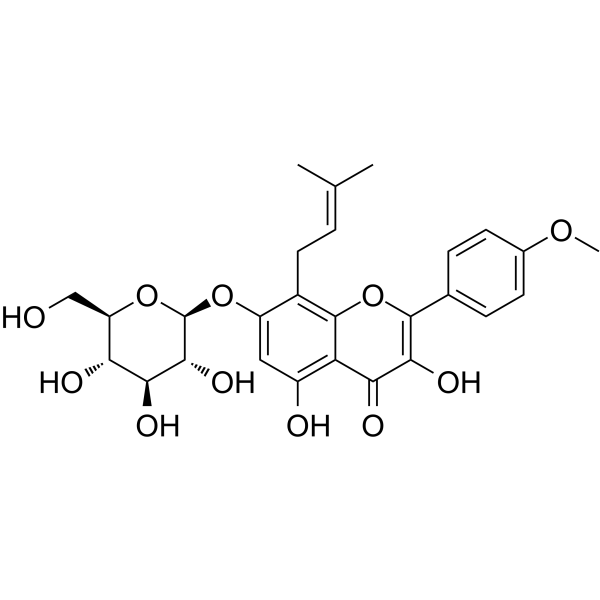 0 ImagesSynonyms: Icarisid IIcariside I (GH01) is an orally active metabolite of icalin. Icariside I improves estrogen deficiency-induced osteoporosis by simultaneously regulating osteoblast and osteoclast differentiation. Icariside I promotes ATP (HY-B2176) or Nigericin (HY-127019)-induced mtROS production and NLRP3 inflammasome activation and causes idiosyncratic hepatotoxicity. Icariside I does not alter the activation of NLRC4 and AIM2 inflammasomes. Icariside I inhibits breast cancer proliferation, apoptosis, invasion, and metastasis by targeting the IL-6/STAT3 pathway. Icariside I is a kynurenine-AhR pathway inhibitor that alleviates cancer by blocking tumor immune escape.
-
5-O-Methylvisammioside
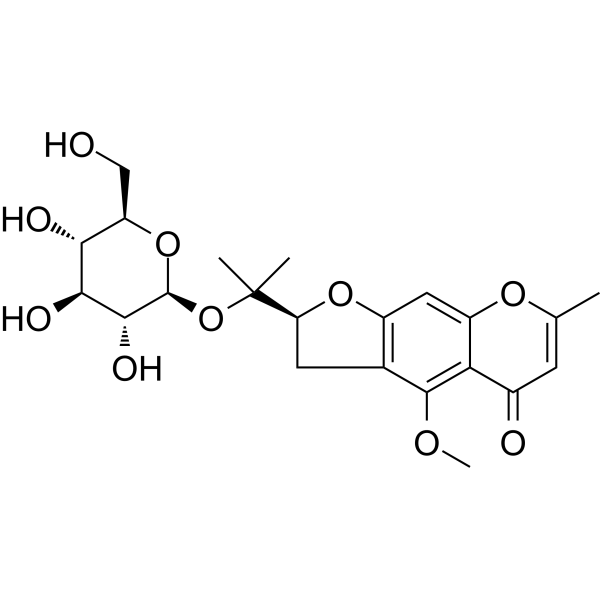 0 ImagesSynonyms: 4'-O-β-D-Glucosyl-5-O-methylvisamminol5-O-Methylvisammioside (4'-O-β-D-Glucosyl-5-O-methylvisamminol) is an orally active natural chromone glycoside and multiple biological activities. 5-O-Methylvisammioside inhibits ferroptosis by activating the Nrf2/HO-1 signaling axis. 5-O-Methylvisammioside alleviates intestinal barrier damage by inhibiting the ROS/NF-κB/NLRP3 pathway. 5-O-Methylvisammioside exerts a protective effect against acute liver injury by reducing ALT/AST, decreasing inflammatory infiltration, and inhibiting IκB-α phosphorylation and NF-κB nuclear translocation. 5-O-Methylvisammioside blocks the HMGB1/RAGE/MEK/ERK signaling axis to exert anti-tumor and anti-angiogenic effects. 5-O-Methylvisammioside improves depression-like behaviors by inhibiting Src kinase and the NF-κB pathway.
-
NLRP3 agonist 1
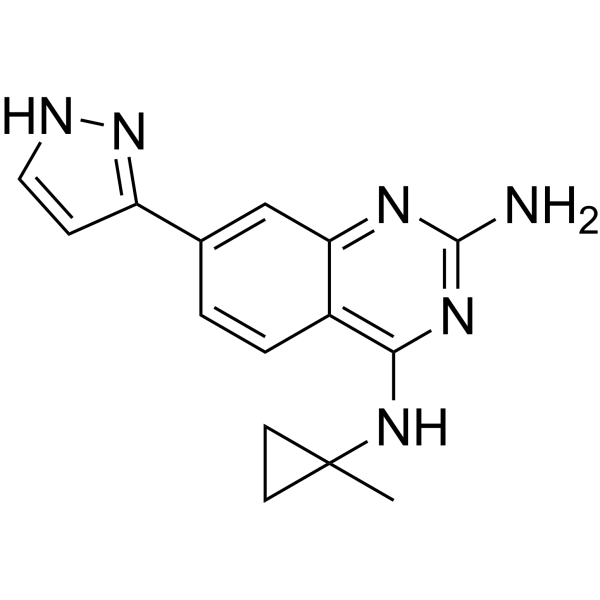 0 ImagesNLRP3 agonist 1 (Compound 23) is an orally active NLRP3 agonist. NLRP3 agonist 1 can activate the enzyme Caspase-1 to cleave pro-IL-1β and pro-IL-18 proinflammatory cytokines into their mature forms.




