



Reactive Oxygen Species (ROS)
Reactive oxygen species (ROS), such as superoxide anion (O2-), hydrogen peroxide (H2O2), and hydroxyl radical (HO•), consist of radical and non-radical oxygen species formed by the partial reduction of oxygen. Cellular ROS are generated endogenously during mitochondrial oxidative metabolism as well as in cellular response to xenobiotics, cytokines, and bacterial invasion.
ROS also activates MAPK pathways by the direct inhibition of MAPK phosphatases. Through PTEN, the PI3K pathway is subject to reversible redox regulation by ROS generated by growth factor stimulation. The activation of autophagy may be a cellular defense mechanism in response to ROS.
All Product Categories
-
Reactive Oxygen Species (ROS) Inhibitors
(1069)
View all products
-
Reactive Oxygen Species (ROS) Agonists
(37)
View all products
-
Reactive Oxygen Species (ROS) Antagonists
(2)
View all products
-
Reactive Oxygen Species (ROS) Activators
(515)
View all products
-
Reactive Oxygen Species (ROS) Modulators
(22)
View all products
-
Reactive Oxygen Species (ROS) MDM2 Inhibitor
(1)
View all products
-
Reactive Oxygen Species (ROS) Inducers
(630)
View all products
-
Reactive Oxygen Species (ROS) Controls
(5)
View all products
-
Reactive Oxygen Species (ROS) Substrates
(3)
View all products
-
Reactive Oxygen Species (ROS) Related Products (2814)
Related Products (2814)

-
Antibodies (8)
-
Cyclo(Phe-Pro)
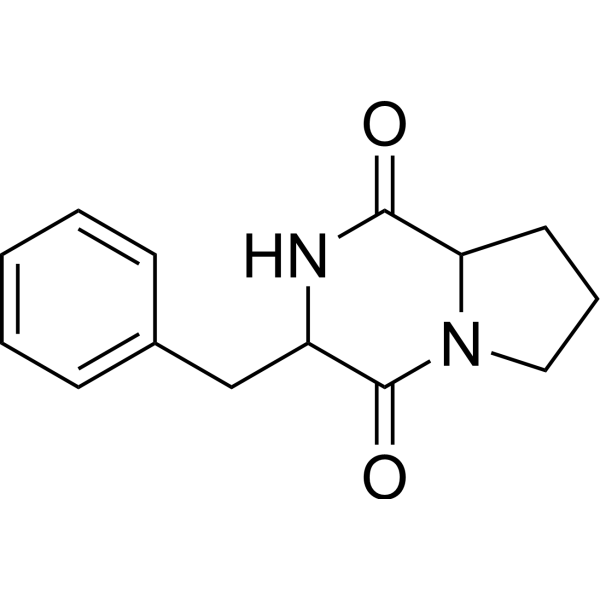 0 ImagesSynonyms: Cyclo(phenylalanylprolyl); A-64863Cyclo(Phe-Pro) (Cyclo(phenylalanylprolyl)) is a quorum-sensing molecule of Vibrio vulnificus that specifically interacts with RIG-I, inhibiting RIG-I polyubiquitination, suppressing IRF-3 activation, and reducing type I interferon production. Cyclo(Phe-Pro) enhances susceptibility to HCV and influenza virus and also alleviates plant aluminum toxicity stress. The mechanism of Cyclo(Phe-Pro) involves the regulation of host immune signaling pathways, bacterial virulence gene expression, and plant antioxidant systems, making it a promising candidate for research in viral infections, bacterial virulence regulation, and agricultural stress resistance.
-
Avermectin B1
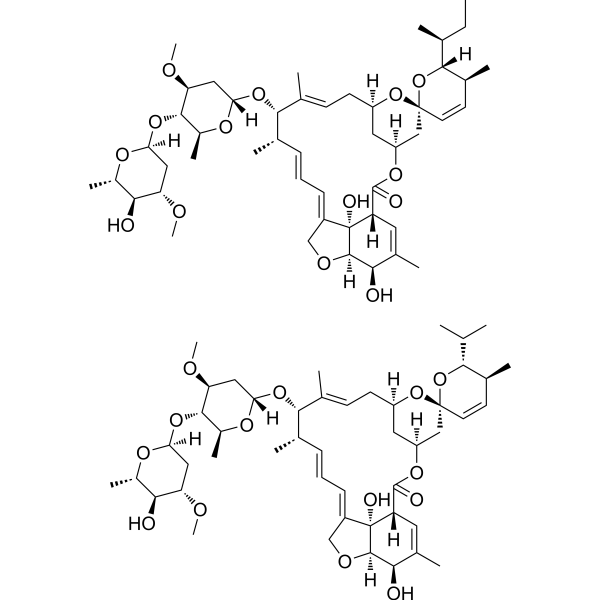 0 ImagesSynonyms: Abamectin; Avermectin B1a-Avermectin B1b mixt.Avermectin B1 (Abamectin) is a mixture of two similar segments of avermectin. Avermectin B1 is an orally anti-infection agent, which can be used in the research of parasitic worms, insect pests, agriculture and animal husbandry. Avermectin B1 can also induce the production of ROS and induces cytotoxicity, apoptosis and autophagy.
-
3-Indolepropionic acid-d2
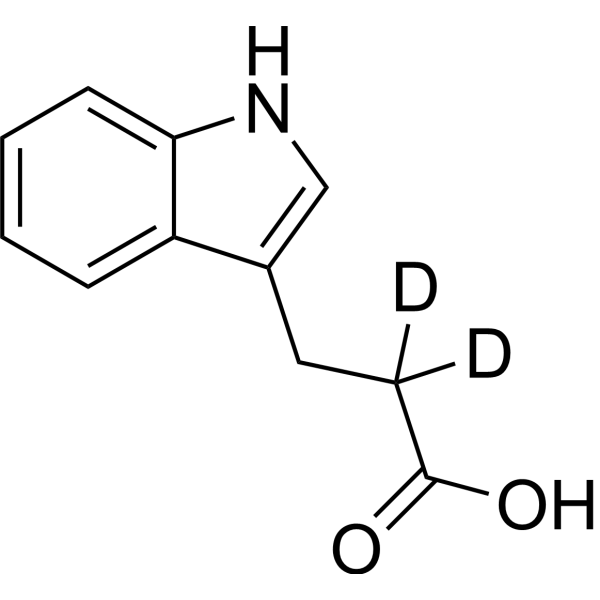 0 Images3-Indolepropionic acid-d2 is the deuterium labeled 3-Indolepropionic acid. 3-Indolepropionic acid is shown to be a powerful antioxidant and has potential in the treatment for Alzheimer’s disease.
-
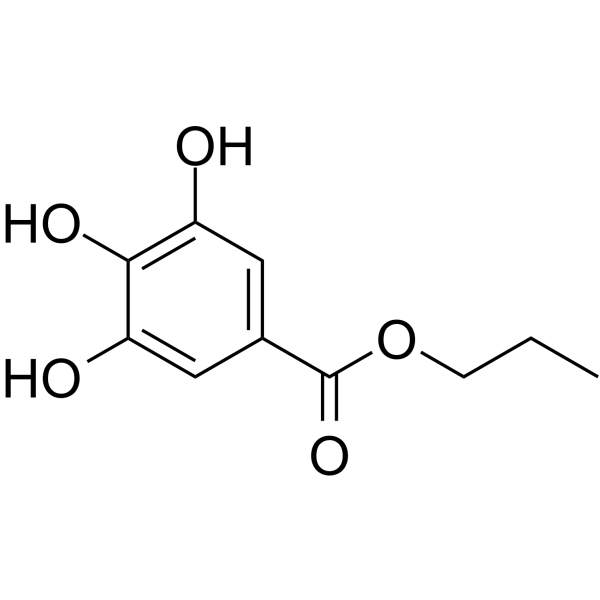
Citronellol
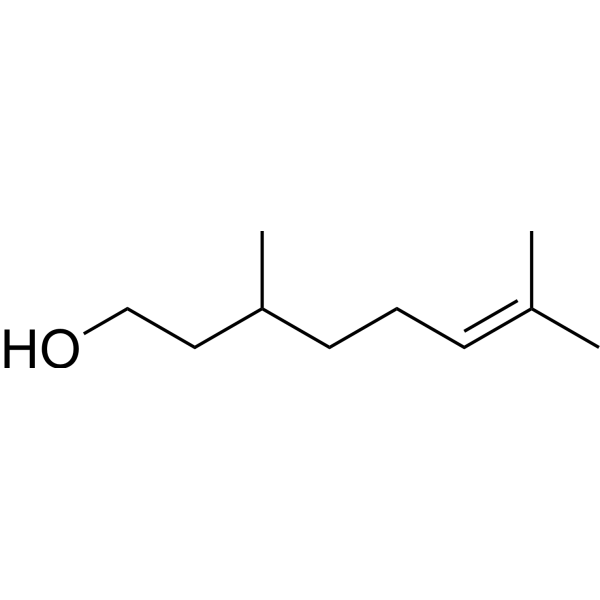 0 ImagesSynonyms: (±)-Citronellol; (±)-β-CitronellolCitronellol ((±)-Citronellol) is an orally active inducer of apoptosis. Citronellol can prevent oxidative stress, mitochondrial dysfunction, and apoptosis in the SH-SY5Y cell Parkinson's disease model induced by 6-OHDA by regulating the ROS-NO, MAPK/ERK, and PI3K/Akt signaling pathways. Citronellol can induce necroptosis in human lung cancer cells through the TNF-α pathway and accumulation of ROS. Citronellol can reduce the levels of LC-3 and p62 to regulate the autophagy pathway, inhibit oxidative stress and neuroinflammation, and thus have neuroprotective effects on Parkinson's rats. Citronellol exhibits anti-fungal activity against Trichophyton rubrum by inhibiting ergosterol synthesis.
-
Diquat dibromide hydrate
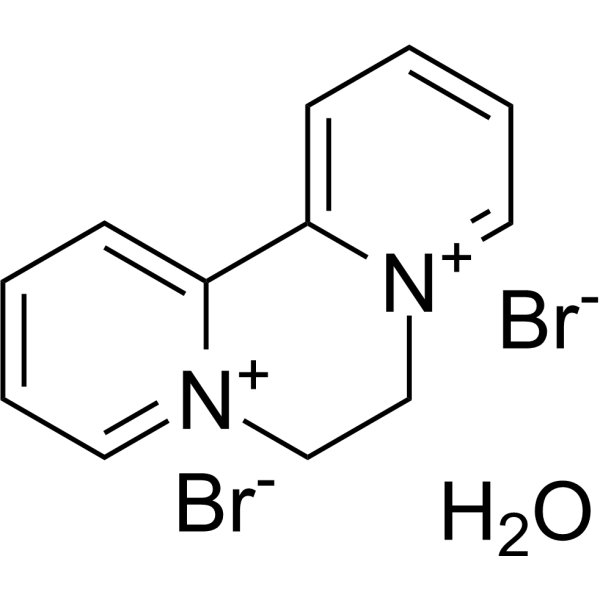 0 ImagesDiquat dibromide hydrate is a comprehensive herbicide. Diquat dibromide hydrate increases the production of ROS and triggers mitophagy. Diquat dibromide hydrate generates free radicals such as superoxide anions through redox cycles, which induce oxidative stress. Diquat dibromide hydrate is cytotoxic, reproductive, and neurotoxic. Diquat dibromide hydrate is used in cotton, soybean, and other crops to combat noxious weeds.
-
L-Ornithine-d7 hydrochloride
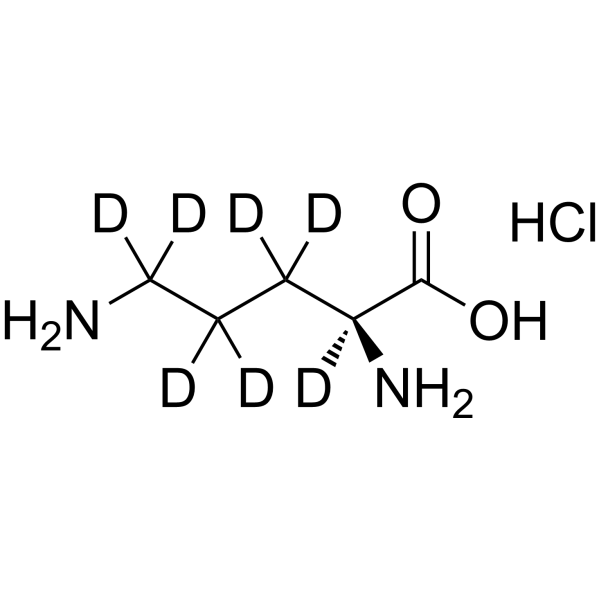 0 ImagesL-Ornithine-d7 hydrochloride is the d7-labeled L-Ornithine hydrochloride (HY-W017018). L-Ornithine hydrochloride is an orally active CaSR and p38 activator. L-Ornithine hydrochloride inhibits ROS and supports urea cycle function. L-Ornithine hydrochloride can be used to study kidney diseases involving proximal tubular cell damage caused by oxidative stress or crystallopathy, as well as research related to anxiety disorders.
-
Diammonium Glycyrrhizinate
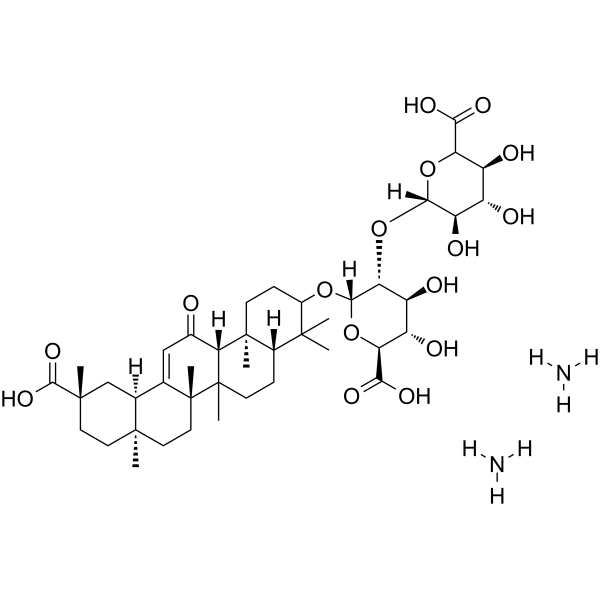 0 ImagesDiammonium glycyrrhizinate is a substance that can be extracted and purified from a traditional Chinese medicinal herb. Diammonium glycyrrhizinate has anti-inflammatory effect, resistance to biologic oxidation, membranous protection and a weak steroidal action. Diammonium glycyrrhizinate exerts protective effect by downregulating inflammation cytokines, suppressing the NF-κB pathway, and restoring superoxide dismutase. Diammonium glycyrrhizinate can be used as a hepatic protector and can therefore be studied in research for most liver diseases.
-
Picroside II
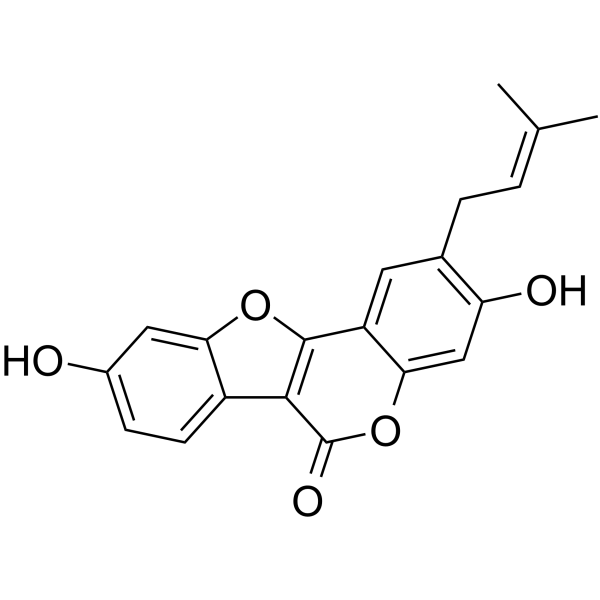
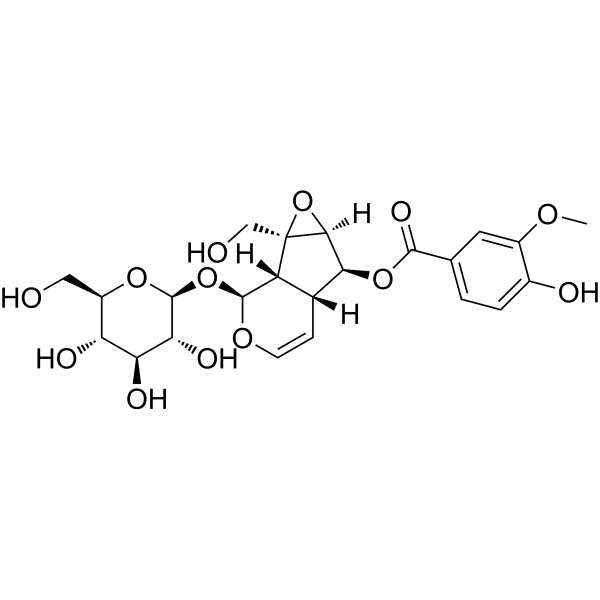 0 ImagesPicroside II is an antioxidant with oral activity that can reduce the production of ROS and protect the blood-brain barrier (BBB) after CI/R injury, offering neuroprotective effects. Picroside II has antioxidant, immune-regulating, antiviral properties, and inhibits apoptosis. Picroside II alleviates the inflammatory response in sepsis by suppressing the activation of the NLRP3 inflammasome and NF-κB pathways.
-
Magnesium acetate tetrahydrate
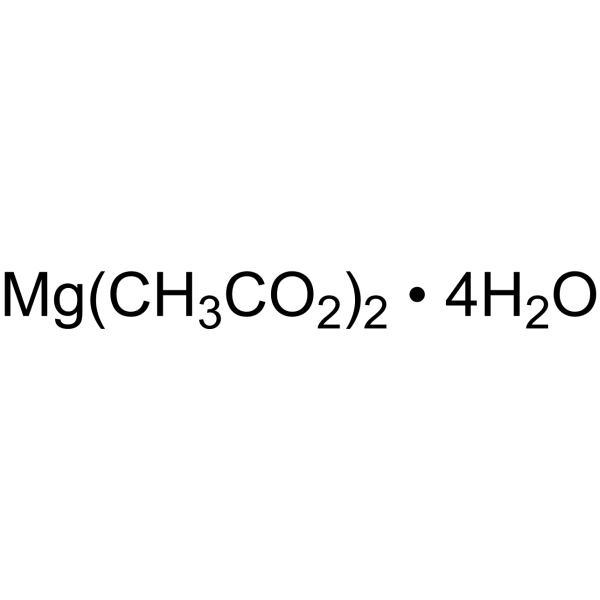 0 ImagesMagnesium acetate tetrahydrate is a carboxylic acid and short-chain fatty acid (SCFAs). Magnesium acetate tetrahydrate activates AMPK, increases ROS, cleaved caspase 9, PPARα, downregulates SREBP-1c, ChREBP expression. Magnesium acetate tetrahydrate exhibits antifungal activity against Saccharomyces cerevisiae W303-1A. Magnesium acetate tetrahydrate regulates energy metabolism. Magnesium acetate tetrahydrate has anticancer activity against gastric cancer. Magnesium acetate tetrahydrate induces writhing reaction and ulcerative colitis. Magnesium acetate tetrahydrate can be used in the researches for gastric cancer, ulcerative colitis, hepatic steatosis, and pain.
-
Teneligliptin hydrobromide
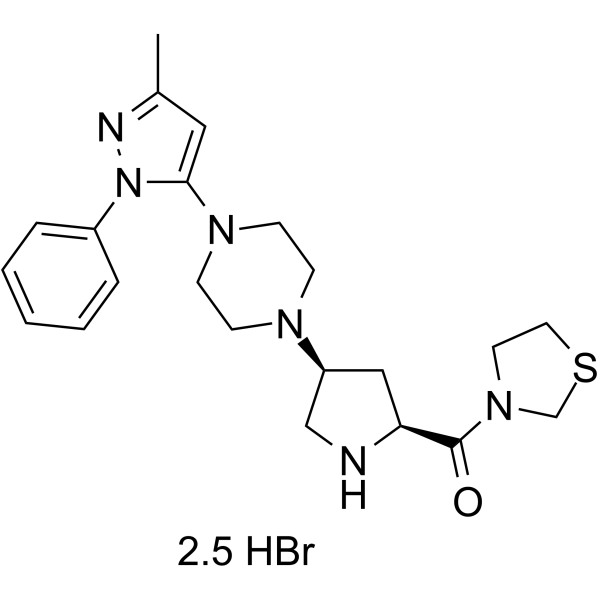 0 ImagesSynonyms: MP-513 hydrobromideTeneligliptin (MP-513) hydrobromide is an orally active and selective dipeptidyl peptidase 4 (DPP-4) inhibitor (IC50s: 0.37 and 0.29 nM for the human and rat DPP-4, respectively). Teneligliptin hydrobromide improves blood glucose levels and can be used in researches related to type 2 diabetes mellitus.
-
Schisandrol B
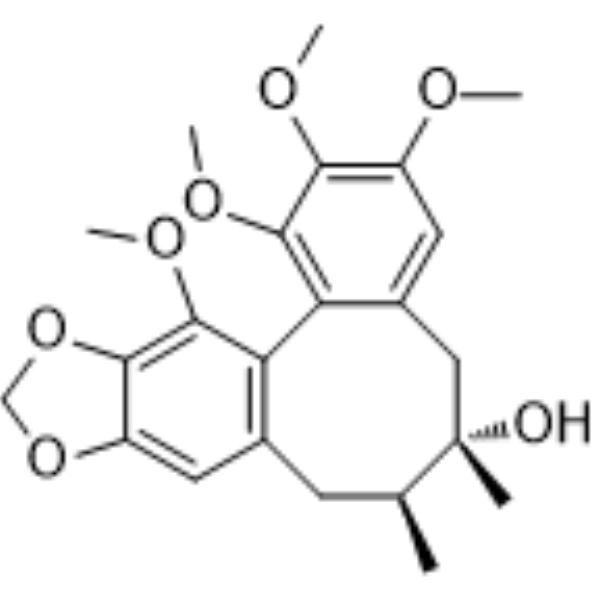 0 ImagesSynonyms: Gomisin-A; TJN-101; Wuweizi alcohol-BSchisandrol B (Gomisin-A) is a major active constituent of Schisandra chinensis with hepato-protective effects. Schisandrol B inhibits reactive oxygen species (ROS) production. Schisandrol B inhibits the activity of P-glycoprotein and CYP3A and also has anti-inflammatory, anti-diabetic and antioxidant activities.
-
EF24
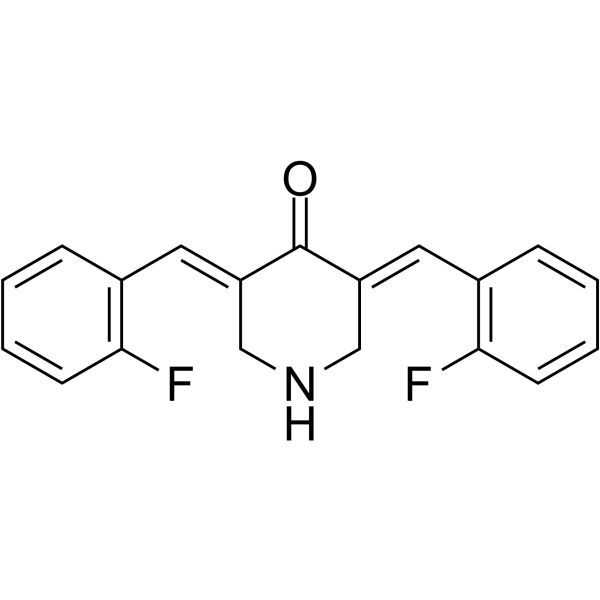 0 ImagesEF24, a curcumin analogue, is an NF-kB inhibitor with great anti-tumor efficacy and oral bioavailability via deactivation of the MAPK/ERK signaling pathway in oral squamous cell carcinoma (OSCC). EF24 is active against melanoma and breast cancer cell lines with GI50 values of 0.7 μM and 0.8 μM, respectively. EF24 induces cell cycle arrest and apoptosis in MDA-MB-231 human breast cancer cells and DU-145 human prostate cancer cells. EF24 increases the levels of activated caspase 3 and 9, and decreases the phosphorylated forms of MEK1 and ERK.
-
Bisphenol F
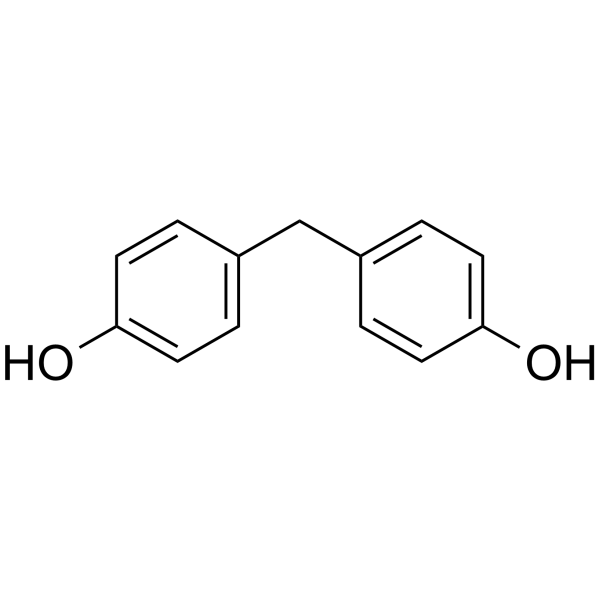 0 ImagesSynonyms: BPF; 4,4'-DihydroxydiphenylmethaneBisphenol F is an orally active endocrine disruptor. Bisphenol F promotes ROS generation, upregulates p-AKT/p-GSK3β, and induces Apoptosis. Bisphenol F interferes with glucose metabolism, affects neurodevelopment and reproductive function. Bisphenol F reduces social novelty preference in mouse offspring. Bisphenol F can be used in bone, blood, and fat-related studies. Bisphenol F is used as a substitute for Bisphenol A (HY-18260).
-
PRDX1-IN-1
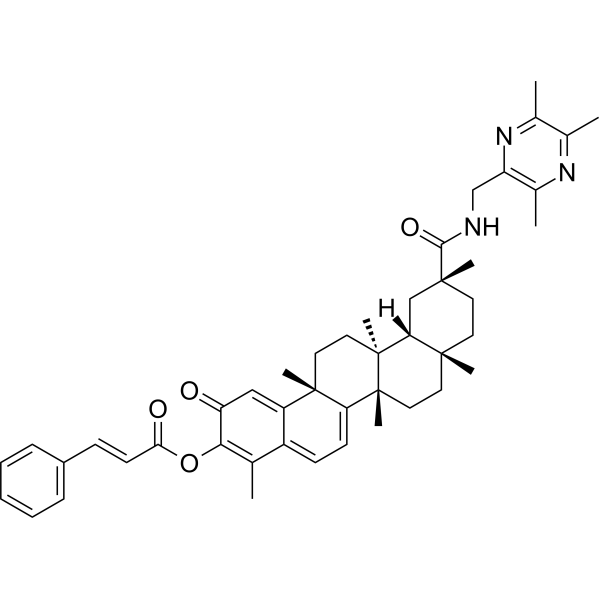 0 ImagesPRDX1-IN-1 is a selective inhibtor of PRDX1 with an IC50 value of 0.164 μM. PRDX1-IN-1 can be used in researches related to cancer.PRDX1-IN-1 promots intracellular ROS accumulation, and inhibits the proliferation, invasion and migration of cancer cells besides inducing apoptosis. PRDX1-IN-1 could be used in cancer research.
-
Simvastatin acid ammonium
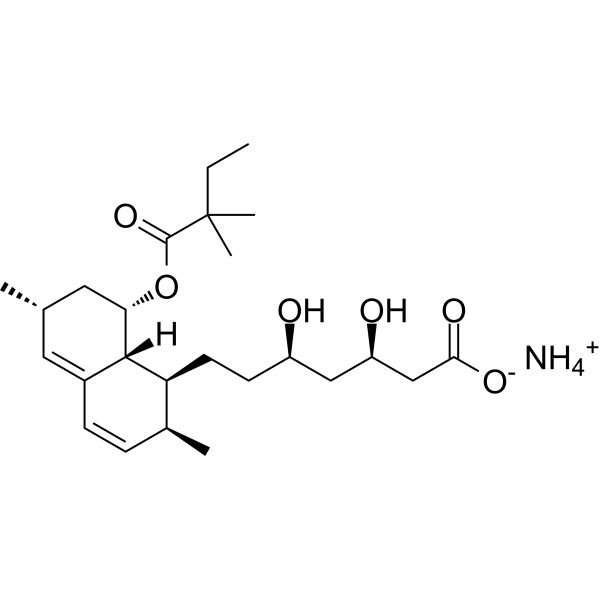 0 ImagesSynonyms: Tenivastatin ammoniumSimvastatin acid (Tenivastatin) ammonium is a potent HMG-CoA reductase (HMGCR) inhibitor. Simvastatin acid ammonium reduces Indoxyl sulfate-mediated reactive oxygen species (ROS) production in human cardiomyocytes. Simvastatin acid ammonium can also modulates OATP3A1 expression in cardiomyocytes and HEK293 cells transfected with the OATP3A1 gene.
-
Anti-Mouse IL-1b Antibody (B122)
 0 ImagesCat. No.: HY-P99139Purity: 99%Anti-Mouse IL-1b Antibody (B122) is an anti-mouse IL-1b IgG monoclonal antibody. Anti-Mouse IL-1b Antibody (B122) enhances ferroptosis and increases levels of reactive oxygen species (ROS) combined with Sulfasalazine (SAS) (HY-14655). Anti-Mouse IL-1b Antibody (B122) can reduce monocyte infiltration and alleviate T cell exhaustion by blocking IL-1β signaling. Anti-Mouse IL-1b Antibody (B122) can be used for researches on cancer and cardiovascular conditions such as oral squamous cell carcinoma (OSCC), glioblastoma (GBM) and heart failure.
-
Quinolinic acid (Standard)
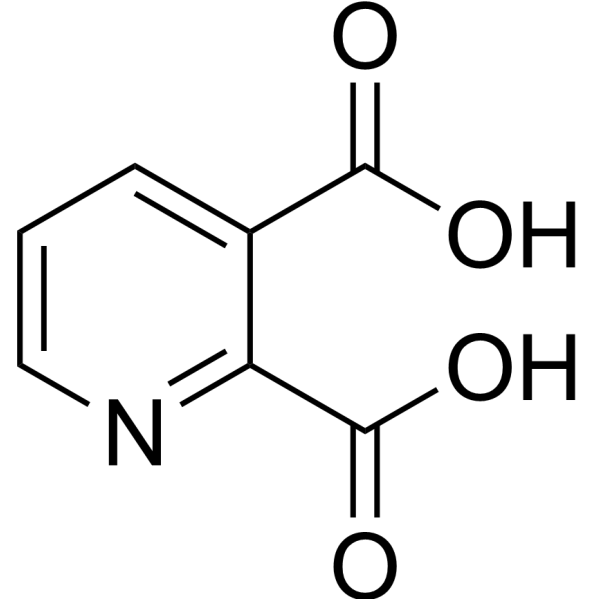 0 ImagesQuinolinic acid (Standard) is the analytical standard of Quinolinic acid. This product is intended for research and analytical applications. Quinolinic acid, an endogenous metabolite of tryptophan, is a N-methyl-D-aspartate receptor (NMDA receptor) agonist. Quinolinic acid increases glutamate efflux, induces the generation of ROS, activates nitric oxide synthase, produces excessive NO, leading to calcium ion influx and neuronal apoptosis.
-
6-Formylpterin
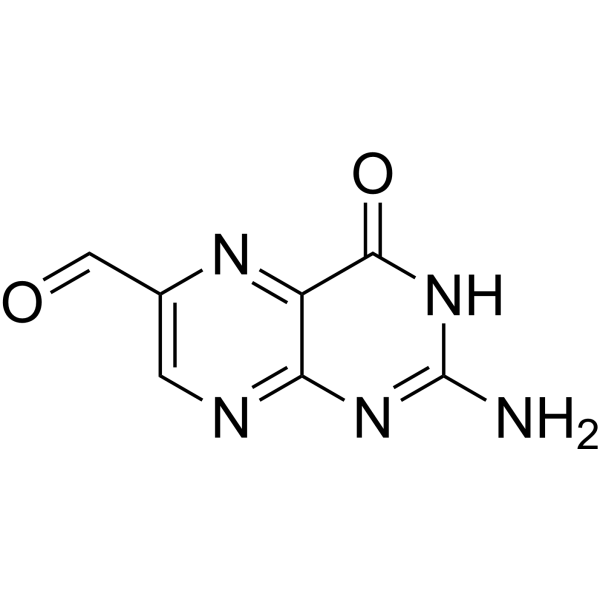 0 Images6-Formylpterin is an inhibitor of Xanthine Oxidase. 6-Formylpterin induces intracellular ROS generation and apoptosis in HL-60 cells. 6-Formylpterin suppresses cell proliferation in PanC-1 cells.




