STAT
STAT is a family of cytoplasmic protein that regulates many aspects of growth, survival and differentiation in cells. The transcription factors of this family are activated by Janus kinase and dysregulation of this pathway is frequently observed in primary tumours and leads to increased angiogenesis, enhanced survival of tumours and immunosuppression. Gene knockout studies have provided evidence that STAT proteins are involved in the development and function of the immune system and play a role in maintaining immune tolerance and tumour surveillance. STAT proteins were originally described as latent cytoplasmic transcription factors that require phosphorylation for nuclear retention. The unphosphorylated STAT proteins shuttle between cytosol and the nucleus waiting for its activation signal. Once the activated transcription factor reaches the nucleus, it binds to consensus DNA-recognition motif called gamma-activated sites (GAS) in the promoter region of cytokine-inducible genes and activates transcription of these genes.
STAT Isoform Specific Products
All Product Categories
-
STAT Inhibitors
(721)
View all products
-
STAT Agonists
(9)
View all products
-
STAT Antagonists
(5)
View all products
-
STAT Activators
(82)
View all products
-
STAT Modulators
(24)
View all products
-
STAT Inducers
(2)
View all products
-
STAT Degraders
(26)
View all products
-
STAT Controls
(2)
View all products
-
STAT Ligands
(7)
View all products
-
STAT Related Products (941)
Related Products (941)

-
Antibodies (25)
-
STAT Isoform Comparison
-
Phlorizin
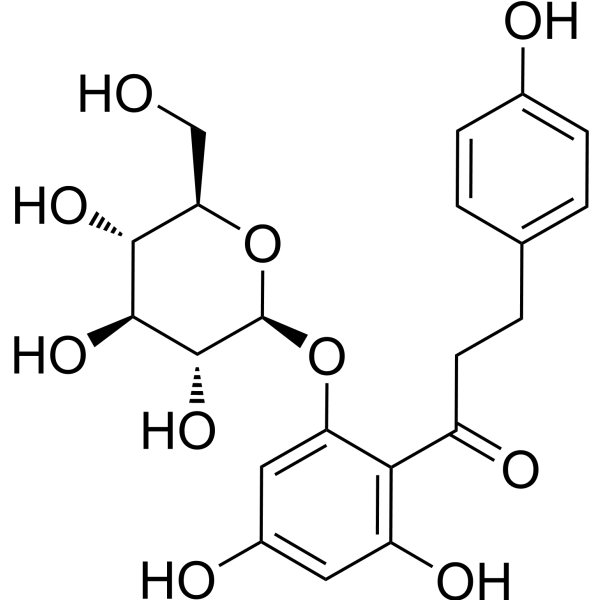 0 ImagesPhlorizin (Floridzin) is an orally active non-selective sodium-glucose cotransporter (SGLT) inhibitor, with an IC50 of 0.04 μM and a Ki of 39 nM against hSGLT2, and an IC50 of 0.17 μM and a Ki of 0.31 μM against hSGLT1. Phlorizin promotes GLUT4 translocation, inhibits gluconeogenesis and promotes glycogen synthesis by activating the PI3K/Akt/mTOR pathway. Phlorizin reduces DNA damage and apoptosis (apoptosis) by inhibiting the NF-κB inflammatory pathway. Phlorizin induces apoptosis via activating the Caspase pathway by antagonizing the JAK/STAT3 and PCK pathways. Phlorizin also exhibits antibacterial, anti-inflammatory and neuroprotective activities.
-
Liensinine
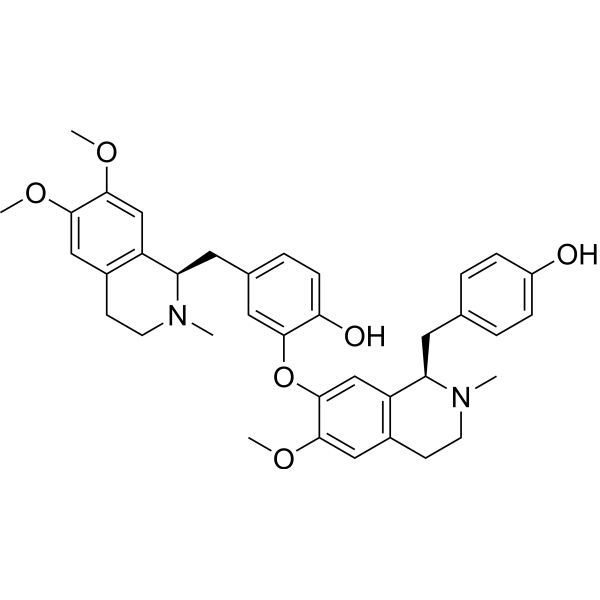 0 ImagesLiensinine is a bisbenzylisoquinoline alkaloid. By inhibiting the PI3K/AKT and JNK/p38-MAPK signaling pathways, Liensinine suppresses autophagy and apoptosis, clears Aβ, and exerts anti-inflammatory, antioxidant and neuroprotective effects. Liensinine activates AMPK and inhibits the expression of HIF-1α and VEGF, thereby suppressing angiogenesis. Liensinine exerts anti-tumor effects through ROS-mediated inhibition of the JAK2/STAT3 signaling pathway. Liensinine can be used for the research of diseases such as Alzheimer's disease, hepatocellular carcinoma, osteosarcoma, sepsis-induced organ injury and stroke.
-
RO8191
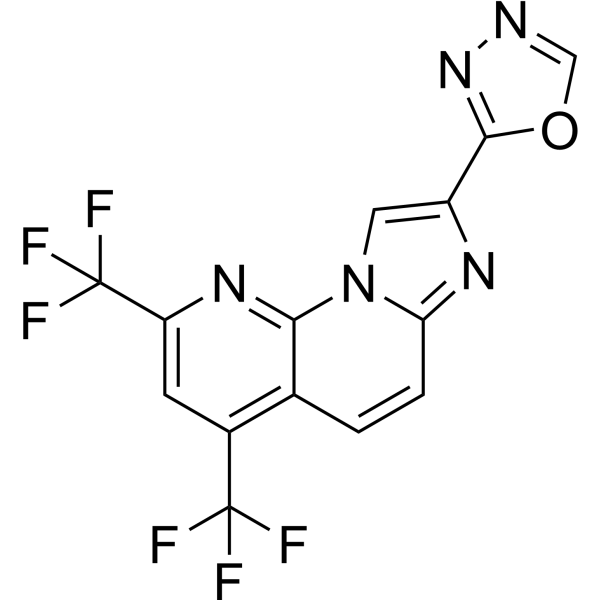 0 ImagesSynonyms: CDM-3008; RO4948191RO8191 (CDM-3008), an imidazonaphthyridine compound, is an orally active and potent interferon (IFN) receptor agonist. RO8191 directly binds to IFNα/β receptor 2 (IFNAR2) and activates IFN-stimulated genes (ISGs) expression and JAK/STAT phosphorylation. RO8191 shows antiviral activity against both HCV and EMCV with an IC50 of 200 nM for HCV replicon. RO8191 is a cccDNA modulator (CDM) through interferon-like activity and has anti-HBV activity.
-
AC-4-130
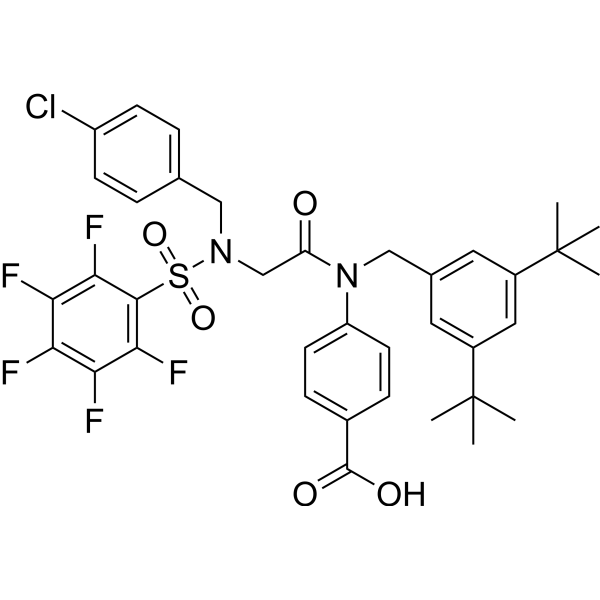 0 ImagesAC-4-130 is a potent STAT5 SH2 domain inhibitor. AC-4-130 directly binds to STAT5 and disrupts STAT5 activation, dimerization, nuclear translocation, and STAT5-dependent gene transcription. AC-4-130 induces cell cycle arrest and apoptosis in FLT3-ITD-driven leukemic cells. AC-4-130 has anti-cancer activity and can efficiently block pathological levels of STAT5 activity in acute myeloid leukemia (AML).

-
Atractylenolide I
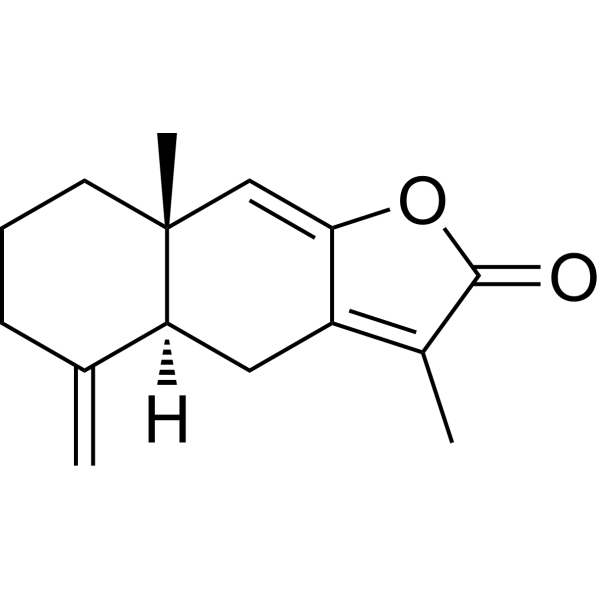 0 ImagesAtractylenolide I is a sesquiterpene derived from the rhizome of Atractylodes macrocephala, possesses diverse bioactivities, such as neuroprotective, anti-allergic, anti-inflammatory and anticancer properties. Atractylenolide I reduces protein levels of phosphorylated JAK2 and STAT3 in A375 cells, and acts as a TLR4-antagonizing agent.
-
AS2863619
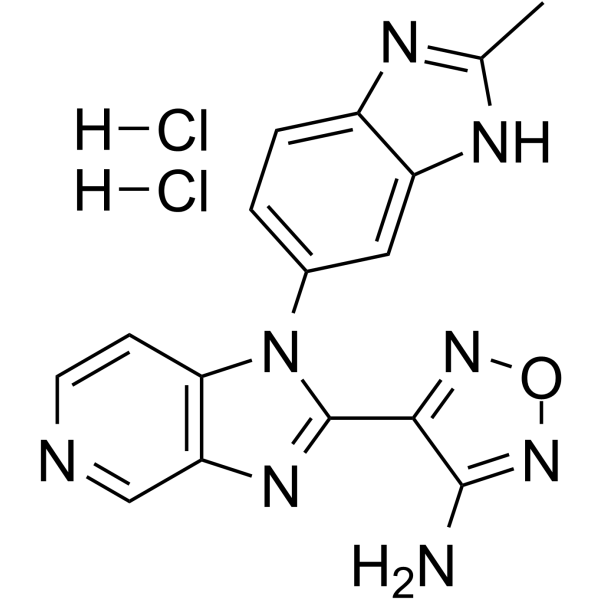 0 ImagesAS2863619 is an orally active CDK8/19 inhibitor that also inhibits BMP2, MDA5 and RIG-I receptors. AS2863619 targets Stat5a-CDK8/19 to promote the differentiation of CD4+ T cells into regulatory T cells and induce FOXP3 expression, thereby restoring immune homeostasis and establishing transplant immune tolerance. AS2863619 also enhances the BMP2/SMAD signaling pathway to promote osteogenic differentiation and inhibit adipogenic differentiation. AS2863619 exerts osteoprotective effects by alleviating inflammation-induced impairment of osteogenic function and inducing neutrophil apoptosis (apoptosis). AS2863619 can be applied to research in related fields such as periodontitis-induced bone defects.
-
Pentadecanoic acid
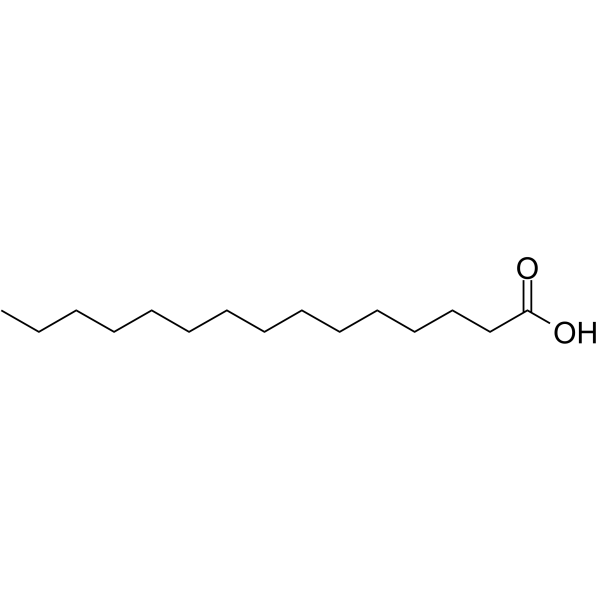 0 ImagesPentadecylic acid is a saturated fatty acid with a 15-carbon backbone.
-
1-Stearoyl-sn-glycero-3-phosphocholine
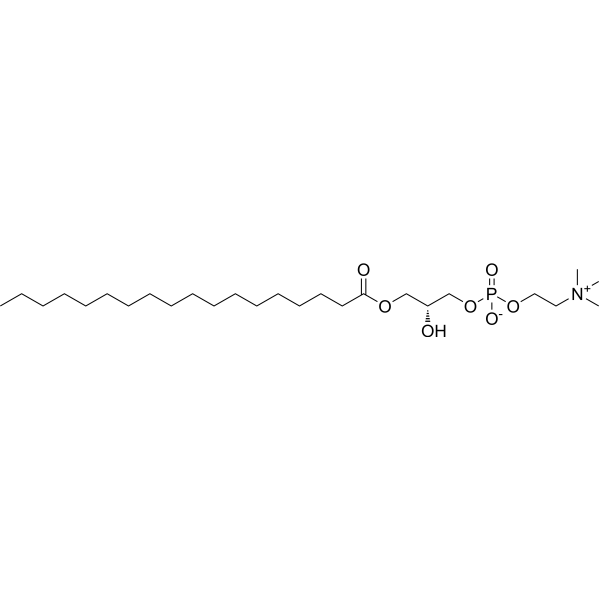 0 ImagesSynonyms: 18:0 Lyso-PC; LPC(18:0)1-Stearoyl-sn-glycero-3-phosphocholine is a lysophosphatidylcholine that inhibits HDAC3 activity and phosphorylation of STAT3 in K562 cells. 1-Stearoyl-sn-glycero-3-phosphocholine induces apoptosis and exhibits anticancer activity in chronic myelogenous leukemia (CML) K562 cells.
-
Geranylgeranyl pyrophosphate triammonium
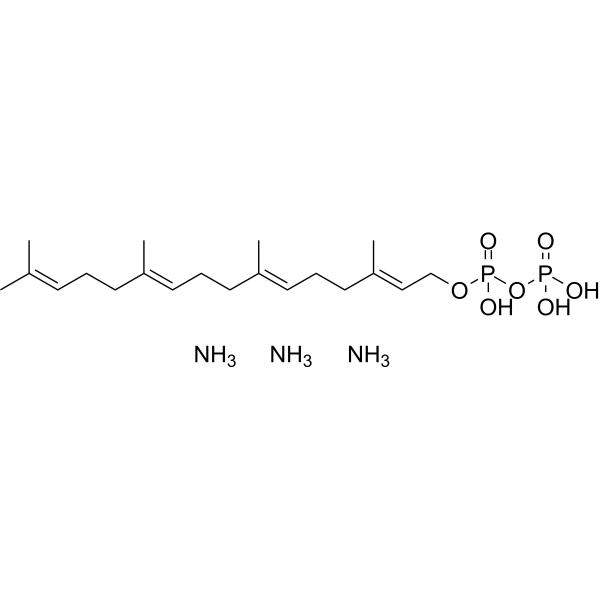 0 ImagesCat. No.: HY-126370ACAS No.: 313263-08-0Geranylgeranyl pyrophosphate triammonium is a type of isoprenoid metabolic intermediate, mainly synthesized through the mevalonate pathway. Geranylgeranyl pyrophosphate triammonium is a key precursor in various biological synthesis processes, especially as a necessary substrate for post-translational modification of proteins - geranylgeranyl phosphorylation. Geranylgeranyl pyrophosphate triammonium regulates various cellular processes and disease progression through protein geranylgeranyl phosphorylation, such as activating the YAP signaling pathway, promoting cell proliferation and inhibiting apoptosis; promoting IL-2 production and STAT5 phosphorylation; and influencing metabolic homeostasis and cancer, etc.
-
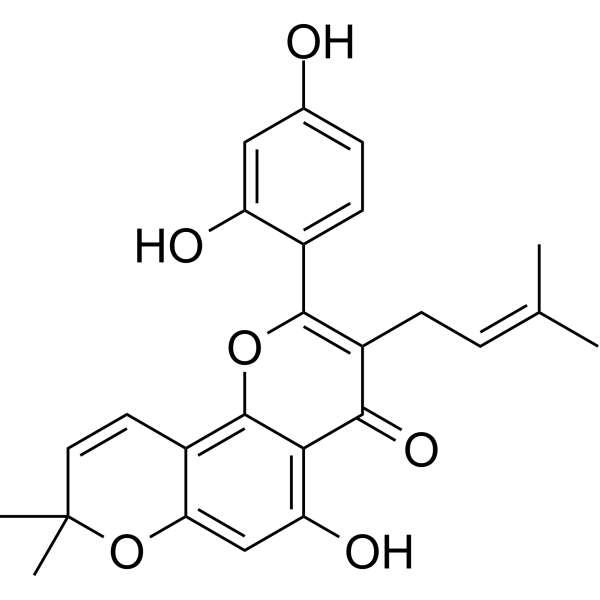
Corylin
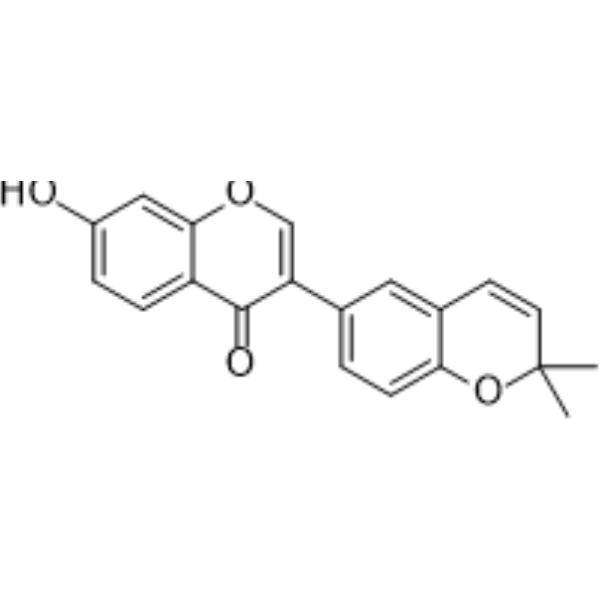 0 ImagesCorylin is an orally active flavonoid anti-inflammatory and osteogenic agent that inhibits IL-6-induced STAT3 promoter activity and STAT3 phosphorylation. Corylin also has anticancer, antiatherosclerotic, and ameliorating activity in hyperlipidemia and insulin resistance, inducing adipocyte browning and lipolysis through SIRT1 or β3-AR-dependent pathways.
-
SC-43
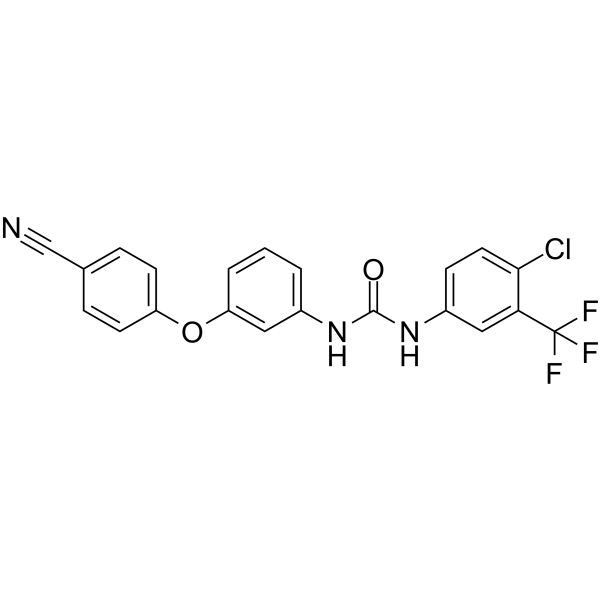 0 ImagesSC-43, a Sorafenib derivative, is a potent and orally active SHP-1 (PTPN6) agonist. SC-43 inhibits the phosphorylation of STAT3 and induces cell apoptosis. SC-43 has anti-fibrotic and anticancer effects.
-
AK-2292
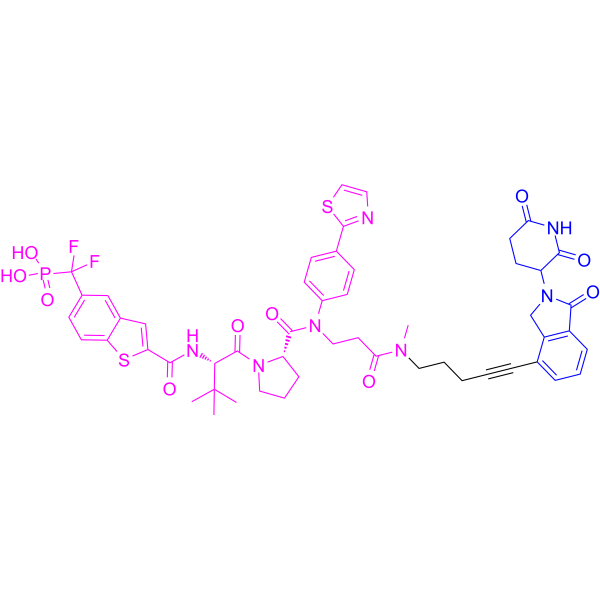 0 ImagesAK-2292 is a potent and selective STAT5 PROTAC degrader, with a DC50 of 0.10 μM. AK-2292 induces degradation of STAT5A/B proteins in vitro and in vivo. AK-2292 can induce tumor regression in acute myeloid leukemia and chronic myeloid leukemia xenograft mouse models. AK-2292 is a click chemistry reagent, it contains an Alkyne group and can undergo copper-catalyzed azide-alkyne cycloaddition (CuAAc) with molecules containing Azide groups.
-
Colivelin TFA
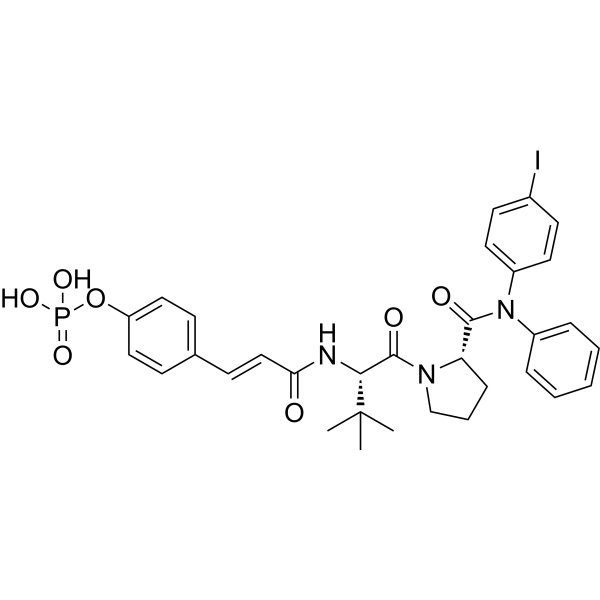
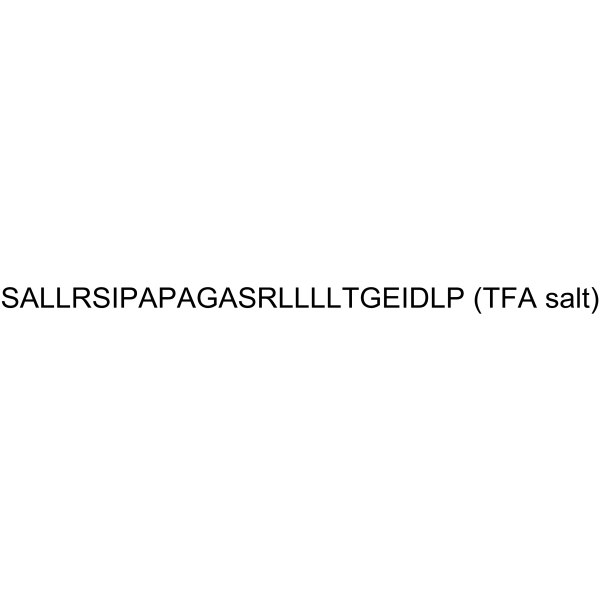 0 ImagesColivelin TFA is a brain penetrant neuroprotective peptide and a potent activator of STAT3, suppresses neuronal death by activating STAT3 in vitro. Colivelin TFA exhibits long-term beneficial effects against neurotoxicity, Aβ deposition, neuronal apoptosis, and synaptic plasticity deficits in neurodegenerative disease. Colivelin TFA has the potential for the treatment of alzheimer's disease and ischemic brain injury.
-
ML115
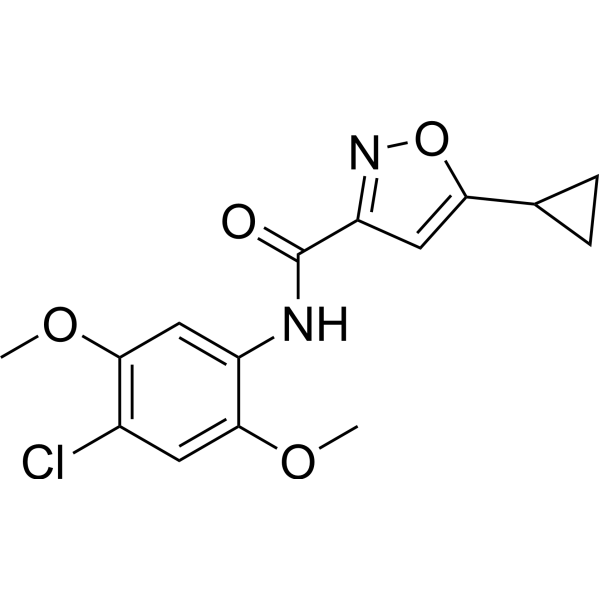 0 ImagesML115, a molecular probe of the signal transducer, is a selective STAT3 agonist, with an EC50 of 2 nM. ML115 increases the expression of BCL3, a known STAT3-dependent oncogene. ML115 is inactive against the related STAT1, STAT5 and NF-κB anti-targets. ML115 counteracts the effects of Ginsenoside Rc (HY-N0042) on cell viability and inflammatory responses in LPS (HY-D1056)-stimulated H9c2 and RAW264.7 cells, while altering oxidative stress markers. ML115 can be used for the study of breast and prostate cancers.
-
Sorafenib-d3
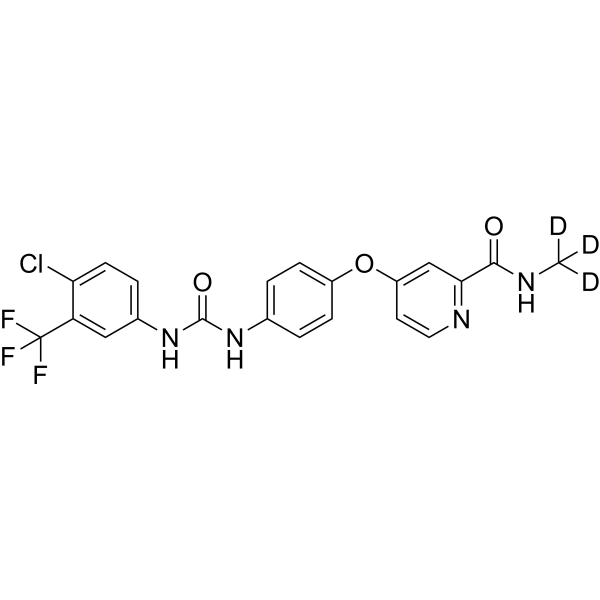 0 ImagesSynonyms: Donafenib; Bay 43-9006-d3Sorafenib-d3 (Donafenib) is the deuterated-labeled Sorafenib (HY-10201). Sorafenib (Bay 43-9006) is a potent oral active multikinase inhibitor. Sorafenib blocks autophosphorylation and activity of receptor tyrosine kinases (VEGFR-2, VEGFR-3) and RAF family kinases, thereby suppressing the RAF/MEK/ERK and PI3K/Akt pathways, inhibiting STAT3 phosphorylation, and selectively inhibiting the MAPK pathway in cancer cells. Sorafenib induces cell cycle arrest, autophagy, apoptosis, and PARP cleavage, reduces Bcl-2, Bcl-XL, cyclin D1 levels, and activates Bak and Bax. Sorafenib inhibits tumor growth and metastasis in mouse and rat models. Sorafenib can be used for cancer research, such as colon, breast, non-small-cell lung cancer (NSCLC), ovarian, pancreatic, melanoma, colorectal and hepatocellular carcinoma.