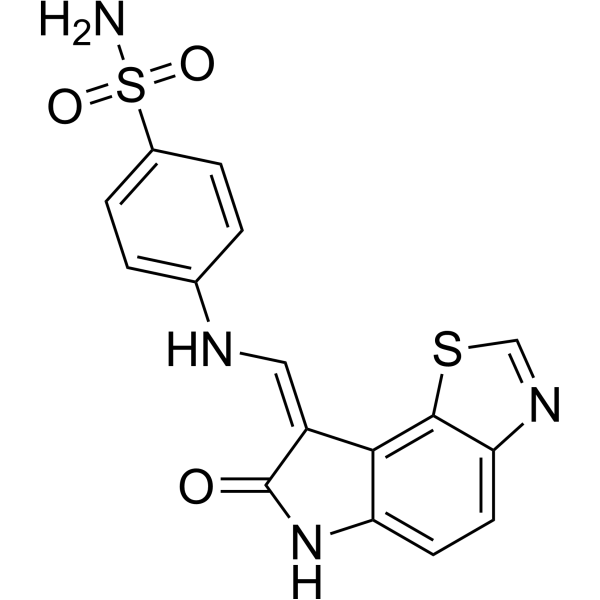
VEGFR
Vascular endothelial growth factor receptor
VEGFRs consist of three subtypes, the fms-like tyrosine kinase Flt-1 (VEGFR1/Flt-1), the kinase domain region, also referred to as fetal liver kinase (VEGFR2/KDR/Flk-1), and Flt-4 (VEGFR3). Each receptor has seven immunoglobulinlike domains in the extracellular domain, a single transmembrane region, and a consensus tyrosine kinase sequence interrupted by a kinase insert domain. VEGFR1 and 2 are expressed on vascular endothelial cells, whereas VEGFR3 is expressed on lymphatic endothelial. The VEGF family members VEGF-A, -B, -C, -D, -E, and PlGF, and the human immunodeficiency (HIV) Tat protein bind in specific patterns to three related receptor protein tyrosine kinases, VEGFR1, 2, and 3, and induce the formation of homo- and heteromeric receptor complexes. Binding of VEGF to VEGFR causes dimerization and autophosphorylation of the receptor. Intracellular proteins such as VEGFR-associated protein (VRAP), PLC, and Sck that associate with specific tyrosine residues of VEGFR are phosphorylated upon receptor activation. Several signal transduction pathways are activated by the binding of VEGF to its receptor, leading to increased proliferation, survival, permeability, and migration of cells.
VEGFR Isoform Specific Products
All Product Categories
-
VEGFR Inhibitors
(732)
View all products
-
VEGFR Agonists
(7)
View all products
-
VEGFR Antagonists
(6)
View all products
-
VEGFR Activators
(17)
View all products
-
VEGFR Modulators
(6)
View all products
-
VEGFR Chemical
(1)
View all products
-
VEGFR Inducer
(1)
View all products
-
VEGFR Degraders
(6)
View all products
-
VEGFR Ligands
(5)
View all products
-
VEGFR Proteins
(36)
View all products
-
VEGFR-1 Proteins
(10)
View all products
-
VEGFR-3 Proteins
(7)
View all products
-
VEGFR Related Products (829)
Related Products (829)

-
Recombinant Proteins (36)
-
Antibodies (9)
-
VEGFR Isoform Comparison
-
Sunitinib glucuronate
 0 ImagesCat. No.: HY-10255CCAS No.: 1818285-48-1Synonyms: SU 11248 glucuronateSunitinib (SU 11248) glucuronate is a multi-targeted receptor tyrosine kinase inhibitor with IC50s of 80 nM and 2 nM for VEGFR2 and PDGFRβ, respectively. Sunitinib glucuronate, an ATP-competitive inhibitor, effectively inhibits autophosphorylation of Ire1α by inhibiting autophosphorylation and consequent RNase activation.
-
Sutetinib
 0 ImagesSutetinib is an orally active inhibitor for tyrosine kinase, that is associated with tumor growth and angiogenesis, such as VEGFR (Ki= 0.009 µM for VEGFR-1/2/3), PDGFR (Ki= 0.008 µM for PDGFR-α/β) and proto-oncogene cKIT. Sutetinib inhibits the proliferation, migration, and tubular structure formation of endothelial cells and fibroblasts, and exhibits board-spectrum antitumor efficacy in vitro and in vivo.
-
VEGFR-2-IN-5
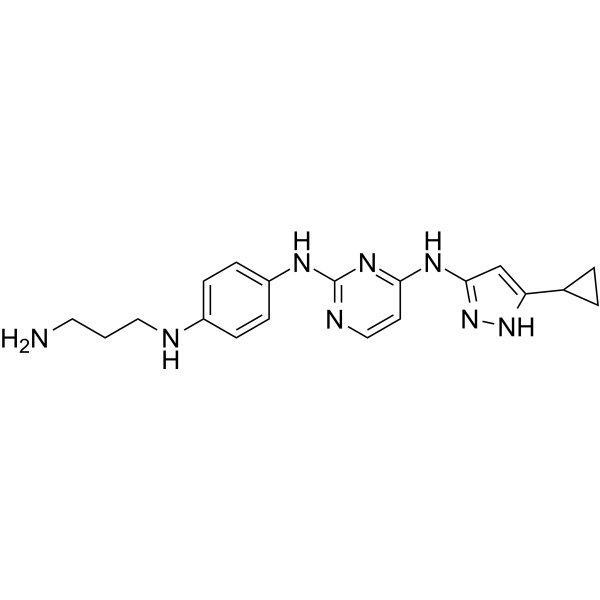 0 ImagesCat. No.: HY-18625CAS No.: 1430089-64-7VEGFR-2-IN-5 is a VEGFR2 inhibitor extracted from patent WO2013055780A1, Page 69.
-
Zinc borate
 0 ImagesCat. No.: HY-W115785CAS No.: 1332-07-6Zinc borate is a bioactive inorganic substance with properties including osteogenic induction, pro-angiogenesis, antioxidation, antimutagenesis and cytotoxicity. In the field of bone tissue engineering, Zinc borate is often incorporated into chitosan scaffolds. By releasing zinc ions and borate ions, Zinc borate induces the differentiation of human dental pulp stem cells into osteoblasts, upregulates the expression of bone-related genes and promotes calcium deposition. Zinc borate also promotes angiogenesis by upregulating key factors such as vascular endothelial growth factor. Zinc borate exhibits antioxidant capacity to scavenge free radicals, and can specifically reduce mutagenicity under specific conditions. Zinc borate reduces the survival rate of mouse fibroblasts, but it can still be used in studies related to bone tissue engineering.
-
Liensinine perchlorate
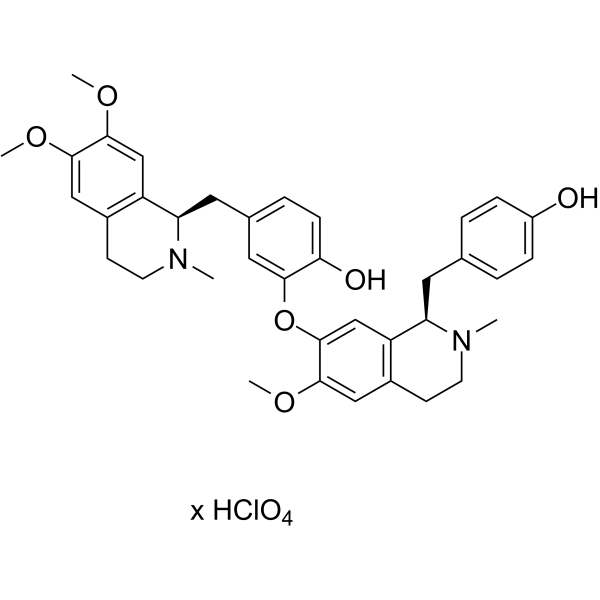 0 ImagesLiensinine perchlorate is a bisbenzylisoquinoline alkaloid. By inhibiting the PI3K/AKT and JNK/p38-MAPK signaling pathways, Liensinine perchlorate suppresses autophagy and apoptosis, clears Aβ, and exerts anti-inflammatory, antioxidant and neuroprotective effects. Liensinine perchlorate activates AMPK and inhibits the expression of HIF-1α and VEGF, thereby suppressing angiogenesis. Liensinine perchlorate exerts anti-tumor effects through ROS-mediated inhibition of the JAK2/STAT3 signaling pathway. Liensinine perchlorate can be used for the research of diseases such as Alzheimer's disease, hepatocellular carcinoma, osteosarcoma, sepsis-induced organ injury and stroke.
-
Bevacizumab vedotin
 0 ImagesCat. No.: HY-185208Bevacizumab vedotin is an antibody-drug conjugate (ADC). Bevacizumab vedotin blocks the VEGF/VEGFR pathway to exert anti-angiogenic effects. Bevacizumab vedotin exhibits anti-proliferative effects on cancer cells, promotes cancer cell apoptosis (Apoptosis), induces cancer cell cycle arrest, and possesses anti-migratory activity against breast cancer cells. Bevacizumab vedotin can be used in research related to glioma, hepatocellular carcinoma, and breast cancer.
-
Low molecular weight protamine acetate
 0 ImagesCat. No.: HY-P5107APurity: 98.64%Synonyms: LMWP acetate; TDSP5 acetateLow molecular weight protamine acetate (LMWP acetate;TDSP5 acetate) is a truncated arginine-rich protamine peptide, which also acts as an antidote for heparin/low molecular weight heparin and a cell-penetrating delivery vector. Low molecular weight protamine acetate neutralizes heparin-induced anticoagulant activities, including aPTT, anti-Xa and anti-IIa activities. Low molecular weight protamine acetate translocates across mammalian cell membranes, delivers conjugated impermeable molecules through tumor tissues, enhances the skin permeability of conjugated epidermal growth factor, and accelerates wound healing when conjugated with epidermal growth factor. Low molecular weight protamine acetate retains the in vitro cell proliferation activity of conjugated EGF, and also enables site-specific conjugation with peptides or proteins via genetic recombination. Low molecular weight protamine acetate can be used in studies related to colon cancer, skin wounds and diabetic skin wounds.
-
Nef-M1
 0 ImagesNef-M1 (Nef-Motif-1) is an antagonist peptide targeting CXCR4 and an apoptosis inducer derived from a myristoylated protein encoded by the nef gene in HIV. Nef-M1 inhibits tumor angiogenesis and epithelial-mesenchymal transition (EMT). Nef-M1 activates the apoptosis pathway by increasing the level of caspase-3 in cancer cells. Nef-M1 simultaneously inhibits VEGF-A, p-GSK-3β and vimentin, and enhances E-cadherin, thereby inhibiting angiogenesis and EMT processes. Nef-M1 can be used in the study of colorectal cancer and breast cancer.
-
Caudatin (Standard)
 0 ImagesCaudatin (Standard) is the analytical standard of Caudatin (HY-N1983). This product is intended for research and analytical applications. Caudatin is an orally active and brain-penetrant C-21 steroidal found in Cynanchum bungei decne with a variety of biological activities. Caudatin can inhibit cell proliferation, migration, invasion, cause cell phase arrest, induce apoptosis, autophagy, ROS prodution and loss of mitochondrial membrane potential. Caudatin activates PARP, caspase-3, -7, -9, upregulates pro-apoptotic Bad and Bax and downregulates anti-apoptotic Bcl-2 and Bcl-XL. Caudatin suppresses VEGF, FAK phosphorylation, upregulates p21, p27, DR5 protein expression, activates the p38 MAPK, JNK and PPARα/TFEB-mediated autophagy-lysosomal signaling pathways. Caudatin can be used for the research of cancer, inflammation and neurological disease, such as glioma and Alzheimer's disease.
-
Girancitug
 0 ImagesGirancitug is a humanized IgG1κ monoclonal antibody inhibitor targeting VEGFR2/KDR/CD309. Girancitug effectively inhibits angiogenesis. Girancitug can be used for anti-angiogenic therapy in cancers like colorectal and ovarian cancer research.
-
JNJ-38158471
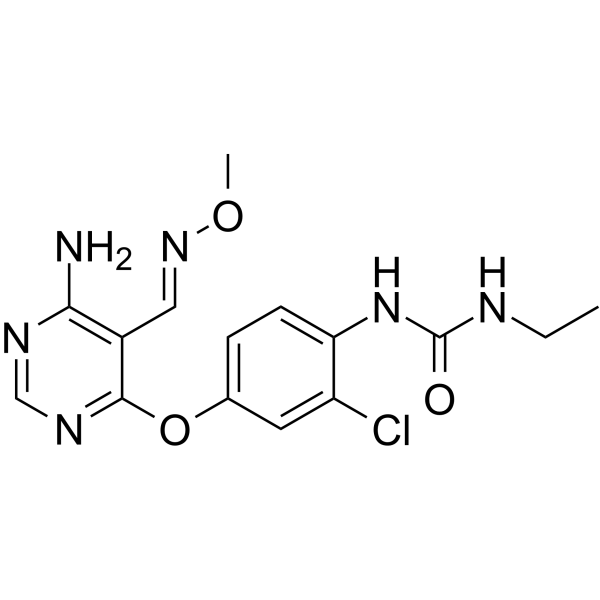 0 ImagesCat. No.: HY-18317CAS No.: 951151-97-6JNJ-38158471 is a well tolerated, orally available, highly selective VEGFR-2 inhibitor, with an IC50 of 40 nM. JNJ-38158471 also inhibits Ret and Kit with IC50s of 180 and 500 nM, respectively.
-
NRPa-308
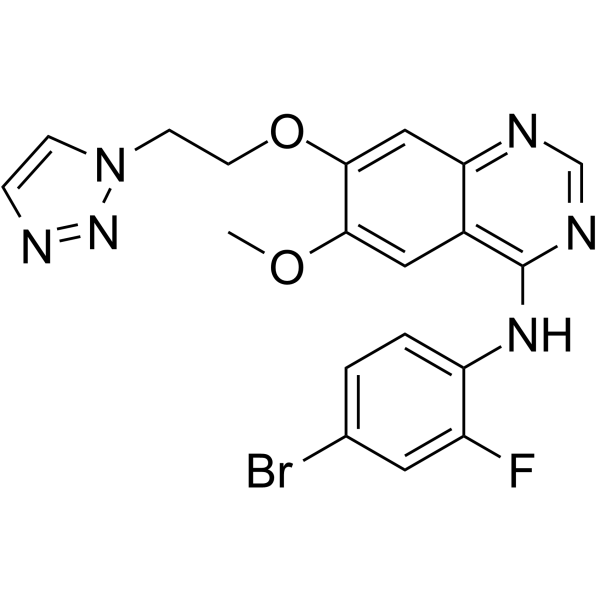
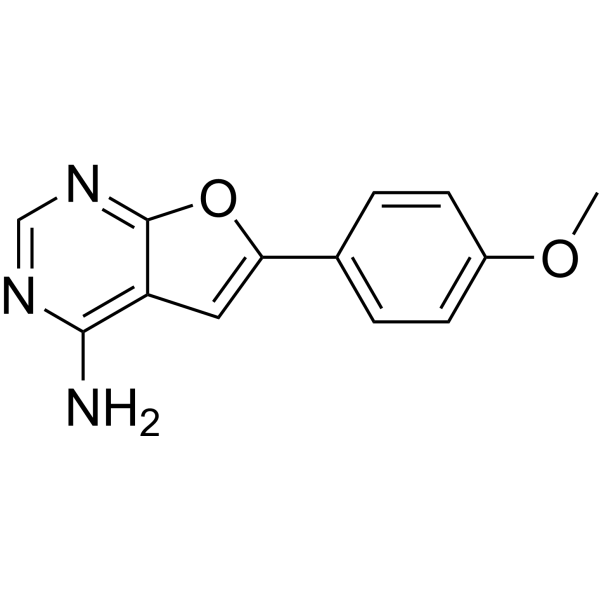
 0 ImagesNRPa-308 is a potent and orally active Neuropilin-1 (NRP-1) antagonist with an IC50 of 42 μM for inhibiting VEGF-A165 binding to NRP-1. NRPa-308 blocks the specific interaction between VEGF-A165 and NRP-1. NRPa-308 effectively suppresses angiogenesis in vitro and in vivo and reduces the viability of a broad spectrum of human solid and haematological cancer cells. NRPa-308 inhibits tumor growth and prolongs median survival in a human breast cancer xenograft mouse model. NRPa-308 can be used for the research of multiple human malignancies including solid tumors and hematological cancers.
-
Valancitug
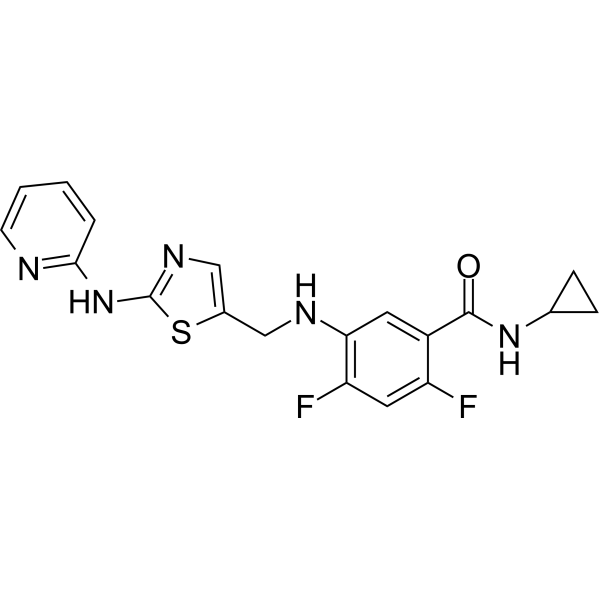
 0 ImagesCat. No.: HY-P992139CAS No.: 2766342-47-4
-
Guluronic acid
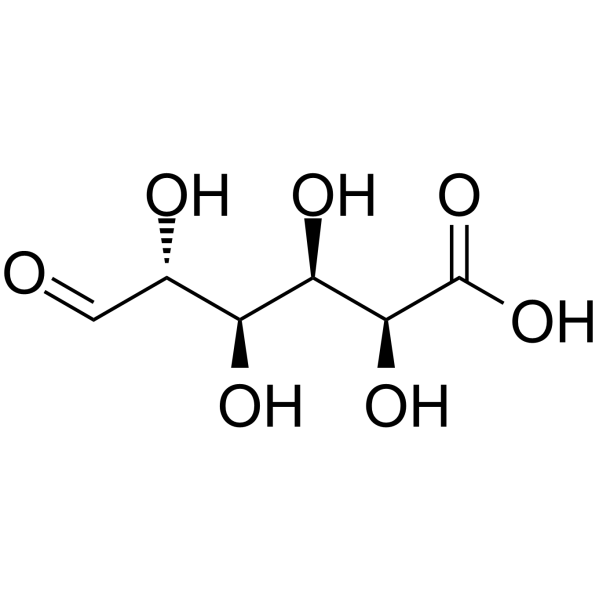 0 ImagesCat. No.: HY-N7700CAS No.: 15769-56-9Synonyms: G2013Guluronic acid (G2013) is an orally active oxidative stress regulator and anti-inflammatory agent that exerts pharmacological effects by down-regulating various pro-inflammatory and oxidative stress-related genes (such as TLR4, NF-κB, iNOS, etc.) and inhibiting the activities of COX-2, MMPs and VEGF. Low-dose Guluronic acid up-regulates the expression of immunoregulatory genes SHIP1 and SOCS1, thereby effectively inhibiting cancer-related inflammation, tumor angiogenesis, cell adhesion and metastasis, while reducing the accumulation of immunosuppressive cells. Guluronic acid significantly prolongs the survival time of tumor-bearing hosts within a concentration range without direct cytotoxicity, demonstrating favorable safety. Guluronic acid has involved in the research of multiple sclerosis, ankylosing spondylitis, breast cancer and other inflammatory diseases.
-
Pazopanib-d6
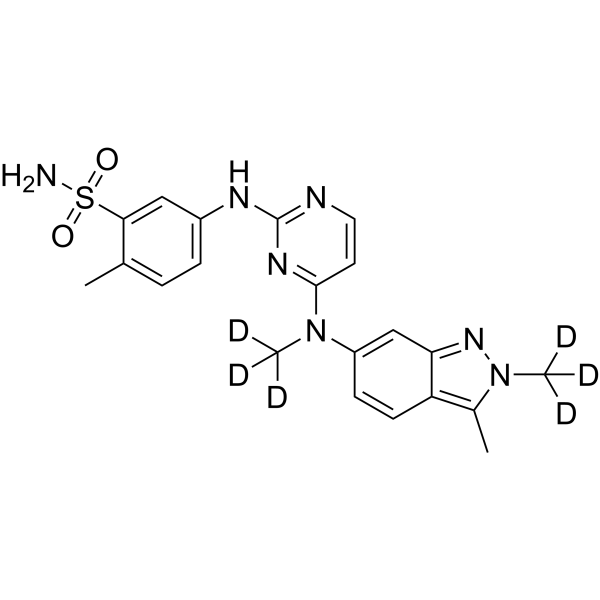 0 ImagesSynonyms: GW786034-d6