



Antibiotic
Antibiotics are a class of secondary metabolites produced from microorganisms, animals or plants. Some of them exhibit anti-bacterial, anti-fungal, anthelmintic, anti-tumor or immunosuppressive activities with a wealth of structural classes such as β-lactams, macrolide and polyether. As major sources of antibiotics, streptomycetes, penicillium and marine organisms produce a wide variety of commercially important polyketide compounds including the well-known macrolide, polyene and polyether antibiotics with wide range of activities. Antibiotics such as penicillin, cephalosporin, streptomycin, and tetracycline can be used in the treatment of human and veterinary diseases. However, antibiotic resistance is also a growing threat to global public health.
Antibiotic Isoform Specific Products
-
Antibiotic
(2782)
View all products
-
Aminoglycoside
(46)
View all products
-
Glycopeptide
(19)
View all products
-
Lipopeptide
(7)
View all products
-
Macrolide
(76)
View all products
-
Oxazolidinone
(16)
View all products
-
Quinolone
(101)
View all products
-
Tetracycline
(42)
View all products
-
β-lactam
(199)
View all products
All Product Categories
-
Antibiotic Related Products (3548)
Related Products (3548)

-
Related Compound Screening Libraries (1)
-
Antibiotic Isoform Comparison
-
Nourseothricin sulfate
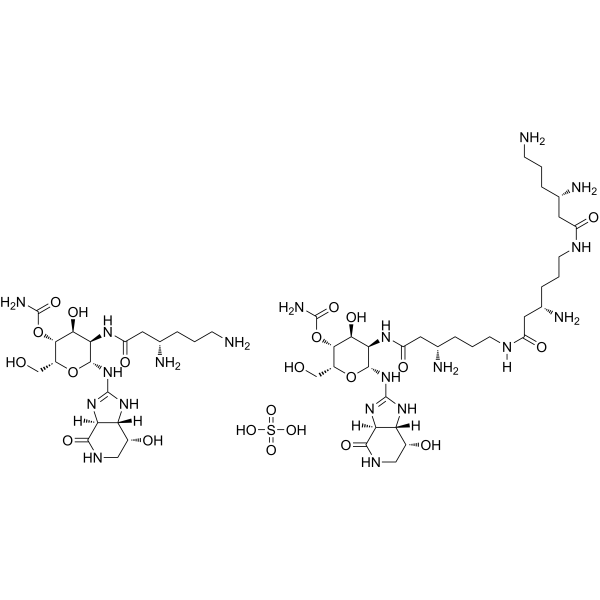 0 ImagesSynonyms: Streptothricin sulfateNourseothricin sulfate (Streptothricin sulfate) is a broad-spectrum antibiotic that destroys the outer membrane of Gram-negative bacteria and is a dominant selective marker for Fonsecaea pedrosoi. Nourseothricin sulfate inhibits protein biosynthesis in prokaryotic cells and strongly inhibits the growth of eukaryotes like fungi and can also be used as a elective marker for a wide range of organisms including bacteria, yeast, filamentous fungi, and plant cells.
-
Amoxicillin
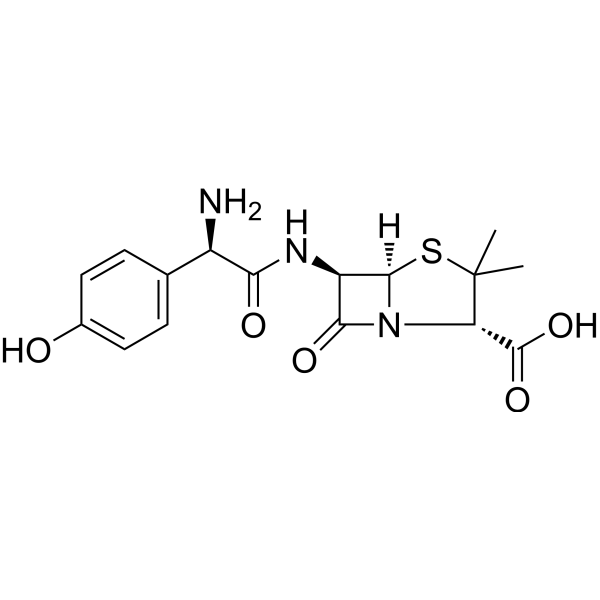 0 ImagesSynonyms: AmoxycillinAmoxicillin (Amoxycillin) is an antibiotic with good oral absorption and broad spectrum antimicrobial activity. Amoxicillin inhibits the biosynthesis of polypeptides in the cell wall, thereby inhibiting cell growth.
-
Clotrimazole
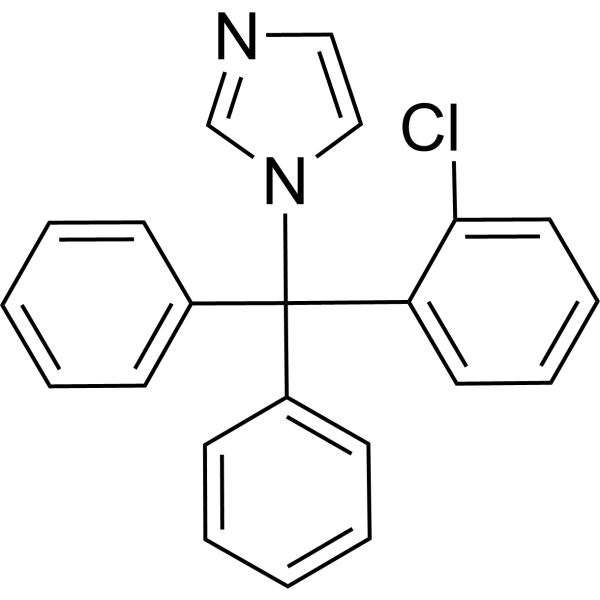 0 ImagesClotrimazole is an imidazole derivative, an antifungal compound and is a CYP (cytochrome P450) inhibitor. Clotrimazole has antibacterial activity.
-
Anhydrotetracycline hydrochloride
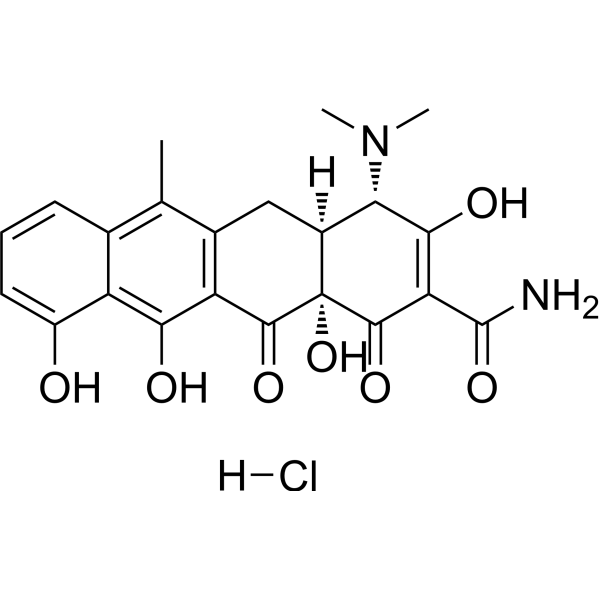 0 ImagesAnhydrotetracycline hydrochloride, a tetracycline biosynthetic precursor, is a potent competitive broad-spectrum tetracycline destructase enzymes inhibitor. Anhydrotetracycline hydrochloride is an effector for tetracycline controlled gene expression systems in eukaryotic cells.
-
Aztreonam
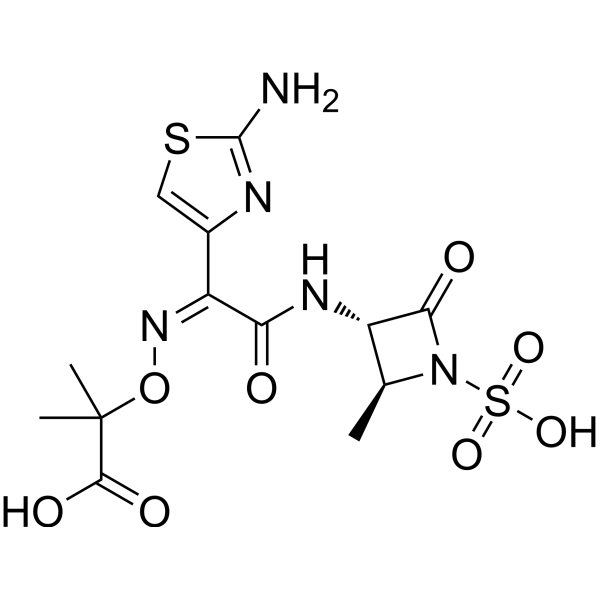 0 ImagesSynonyms: SQ-26,776Aztreonam (SQ-26,776) is a synthetic monocyclic beta-lactam antibiotic, which has a very high affinity for penicillin-binding protein 3 (PBP-3).
-
Berberine sulfate
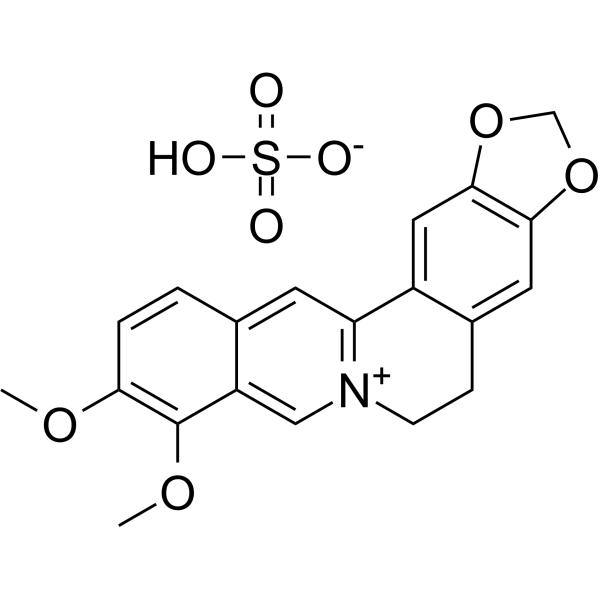 0 ImagesBerberine sulfate is an alkaloid isolated from the Chinese herbal medicine Huanglian, as an antibiotic. Berberine sulfate induces reactive oxygen species (ROS) generation and inhibits DNA topoisomerase. Berberine sulfate has antineoplastic properties. The sulfate form improves bioavailability.
-
Clofazimine
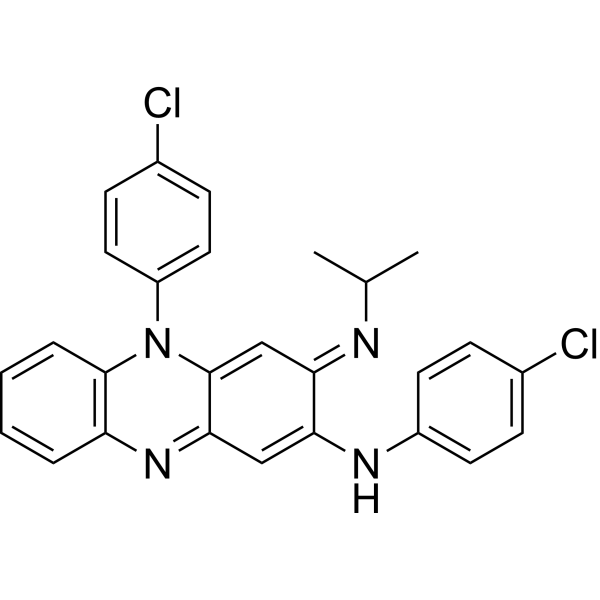 0 ImagesClofazimine is an orally-active anti-mycobacterial agent with a wide range of anti-mycobacterial activity including leprosy and tuberculosis. Clofazimine exerts anti-inflammatory activities and anti-tumor activities by interfering DNA replication and inhibiting IL2 (IC50 = 1.10 ± 0.26 μM, Jurkat T) production. Clofazimine can be used in mycobacterial and cancer research.
-
Nitrocefin
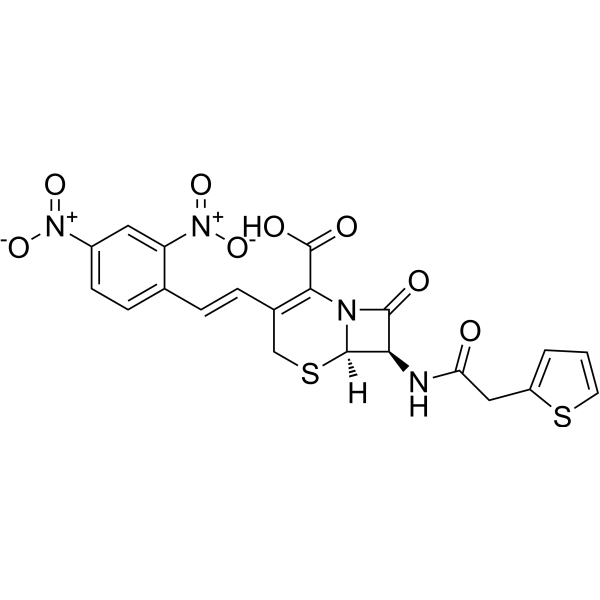 0 ImagesNitrocefin is a highly activated, chromogenic cephalosporin derivative. Nitrocefin is a chromogenic β-lactamase substrate. Nitrocefin undergoes a distinctive color change from yellow to red as the amide bond in the β-lactam ring is hydrolyzed by β-lactamase. Nitrocefin is used in competitive inhibition studies in developmental work on β-lactamase-resistant antibiotics.
-
Apramycin sulfate
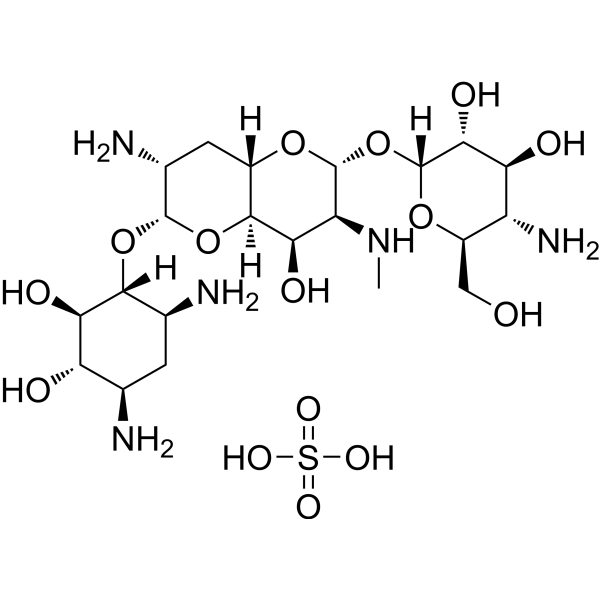 0 ImagesSynonyms: Nebramycin II sulfateApramycin (EBL 1003) sulfate is an orally active, acidic pH tolerant and aminoglycoside-modifying-enzymes-tolerant aminoglycoside antibiotic which inhibits protein biosynthesis by targeting the bacterial ribosome. Apramycin sulfate is a potential anti-drug-resistance antibiotic.
-
Puromycin aminonucleoside
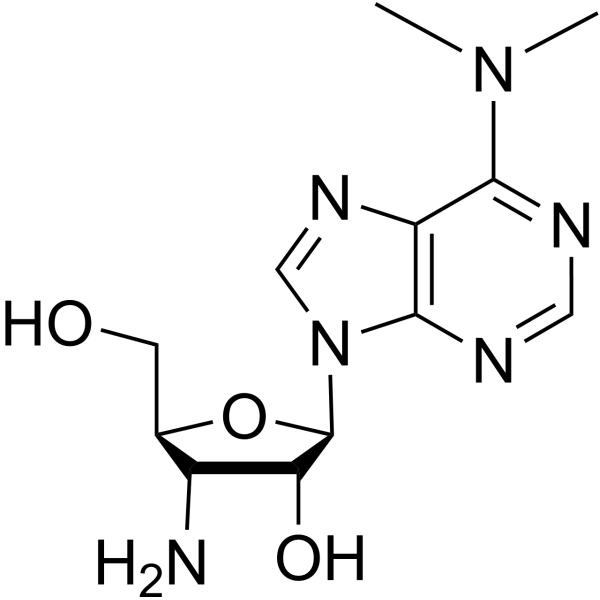 0 ImagesPuromycin aminonucleoside (NSC 3056) is the aminonucleoside portion of the antibiotic puromycin, and used in nephrosis animal models. Puromycin aminonucleoside induces apoptosis. Puromycin aminonucleoside is a reversible inhibitor of dipeptidyl peptidase II and cytosol alanyl aminopeptidase. Puromycin aminonucleoside induces secretion of cell migrasome.
-
Cerulenin
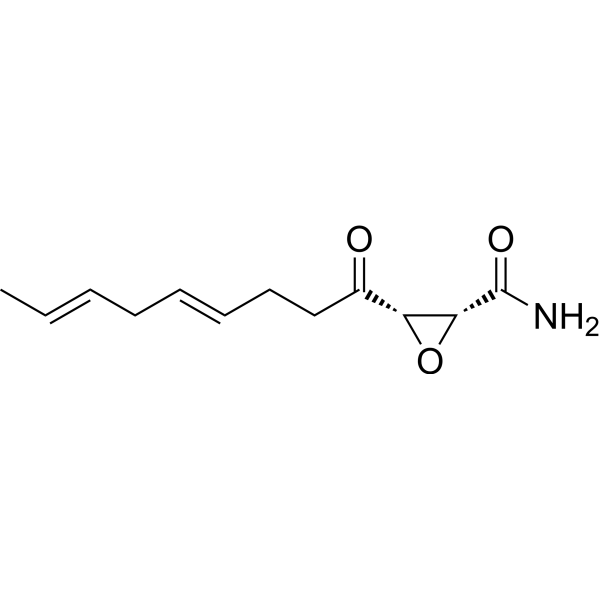 0 ImagesCerulenin, a potent, natural inhibitor of fatty acid synthase (FASN), is an epoxide produced by the fungus Cephalosporium caeruleus. Cerulenin inhibits topoisomerase I catalytic activity and augments SN-38-induced apoptosis. Cerulenin has antifungal and antitumor activies.
-
Bedaquiline fumarate
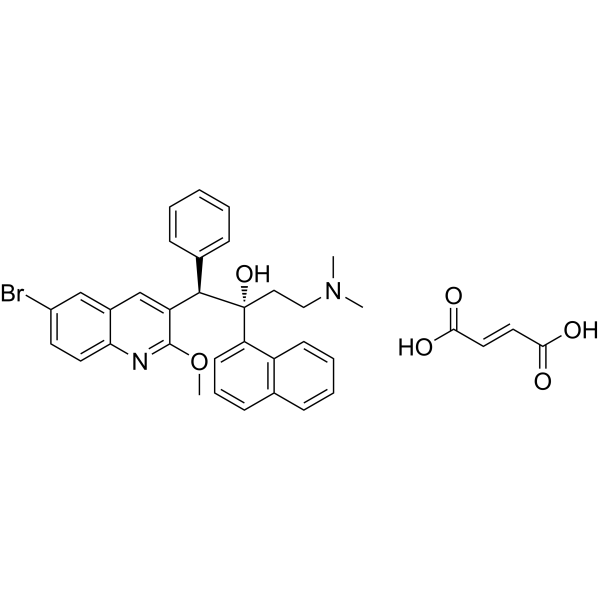 0 ImagesSynonyms: R403323; TMC207 fumarate; R207910 fumarateBedaquiline fumarate, a diarylquinoline antibiotic that targets ATP synthase, is effective for the treatment of Mycobacterium tuberculosis infections.
-
Sinefungin
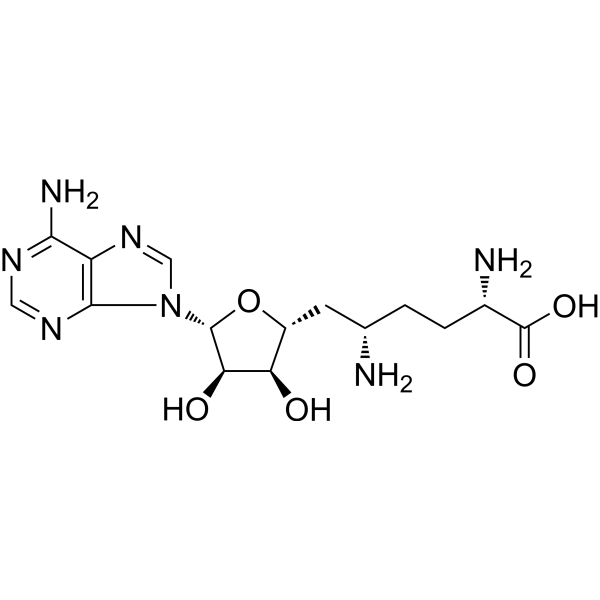 0 ImagesSynonyms: Adenosyl-Ornithine; A-9145; Antibiotic 32232RP
-
Salinomycin sodium salt
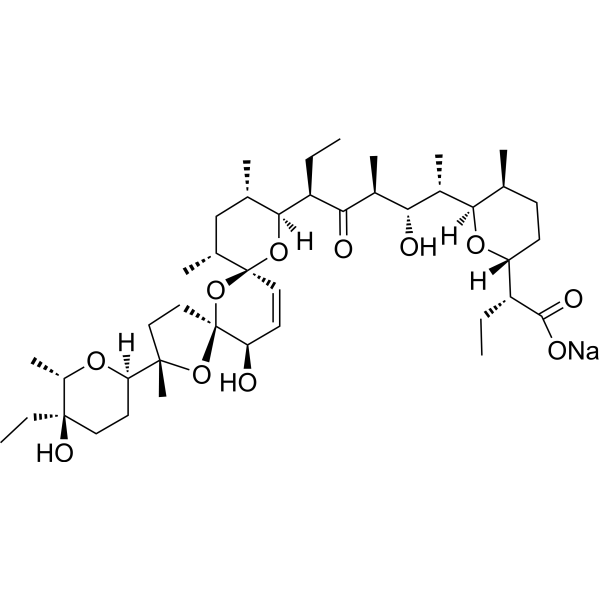 0 ImagesSynonyms: Salinomycin sodium; Sodium salinomycinSalinomycin sodium salt (Salinomycin sodium), an antibiotic potassium ionophore, is a potent inhibitor of Wnt/β-catenin signaling. Salinomycin sodium salt acts on the Wnt/Fzd/LRP complex, blocks Wnt-induced LRP6 phosphorylation, and causes degradation of the LRP6 protein. Salinomycin sodium salt shows selective activity against human cancer stem cells.
-
Mevastatin
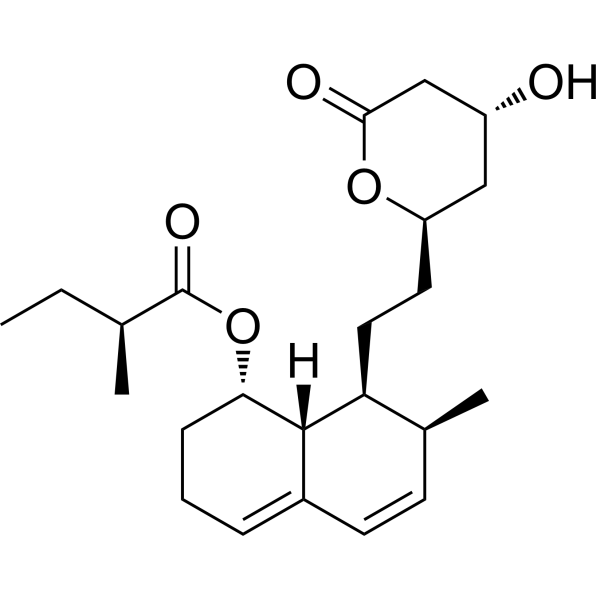 0 ImagesSynonyms: Compactin; ML236BMevastatin (Compactin) is a first HMG-CoA reductase inhibitor that belongs to the statins class. Mevastatin is a lipid-lowering agent, and induces apoptosis, arrests cancer cells in G0/G1 phase. Mevastatin also increases endothelial nitric oxide synthase (eNOS) mRNA and protein levels. Mevastatin has antitumor activity and has the potential for cardiovascular diseases treatment.
-
Moxifloxacin
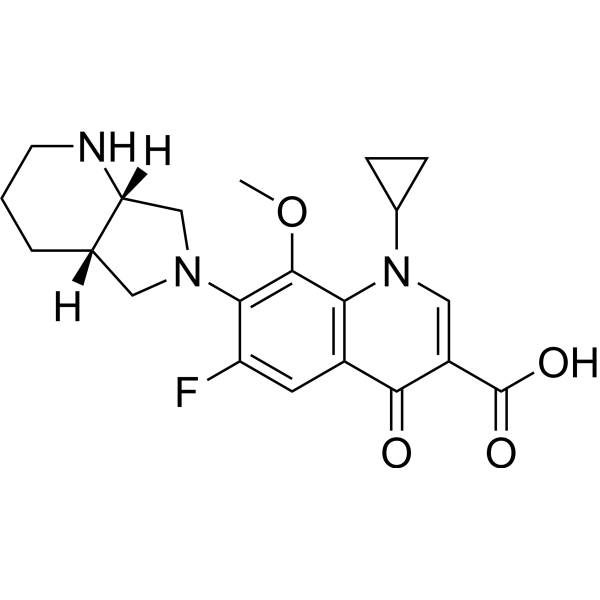 0 ImagesSynonyms: BAY 12-8039 free baseMoxifloxacin is an orally active 8-methoxyquinolone antimicrobial for use in the treatment of acute bacterial sinusitis, acute bacterial exacerbations of chronic bronchitis, and community-acquired pneumonia.
-
Tiamulin fumarate
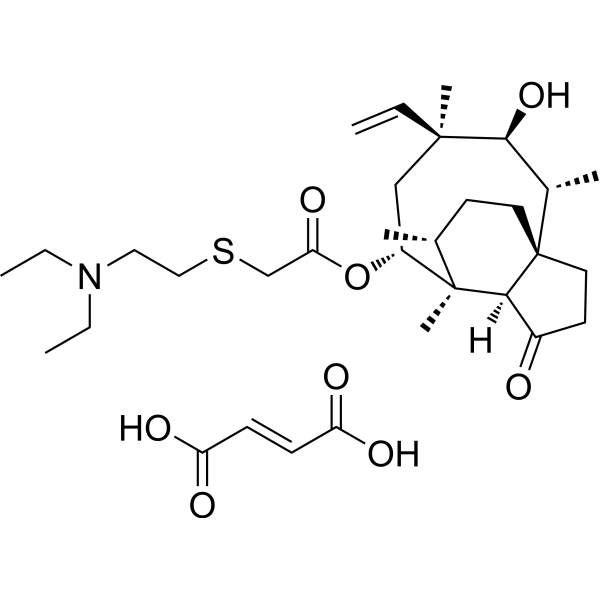 0 ImagesSynonyms: Thiamutilin fumarateTiamulin (Thiamutilin) fumarate is a diterpenic antibiotic that is widely used in pigs and poultry for the control of infectious diseases. Tiamulin fumarate is effectively used in the study of airsacculitis, which is primarily caused by Mycoplasma spp.
-
Spectinomycin dihydrochloride
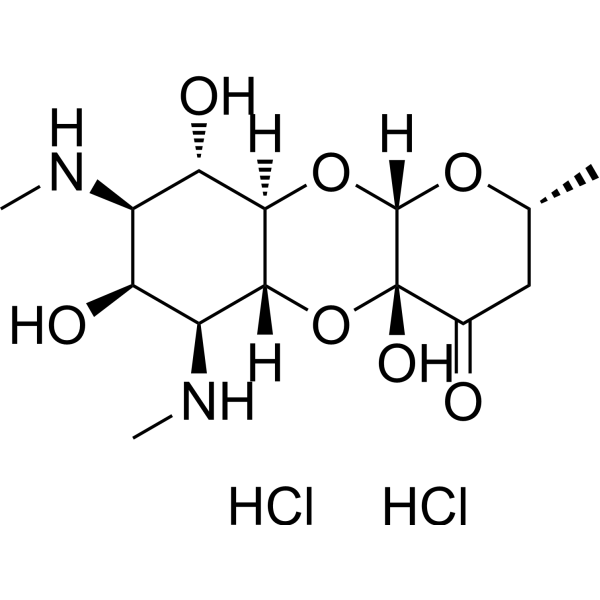 0 ImagesSpectinomycin dihydrochloride is a broad-spectrum antibiotic and inhibits the growth of a variety of gram-positive and gram-negative organisms. Spectinomycin dihydrochloride acts by selectively targeting to the bacterial ribosome and interrupting protein synthesis. Spectinomycin dihydrochloride is also a noncompetitive inhibitor of td intron RNA with an Ki value of 7.2 mM-.



