



Reactive Oxygen Species (ROS)
Reactive oxygen species (ROS), such as superoxide anion (O2-), hydrogen peroxide (H2O2), and hydroxyl radical (HO•), consist of radical and non-radical oxygen species formed by the partial reduction of oxygen. Cellular ROS are generated endogenously during mitochondrial oxidative metabolism as well as in cellular response to xenobiotics, cytokines, and bacterial invasion.
ROS also activates MAPK pathways by the direct inhibition of MAPK phosphatases. Through PTEN, the PI3K pathway is subject to reversible redox regulation by ROS generated by growth factor stimulation. The activation of autophagy may be a cellular defense mechanism in response to ROS.
All Product Categories
-
Reactive Oxygen Species (ROS) Inhibitors
(1091)
View all products
-
Reactive Oxygen Species (ROS) Agonists
(37)
View all products
-
Reactive Oxygen Species (ROS) Antagonists
(2)
View all products
-
Reactive Oxygen Species (ROS) Activators
(525)
View all products
-
Reactive Oxygen Species (ROS) Modulators
(22)
View all products
-
Reactive Oxygen Species (ROS) MDM2 Inhibitor
(1)
View all products
-
Reactive Oxygen Species (ROS) Inducers
(645)
View all products
-
Reactive Oxygen Species (ROS) Controls
(5)
View all products
-
Reactive Oxygen Species (ROS) Substrates
(3)
View all products
-
Reactive Oxygen Species (ROS) Related Products (2859)
Related Products (2859)

-
Antibodies (8)
-
Goniothalamin
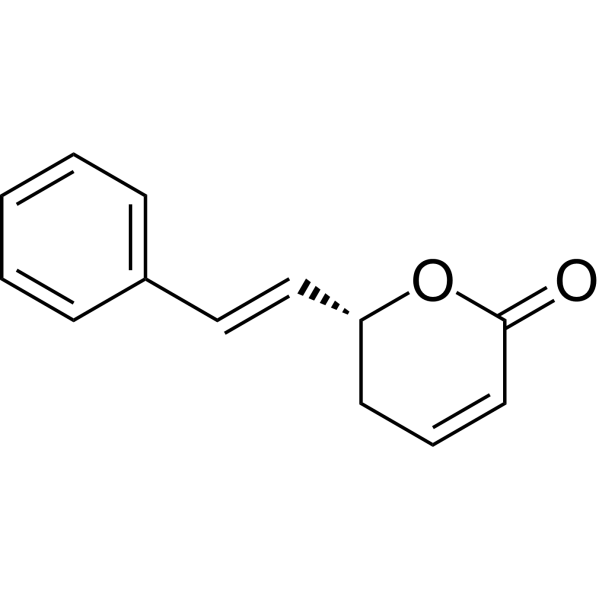 0 ImagesSynonyms: GTN; (R)-(+)-GoniothalaminGoniothalamin (GTN) is a styryl lactone. Goniothalamin exhibits insecticidal, anti-tumor and antibacterial activities. Goniothalamin induces cell cycle arrest and apoptosis in tumor cells. Goniothalamin acts as a larvicide against Culex quinquefasciatus larvae and as a cytotoxin against brine shrimp larvae. Goniothalamin functions as an antibacterial agent against Gram-positive and Gram-negative bacteria, and also acts as an antifungal agent against pathogens including Candida albicans, Trichophyton rubrum and Trichophyton mentagrophytes. Goniothalamin is applicable to research related to breast cancer, lymphatic filariasis, bacterial infections and fungal infections.
-
Apoptosis inducer 19
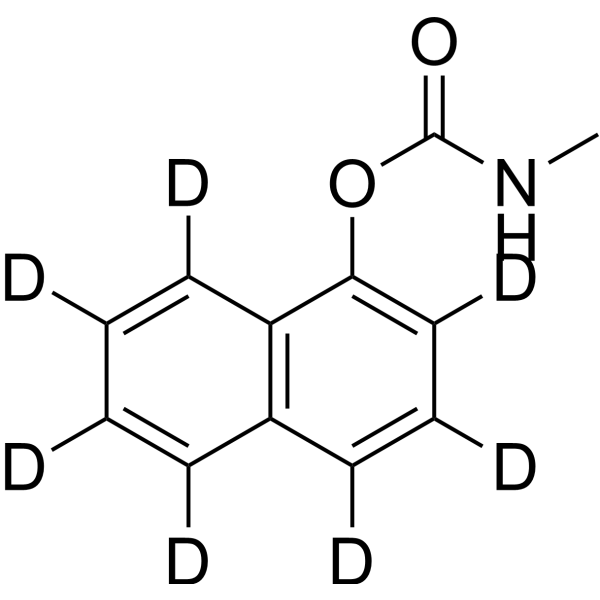
 0 ImagesApoptosis inducer 19 (Compound 7g) is an Apoptosis inducer. Apoptosis inducer 19 elevates expression of pro-apoptotic proteins (Bax and caspase-3) and downregulates anti-apoptotic protein (Bcl-2). Apoptosis inducer 19 upregulates cellular reactive oxygen species (ROS) levels and disrupts mitochondrial membrane potential (MMP). Apoptosis inducer 19 can be used for triple-negative breast cancer (TNBC) research.
-
2-Selenouracil
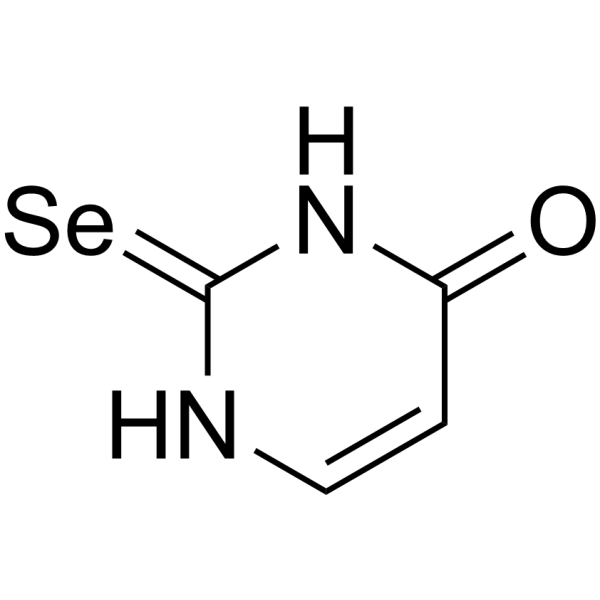 0 Images2-Selenouracil is a useful specialized photosensitizer for photodynamical therapy.
-
Dihydrocaffeic acid (Standard)
 0 ImagesSynonyms: 3,4-Dihydroxy-benzenepropanoic acid (Standard)Ditalimfos (Standard) is the analytical standard of Ditalimfos. This product is intended for research and analytical applications. Ditalimfos is an organophosphate fungicide. Ditalimfos is mainly used in agriculture to control fungal diseases of crops. Ditalimfos can be used for fungal resistance studies and risk assessment of residues in the environment.
-
BODIPYI
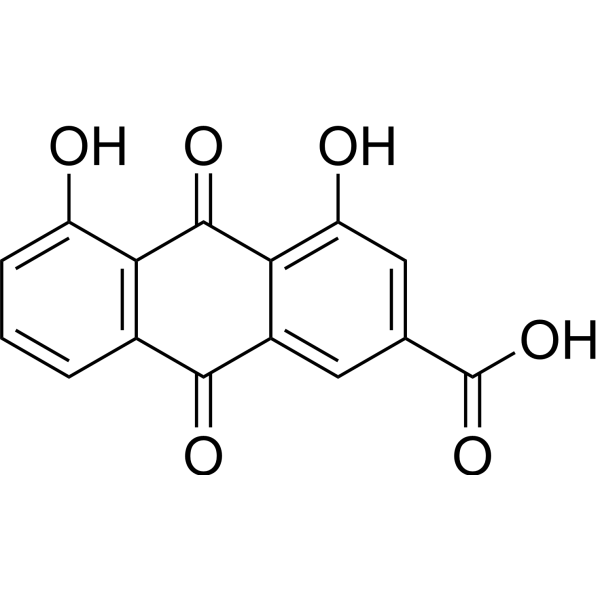
 0 ImagesCat. No.: HY-W112239CAS No.: 1083009-44-2BODIPYI is the a BODIPY derivative. BODIPYI reveals a high O2 quantum yield and exhibits phototoxicity that inhibits HeLa with an IC50 of 0.6 μg/mL. BODIPYI nanoarticles can be taken up by HeLa, producing fluorescence signals in the cells, and can be used as cell imaging agent. BODIPYI nanoarticles exhibit antitumor efficacy in mouse models.
-
Quercetin 3-O-β-D-glucofuranoside (Standard)
 0 ImagesQuercetin 3-O-β-D-glucofuranoside (Standard) is the analytical standard of Quercetin 3-O-β-D-glucofuranoside. This product is intended for research and analytical applications. Quercetin 3-O-β-D-glucofuranoside is an effective antioxidant and an eosinophilic inflammation suppressor.
-
Parishin B (Standard)
 0 ImagesParishin B (Standard) is the analytical standard of Parishin B. This product is intended for research and analytical applications. Parishin B is a parishin metabolite that can be isolated from Gastrodia elata with antioxidant activity.
-
Benzenepentacarboxylic Acid
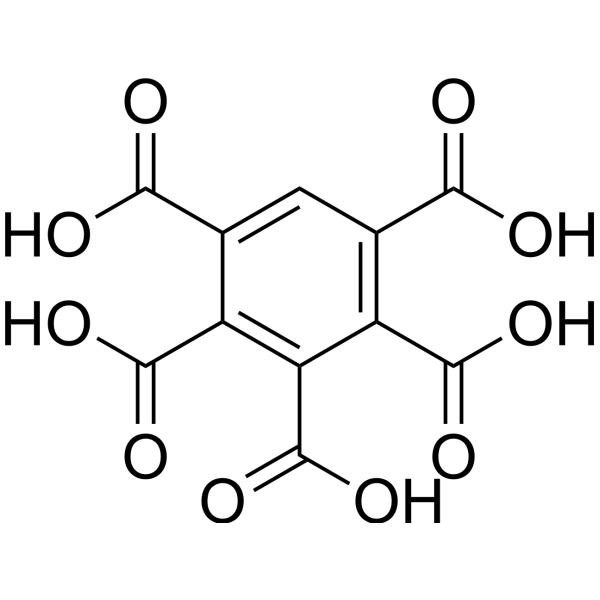 0 ImagesBenzenepentacarboxylic acid is a fluorescent dye that detects and scavenge HO radicals.
-
Hydralazine-d4 (hydrochloride)
 0 ImagesCat. No.: HY-B0464SCAS No.: 2749234-32-8Hydralazine-d4 hydrochloride is the deuterium labeled Hydralazine hydrochloride. Hydralazine hydrochloride is an orally active, blood-brain barrier-permeable DNA methyltransferase inhibitor with vasodilatory, arterial smooth muscle relaxant and hypotensive activities. Hydralazine hydrochloride reactivates silenced tumor suppressor genes via mediating DNA demethylation, while exerting neuroprotective and anti-inflammatory properties. Hydralazine hydrochloride inhibits NOS-2 (iNOS) and COX-2, and reduces the production of NO and PGEE2; meanwhile, Hydralazine hydrochloride scavenges reactive oxygen species and inhibits macrophage activation. Hydralazine hydrochloride alleviates motor dysfunction, neuropathic inflammatory pain, and formalin-induced somatic and emotional pain responses. In addition, Hydralazine hydrochloride directly induces DNA strand breaks and sister chromatid exchange, exhibiting certain mutagenic characteristics. Hydralazine hydrochloride has been widely used in studies on hypertension, various cancers (such as cervical cancer, leukemia), spinal cord injury and the mechanisms of inflammatory pain.
-
BAY-1128688
 0 ImagesBAY-1128688 is a selective, orally active aldo-keto reductase family 1 member C3 (AKR1C3) inhibitor with an IC50 of 1.4 nM. BAY-1128688 inhibits OATP, BSEP, MRP4, NTCP, UGT1A1, MRP2, and MRP3. BAY-1128688 induces reactive oxygen species (ROS) production, inhibits the mitochondrial electron transport chain, and increases circulating androsterone, etiocholanolone, dihydrotestosterone, and serum bilirubin concentrations. BAY-1128688 alters bilirubin disposition, leading to elevated plasma bilirubin, independent of liver injury. BAY-1128688 can be used in research on endometriosis and polycystic ovary syndrome.
-
Diethyl succinate (Standard)
 0 ImagesDiethyl succinate (Standard) is the analytical standard of Diethyl succinate. This product is intended for research and analytical applications. Diethyl succinate (Diethyl Butanedioate) can be utilized at physiological pH, allowing it to penetrate biological membranes and integrate into the cells of tissue cultures, where it is metabolized via the tricarboxylic acid cycle. Diethyl succinate modulates the polarization and activation of microglial cells by reducing mitochondrial fission and the levels of reactive oxygen species (ROS), thereby exerting an inflammatory protective effect in primary microglial cells. Furthermore, Diethyl succinate is non-toxic and can be used in flavorings and seasonings.
-
Dapsone-d8
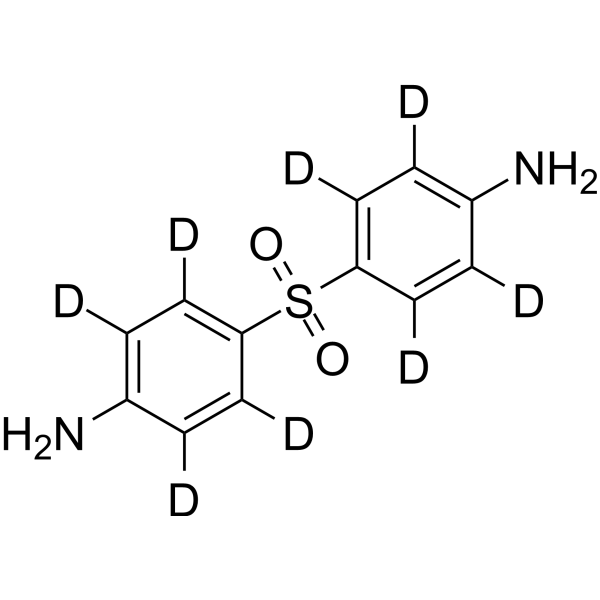 0 ImagesSynonyms: 4,4′-Diaminodiphenyl sulfone-d8; DDS-d8Dapsone-d8 is a deuterium labeled Dapsone. Dapsone is an orally active and blood-brain penetrant sulfonamide antibiotic with antibacterial, antigenic and anti-inflammatory activities. Dapsone?exerts effective antileprosy activity?and inhibits folate synthesis in cell extracts of?M. leprae. Dapsone can be used as an anticonvulsant and also in the research of skin and glioblastoma diseases.
-
Norbergenin
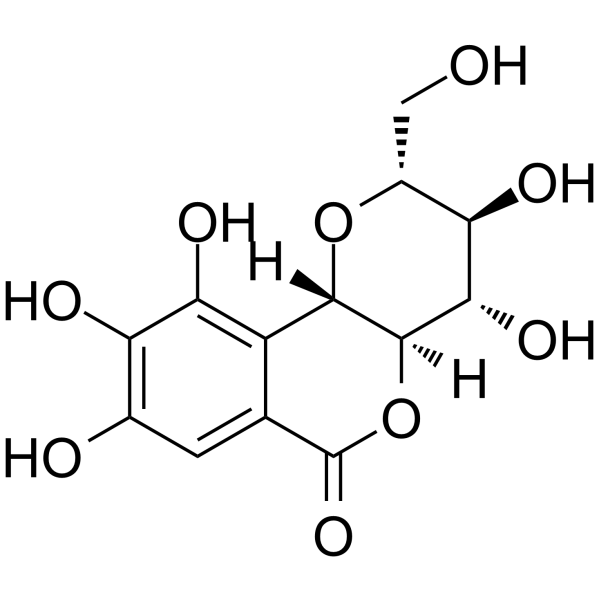 0 ImagesNorbergenin is a polyphenolic isocoumarin derivative. Norbergenin acts as a non-competitive inhibitor of bovine adrenal tyrosine hydroxylase (TH) with a Ki value of 69.6 μM. Norbergenin inhibits lipopolysaccharide-induced inflammatory responses in macrophages by suppressing the activation of NF-κB, MAPK and STAT3, as well as blocking metabolic reprogramming. Norbergenin inhibits aluminum chloride-induced oxidative stress and apoptosis and restores neurocognitive parameters. Norbergenin scavenges ROS through multiple mechanisms and protects cell membranes from lipid peroxidation damage. Norbergenin can be used in research related to Alzheimer's disease, peptic ulcer and arthritis.
-
Plecstatin-1
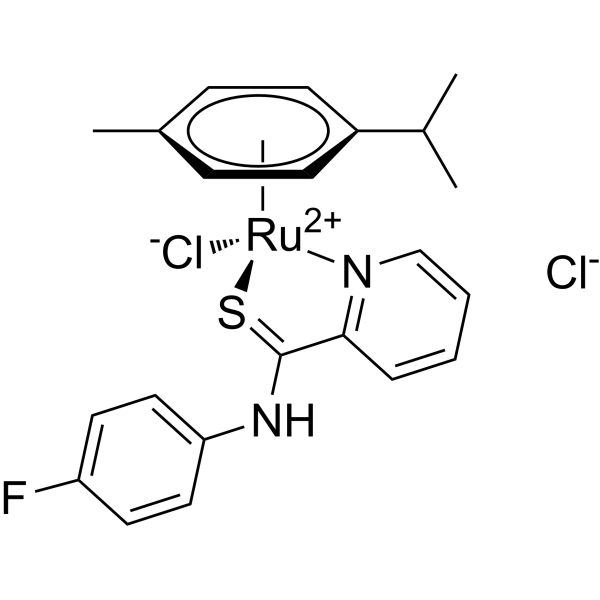 0 ImagesCat. No.: HY-156675CAS No.: 2119725-22-1Plecstatin‑1 is a metal complex that drives the aggregation and collapse of the plectin network, and disrupts the cytoskeletal structures of α‑tubulin and F‑actin. Plecstatin-1 triggers oxidative stress, mediates the phosphorylation of eIF2α, and induces molecular features associated with immunogenic cell death, including calreticulin membrane exposure, membrane localization of HSP70/HSP90, ATP secretion, and HMGB‑1 release. Plecstatin-1 induces apoptosis via the intrinsic mitochondrial pathway and exerts anti-invasive activity. Plecstatin‑1 inhibits sphere proliferation and reduces clonogenicity in the 3D tumor spheroid model of colon cancer cells. Plecstatin-1 is applicable to relevant research on colorectal cancer.
-
Antioxidant agent-4
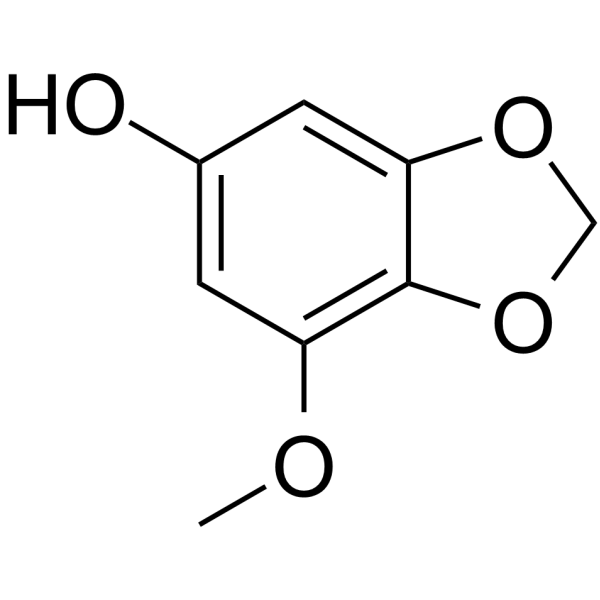 0 ImagesCat. No.: HY-W068420CAS No.: 50901-34-3Antioxidant agent-4 (Compound 2) is an effective antioxidant molecule with antilipid peroxidative activity.
-
Quercetin-d3 hydrate
 0 ImagesCat. No.: HY-18085ASQuercetin-d3 hydrate is a deuterium labeled Quercetin hydrate (HY-18085A), a flavonoid which can stimulate recombinant SIRT1 and also a PI3K inhibitor with IC50s of 2.4 μM, 3.0 μM and 5.4 μM for PI3K γ, PI3K δ and PI3K β, respectively.




