



CFTR
Cystic fibrosis transmembrane conductance regulator
CFTR (Cystic fibrosis transmembrane conductance regulator), mutations of which cause cystic fibrosis, belongs to the ATP-binding cassette (ABC) transporter family and works as a channel for small anions, such as chloride and bicarbonate. CFTR is composed of two homologous halves, each comprising a transmembrane (TMD) and a nucleotide binding domain (NBD). CFTR activity is regulated by phosphorylation of its cytosolic regulatory (R) domain, and ATP binding and hydrolysis at two NBDs.
CFTR is expressed in many cell types throughout the body, but in the airways it is found mainly in secretory serous cells of the submucosal glands. Transitions between open and closed states of CFTR are regulated by ATP binding and hydrolysis on the cytosolic nucleotide binding domains, which are coupled with the transmembrane (TM) domains forming the pathway for anion permeation. CFTR function is normally tightly controlled as dysregulation can lead to life-threatening diseases such as secretory diarrhoea and cystic fibrosis.
All Product Categories
-
CFTR Related Products (134)
Related Products (134)

-
Antibodies (1)
-
Glibenclamide
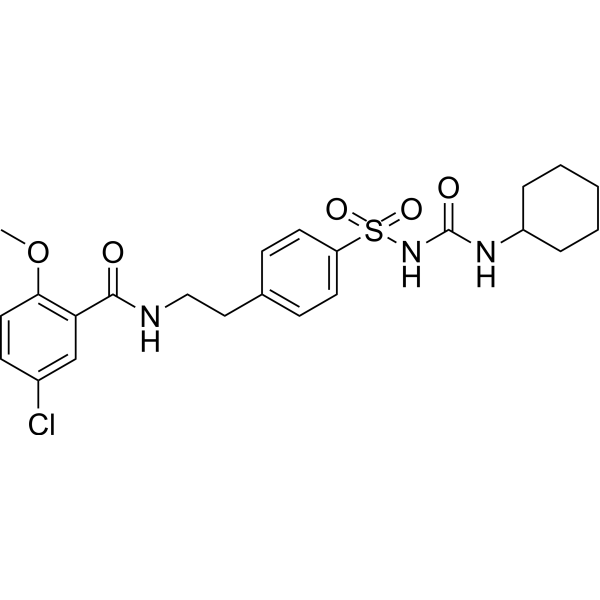 0 ImagesSynonyms: GlyburideGlibenclamide (Glyburide) is an orally active ATP-sensitive K+ channel (KATP) inhibitor and can be used for the research of diabetes and obesity. Glibenclamide inhibits P-glycoprotein. Glibenclamide directly binds and blocks the SUR1 subunits of KATP and inhibits the cystic fibrosis transmembrane conductance regulator protein (CFTR). Glibenclamide interferes with mitochondrial bioenergetics by inducing changes on membrane ion permeability. Glibenclamide can induce autophagy.
-
Glucosamine
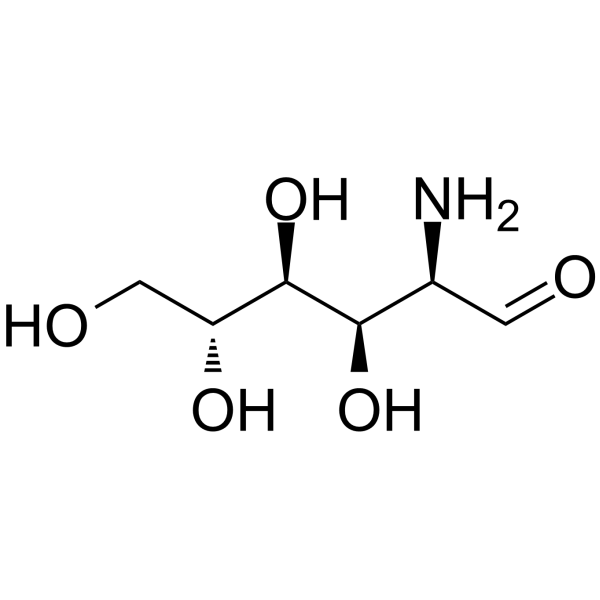 0 ImagesGlucosamine (D-Glucosamine) is an amino sugar and a prominent precursor in the biochemical synthesis of glycosylated proteins and lipids, is used as a dietary supplement. Glucosamine also is a natural constituent of glycosaminoglycans in the cartilage matrix and synovial fluid, which when administered exogenously, exerts pharmacological effects on osteoarthritic cartilage and chondrocytes.
-
Tezacaftor
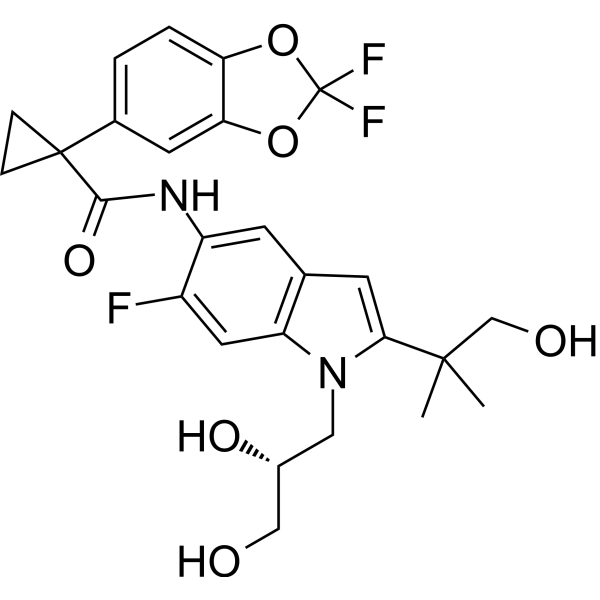 0 ImagesSynonyms: VX-661Tezacaftor (VX-661) is a F508del CFTR corrector. It helps CFTR protein reach the cell surface. However, Ivacaftor (VX-770, HY-13017), a CFTR potentiator, helps to prolong the opening time of cell surface CFTR protein channels. Tezacaftor combining with Ivacaftor, shows potent efficacy against cystic fibrosis and diseases with homozygous for the CFTR Phe508del mutation. Moreover, Elexacaftor (VX-445, HY-111772) is also a CFTR corrector. Elexacaftor-Tezacaftor-Ivacaftor aims at with cystic fibrosis (CF) with at least one Phe508del mutation, often avoids the indication for lung transplantation.
-
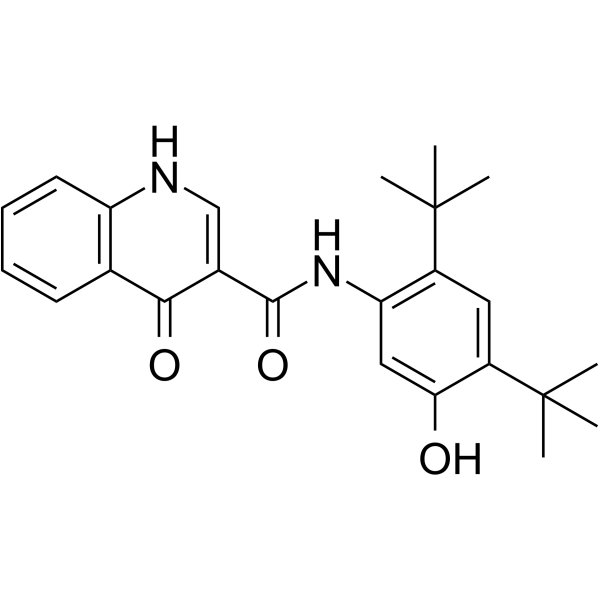
CFTR(inh)-172
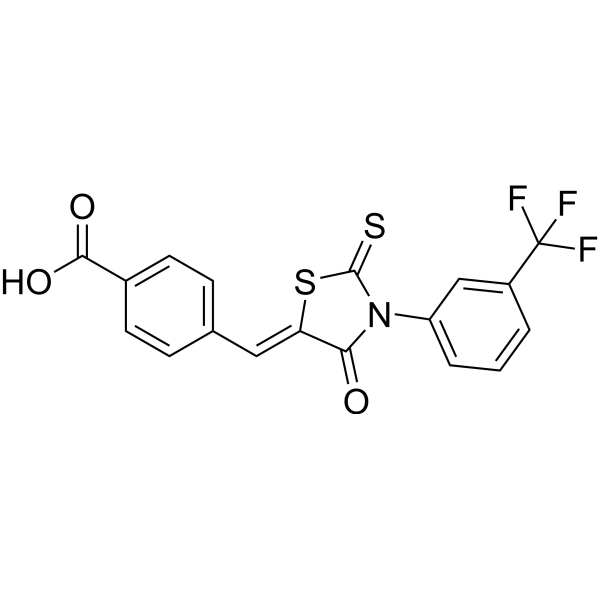 0 ImagesCFTR(inh)-172 is a potent and selective blocker of the CFTR chloride channel; reversibly inhibits CFTR short-circuit current in less than 2 minutes with a Ki of 300 nM.
-
Ataluren
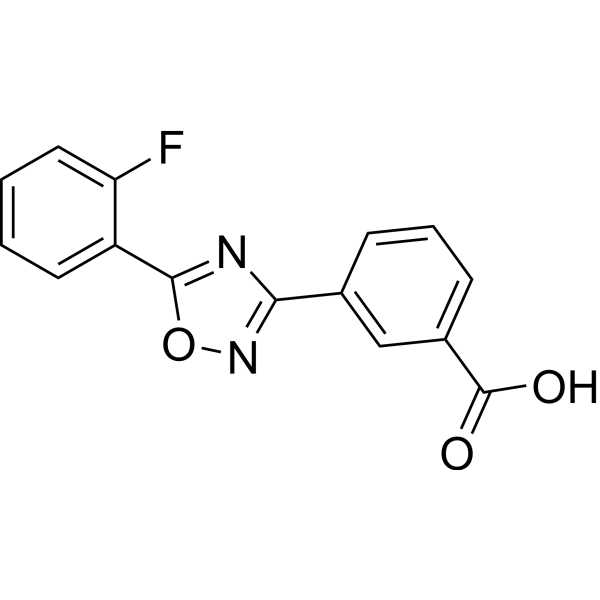 0 ImagesSynonyms: PTC124Ataluren (PTC124) is an orally available CFTR-G542X nonsense allele inhibitor.
-
NVS1.1
 0 ImagesCat. No.: HY-177569NVS1.1 is an orally active, blood-brain barrier-penetrant eRF1 degrader. NVS1.1 induces ubiquitination of eRF1 at Lys279, mediates proteasomal degradation via the E3 ubiquitin ligases RNF14 and RNF25 as well as the translational stress sensor GCN1, traps eRF1 at the ribosomal A-site, inhibits translation termination and triggers ribosome collision. As a readthrough enhancer, NVS1.1 enables near-cognate tRNA incorporation at premature termination codons by reducing intracellular eRF1 levels. NVS1.1 activates ribosome-associated quality control pathways via ribosome collision, including ubiquitination of small subunit ribosomal proteins. NVS1.1 restores functional full-length CFTR and IDUA proteins and reduces glycosaminoglycan accumulation in relevant models. NVS1.1 can be used in the research of cystic fibrosis and Hurler syndrome (mucopolysaccharidosis type I, MPS I).

-
Elexacaftor
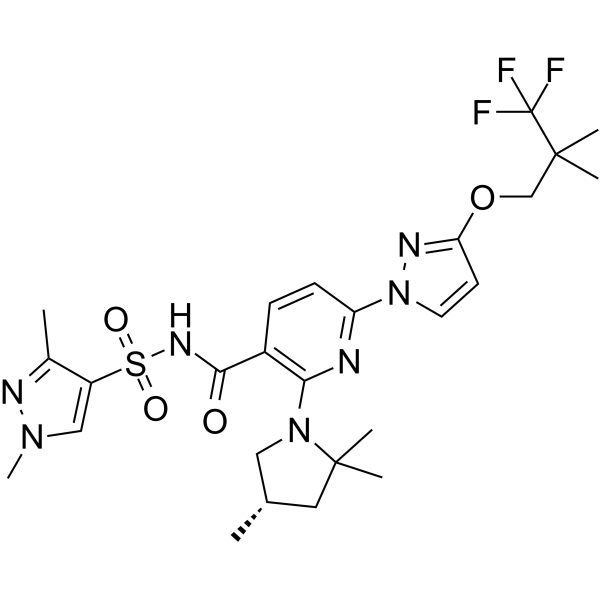 0 ImagesSynonyms: VX-445Elexacaftor (VX-445, Compound 1) is a modulator of cystic fibrosis transmembrane conductance regulator (CFTR). Elexacaftor (VX-445, Compound 1) facilitates the processing and trafficking of CFTR to increase the amount of CFTR at the cell surface.
-
Lumacaftor
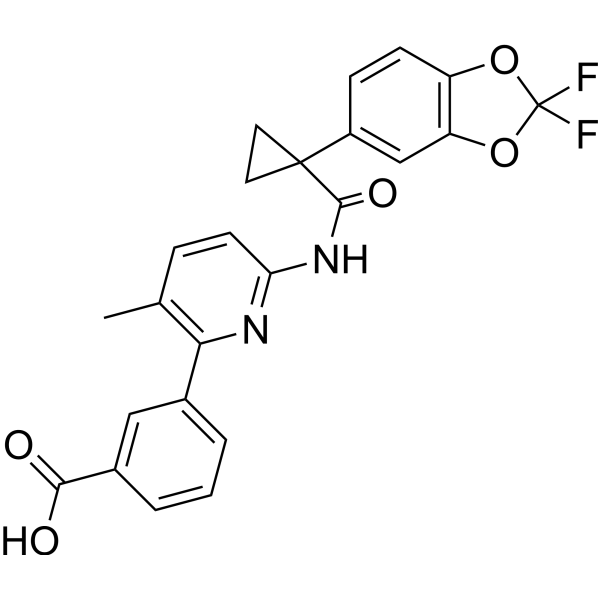 0 ImagesSynonyms: VX-809; VRT 826809
-
SRI-41315
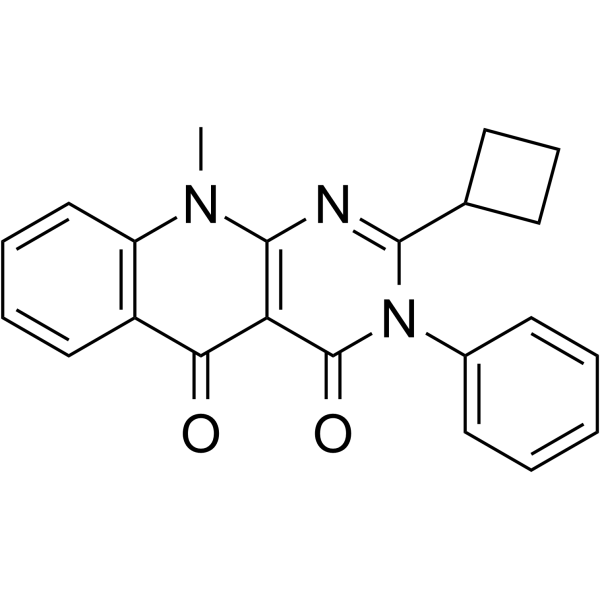 0 ImagesSRI-41315 induces a prolonged pause at stop codons and suppresses PTCs (premature termination codons) associated with cystic fibrosis in immortalized and primary human bronchial epithelial cells, restoring CFTR (cystic fibrosis transmembrane conductance regulator) expression and function. SRI-41315 suppresses PTCs by reducing the abundance of the termination factor eRF1. SRI-41315 also potentiates aminoglycoside-mediated readthrough, leading to synergistic increases in CFTR activity.
-
Vanzacaftor
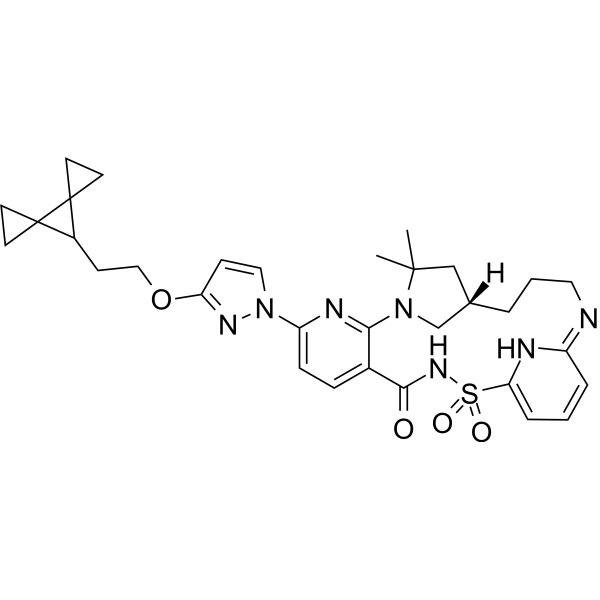 0 ImagesSynonyms: VX-121Vanzacaftor (VX-121) is an orally active noval corrector of Cystic fibrosis transmembrane conductance regulator (CFTR). Vanzacaftor improves processing and trafficking of CFTR protein as well as increases chloride transport in triple combined with Tezacaftor (HY-15448) and Deutivacaftor. Vanzacaftor-Tezacaftor-Deutivacaftor is safe and well tolerated, improving lung function, respiratory symptoms, and CFTR function with cystic fibrosis, which is promising for research in the field of cystic fibrosis diseases.
-
Lubiprostone
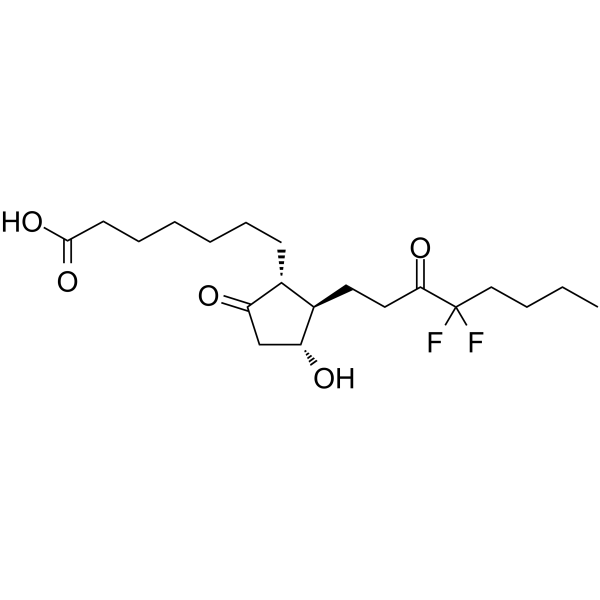 0 ImagesSynonyms: RU-0211; SPI-0211Lubiprostone (SPI-0211) increases intestinal fluid secretion through generation of CIC-2/CFTR and activation of cAMP signaling pathway. Lubiprostone inhibits myeloperoxidase (MPO) activity, downregulates Indomethacin (HY-14397)-induced iNOS and TNFα expression. Lubiprostone can be used for chronic constipation research.
-
Ivacaftor-d9
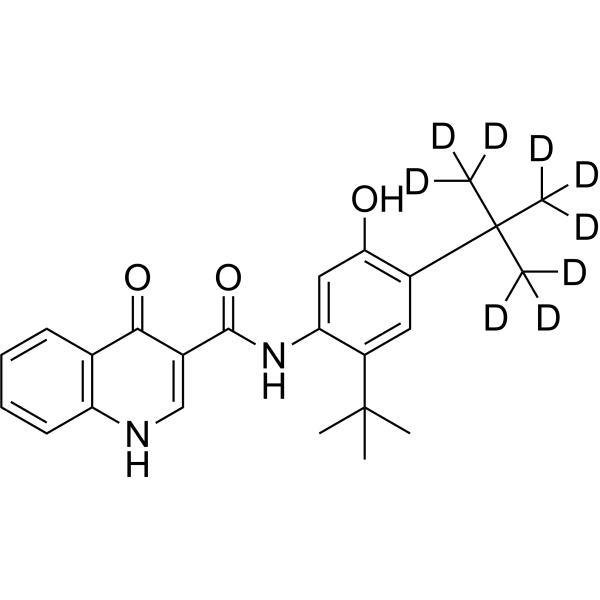 0 ImagesSynonyms: VX-770-d9Ivacaftor-d9 is a potent CFTR modulator and exhibits an EC50 value of 255 nM for CFTR potentiation in G551D/F508del HBE Cells. Ivacaftor-D9 acts as an orally active and improved deuterated Ivacaftor analog for cystic fibrosis research.
-
Glafenine
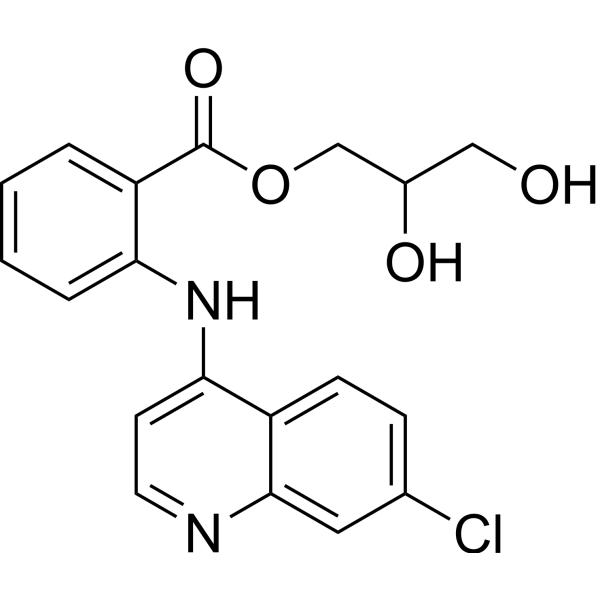 0 ImagesGlafenine (Glafenin) is a non-selective, non-steroidal anti-inflammatory drug-based COX-1/COX-2 inhibitor. Glafenine exerts anti-inflammatory, anti-proliferative and anti-cell migration effects by inhibiting the arachidonic acid metabolic pathway and reducing prostaglandin synthesis. Glafenine can induce cell cycle arrest in vascular smooth muscle cells and endothelial cells and reduce the synthesis of the extracellular matrix protein Tenascin. Glafenine can be used in the research of inflammatory-related diseases, vascular restenosis and cystic fibrosis (CF).
-
5,7,4'-Trimethoxyflavone
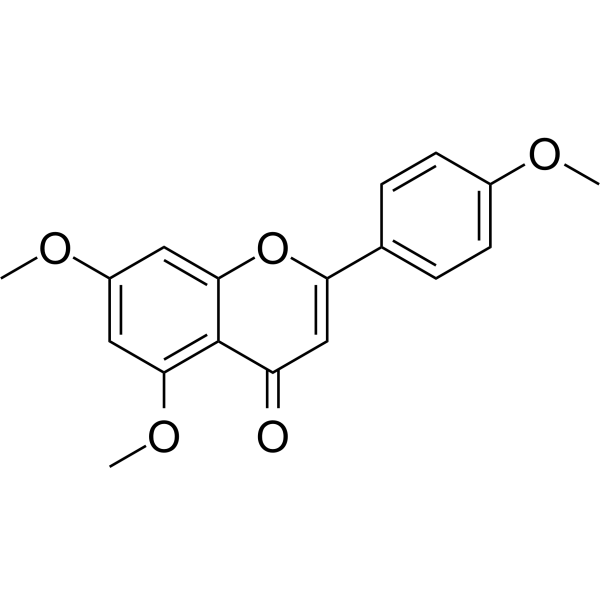 0 Images5,7,4’-Trimethoxyflavone can be isolated from the medicinal plant Kaempferia parviflora (KP). 5,7,4’-Trimethoxyflavone is a CFTR activator and EC50 is 64 μM. 5,7,4’-Trimethoxyflavone induces apoptosis, increases proteolytic activation of caspase-3, and degradation of ADP-ribose polymerase (PARP) protein. 5,7,4’-Trimethoxyflavone has antitumor activity. 5,7,4’-Trimethoxyflavone can be used to prevent skin aging and oxidative stress.
-
Crinecerfont
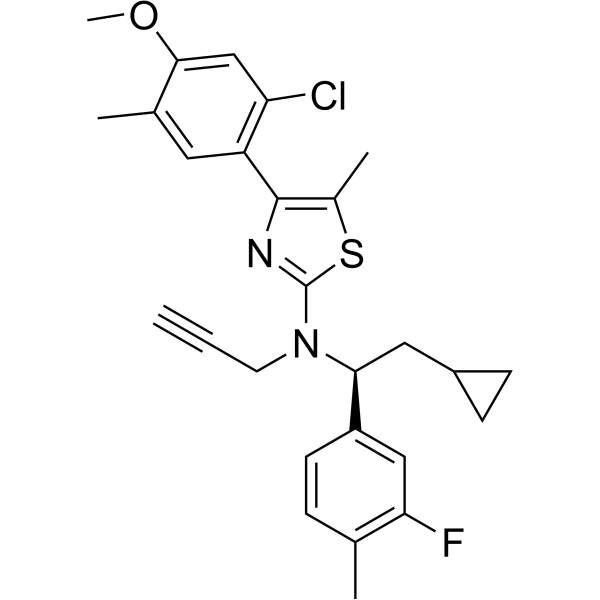 0 ImagesSynonyms: SSR-125543Crinecerfont (SSR-125543) is an orally effective corticotropin-releasing factor receptor type-1 (CRF1 receptor) antagonist. Crinecerfont blocks CRF1 receptor signaling to reduce adrenocorticotropic hormone secretion. Crinecerfont improves hypothalamic-pituitary-adrenal axis negative feedback sensitivity in chronically stressed mice. Crinecerfont can be used for the research of chronic stress conditions and classic congenital adrenal hyperplasia due to 21-hydroxylase deficiency. Crinecerfont is a click chemistry reagent, it contains an Alkyne group and can undergo copper-catalyzed azide-alkyne cycloaddition (CuAAc) with molecules containing Azide groups.




